

Japan's adventure travel is unusually varied because the archipelago stretches from Hokkaido's winter sea ice to Okinawa's subtropical reefs. Between them lie 3,000-metre peaks, active volcanoes, powerful rivers, old pilgrimage roads and thousands of kilometres of coast. Efficient trains may bring you close, but the experience itself still depends on weather, season and local knowledge.
The best approach is to make one landscape the center of several days. Stay in a mountain town instead of racing back to Tokyo, sleep beside a pilgrimage trail, or give an island enough time to survive a ferry cancellation. This guide includes major physical challenges and lower-intensity ways to explore. For guided activities, choose operators that state qualifications, equipment and cancellation rules clearly; for independent days, check official weather, volcanic, avalanche and park information immediately before departure.
Japan adventures at a glance
| Adventure | Standout destination | Intensity | Key requirement |
|---|---|---|---|
| Mountain climbing | Mount Fuji | High | Official-season plan and hut |
| Whitewater rafting | Yoshino River | Moderate–high | Qualified guide |
| Skiing | Hokkaido | Moderate–very high | Avalanche skills off piste |
| Drift-ice walking | Shiretoko | Moderate | Guided dry-suit tour |
| Island trekking | Yakushima | High | Rain gear and early start |
| Cycle touring | Shimanami Kaido | Moderate | One or two days |
The 20 best adventure activities in Japan
1. Climb Mount Fuji
Climb Japan's 3,776-metre icon during its short official season, ideally over two days with a reserved mountain hut. The four routes differ in transport, length and congestion; Yoshida has the most facilities. New reservation and access systems can change annually, so use the official climbing site.
Altitude, cold and rain cause more trouble than technical terrain. Do not attempt a sleepless “bullet climb,” and never treat the closed season as an ordinary hike.
2. Raft the Yoshino River
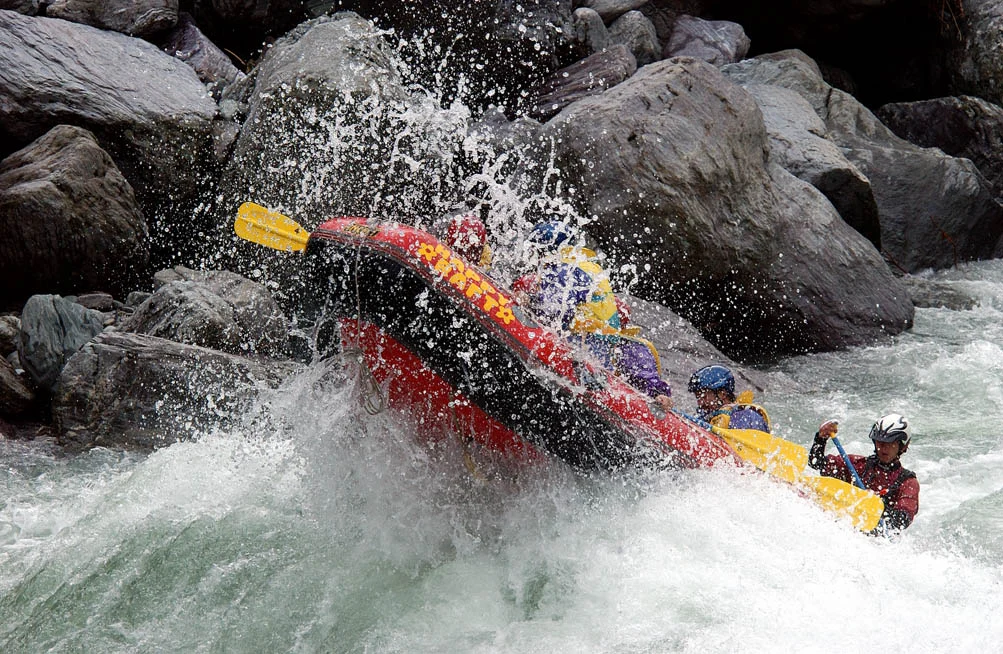
The Koboke and Oboke gorges in Shikoku offer some of Japan's strongest commercial whitewater amid steep green mountains. Operators tailor half- and full-day trips to water level and participant experience, with the larger rapids concentrated in advanced sections.
Choose a qualified outfitter that supplies helmet, flotation and thermal gear, and disclose swimming ability. Rain can increase flows dramatically; an operator's cancellation is a safety decision. Stay in the Iya Valley to add vine bridges and walking trails.
3. Ski Hokkaido powder
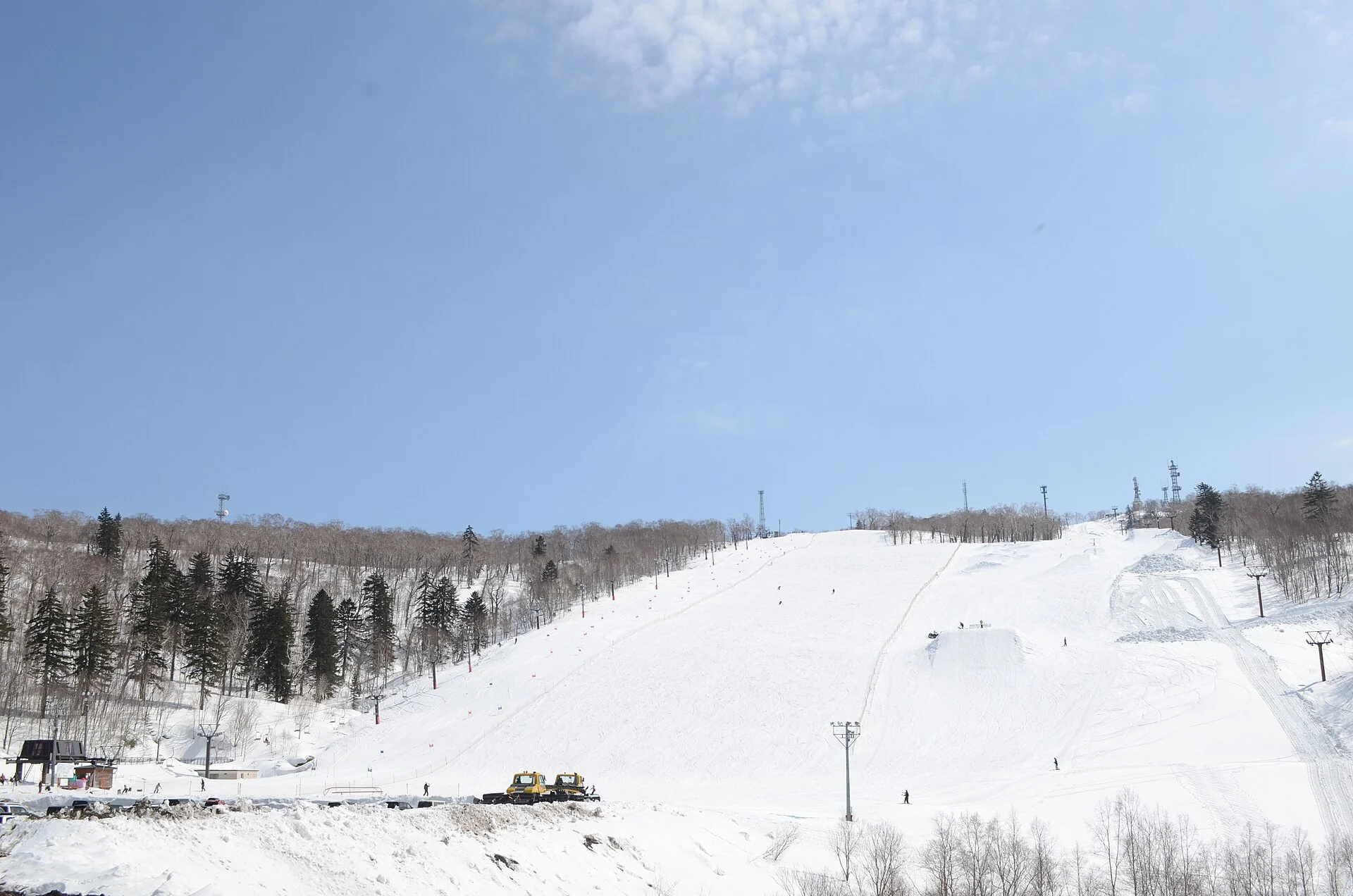
Niseko is the famous gateway, but Rusutsu, Furano and smaller Hokkaido areas also deliver deep snow and tree skiing. Resort terrain serves many levels; gates into sidecountry introduce avalanche exposure and a completely different obligation.
Never follow tracks beyond a gate without avalanche equipment, training and current information. Hire a certified guide for backcountry terrain and respect closures. Cold, wind and poor visibility can stop lifts even on a powder morning.
4. Walk on Shiretoko's drift ice
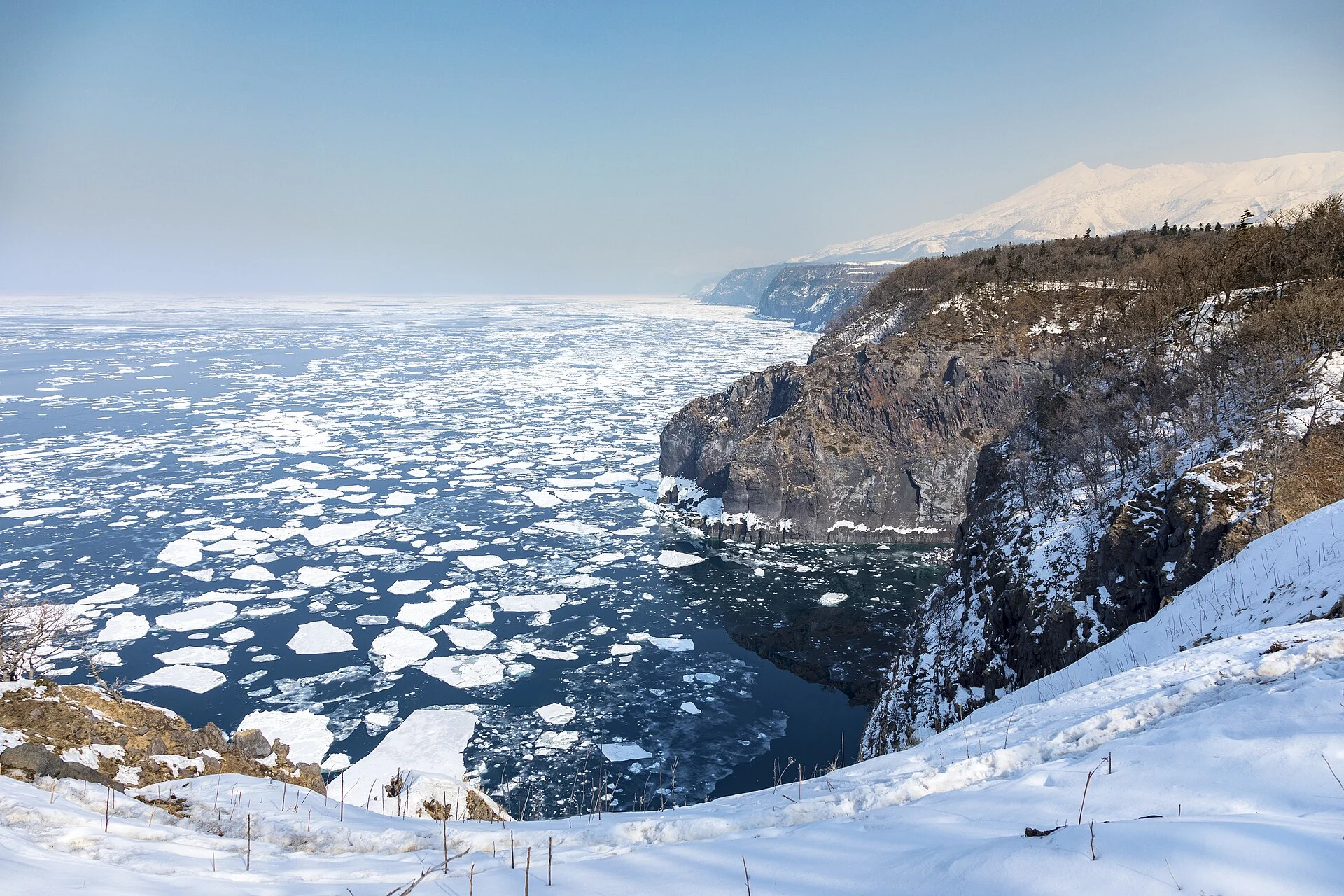
In winter, guided groups near Utoro wear insulated dry suits to walk and float at the edge of Sea of Okhotsk ice. It is a rare way to experience a seasonal marine system rather than merely observing it from shore.
Only enter with an authorized guide: ice moves, gaps open and cold water is immediately dangerous. Tours depend on wind and ice distribution. Combine the outing with visitor-center interpretation and wildlife viewing that maintains legal distances.
5. Trek through Yakushima forest
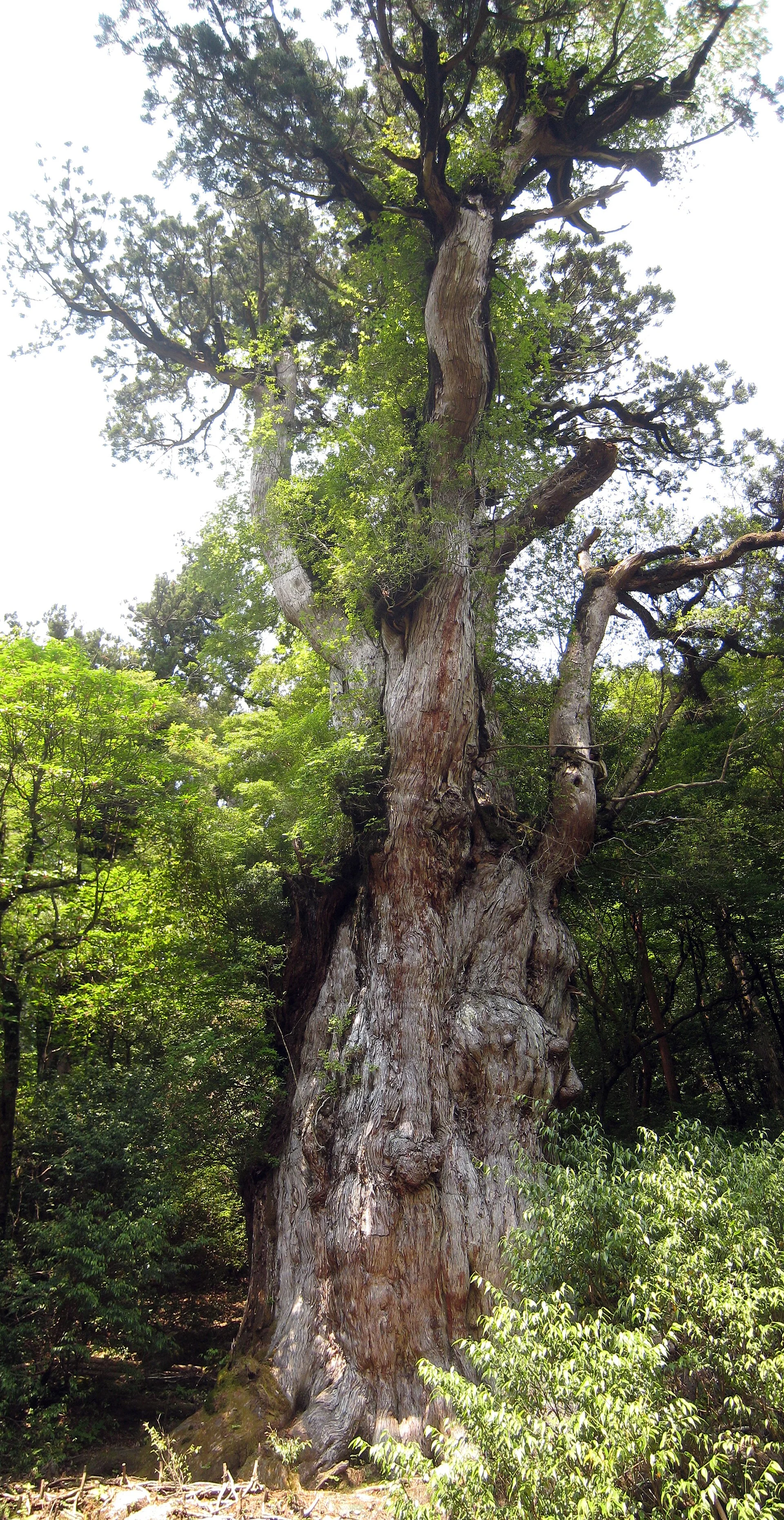
Yakushima's granite mountains and ancient cedar forest support demanding day hikes to Jomon Sugi and quieter routes through Shiratani Unsuikyo. The Jomon return commonly lasts nine to eleven hours and begins before dawn.
Exceptional rainfall makes waterproof gear, protected electronics and grippy footwear mandatory. Use regulated shuttles, carry portable-toilet supplies where requested and stay off roots and moss. A nature guide adds far more than route-finding.
6. Cycle the Shimanami Kaido
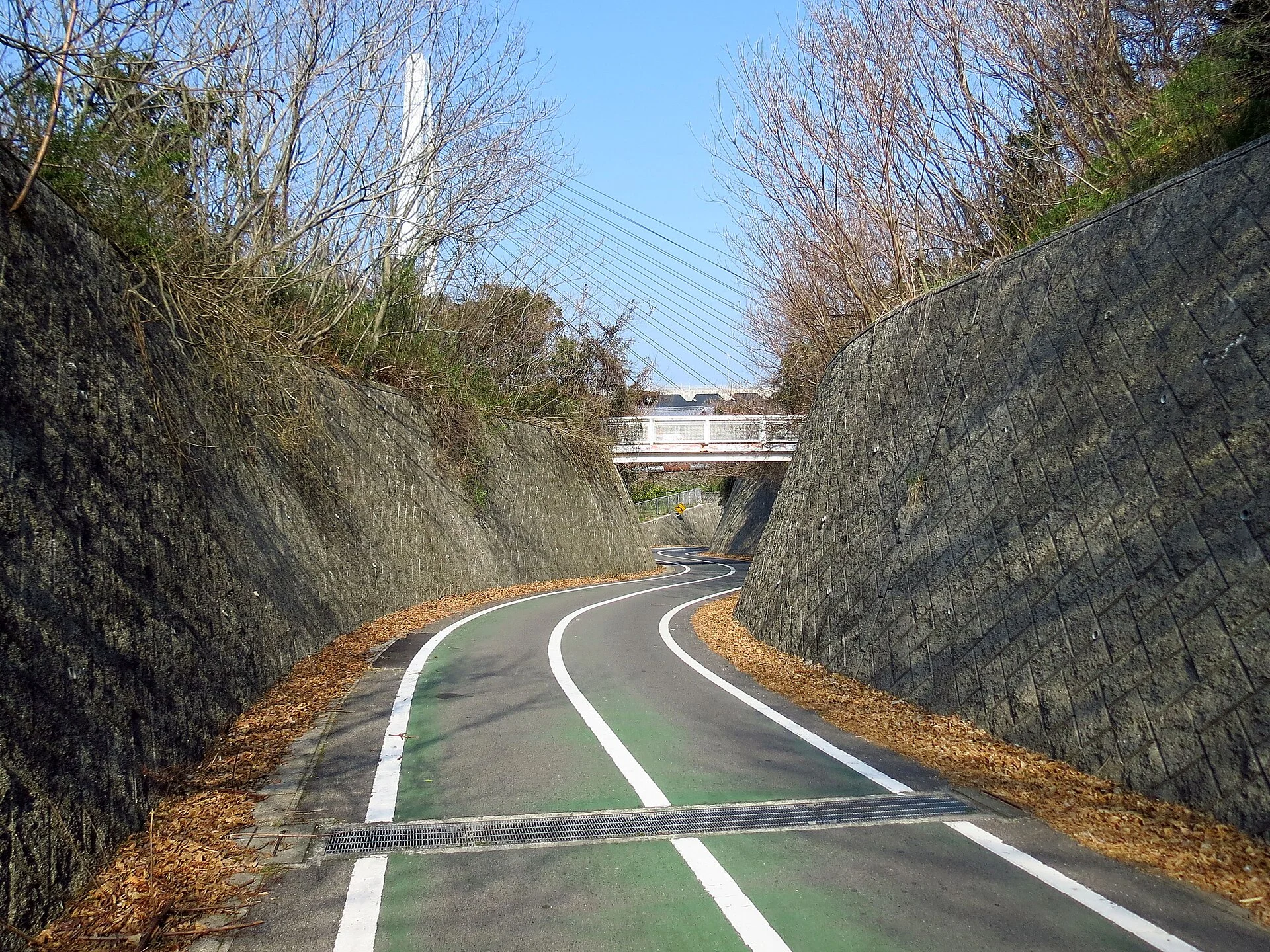
This roughly 70-kilometre route crosses bridges and islands between Onomichi and Imabari above the Seto Inland Sea. Rental networks and marked approaches make it friendly to touring beginners, while the bridge climbs and wind still produce a substantial day.
Split it over two days for village stops and island detours. Wear a helmet, stay in the marked cycle lane and check one-way bicycle return options. Heat and sun make spring and autumn kinder than midsummer.
7. Dive or snorkel in the Kerama Islands
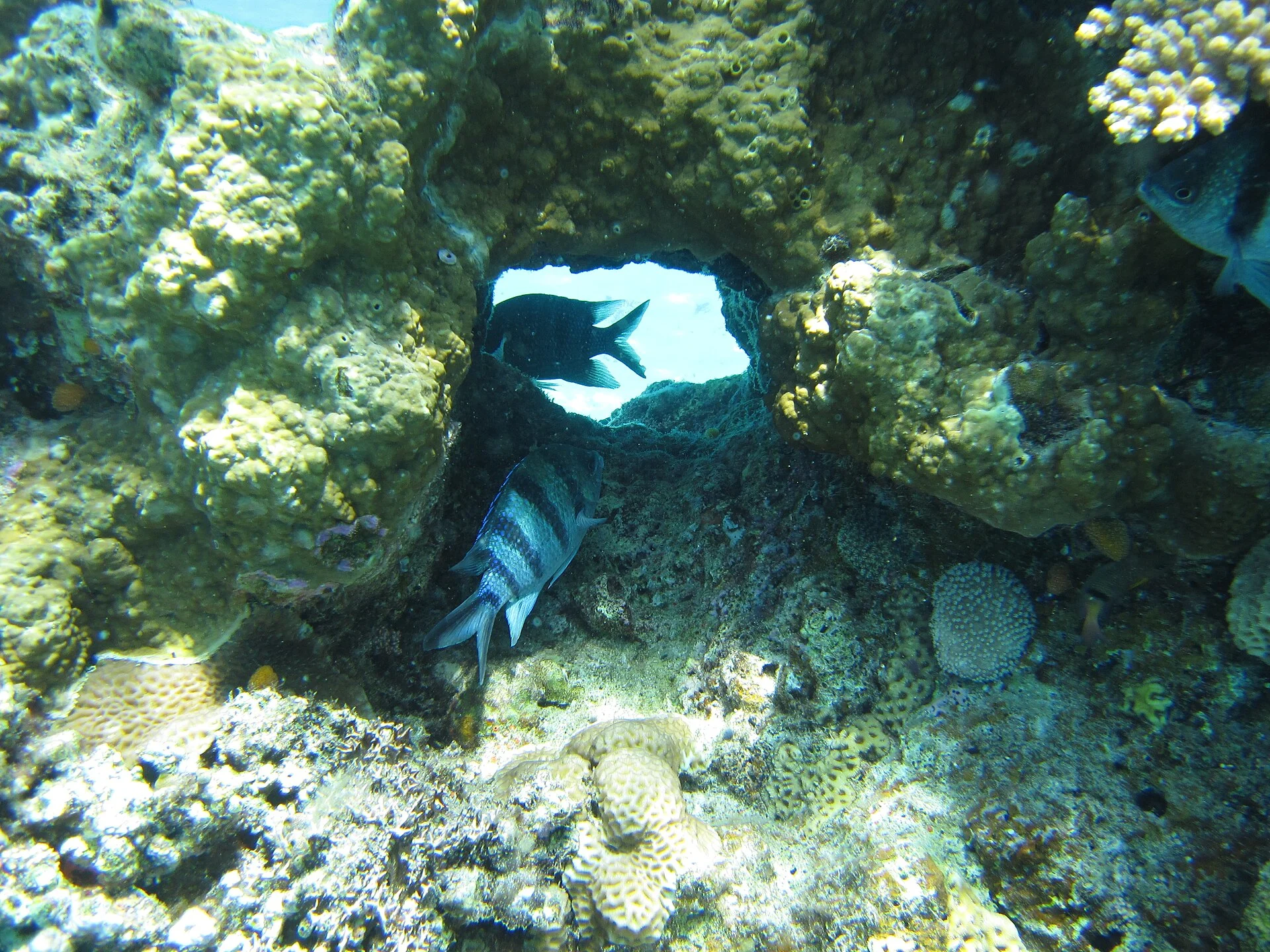
Clear “Kerama blue” water supports coral, turtles and reef fish near Okinawa. Sheltered snorkeling suits newcomers; current-exposed dive sites require certification and precise boat procedures.
Use an established operator, state your experience honestly and control buoyancy so fins never strike coral. Typhoons and winter seas can cancel departures. Humpback-whale watching offers a seasonal surface alternative from January through March.
8. Hike the Kumano Kodo
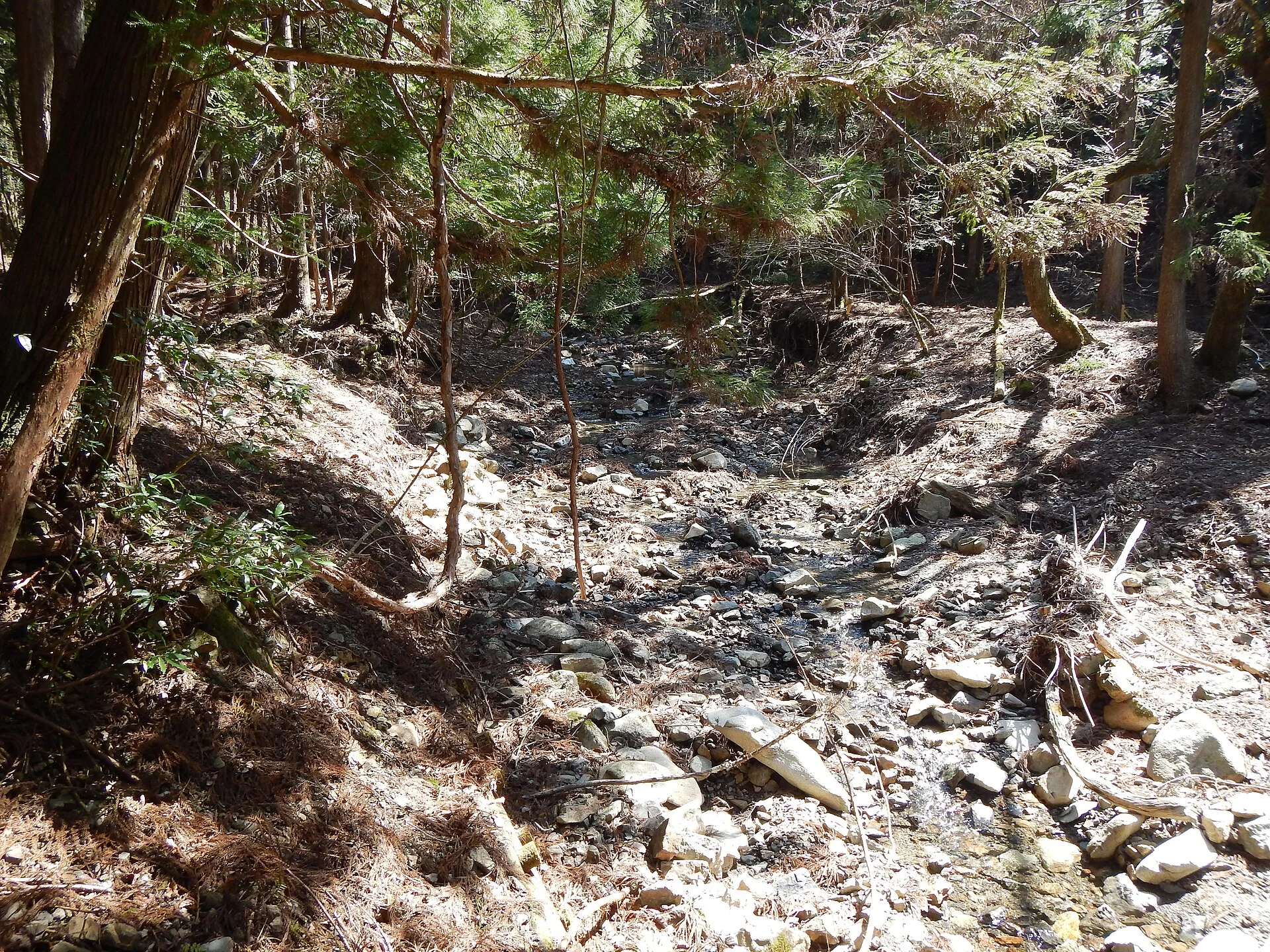
Forest paths across the Kii Peninsula connect grand shrines, small oji and hot-spring villages in a UNESCO sacred landscape. Two or three days on the Nakahechi provide a meaningful first journey, while longer routes demand more fitness and logistics.
Reserve inns and luggage transfer early. Rain makes stone paths slick and can trigger closures. Walk quietly through villages and approach shrines as active religious places, not trail props.
9. Canyoneer in Minakami
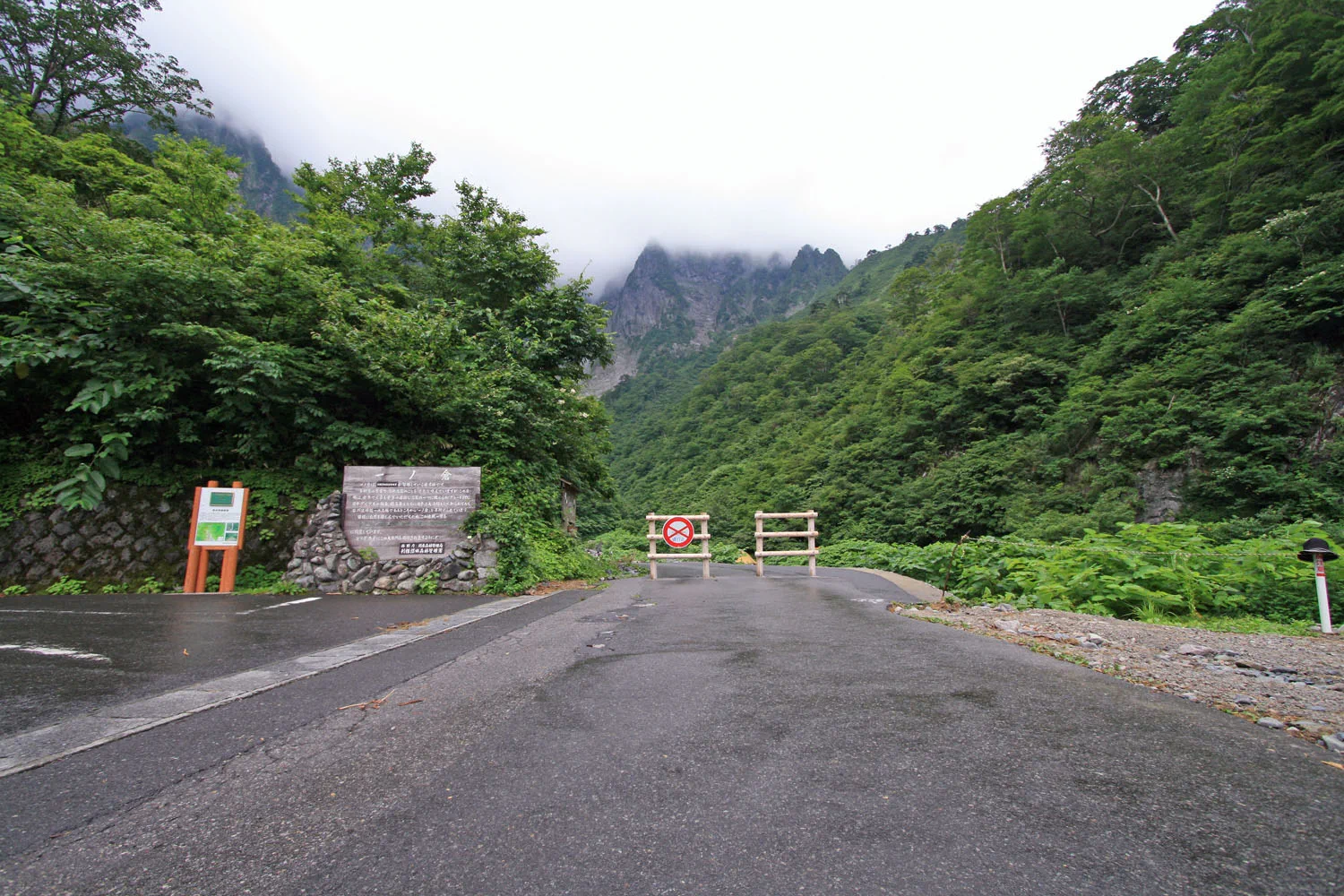
The mountains of Gunma supply steep streams, waterfalls and polished chutes within reach of Tokyo. Commercial canyoning tours may include sliding, jumping and rappelling, with course difficulty and water temperature varying sharply.
Book a qualified guide who supplies helmet, flotation and wetsuit, and ask whether jumps can be bypassed. High water changes the course. Do not recreate a guided descent independently based on video footage.
10. Sea kayak around Iriomote
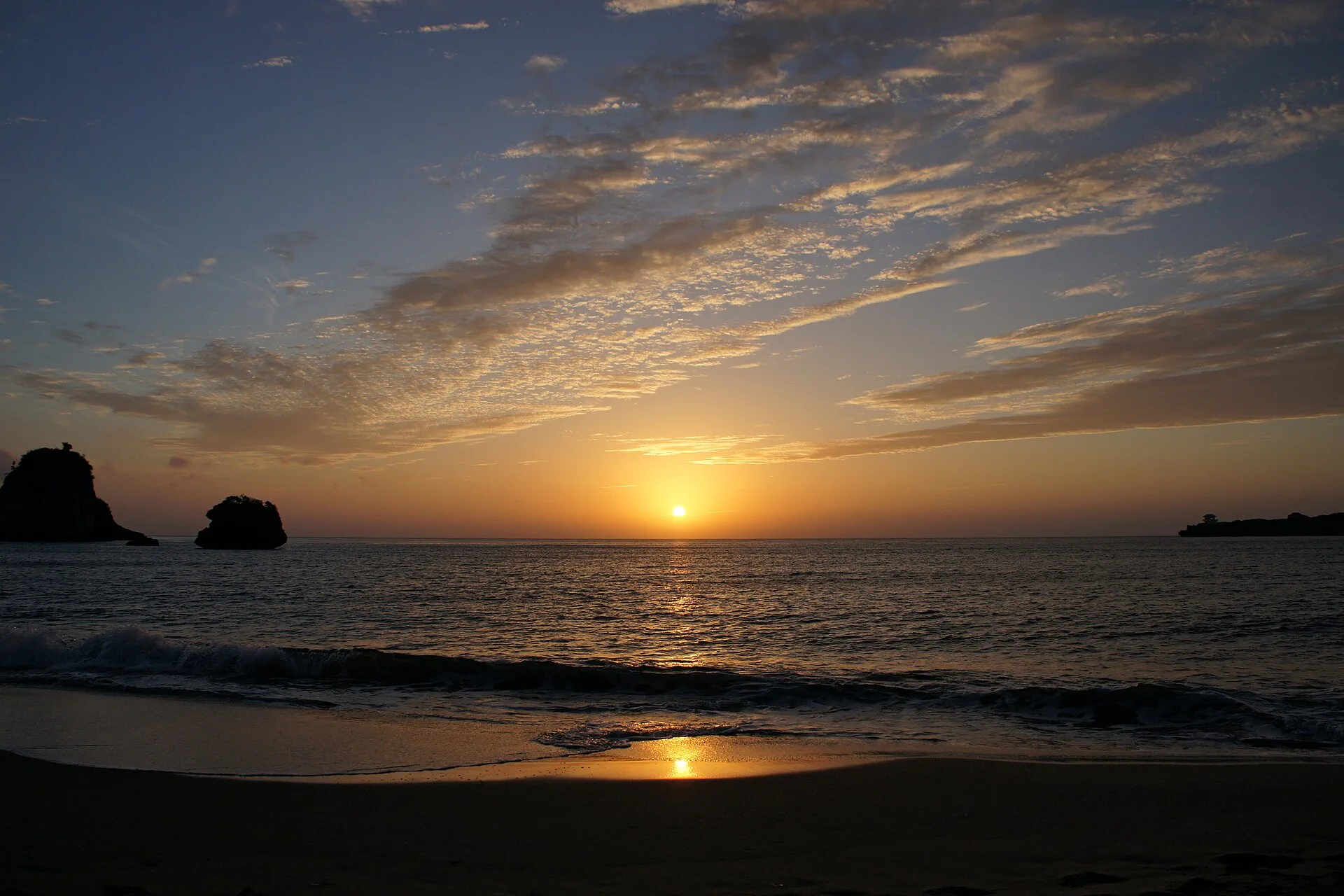
Iriomote's mangrove rivers and subtropical coast are best explored quietly by kayak, often combined with a forest walk to a waterfall. Tides control river access and summer heat can be intense.
Use a local nature guide who follows protected-area rules and cleans equipment to prevent invasive species. Wear flotation, carry sun protection and never approach the critically endangered Iriomote cat. Typhoons require generous travel flexibility.
11. Climb in Ogawayama
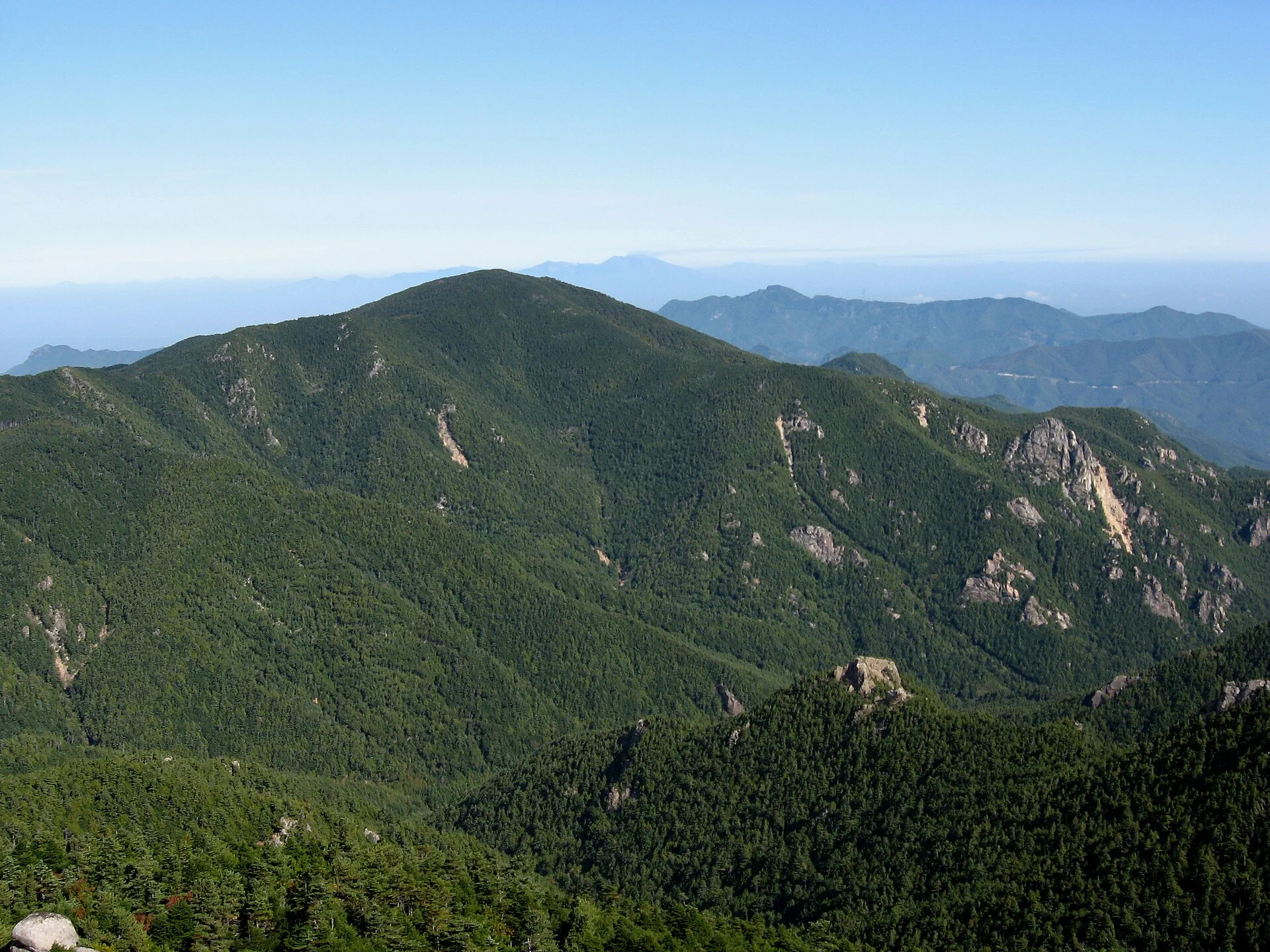
Ogawayama's granite cliffs and boulders make the mountain area of Nagano a major destination for Japanese climbers. Routes range from accessible bouldering to multi-pitch trad climbing, with a campground providing a natural base.
Newcomers should hire a credentialed guide and experienced visitors need local route information, anchors and access etiquette. Wear a helmet where appropriate, inspect fixed hardware and avoid damaging vegetation or disturbing other parties.
12. Surf the Miyazaki coast
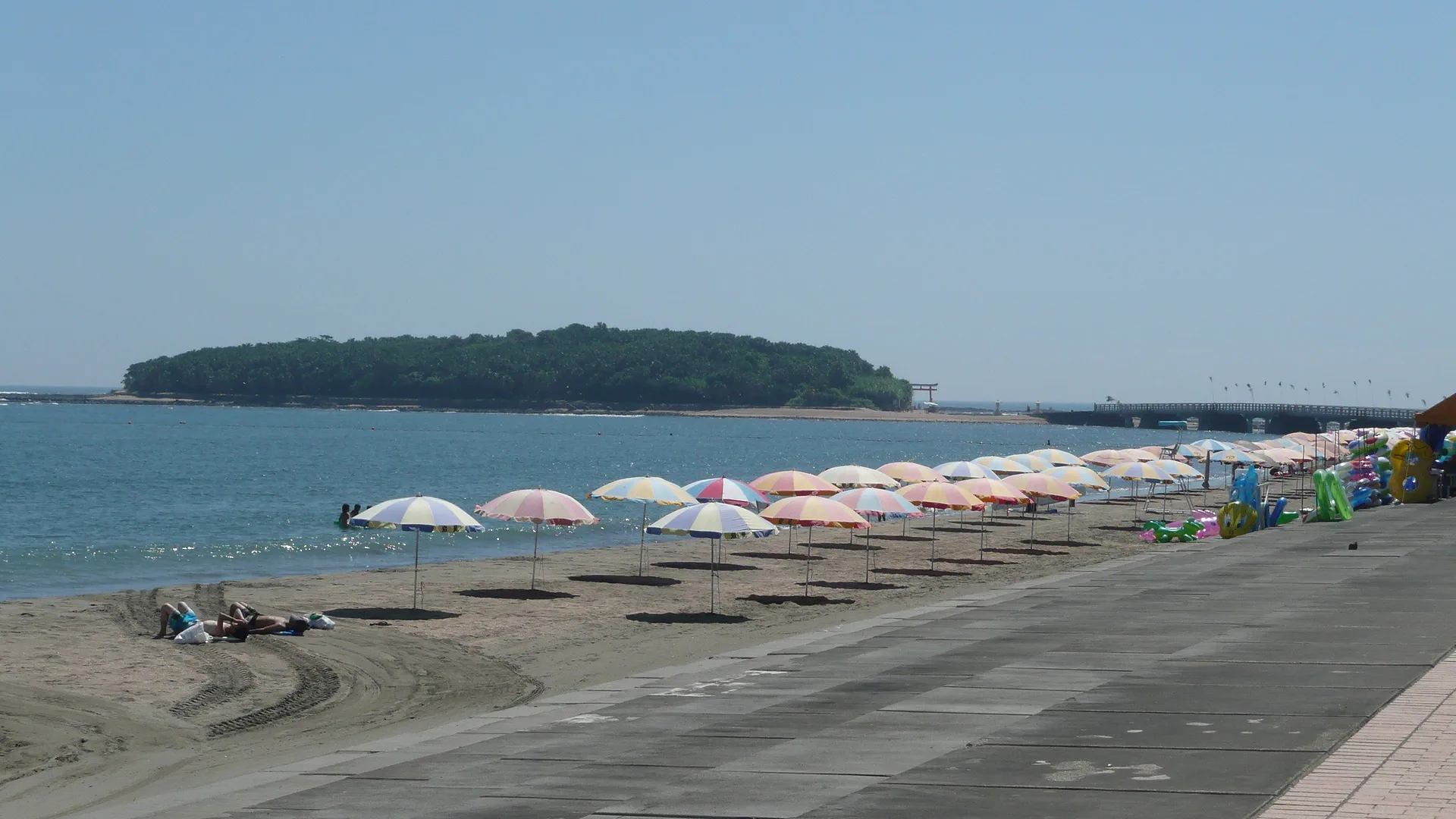
Miyazaki's long Pacific beaches receive consistent swell and support schools for beginners alongside powerful breaks for experienced surfers. A multi-day stay allows an instructor to select the right beach, tide and board rather than forcing one booked location.
Typhoons can create dangerous surf far from the storm. Follow local advice, respect lineup priority and use a properly fitted leash. Beginners should take a lesson instead of entering near rocks or strong currents alone.
13. Canoe Lake Shikotsu
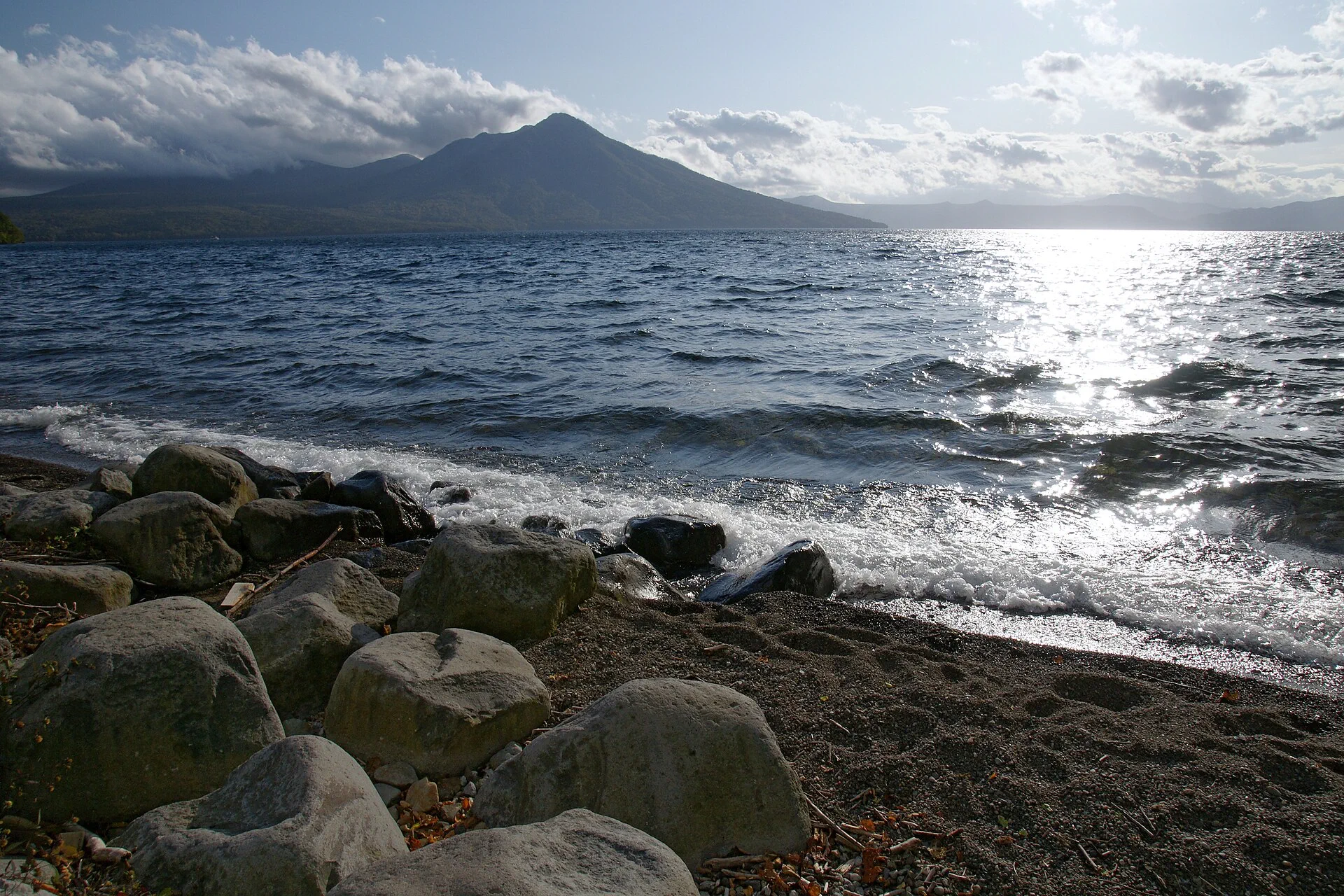
The clear caldera water of Lake Shikotsu in Hokkaido offers guided canoeing beneath forested volcanic slopes. Calm mornings suit first-timers, while wind can rapidly create cold chop on the open lake.
Wear flotation and thermal layers selected for water temperature, not air temperature. Keep distance from nesting wildlife and shore vegetation. A guide can combine paddling with geology and an onsen visit.
14. Hike Mount Meakan
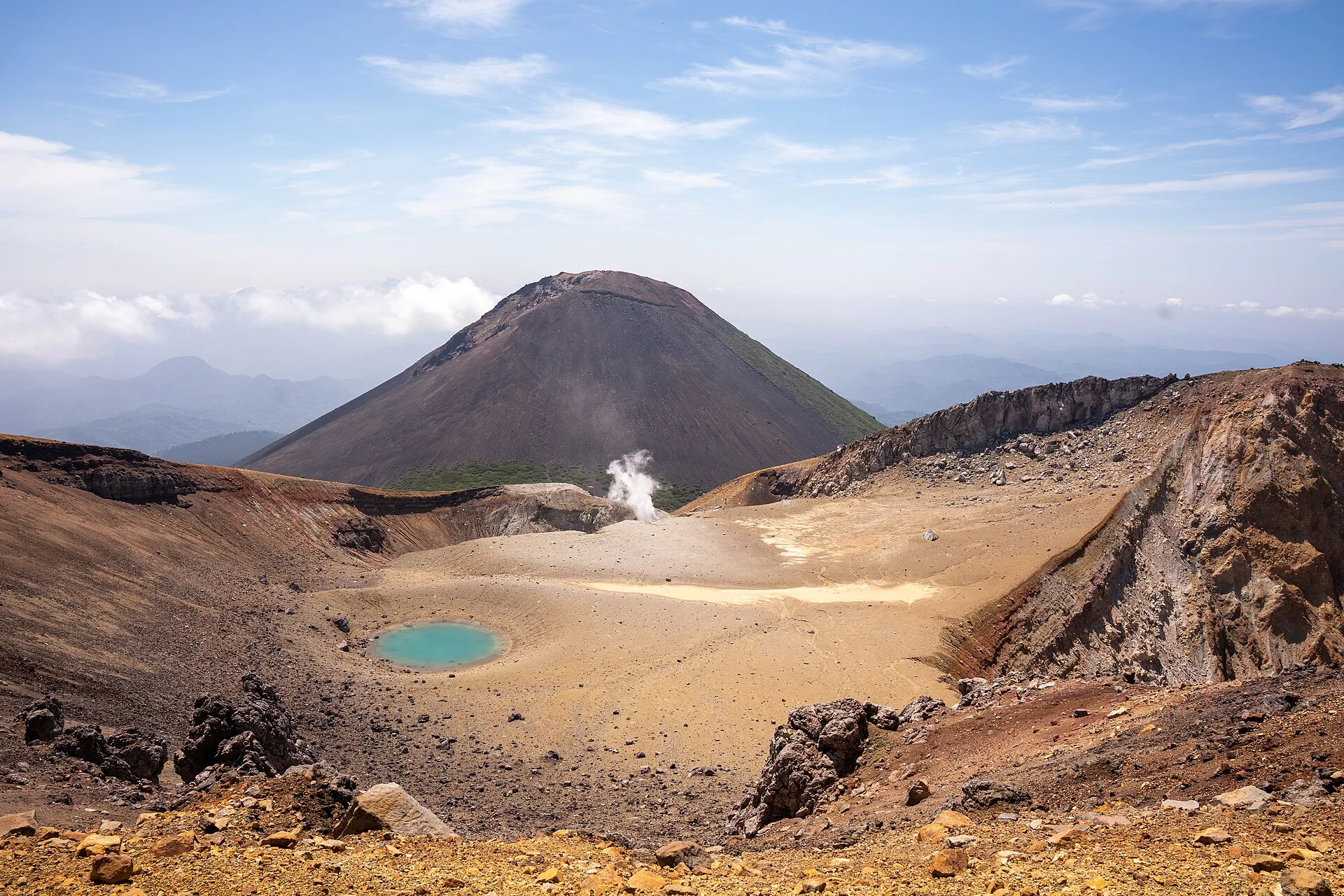
This active Hokkaido volcano climbs from forest to steaming crater terrain above Lake Onneto. A return or traverse generally takes five to seven hours and offers one of Japan's rawest volcanic landscapes.
Check official alerts and trail status, carry layers and avoid vents. Gas, wind, snow and cloud can force a turnaround. Base around Lake Akan for park interpretation and Ainu cultural experiences.
15. Snowshoe among Zao's snow monsters
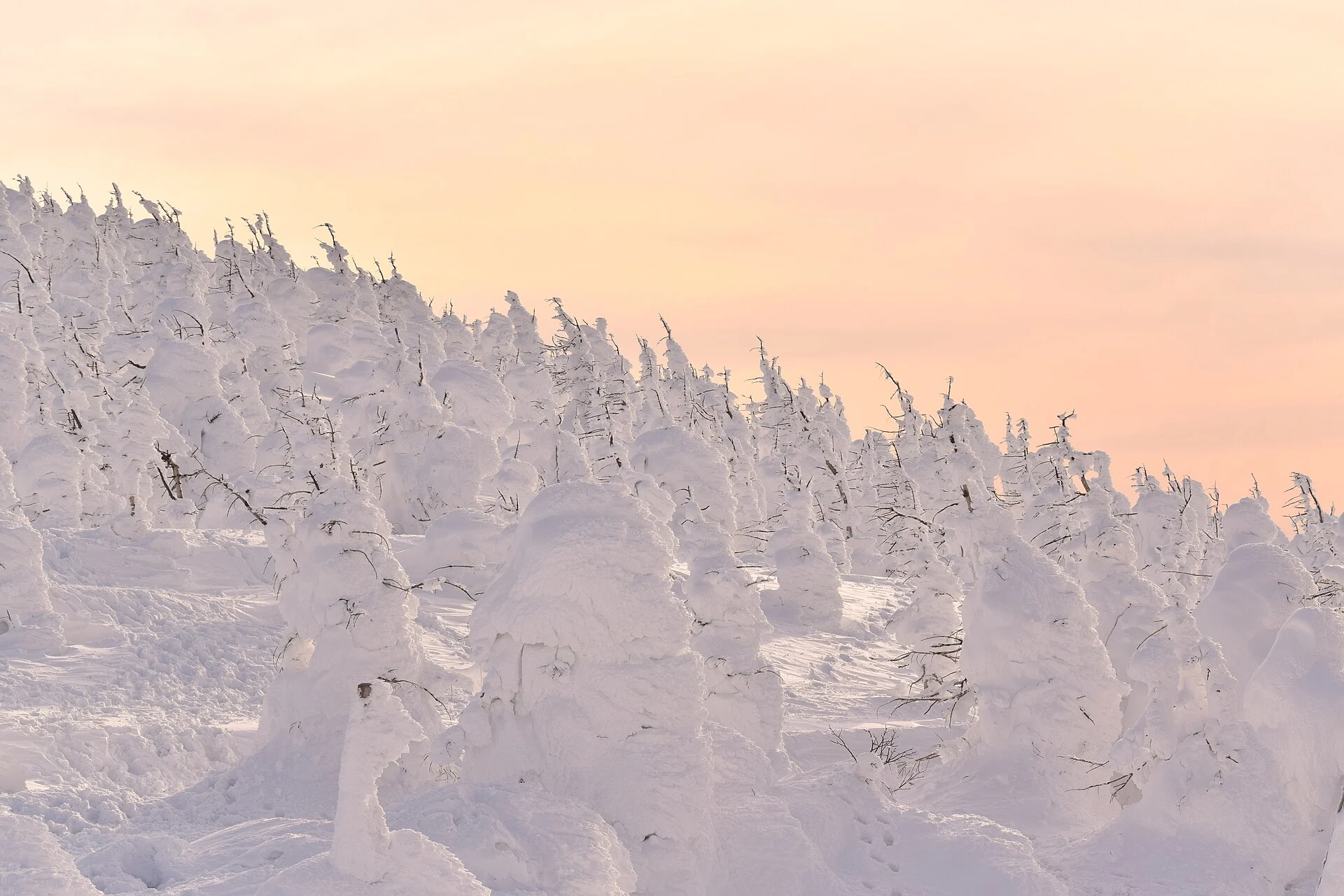
Heavy snow and wind encase Zao's conifers in giant rime formations known as juhyo. Ropeways reveal them from above, while guided snowshoe trips move into quieter terrain when weather permits.
Whiteouts and severe cold arrive quickly. Go with a local guide outside controlled resort paths, carry goggles and cover all skin. Volcanic restrictions may affect some sectors, so check both mountain and lift status.
16. Walk the Shiretoko wilderness
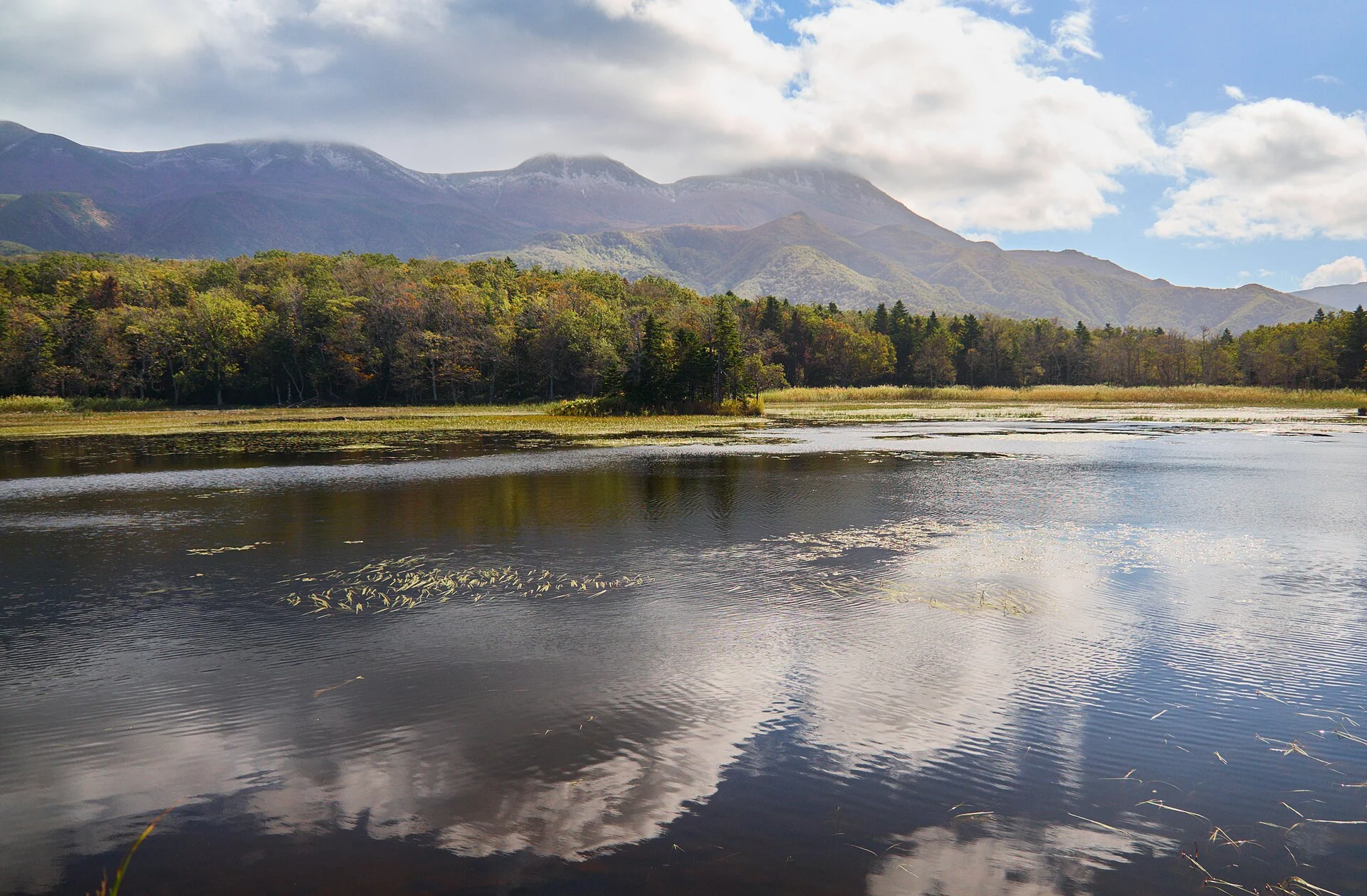
Shiretoko combines coastal cliffs, forest, lakes and dense brown-bear habitat. The Five Lakes system offers regulated ground trails and an elevated boardwalk; longer guided outings explore waterfalls and remote coastline.
Complete required briefings, obey bear closures and secure food. Never approach a roadside bear. A guide improves both safety and the chance of understanding tracks, vegetation and Ainu relationships with the landscape.
17. Traverse the Tateyama alpine plateau
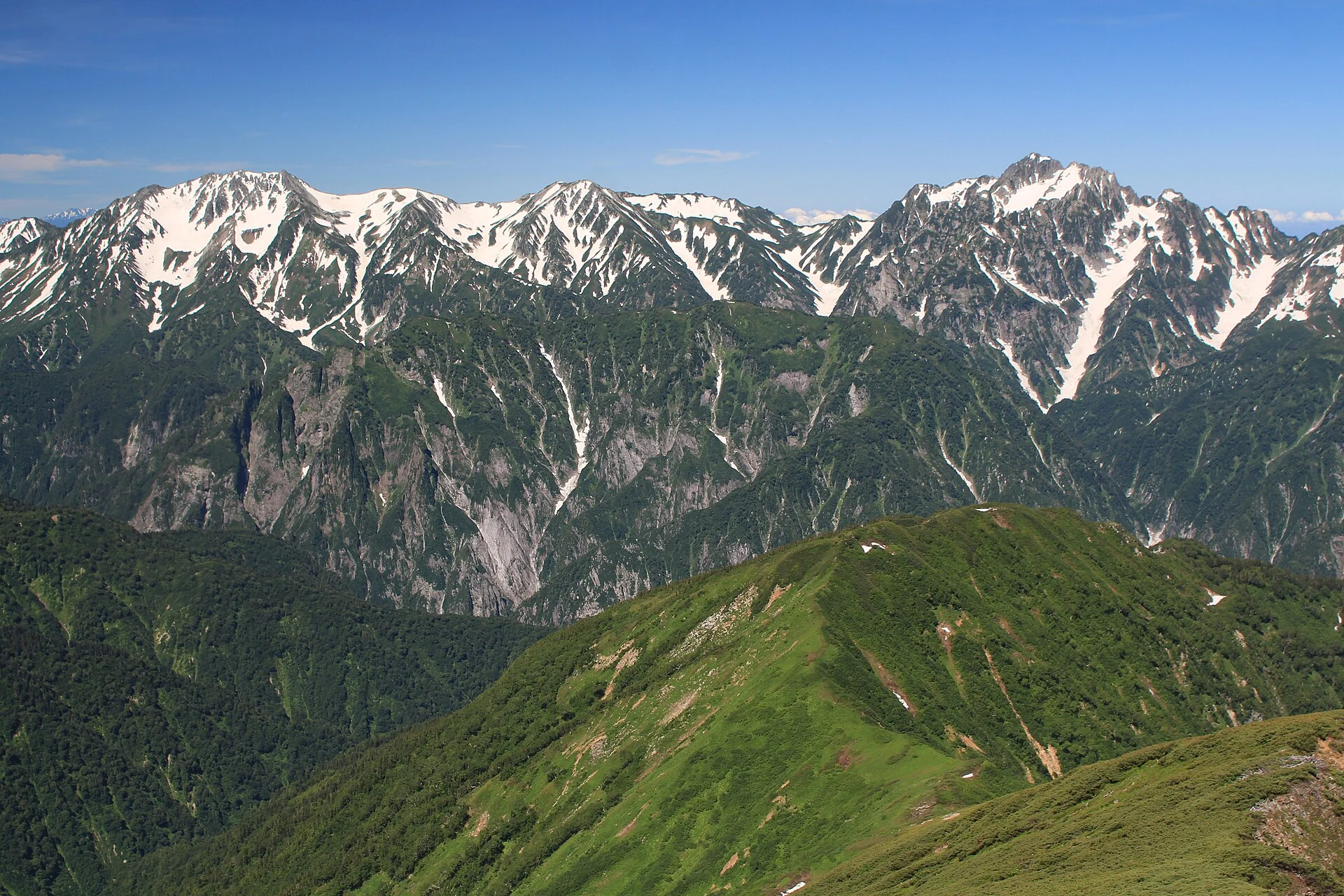
The Alpine Route brings travelers to Murodo at 2,450 metres, where volcanic ponds, snow and high peaks support walks from one hour to several days. Mount Oyama adds a steep sacred summit, while surrounding ridges become serious mountaineering terrain.
Transport timing, altitude and sudden storms require planning. Reserve huts for overnight routes, carry full layers and do not extend toward exposed peaks merely because the access was easy.
18. Whale-watch in Ogasawara
The remote Ogasawara Islands support seasonal humpback and sperm-whale encounters alongside endemic land wildlife. Reaching them involves a roughly 24-hour ferry from Tokyo, making the voyage part of the expedition.
Choose operators that maintain approach distances and never chase animals. Biosecurity rules protect the islands; clean footwear and equipment exactly as directed. Leave buffer days for rough seas and ferry schedules.
19. Paraglide above Aso's caldera landscape
Tandem paragliding around Aso can reveal grassland, cones and the vast inhabited caldera from the air. Launch sites and flight duration depend completely on wind and volcanic access.
Use a certified tandem pilot, wear secure footwear and accept a no-fly decision without negotiation. Keep a ground plan involving Kusasenri, the volcano museum or permitted viewpoints so weather does not ruin the day.
20. Walk a stage of the Shikoku pilgrimage
The complete 88-temple circuit covers roughly 1,200 kilometres, but a two- or three-day section still combines mountain paths, roadside walking, ritual and local hospitality. Tokushima's opening temples provide accessible orientation; Kōchi's spacing feels far more remote.
Book lodging, carry cash and wear visible clothing on roads. Learn temple etiquette and accept osettai graciously. This is a living pilgrimage rather than an endurance badge.
How to choose your Japan adventure
Choose Hokkaido for skiing, drift ice, volcanic hikes and wildlife; Shikoku for rafting, cycling and pilgrimage; Kyushu and Okinawa for volcanoes, subtropical forest and diving; or the Japanese Alps for high-mountain routes. Around Tokyo, Minakami, Fuji, Izu Oshima and the climbing areas of Nagano can form short focused escapes.
Continue with the guides to Japan's best hikes, volcano experiences, wildlife experiences and ancient trails.
Before booking
- Confirm guide qualifications, equipment, insurance and weather cancellation terms.
- Check typhoon, avalanche, volcanic and marine warnings from official sources.
- Reserve huts, ferries and rural lodging before locking in transport.
- Build a buffer day into island, winter and high-mountain itineraries.
- Follow protected-area, wildlife-distance and biosecurity rules.