

Japan's ancient trails are living routes rather than abandoned lines on a map. Pilgrims still ring temple bells on Shikoku, residents maintain stone paths across the Kii Peninsula and walkers enter Nakasendō post towns through the same mountain corridors used during the Edo period. The reward comes from noticing this continuity: a roadside statue, an old tea house, a purification ritual or a small shrine can matter as much as the final view.
The routes differ enormously. One is a comfortable two-hour walk between preserved towns; another crosses mountains for weeks. Accommodation can be limited, luggage transfers require advance booking and typhoons or heavy rain can close paths. Choose a section that matches your time, but do not treat sacred landscapes as theme parks. Walk quietly through villages, learn basic shrine and temple etiquette, and leave space for worshippers whose journey is not recreational.
Japan's historic trails at a glance
| Route | Region | Character | Practical commitment |
|---|---|---|---|
| Kumano Kodo Nakahechi | Kii Peninsula | Forest pilgrimage and grand shrines | 2–6 days |
| Nakasendō | Nagano–Gifu | Edo post towns | 2 hours to several days |
| Shikoku Henro | Shikoku | 88-temple pilgrimage | 6–8 weeks on foot |
| Kumano Kodo Iseji | Mie–Wakayama | Stone passes and coast | Day sections or 10–14 days |
| Koyasan Choishi-michi | Wakayama | Stone markers to sacred mountain | 6–8 hours |
| Dewa Sanzan | Yamagata | Mountain ascetic tradition | 1–3 days |
The 10 best ancient trails and pilgrimage walks in Japan
1. Walk the Kumano Kodo Nakahechi
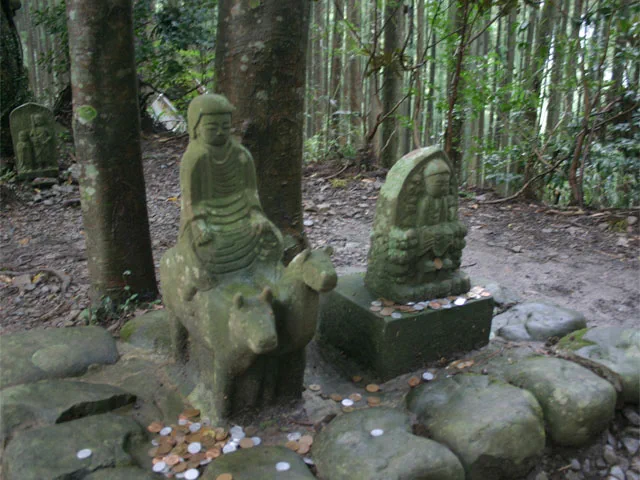
The Nakahechi is the most approachable multi-day route through Kumano's UNESCO-listed sacred landscape. A classic journey begins near Takijiri-oji, climbs through cedar forest and small settlements, reaches Kumano Hongu Taisha and may continue toward Nachi Taisha and its waterfall. Two to six days can be assembled from connected stages and buses.
Reserve minshuku well in advance; villages have few beds and dinner is part of the experience. Luggage transfer lets walkers carry a day pack, but must also be booked. Stone paths become extremely slick in rain, so use poles and shoes with grip. Collecting stamps is enjoyable, yet the oji shrines are places of worship rather than checkpoints in a race.
2. Cross the Nakasendō between Magome and Tsumago
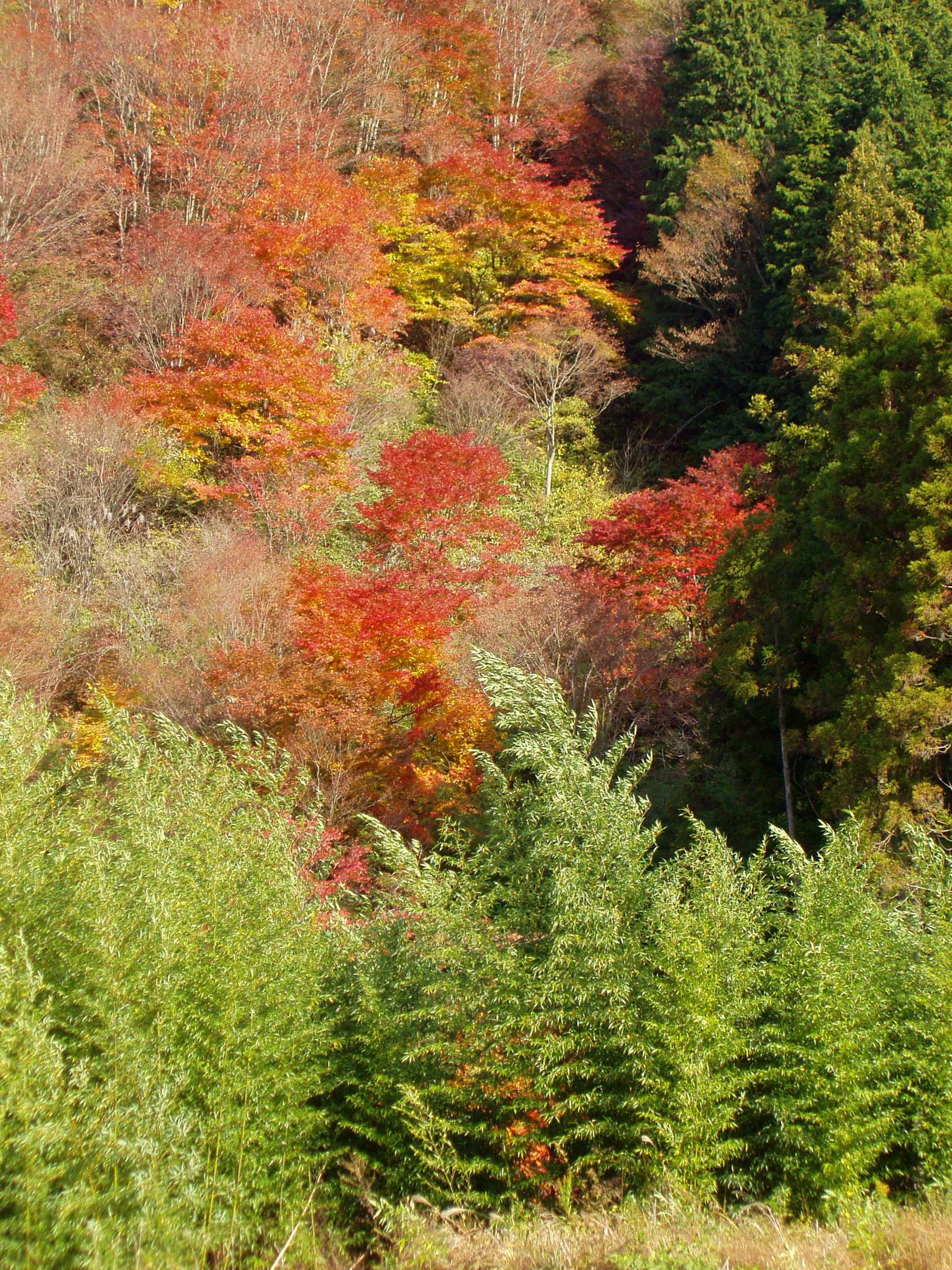
This roughly eight-kilometre section of the old highway between Kyoto and Edo links two beautifully preserved post towns over a wooded pass. Waterfalls, stone paving, bells intended to warn bears and small settlements break up a walk of about two and a half to four hours.
Bus and rail connections make the route possible as a day trip, while luggage forwarding between tourist offices may operate on set dates and times. Begin early enough to explore both towns after day visitors leave. Homes and lanes remain part of living communities; do not enter private buildings for photographs or block narrow streets.
3. Undertake the Shikoku 88-temple pilgrimage
The Shikoku Henro circles roughly 1,200 kilometres around the island, connecting 88 temples associated with Kūkai, or Kōbō Daishi. Walking the whole circuit takes about six to eight weeks, though many pilgrims complete one prefectural section or visit temples over several journeys. Roads, mountain paths and city edges are all part of the route.
Learn the temple sequence and basic rituals before starting, but understand that participation is open and practice varies. Wear visible clothing on road shoulders, book scarce rural accommodation and carry cash. The white pilgrim jacket does not grant priority or excuse poor behavior. Accept local hospitality, or osettai, graciously without expecting it.
4. Follow the Kumano Kodo Iseji
The Iseji runs approximately 170 kilometres from Ise Jingu toward the Kumano shrines, crossing repeated stone-paved passes beside Mie's Pacific coast. Short sections around Matsumoto-toge and Magose-toge offer mossy paving, statues, villages and sea views without requiring the entire ten-to-fourteen-day journey.
Rainfall is exceptionally heavy on the Kii Peninsula, and wet stone is treacherous. Rail stations make some stages accessible, but services thin out and lodging must be planned carefully. Visit Ise Jingu and the Kumano shrines with respect for their active religious role; the trail connects sacred centers rather than merely linking scenic passes.
5. Climb the Choishi-michi to Koyasan
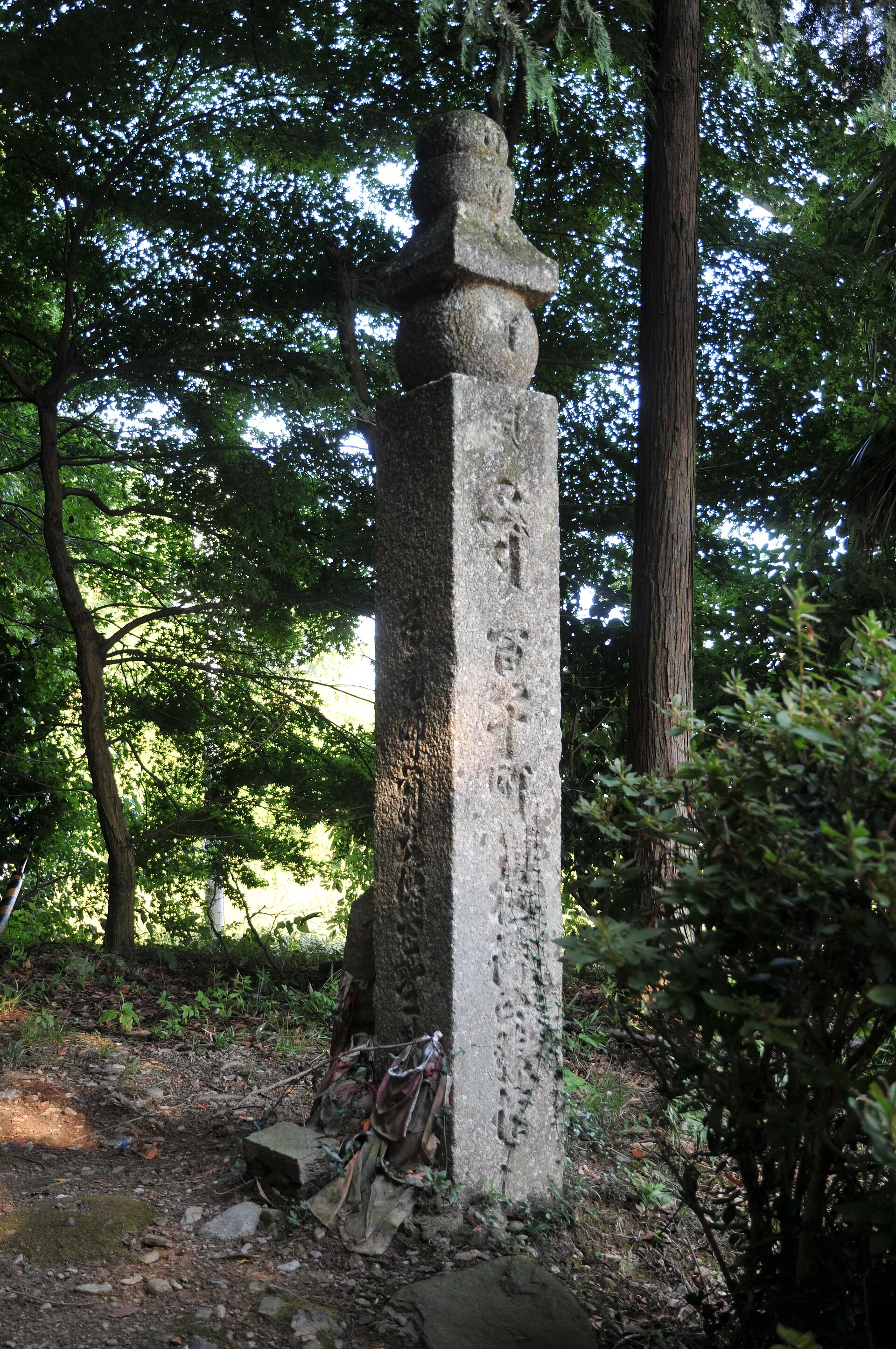
The Choishi-michi approaches the Buddhist mountain center of Koyasan along a historic path marked by stone stupas at regular intervals. Starting around Kudoyama or Jison-in, the full approach covers roughly 20–24 kilometres with sustained climbing and commonly takes six to eight hours.
The gradual arrival at the Daimon gate gives this route more meaning than reaching Koyasan only by cable car. Start early, carry food and water and check for closure after storms. An overnight temple stay adds morning worship and time in Okunoin cemetery, but it should be approached as participation in a religious setting, not novelty accommodation.
6. Cross the Kumano Kodo Kohechi
The Kohechi links Koyasan with Kumano Hongu Taisha across the spine of the Kii Peninsula. It is a remote, strenuous route of roughly 70 kilometres, usually walked in four days over repeated passes with substantial ascent and descent. Compared with Nakahechi, services and escape options are scarce.
This is for experienced trekkers with firm lodging reservations, offline navigation and an honest weather assessment. Carry emergency food and do not begin a stage too late to reach the next settlement. Heavy rain, landslides or typhoons can invalidate an itinerary; a rest day and flexible bookings are safety tools, not wasted time.
7. Walk the ancient Yamanobe-no-michi
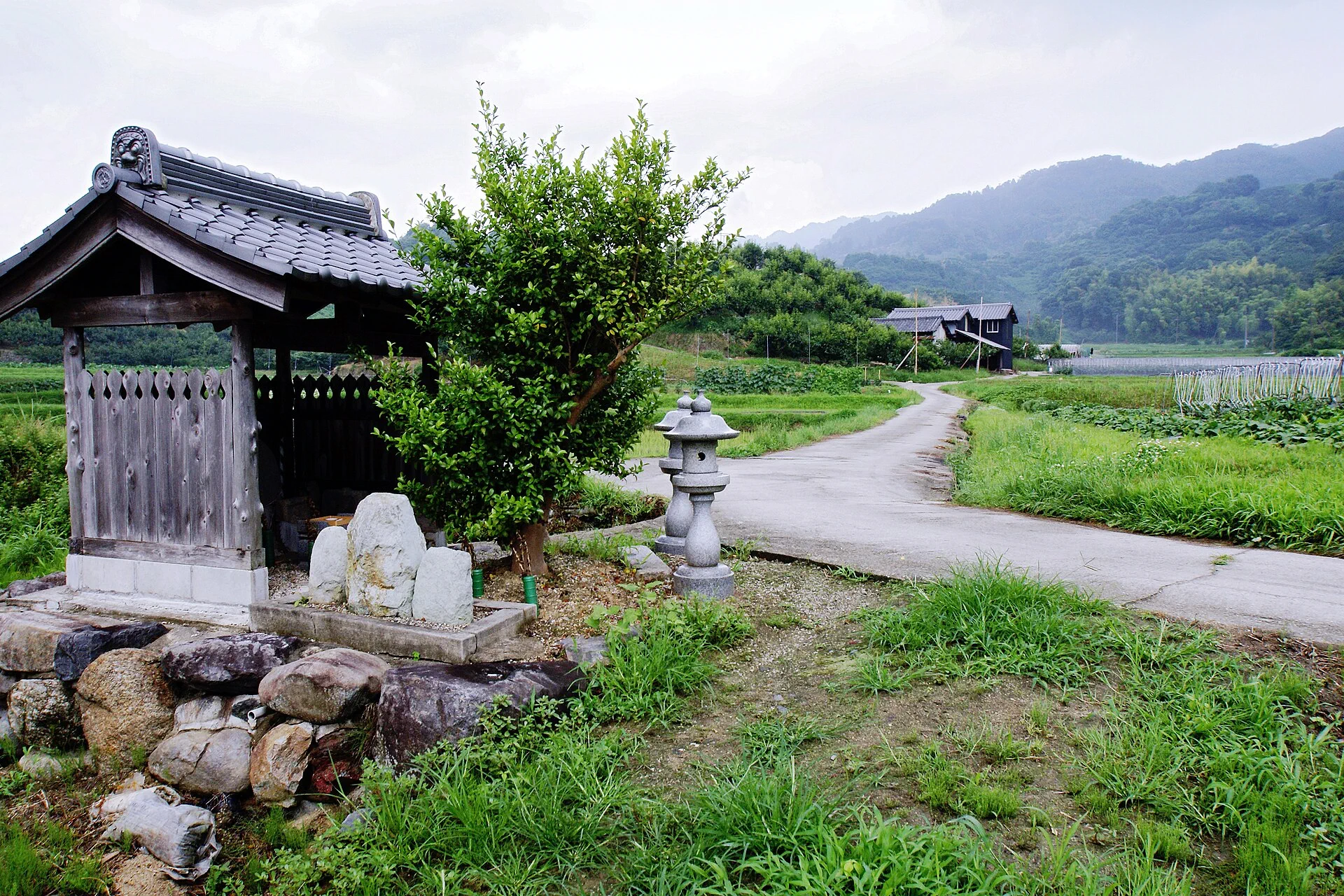
Often described as Japan's oldest recorded road, the Yamanobe-no-michi follows the eastern edge of the Nara Basin past shrines, burial mounds, orchards and rural settlements. A popular section between Tenri and Sakurai is around 16 kilometres, though railway access allows shorter walks.
The route is gentle compared with Kumano but dense with context. Carry a reliable map because suburban and farm lanes branch frequently, buy produce only from designated stands and remain outside burial-mound restrictions. Spring blossom and autumn color are popular; an ordinary weekday often better preserves the contemplative rhythm.
8. Climb through the Dewa Sanzan sacred mountains
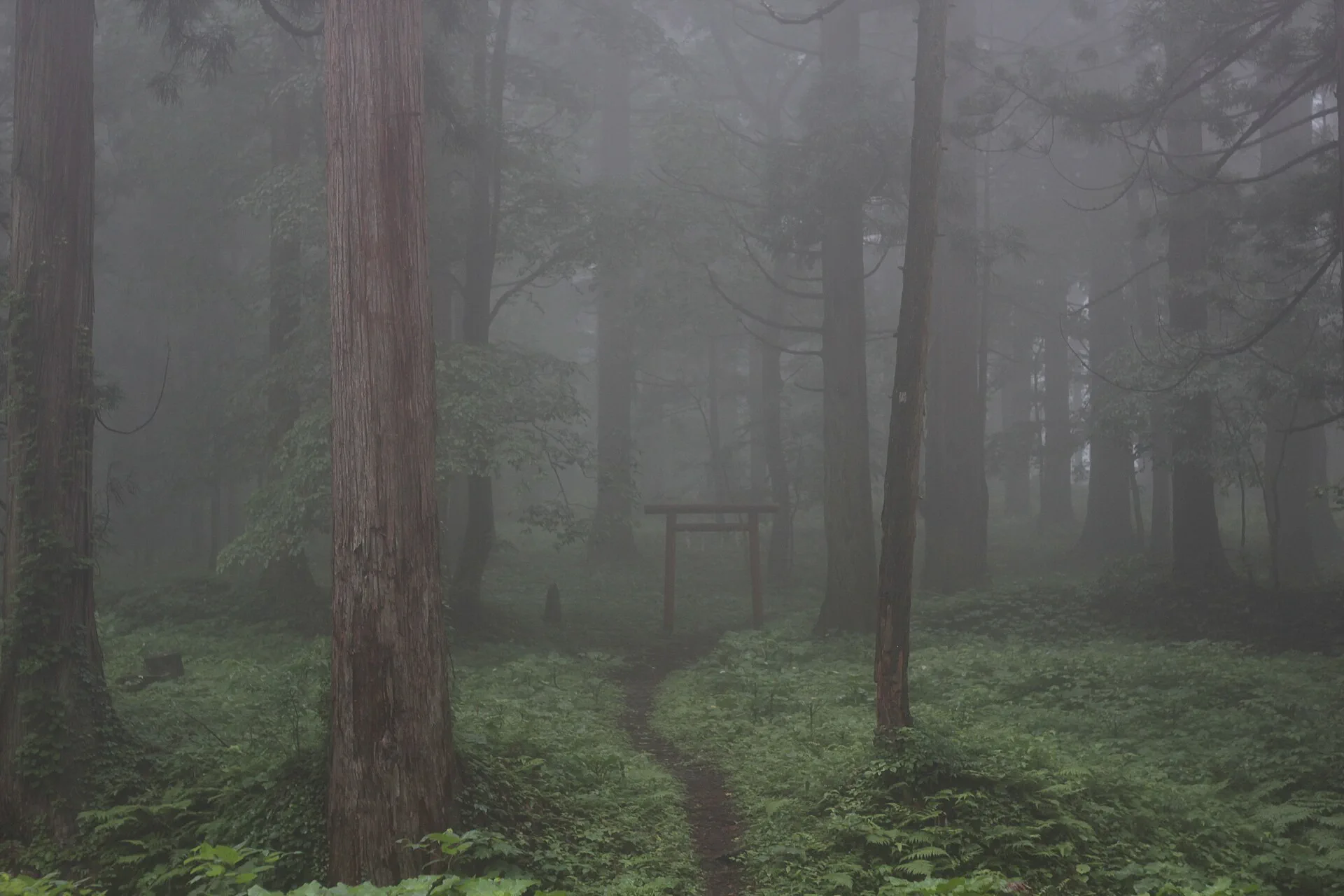
The three mountains of Haguro, Gassan and Yudono form a center of Shugendō mountain practice in Yamagata. Mount Haguro's stone stairway through cedar forest is accessible for much of the year, while Gassan and Yudono require seasonal mountain travel and can be linked in a longer pilgrimage when routes and buses operate.
Sacred restrictions apply at Yudono, where photography is prohibited in the holy area. Follow every instruction without seeking loopholes. Snow limits the high-mountain season, and weather changes quickly. A yamabushi-guided experience can provide meaningful context, but choose a recognized program rather than imitating rituals independently.
9. Walk the Saigoku Kannon pilgrimage in stages
The Saigoku route connects 33 temples dedicated to Kannon across the Kansai region. Unlike a continuous wilderness trail, it mixes old approaches, city transport and mountain paths over a journey of roughly 1,000 kilometres. Travelers can select a coherent cluster around Kyoto, Nara, Wakayama or Lake Biwa.
This is ideal for repeated slow travel rather than a single forced itinerary. Check temple hours, carry a stamp book only if you understand the offering process and maintain quiet during services. Some mountain temples involve long stairs or steep forest approaches; city footwear and assumptions do not always fit.
10. Follow the Michinoku Coastal Trail
Opened as a modern long-distance route but built through historic fishing communities, paths and pilgrimage landscapes, the Michinoku Coastal Trail runs more than 1,000 kilometres along the Pacific coast of Tohoku. Its deeper purpose includes exchange with communities affected by the 2011 earthquake and tsunami.
Walk a section around the Sanriku cliffs rather than attempting to “collect” disaster sites. Learn evacuation routes, heed tsunami warnings and spend locally in towns along the path. Distances between services can be long and coastal weather severe. The official trail resources are essential for accommodation, tide-sensitive segments and current diversions.
Which Japan trail should you choose?
Choose Magome–Tsumago or Yamanobe-no-michi for an easy day with historical depth; Nakahechi for the best first multi-day pilgrimage; Iseji for quieter stone passes and coast; or Kohechi for a serious remote crossing. Shikoku suits travelers with weeks and an interest in daily ritual, while Dewa Sanzan offers a concentrated encounter with mountain worship.
For higher alpine objectives, continue to the best hikes in Japan. For geothermal landscapes near several sacred routes, compare Japan's best volcano experiences.
Walking historic routes respectfully
- Keep quiet at shrines, temples, cemeteries and through residential villages.
- Ask before photographing people, ceremonies or private interiors.
- Use luggage transfers and local inns without expecting urban flexibility in small settlements.
- Stay on the historic path to prevent erosion and avoid private fields.
- Check typhoon, landslide, snow and transport information before each stage.