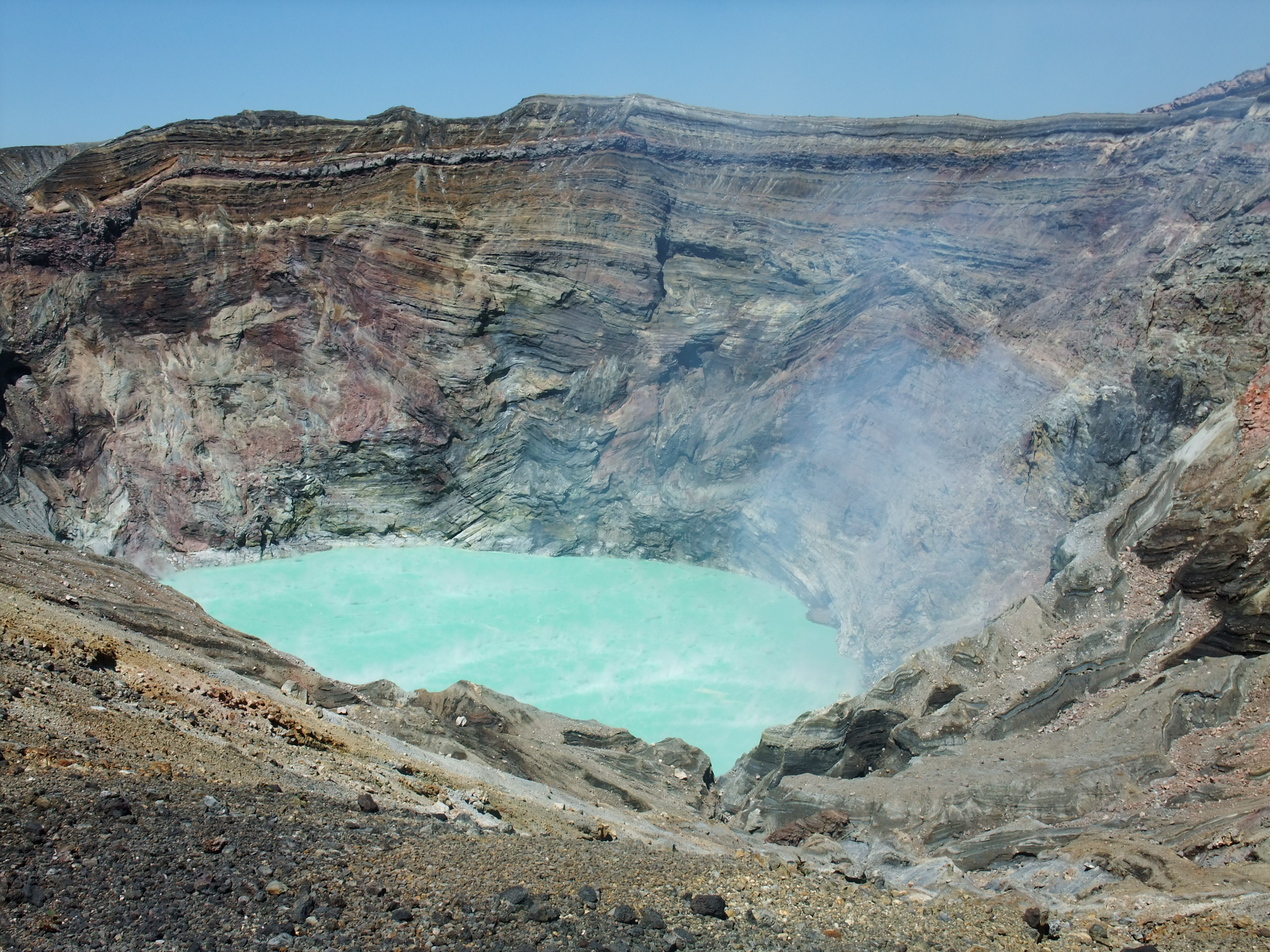

Japan's volcanoes are not a single kind of destination. Mount Fuji is a seasonal pilgrimage climbed with thousands of others; Aso surrounds towns and grassland inside an immense caldera; Sakurajima is observed from a safe distance while ash continues to shape daily life. Farther north, Hokkaido's volcanoes combine alpine hiking with steaming vents and hot-spring towns.
Activity is precisely why these landscapes demand flexible plans. Alert levels, gas concentrations, snow, weather and road closures can restrict access with little notice. A viewpoint that was open when a guidebook was published may be closed today. Check the Japan Meteorological Agency and the local park or municipality immediately before travel, obey exclusion zones and never cross a barrier to recover an itinerary or photograph.
Japan volcanoes at a glance
| Volcano | Region | Best experience | Typical commitment |
|---|---|---|---|
| Mount Fuji | Honshu | Seasonal summit climb | 2 days recommended |
| Mount Aso | Kyushu | Active crater and caldera | Half to full day |
| Sakurajima | Kyushu | Observation points and lava coast | Half day |
| Mount Meakan | Hokkaido | Active volcanic hike | 5–7 hours |
| Mount Asahidake | Hokkaido | Ropeway and alpine circuit | 2–7 hours |
| Mount Bandai | Tohoku | Summit or eruption landscape | Half to full day |
The 10 best volcano experiences in Japan
1. Climb Mount Fuji during the official season
Japan's 3,776-metre summit is a cultural landmark and a serious high-altitude hike. Four principal routes rise from fifth stations, with the Yoshida Trail receiving the greatest traffic. Most first-time climbers split the ascent with a reserved mountain-hut stay rather than attempting a rushed overnight “bullet climb.”
Rules, access reservations and conservation fees have changed in recent seasons and differ by trail. Use the official Mount Fuji site for the current year. Acclimatize, carry insulation and rain gear, and expect cold wind even in midsummer. Outside the official season, facilities and rescue support are absent and the mountain requires winter-mountaineering expertise.
2. Approach Nakadake crater at Mount Aso
The Aso caldera contains towns, pasture and multiple volcanic cones; Nakadake's active crater is its most immediate geothermal experience. When permitted, road, bus or ropeway-area access leads to managed viewing zones above the crater, while Kusasenri grassland offers a broader, calmer perspective.
Volcanic alert levels and sulfur-dioxide concentrations can close the crater suddenly. People with respiratory or heart conditions may be advised not to enter even when it is open. Never bypass gates. Allow a full day to include the Aso Volcano Museum, grassland and an alternative viewpoint so a crater closure does not erase the visit.
3. Observe Sakurajima from Kagoshima Bay
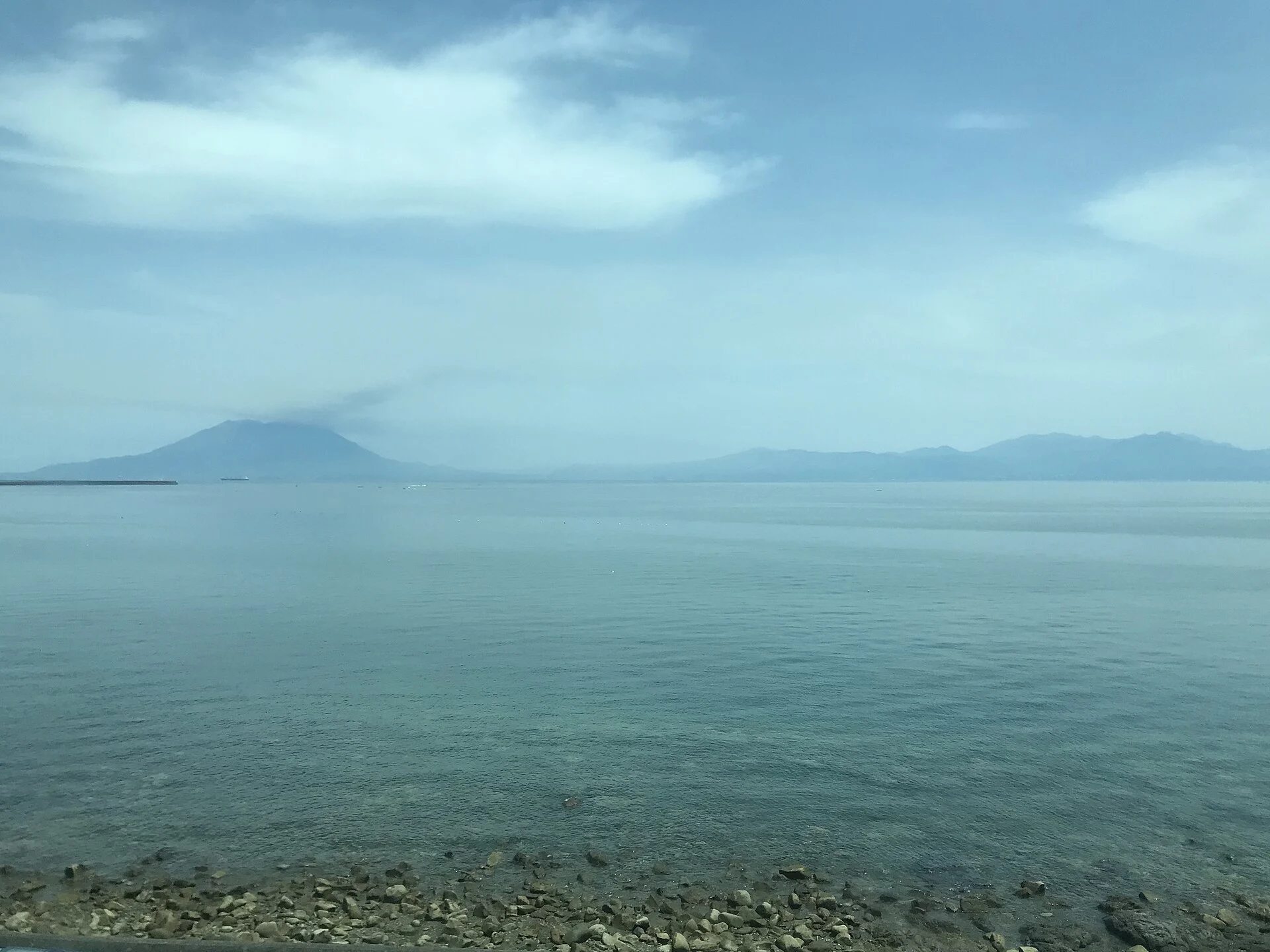
Sakurajima rises across the water from Kagoshima and remains one of Japan's most visibly active volcanoes. A frequent ferry makes it easy to reach observation points, lava fields, footbaths and coastal cycling routes without approaching the summit exclusion zone.
Check eruption and ash forecasts, carry eye protection if ash is falling and follow shelter directions. The Yunohira Observatory is a common high road stop, while the Nagisa lava trail provides a grounded view of older flows. A ferry crossing at sunset can be as memorable as circling the island, especially when conditions limit outdoor time.
4. Hike Mount Meakan
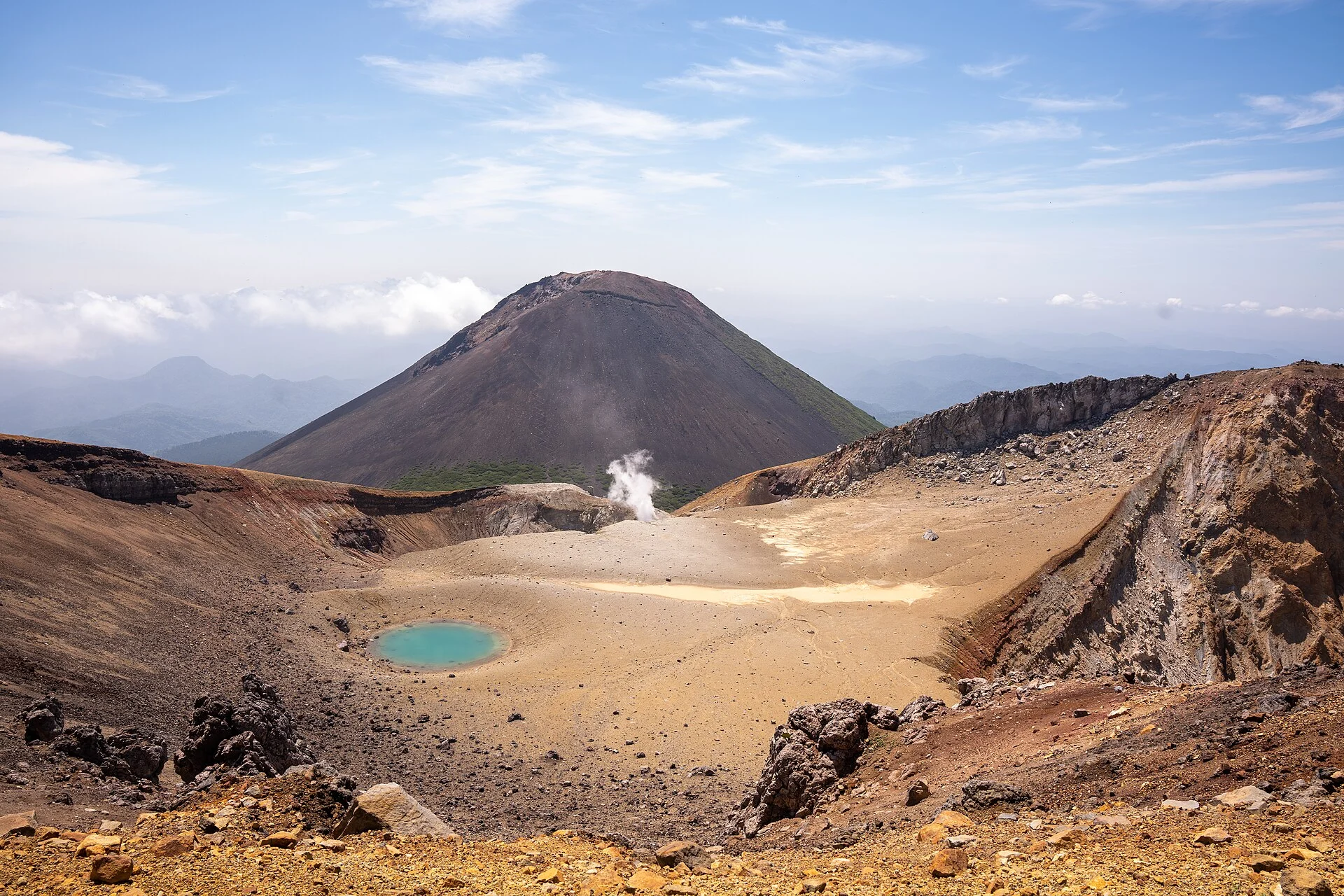
Mount Meakan in Akan-Mashu National Park offers one of Japan's strongest active-volcano hikes. Routes climb through forest into bare volcanic terrain above steaming craters, with views toward Lake Onneto and neighboring peaks. A typical return hike takes around five to seven hours depending on trailhead and route.
Confirm volcanic status and trail conditions with park information before starting. Gas, loose ash, high wind and lingering snow are real hazards. Carry navigation and layers, start early and do not linger near vents. Nearby Lake Akan and Ainu cultural experiences make a valuable second day rather than an afterthought to the summit.
5. Ride the ropeway and hike Mount Asahidake
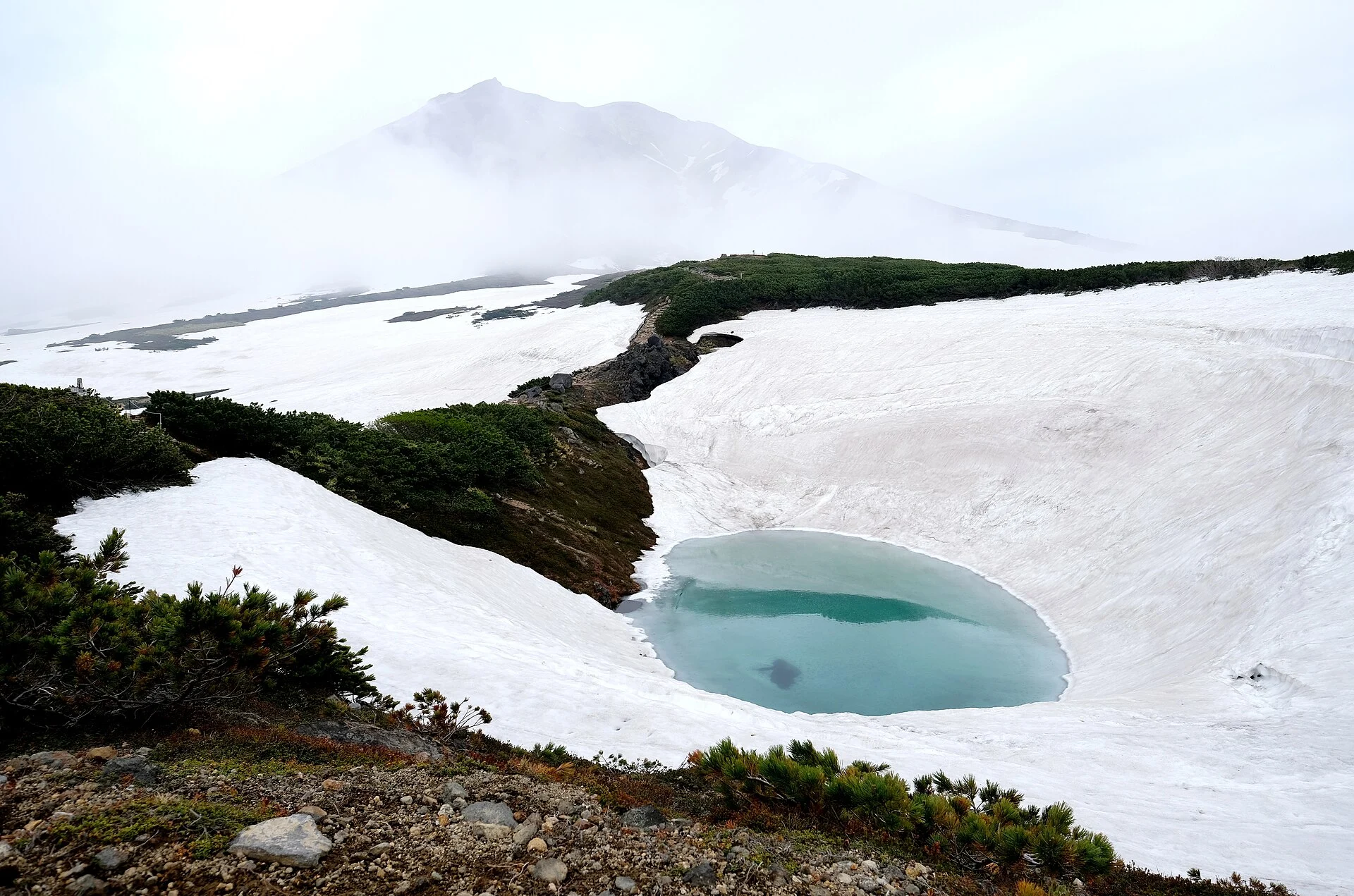
Asahidake is Hokkaido's highest mountain and an active volcano in Daisetsuzan National Park. The ropeway climbs from Asahidake Onsen to Sugatami, where an accessible circuit passes ponds and fumaroles. Strong hikers can continue to the 2,291-metre summit or begin a longer traverse.
The ropeway does not turn the summit into a casual walk. Above Sugatami, the route is exposed, loose and subject to sudden cloud, wind and early snow. Check last descent times, carry full mountain gear and turn around before visibility collapses. Autumn color arrives early and attracts heavy demand.
6. Walk the Mount Usu eruption landscape
Mount Usu, beside Lake Toya, has repeatedly erupted in modern times. The Usuzan Ropeway reaches crater viewpoints, while the western footpaths around the 2000 eruption preserve damaged roads, faults and buildings as an outdoor lesson in living with volcanic risk.
Use the visitor-center interpretation to connect the scenery with evacuation and monitoring. Some trails close seasonally or after damage. Stay on designated routes because geothermal ground can be unstable. Combining the crater view, eruption trail and Toyako hot-spring town creates a more complete day than riding the ropeway alone.
7. Hike the Kirishima volcanic range
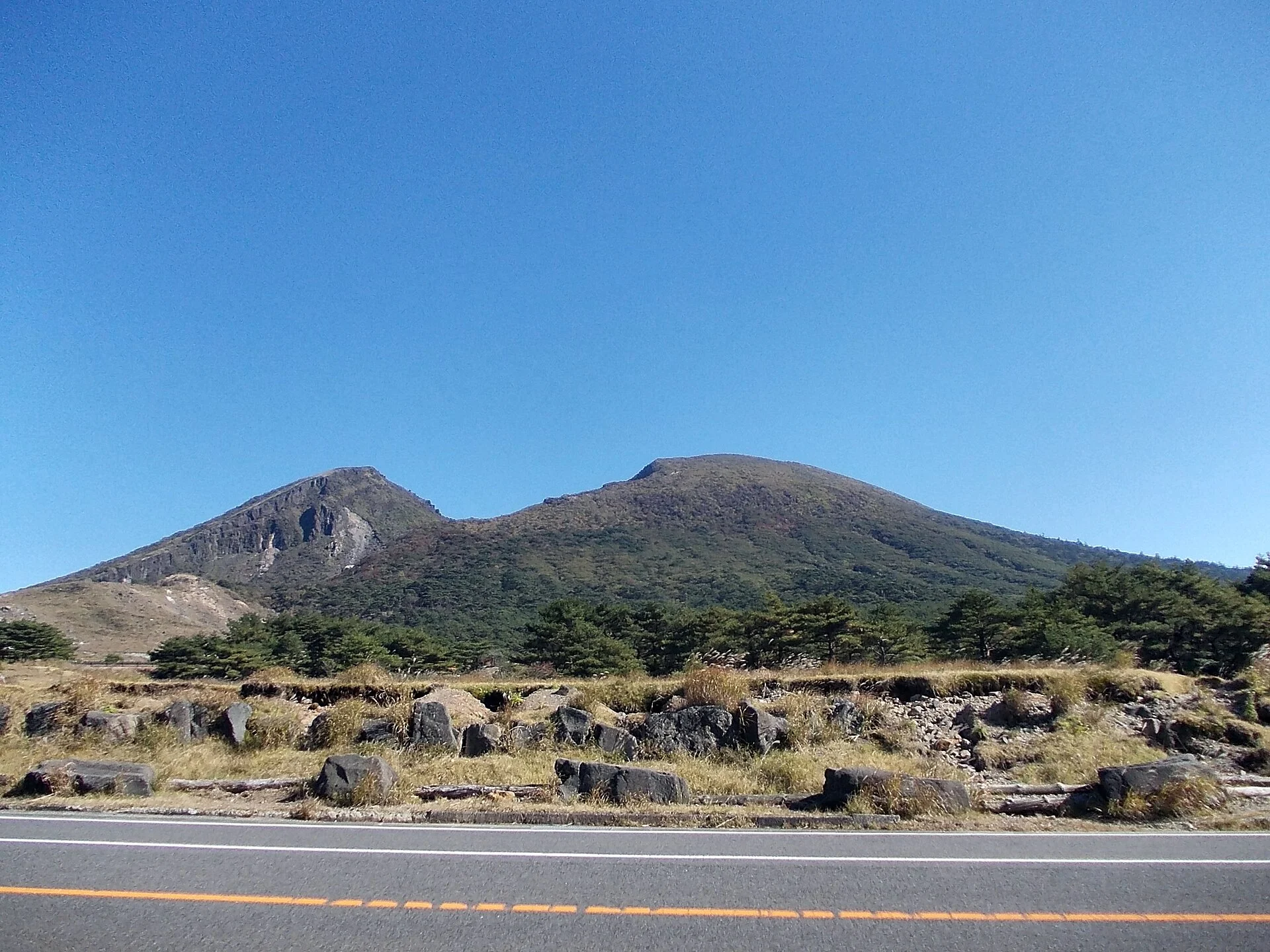
Kirishima-Kinkowan National Park contains crater lakes, fumaroles and a chain of peaks tied to Japanese mythology. Routes around Ebino Kogen and Mount Karakuni can provide a full ridge day when open, while active cones such as Shinmoedake may cause broad restrictions.
Check each trail rather than assuming the entire range shares one status. Carry a printed or offline map because closures can force a different route, and avoid low areas if gas warnings apply. Spring flowers and autumn color are popular, but winter ice can make seemingly simple slopes technical.
8. Explore Mount Unzen and Heisei Shinzan
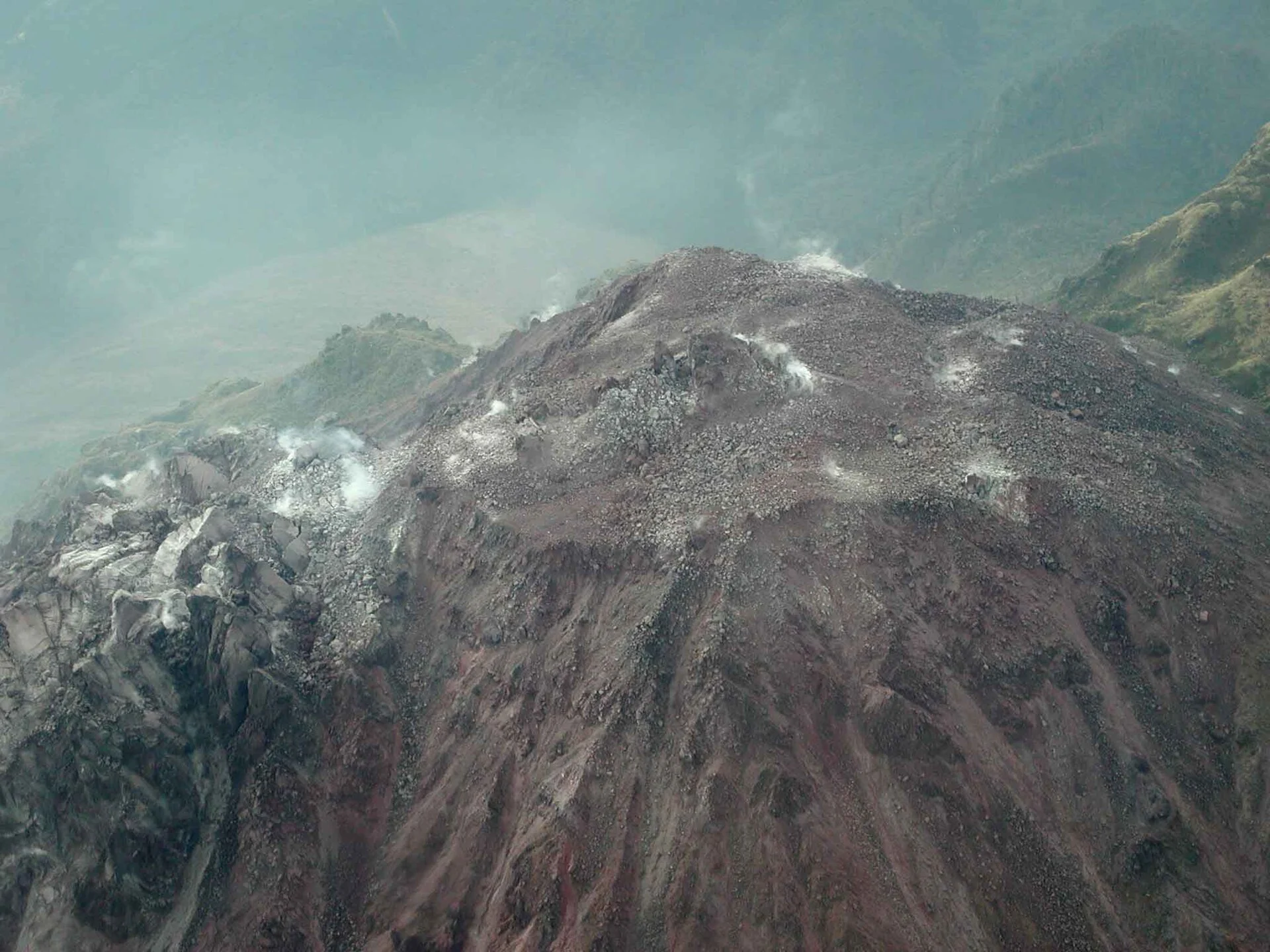
Unzen's hot-spring fields, older peaks and the lava dome of Heisei Shinzan reveal both geothermal beauty and the destructive 1990–95 eruption. The Unzen Ropeway and trails around Mount Myoken and Fugendake provide views when conditions and restrictions allow; museums and memorial sites explain the human impact.
Do not attempt to approach the lava dome outside approved viewpoints. Weather can hide it completely, so give equal weight to the Unzen Disaster Memorial Hall and hot-spring town. Steam and acidic ground around the jigoku areas require strict attention to paths and barriers.
9. Hike Mount Bandai and the Goshikinuma ponds
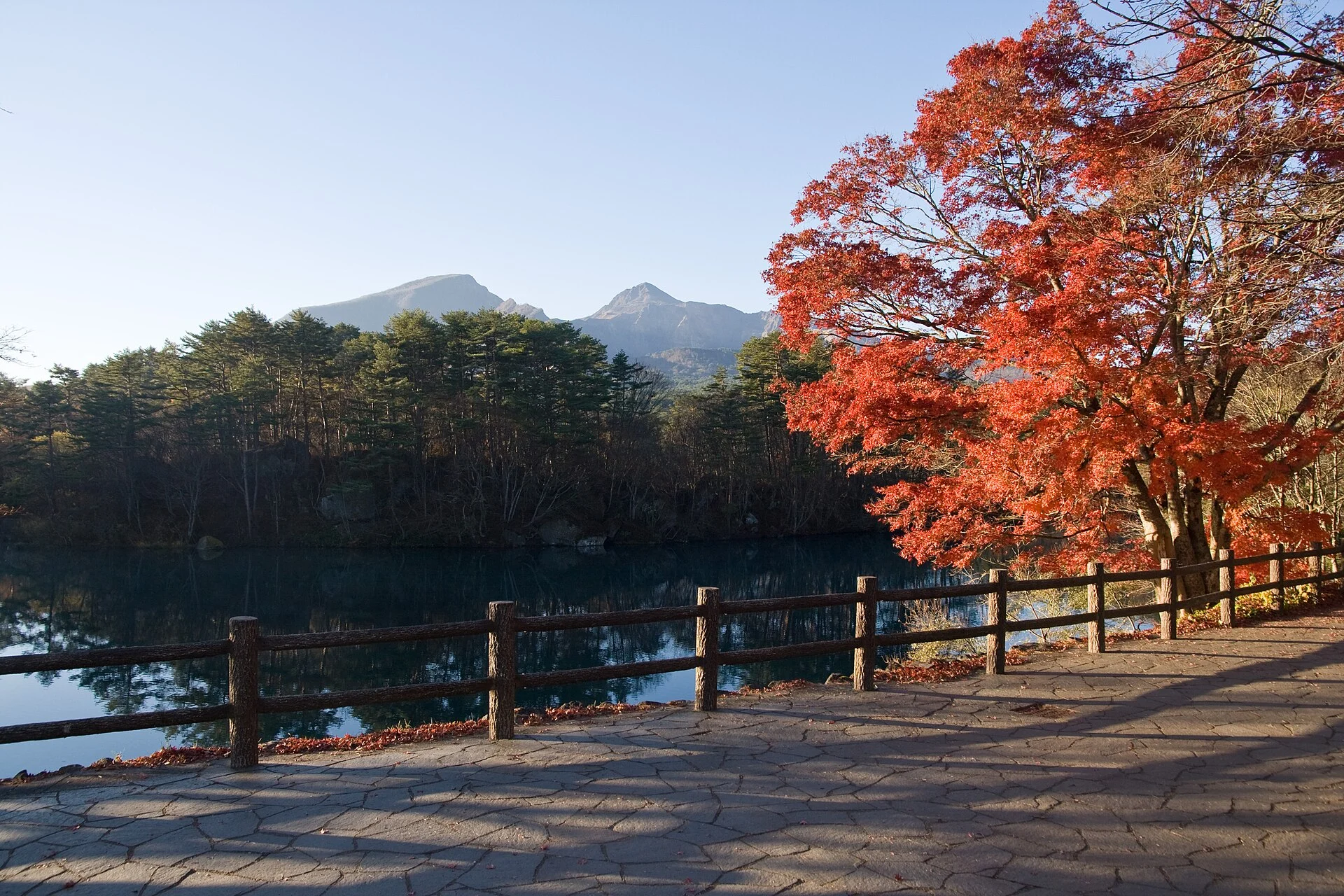
Mount Bandai's 1888 collapse reshaped northern Fukushima and created the lake-and-pond landscape of Urabandai. Strong hikers can climb the mountain on established routes, while almost anyone can follow the Goshikinuma nature trail past mineral-colored ponds with views toward the broken cone.
The summit day is steep and can be muddy; the pond walk is gentler but busy during autumn color. Check trailhead transport and return options because routes need not finish in the same place. The visitor center provides essential context on how one eruption created today's ecosystem.
10. Circle the crater on Izu Oshima
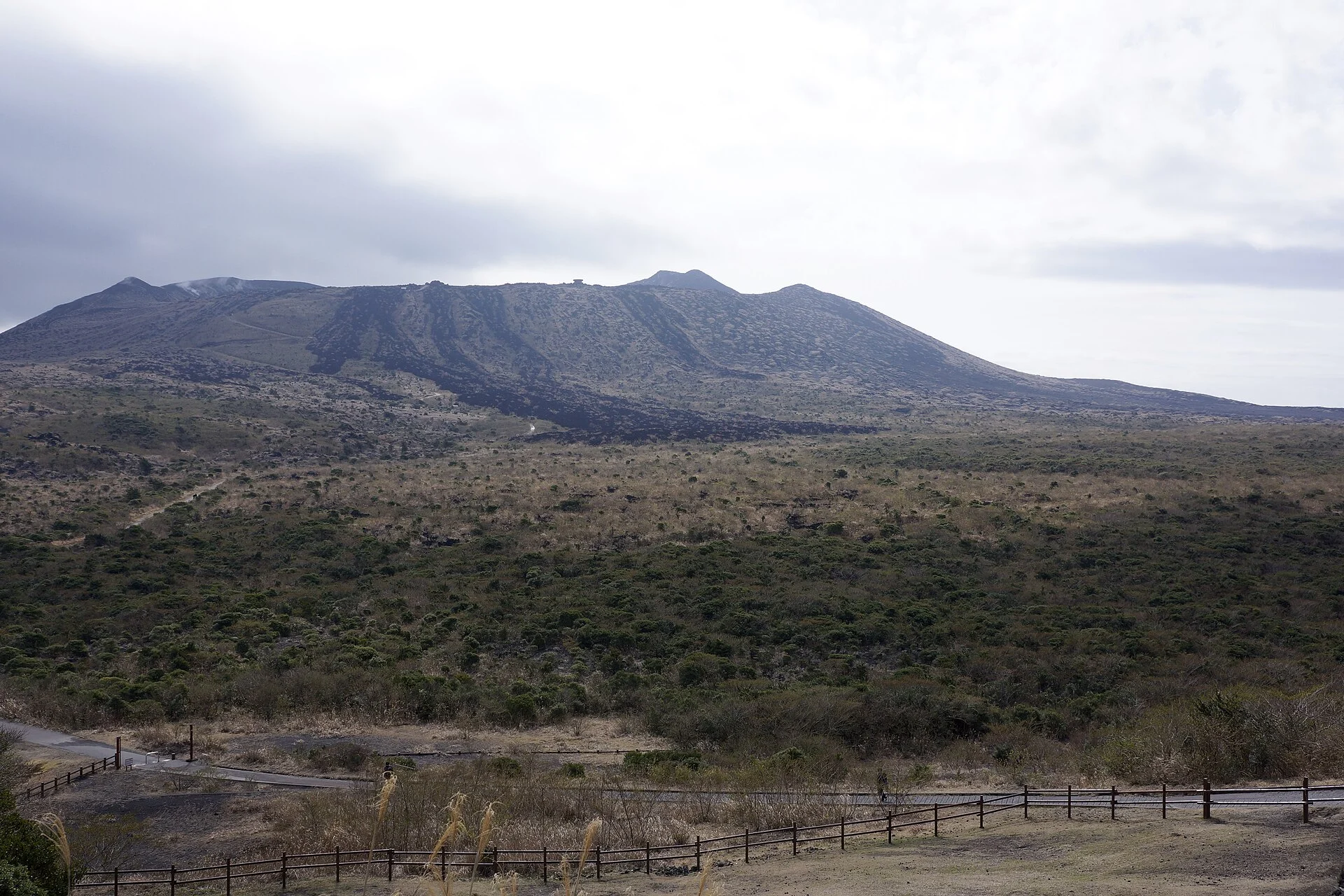
Izu Oshima, reached by ferry or flight from the Tokyo region, is dominated by active Mount Mihara. Trails cross black lava and circle the summit caldera, turning a volcanic island into a practical overnight adventure. Coastal geology, camellia landscapes and hot springs make it worth staying beyond the crater walk.
Ferry schedules depend on sea conditions and may use different ports. Check volcanic information, wind and bus times before setting out, and keep away from closed paths or fresh cracks. There is little shade on the lava plateau, while winter wind can be severe; carry both sun protection and warm layers.
Which Japan volcano should you choose?
Choose Fuji for a demanding seasonal summit and cultural icon, Aso or Sakurajima for accessible active-volcano observation, Meakan or Asahidake for a serious Hokkaido hike, and Usu or Bandai for the clearest interpretation of how eruptions reshape communities and ecosystems. Izu Oshima offers the easiest volcano-centered escape from Tokyo.
Many of these mountains also appear in the best hikes in Japan. For activities beyond summits, see Japan's best adventure experiences.
Volcano safety
- Check the Japan Meteorological Agency's volcanic warnings on the day of travel.
- Obey alert zones, gas restrictions, trail closures and shelter instructions.
- Carry rain gear, insulation, water, navigation and a headlamp on summit routes.
- Do not approach vents, collect rocks in restricted areas or leave marked trails.
- Keep an alternative plan; closure is evidence that monitoring is working.