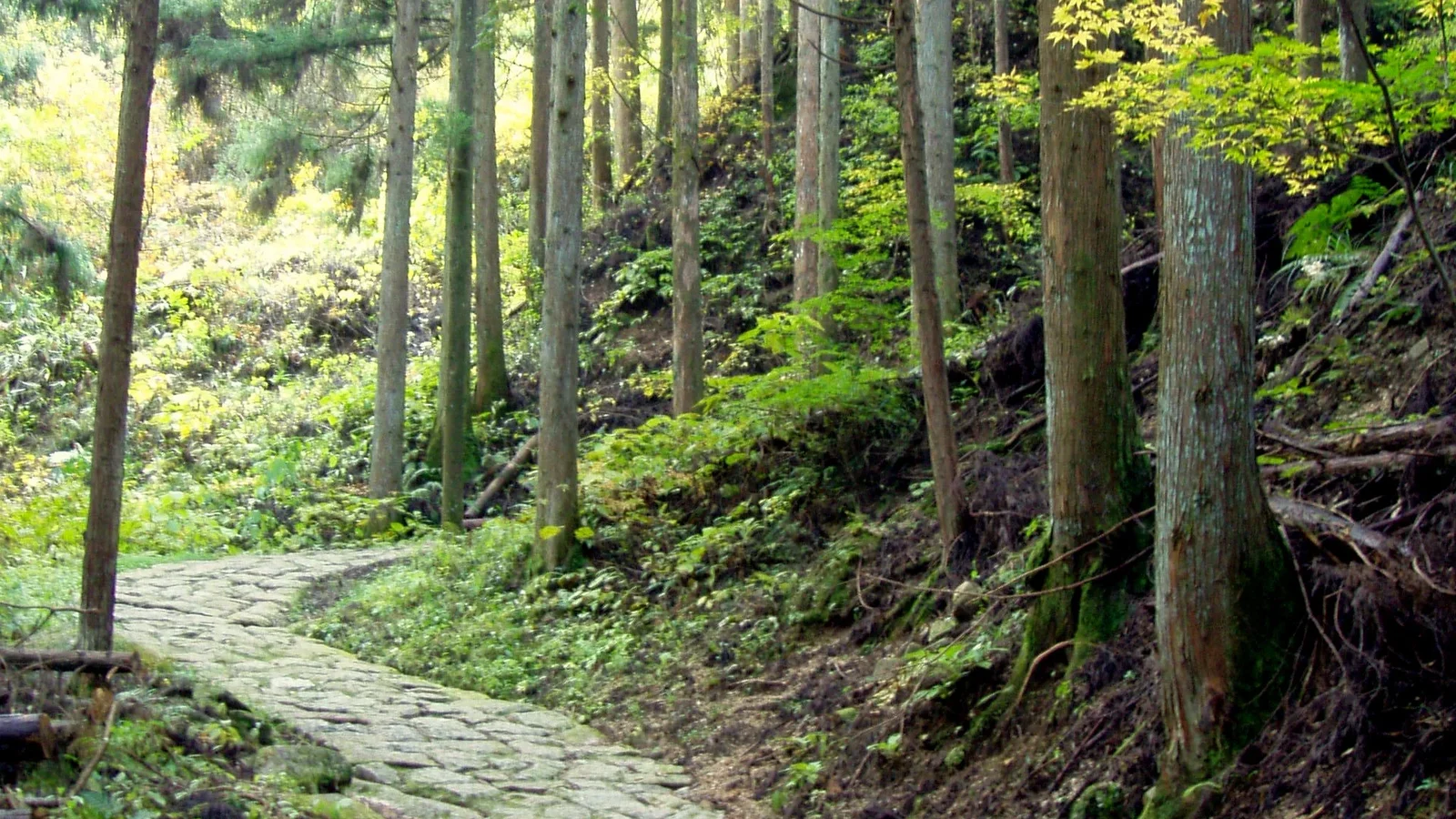

The best hikes in Japan reveal how much of the country exists beyond its cities. Almost three quarters of the land is mountainous, and trails range from cedar-lined pilgrimage roads to exposed 3,000-metre ridges, active volcanoes and subtropical island forest. Public transport reaches many trailheads, mountain huts make multi-day routes possible and centuries of religious practice give even short climbs unusual depth.
Convenience ends quickly in the mountains. Japan's summer Alps can produce thunderstorms and hypothermia; bears inhabit several regions; active volcanoes close without regard for reservations; and typhoons affect both coasts and high ground. Published hiking times often assume a fit walker and do not include long rests. Submit a route plan where requested, reserve huts, carry offline mapping and use the official local source—not a social post—to determine whether a trail is open.
Japan hikes at a glance
| Hike | Region | Difficulty | Typical time |
|---|---|---|---|
| Mount Fuji | Central Honshu | Hard | 2 days recommended |
| Kamikochi to Karasawa | Northern Alps | Hard | 2–3 days |
| Kumano Kodo Nakahechi | Kii Peninsula | Moderate–hard | 2–6 days |
| Yakushima Jomon Sugi | Kyushu islands | Hard | 9–11 hours |
| Mount Takao | Tokyo | Easy–moderate | 2–5 hours |
| Shiretoko Five Lakes | Hokkaido | Easy–moderate | 1–3 hours, regulated |
The 20 best hikes in Japan
1. Climb Mount Fuji
Japan's highest mountain is a seasonal, high-altitude climb rather than a year-round tourist walk. Four routes rise from separate fifth stations; Yoshida is busiest and best supplied, while Fujinomiya is shortest but steep. A reserved hut and two-day ascent reduce fatigue and allow acclimatization.
Use the official climbing site for the current season's gates, reservations and fees. Avoid the dangerous overnight “bullet climb,” carry rain gear and warm layers, and expect altitude symptoms. Sunrise from the trail can be just as meaningful as a crowded summit.
2. Hike from Kamikochi to Karasawa
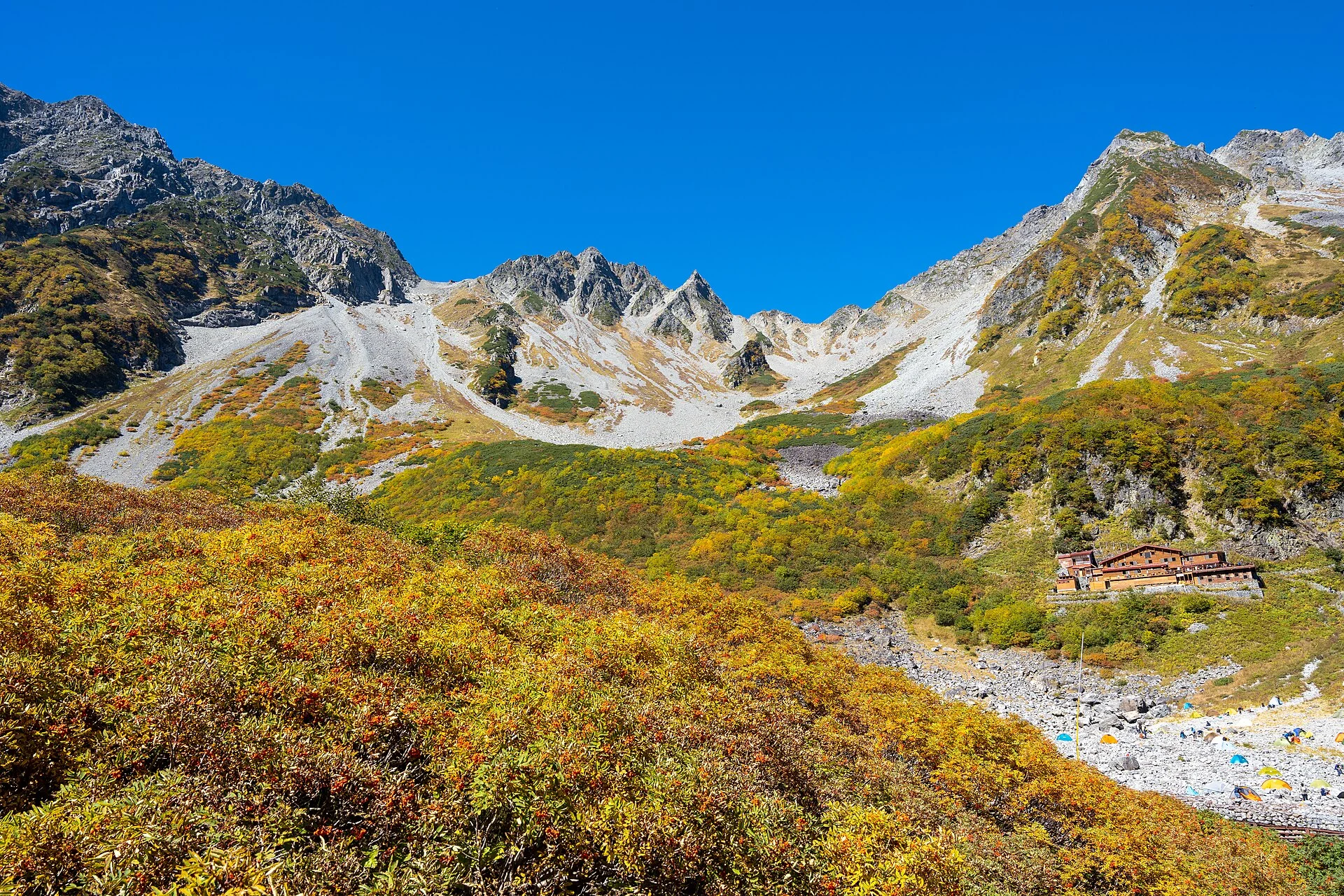
This Northern Alps route follows a broad valley before climbing into the spectacular Karasawa cirque beneath the Hotaka peaks. A two- or three-day return with a hut or tent night gives hikers alpine scale without requiring the technical ridges above.
Reserve accommodation, carry cash and start early. Snow lingers into summer and autumn color brings exceptional crowds. The upper peaks, especially Oku-Hotaka and the Daikiretto, are separate mountaineering objectives with exposed scrambling and should not be casually added.
3. Walk the Kumano Kodo Nakahechi
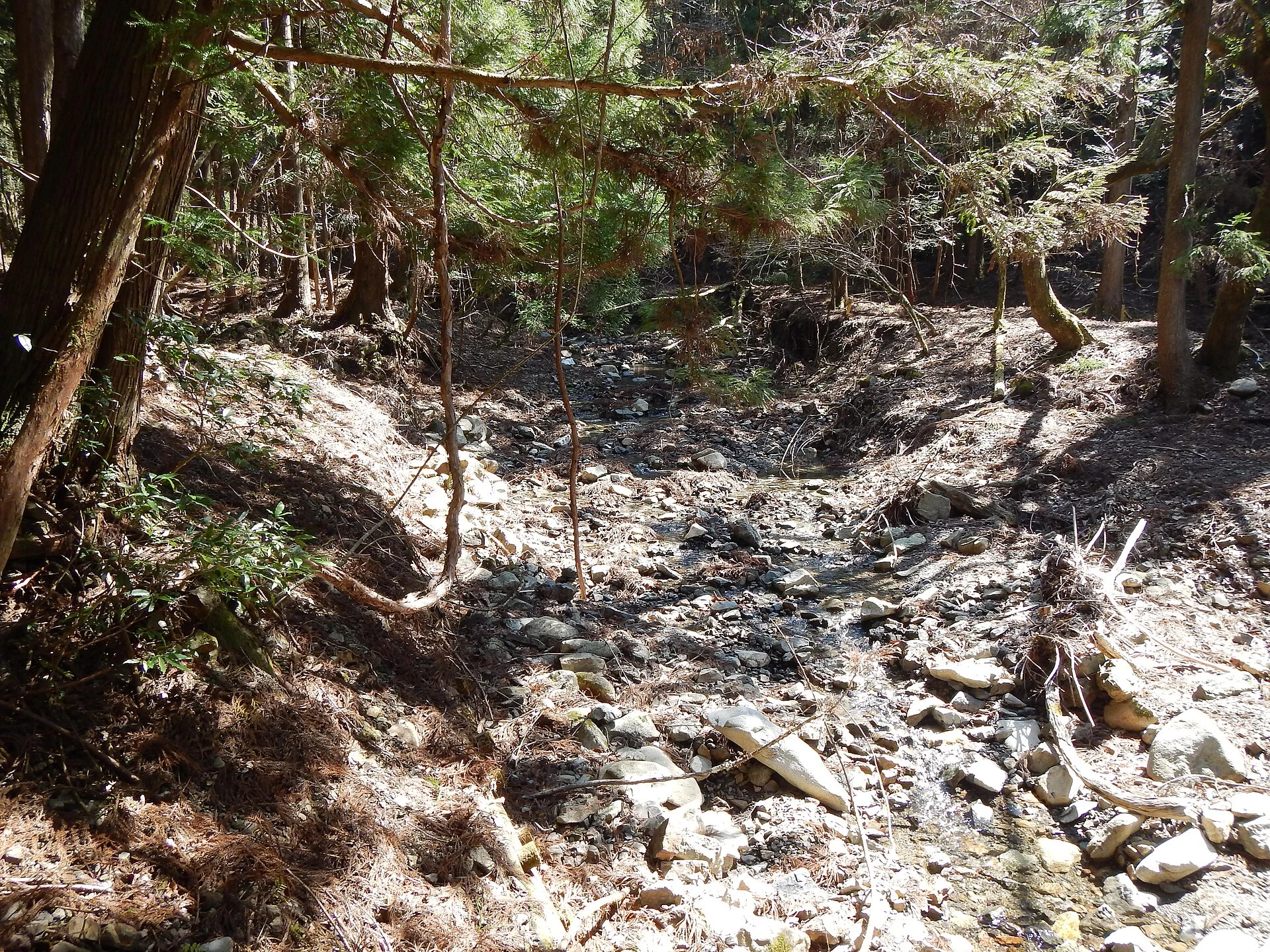
The Nakahechi crosses the forested Kii Peninsula between oji shrines, villages and the Kumano Sanzan sacred sites. A two-to-six-day itinerary can include Hongu, riverside hot springs and Nachi waterfall, with luggage forwarding between reserved inns.
Stone paving becomes slippery in heavy rain and daily climbs accumulate. Book early, keep quiet at worship sites and use buses strategically rather than forcing a stage in poor weather. More route choices appear in the ancient trails and pilgrimage walks guide.
4. Trek to Jomon Sugi on Yakushima
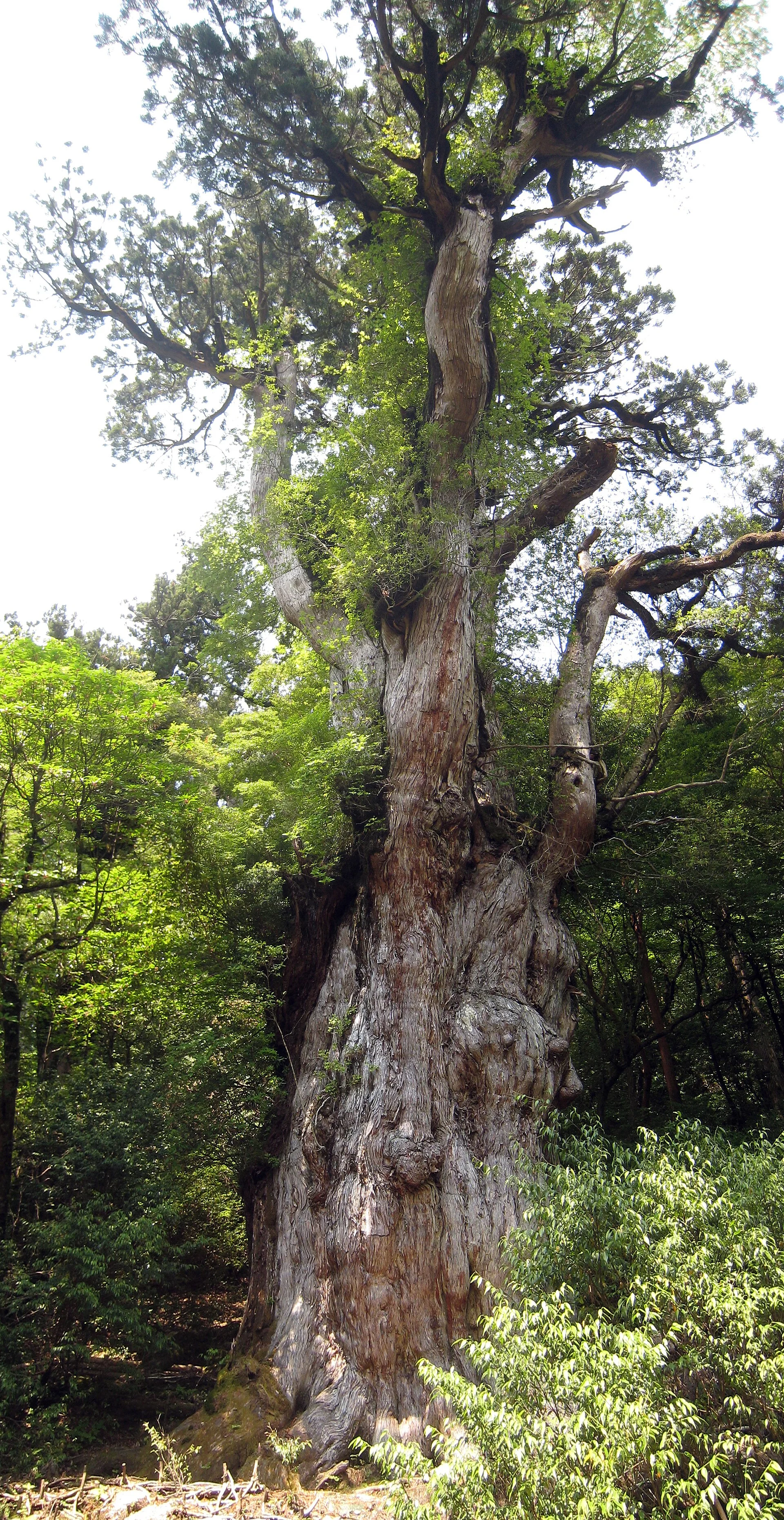
The long journey to Jomon Sugi passes old logging railway, mossy forest and immense yakusugi cedar trees. The standard return day is roughly 20–22 kilometres and commonly takes nine to eleven hours, with an early shuttle required during regulated periods.
Yakushima receives extraordinary rainfall. Carry waterproof clothing, food, a headlamp and a portable-toilet kit where advised. Stay on boardwalks, never touch roots for photographs and consider a guide who can interpret the forest instead of treating the ancient tree as the only objective.
5. Traverse Tateyama to Mount Tsurugi viewpoints
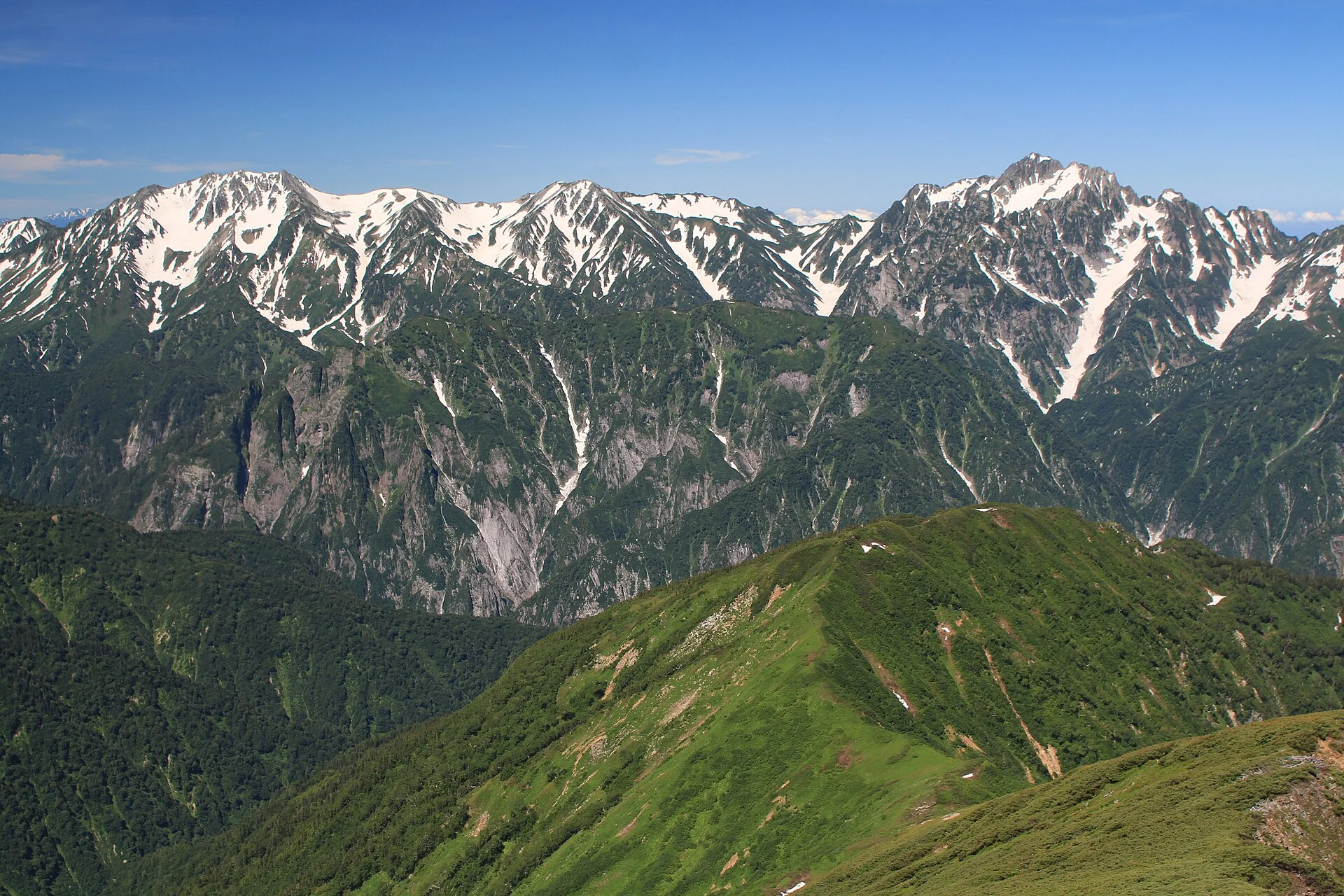
Tateyama's high plateau is reached by the Alpine Route and offers walks among volcanic ponds, snowfields and sacred peaks. A circuit around Murodo is approachable; climbing Mount Oyama is steeper; Mount Tsurugi itself is a serious exposed mountaineering objective.
Match the exact route to ability and season. Transport reservations and last departures matter, while altitude and rapid weather changes surprise day visitors. Enjoy Tsurugi from safe viewpoints unless you possess the scrambling experience and equipment its chains and drops require.
6. Hike Mount Yari from Kamikochi
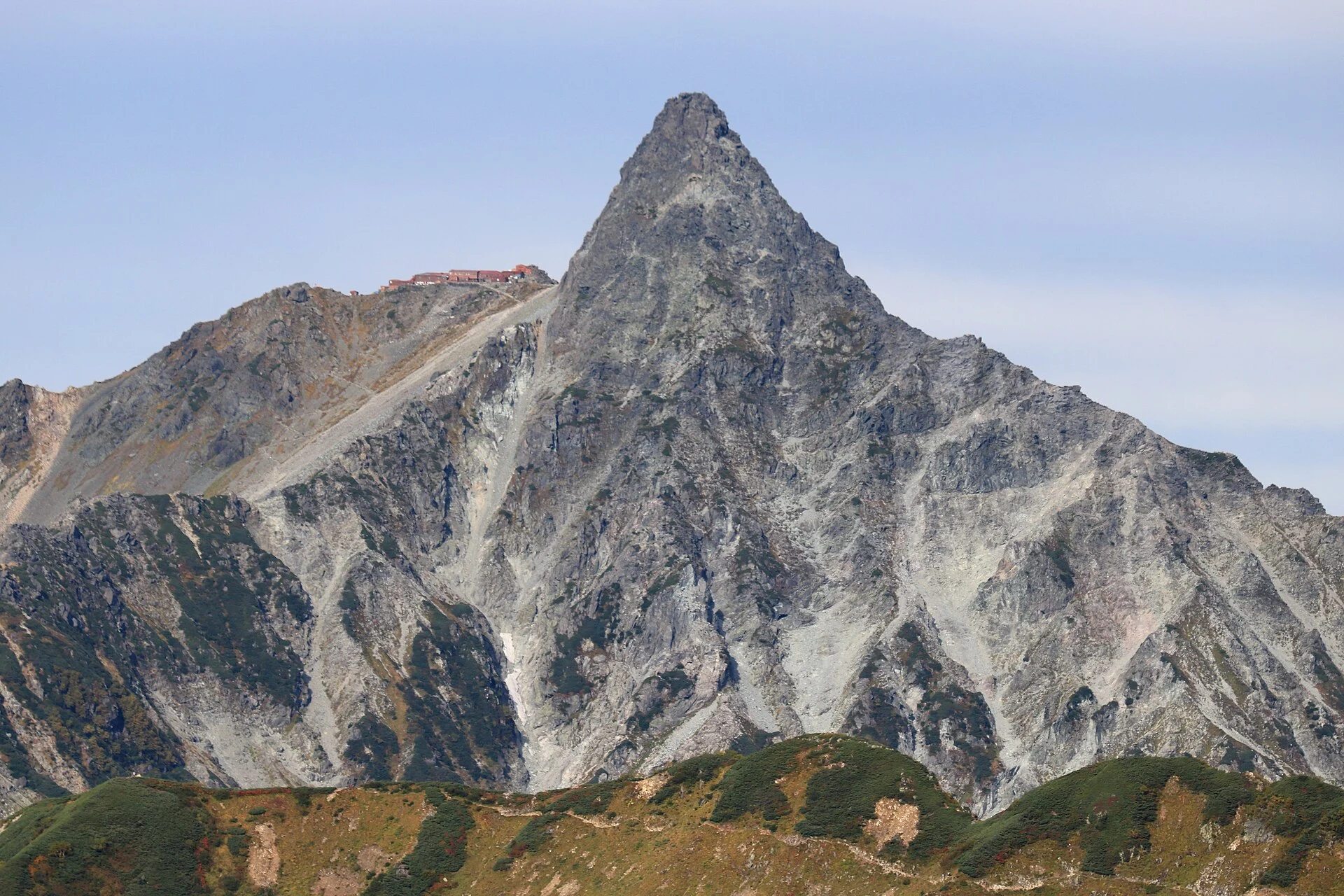
The spear-shaped summit of Yari-ga-take is one of the Japanese Alps' great multi-day goals. From Kamikochi, a long valley approach leads to mountain huts and a steep final climb using ladders and chains. Most itineraries require three or four days.
Reserve huts and carry a route plan, helmet and appropriate gear. The summit bottlenecks in peak periods, and the approach distances are substantial before the exposed section begins. Bad weather is a reason to remain at the hut or descend, not to test the hardware in rain.
7. Walk the Nakasendō from Magome to Tsumago
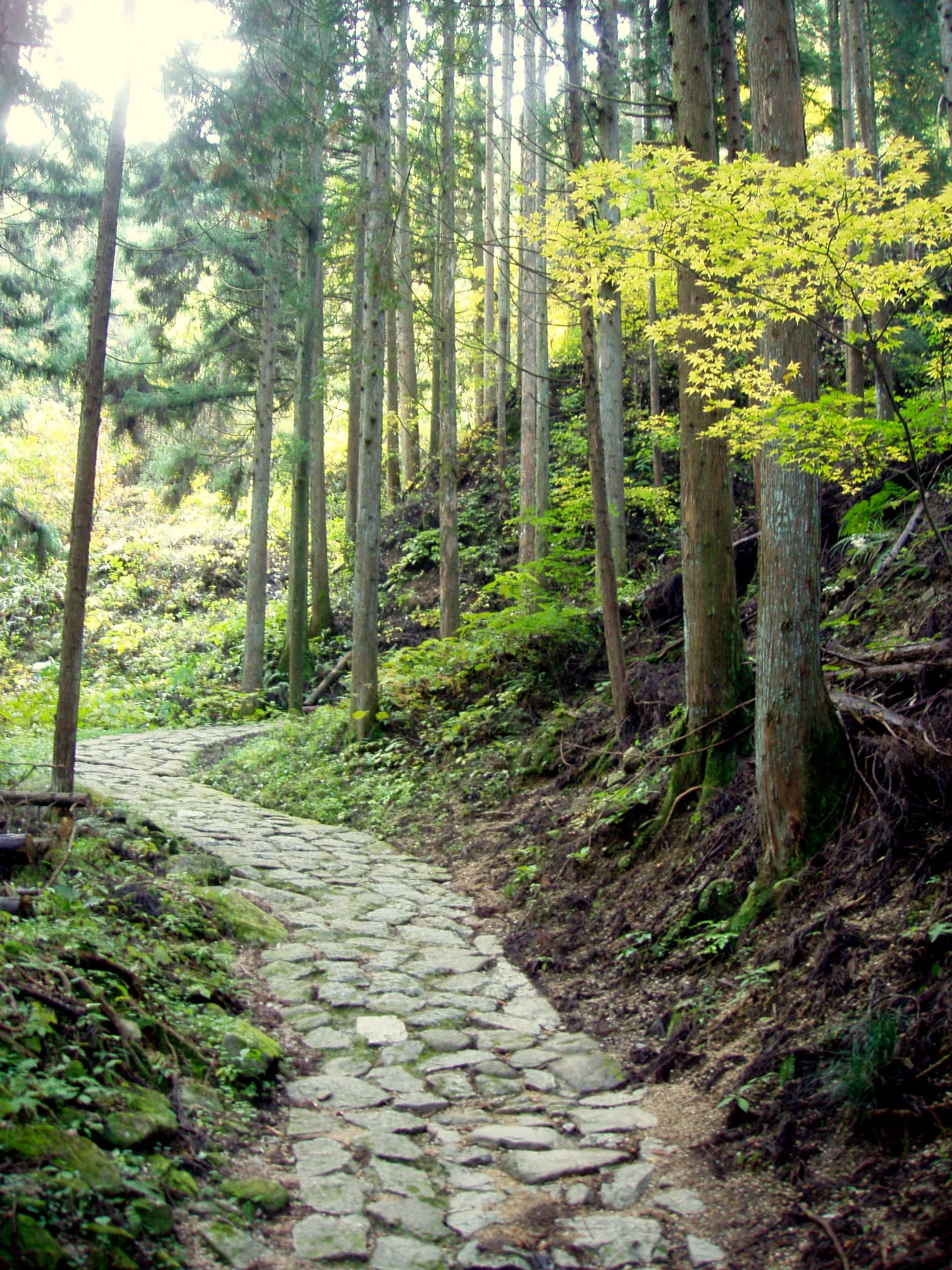
This eight-kilometre historic route crosses a wooded pass between preserved Edo-period post towns. It is one of Japan's best low-risk walks, with waterfalls, paving stones and settlements creating interest beyond the forest.
Allow time in both towns, check seasonal luggage forwarding and ring provided bear bells where requested. The route passes homes and working land, so stay on path and photograph respectfully. Rail and bus connections allow a straightforward day trip.
8. Climb Mount Yakedake
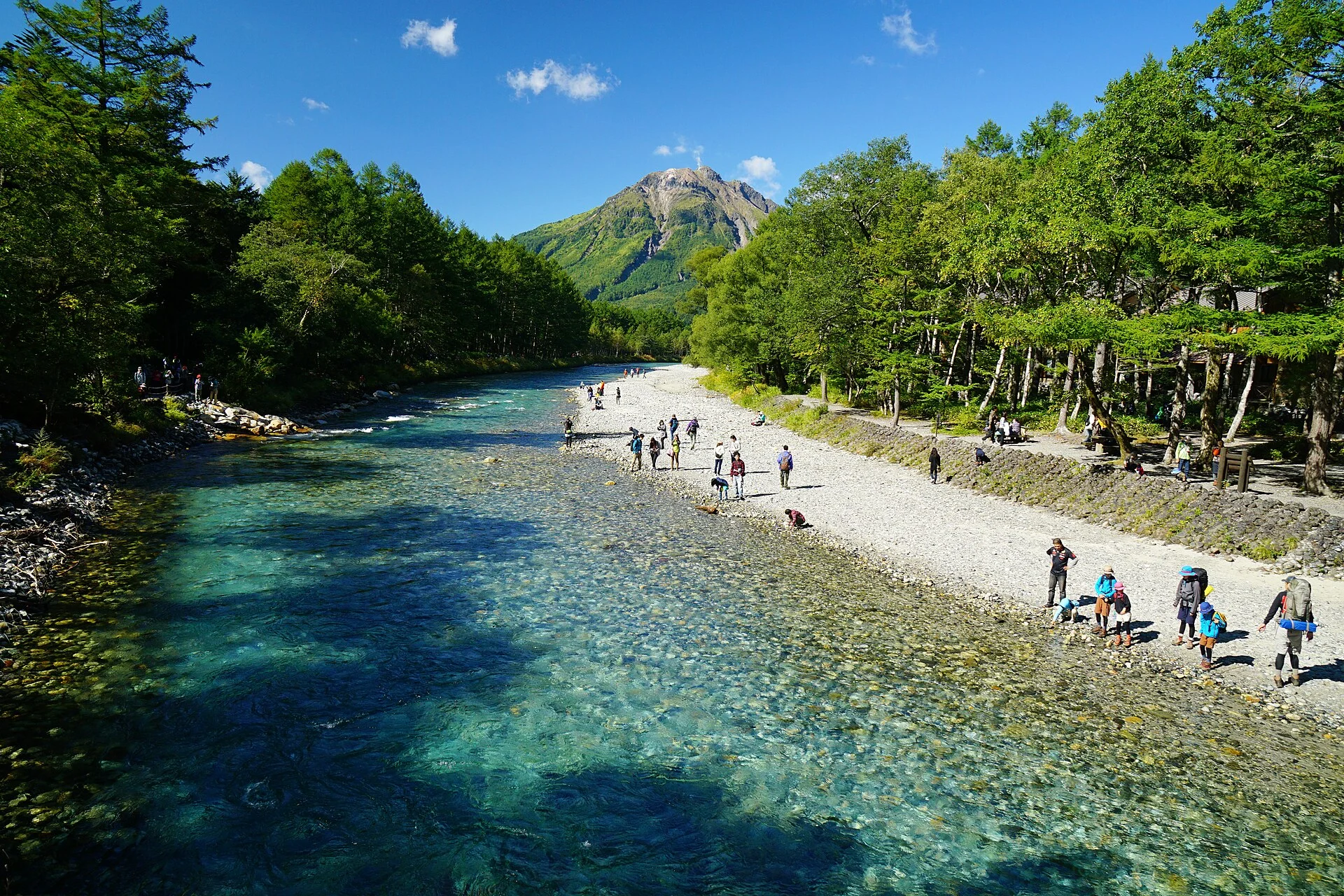
Yakedake rises above Kamikochi as an active volcano with steaming ground and views into the Northern Alps. The summit route commonly takes six to eight hours return depending on trailhead and includes steep ladders or rocky sections.
Check volcanic warnings and trail status before departure. Carry a helmet where locally recommended, avoid vents and do not continue in thunderstorms or heavy cloud. Snow changes the route's technical level well beyond an ordinary hike.
9. Hike Mount Daisen
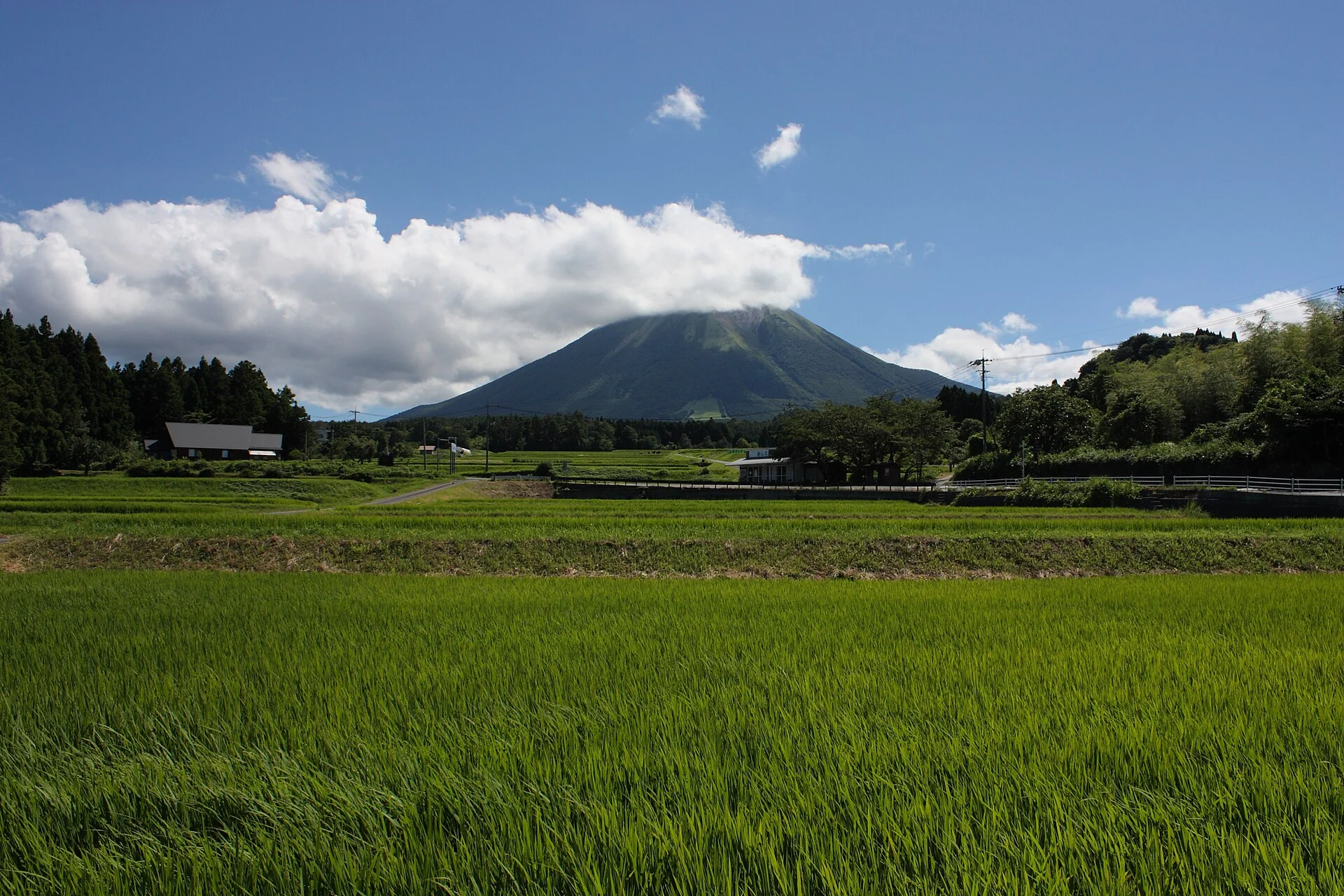
Western Japan's dominant volcanic mountain rises above the Tottori plain and Sea of Japan. The popular Natsuyama route climbs long stairways through beech forest to an exposed summit ridge and protected boardwalk, usually taking about five to seven hours return.
Erosion controls restrict where hikers may walk near the top. Remain on the boardwalk, carry layers for wind and avoid winter without alpine skills. Daisen's temple approaches add cultural context before or after the climb.
10. Climb Mount Meakan
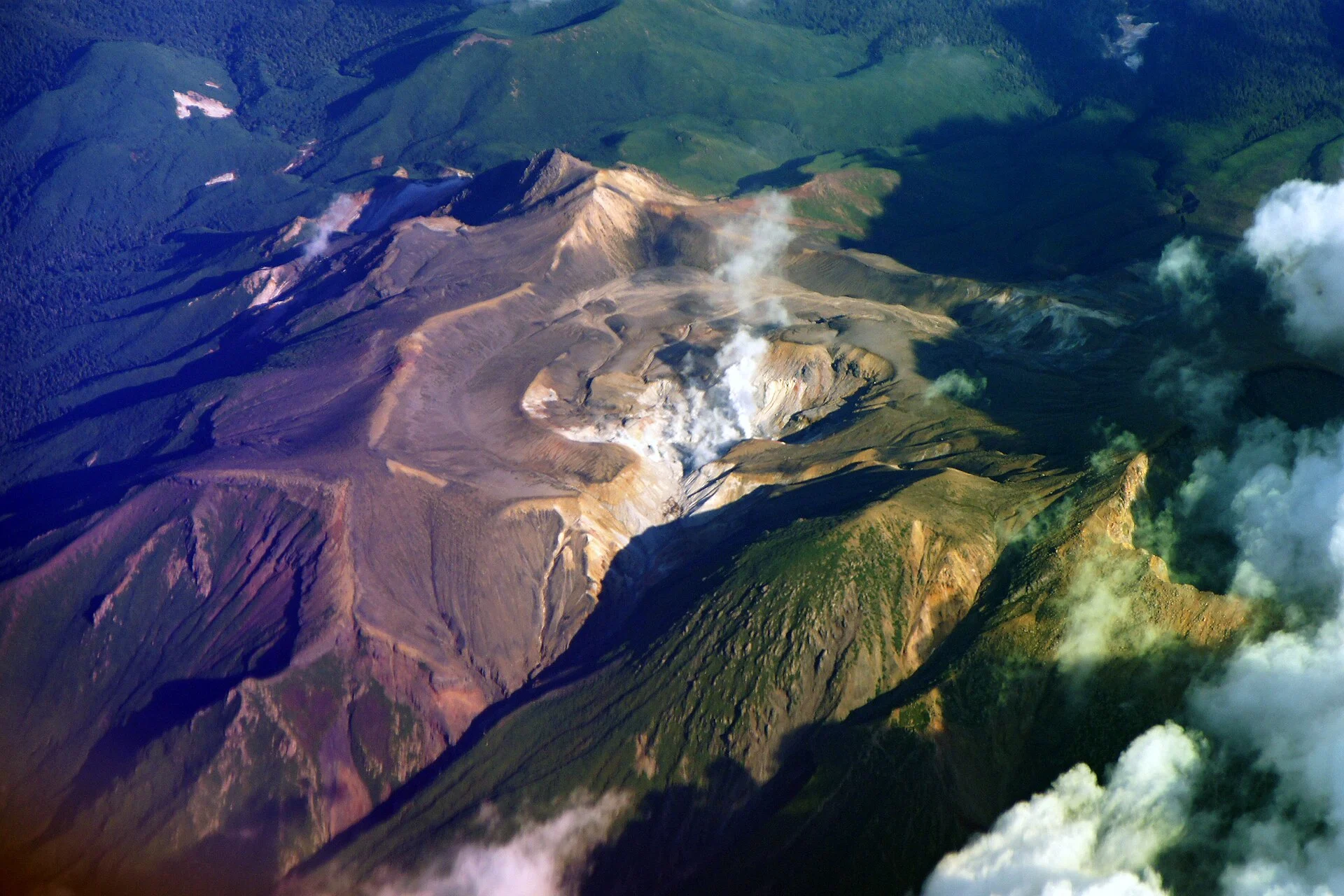
Meakan in eastern Hokkaido crosses forest and bare volcanic slopes to an active crater panorama. Routes from Onneto or Meakan Onsen can form a traverse or return hike of roughly five to seven hours.
Gas, high wind and volcanic alerts can close the mountain. Check Akan-Mashu park guidance and arrange transport if the route ends elsewhere. Nearby lakes and Ainu cultural sites deserve additional time rather than a rushed summit-and-drive day.
11. Walk Mount Takao's quieter trails
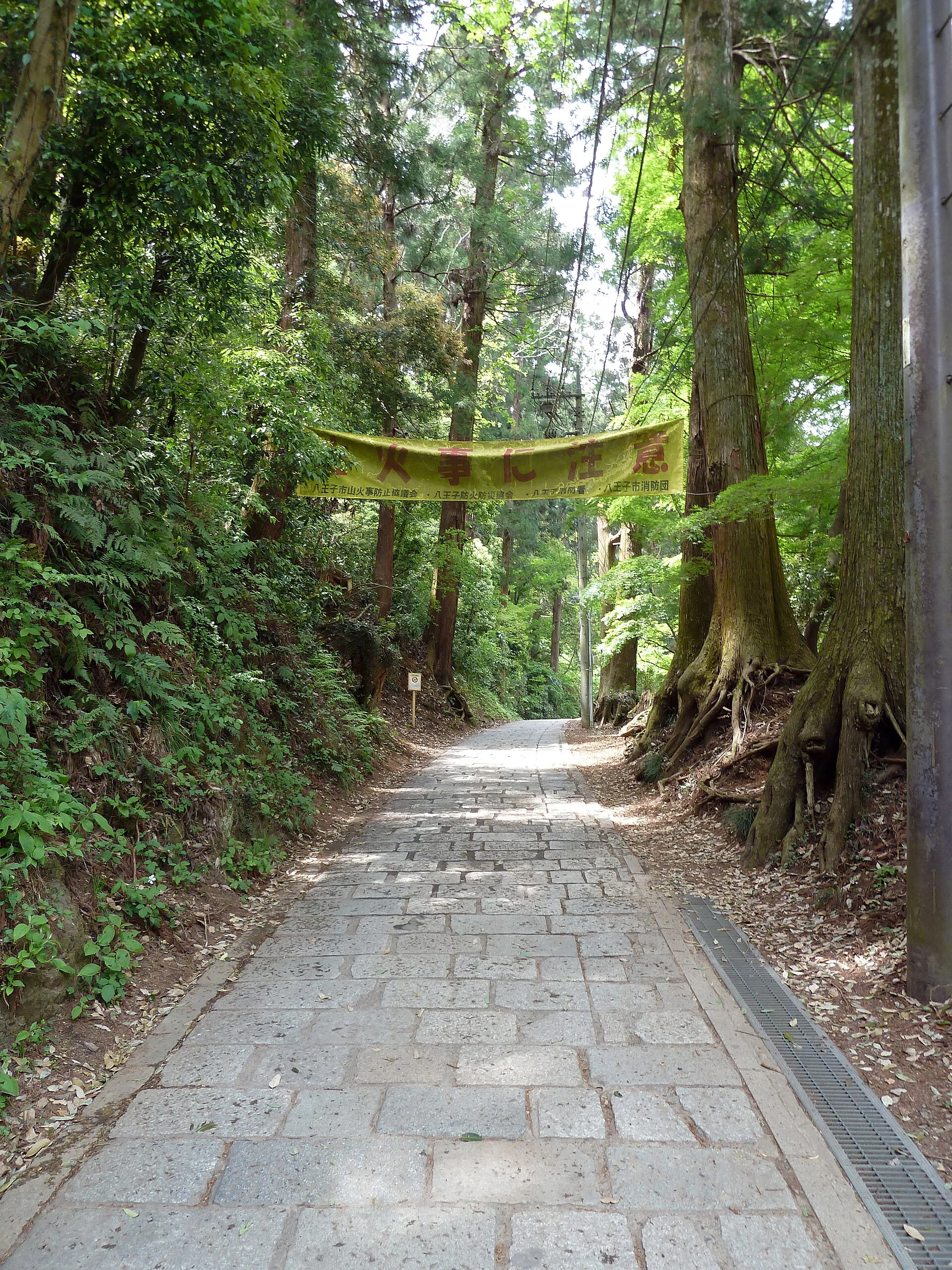
Takao is less than an hour from central Tokyo yet offers multiple forest routes, temple precincts and a Fuji view in clear weather. Cable car and paved approaches are busy; trails such as Inariyama provide a more physical climb of two to four hours return.
Visit on a weekday, descend before dark and choose footwear for mud after rain. The mountain is culturally significant and ecologically busy—do not feed wildlife or treat temple grounds as a picnic overflow area.
12. Hike Mount Mitake and the Rock Garden
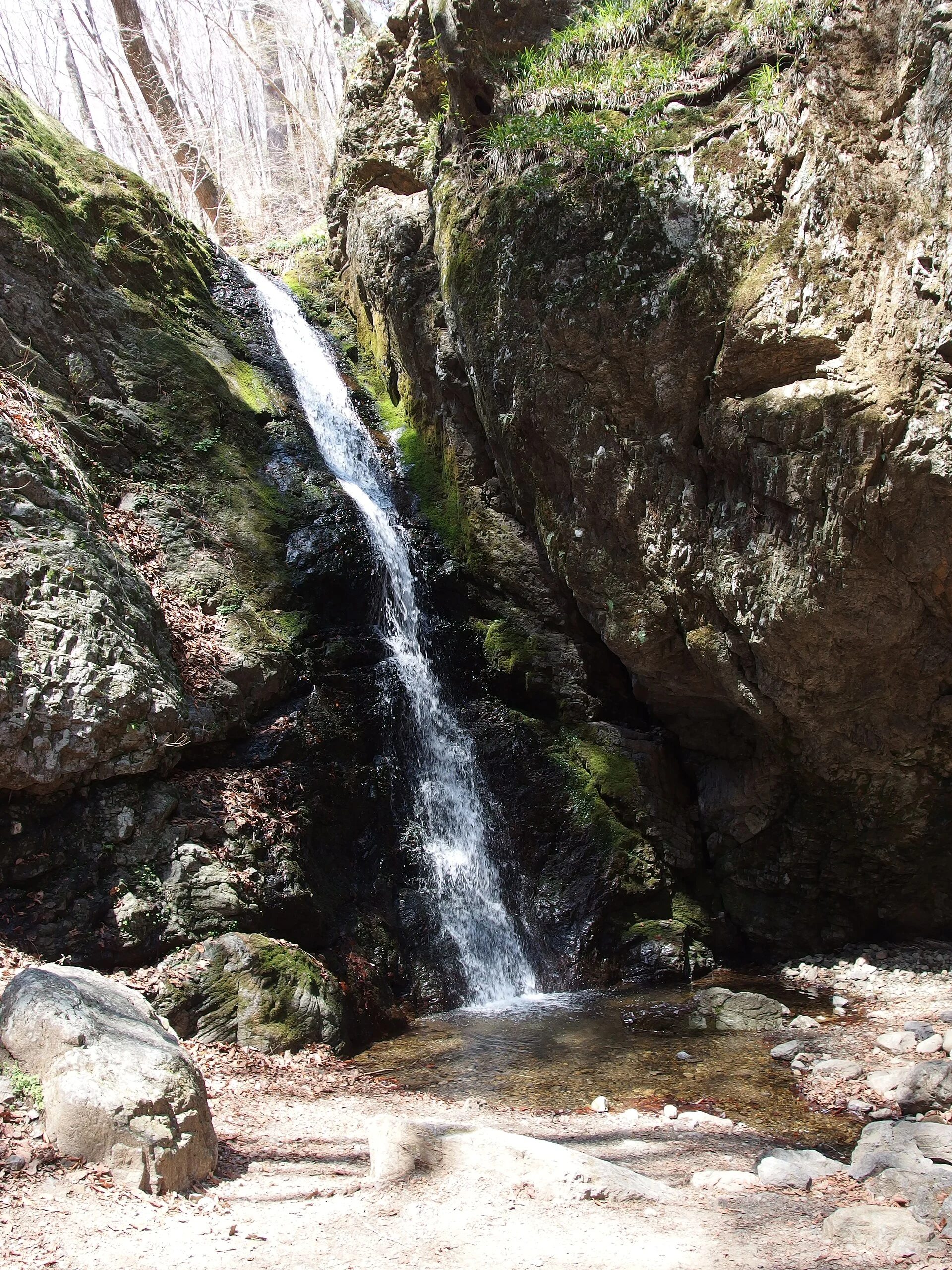
West of Tokyo, a cable car reaches a mountain village and Musashi Mitake Shrine. Beyond it, the Rock Garden route follows mossy stream channels and small waterfalls, while extensions toward Mount Odake create a harder day.
Wet rock and roots are slippery. Check the last cable car, carry a headlamp and do not underestimate the longer summit extension. Shukubo lodging offers a deeper encounter with the shrine community when booked respectfully.
13. Cross Mount Tsurugi in Shikoku
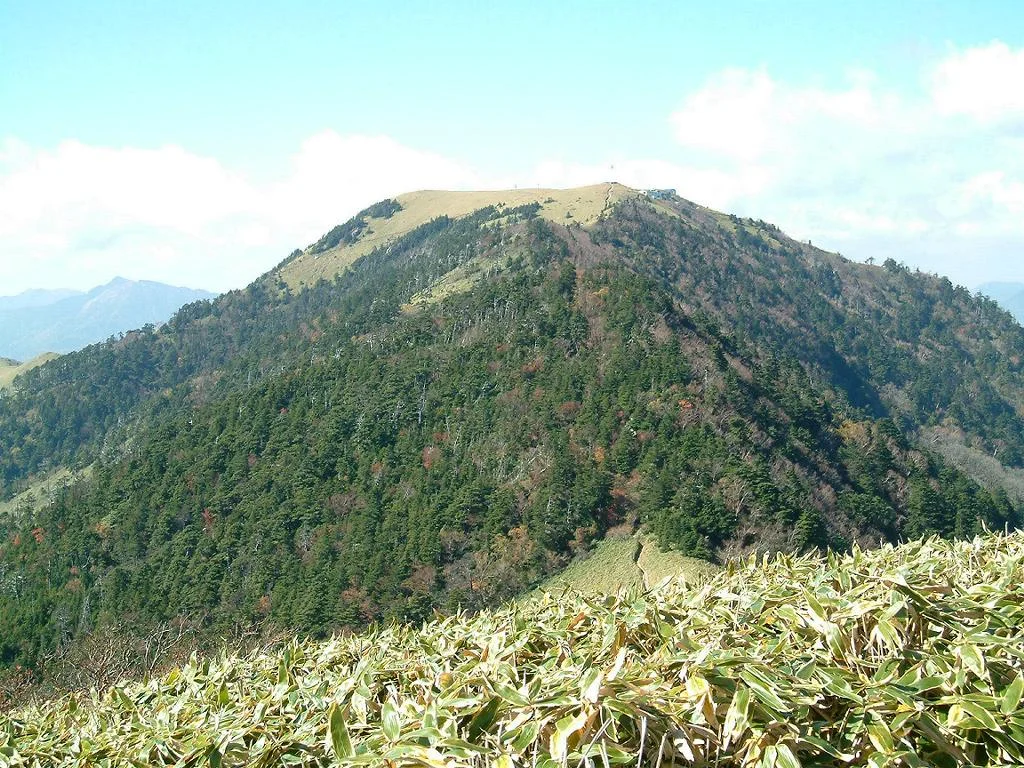
Shikoku's Mount Tsurugi has a chairlift-assisted short route and longer approaches through bamboo grass with broad ridge views. Despite its name, the main summit is not a knife-edge climb and suits prepared walkers in settled conditions.
Remote roads and limited buses are the planning challenge. Confirm transport, carry layers and avoid exposed ridges in lightning. A traverse toward Miune is a serious long-distance option requiring separate research and sometimes a hut night.
14. Hike Mount Aso's permitted trails
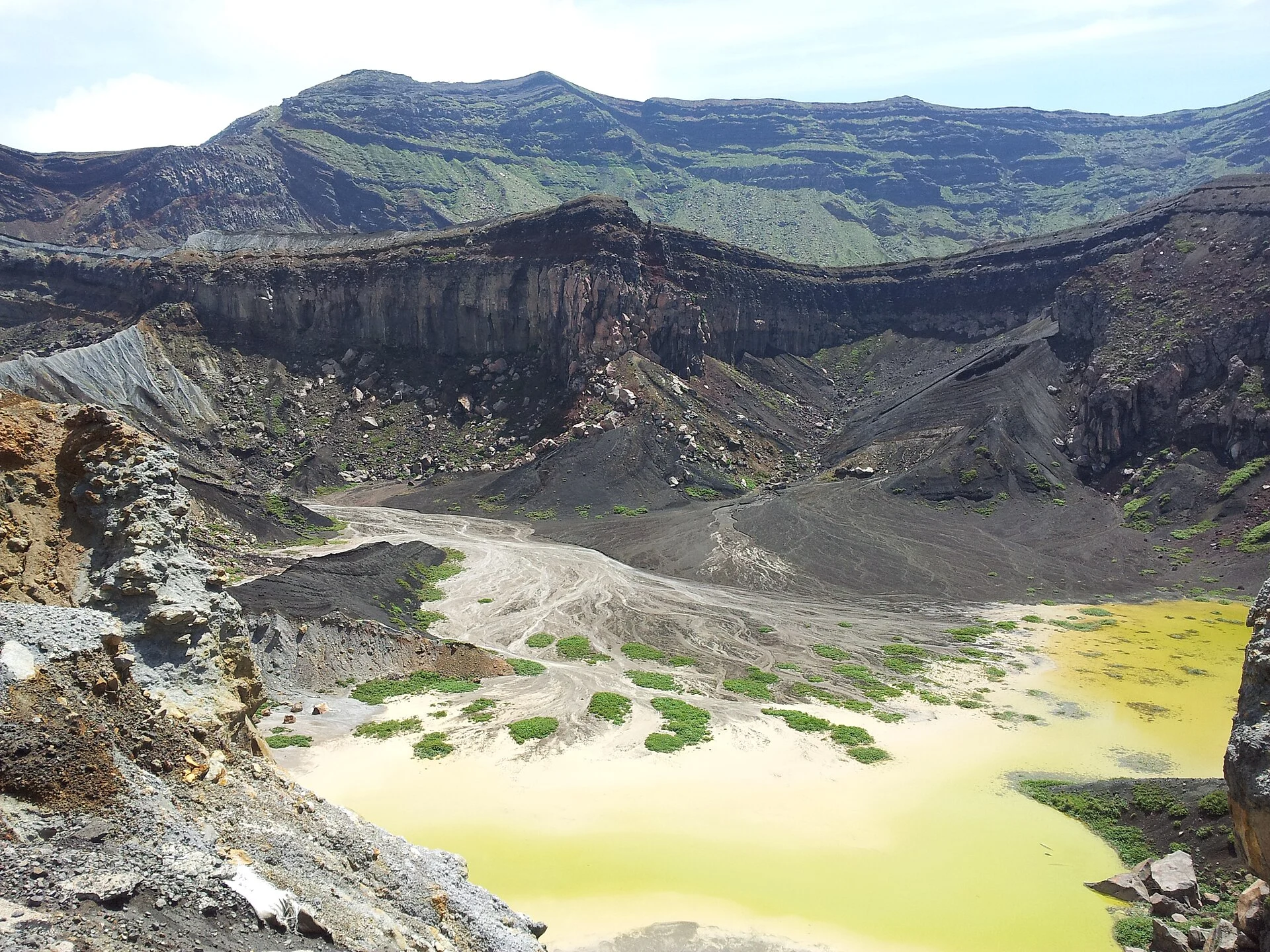
When volcanic restrictions allow, routes around Takadake and Nakadake reveal a raw Kyushu crater landscape. The broader Aso caldera, Kusasenri and managed crater viewpoints provide alternatives when summit paths close.
Check same-day alert and gas information; different sectors may have different access. Carry water and sun protection on bare ground, and never cross closure tape. Design the day so the volcano museum and grasslands still make it worthwhile without a summit.
15. Walk the Shiretoko Five Lakes
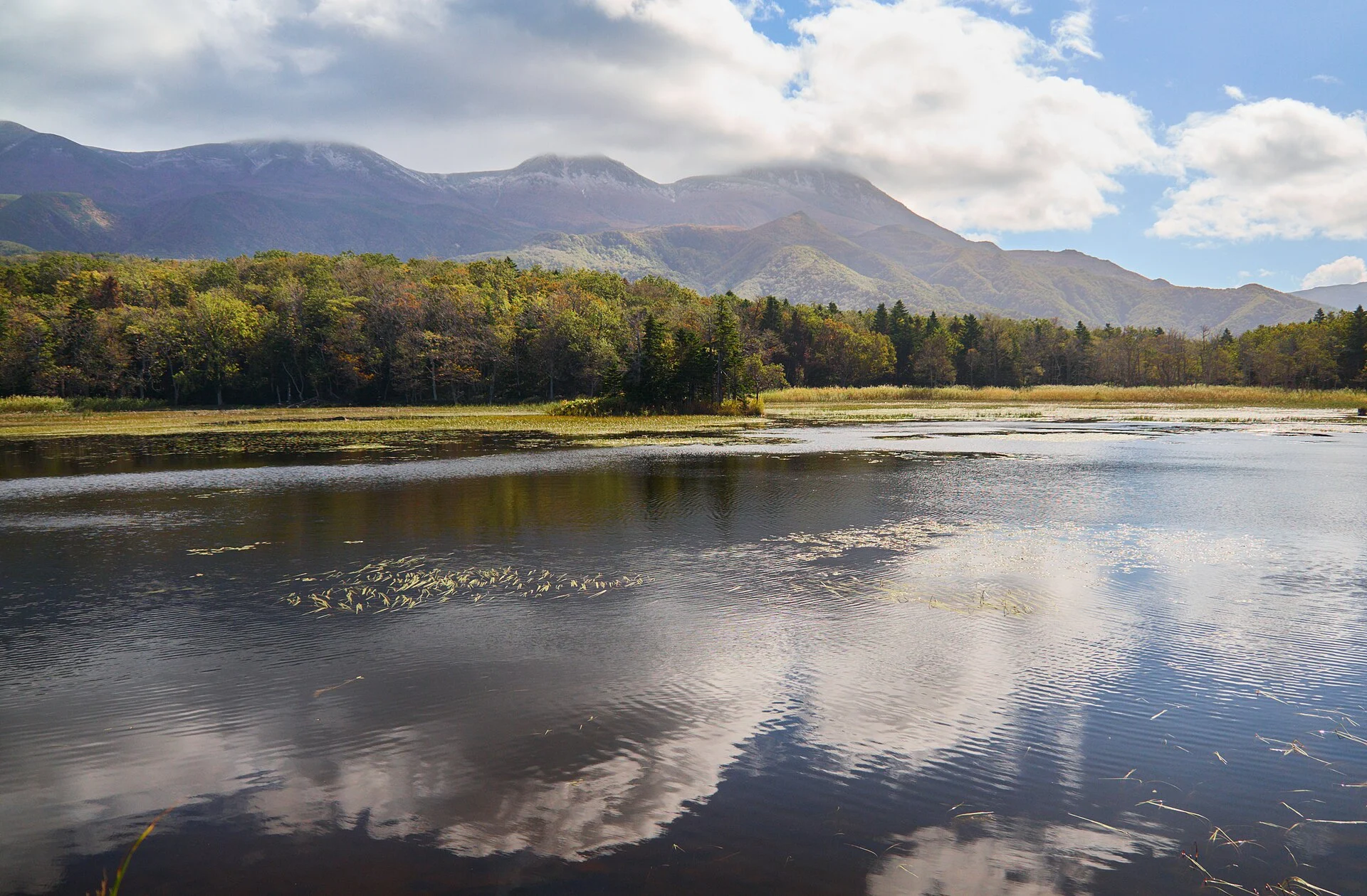
This regulated trail crosses brown-bear habitat beneath the mountains of the Shiretoko Peninsula. Elevated boardwalk sections are broadly accessible; ground trails may require a briefing, guide or closure depending on season and bear activity.
Follow the current entry system exactly and never approach wildlife. Carry no exposed food, keep the group together and leave immediately when instructed. A guided walk adds tracking knowledge without turning bears into targets.
16. Climb Rishiri-zan
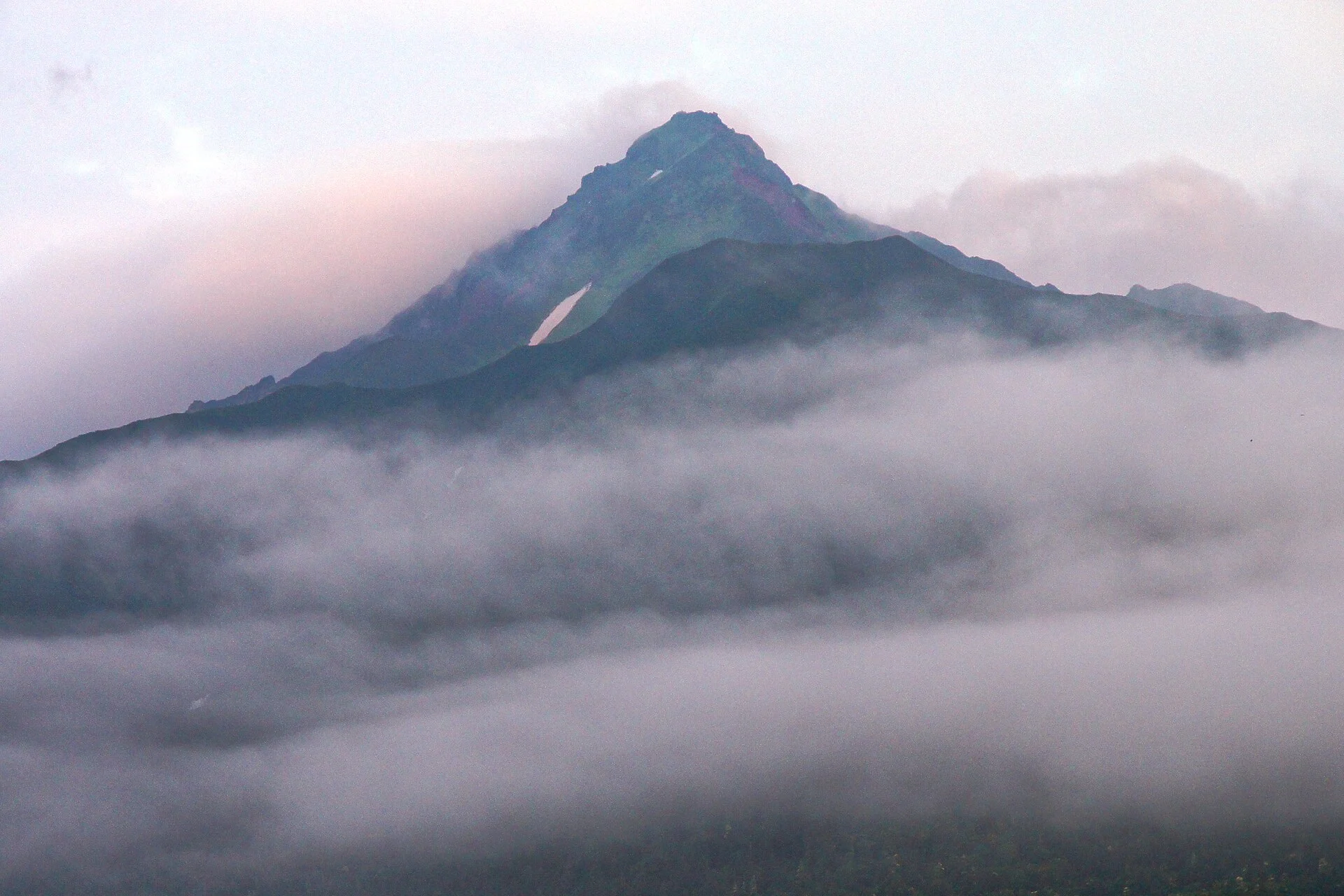
Rishiri's near-symmetrical island mountain rises directly from the Sea of Japan, producing a long ascent of around ten to twelve hours return. Alpine flowers and ocean views are exceptional, but erosion and steep upper ground make it a demanding objective.
Start before dawn, carry all water recommended locally and use the supplied soil-carrying conservation system where requested. Wind can force a turnaround. Stay on the island before and after the climb rather than tying the summit to a same-day ferry.
17. Hike the Kirishima range
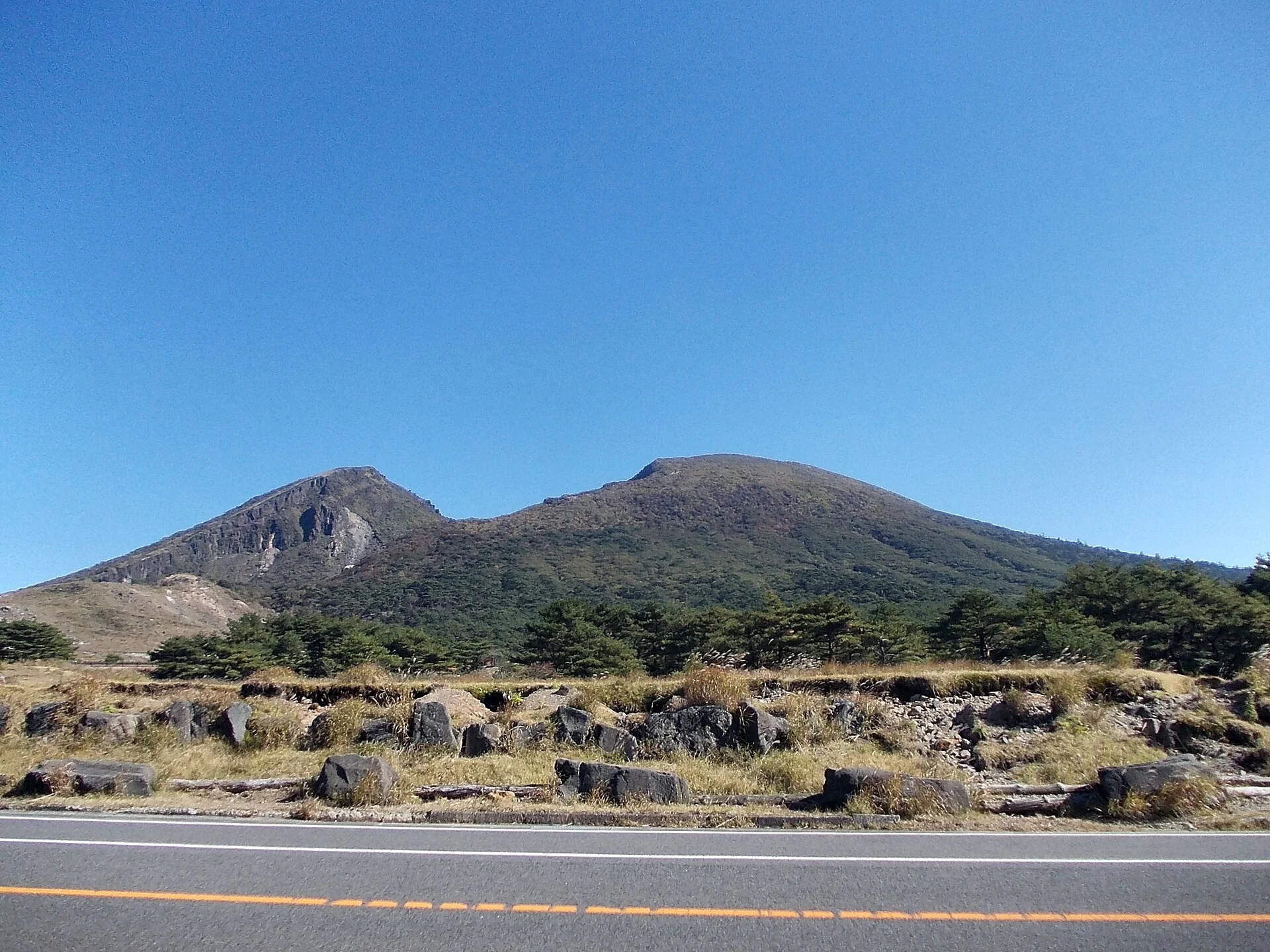
Crater lakes and volcanic ridges make Kirishima one of Kyushu's most varied mountain areas. Routes around Mount Karakuni and Ebino Kogen change with volcanic exclusions, so an old traverse description may be unusable.
Check park maps and alerts on the day, carry navigation and respect gas warnings. Winter brings ice, while summer heat and thunderstorms favor early starts. Local hot-spring towns make a natural base.
18. Walk the Oze marshlands
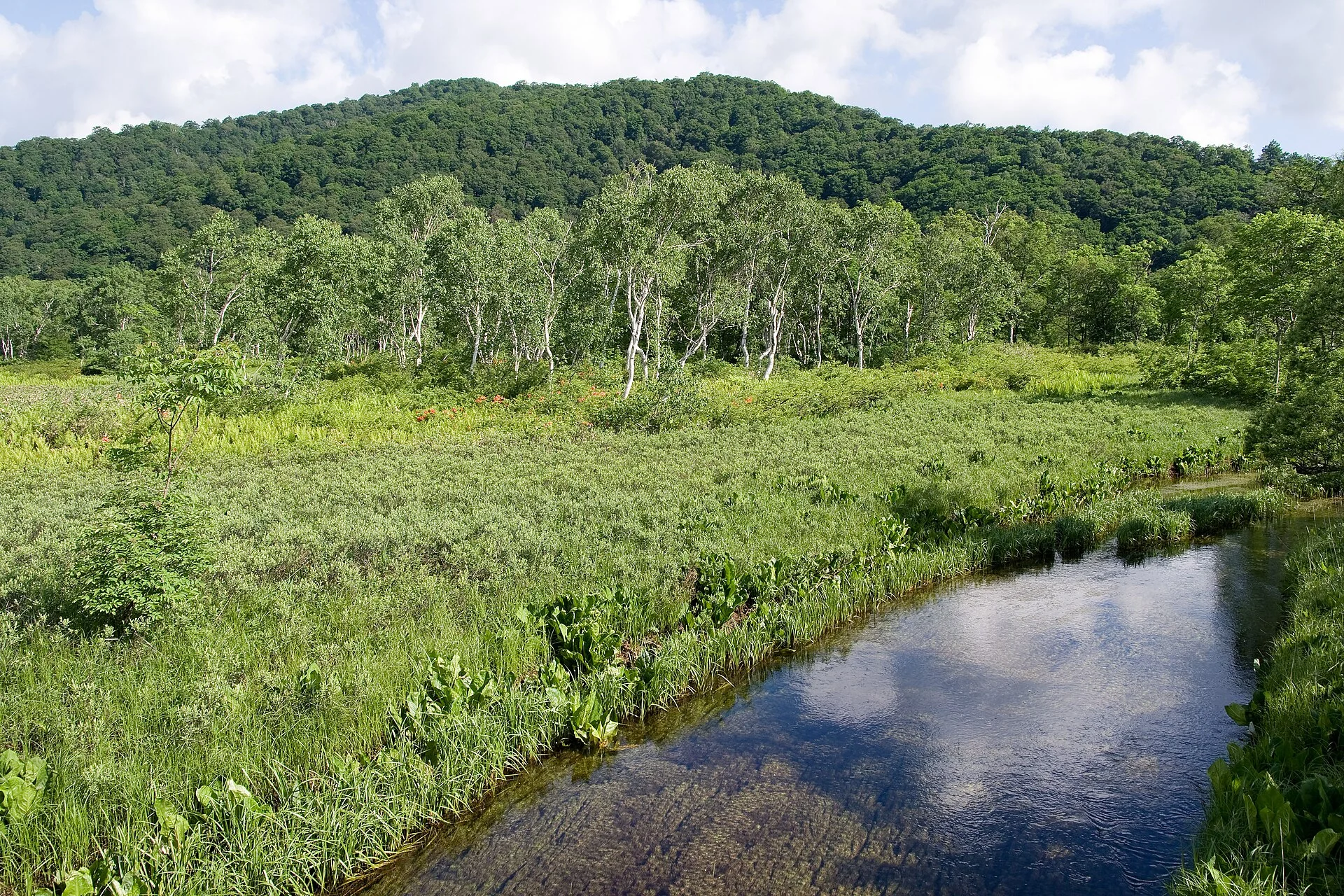
Oze National Park protects broad wetlands beneath mountains in central Honshu. Boardwalks cross famous skunk-cabbage and daylily landscapes, with day walks or hut-based crossings from multiple trailheads.
Peak flowering periods are crowded and buses vary by entrance. Reserve huts, stay on boards and carry every piece of waste out. Adding Mount Shibutsu or Hiuchigatake turns a gentle wetland visit into a strenuous mountain day.
19. Follow the Michinoku Coastal Trail
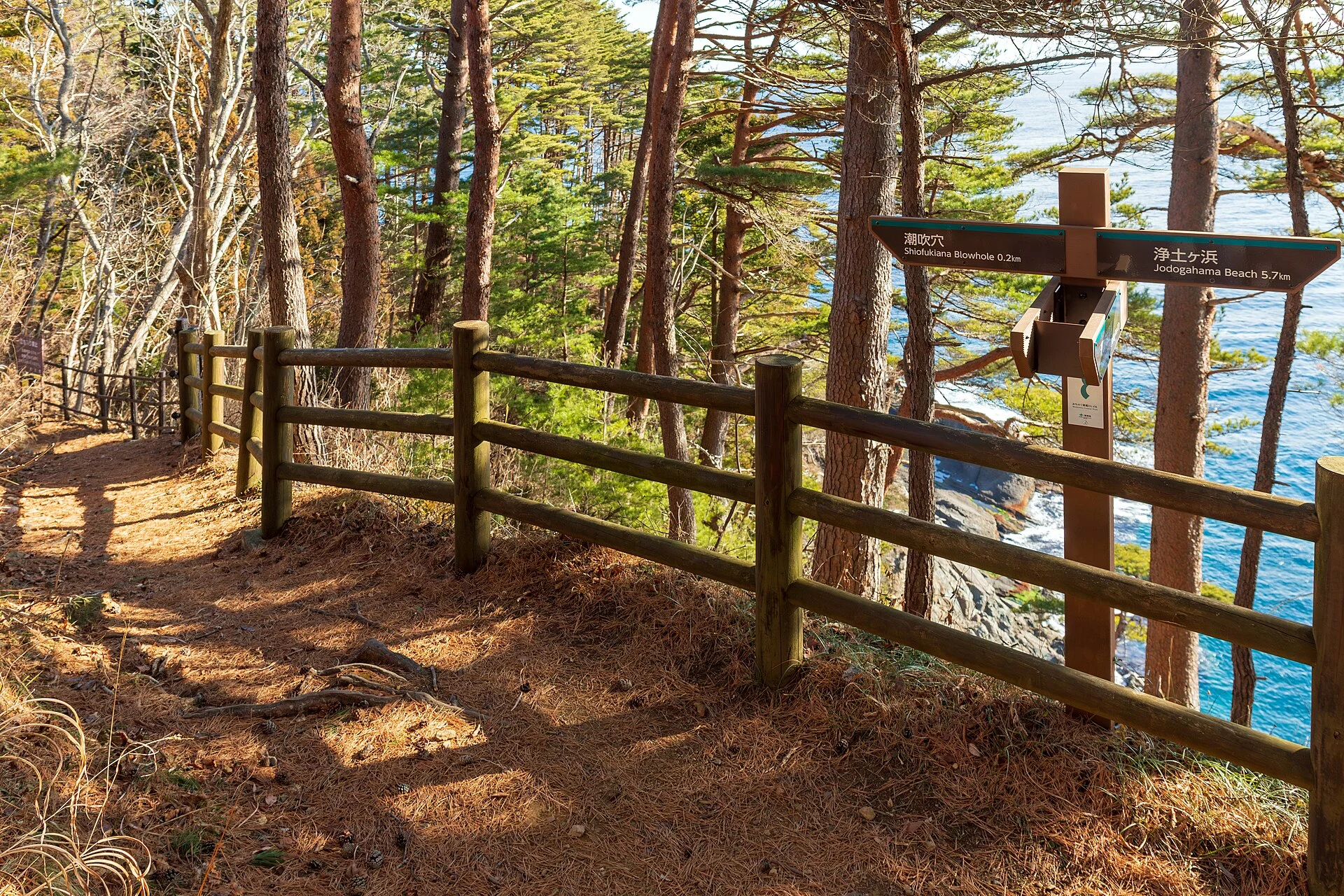
This more-than-1,000-kilometre route follows Tohoku's Pacific coast through cliffs, forests and communities affected by the 2011 disaster. Walkers normally choose a multi-day section rather than the entire trail.
Official maps are essential for tide hazards, transport and diversions. Learn evacuation routes, respond immediately to tsunami warnings and engage with memorial places thoughtfully. Spending in locally owned lodging and shops is part of responsible passage.
20. Hike Mount Asahidake
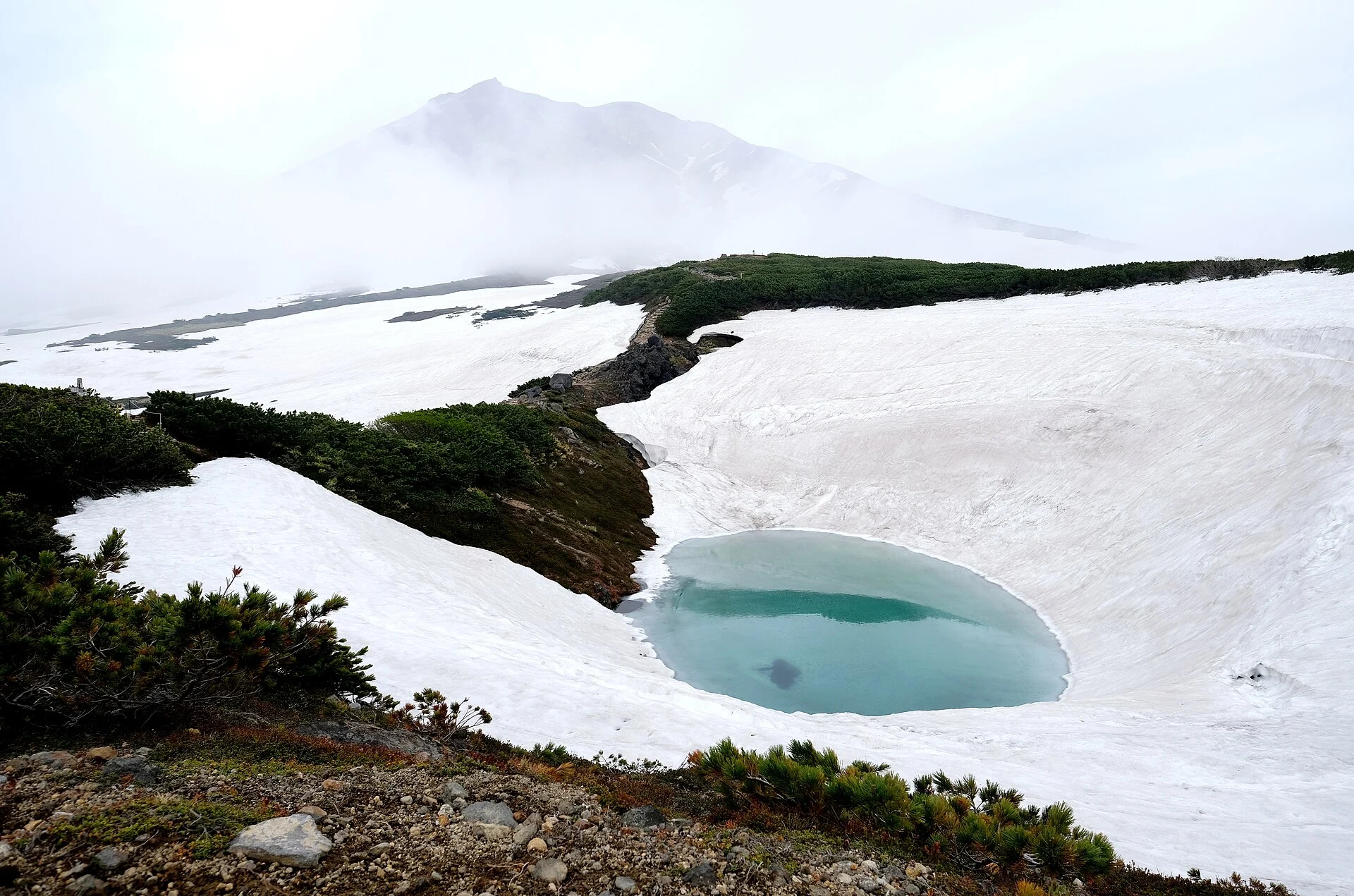
Hokkaido's highest peak rises above a ropeway station in Daisetsuzan National Park. The Sugatami pond circuit offers an easy volcanic walk, while the summit requires roughly five to seven hours return over loose, exposed ground.
Snow and autumn arrive early, and cloud can erase the broad route. Check the last ropeway, carry insulation and turn back in high wind. Experienced trekkers can plan a hut-based Daisetsuzan traverse, but facilities are basic and distances serious.
When is the best time to hike in Japan?
There is no national hiking season. The Japanese Alps and Fuji are summer objectives with narrow operating windows. Lower mountains around Tokyo, Kyoto and western Japan are often best in spring and autumn. Hokkaido's high season is short; Yakushima is mild but exceptionally wet; typhoons can affect much of the country from summer into autumn.
Check snow, volcanic alerts, typhoon tracks and transport separately for every region. Autumn color also brings accommodation shortages and trail congestion. A quieter shoulder date can be better than chasing a famous week.
Before you go
- File a hiking plan where local authorities or trailheads request one.
- Reserve mountain huts; many do not accept unannounced guests or dietary changes.
- Carry cash, offline navigation, rain gear, insulation, water and a headlamp.
- Learn the local bear protocol and never leave food or rubbish behind.
- Check volcanic warnings, weather and trail closures immediately before departure.