

Japan's wildlife experiences stretch far beyond the deer and monkeys seen on a first city itinerary. Winter sea ice brings Steller's sea eagles to Hokkaido; red-crowned cranes gather in snowy eastern wetlands; whales migrate past subtropical islands; and isolated forests protect species found nowhere else. The strongest encounters are habitat-led: a quiet marsh walk or guided night drive remains worthwhile even when the hoped-for animal does not appear.
Wild animals are not performers, including those living beside famous temples or hot springs. Feeding changes behavior, crowding blocks escape routes and approaching for a photograph can injure both animal and observer. Use established guides in bear, whale and endemic-species habitat; keep the legal distance; and favor operators that explain ecology, limit group size and never guarantee sightings.
Japan wildlife at a glance
| Experience | Region | Best-known wildlife | Strongest season |
|---|---|---|---|
| Kushiro marshes | Hokkaido | Red-crowned cranes | Winter, year-round resident birds |
| Rausu coast | Hokkaido | Sea eagles, whales, bears | Winter ice; summer cetaceans |
| Jigokudani | Nagano | Japanese macaques | Winter atmosphere, year-round |
| Kerama Islands | Okinawa | Humpback whales, reef life | Whales Jan–Mar; diving varies |
| Amami Oshima | Kagoshima | Amami rabbit | Guided night tours year-round |
| Ogasawara | Tokyo islands | Whales and endemic species | Species-dependent |
The 10 best wildlife experiences in Japan
1. Watch red-crowned cranes around Kushiro
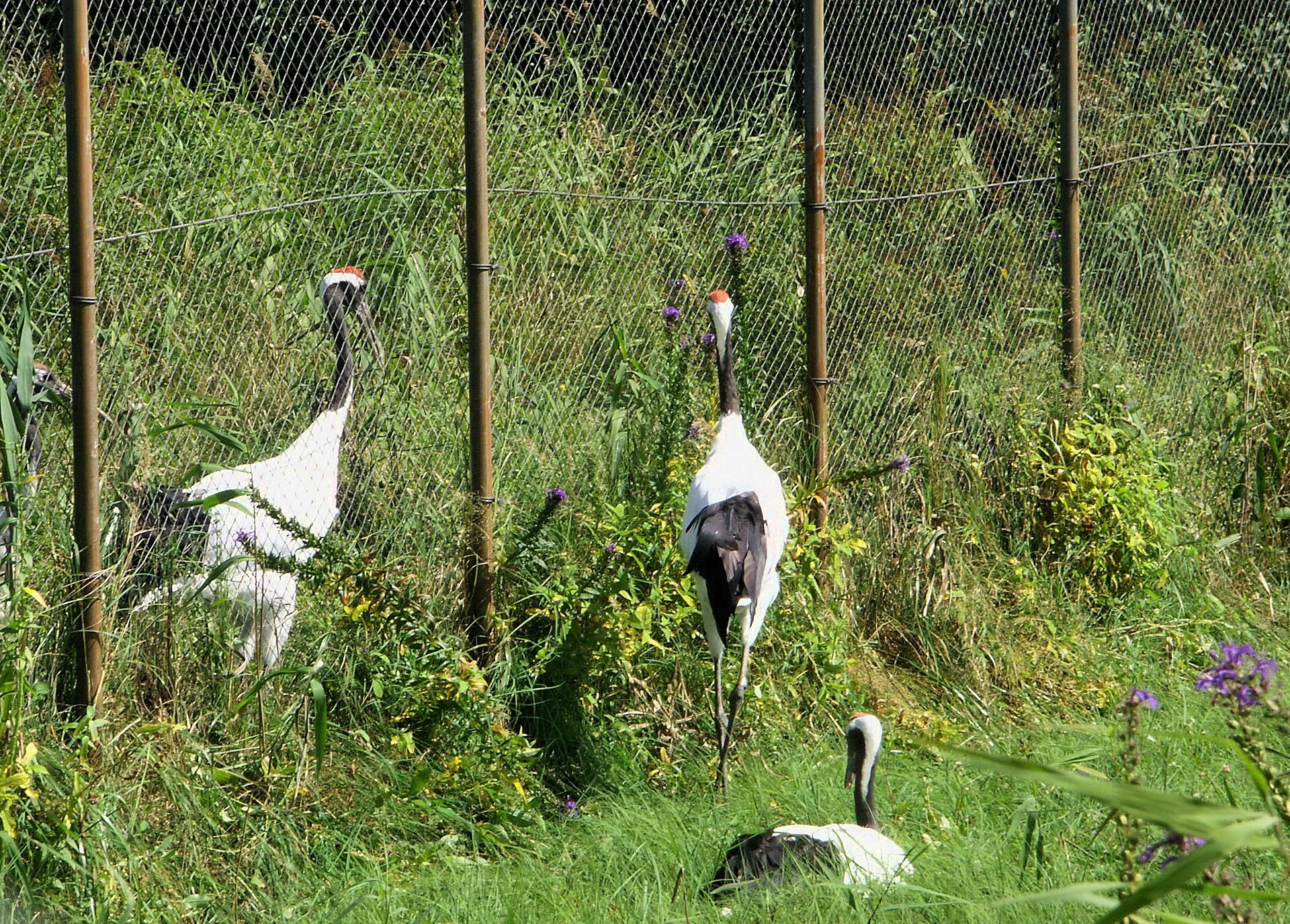
Eastern Hokkaido protects the core habitat of the red-crowned crane, a resident species once near extinction in Japan. Winter viewing areas around Tsurui and Akan bring birds into open snowy landscapes, while Kushiro Shitsugen National Park reveals the marsh ecosystem supporting them year-round.
Use observatories and marked viewing areas, keep voices low and never cross fields for a closer image. Winter roads are hazardous; a local guide or bus reduces driving risk. Visit the crane nature centers to understand conservation and feeding management rather than photographing only a crowded feeding site.
2. Join a winter sea-eagle cruise at Rausu
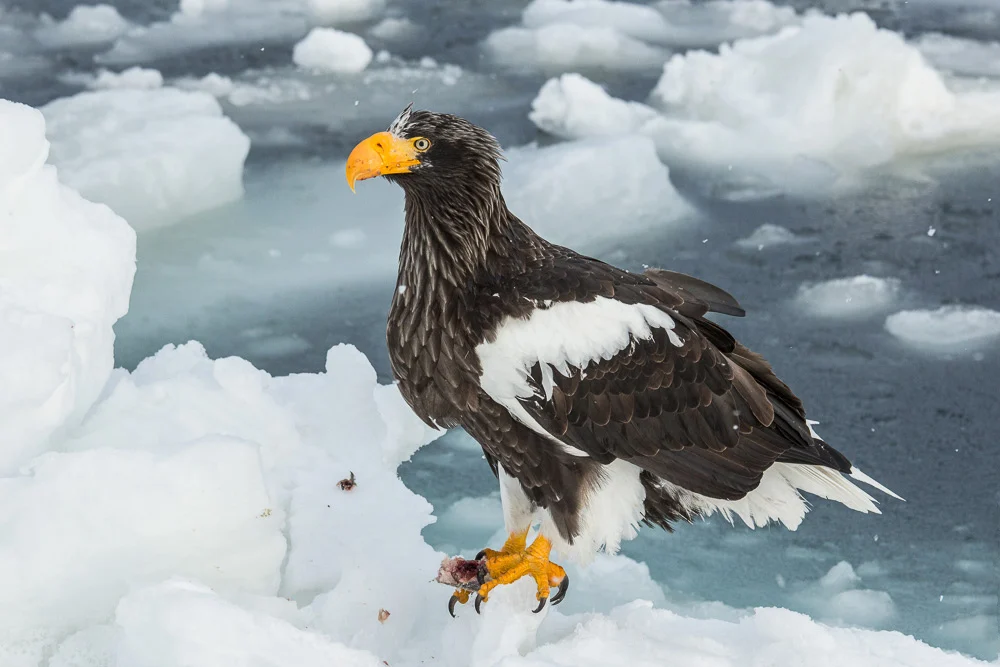
Drift ice in the Nemuro Strait creates a remarkable stage for Steller's sea eagles and white-tailed eagles. Small vessels leave Rausu around dawn when ice and weather permit, with the Shiretoko mountains rising behind the birds.
Choose an operator that follows wildlife-viewing rules and carries proper cold-weather safety equipment. Dress for far colder conditions than the land forecast suggests, protect camera batteries and accept that ice location changes daily. Add the Shiretoko Rausu visitor center for ecological context.
3. Observe Japanese macaques at Jigokudani
Japanese macaques descend into the Jigokudani valley, and some soak in the managed hot-spring pool that made the site famous. A forest walk from the access area leads to the viewing zone; deep snow creates the classic winter scene, but monkeys may be present through the year.
Do not touch, feed, stare at close range or block a monkey's path. Food and plastic bags should remain secured. The path is icy in winter, so traction aids and warm footwear matter. No visit guarantees bathing behavior, and giving animals space produces a better experience than competing for the pool edge.
4. Search for brown bears from the Shiretoko coast
The Shiretoko Peninsula holds one of Japan's densest brown-bear populations. Responsible boat tours observe the remote shoreline from the water, while guided walks teach bear awareness in forest and wetland habitat. Seeing a bear is possible, never assured.
Never approach, feed or stop illegally along roads. Follow park food-storage and trail-closure rules and use a certified local guide for ground excursions. Long lenses are safer than proximity. Operators should maintain distance and avoid repeatedly pinning an animal against the shore.
5. Watch whales in the Kerama Islands
Humpback whales migrate through the waters west of Okinawa's main island, with January through March the principal watching period. Boats from Naha or the Kerama Islands search for blows, breaches and tail flukes, while the islands' clear water supports snorkeling and diving at other times.
Select a vessel that follows approach-distance rules, limits pursuit and provides flotation. Seas can be rough even in sunshine; take motion-sickness precautions early. Never enter the water with whales unless a legal, specialist program explicitly permits it.
6. Take a guided Amami rabbit night tour
The Amami rabbit is a nocturnal endemic mammal surviving in forest on Amami Oshima and Tokunoshima. Guided night drives can reveal rabbits, frogs and other island species while controlling light, speed and disturbance better than visitors searching independently.
Use a registered eco-tour guide and never leave the vehicle or road without instruction. Drive slowly because vehicle strikes are a major threat. Flash photography and playback calls can disturb animals; let the guide set lighting. Daytime visits to forest and conservation facilities explain why intact habitat matters.
7. Explore Ogasawara's endemic wildlife
The Ogasawara Islands, about 1,000 kilometres south of Tokyo, evolved in isolation and protect distinctive plants, seabirds, marine life and the Bonin flying fox. Guided forest walks, snorkeling and seasonal whale trips make the remote ferry journey worthwhile.
Biosecurity is fundamental: clean shoes and equipment, use disinfection mats and never move seeds or animals between islands. Follow guide-only access rules in protected zones. The long ferry can be weather-affected, so build schedule flexibility rather than booking a tight onward connection.
8. Watch red-crowned cranes and raptors from Lake Furen
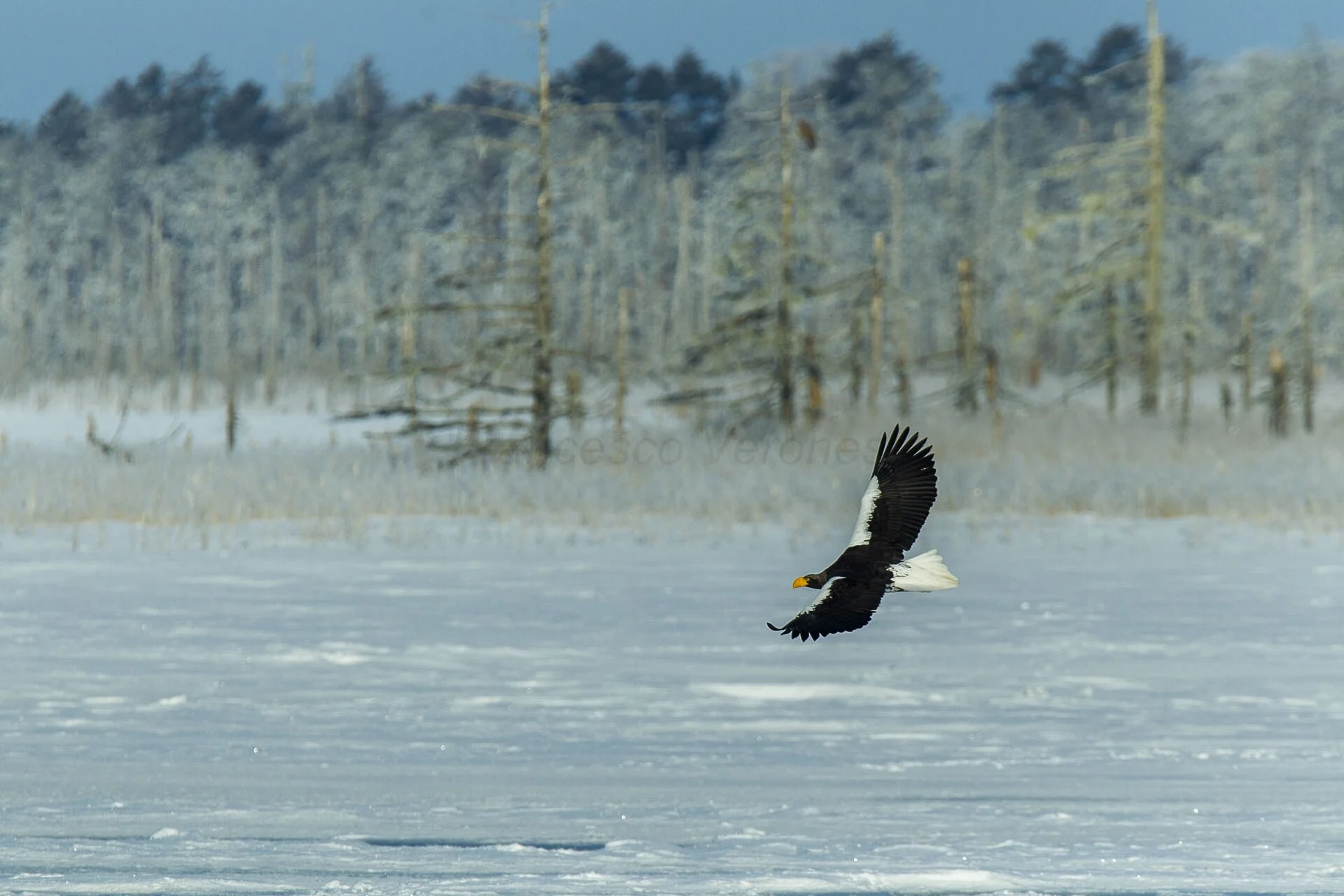
The Nemuro region's wetlands and coast support sea eagles, cranes, waterfowl and many migratory birds. Lake Furen, Shunkunitai and Cape Nosappu can form a multi-day birding route with hides and guided excursions, especially productive in winter and migration seasons.
Use designated pullouts and hides instead of stopping on narrow icy roads. A local bird guide can identify distant species and reduce habitat disturbance. Wind exposure is severe, and telescopes need stable support. Keep expectations broad: the value is the whole wetland community.
9. Dive or snorkel with Okinawa's reef life
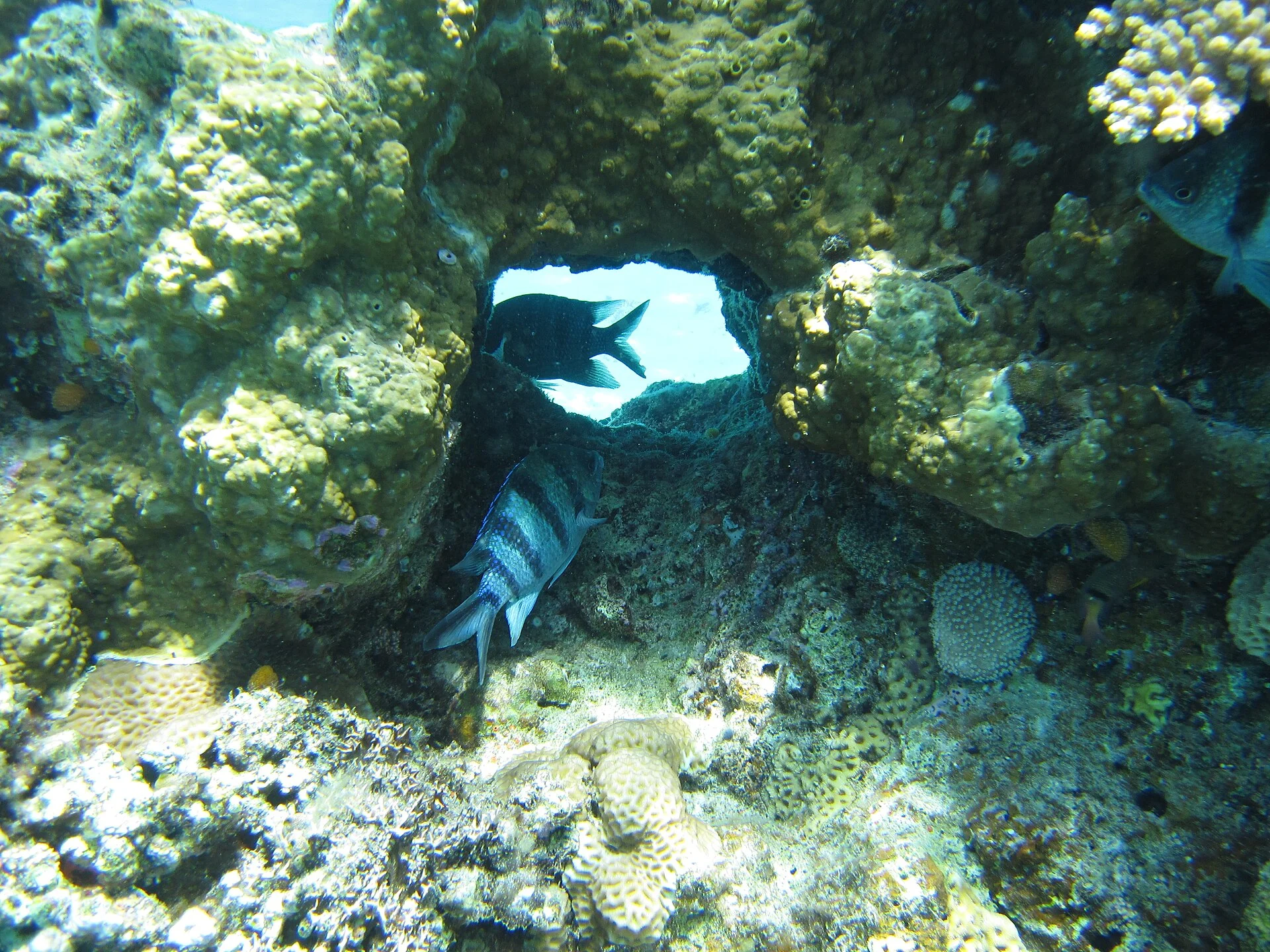
Kerama, Ishigaki and other southern islands offer coral habitat, sea turtles, reef fish and seasonal pelagic encounters. Conditions and experience requirements differ dramatically between sheltered snorkeling bays, current-swept manta sites and open-water dives.
Use a reputable operator, disclose certification and ability, and never stand on coral or chase turtles. Reef-safe behavior includes controlled buoyancy, no feeding and no collecting. Typhoons, currents and heat can cancel plans; a conservation walk or visitor center makes a responsible alternative.
10. Bird the tidal flats and forests around Izumi
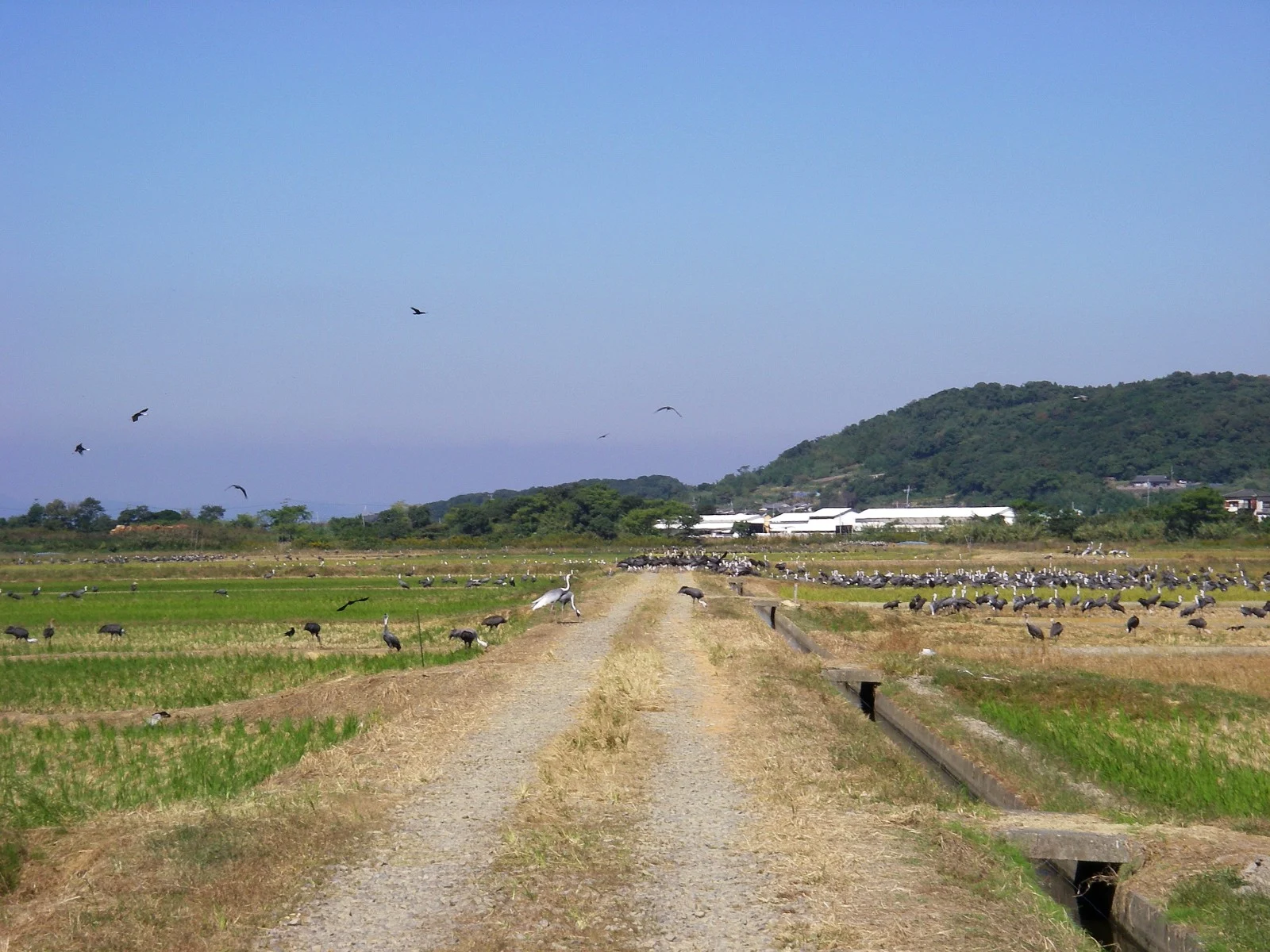
Thousands of hooded and white-naped cranes winter around Izumi in Kagoshima Prefecture, creating one of Japan's great seasonal bird concentrations. Observation facilities and local buses or tours help visitors see the gathering without entering agricultural fields.
Disease-control measures, viewing zones and access may change between winters, so check official local guidance. Disinfect footwear or vehicles when directed and never feed birds. Combine the crane center with quieter surrounding habitat rather than pressing against the densest flock.
When is the best time to see wildlife in Japan?
Winter is strongest for Hokkaido cranes, sea eagles and snowy macaque scenery. Humpback whales appear around Okinawa mainly from January through March, while summer offers marine life, seabirds and accessible northern parks. Spring and autumn migrations reward birders across wetlands and coasts. Amami and Ogasawara require species-specific planning rather than one “best” month.
For habitat-focused walking, see the best hikes in Japan. For paddling, diving and drift-ice activities, explore Japan's best adventure activities.
Responsible wildlife watching
- Never feed, touch, corner or call wild animals closer.
- Use long lenses and established viewing areas instead of reducing distance.
- Follow bear, biosecurity, disease-control and trail-closure instructions.
- Choose small-group operators that publish wildlife approach standards.
- Treat a no-sighting day as a real encounter with habitat, not a failed product.