

Portugal's finest hiking is spread across three very different settings: Atlantic cliff paths on the mainland, steep volcanic trails in Madeira and crater landscapes in the Azores. Distances are often modest, but heat, exposure, tunnels and island weather can turn a short route into a serious day.
Always check official trail status. Madeira routes can close after fire or rockfall, Azorean paths cross working pasture, and mainland coastal cliffs remain unstable beyond their barriers.
Portugal hikes at a glance
| Hike | Region | Commitment | Main challenge |
|---|---|---|---|
| Pico Ruivo | Madeira | Full day | Exposure and closures |
| Ponta de São Lourenço | Madeira | Half day | Sun and wind |
| Fishermen's Trail | Alentejo/Algarve | Multi-day | Sand and logistics |
| Mount Pico | Azores | Full day | Steep volcanic ground |
| Seven Hanging Valleys | Algarve | Half day | Heat and cliff edges |
| Peneda-Gerês mountain day | Northern mainland | Full day | Navigation and weather |
The 10 best hikes in Portugal
1. Hike toward Pico Ruivo
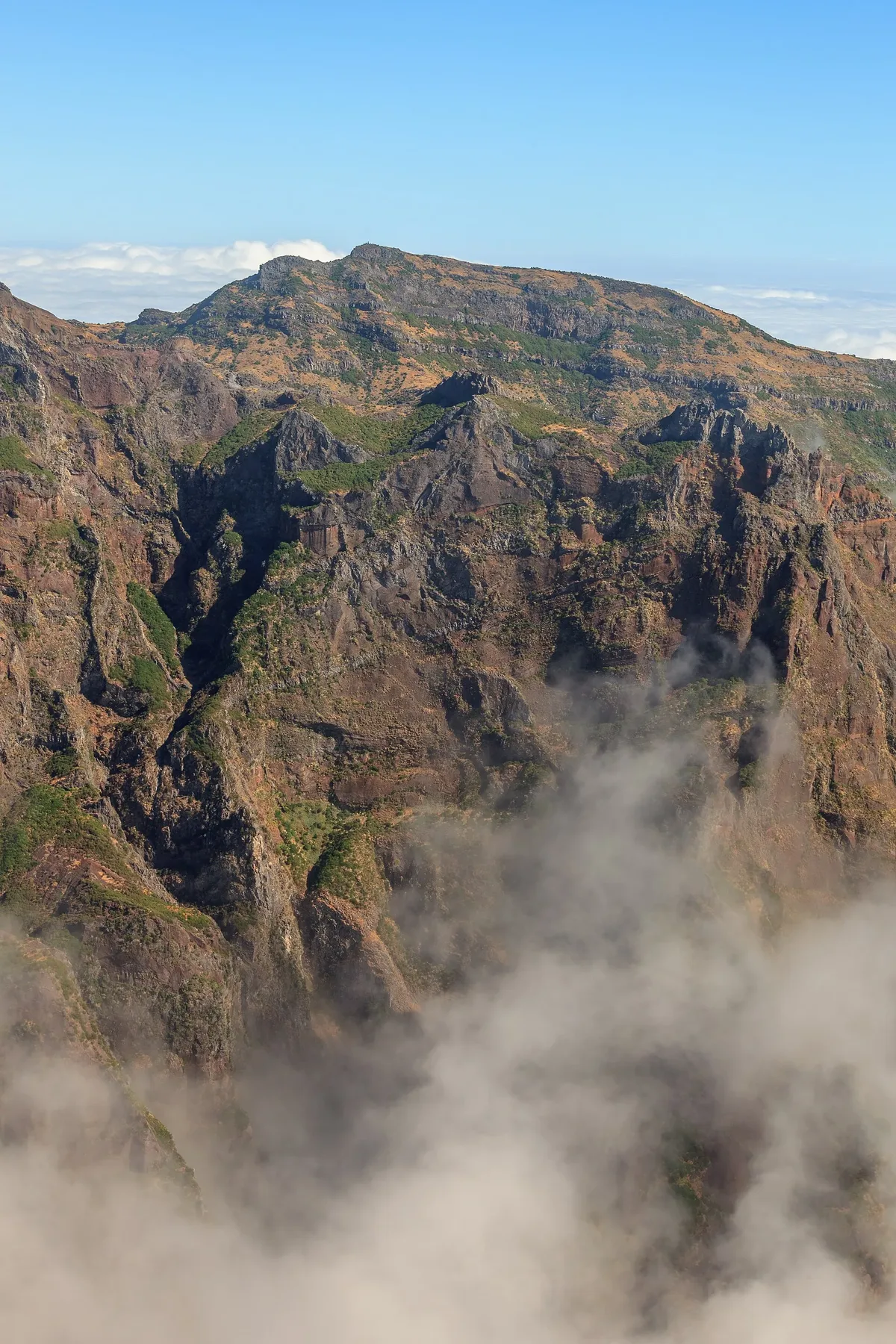
Madeira's high paths cross tunnels, stairs and narrow ridges around Pico do Areeiro and Pico Ruivo. When the full connection is open, it is the island's defining mountain traverse; closures may restrict access to only part of the classic line.
Read the official status that morning, carry a headlamp and arrange transport for a point-to-point day. The Achada do Teixeira route offers a shorter summit approach when open.
2. Walk Ponta de São Lourenço
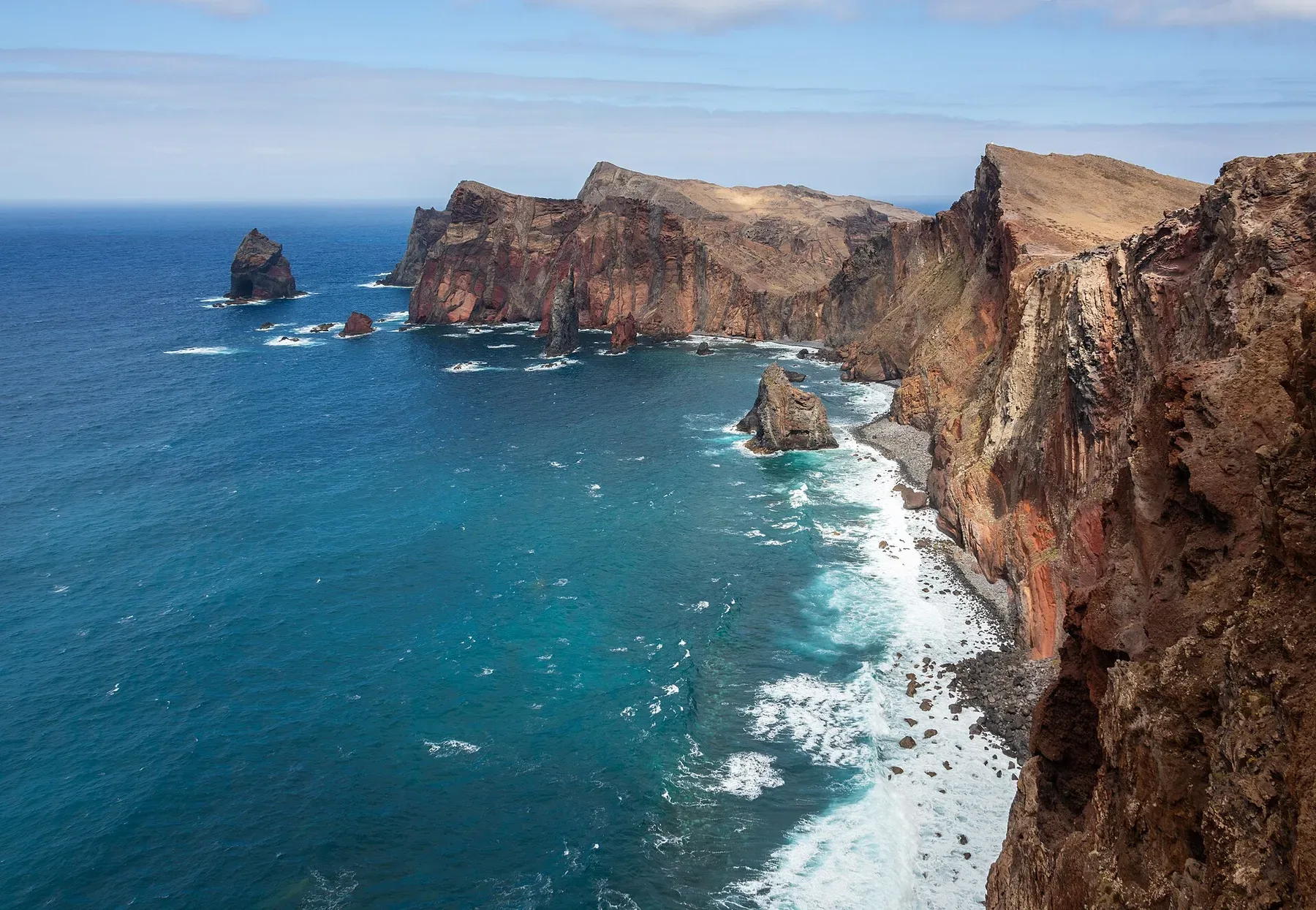
Madeira's eastern peninsula exposes layered volcanic rock above the Atlantic. The out-and-back route to the Casa do Sardinha area has little shade and feels far wilder than its proximity to the airport suggests.
Start early, carry water and keep back from crumbling edges. Strong wind can make exposed sections uncomfortable. Follow access rules for any final climb or seasonal boat return.
3. Follow the Levada das 25 Fontes
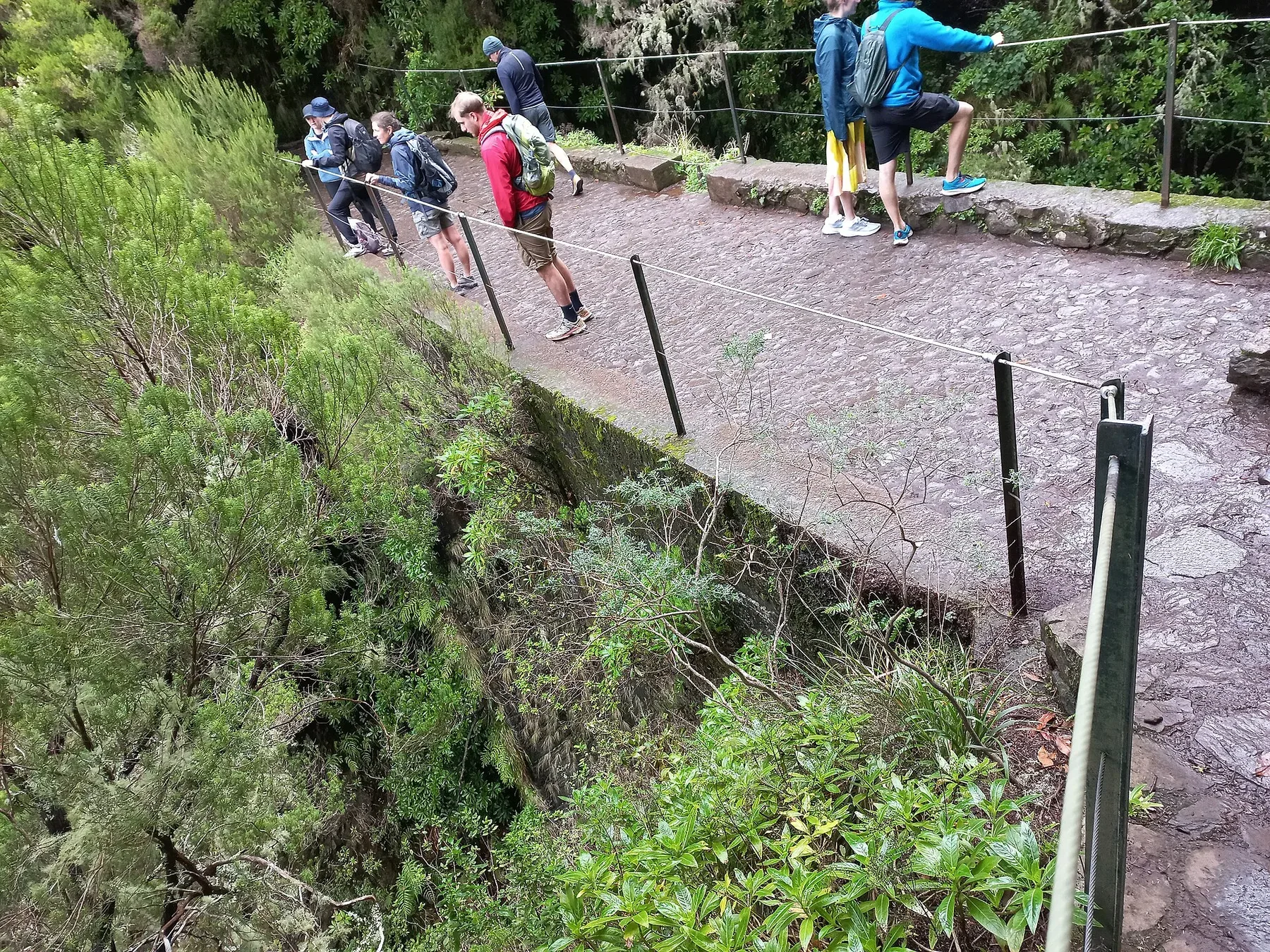
This popular levada enters Madeira's laurel forest toward a pool fed by multiple small cascades. Tunnels, narrow channels and visitor pressure matter more than elevation.
Use the current official approach and shuttle information, carry a light and give way carefully. Never step into the levada to pass a group or continue through a closure after heavy rain.
4. Hike through Fanal
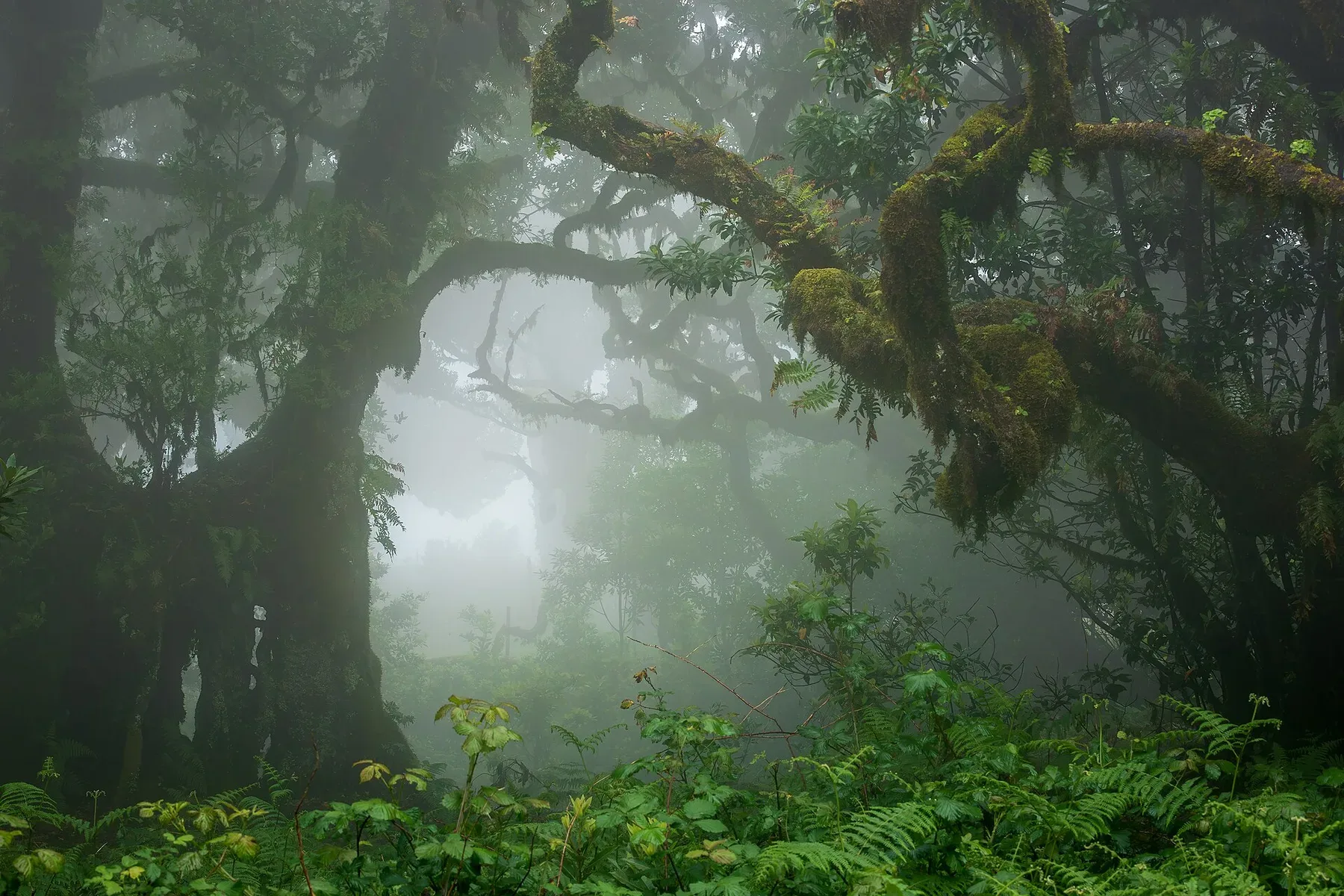
Trails around Fanal cross a high plateau of ancient til trees often wrapped in mist. The atmosphere changes quickly from open views to near-whiteout, giving the landscape its distinctive character.
Follow a classified route such as the relevant open section of PR 13, use offline navigation and respect grazing cattle. Fog is not a cue to wander between trees without a return bearing.
5. Walk the Fishermen's Trail
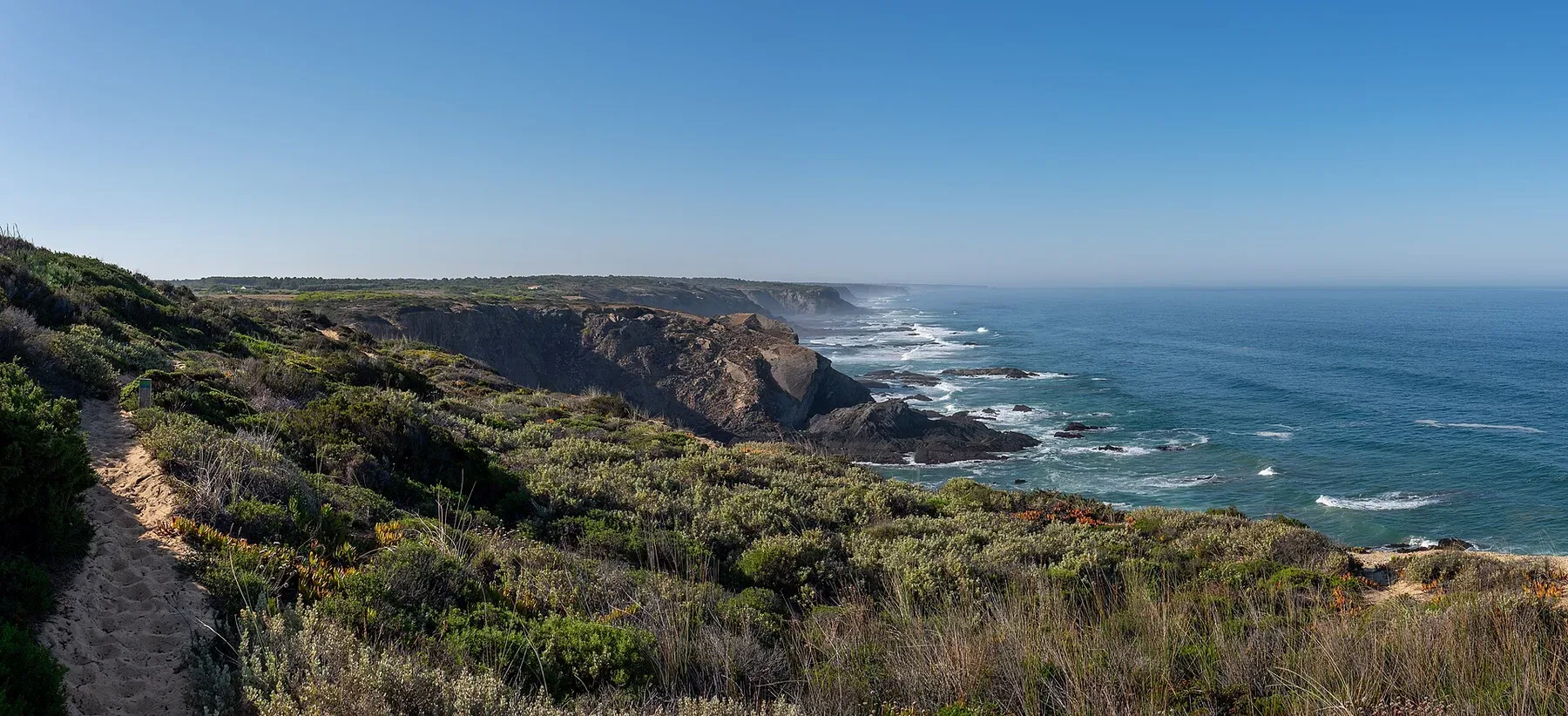
The Fishermen's Trail follows the Alentejo and western Algarve coast through dunes, cliff paths and small villages. Several days between Porto Covo and Odeceixe provide the route's strongest balance of wild shore and community stops.
Walk in spring or autumn, reserve accommodation and carry water. Soft sand increases effort, and cliff edges remain unstable. Stay on the marked inland line even when old footprints lead closer to the sea.
6. Hike the Seven Hanging Valleys
This Algarve path links limestone headlands and coves between Praia da Marinha and Vale Centeanes. Sea arches and sinkholes make it a geological walk rather than simply a beach connection.
Avoid peak heat, stay behind barriers and arrange a return rather than walking a busy road. There is limited shade and no safe reason to approach an undercut edge.
7. Summit Mount Pico
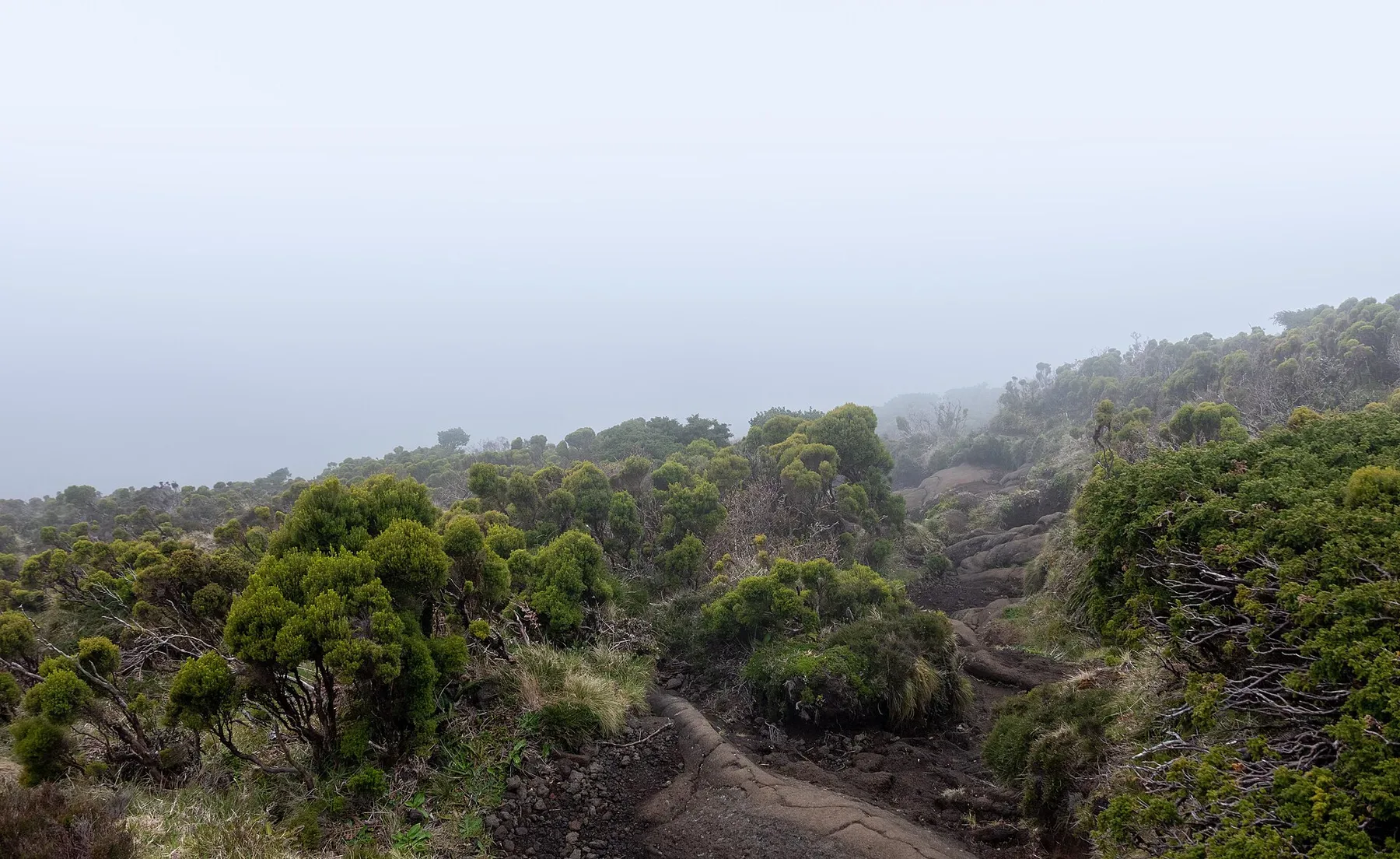
At 2,351 metres, Pico is Portugal's highest point. The Azorean route climbs steep, rough lava above the cloud layer and may continue to Piquinho under current authorization.
Register through the mountain system, carry layers and turn around when cloud or wind intensifies. A guide is valuable for travelers unused to pathless-looking volcanic terrain.
8. Hike above Sete Cidades
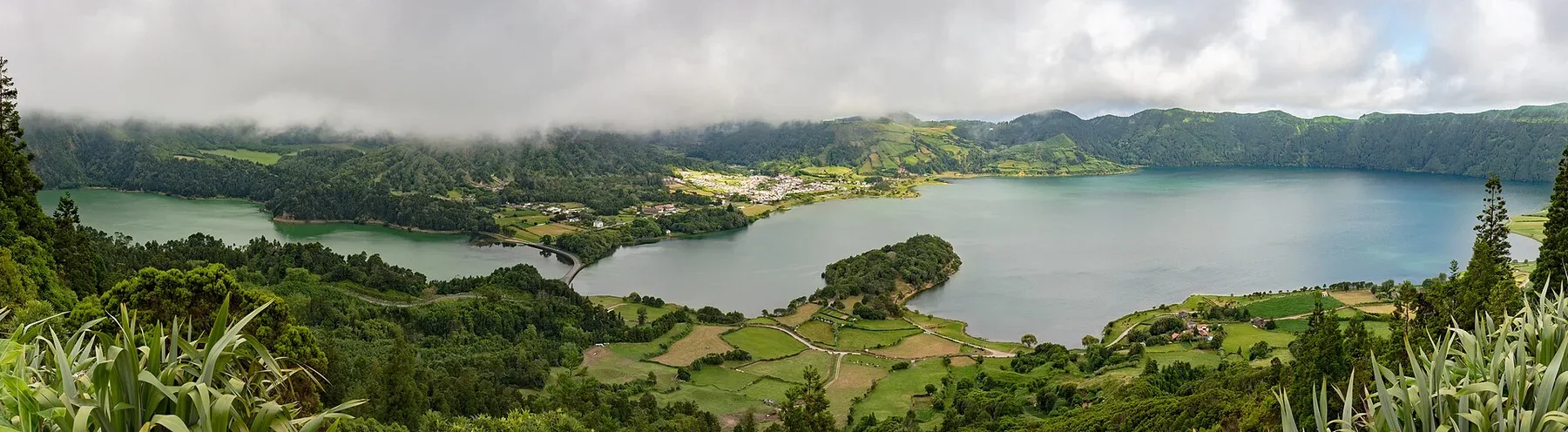
São Miguel's crater-rim paths look down on the lakes of Sete Cidades and outward to the Atlantic. Routes from Vista do Rei can descend to the village or continue along exposed pasture ridges.
Choose a one-way plan with transport, close gates and remain on the marked route. Cloud can erase views and wind changes rapidly. Do not trample pasture to recreate a viewpoint photograph.
9. Walk São Jorge's fajã trail
São Jorge's steep flanks descend to small coastal plains known as fajãs. Routes toward Fajã da Caldeira de Santo Cristo or Fajã dos Cubres combine forest, old settlement paths and isolated shoreline.
Check landslide and trail status, arrange the return and carry enough water. Respect residents and private property; the fajãs are living places, not abandoned hiking infrastructure.
10. Hike in Peneda-Gerês
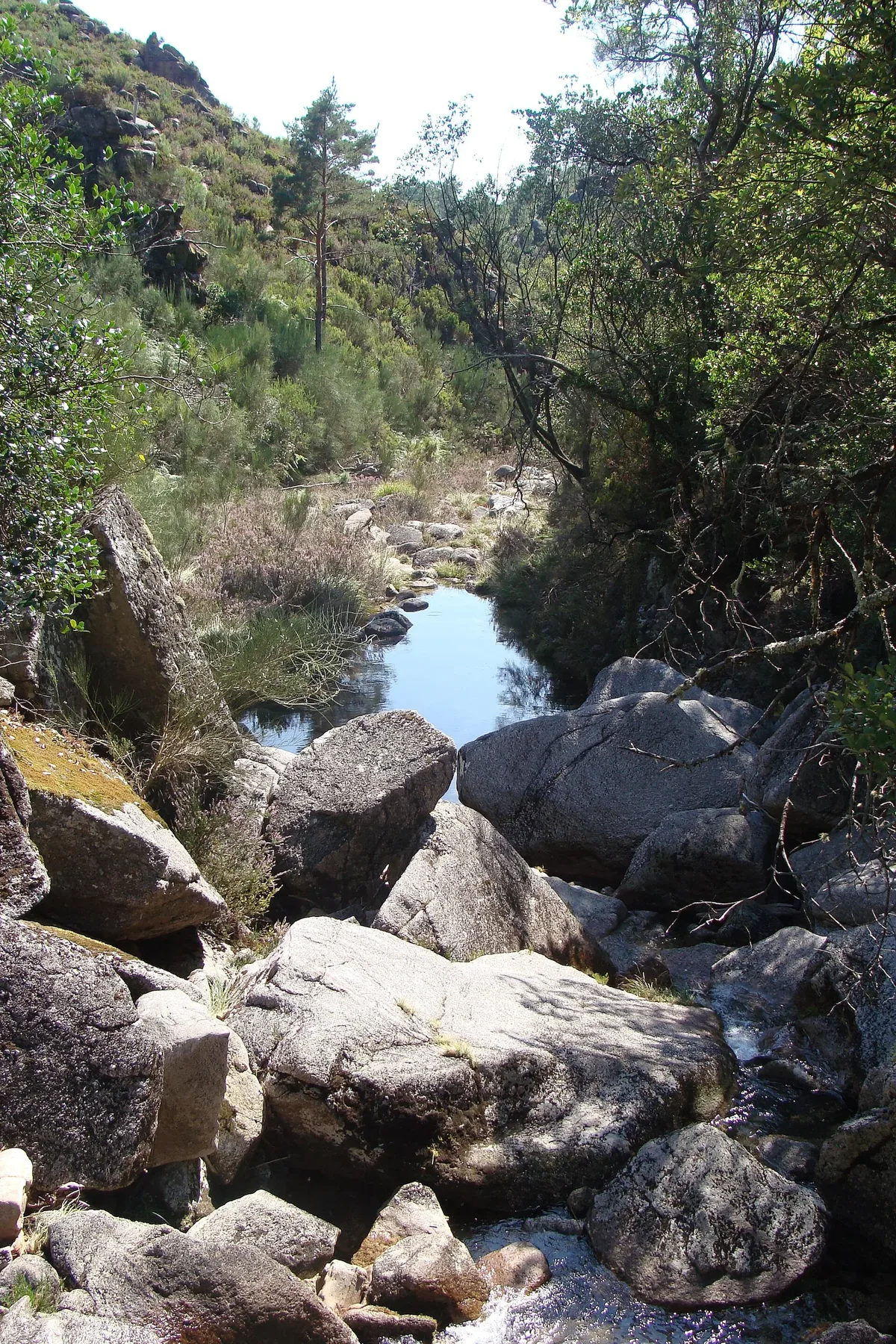
Portugal's northern national park contains granite plateaus, oak woods, villages and old paved tracks. A marked route near Peneda, Gerês or Castro Laboreiro offers a mainland mountain experience very different from the islands.
Choose an official trail, check fire risk and carry navigation. Livestock, heat and sudden upland weather all matter. Avoid unofficial swimming detours and sensitive wildlife areas.
Choosing a Portugal hike
Choose Madeira for steep mountain and levada days, the Azores for crater and island routes, the southwest mainland for multi-day coast, and Peneda-Gerês for granite highlands. Each island group deserves several nights because wind and closures can rearrange plans.
Continue with Portugal's best adventure activities, surf beaches and volcanic landscapes.
Before setting out
- Check Madeira and Azores official trail status.
- Carry water, sun protection and layers for exposed terrain.
- Stay behind coastal barriers and avoid eroding shortcuts.
- Follow wildfire restrictions on the mainland and islands.
- Arrange point-to-point transport before beginning long routes.