

Portugal's adventure landscape extends far beyond its mainland beaches. Atlantic trails run along cliffs and fishing villages, the Serra da Estrela rises above the interior, and rivers cut through granite and limestone. Madeira adds steep volcanic ridges and levadas, while the Azores offer crater lakes, lava caves, thermal water and open-ocean wildlife.
The country's infrastructure makes many experiences approachable, but ocean swell, wildfire restrictions, exposed island weather and narrow mountain paths remain serious constraints. Separate mainland, Madeira and Azores plans rather than treating the islands as day-trip extensions, and use qualified operators whenever a route depends on current, ropes, wind or a boat landing.
Portugal adventures at a glance
| Adventure | Standout destination | Intensity | Key requirement |
|---|---|---|---|
| Mountain hiking | Madeira | High | Current trail status |
| Surfing | West coast | Moderate–very high | Break suited to ability |
| Long-distance hiking | Rota Vicentina | High | Multi-day logistics |
| Volcano ascent | Mount Pico | High | Registration and weather |
| Canyoning | Madeira | High | Qualified canyon guide |
| Whale watching | Azores | Low–moderate | Responsible boat operator |
The 20 best adventure activities in Portugal
1. Hike from Pico do Areeiro toward Pico Ruivo
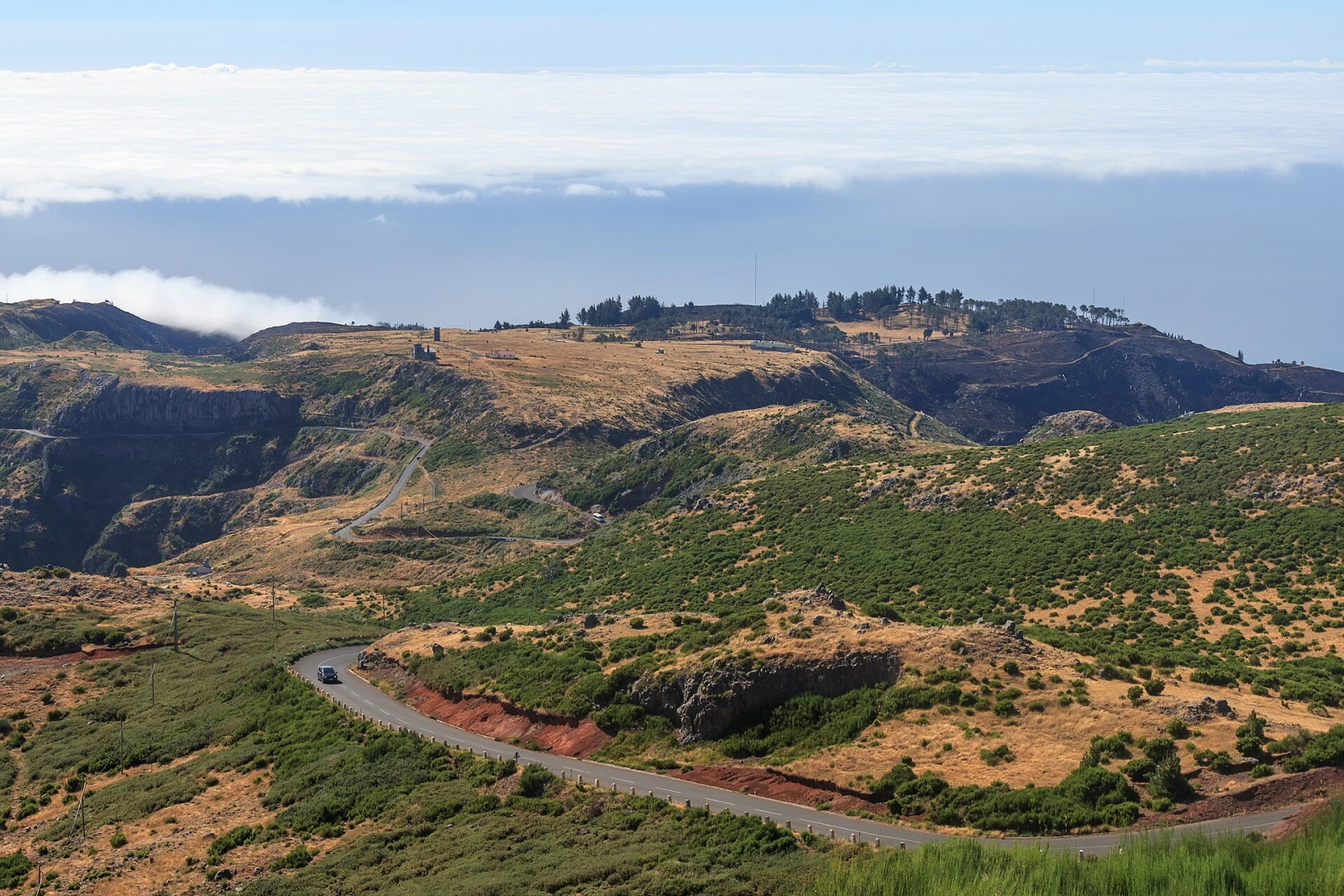
Madeira's celebrated high route crosses tunnels, stairways and narrow volcanic ridges between two of the island's highest summits. When fully open, it is a strenuous mountain day with large elevation changes despite the road access at Pico do Areeiro.
Check the official trail status rather than assuming the classic through-route is available; fire, rockfall and repairs can close or shorten it. Carry a headlamp, water and layers, and arrange transport if walking point to point. An out-and-back from Achada do Teixeira offers a less exposed way to reach Pico Ruivo.
2. Hike the Fishermen's Trail
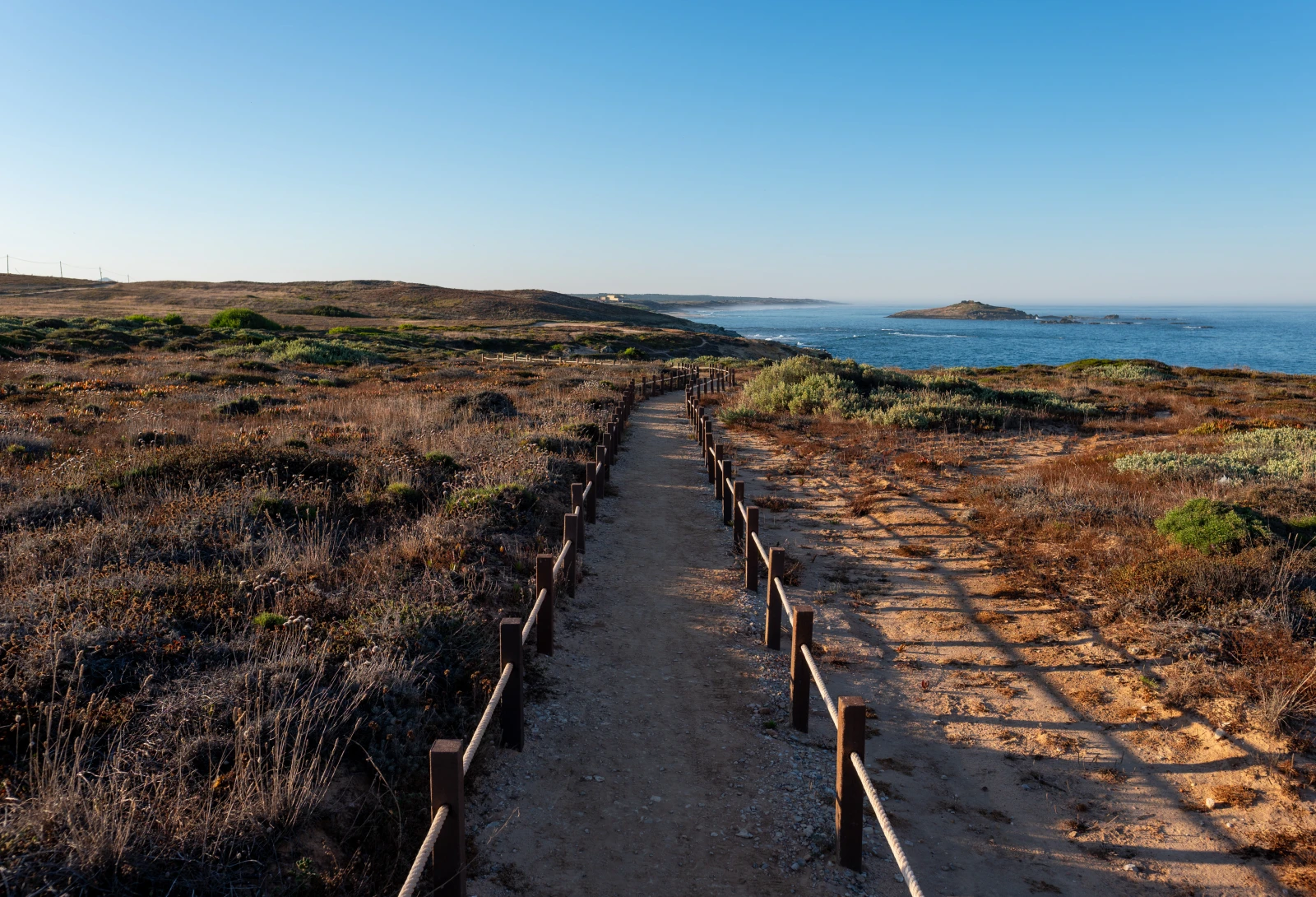
The coastal branch of the Rota Vicentina follows sandy tracks and cliff paths through the Alentejo and western Algarve. A multi-day section between Porto Covo and Odeceixe combines sea stacks, quiet beaches and working villages, with repeated soft-sand walking making it harder than the elevation profile suggests.
Reserve village accommodation, carry enough water and stay back from unstable cliff edges. Spring and autumn are more comfortable than peak summer heat. Luggage transfers can simplify the logistics, but walking independently still supports local businesses when meals and nights remain in the route communities.
3. Surf the west coast
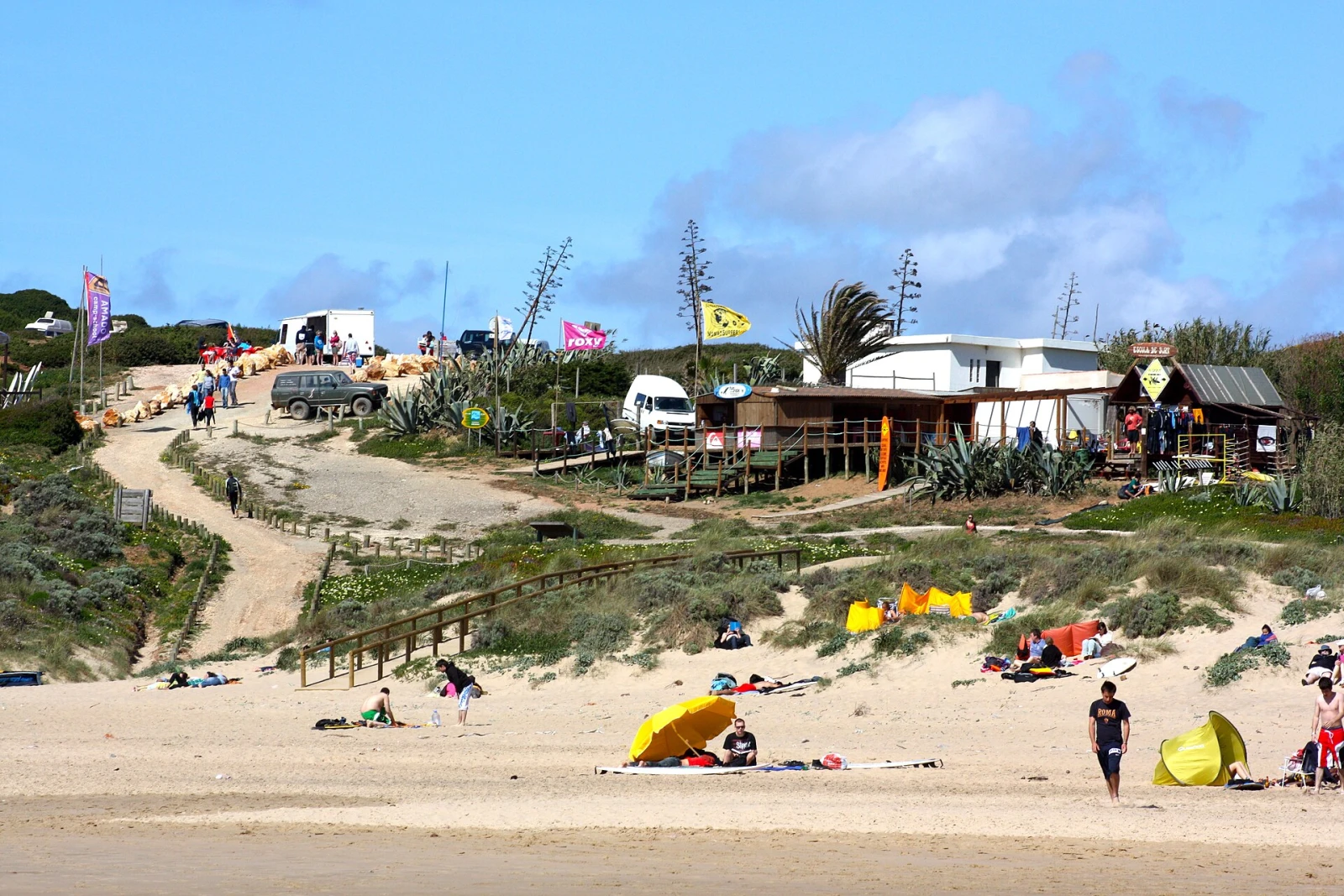
Portugal's Atlantic coast offers an exceptional range of breaks, from beginner-friendly beach sessions to the powerful reefs and points around Ericeira, Peniche and the Algarve. Praia do Amado is a practical lesson base, while famous waves such as Nazaré's are specialist objectives, not spectator invitations to paddle out.
Take instruction at a beach selected for the day's swell, tide and wind. Wear the appropriate wetsuit, use a properly fitted leash and learn rip-current behaviour. Even experienced surfers should ask about rocks and local priority before entering an unfamiliar lineup.
4. Summit Mount Pico
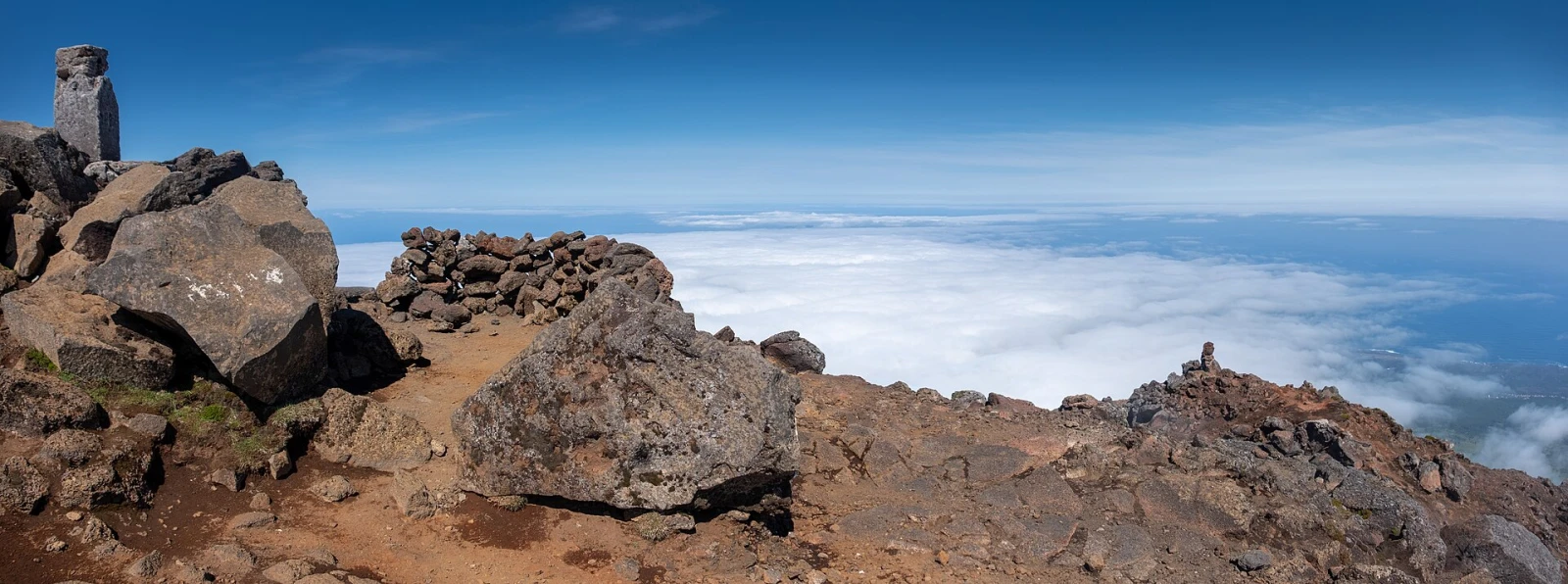
At 2,351 metres, Pico is Portugal's highest mountain and an exposed volcanic climb above the Azorean cloud layer. The marked route rises steeply over rough lava, and some hikers continue with authorized arrangements to the small summit cone known as Piquinho.
Register through the mountain's current access system, begin with a reliable forecast and carry layers, water and a headlamp. A guide is valuable in cloud or for less experienced hikers. Turn around if weather closes in; the rock becomes difficult to follow and slippery when wet.
5. Descend into Algar do Carvão
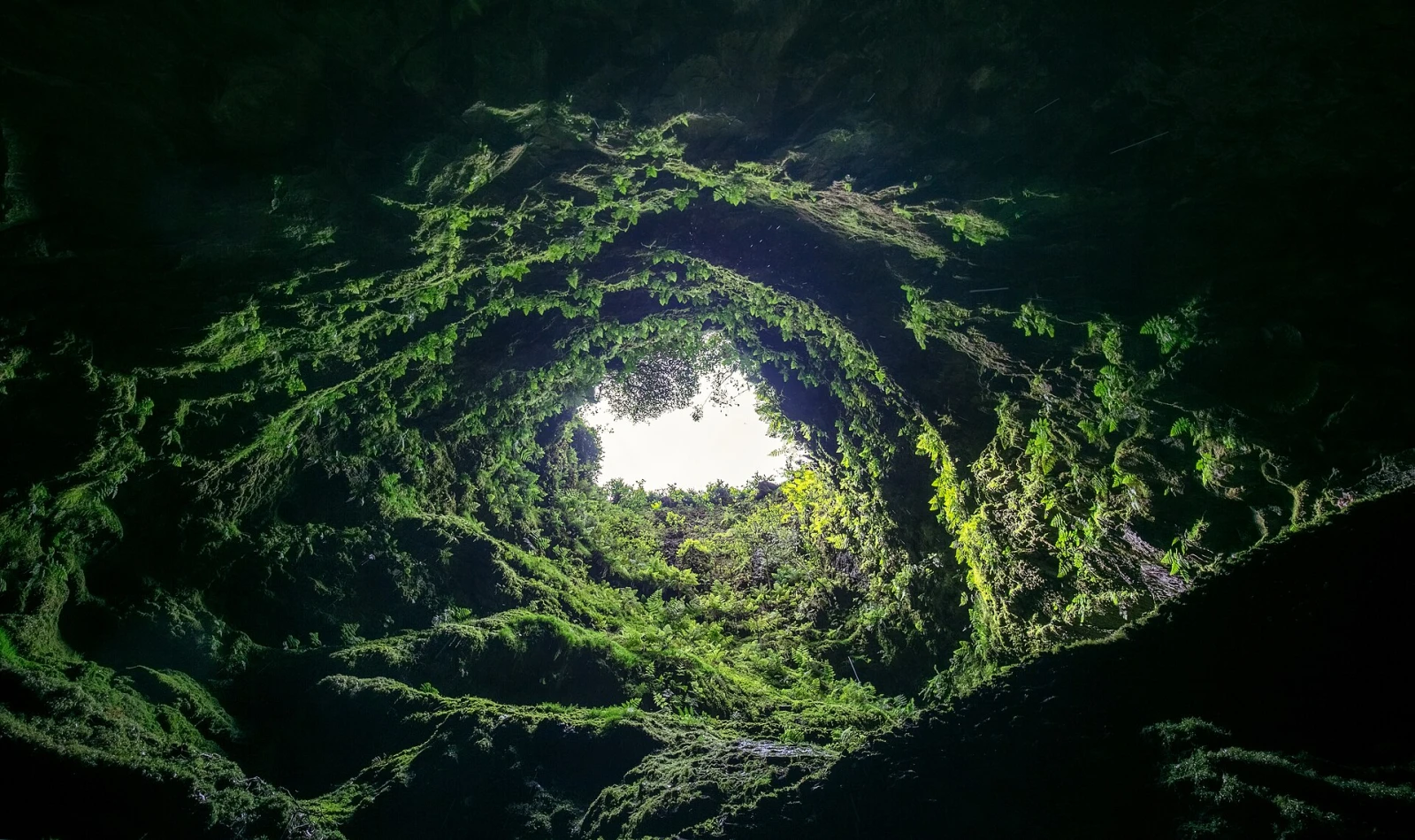
On Terceira, visitors descend inside an extinct volcanic conduit into a cavern with dark lava walls, vegetation and a seasonal pool. It is a rare chance to enter a volcano through managed infrastructure rather than technical caving.
Check opening periods and ticket arrangements because access is not continuous year-round. Wear shoes with grip and a layer for the cool, damp interior. Stay on the constructed path and avoid touching the walls or plants; the ease of the stairs does not make the ecosystem expendable.
6. Hike the Sete Cidades crater landscape
Trails around Sete Cidades on São Miguel cross high crater rims above blue and green lakes, pasture and the Atlantic. Routes from Vista do Rei can descend toward the village or continue along exposed ridges for a longer day.
Cloud can remove every view and wind can make the rim unpleasant, so keep the route flexible. Follow marked trails, close pasture gates and avoid eroding shortcuts. A one-way hike with arranged transport is often more satisfying than walking beside traffic back to the start.
7. Soak at Ponta da Ferraria
Geothermal water enters a rocky ocean pool at Ponta da Ferraria on São Miguel, creating a naturally warmed swim only during a suitable part of the tide. The same Atlantic water that makes it unusual can also make entry dangerous.
Check tide, swell and local warnings, use the fixed ropes only when the pool is open and never enter in heavy seas. Water shoes help on volcanic rock. If conditions are wrong, use a managed thermal facility rather than gambling against waves for a photograph.
8. Walk a Madeira levada
Madeira's irrigation channels carry walking paths through forest, tunnels and steep valleys. The Levada das 25 Fontes is the famous introduction, while routes such as PR 13 toward Fanal offer a quieter relationship with the laurel forest when open.
Choose by distance, exposure and tunnel requirements, not by social-media popularity. Carry a headlamp and waterproof layer, give way carefully on narrow sections and obey closures. Heavy rain can create falling water and debris even on a trail that appears sheltered by forest.
9. Canyoneer in Madeira
Madeira's steep ravines support guided descents involving rappels, pools and waterfalls. Ribeira das Cales is often used for accessible introductory outings, while harder canyons require previous rope and water confidence.
Book a qualified guide who supplies a wetsuit, helmet, harness and suitable footwear. Confirm the route grade and escape plan before starting. Rain elsewhere in the catchment can change the water quickly, so accept a replacement canyon or cancellation without negotiation.
10. Kayak the Algarve cliffs
A sea kayak reveals the arches, caves and small beaches between limestone headlands around Lagos and Lagoa. Benagil is the famous target, but congestion, boat traffic and cave conditions can make a quieter stretch the better experience.
Use a guide when unfamiliar with the coast and launch early only if swell, wind and tide permit. Wear flotation and a helmet where cave roofs create risk. Never land inside a cave against local restrictions or paddle beneath unstable rock merely to reproduce a photograph.
11. Hike the Seven Hanging Valleys
This clifftop trail links coves and viewpoints between Praia da Marinha and the Vale Centeanes area. Sinkholes, sea stacks and limestone walls make it one of the Algarve's strongest walking routes, particularly outside the hottest months.
Stay on the marked inland side of barriers and carry water because shade is limited. The cliffs are undercut and can fail without warning. Arrange a return transfer or walk only part of the trail rather than using the road shoulder to force a loop.
12. Cross 516 Arouca and walk the Paiva
The 516 Arouca suspension bridge spans the Paiva gorge high above the river, commonly combined with the Passadiços do Paiva boardwalk. Timed access and one-way logistics make advance planning important.
Reserve the bridge and confirm the correct entry point, shuttle and boardwalk status. Exposure, stairs and heat can be challenging even though the infrastructure is engineered. Visitors with a strong fear of heights should choose the riverside walk without pressure to cross.
13. Raft the Paiva River
When water levels permit, commercial trips on the Paiva use rapids between granite walls near Arouca. It creates a very different view of the geopark from the bridge and boardwalk above.
Choose a qualified operator that supplies a helmet, flotation and thermal gear appropriate to the season. Ask which section will run at the forecast level and what experience it assumes. Never enter the river independently after storms or treat a scheduled departure as a guarantee.
14. Walk the Portuguese Camino north from Porto
The Portuguese Way links Porto with the Spanish border and continues toward Santiago, using inland and coastal variants. A week to Valença gives the journey its own identity through towns, woodland, rivers and pilgrim accommodation rather than reducing it to a race for a certificate.
Choose one variant deliberately, reserve scarce lodging in busy periods and protect feet from repeated hard surfaces. Road walking requires visibility and attention. Respect churches, residents and other pilgrims; the route remains a living spiritual and community corridor.
15. Cycle EuroVelo 1 along Portugal
EuroVelo 1 follows Portugal's Atlantic side through long sections of coast, pine forest, estuaries and towns. It can support anything from an easy day on a traffic-free ecovia to a multi-week northbound journey.
Research each stage because route quality and separation from traffic vary. Carry repair equipment and lights, and confirm bicycle access on trains before relying on a connection. A smaller regional ride is better than forcing distance onto roads beyond the group's confidence.
16. Paddle the Mondego River
The Mondego between Penacova and the Coimbra area offers guided canoe and kayak days through a green valley with gentle moving water and occasional small rapids. It is one of the mainland's more approachable river adventures.
Wear flotation and listen to instruction even when the water appears calm. Flow, heat and wind affect the route, and operators may adjust the endpoint. Keep distance from anglers and wildlife and pack all food waste out of riverside stops.
17. Stargaze at Alqueva
The low light pollution around Lake Alqueva supports observatory sessions and guided naked-eye stargazing. Learning to navigate constellations beneath the Alentejo sky creates a quieter form of exploration than an adrenaline activity.
Reserve with an established Dark Sky provider and bring warm layers even after a hot day. Avoid white lights and car headlights near observing groups. Moon phase and cloud determine what is visible, so choose dates around the experience you value rather than expecting every object in one session.
18. Watch whales from Pico
Boats from Lajes do Pico and other Azorean harbours search for resident and migratory cetaceans using shore-based lookouts and experienced crews. Species and sea conditions change across the year, and no ethical operator can guarantee a particular encounter.
Choose a licensed company that follows approach rules, limits disturbance and provides flotation. Prepare for spray and motion, and accept cancellation in rough seas. Several island days give the operator flexibility and let volcanic walks, vineyards and local culture carry the trip when boats remain ashore.
19. Snorkel Vila Franca do Campo Islet
The flooded volcanic crater off São Miguel forms a sheltered seasonal swimming and snorkeling area reached by controlled boat service. Visitor limits protect a small site that would otherwise be overwhelmed.
Reserve through current official arrangements, take only permitted equipment and remain within marked swimming areas. Protect the rock and marine life by floating rather than standing. Wind or swell may interrupt transport, so do not place the activity immediately before a flight.
20. Walk Pico's volcanic vineyards
The Vinhas da Criação Velha trail crosses a remarkable lattice of black-stone walls built to shelter vines from Atlantic wind and salt. The walk connects geology, agricultural work and wine culture within Pico's UNESCO-listed landscape.
Stay on public paths and never enter working plots without permission. Sun and reflected heat can be intense despite the sea breeze. Finish with a responsible tasting at a local producer, arranging a driver or walking transfer rather than turning the vineyard landscape into a backdrop for drinking and driving.
How to choose your Portugal adventure
Choose the west coast and Algarve for surfing, cliff walks and kayaking; Arouca and central Portugal for rivers, cycling and geopark landscapes; and the Alentejo for the Rota Vicentina and dark skies. Madeira is the strongest base for steep hiking and canyoning, while the Azores combine volcanoes, thermal water, diving and wildlife.
Allow at least four or five nights for either island archipelago. Inter-island flights and ferries depend on weather, and Madeira's trail closures can redirect an entire hiking day. On the mainland, a focused north, centre or south route produces more time outside than a checklist stretching from Porto to the Algarve.
Explore further in the guides to Portugal's best hikes, surf beaches and volcanic landscapes.
Before booking
- Check official Madeira and Azores trail, mountain and protected-area status.
- Match surf breaks, sea caves and boat trips to the day's swell, wind and tide.
- Verify qualifications and equipment for canyoning, rafting, diving and paragliding.
- Follow wildfire restrictions and avoid all closed forest or mountain areas.
- Reserve limited-capacity island sites and popular long-distance accommodation early.
- Keep flexible days for Atlantic weather, especially before flights or ferries.