

Slovenia is compact without feeling small. The Julian Alps rise above clear rivers and glacial lakes, the Karst hides enormous underground chambers, long cycling routes cross old railway alignments, and the short Adriatic coast adds wind and water sports. A traveler can move between these landscapes quickly, but the best experiences still deserve unhurried bases.
This guide mixes serious mountain objectives with caves, rivers and place-rooted cultural activities. Conditions change rapidly in the Alps and Soča Valley, while caves and mines have strict operating rules. Use qualified guides for whitewater, canyoning, protected climbing routes and winter terrain, and treat the country's well-developed infrastructure as support rather than a substitute for judgment.
Slovenia adventures at a glance
| Adventure | Standout destination | Intensity | Key requirement |
|---|---|---|---|
| Long-distance hiking | Slovenian Mountain Trail | Very high | Multi-week preparation |
| Whitewater rafting | Soča River | Moderate–high | Licensed local operator |
| Underground canyon | Škocjan Caves | Low–moderate | Timed official visit |
| Cave boating | Križna Cave | Moderate | Restricted guided access |
| Via ferrata | Mangart | High | Equipment and alpine skill |
| Canyoning | Sušec | Moderate–high | Qualified canyon guide |
The 20 best adventure activities in Slovenia
1. Raft the Soča River
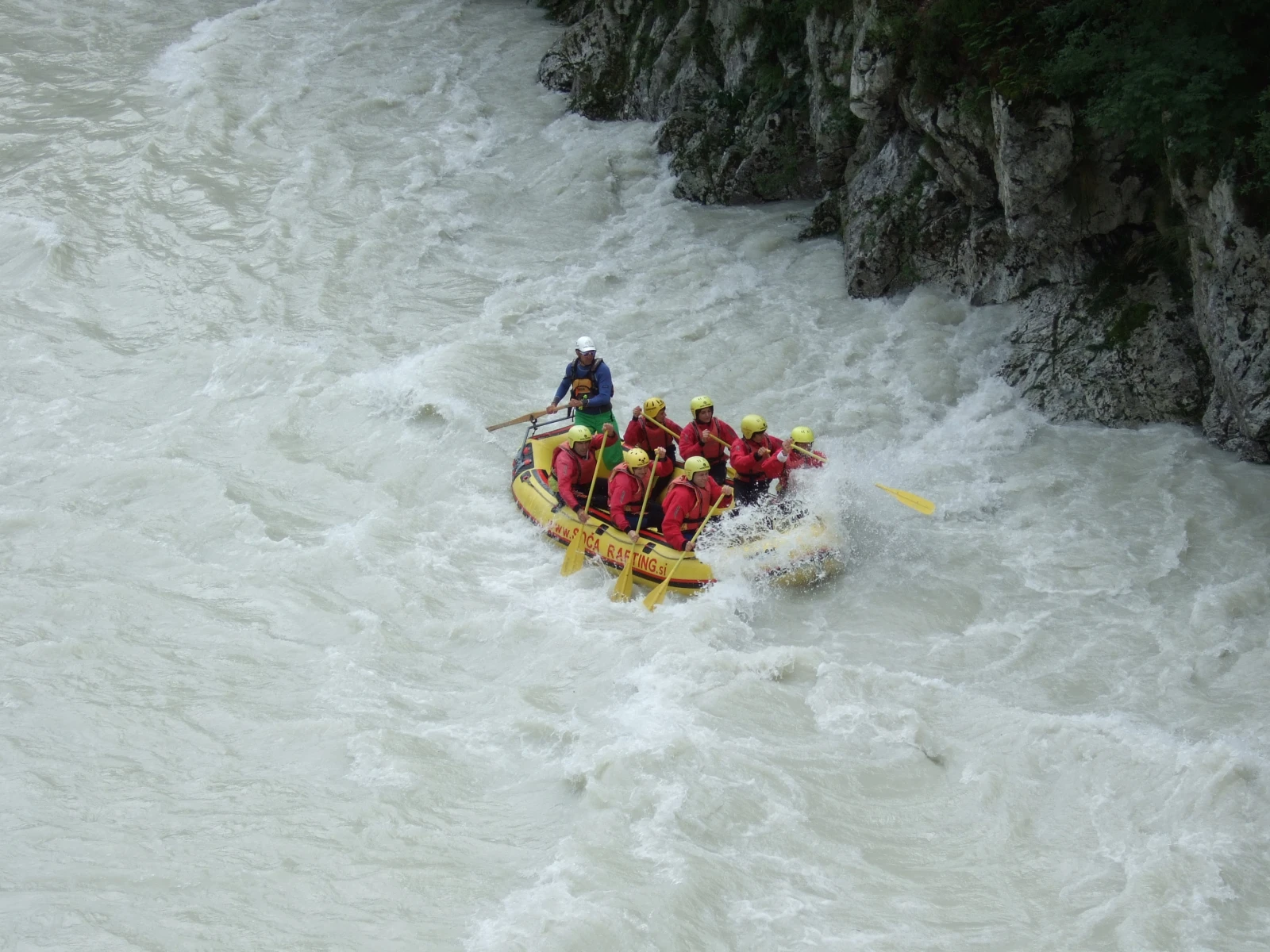
The emerald Soča runs beneath the Julian Alps through boulder gardens, pools and narrow gorges. Commercial rafting near Bovec and Trnovo ob Soči ranges from approachable family sections to more forceful water chosen for experienced groups.
Use a registered local agency with trained guides, suitable flotation and a clear safety briefing. River level and temperature dictate the section, so accept changes or cancellation. Staying in the valley for several nights leaves room for weather and supports a fuller journey involving trails, villages and First World War history.
2. Hike the Slovenian Mountain Trail
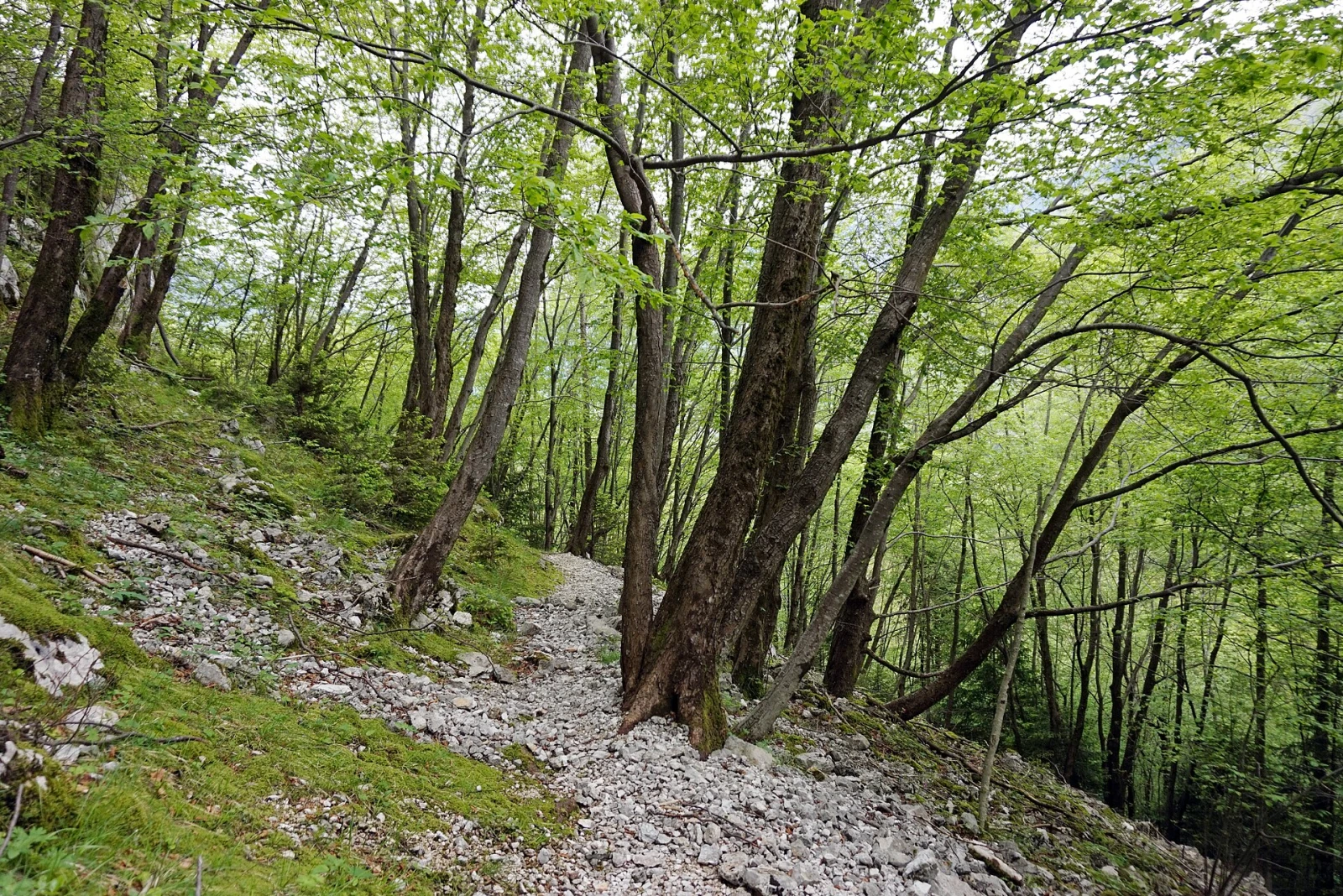
The Slovenian Mountain Trail links Maribor, the Pohorje hills, the Kamnik–Savinja Alps, the Karavanke, the Julian Alps and the Adriatic. The full route is a major multi-week undertaking that crosses exposed high mountains as well as gentler forest country.
Plan hut reservations, stage lengths and escape options rather than treating the waymarks as a guarantee of easy travel. Some high sections require a helmet, harness and via-ferrata set; snow can remain well into summer. A carefully chosen three-to-seven-day segment offers the trail's character without pretending to complete the whole traverse.
3. Tour the underground canyon of Škocjan Caves
The Reka River disappears into the Karst and cuts an immense subterranean canyon beneath Škocjan. Official visits cross paths and bridges above the underground river before returning through the protected surface landscape. The scale makes this more expedition-like than an ordinary show-cave tour.
Enter only on an authorized route and follow the guide's photography and movement rules. Paths can be damp and the temperature remains cool even in summer. Reserve ahead at busy times, then walk one of the marked surface trails to understand how sinkholes and the disappearing river connect to the cave below.
4. Boat into Križna Cave
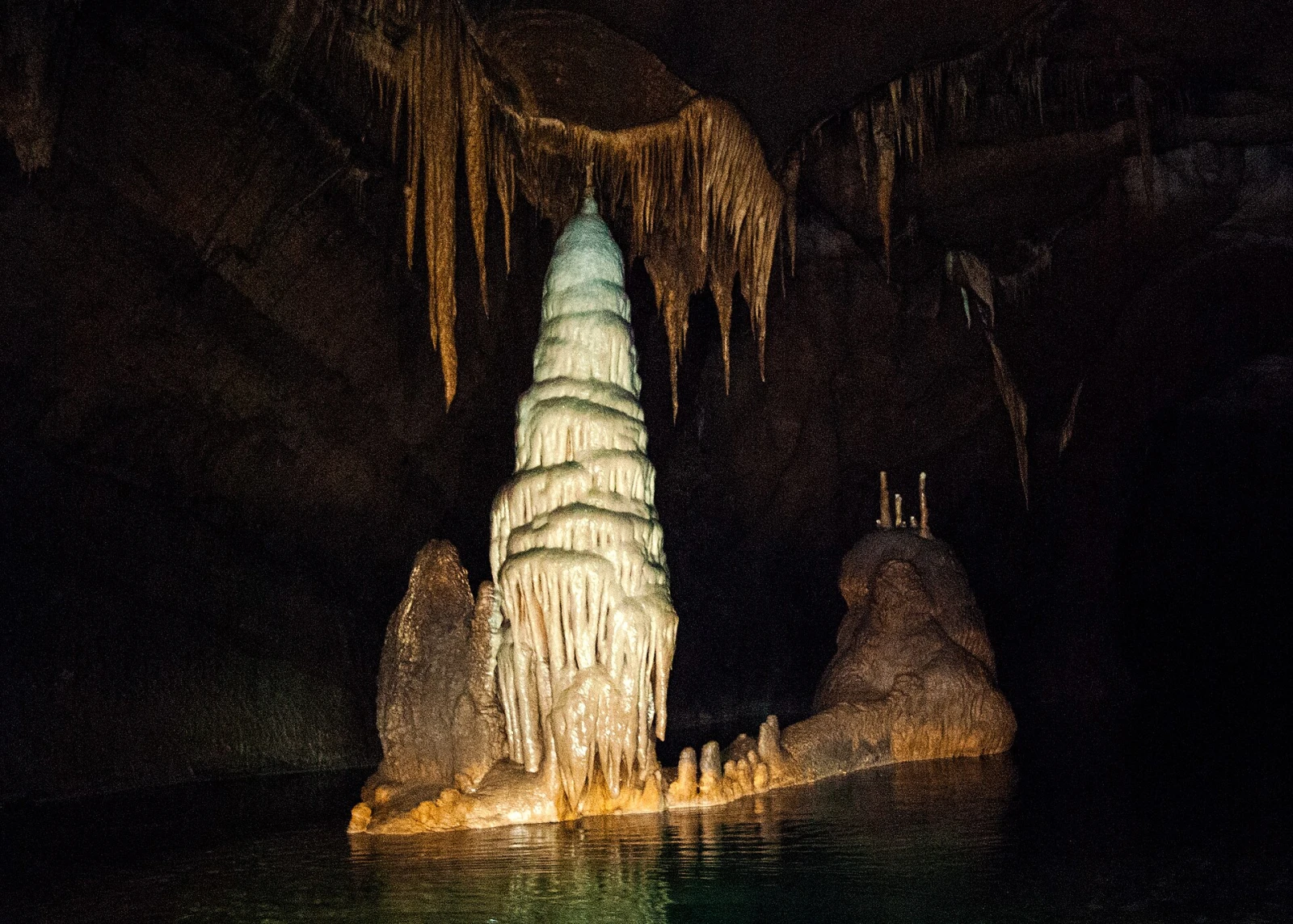
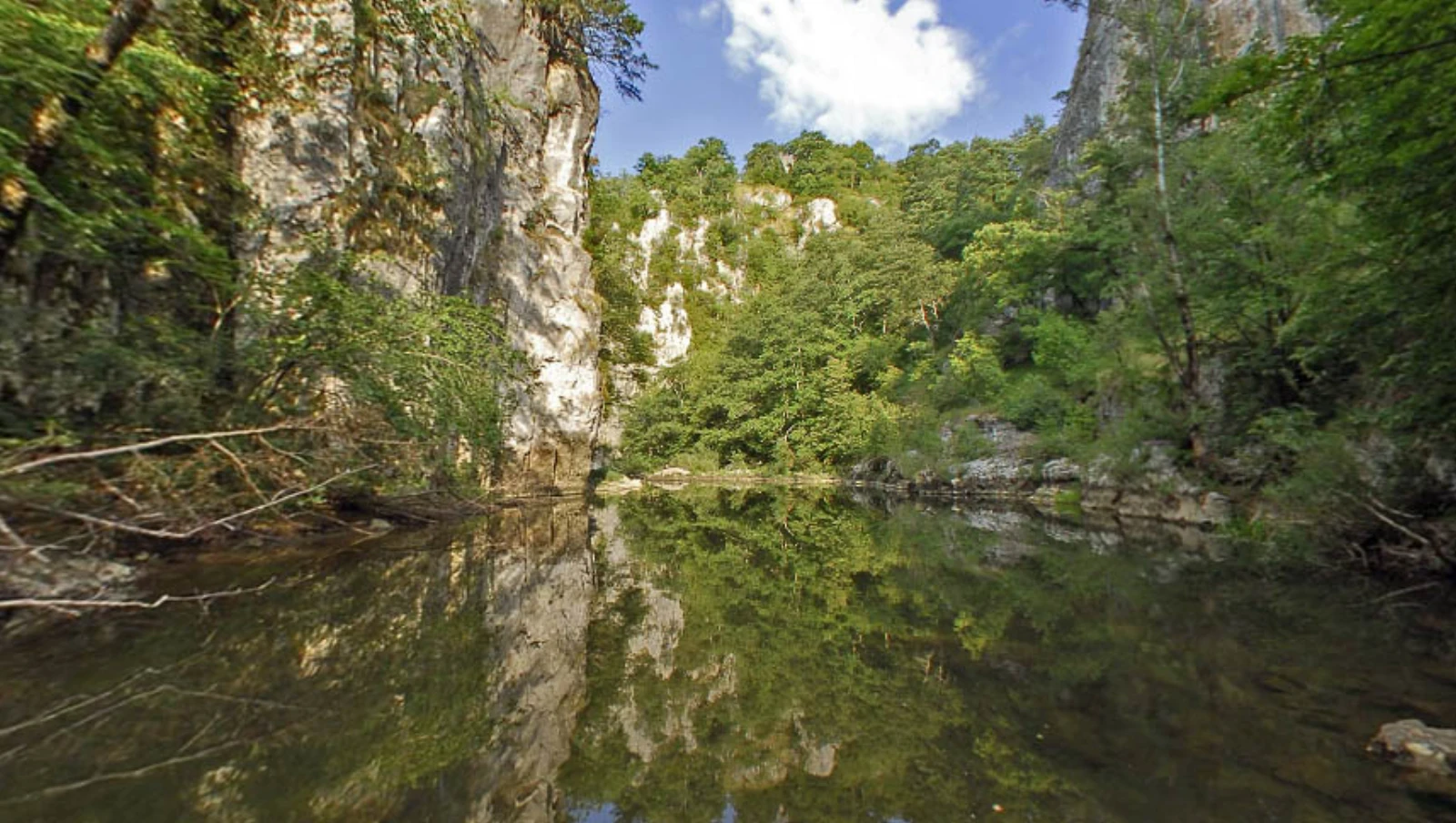
Križna Cave contains a chain of underground lakes known for clear water and preserved cave-bear remains. Short visits reach the first lake, while longer boat routes operate with small groups and stricter limits to protect the cave.
Book the exact tour appropriate to your time and comfort underground; longer versions may require advance arrangements and suitable water conditions. Use only supplied equipment, touch no formations or bones and expect darkness, cold and low-impact travel rather than theatrical lighting.
5. Explore Postojna Cave by underground train
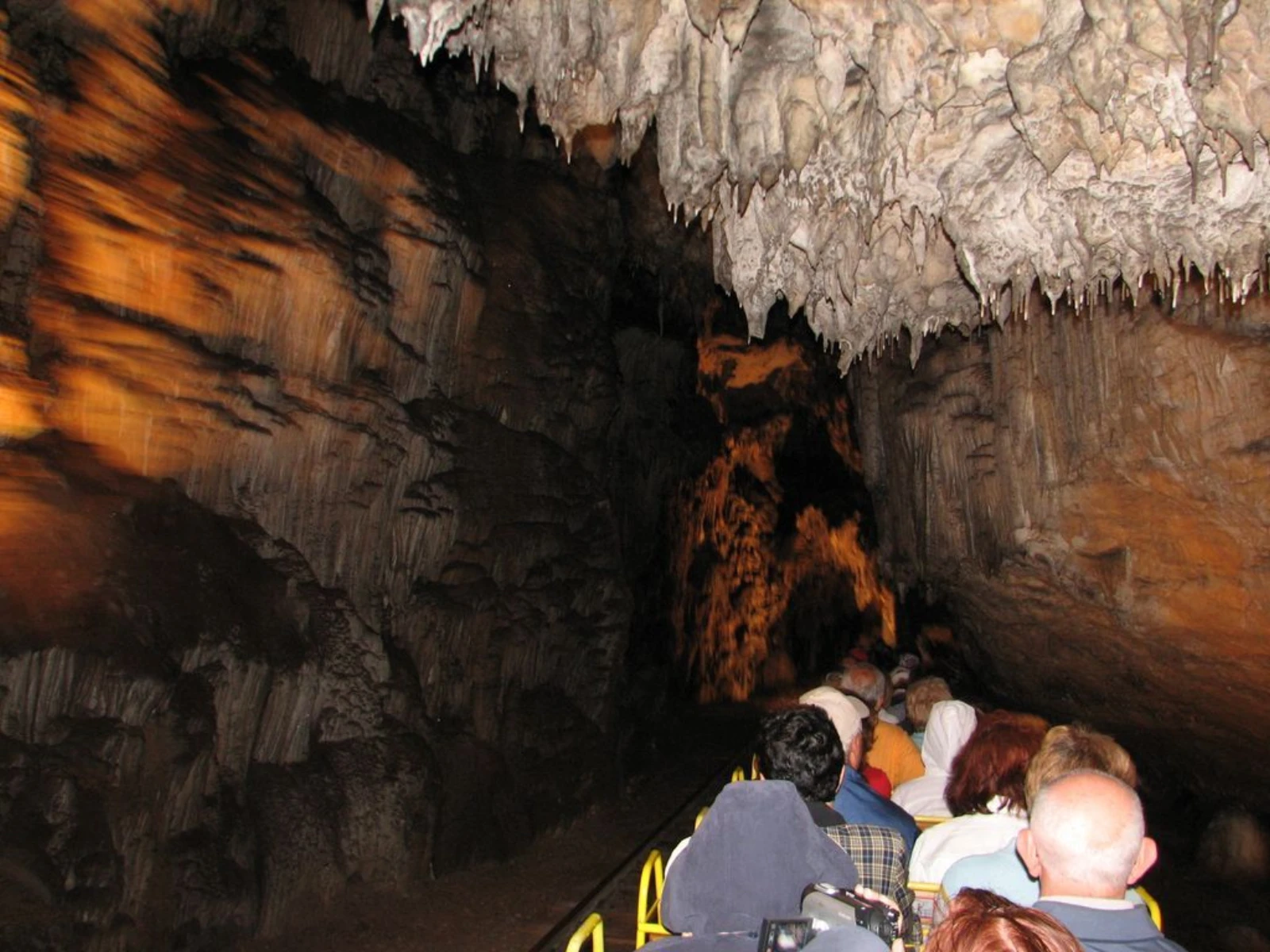
Postojna combines a historic cave railway with a walking circuit through extensive chambers. It is Slovenia's most accessible large cave experience and a useful introduction to Karst geology before visiting less developed systems.
Book an official departure, bring a warm layer and remain within the managed route. The train is part of the experience, but the walking section deserves attention for its formations and cave fauna. Pair it with nearby Predjama Castle rather than squeezing both into an unrealistic transit stop.
6. Climb the protected route on Mangart
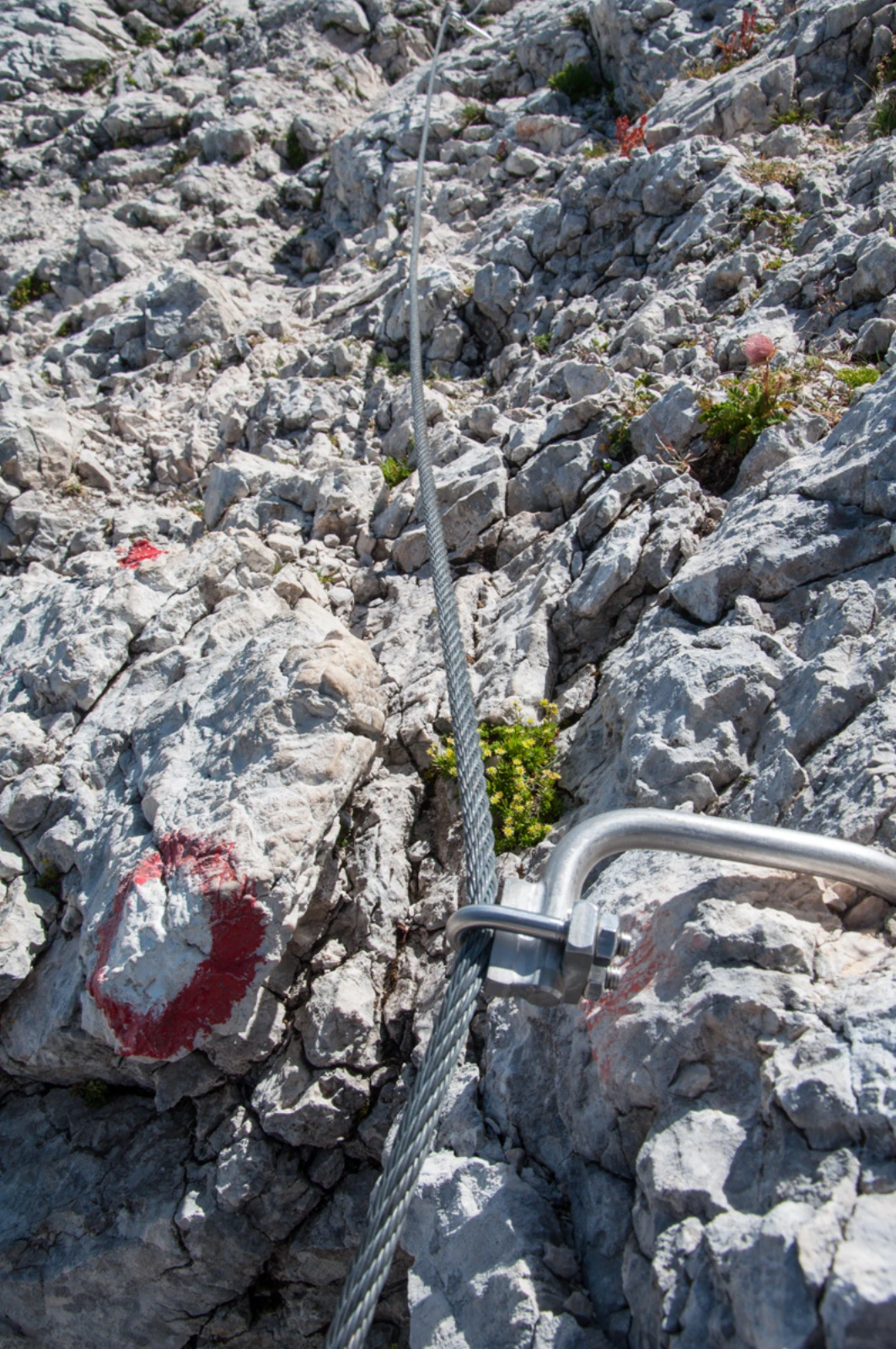
Mangart's Slovenian protected route follows cables and steep limestone toward one of the country's most dramatic summits. Exposure is real, rockfall is possible and the high road does not turn the upper mountain into a casual attraction.
Go with a mountain guide unless you already have via-ferrata experience, and use a helmet, harness and certified set. Check road access, thunderstorms, wind and remaining snow. Start early and be willing to descend by the easier route or abandon the summit if traffic and weather make the protected line unsafe.
7. Climb the Mojstrana via ferrata
Two protected routes rise above Mojstrana toward Grančišče, offering a more contained introduction to cable-assisted climbing than a major alpine summit. They still involve height, arm fatigue and the consequences of incorrect clipping.
Beginners should hire instruction and learn to keep both lanyards managed correctly before leaving the ground. Wear a helmet and suitable footwear, allow faster groups to pass safely and avoid the route in rain or thunderstorms. The nearby Slovenian Alpine Museum adds useful context to the day.
8. Descend Sušec Canyon
Sušec near Bovec is a natural obstacle course of pools, smooth rock slides, jumps and rope-assisted drops. Guides adapt the descent to water level and participant confidence, making it a popular first canyon while retaining meaningful risk.
Use a qualified operator that supplies a wetsuit, helmet, harness and appropriate footwear. Never jump until the guide has checked the landing and offered an alternative. Recent rain can transform the canyon, so a cancellation or route change is a safety decision rather than a lost booking.
9. Kayak through the flooded Mount Peca mine
Beneath Mount Peca, guided groups travel through former mine workings to reach flooded passages navigated by kayak. The combination of industrial history, darkness and still water makes it one of Slovenia's most distinctive underground adventures.
Reserve through the official mine experience and check age, fitness and clothing requirements. Follow the guide closely, use the supplied protective equipment and do not separate from the group. Anyone anxious about confined spaces should choose a surface mine visit rather than relying on determination underground.
10. Walk Vintgar Gorge to Šum Waterfall
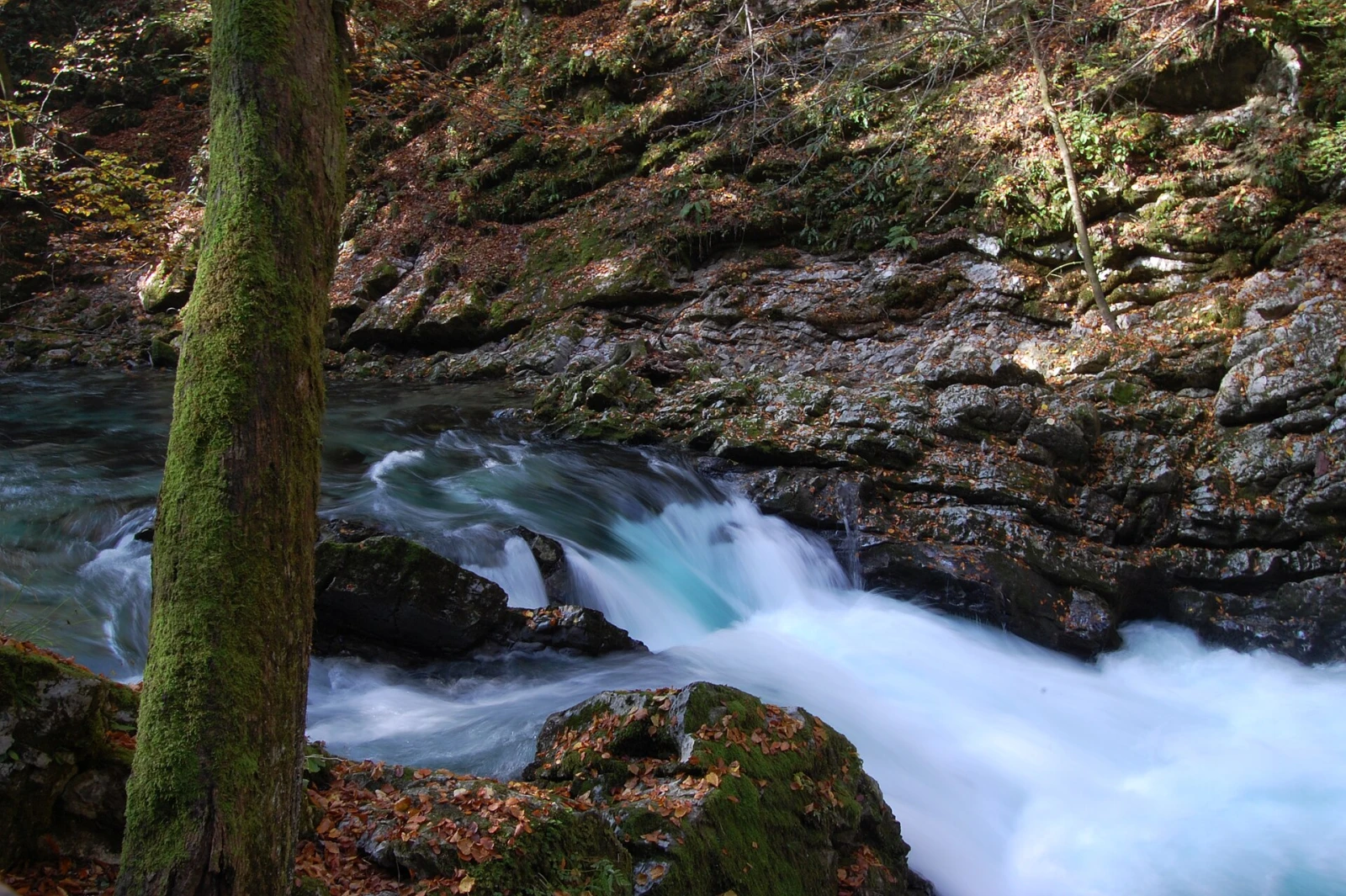
Wooden galleries and paths follow the Radovna River through Vintgar Gorge near Bled, finishing around the Šum waterfall area. The route is managed with defined entry and exit arrangements that can change with season and crowd control.
Check the current direction, shuttle and ticket information before setting out. Wear shoes with grip and start early for a calmer walk. Do not climb barriers or step into the river for photographs; the narrow infrastructure works only when visitors keep moving and respect closures.
11. Hike behind Peričnik Waterfall
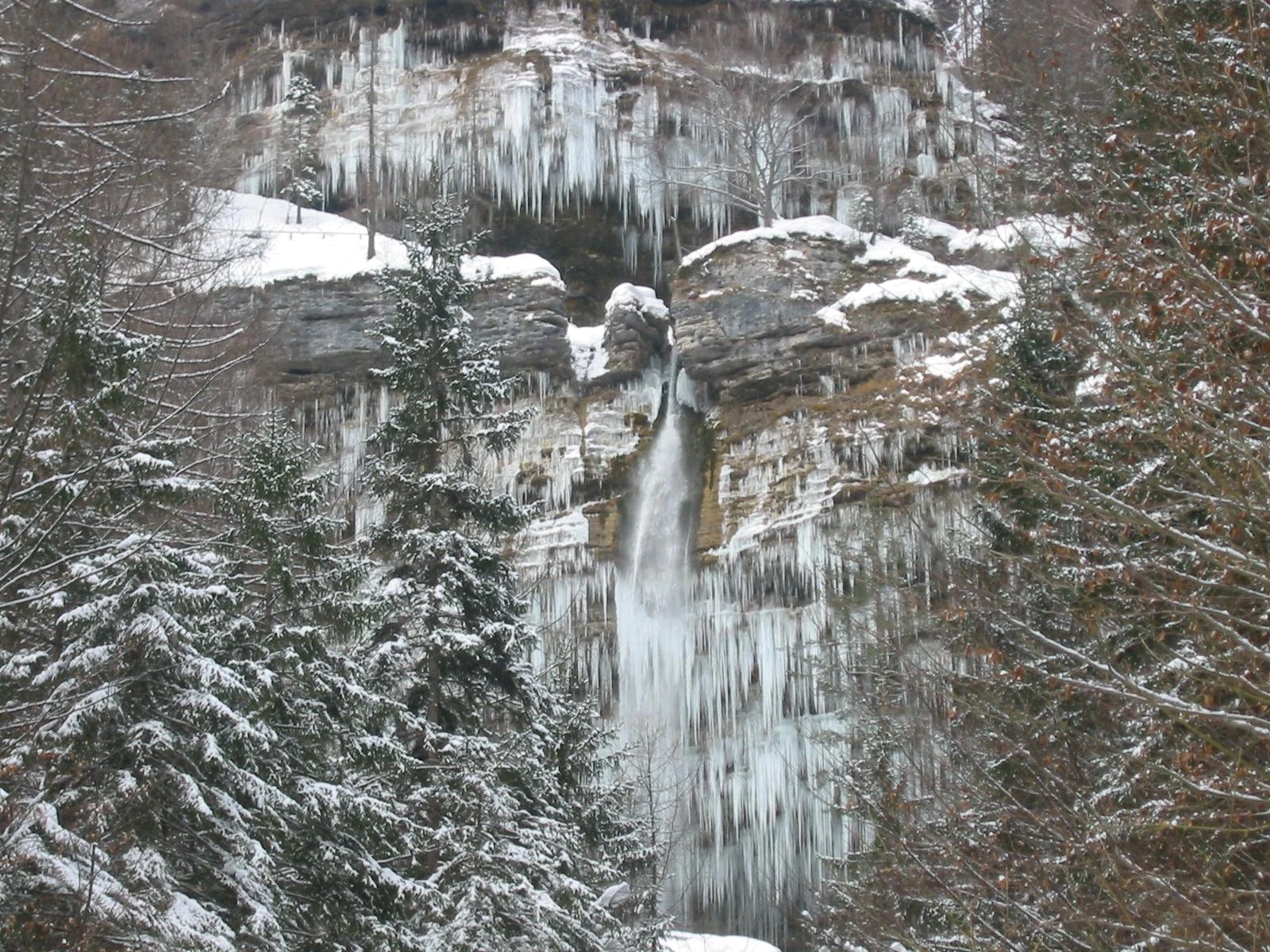
Peričnik drops in two stages in the Vrata Valley, and the established path can pass behind the lower cascade when conditions permit. Spray, mud and the unusual rear view of the falling water create a short adventure with a strong sense of place.
The path behind the falls is slippery and exposed, so wear grippy footwear and obey winter or high-flow restrictions. Continue into the valley only with a realistic plan for distance and mountain weather. Never improvise a route across frozen spray without ice-climbing equipment and expertise.
12. Walk the Tolmin Gorges circuit
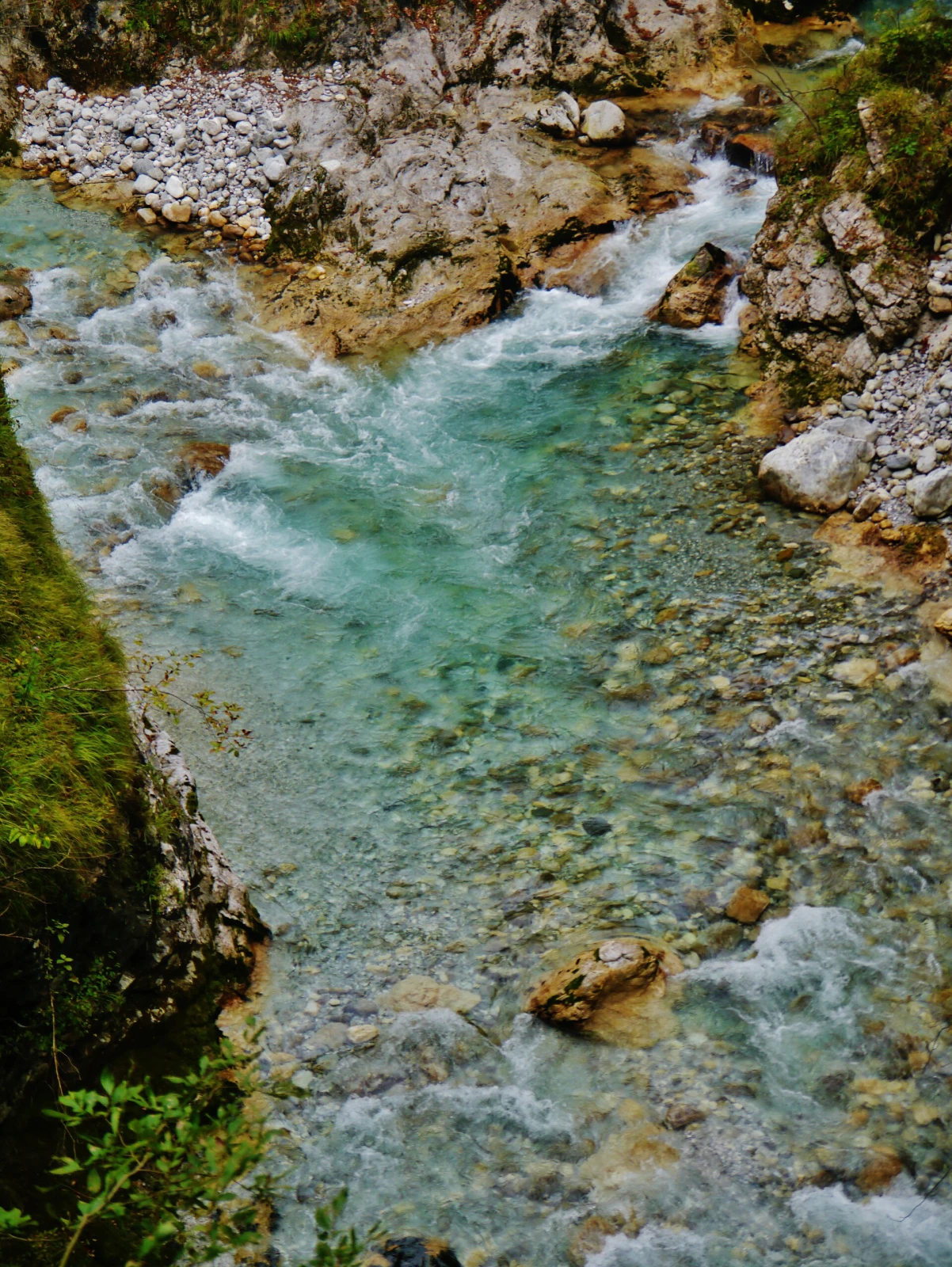
At the southern edge of Triglav National Park, a managed trail descends toward the Tolminka and Zadlaščica gorges, crossing bridges beneath steep rock walls. Highlights include the confluence, thermal spring area and views toward Dante's Cave.
Buy the appropriate entry, follow the one-way system where operating and allow for stairs and damp surfaces. High water or maintenance can close parts of the circuit. Tolmin is a useful base for combining the gorge with quieter Soča Valley walks instead of rushing back to Lake Bled.
13. Kayak across Lake Bohinj
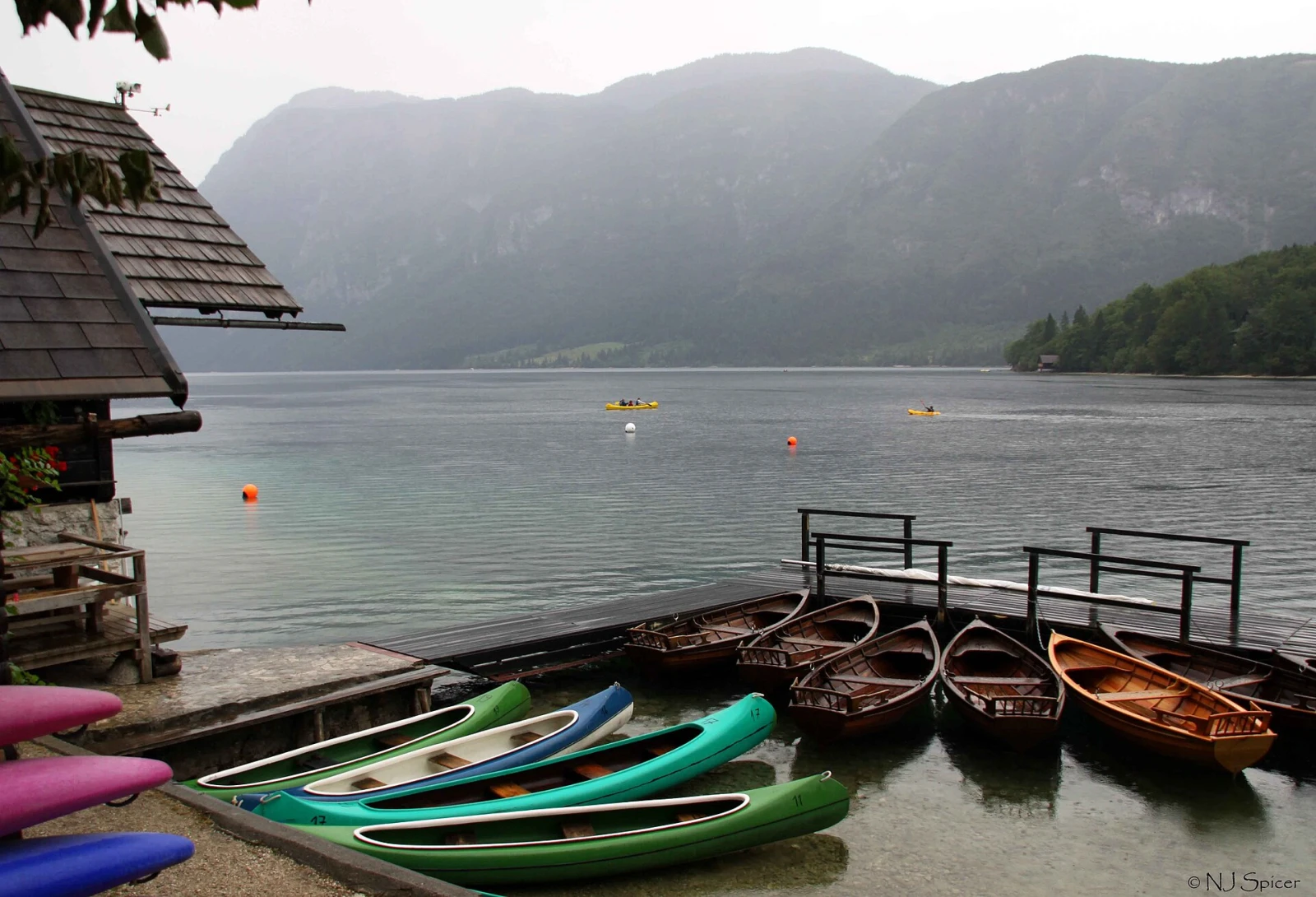
Lake Bohinj gives paddlers a broad view of the Julian Alps without the motorized intensity of a whitewater day. Calm mornings suit beginners, while wind and cold water can quickly make the open lake demanding.
Rent suitable equipment from an established provider, wear flotation and stay within current navigation and protected-area rules. Paddle near shore until confident and keep clear of swimmers and wildlife. A half-day on the water pairs naturally with a walk to Savica Waterfall or a lower trail above the lake.
14. Cycle the Parenzana and Valeta Tunnel
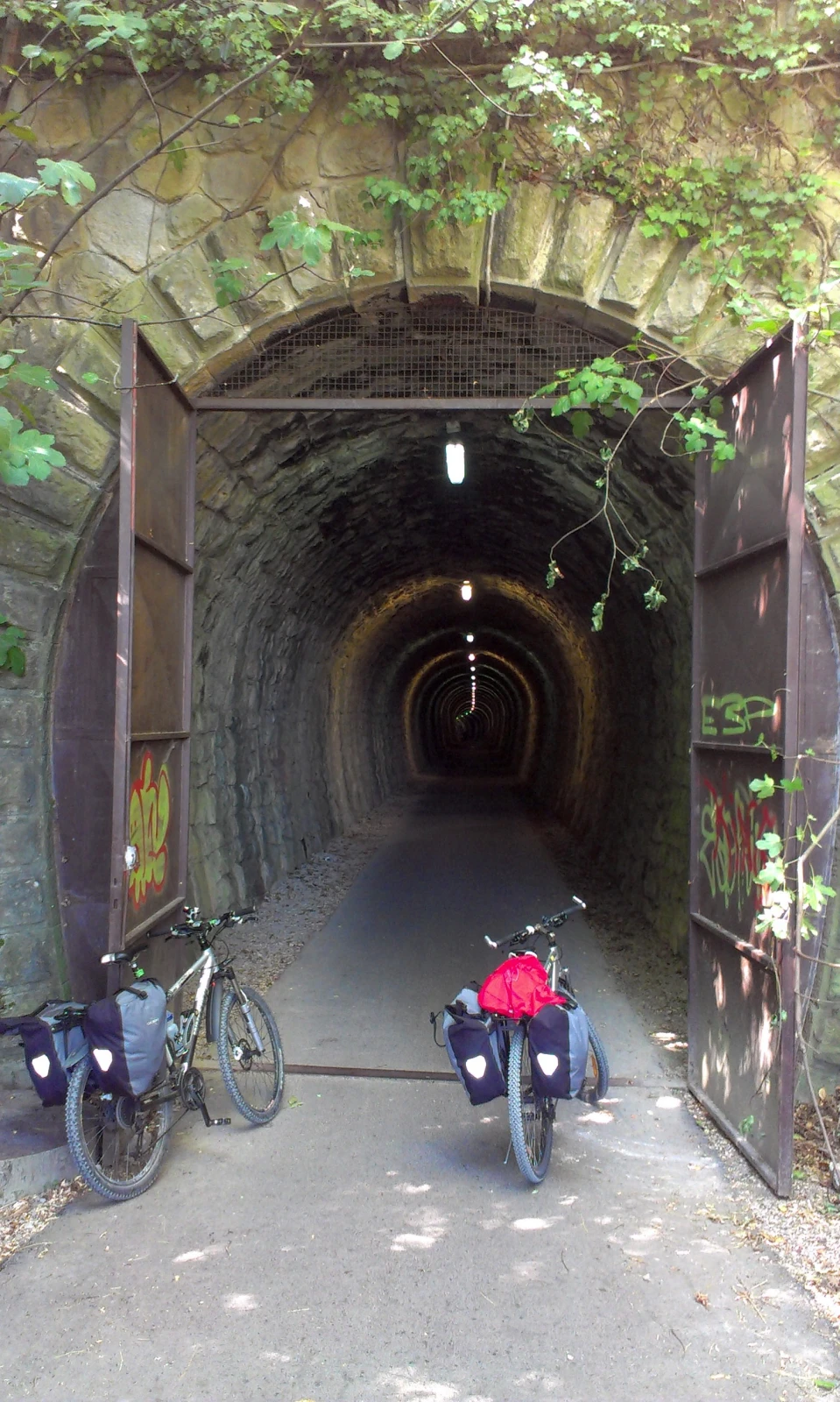
The Parenzana follows part of the former Trieste–Poreč narrow-gauge railway through Slovenia's coastal hills. Around Portorož and Strunjan, cyclists pass through the Valeta Tunnel and between vineyards, salt-pan landscapes and Adriatic viewpoints.
Use lights in tunnels, control speed around walkers and confirm whether your chosen stage includes road traffic. The route continues across borders, so carry identification and understand rental restrictions. A short coastal section works for ordinary riders; a longer journey needs luggage and return-transport planning.
15. Cycle the Solčava Panoramic Road
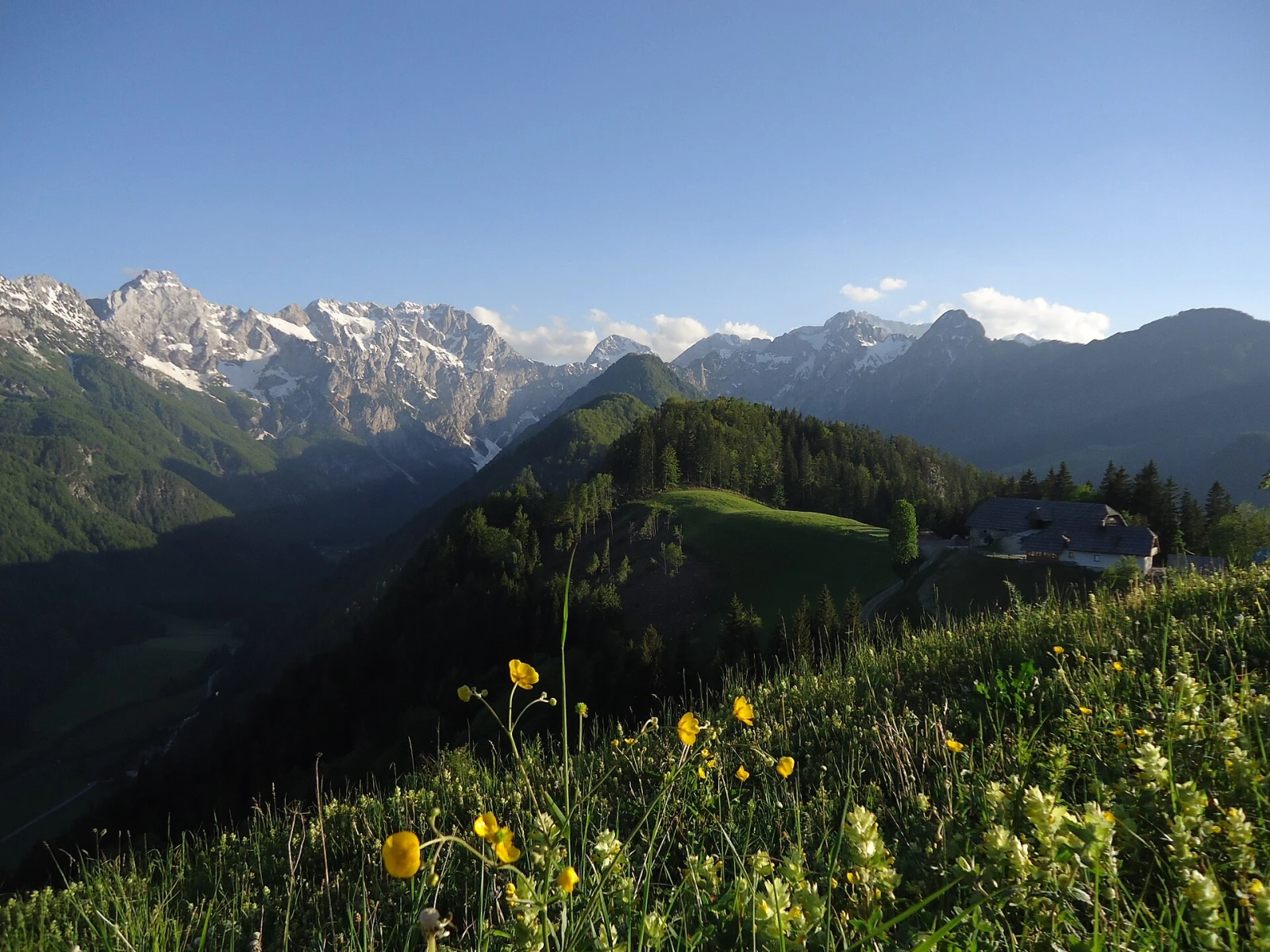
The high road above the Logar Valley links farms and viewpoints beneath the Kamnik–Savinja Alps. Its gradients make an e-bike appealing, but changing surfaces and mountain traffic still require confident braking and control.
Start with a charged battery, carry layers and ask locally about closures. Stop at farms respectfully and buy directly where possible rather than treating private land as an unrestricted viewpoint. A supported ride can connect the circuit with the valley while avoiding an exhausting final climb.
16. Paraglide into the Vipava Valley
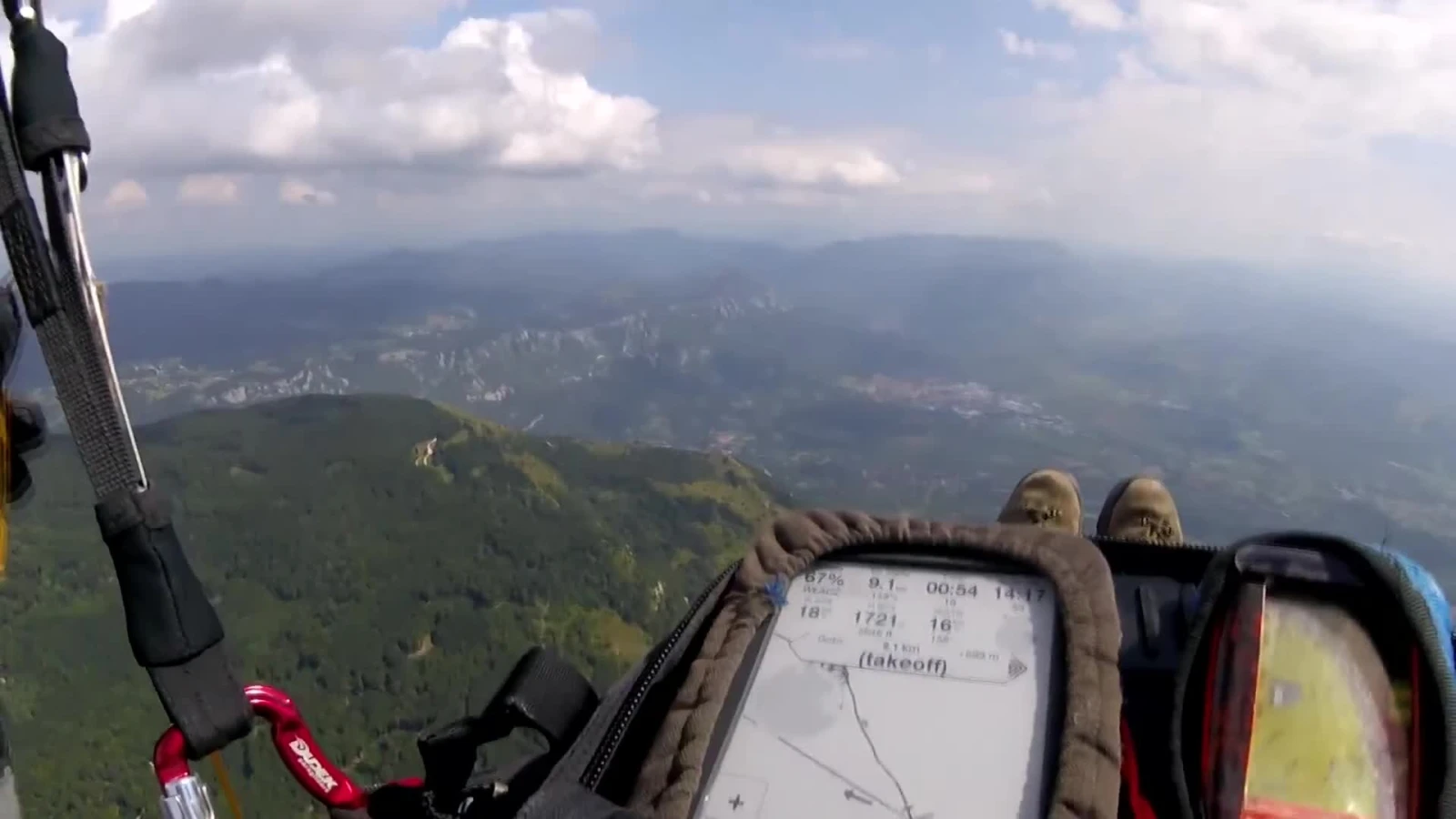
Launch sites above the Vipava Valley use its strong topographic airflow to create long views over vineyards, limestone ridges and villages. A tandem flight is accessible to newcomers, but the bora and rapidly changing conditions demand experienced local judgment.
Fly with a certified tandem pilot, disclose medical concerns and wear secure footwear. Keep the day flexible: a responsible pilot may move the launch, delay or cancel. Combine the flight with a valley walk or local producer visit so that unsuitable wind does not become pressure to launch.
17. Zipline down the Planica ski-flying hill
Planica's zipline descends above the landing slope of a giant ski-flying hill, translating the scale normally seen in winter competition into a high-speed summer experience. The engineered setting makes it unusual even among European ziplines.
Reserve through the official centre and check weight, clothing and weather restrictions. Follow every harness and braking instruction and secure loose objects. Visitors uneasy about the launch can explore the Nordic centre and valley trails without being pushed into an adrenaline activity.
18. Ice-climb in Mlačca Gorge
In reliably cold conditions, managed ice walls in Mlačca Gorge near Mojstrana can provide supervised climbing on frozen terrain. Ice quality changes constantly, and natural winter gullies elsewhere carry avalanche and falling-ice hazards.
Book an experienced guide who supplies boots, crampons, axes, helmet and rope systems. Never climb a frozen waterfall because it appears solid from the path. Warm spells can close the activity quickly, so maintain a snowshoe or museum alternative.
19. Walk through the Velika Planina herdsmen settlement
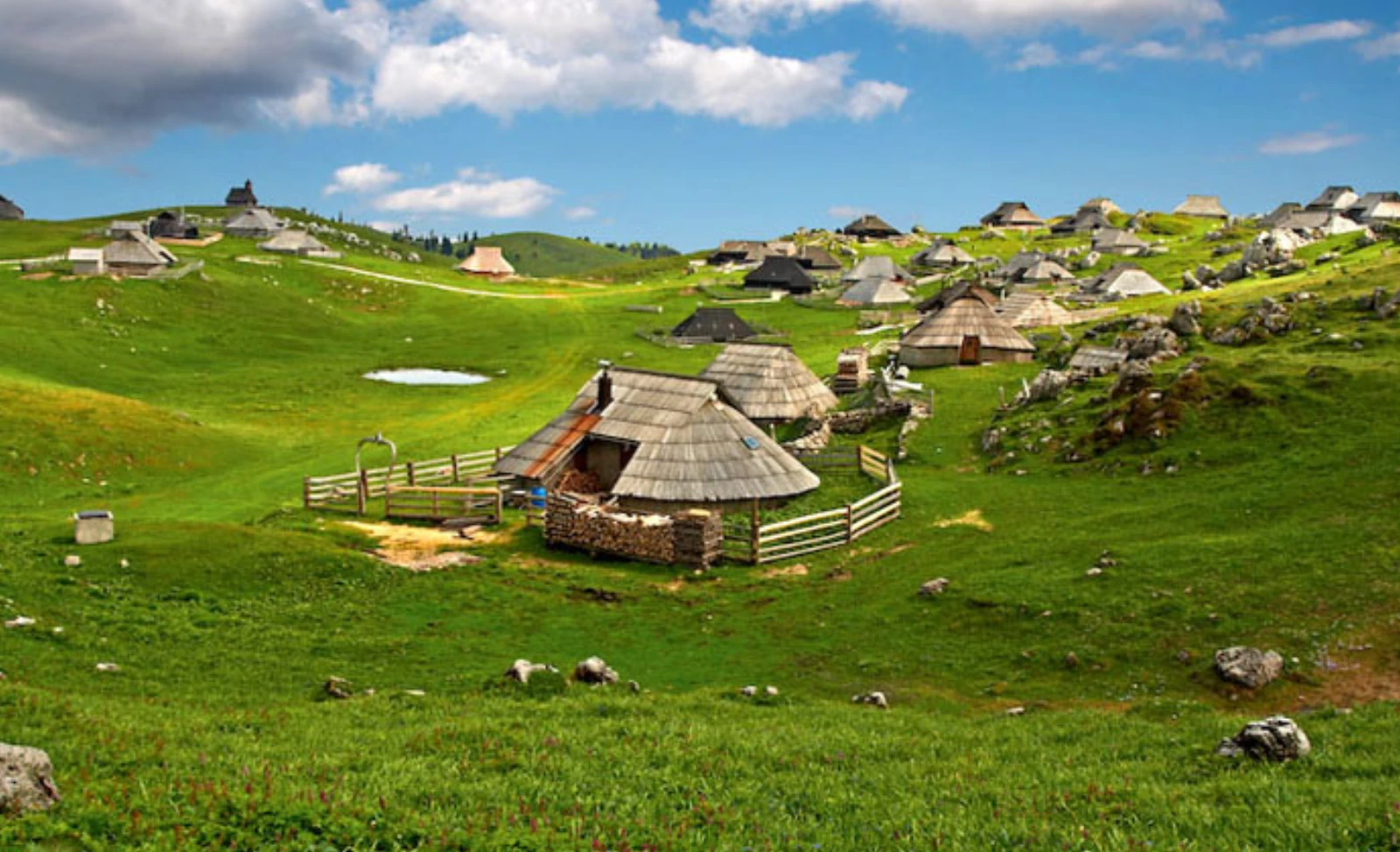
Velika Planina combines high pasture, distinctive timber huts and mountain paths above the Kamnik area. The settlement remains a cultural landscape rather than an abandoned open-air display, especially during the grazing season.
Reach the plateau by cable car and chairlift or on foot, then follow marked routes and respect private huts, livestock and working areas. Weather can shift rapidly on the open plateau. A guided food or herdsmen-culture experience adds meaning when hosted by local participants rather than staged without them.
20. Ride a Lipizzaner at Lipica
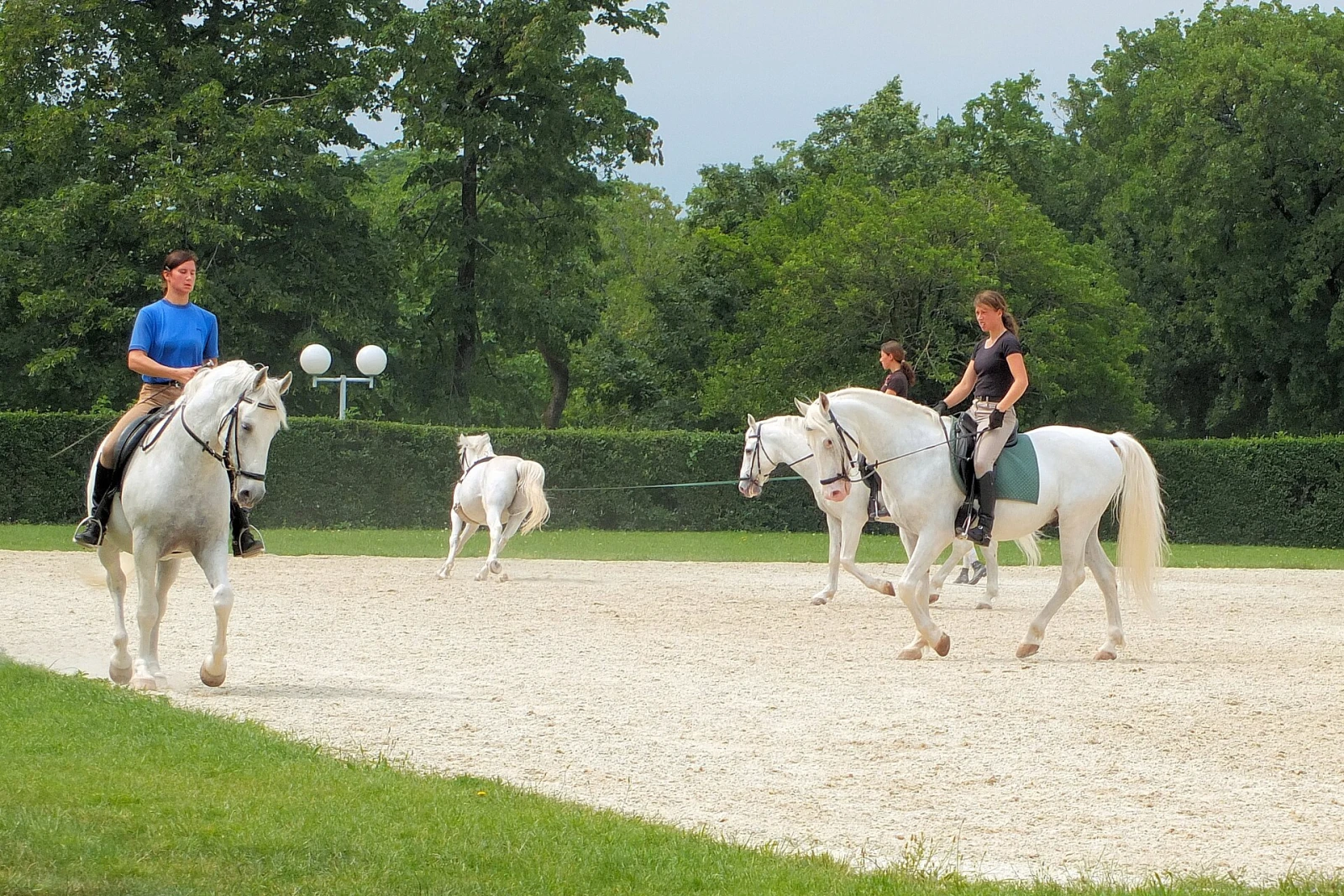
Lipica is the historic home of the Lipizzaner and offers managed encounters that can include estate tours, performances and guided riding. A trail ride through the Karst landscape makes the horse and its home environment part of the same experience.
Book the activity that matches your actual riding ability and follow stable rules. Wear a helmet and choose providers that prioritize horse welfare, rest and appropriate rider weight. Non-riders can still explore the estate on foot without turning the visit into a passive museum stop.
How to choose your Slovenia adventure
Choose Bovec and the Soča Valley for rafting, canyoning, paragliding and waterfall walks; Bohinj, Mojstrana or Kranjska Gora for Julian Alps access; the Karst for Škocjan, Postojna and Križna caves; and the coast for cycling, wind sports and salt-pan landscapes. The Solčava and Logar valleys offer a quieter eastern Alpine base.
For a first visit, combine one Alpine base with one Karst or coastal base instead of commuting across the country every day. Mountain roads, parking systems and popular trailheads still consume time, and an extra night makes it easier to respond to storms or river conditions.
Explore further in the guides to Slovenia's best hikes, caves and underground adventures and waterfalls and gorges.
Before booking
- Check mountain forecasts, hut status, road access and remaining snow immediately before a high route.
- Use registered agencies for rafting, canyoning, paragliding, caving and protected climbing routes.
- Carry a helmet and the correct equipment where rockfall or cables are involved.
- Follow cave group limits, photography rules and instructions designed to protect formations and fauna.
- Respect working pasture, private huts, livestock and seasonal wildlife restrictions.
- Keep a lower-level alternative for thunderstorms, high water or winter thaw.