

Slovenia's trails connect high limestone mountains, glacial lakes, pasture settlements, emerald rivers and the Karst edge above the Adriatic. The network is exceptionally well marked, but a painted blaze does not remove exposure, thunderstorms, snow or the need for technical equipment on protected routes.
Choose the walk by terrain rather than distance alone. Some routes are gentle valley journeys; others use cables and pegs on ground where a fall would be serious. Check mountain-hut and trail conditions immediately before departure.
Slovenia hikes at a glance
| Hike | Region | Commitment | Main challenge |
|---|---|---|---|
| Mangart protected route | Julian Alps | Full day | Exposure and rockfall |
| Slovenian Mountain Trail | Nationwide | Multi-week | Sustained logistics |
| Juliana Trail | Julian Alps | Multi-day | Distance |
| Velika Planina | Kamnik Alps | Half–full day | Weather and access |
| Soča Trail | Trenta Valley | Full day | Length |
| Škocjan education trail | Karst | Half day | Heat and stairs |
The 10 best hikes in Slovenia
1. Climb Mangart by the Slovenian protected route
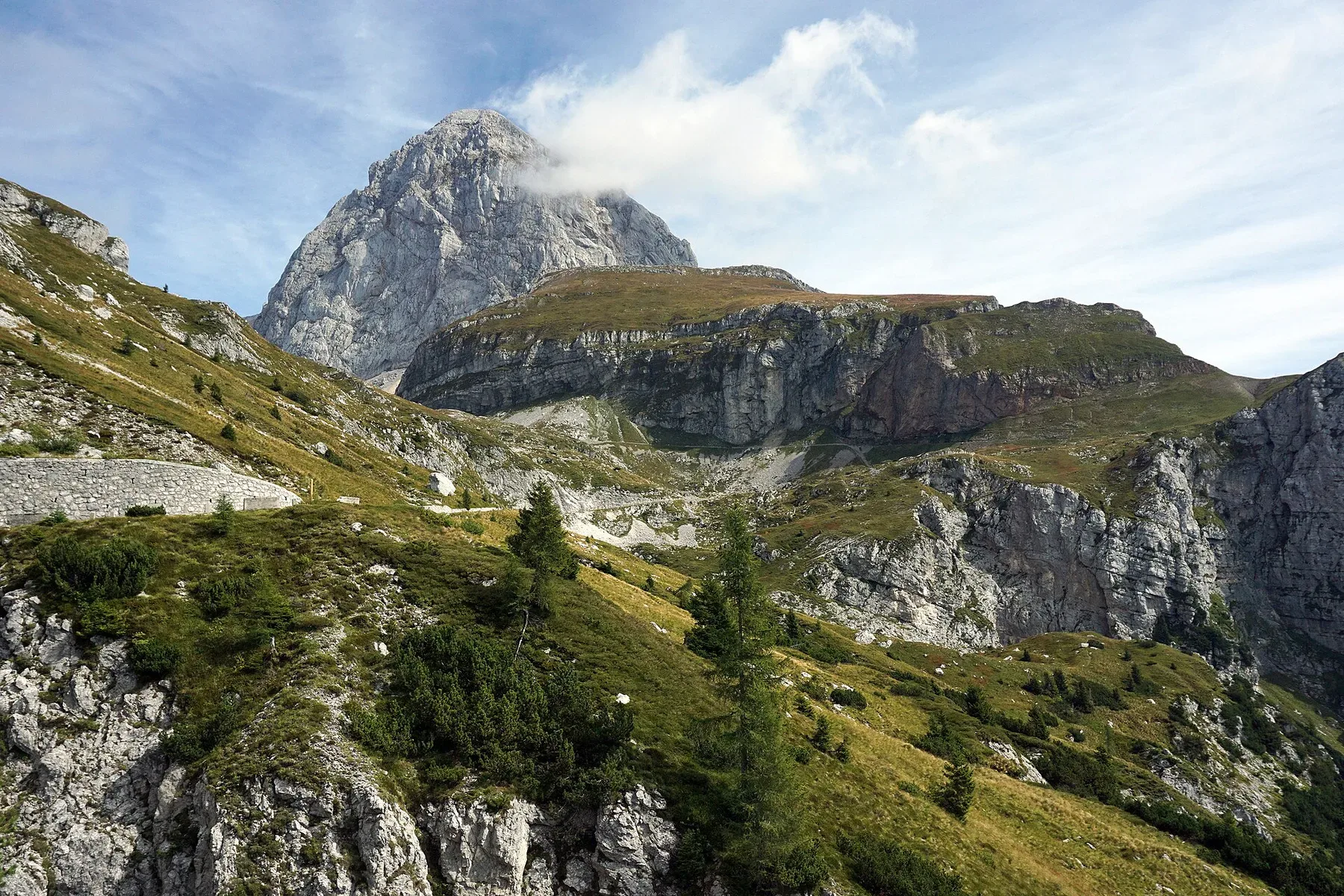
The protected route uses cables and steep limestone to reach one of Slovenia's most dramatic summits. Road access brings hikers high, but the route remains exposed alpine terrain with rockfall and fast-changing weather.
Wear a helmet, harness and via-ferrata set and hire a mountain guide unless already experienced. Check road access and lingering snow, start early and descend by the easier route when congestion or storms remove the safety margin.
2. Walk a section of the Slovenian Mountain Trail
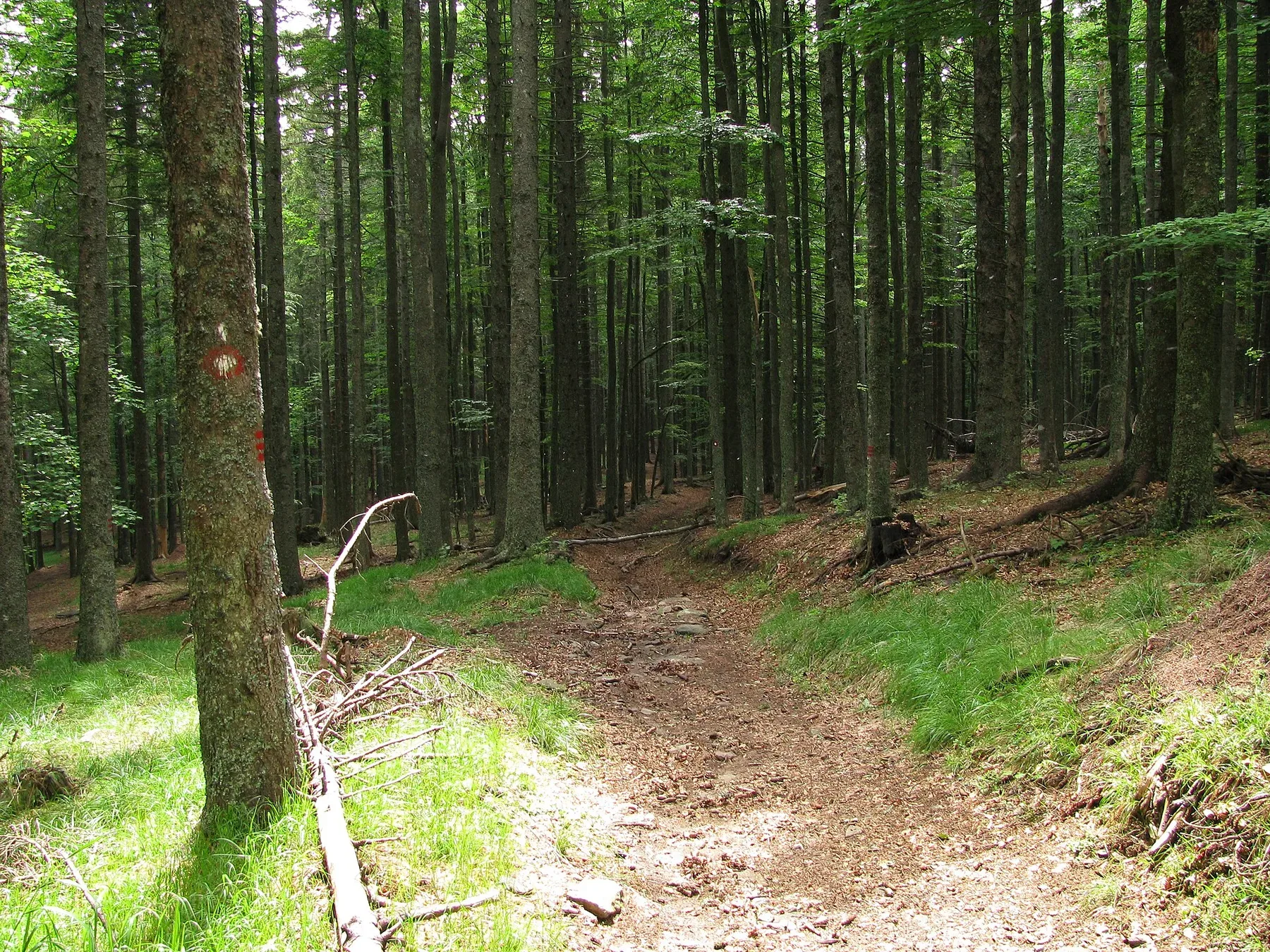
The Slovenian Mountain Trail runs from Maribor across the country's principal ranges to the Adriatic. Completing it is a major multi-week undertaking; individual sections provide everything from Pohorje forest to serious protected climbing in the Julian Alps.
Select a stage matching technical skill, not only fitness. Reserve huts, carry cash and understand escape routes. High sections can require a helmet and via-ferrata equipment even when lower stages feel like ordinary hillwalking.
3. Follow the Juliana Trail
The Juliana Trail loops around the Julian Alps through valleys, villages and lower passes rather than chasing summits. Its stages connect Bohinj, the Soča Valley, Kranjska Gora and quieter rural landscapes.
Walk several consecutive stages and use public transport or luggage transfer instead of driving back to one base. Road walking and summer heat still matter. Book accommodation early in small settlements and respect farmland throughout the route.
4. Hike through Velika Planina
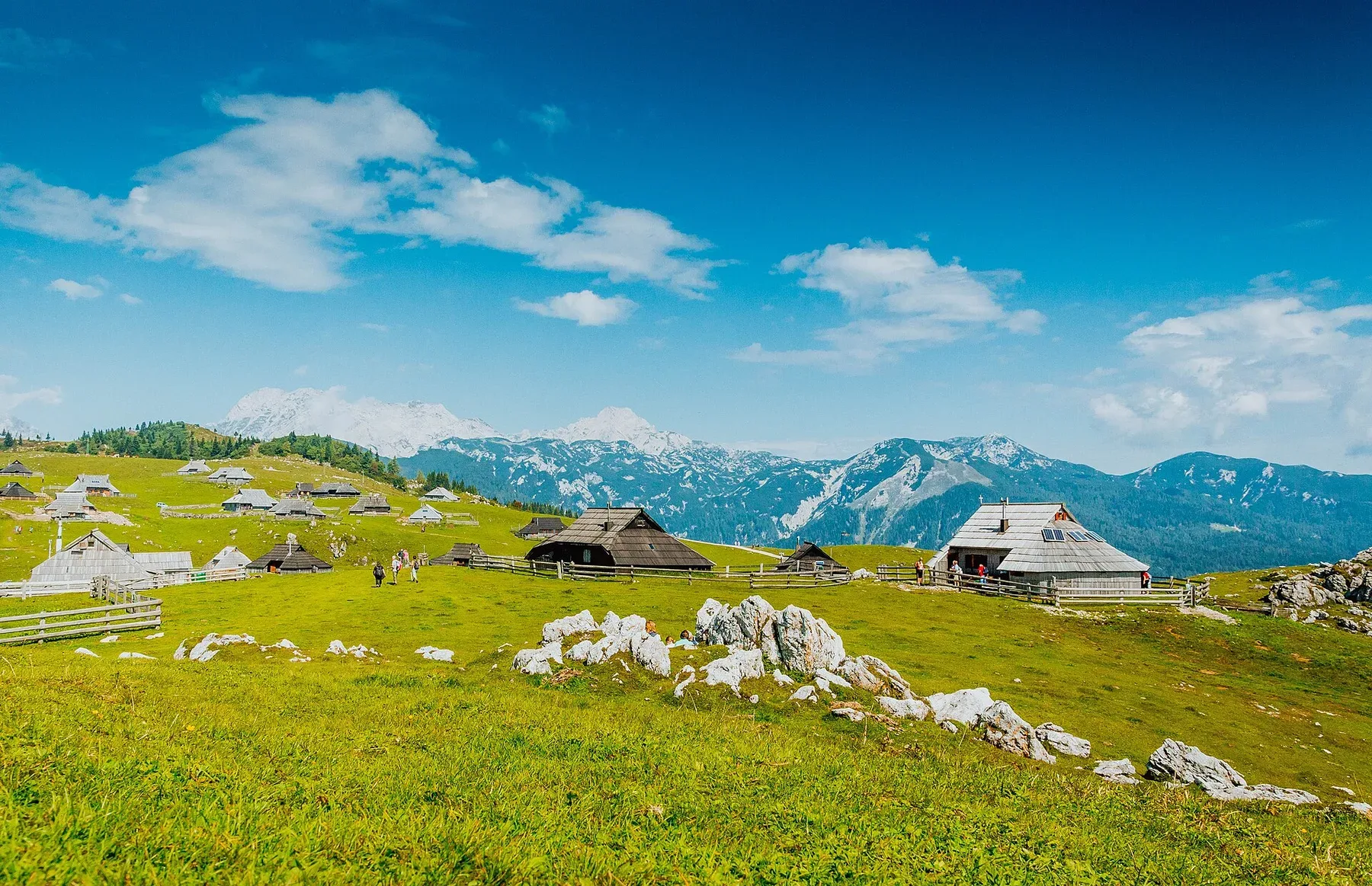
Paths cross Velika Planina's open pasture and distinctive herdsmen settlement beneath the Kamnik Alps. Cable-car access makes a short circuit possible, while foot approaches create a fuller mountain day.
Remain on marked paths, give livestock space and treat huts as working or private buildings. Cloud and thunderstorms can arrive quickly across the plateau. Locally hosted food and cultural interpretation add far more than photographing buildings without context.
5. Walk the Soča Trail
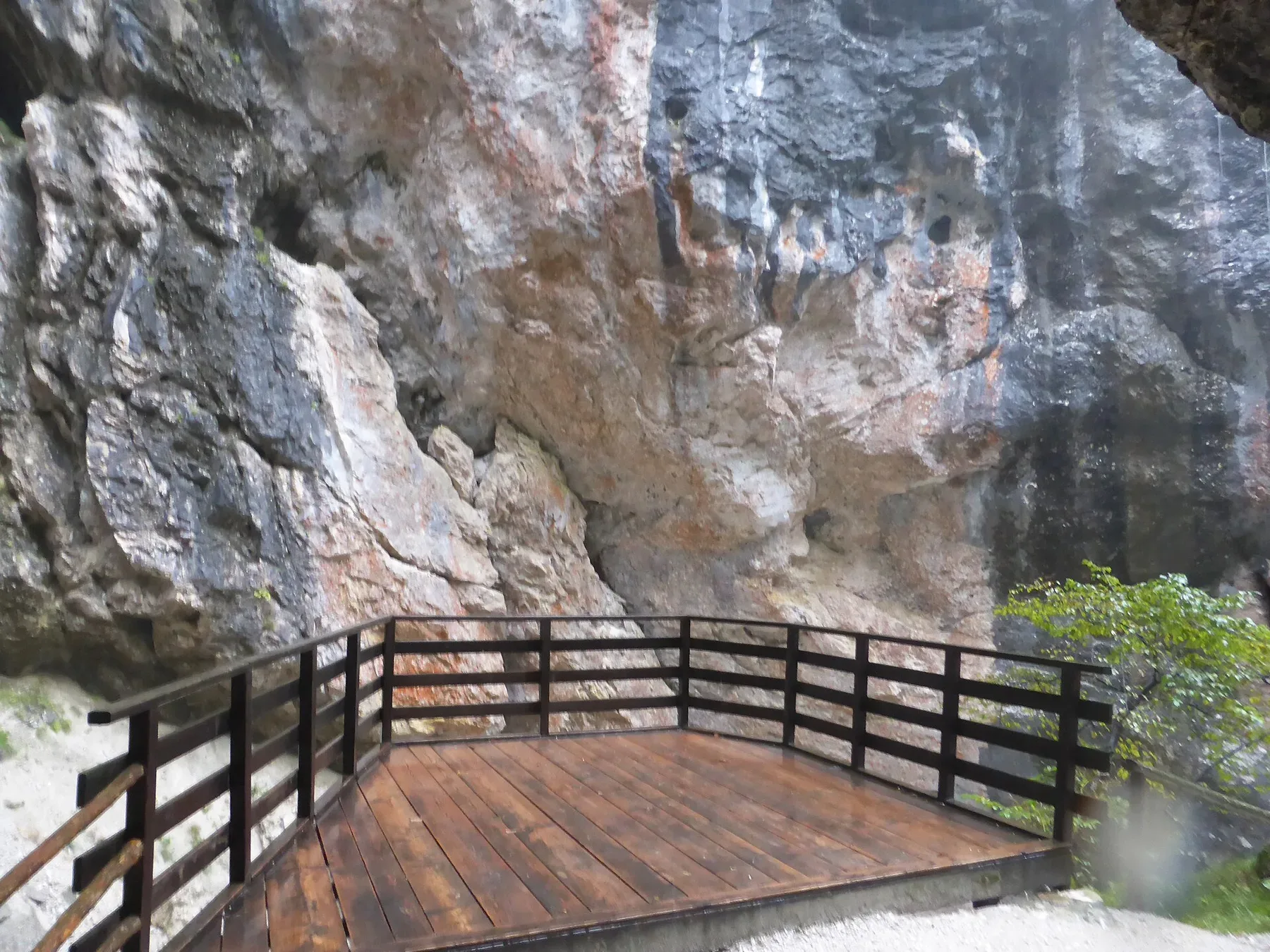
The Soča Trail follows the young river through Trenta Valley, crossing suspension bridges and passing gorges, forest and turquoise pools. A complete stage is long but technically approachable compared with the peaks above.
Use current park information to choose a section and arrange the bus or return transfer in advance. Never jump into narrow gorges or assume clear water is warm. Keep to paths where erosion threatens riverbanks.
6. Climb to Slemenova Špica
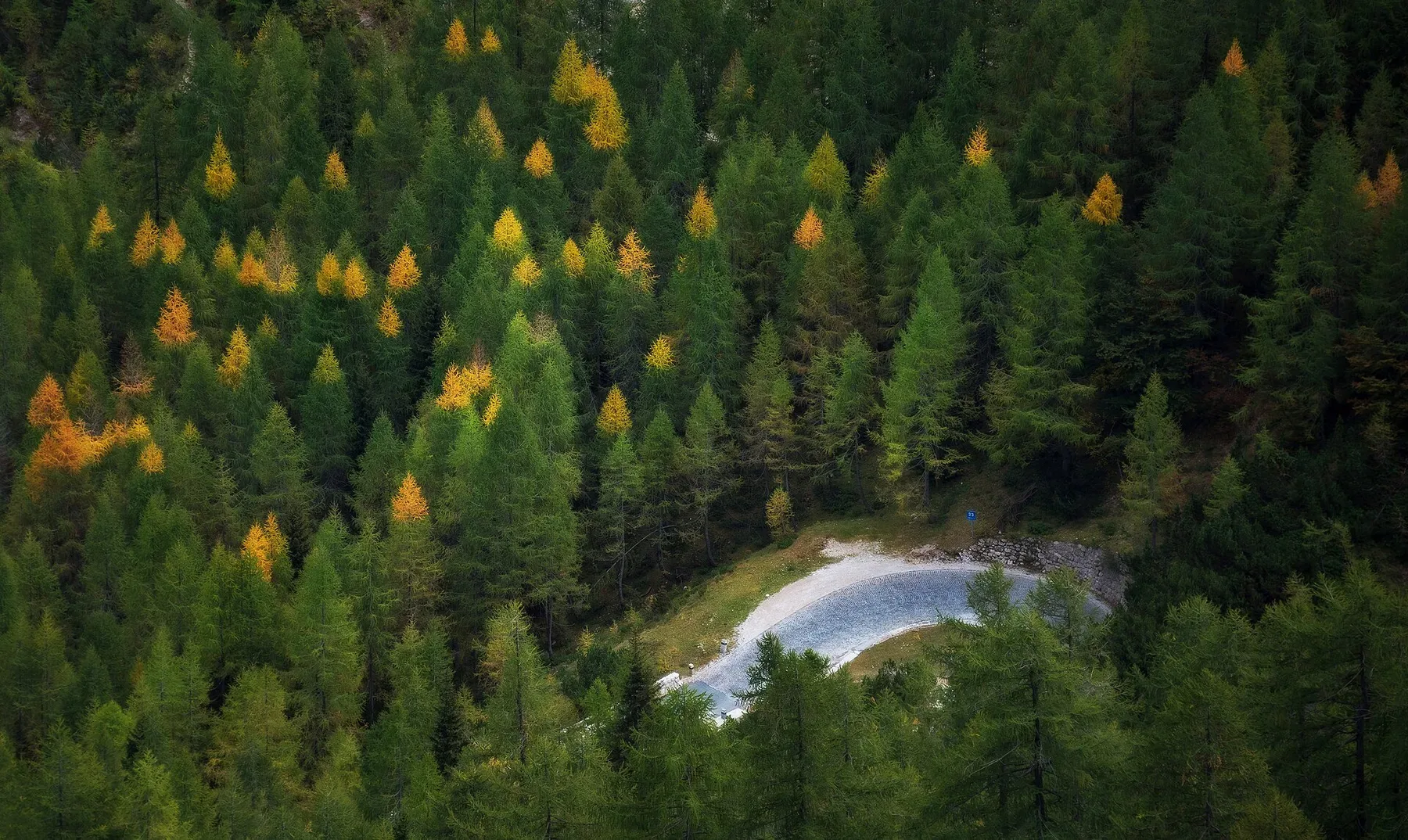
From Vršič Pass, this popular route climbs toward larch-dotted ground and a viewpoint beneath the Mojstrovka walls. It offers a compact high-mountain experience without cable-assisted climbing in normal summer conditions.
Start early to avoid parking pressure and afternoon storms. Snow can remain beyond the road-opening date, and fog obscures junctions. Stay clear of steeper neighboring objectives unless equipped for their different demands.
7. Walk around Lake Bohinj and Mostnica Gorge
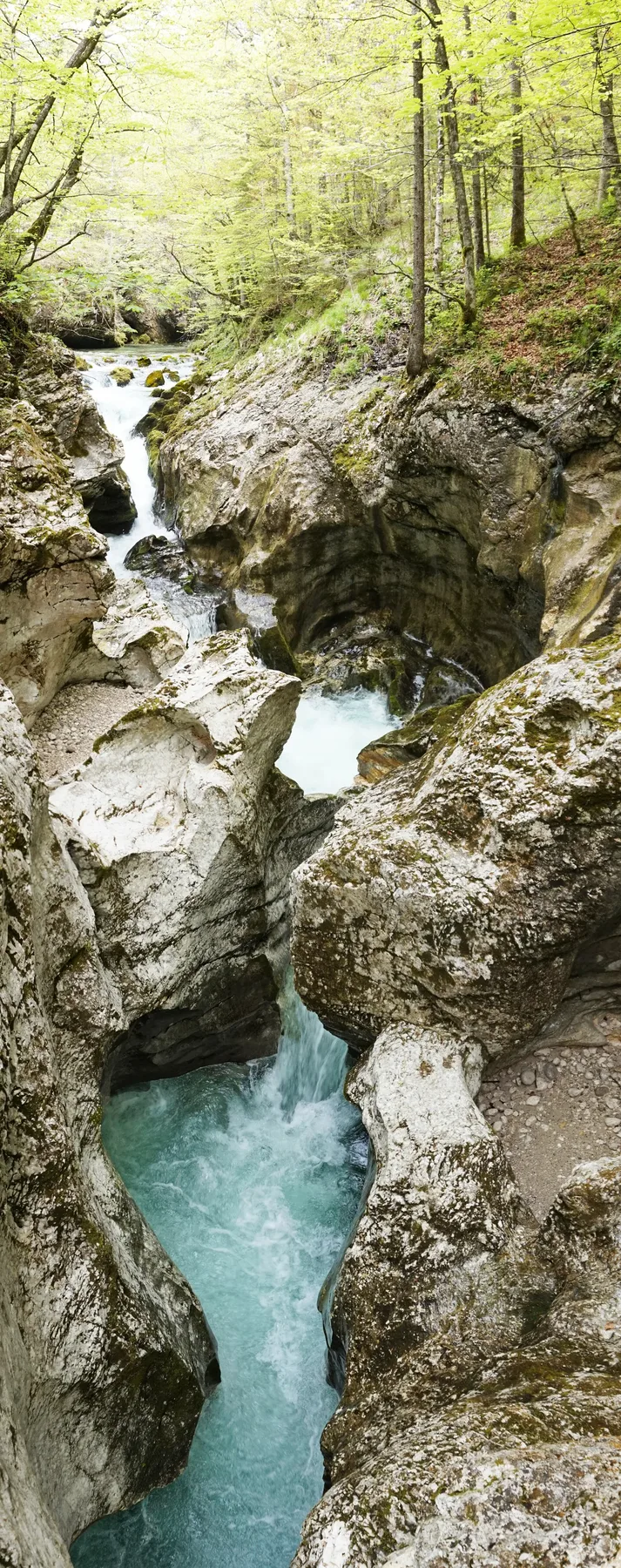
Lower trails around Bohinj connect the lakeshore with the Mostnica Gorge and Voje Valley. The combination works as a flexible full day with water, forest and mountain views rather than one relentless ascent.
Use formal entrances and paths around the gorge, where wet rock and drops require attention. Swimming is subject to designated-area and park rules. Buses and boats can shorten the return without turning the route into a roadside walk.
8. Traverse the Karavanke
The long Karavanke ridge forms Slovenia's northern border, with a staged trail linking panoramic grass mountains and higher rocky summits. It sees fewer international hikers than the central Julian Alps while still demanding mountain judgment.
Plan hut and valley escape options carefully and carry identification near the border. Water can be scarce on ridges, and thunderstorms are highly exposed. Choose a guided section if a full seven-stage traverse exceeds the group's experience.
9. Walk the Lovrenc Lakes boardwalk
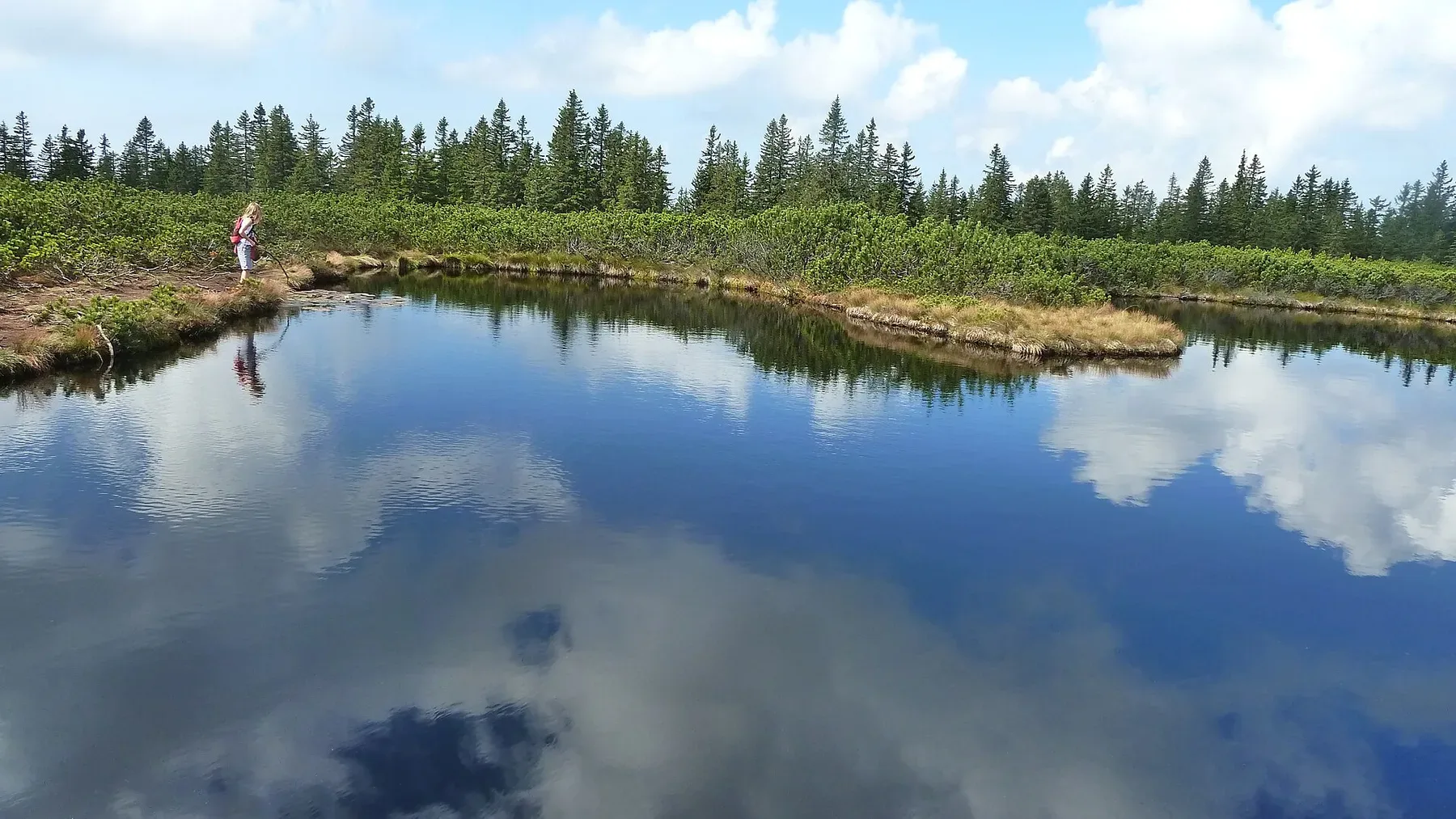
On the Pohorje plateau, forest trails and boardwalks lead through a protected peat-bog landscape dotted with small lakes. It is a gentler ecological hike and a valuable contrast to Slovenia's limestone mountains.
Stay on the boardwalk, never step into the bog and keep dogs controlled under current rules. Weather can remain cool and wet even when lowland towns are warm. Combine the walk with a longer Pohorje stage rather than driving solely for one viewpoint.
10. Cross Rakov Škocjan
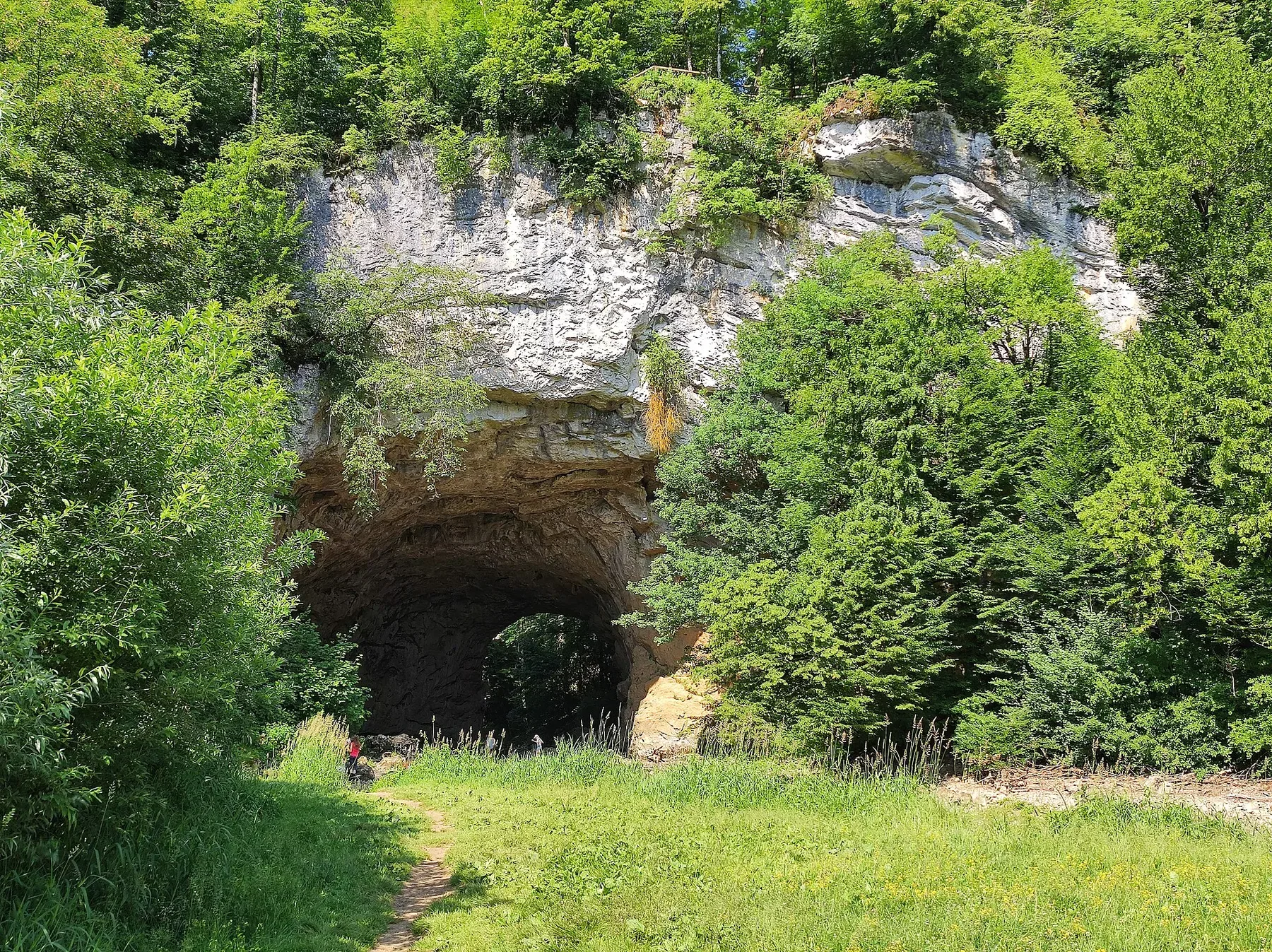
Rakov Škocjan is a collapsed Karst valley containing natural bridges, caves, sinkholes and a disappearing river. Marked circuits reveal how surface and underground drainage connect.
Use the established route and avoid cave interiors beyond authorized access. Rock is slippery after rain, while high water changes which features can be approached. The landscape is protected; formations and vegetation must remain untouched.
Choosing a Slovenia hike
Choose Bohinj, Kranjska Gora or Mojstrana for Julian Alps days, the Soča Valley for river-led walking and Velika Planina or Logar Valley for the Kamnik Alps. The Karst and Pohorje provide rewarding lower alternatives when high peaks are stormy.
Continue with Slovenia's best adventure activities, caves and underground adventures and waterfalls and gorges.
Before setting out
- Check the mountain forecast, hut status and snow conditions.
- Carry a helmet and via-ferrata set where protected routes require them.
- Start high routes early and turn back before thunderstorms arrive.
- Use public transport where popular passes have limited parking.
- Respect livestock, private huts and protected wetlands.