
El Salvador compresses surf, volcanic highlands, crater lakes and archaeological landscapes into a country that is easy to cross but never sensible to rush. A morning can begin on a Pacific point break and end among cool cloud forest, yet currents, heat, volcanic restrictions and seasonal rain still demand careful planning.
These adventures range from first lessons to strenuous guided ascents. Check local conditions and access arrangements shortly before setting out.
El Salvador adventures at a glance
| Adventure | Standout destination | Intensity | Guide needed? |
|---|---|---|---|
| Volcano hiking | Santa Ana | High | Follow current park rules |
| Surfing | El Sunzal or El Zonte | Moderate–high | Instructor for beginners |
| Waterfall canyon walk | Tamanique | Moderate | Local guide recommended |
| Kayaking | Lake Coatepeque | Low–moderate | Rental briefing |
| Archaeology | Joya de Cerén | Low | Optional site guide |
| Mountain expedition | Conchagua | Moderate | Local transport or guide |
The 20 best adventure activities in El Salvador
1. Hike Santa Ana volcano
Climb Ilamatepec from the Cerro Verde area for views into a vividly colored crater lake. The exposed upper slope is hot and windy; use the official departure system, carry water and never cross barriers around the crater.
Allow most of a day from the coast or San Salvador. The walk commonly takes about four hours return, depending on the group, and the final section is loose underfoot. Cerro Verde is the practical meeting point; arrive before the stated assembly time because departures may be grouped and capacity limited.
2. Surf Punta Roca
This long, powerful right point near La Libertad is El Salvador's benchmark wave. Sharp rock, crowds and strong swell make it an expert venue; watch from shore or use a local guide if your ability genuinely matches the break.
The wave starts near the point and can connect through several fast sections toward town. Early morning usually offers cleaner wind, but tide and swell direction determine whether entry is manageable. La Libertad makes the convenient base, with board repair, food and transport close by.
3. Learn to surf at El Sunzal
El Sunzal's long rides and established schools make it a better progression break than Punta Roca, though the cobbled entry and larger days still require confidence. Beginners should take a lesson and start only when an instructor considers conditions suitable.
The broad shoulder gives improving surfers more time to stand, trim and practise turns than the coast's hollower points. Stay in El Tunco or directly at El Sunzal for dawn access. A rash vest, secure leash and reef-aware water shoes make repeated cobblestone entries more comfortable.
4. Walk to the Tamanique waterfalls
Descend through dry or green hills, depending on the season, to a sequence of falls and pools above the coast. Go with a local guide, wear shoes with grip and avoid jumping: water depth and debris change after rain.
The waterfalls sit roughly two kilometres beyond town, with a steep final approach that may use a fixed rope. Start early to avoid the strongest heat and carry water for the climb back. Guides are normally found around Tamanique's central park, but advance booking is better on busy days.
5. Climb Izalco volcano
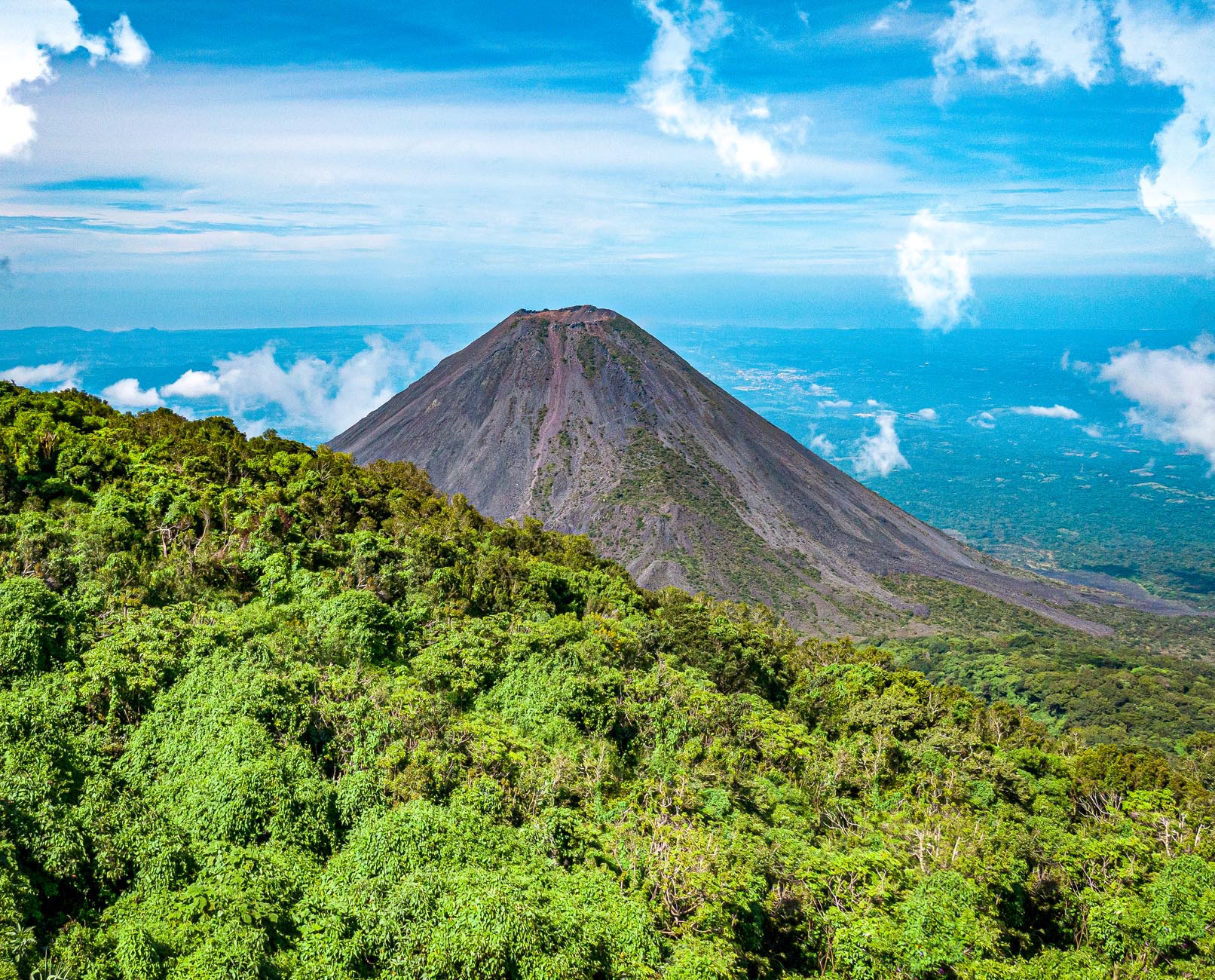
The steep cone rising beside Cerro Verde is a sustained ascent on loose volcanic ground. Join the scheduled authorized outing, protect yourself from sun and save energy for the demanding climb back to Cerro Verde.
Unlike Santa Ana, the day begins with a substantial descent before the cone itself, so the return finishes uphill. Trekking poles can help on loose scree if the guide permits them. Choose Izalco for the physical challenge and stark lava landscape, not for a crater-lake view.
6. Kayak on Lake Coatepeque
Paddle beneath the volcanic rim in calmer morning conditions. Rent from an established lakeside operator, wear a flotation device and stay close to shore when wind, motorboats or thunderstorms build.
Most convenient access is through a lakeside hotel, restaurant or club rather than an uninterrupted public shore. Ask whether changing space, parking and dry storage are included. A one- or two-hour rental is enough for beginners; experienced paddlers still should not attempt an unsupported crossing.
7. Hike through El Imposible
El Salvador's largest national park protects rugged tropical forest, ridges and river habitat. Register through current park arrangements, select a trail that fits the heat and elevation, and use local guidance for longer routes.
San Benito and other sectors offer routes of very different length, from shorter wildlife walks to demanding days toward viewpoints and river crossings. Tacuba is a useful western base for some approaches. Carry food and water, begin early and expect a guide requirement or advance reservation.
8. Surf at El Zonte
El Zonte combines a surf community with several reef and point options. Lessons suit newcomers on appropriate days, while experienced surfers can explore faster peaks; rock footwear and local advice make entries safer.
The village is quieter than El Tunco but still has schools, rentals, cafés and accommodation within walking distance of the water. Stay several nights so an instructor can choose the safest tide and peak. Non-surfers can enjoy the beach, though river flow and shorebreak deserve caution.
9. Explore Joya de Cerén
Walk beside the protected remains of a farming settlement buried by volcanic ash in the seventh century. The adventure is interpretive rather than athletic: allow time for the museum and respect every barrier protecting its fragile earthen structures.
Joya de Cerén lies northwest of San Salvador and pairs naturally with nearby San Andrés. Plan about 90 minutes for the museum and sheltered viewing circuit. A guide helps identify kitchens, storage areas and cultivated fields that are easy to overlook without an explanation of daily village life.
10. Camp above the Gulf of Fonseca
From the Conchagua area, high viewpoints look across islands and volcanic silhouettes in the gulf. Arrange access, transport and camping with an established local provider; the rough approach is not a casual rental-car drive.
Most visitors use high-clearance transport from Conchagua or La Unión and camp near an established viewpoint. Bring warm layers despite the eastern heat, because wind increases after dark. Confirm whether tents, meals, water and the sunrise transfer are included before leaving town.
11. Surf Las Flores
This eastern right point offers long walls in a beautiful bay near El Cuco. It becomes demanding with size, so use a boat or local guide for neighboring breaks and do not paddle into a crowded takeoff beyond your level.
Las Flores works best as a multi-night surf base because swell and wind vary. The point is walkable from nearby lodging, while Punta Mango and other waves may require a boat. Confident intermediates should ask specifically about smaller sessions rather than booking from promotional photographs.
12. Swim at Salto de Malacatiupán
Warm water meets the river at this unusual thermal cascade near Atiquizaya. Enter only where locals confirm it is safe, avoid the falls' lip and skip swimming after heavy rain when current and water quality may change.
The site is about a 20-minute journey from central Atiquizaya followed by a short approach. Visit earlier for cooler air and fewer people, and bring footwear that grips wet rock. Combine it with Ahuachapán rather than attempting several distant western attractions in one rushed day.
13. Mountain bike around Apaneca
Coffee-country roads and tracks cross a cool volcanic landscape around Apaneca. Choose a guided route suited to your descending ability, wear a helmet and expect mud, traffic or steep gradients rather than a smooth recreational path.
Operators may combine forest tracks, coffee estates and lagoon viewpoints, with vehicle support available on some itineraries. Confirm distance, elevation loss and surface before booking—the label “mountain biking” covers everything from broad dirt roads to technical descents. Morning cloud and afternoon rain affect visibility and grip.
14. Paddle through mangroves at Bahía de Jiquilisco
A locally guided boat or kayak trip reveals channels, birds and coastal forest. Tide controls the route; use flotation, sun protection and an operator that avoids disturbing nesting wildlife.
Puerto El Triunfo is a common gateway to the bay's islands and mangrove channels. A motorboat covers more ground, while a kayak creates a quieter close-up experience for confident paddlers. Ask where fees go, how long the open-water crossings last and whether drinking water is supplied.
15. Hike Guazapa volcano
Trails on Guazapa combine volcanic scenery with sites connected to El Salvador's civil war. A community guide adds essential historical context and helps navigate rural tracks, tunnels and private-land arrangements.
This is better understood as a historical landscape walk than a conventional crater hike. Routes may include former guerrilla camps, trenches or viewpoints, depending on access and vegetation. Wear long trousers, carry sun protection and let the guide set boundaries around sensitive sites and local property.
16. Explore Los Chorros
Spring-fed pools beneath wooded volcanic slopes provide an accessible water outing near San Salvador. Use designated pools, obey reopening or capacity rules and avoid visiting immediately after severe rain or seismic events.
The park is well suited to a half-day and families who want facilities rather than a remote canyon. Arrive near opening for quieter pools and verify food, locker and changing arrangements. Rockfall has affected the site historically, so barriers and partial closures must be taken seriously.
17. Walk the crater rim at Laguna de Alegría
The sulfur-colored lagoon lies within Tecapa volcano above the town of Alegría. Stay on established paths, do not enter the water and use local guidance before attempting longer routes across the massif.
Alegría is the natural base, with a cooler climate, cafés and accommodation that make an overnight worthwhile. The principal lagoon visit is short; add town viewpoints or an arranged coffee walk for a fuller day. Mist often arrives later, so morning offers the best chance of open views.
18. Chase eastern surf at Punta Mango
Punta Mango is a hollow, rocky right reached more deliberately than the main La Libertad breaks. It is for experienced surfers; confirm road or boat access and bring enough flexibility to abandon a session when swell is excessive.
Base yourself around El Cuco or Las Flores and arrange the transfer locally. Boat access reduces road uncertainty but creates its own landing and equipment considerations. Carry water, sun protection, a repair kit and enough cash, since services at the break itself are limited.
19. Visit the thermal landscape of Santa Teresa
The ausoles around Ahuachapán reveal steam vents, mineral ground and geothermal heat. Visit through an established facility or guide and remain on marked routes—thin crust and scalding water make wandering dangerous.
This is a short geothermal visit rather than a swimming activity. A guide can explain how the region's heat appears in vents, mud and local energy production. Closed shoes are preferable, and children need close supervision because apparently solid ground can conceal dangerously hot areas.
20. Walk among the ruins of Cihuatán
Explore a broad hilltop city with pyramids, plazas and ball courts north of San Salvador. Shade is limited, so arrive early, carry water and pair the landscape with the site museum rather than climbing protected structures.
Cihuatán is more spread out than the western archaeological parks, so allow two to three hours and wear shoes suitable for uneven paths. Its post-Classic history and strategic valley position distinguish it from Joya de Cerén. Check the Ministry of Culture schedule before making the dedicated trip north.
How to choose your El Salvador adventure
Base yourself on the La Libertad coast for surfing and Tamanique, around Santa Ana for volcanoes, Coatepeque and western archaeology, or in the east for Las Flores, Punta Mango and Conchagua. First-time surfers should prioritize instruction at a forgiving break; experienced surfers should still ask locals about tide, entry and crowd etiquette.
Explore more in the guides to El Salvador's volcano hikes, surf beaches, waterfalls and swimming holes and archaeological sites.
Before booking
- Verify park, volcano and cultural-site opening with the responsible authority.
- Ask surf and adventure operators about equipment, insurance and emergency plans.
- Treat rain, swell, volcanic activity and closures as reasons to change the day.
- Use flotation on open water and never jump into an unfamiliar natural pool.
- Carry more water than the short road distances suggest.