
Costa Rica rewards participation. Its most memorable adventures are journeys through whitewater canyons, cloud forest, caves, volcanic terrain and two very different coastlines—not attractions observed from a vehicle. A rafting day on the Pacuare feels nothing like a mangrove paddle at Sierpe, and a Chirripó expedition asks far more of the body than an Arenal lava walk. Choosing well matters more than collecting activities.
Season, water level, ocean swell and access rules shape every trip. The Pacific and Caribbean do not share one weather pattern, while high mountains can be cold even when the coast is humid. Match each activity to your real experience, leave room for weather changes and use credentialed guides for rivers, caves, canyons and remote protected areas. The entries below explain not just what to do, but where to base yourself, how much time to allow and which questions to ask before paying.
Costa Rica adventures at a glance
| Adventure | Standout destination | Intensity | Typical commitment |
|---|---|---|---|
| Whitewater rafting | Pacuare River | High | Full day or overnight |
| Summit hiking | Cerro Chirripó | High | 2–3 days |
| Cave exploration | Venado Caves | Moderate | 2–3 hours |
| Canyon swimming | Catarata La Leona | High | Half day |
| Scuba diving | Catalina or Bat Islands | Moderate–high | Full day |
| Mangrove kayaking | Sierpe or Tamarindo | Low–moderate | 2–4 hours |
The 15 best adventure activities in Costa Rica
1. Raft the Pacuare River
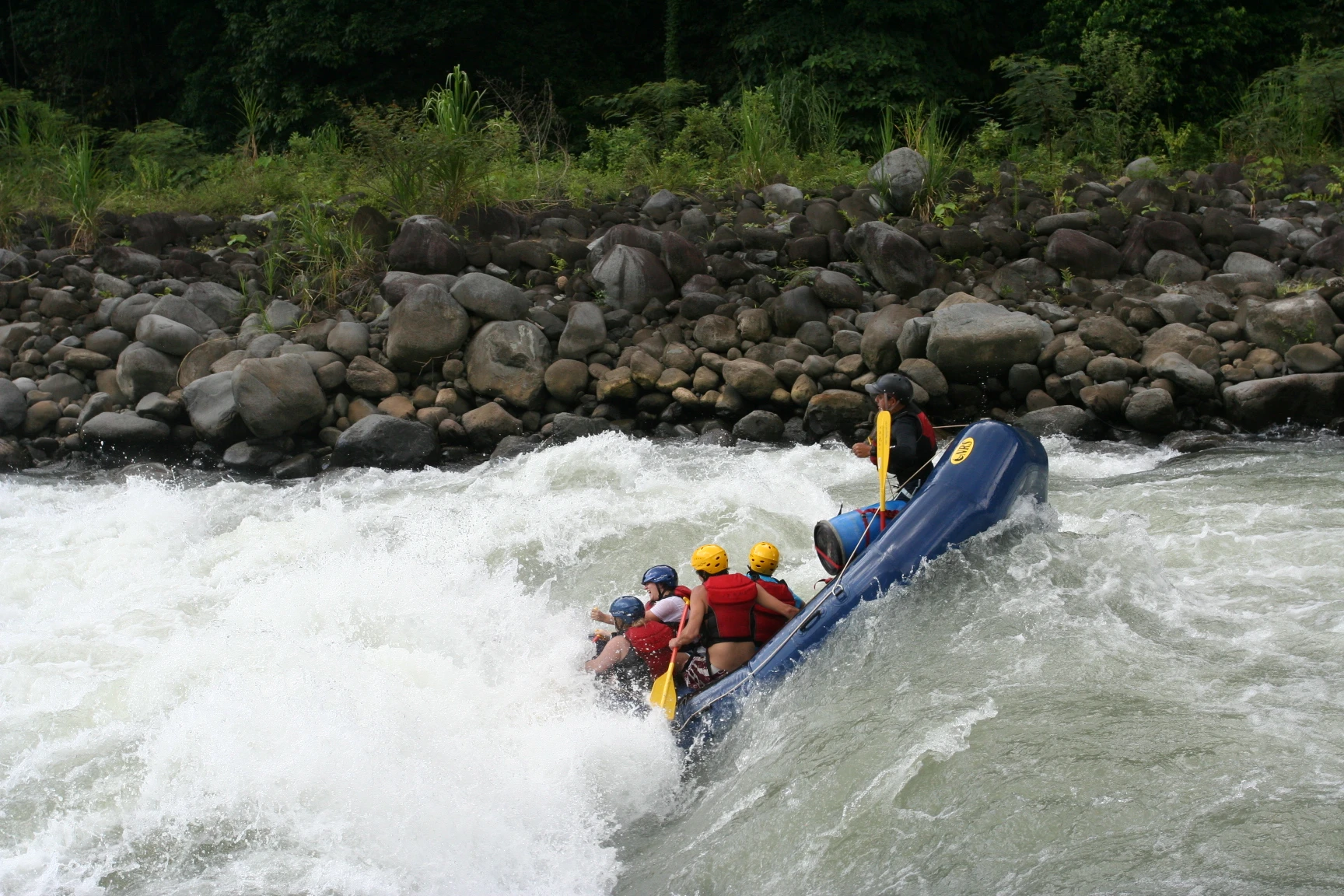
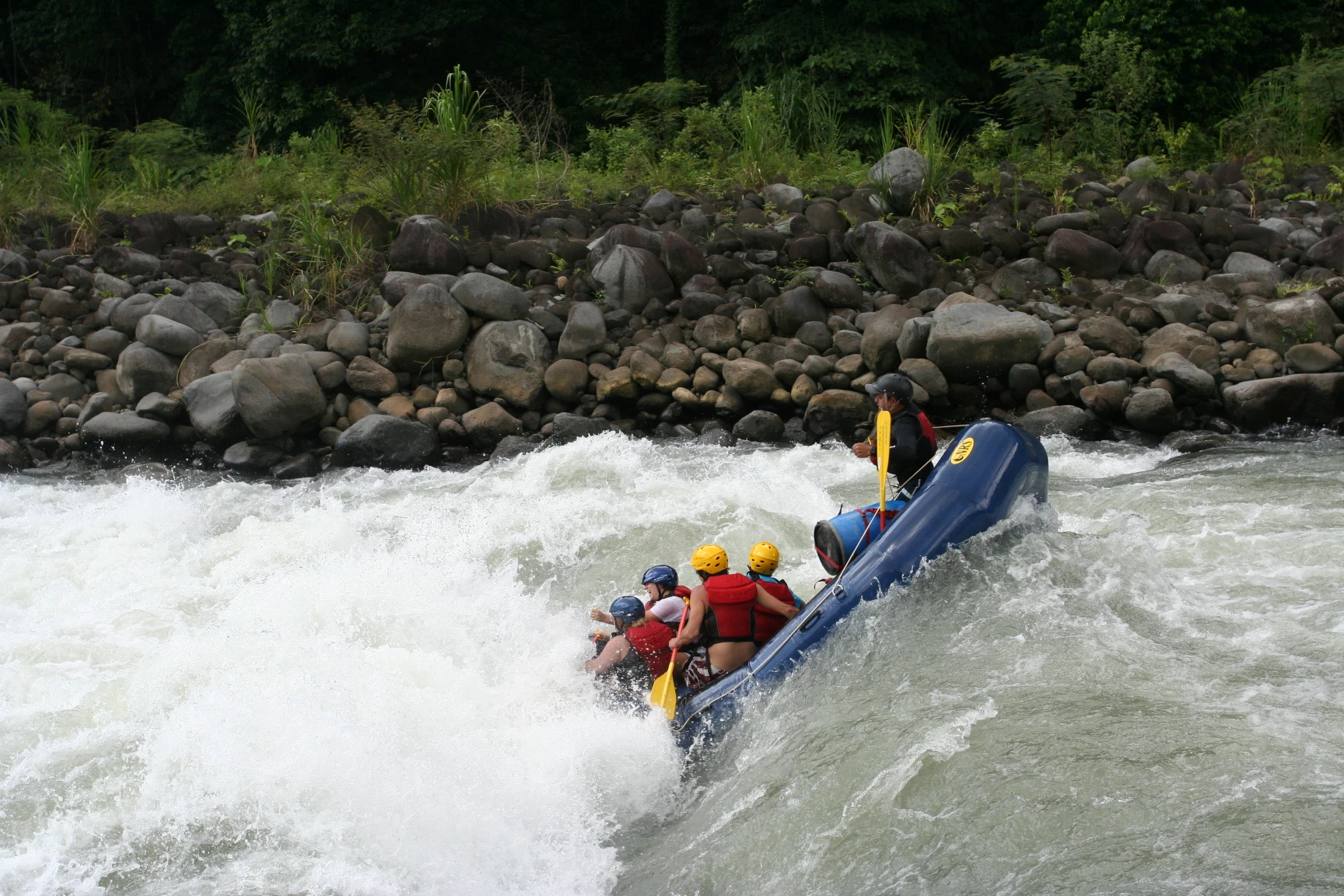
The Pacuare combines sustained Class III–IV whitewater with a deep rainforest corridor where waterfalls enter the canyon between rapids. Full-day runs are the common choice; overnight trips add a riverside lodge or camp and let the quieter forest become as important as the paddling. Transfers are often available from San José, Turrialba or the Caribbean route.
Book a reputable outfitter that supplies helmets, flotation and river-specific leaders, then disclose swimming ability and medical concerns. Water level changes the character of the run, particularly in wetter months. A cancellation, shortened section or move to another river is evidence of competent judgment, not a reason to pressure the crew.
2. Summit Cerro Chirripó
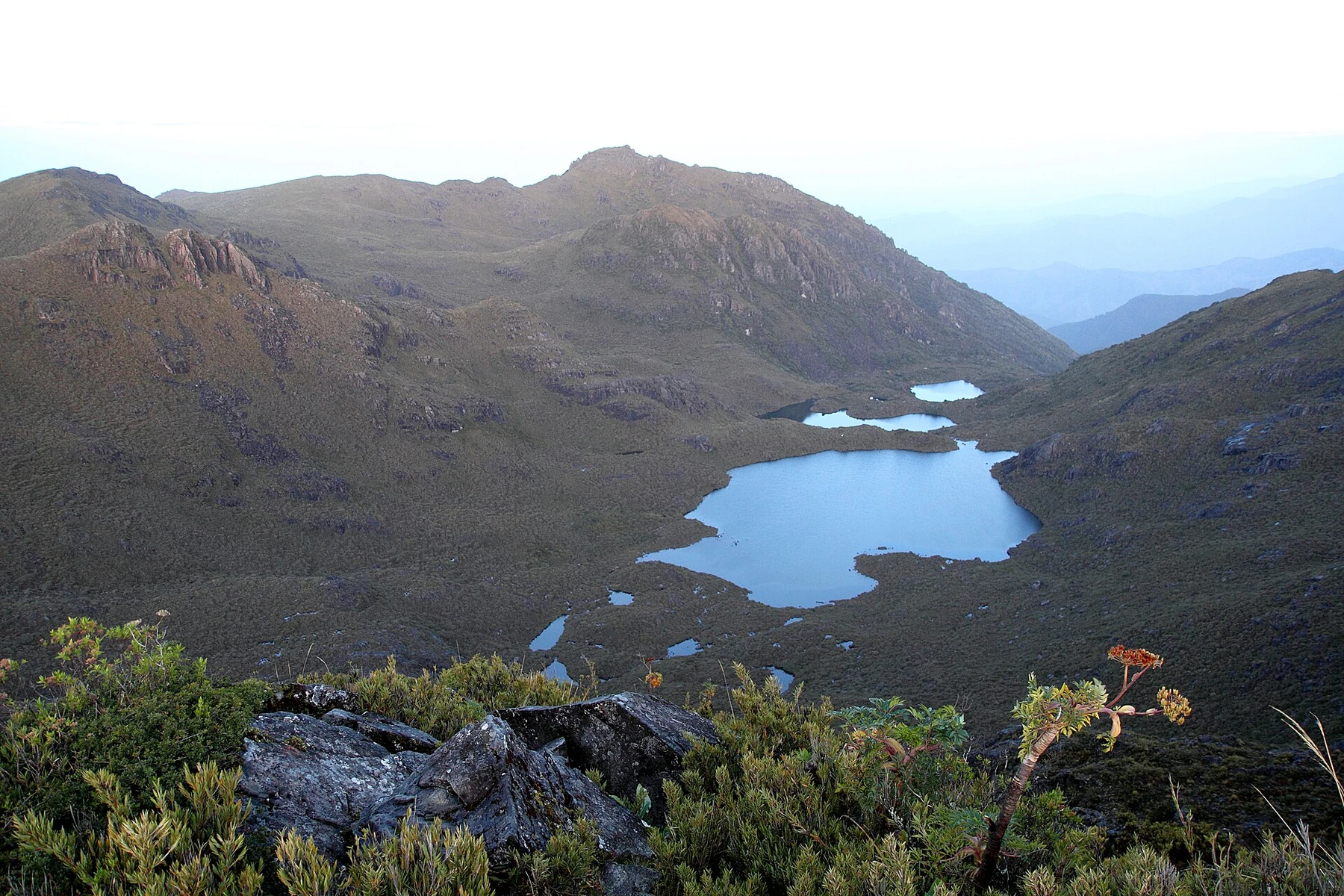
Costa Rica's highest summit rises to 3,820 metres above montane forest and páramo. The usual San Gerardo de Rivas itinerary climbs to Crestones Base Lodge, sleeps at altitude and attempts the summit early the next day, although extra time allows side trips to Crestones, Terbi or highland valleys.
Reserve park entry and lodging through the current official system well ahead; spaces and separate services can sell out. The climb to the lodge commonly takes six to nine hours and gains substantial elevation. Train for consecutive steep days, carry rain protection and warm layers, and spend the previous night near the trailhead rather than arriving directly from the coast.
3. Crawl through Venado Caves
Venado's limestone passages offer a wet, hands-on cave experience north of La Fortuna. Guided circuits involve underground streams, low ceilings, narrow sections and close observation of rock formations and cave fauna. Most excursions take around two hours underground, plus the road journey from the Arenal area.
Use the supplied helmet and reliable light and expect every item of clothing to become muddy. Ask whether the route includes squeezes or deep water, and disclose claustrophobia, mobility or medical concerns before entering. Heavy rain can change underground conditions; follow the guide's decision rather than assuming a cave is unaffected by surface weather.
4. Swim through Catarata La Leona's canyon
La Leona near Curubandé combines forest walking, river crossings and a final assisted swim through a narrow volcanic canyon toward the waterfall. It is a participatory half-day rather than a conventional viewpoint visit, and different operators may use different access points or package lengths.
Go with an established local guide and wear the provided flotation and helmet. Ask how much swimming and scrambling the route requires, whether jumps can be bypassed and what happens after upstream rain. Keep valuables in a proper dry bag. High water can make the slot unsafe even when the trailhead is sunny.
5. Surf Playa Grande
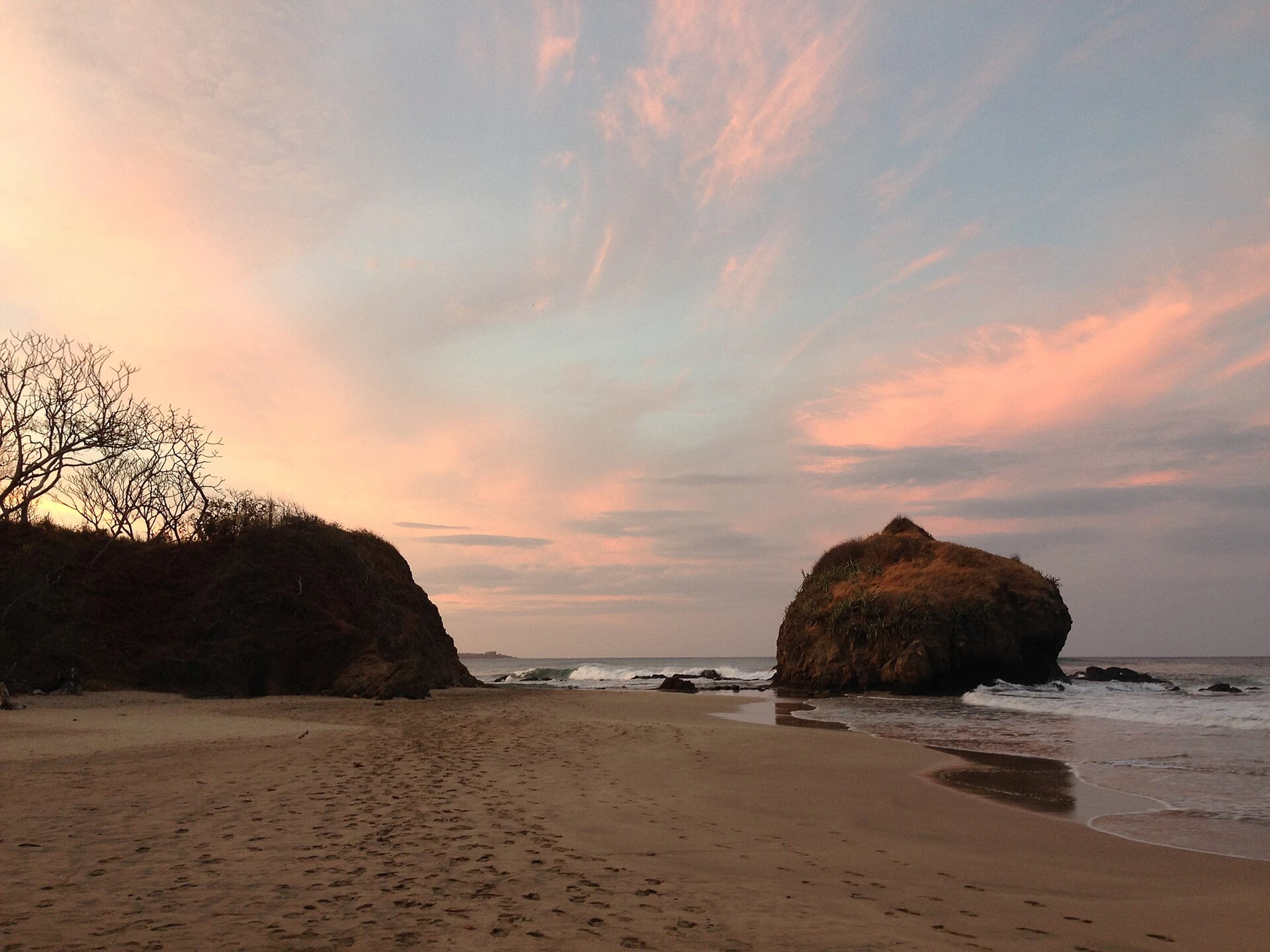
Playa Grande pairs consistent Pacific surf with the protected coastal environment of Las Baulas National Marine Park. Beach breaks shift with tide, sand and swell, giving instructors options on smaller days while larger sets create strong current and conditions better suited to experienced surfers.
Tamarindo offers the broadest choice of schools, but staying in Playa Grande avoids the estuary crossing and supports early sessions. Beginners should book a lesson rather than rent a board blindly. Respect nesting-season beach rules, never leave equipment or belongings unattended and ask instructors which section is appropriate that morning.
6. Surf Pavones
Pavones is famous for exceptionally long left-hand rides when south swell and tide align. Its remote Golfo Dulce setting makes it a destination for a multi-night surf stay rather than a reliable single-session detour; on quiet days the wave may be modest, while the main break becomes fast and crowded with size.
This is not automatically a beginner wave. Watch the entry, rocks and priority pattern before paddling out, and use local coaching if your experience genuinely matches the conditions. Carry cash and basic repair supplies, and leave itinerary space for changing swell instead of driving long distances for one forecast window.
7. Dive the Catalina Islands
The Catalina Islands off Guanacaste feature volcanic rock formations and encounters that may include rays, sharks, turtles, octopus and schooling fish. Boats commonly leave from the Flamingo, Potrero, Tamarindo or Playas del Coco areas, with two dives filling most of a day once transport and surface intervals are included.
Visibility and current vary substantially. Use a certified operator, be candid about your certification and recent experience, and ask whether the selected sites involve negative entries or blue-water descents. Manta rays and other headline wildlife are possibilities, never guarantees; choosing a well-matched site matters more than chasing one species.
8. Dive the Bat Islands
The Bat Islands in the far north offer more exposed and advanced diving, best known for the possibility of bull-shark encounters at Bajo del Diablo. Long boat travel, current, surge and depth raise the commitment well above a typical resort dive. Playas del Coco is a common departure base.
Choose this only if you meet the operator's certification, logged-dive and recent-experience requirements. Ask about sea conditions, oxygen, emergency communications and the journey time. A conservative decision to use a Catalina or local site instead is part of competent diving, especially after a long period out of the water.
9. Snorkel Caño Island
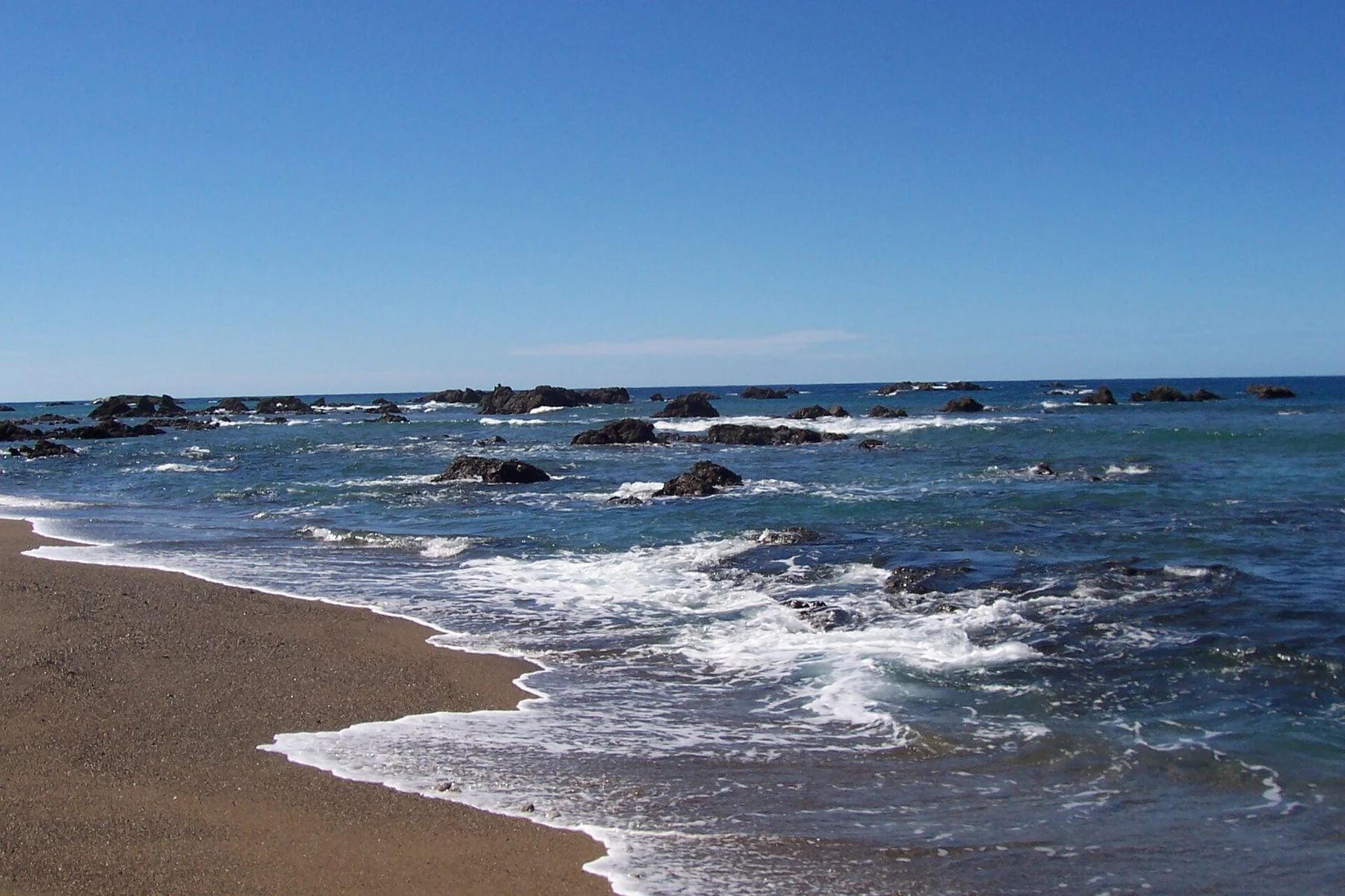
Caño Island Biological Reserve offers protected-water snorkeling reached by boat from Drake Bay and other authorized Osa departure points. Reef fish, turtles, rays, dolphins and sharks may be encountered, while the open-ocean crossing gives the trip an expedition feel. Most outings occupy a full day including travel and a mainland lunch stop.
Reserve through an authorized operator and wear flotation if requested. Sea state and visibility can change, so weak swimmers should say so before boarding. Do not touch reef life or pursue turtles, and use protective clothing or apply reef-conscious sun protection well before entering the water.
10. Zipline through Monteverde cloud forest
Monteverde's canopy courses use the height and topography of the cloud-forest region for long lines, suspended bridges and, on some circuits, optional swings or rappels. The activity itself usually takes two to four hours, but transfers, check-in and weather pauses make a half-day the sensible allowance.
Compare courses by setting, group size and safety practice—not only by the longest cable. Staff should check weight and age limits, inspect equipment and explain braking clearly. High wind or thunderstorms may stop operations. Choose optional jumps only if you want them; a reputable operator should not pressure participation.
11. Kayak the Sierpe–Térraba mangroves
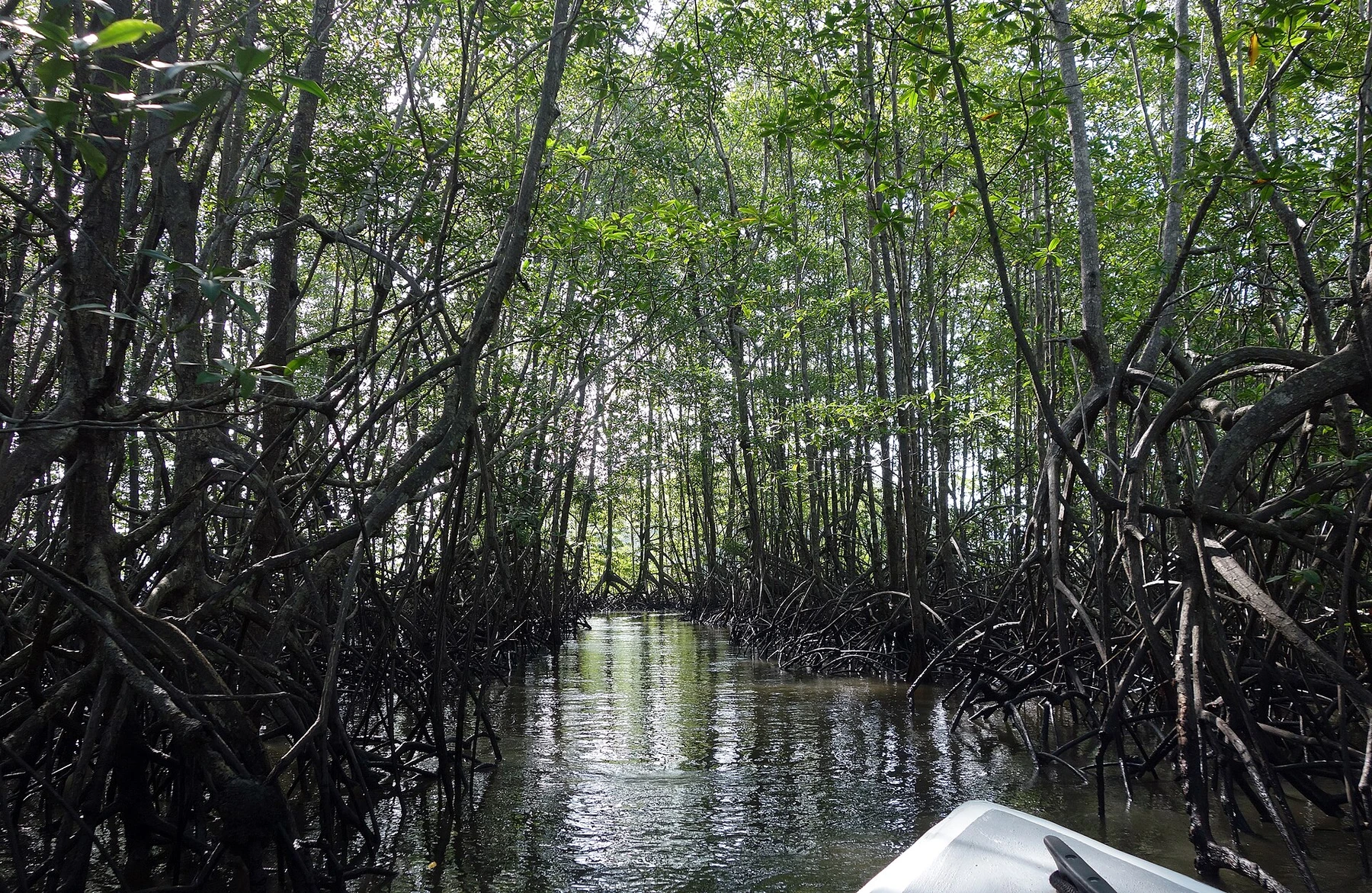
Paddling from Sierpe brings you quietly into Costa Rica's largest mangrove system, where tide determines which channels open and birds, reptiles and mammals use the forest edge. A guided outing commonly lasts two to four hours and fits naturally before or after a longer stay in Drake Bay or the Osa Peninsula.
Use a guide who understands tidal current and maintains wildlife distance. Wear flotation, carry drinking water and protect against sun even under partial canopy. Motorboats share sections of the river, so visibility and group control matter. A kayak gives intimacy, not permission to push closer to crocodiles or roosting birds.
12. Kayak Tamarindo Estuary
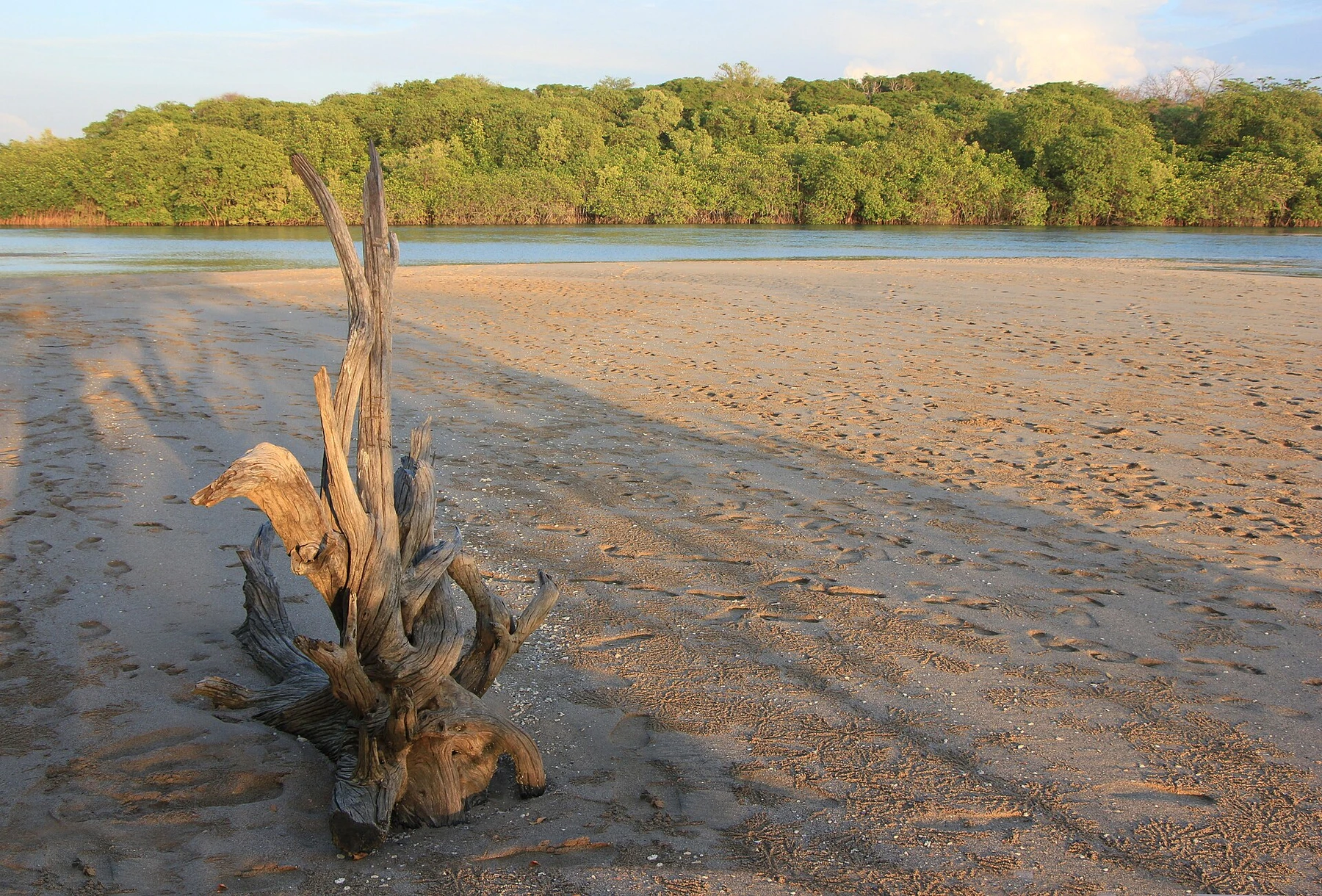
The estuary behind Playa Grande offers a gentler paddle through mangrove habitat close to Tamarindo. Trips are planned around tide and commonly take two to three hours, making this a useful lower-intensity counterpoint to surfing or diving. Birds, howler monkeys and crocodiles may be present without any guaranteed sighting.
Launch through an established concession or guide rather than improvising an estuary crossing. Stay with the group, keep hands out of the water near wildlife and bring sun protection. Wind and outgoing current can make the return harder than the outward paddle, even when the channel first appears calm.
13. Hike old lava trails at Arenal
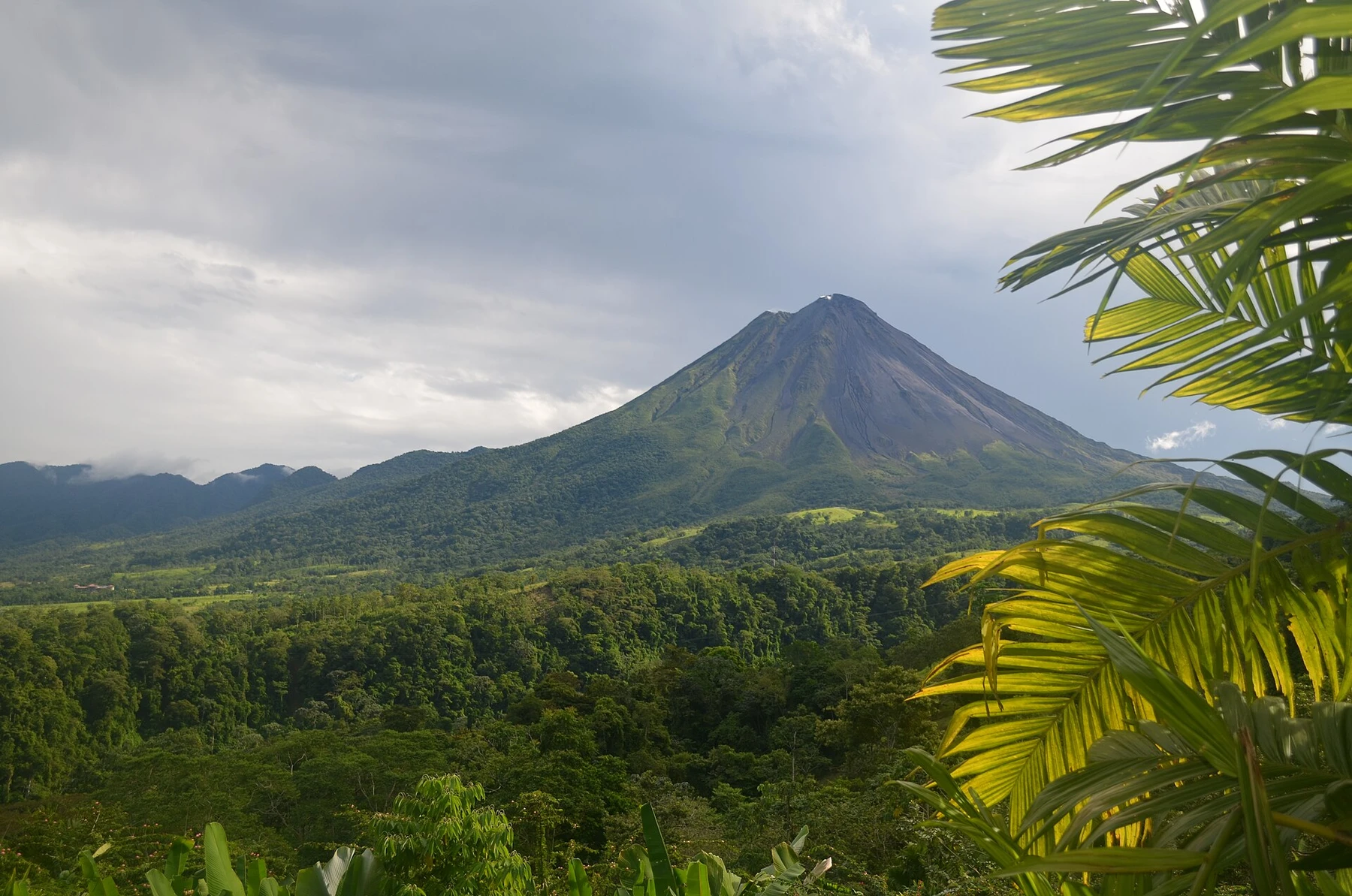
Arenal's managed trails cross regenerating forest and rocky remnants of earlier eruptions beneath the volcano's cone. A typical circuit takes two to four hours, with national-park paths and nearby private reserves offering different combinations of lava, forest, bridges and viewpoints. La Fortuna is the practical base.
Cloud can hide the summit for an entire day, but the vegetation and lava history still make the walk worthwhile. Stay within official parks or managed reserves and do not attempt unofficial summit routes or closed volcanic zones. Check which entrance your ticket covers before driving around the lake-facing road network.
14. Walk Rincón de la Vieja's geothermal loop
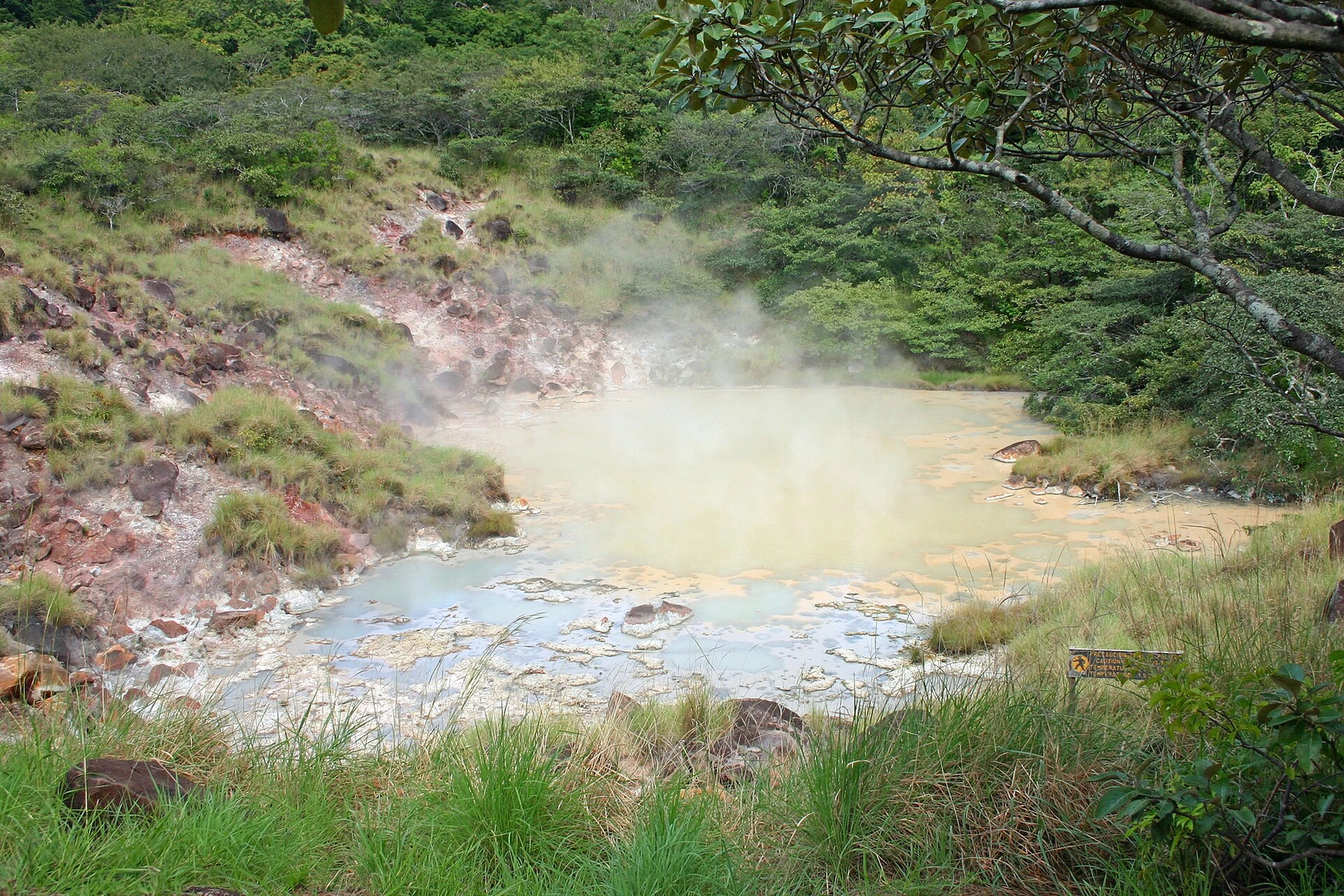
The three-kilometre Las Pailas circuit passes fumaroles, hot pools and bubbling mud while transitioning between dry and wetter forest. SINAC estimates roughly two hours, making it the strongest approachable geothermal walk in Costa Rica without a summit climb. Liberia and the lodge corridor east of the park are common bases.
Reserve through the current system, carry water and wear closed shoes. Temperatures at geothermal features can be extreme, and thin crust makes every barrier meaningful. The active-crater trail is closed; do not confuse an old summit description with current access. Longer waterfall trails require four to five hours and separate water and timing plans.
15. Explore Corcovado with a naturalist guide
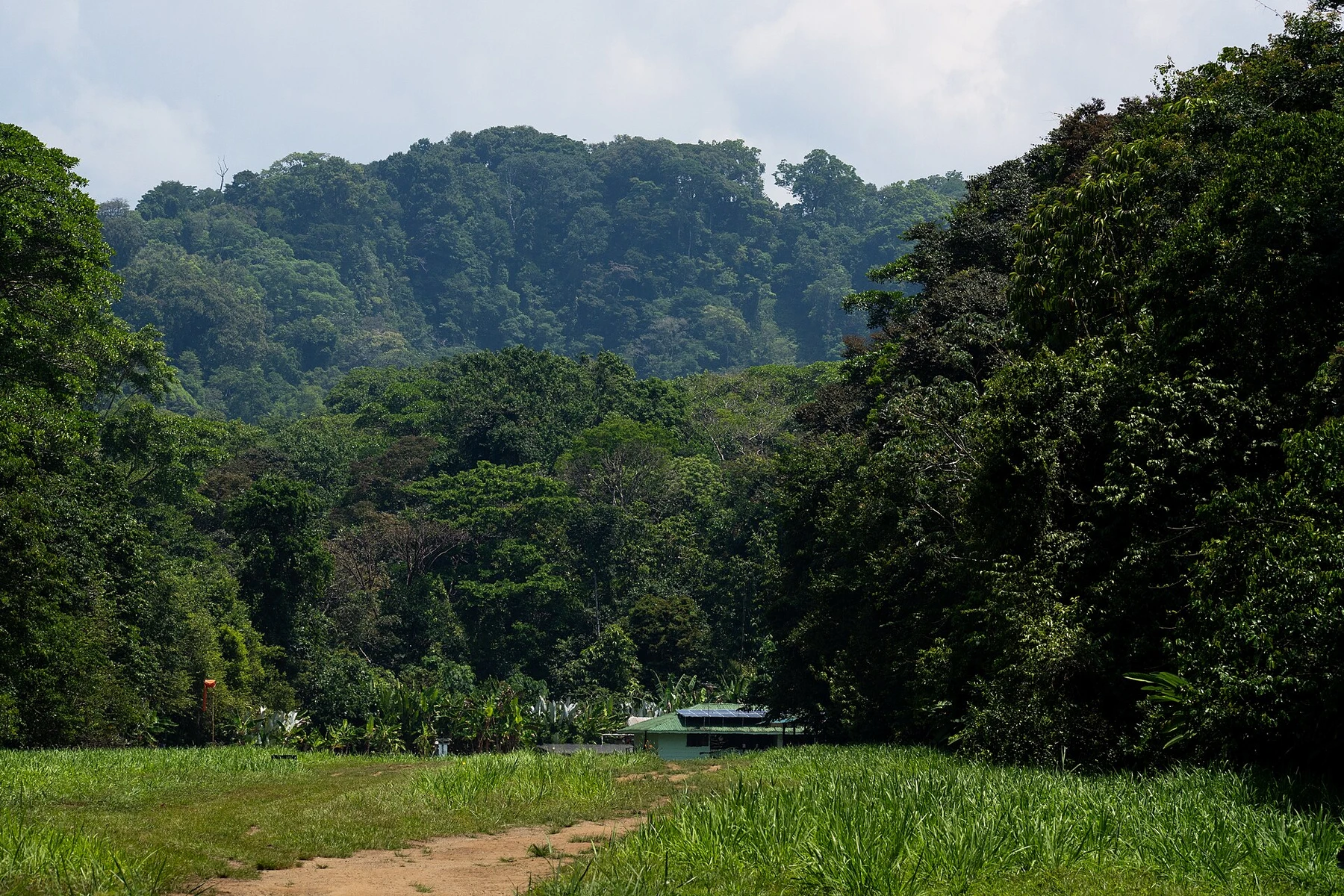
Corcovado's Sirena sector combines rainforest hiking, remote access and wildlife tracking in one of Costa Rica's most complex protected landscapes. Visitors commonly reach it by boat from Drake Bay or Puerto Jiménez-area services, while longer routes between park stations carry stricter guide and logistical requirements.
Reserve in advance and use a registered naturalist who can explain current sector rules. Allow a full day or an overnight rather than treating Sirena as a quick wildlife stop. Humidity, river or surf landings and simple facilities are part of the commitment. Wildlife is never guaranteed; tracks, calls and habitat should remain worthwhile without a tapir sighting.
How to choose your Costa Rica adventure
Choose Pacuare rafting for a signature high-adrenaline river day and Chirripó for a multi-day physical objective. Around La Fortuna, pair one cave or lava experience with recovery time rather than stacking tours. Guanacaste works for diving, surfing, Rincón de la Vieja and La Leona; the Osa Peninsula is better treated as a separate journey for Caño Island, Corcovado and Sierpe.
Skill should decide between similar activities. New divers are better served by appropriate Catalina sites than the Bat Islands, first-time surfers need a lesson on a manageable beach, and anyone uncertain in current should tell the rafting or kayaking guide before departure.
Dig deeper with the guides to Costa Rica's best waterfalls, best hikes, best volcano experiences and best wildlife experiences.
How much time should you allow?
La Fortuna, Monteverde and Guanacaste each work best with at least three nights because weather may move an activity. Chirripó requires its own two- or three-day block plus recovery, while Drake Bay and Corcovado deserve several nights once boat travel is included. The Pacuare can fit a transfer day only when the operator explicitly coordinates pickup and luggage.
Avoid planning a strenuous summit immediately after diving or a full rafting day before a long self-drive. Costa Rica is compact on a map, but mountain roads, ferries and river-dependent departures routinely take longer than expected.
Before booking
- Verify guide credentials, insurance expectations, group size and cancellation rules.
- Ask what equipment is included and what swimming, certification or fitness the activity assumes.
- Treat river, ocean, volcanic and wildlife closures as safety decisions.
- Avoid operators that feed, touch or promise close contact with wildlife.
- Leave recovery and weather time between demanding activities.