

Costa Rica's best wildlife experiences happen in functioning habitats, not on a checklist. You may wait quietly beneath a fruiting tree, travel by boat through flooded forest or follow a guide into remote rainforest without seeing the species you imagined. That uncertainty is part of encountering wild animals responsibly. A missed tapir can still mean macaw calls, fresh tracks and a deeper understanding of the forest.
Timing improves the odds but never creates a guarantee. Turtle nesting, whale migration, fruiting trees and wetland water levels all follow seasonal patterns that vary from year to year. Use authorized guides where access is controlled, keep groups small and reject operators that feed, touch or corner animals. The experiences below explain the best general timing, practical base and access model so wildlife watching can shape a trip without turning animals into promised products.
Costa Rica wildlife at a glance
| Experience | Region | Best known for | General timing |
|---|---|---|---|
| Sirena, Corcovado | Osa Peninsula | Lowland rainforest diversity | Year-round; access varies |
| Tortuguero canals | Caribbean | Wildlife from the water | Year-round; water and rain vary |
| Tortuguero beach | Caribbean | Nesting sea turtles | Species-dependent seasons |
| Marino Ballena | South Pacific | Humpback whales | Two broad migration periods |
| San Gerardo de Dota | Central highlands | Resplendent quetzals | Year-round, fruiting cycles matter |
| Ostional | Nicoya Peninsula | Olive ridley arribadas | Lunar and natural cycles |
The 10 best wildlife experiences in Costa Rica
1. Explore Corcovado's Sirena sector
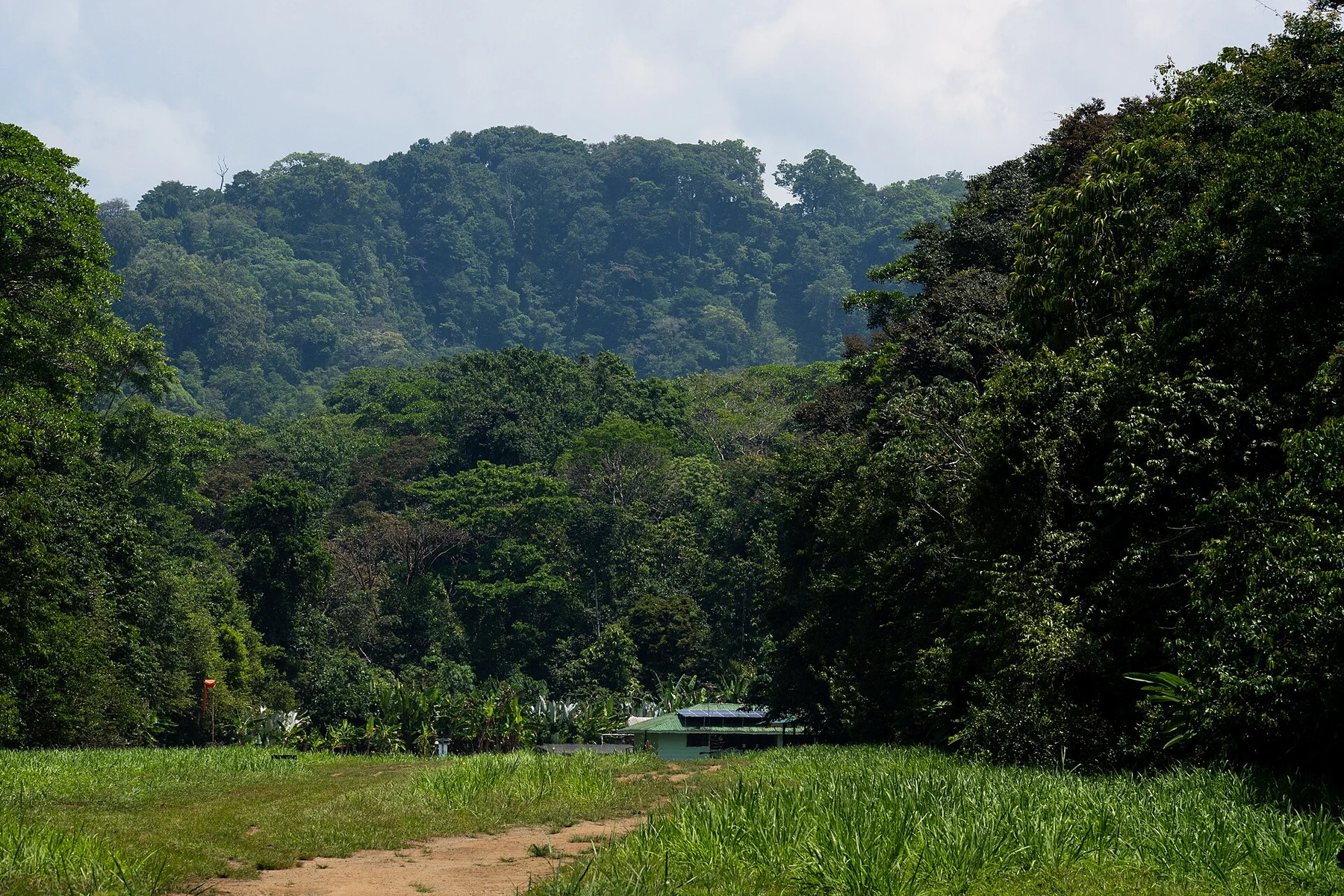
Corcovado National Park protects an exceptional expanse of lowland rainforest on the Osa Peninsula. Sirena's trails can reveal tapirs, monkeys, peccaries, macaws and countless smaller species, but the deeper reward is learning how tracks, fruiting trees and alarm calls connect a complex ecosystem.
Reserve in advance and follow current guide requirements for the exact route. Day trips commonly arrive by boat from Drake Bay, while overnight and station-to-station plans require more logistics. Use a registered naturalist, carry water and secure food. Several nights on the Osa give weather and wildlife more than one chance.
2. Cruise Tortuguero's canals
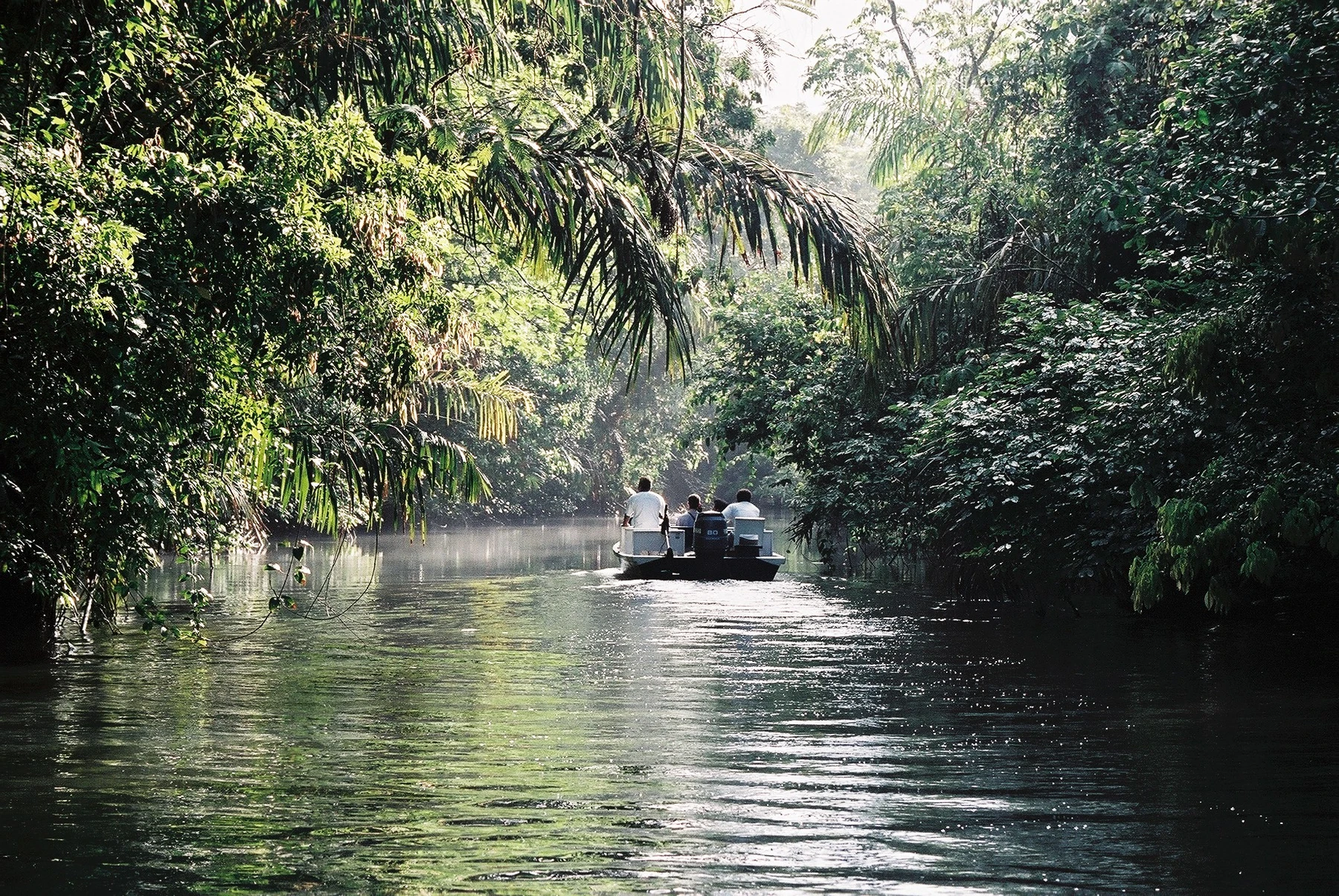
Tortuguero's navigable waterways turn wildlife watching into a quiet journey through flooded rainforest. Monkeys, caimans, river turtles, iguanas and waterbirds may appear along the banks while boats and kayaks provide access without carving roads through habitat. Dawn generally brings cooler air, softer light and more activity.
Stay at least two nights in Tortuguero village or a nearby lodge and use an authorized small-group outing. Low speed and quiet observation reveal more than racing toward a reported animal. Keep hands inside the boat, wear flotation when directed and combine a motorboat trip with a paddle only if current and weather suit your ability.
3. Watch sea turtles nest at Tortuguero
Tortuguero's beach supports nesting by green turtles and other species during distinct parts of the year. Controlled night walks may reveal a female digging, laying or returning to sea, but guides decide what can be observed without interrupting the process. Exact timing and open sectors change with species and season.
Enter only through the official authorized system. Dark clothing and patient silence matter; phones, lights and photography restrictions must be followed exactly. Stay in the village rather than attempting a late transfer, and remember that a guide cannot guarantee nesting during one time slot.
4. Watch humpback whales at Marino Ballena
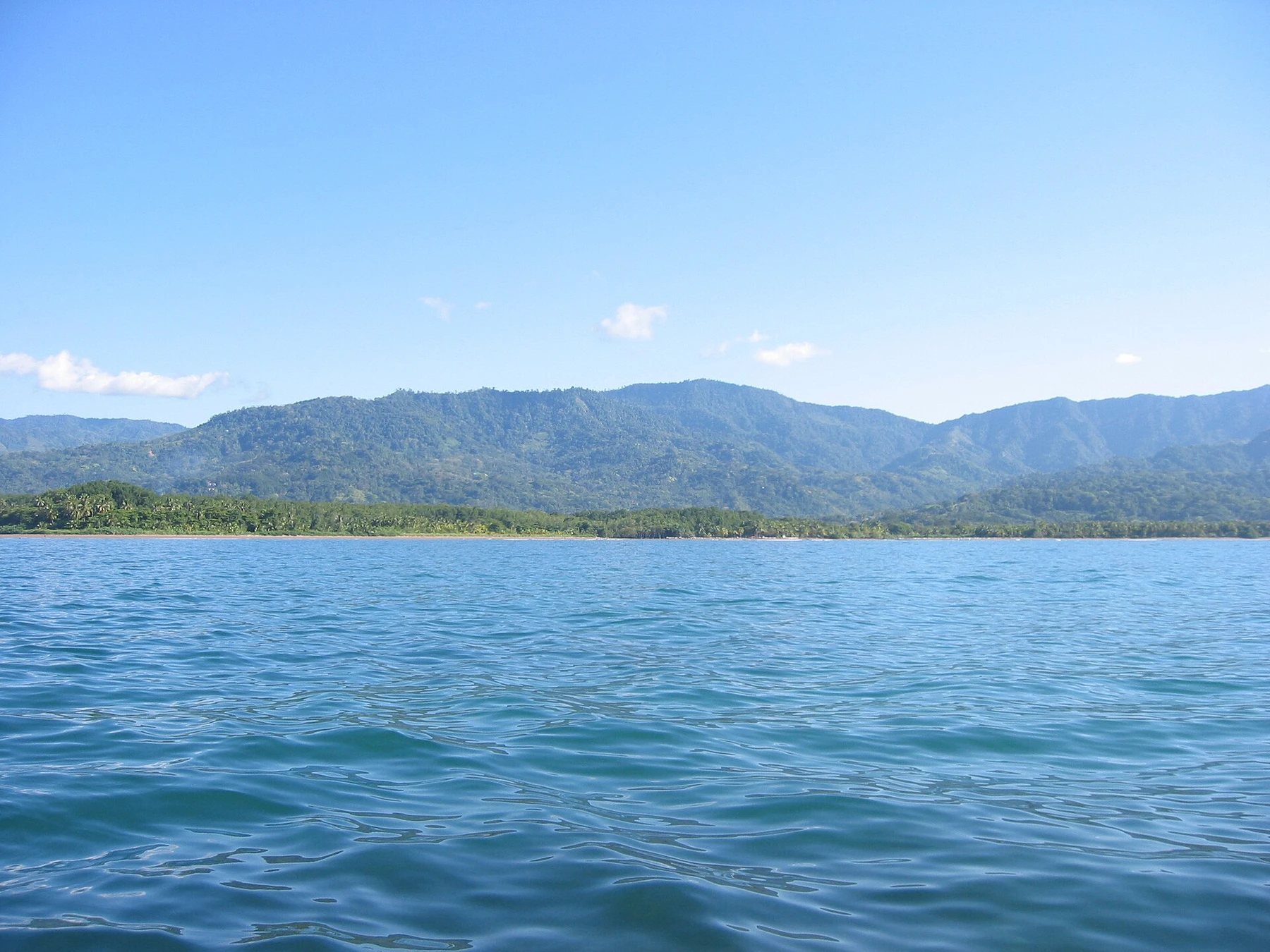
The waters off Uvita receive humpback whales from northern and southern migratory populations during broad parts of the year. A responsible boat trip may reveal blows, tail flukes and mothers with calves against the forested coast, while dolphins, seabirds and the marine park's coastline add value between sightings.
Choose an authorized operator that maintains distance, limits observation time and never cuts across an animal's path. Allow several nights in Uvita because sea conditions can cancel departures. Ask which population is normally present during your dates rather than relying on one generic “whale season.”
5. Seek resplendent quetzals in San Gerardo de Dota
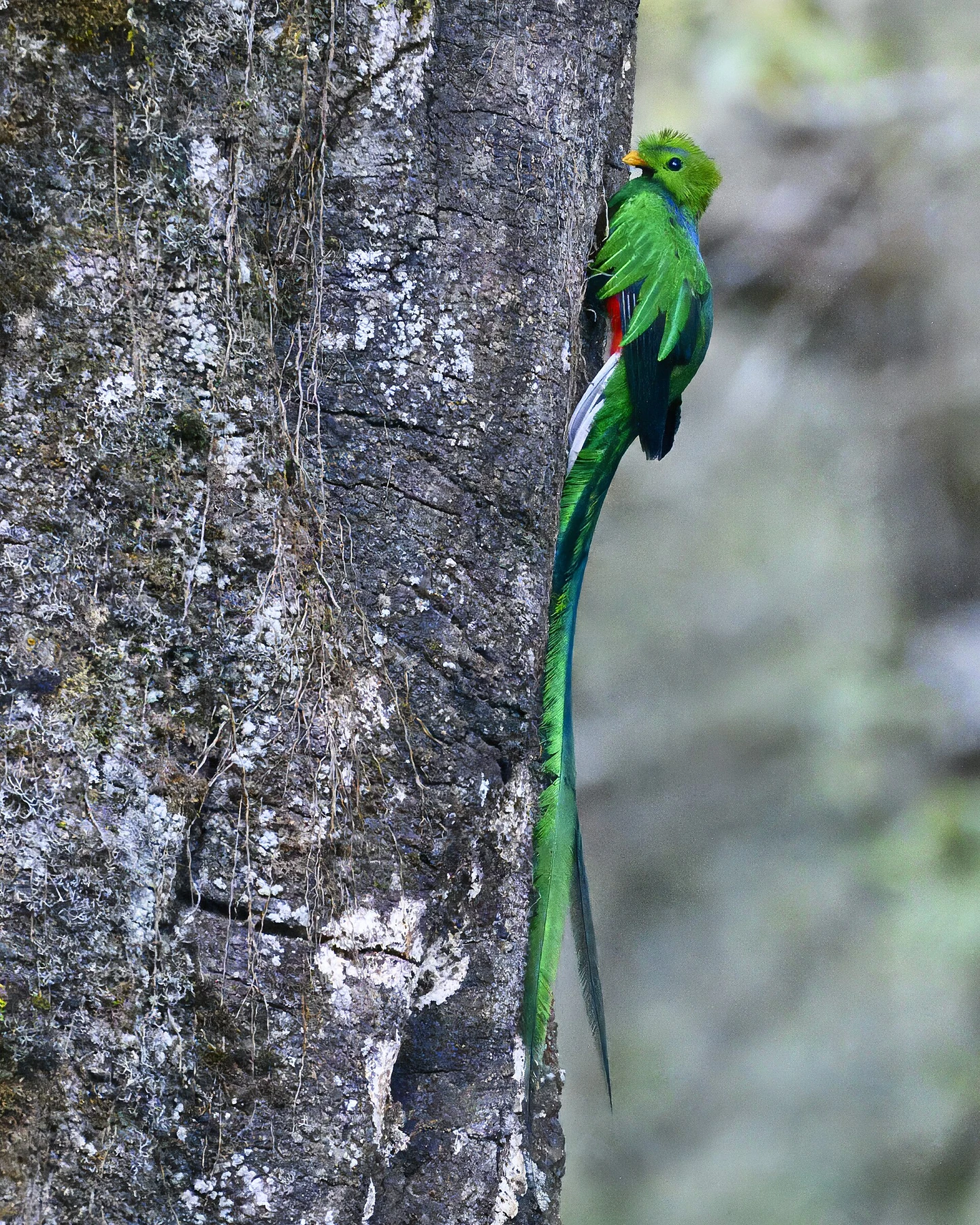
The cool Savegre valley holds highland forest where resplendent quetzals move among wild avocado and other fruiting trees. Early-morning guided birding improves the chance of finding them and adds context about calls, nesting, elevation and forest health. The valley remains rewarding for hummingbirds and mixed flocks without a quetzal.
Stay overnight in San Gerardo de Dota so the outing can begin before day visitors arrive. Use a local guide, keep groups from clustering beneath one bird and avoid excessive playback, especially during breeding. Binoculars create a better encounter than walking closer for a phone photograph.
6. Witness an Ostional arribada
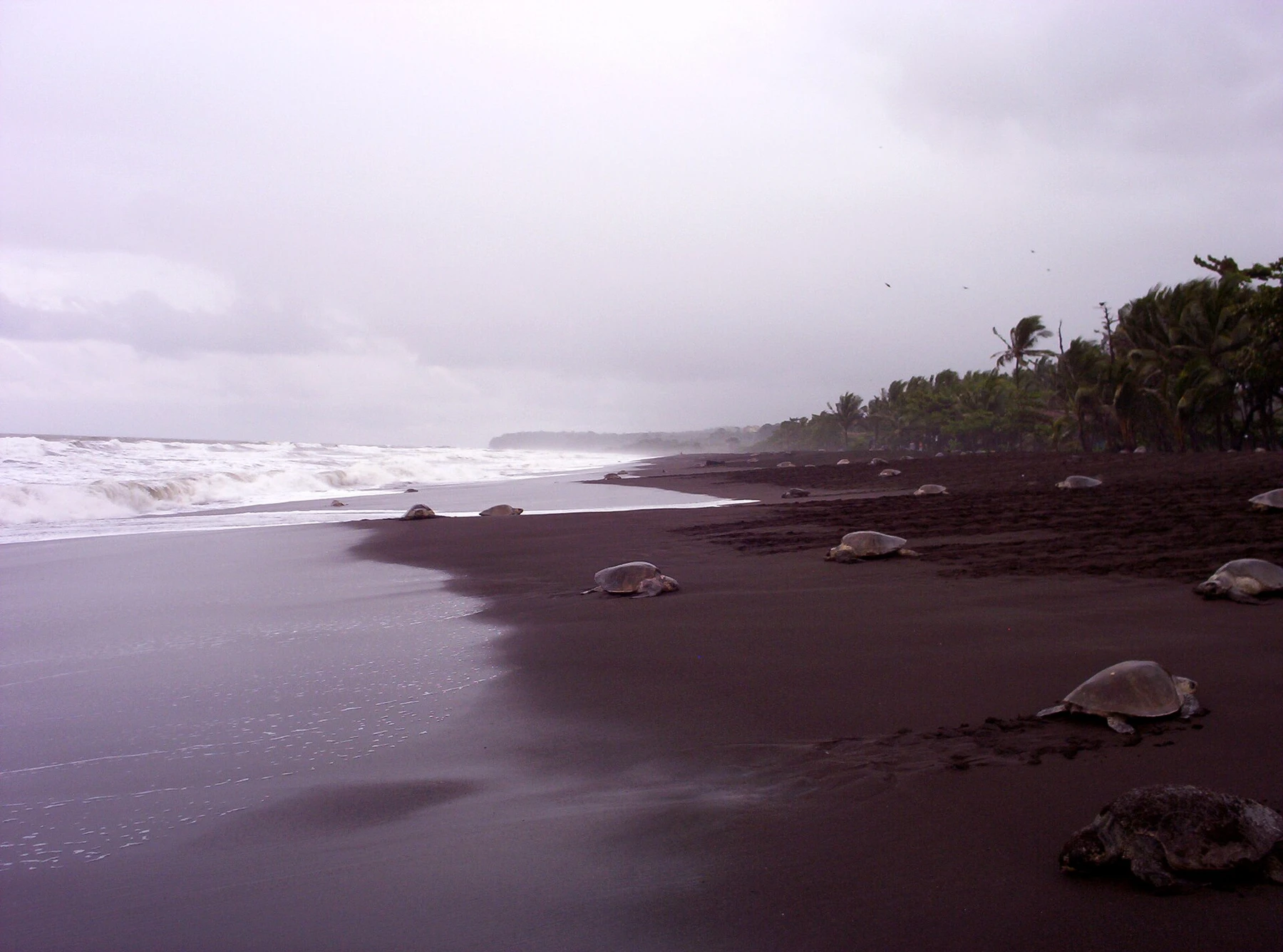
At Ostional, large numbers of olive ridley turtles may arrive over a concentrated nesting event known as an arribada. These events follow natural and lunar cycles rather than a fixed visitor timetable; community monitoring determines when controlled access operates and which parts of the beach are open.
Use the authorized local system and follow guides on distance, movement and photography. Never touch turtles, block their path or handle hatchlings unless trained conservation staff explicitly direct an intervention. Stay near Ostional or Nosara with flexible dates instead of arranging a long night drive around an unconfirmed forecast.
7. Boat through Caño Negro Wildlife Refuge
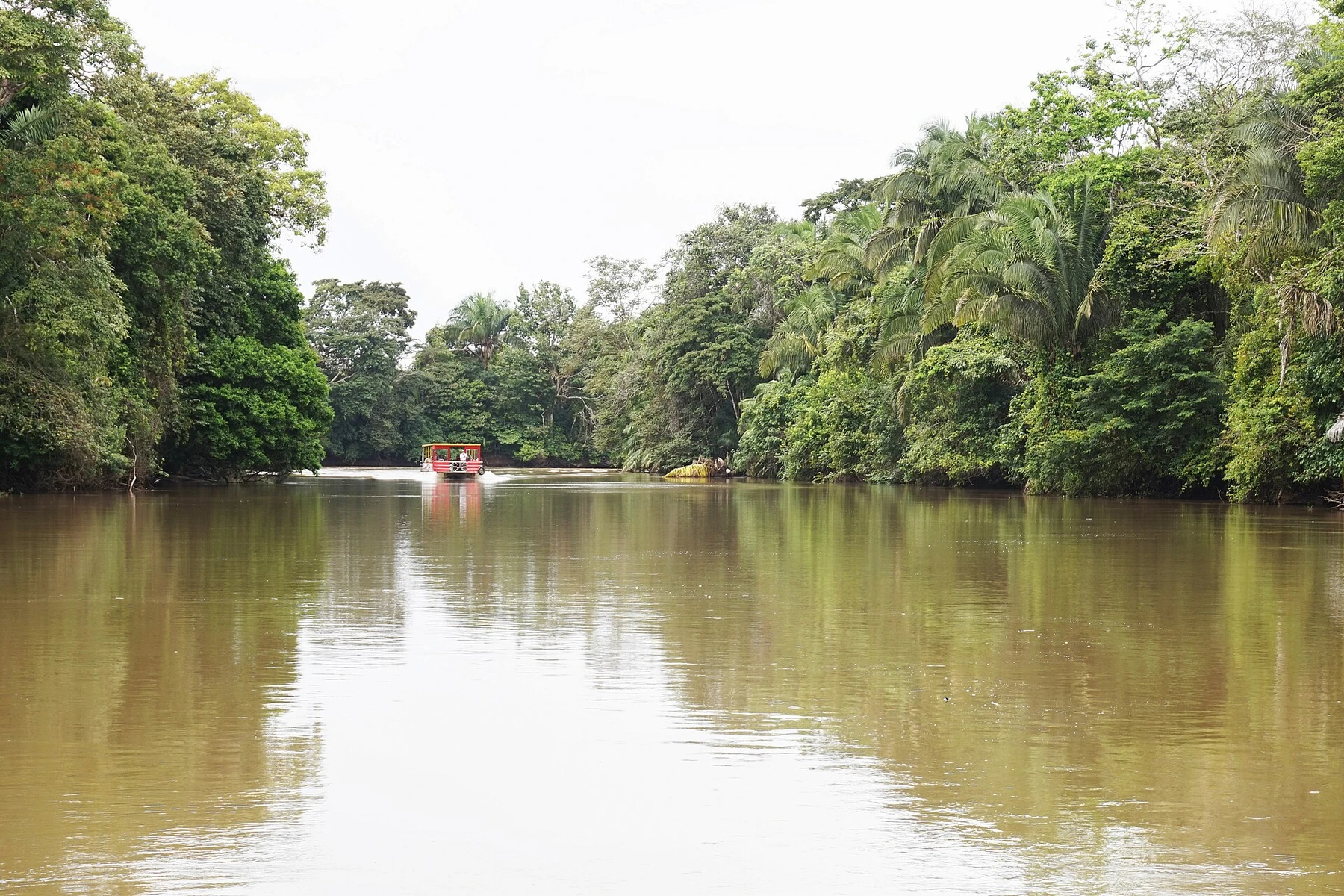
Caño Negro's wetlands in northern Costa Rica support waterbirds, reptiles and riverside mammals, with seasonal water levels reshaping both boat routes and wildlife concentrations. Trips often leave from the Los Chiles area or operate as long excursions from La Fortuna, though an overnight nearby creates a quieter start.
Use a local naturalist who understands the wetland's seasonal rhythm. Wear sun protection, bring binoculars and keep the boat at an observing distance from caimans, nesting birds and monkeys. Ask how much of an advertised day is road transfer before booking from Arenal.
8. Bird at La Selva Biological Station
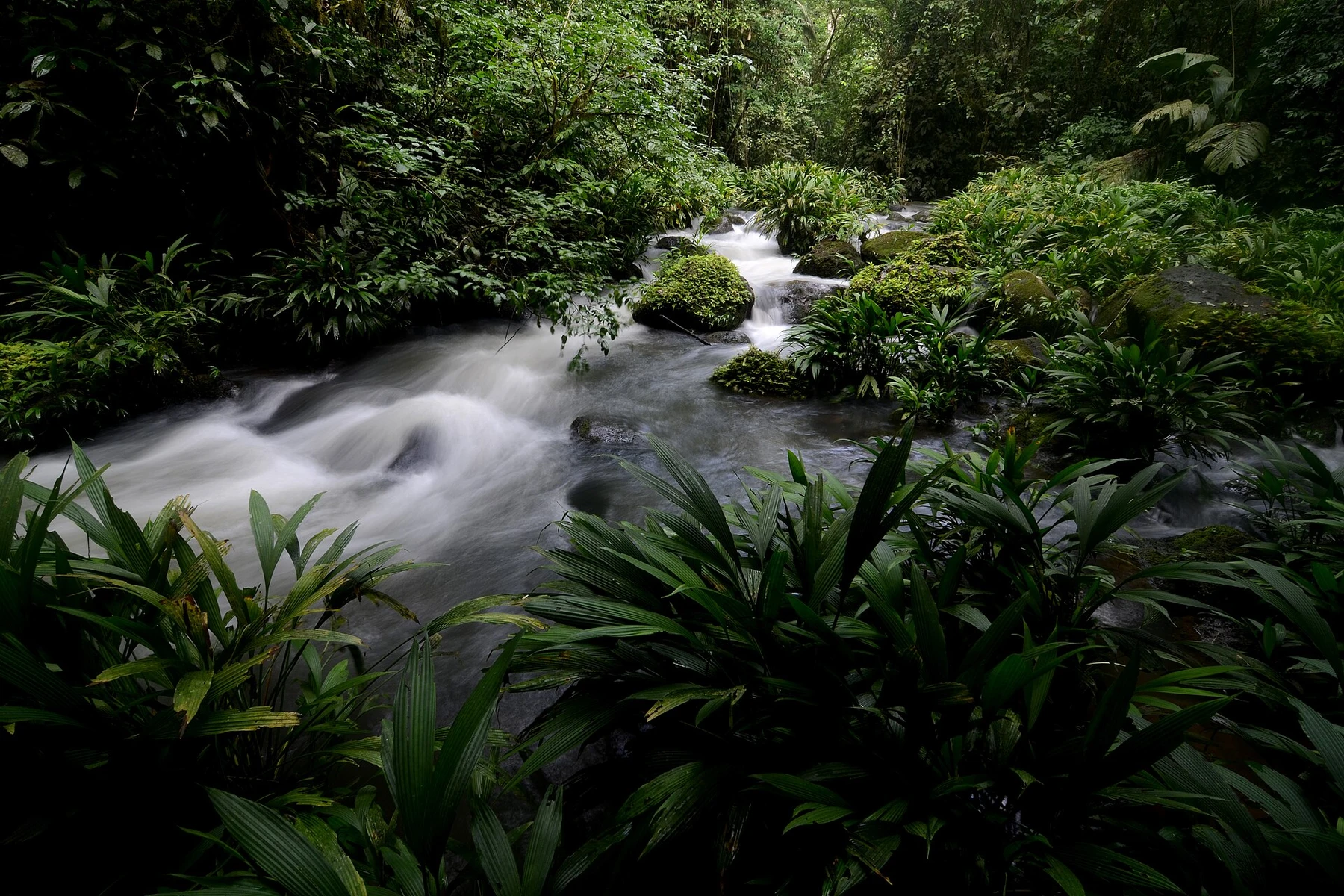
La Selva protects Caribbean lowland forest and has a long history of tropical research. Authorized guided walks may reveal toucans, trogons, hummingbirds, frogs, insects and the ecological relationships connecting forest and river. The value is expert interpretation rather than chasing only the station's longest species list.
Reserve a visitor program and use Puerto Viejo de Sarapiquí as the local base. Morning walks are usually cooler and more active, while rain gear remains useful year-round. Stay outside research areas, keep voices low and never handle an animal found beside the trail.
9. Cruise the Tárcoles River
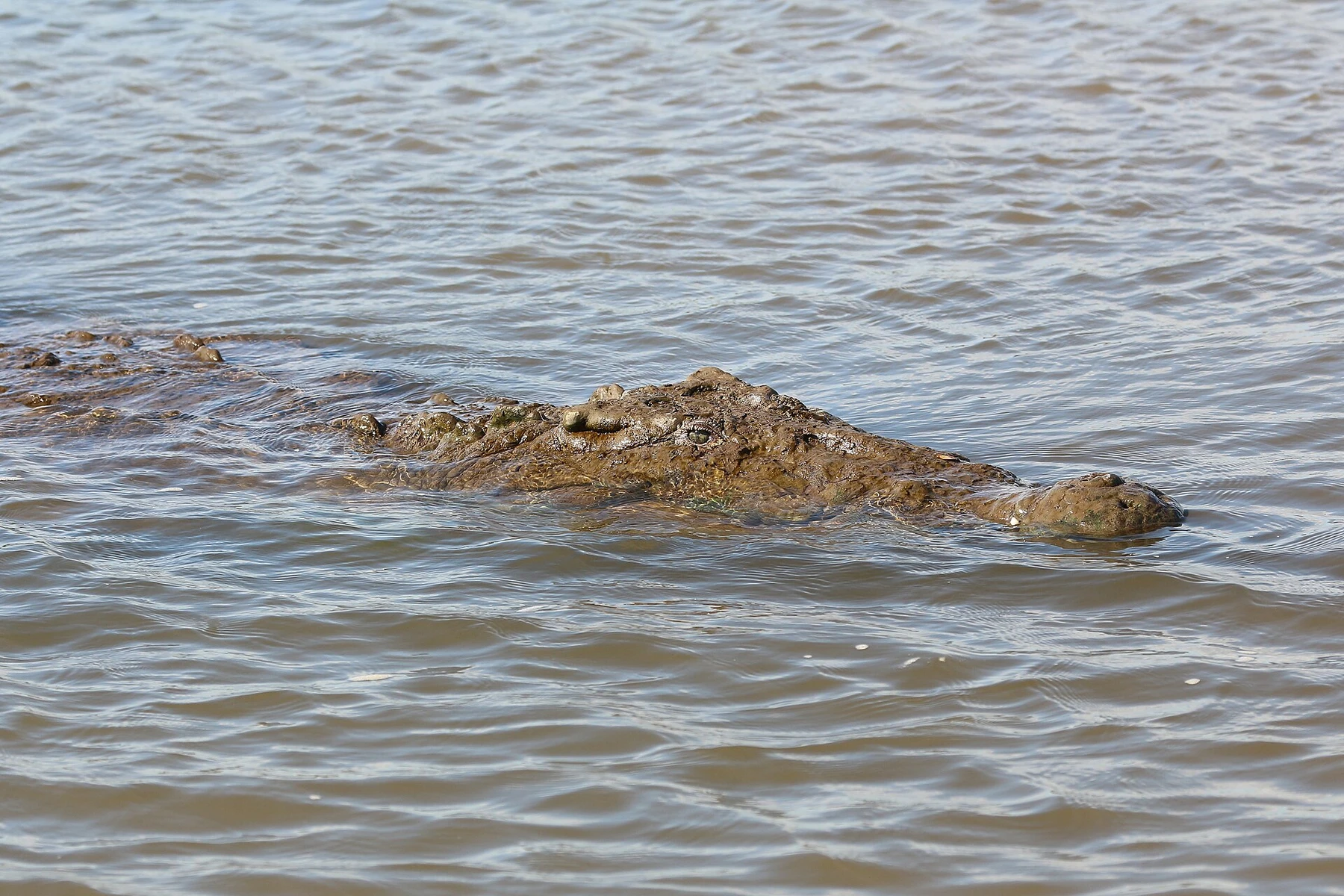
The lower Tárcoles is known for American crocodiles and abundant birdlife, including scarlet macaws moving through the wider region. Boat tours provide a safer and more informative perspective than stopping informally on the busy highway bridge. Departures from the river area fit naturally between San José and the central Pacific.
Choose an operator that observes rather than feeds crocodiles. Feeding changes behavior and encourages dangerous proximity for spectacle. Ask about boat size and naturalist guidance, remain seated when instructed and bring sun protection. The whole estuary and bird community should matter beyond one close reptile photograph.
10. Watch leatherbacks at Gandoca
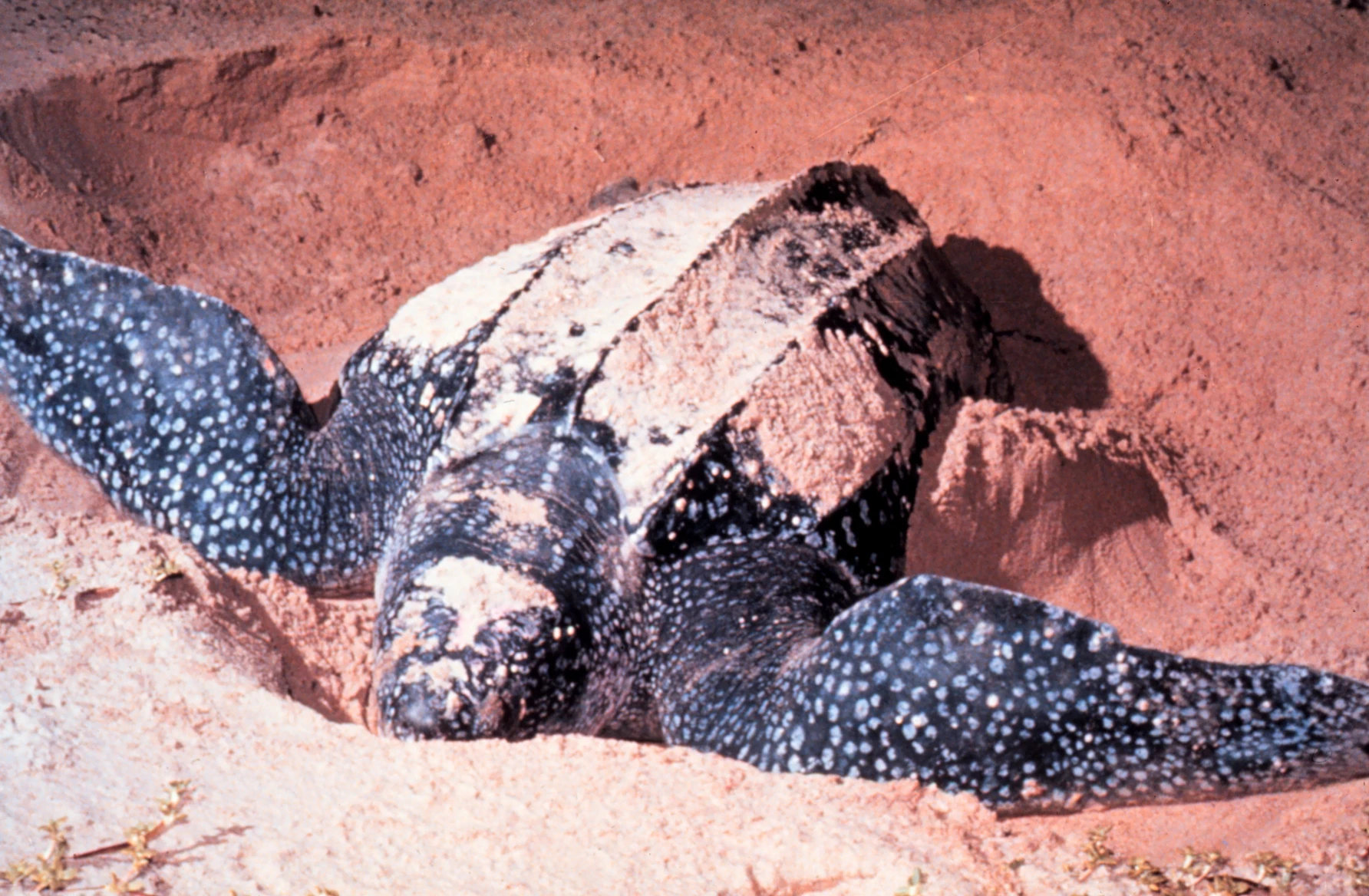
Gandoca's remote Caribbean beach supports leatherback nesting during a seasonal window, along with other turtles at different times. Access is quieter and less standardized than Costa Rica's most famous turtle sites, making current community and conservation arrangements essential.
Contact an authorized local program before traveling and stay nearby if joining a permitted night patrol. Follow every restriction on light, photography, distance and movement. Do not support hatchling releases staged for visitors or anyone promising contact. The turtle's uninterrupted nesting and the community's protection work are the experience.
When is the best time to see wildlife in Costa Rica?
There is no single national wildlife season. Humpbacks use the southern Pacific during two broad migration periods, turtle timing depends on beach and species, and Caño Negro changes with wetland water levels. Quetzals can be seen year-round, but local fruiting and nesting cycles affect where guides search. Rainforest wildlife remains present in wet weather even when visibility is harder.
Ask a guide what behavior and habitat are realistic during your exact dates. Planning two mornings in one region usually produces better observation than rushing between famous parks. Early starts, slower movement and smaller groups improve almost every encounter.
How to improve your chances of seeing wildlife
Start early, move quietly and listen more than you talk. Neutral-colored clothing, binoculars and patience outperform attempts to cover many sites quickly. A good guide reads tracks, fruiting cycles, alarm calls and habitat rather than driving repeatedly to a known perch.
Combine wildlife watching with the best hikes in Costa Rica, or explore more active water and forest journeys in the best adventure activities in Costa Rica. The waterfalls guide covers quieter forest outings where wildlife may be incidental rather than targeted.
Responsible wildlife watching
- Never feed, touch, corner or call animals closer.
- Keep distance even when another group does not.
- Avoid flash, drones and bright lights around wildlife.
- Use authorized guides in controlled nesting and protected areas.
- Choose boats that never chase, surround or cut across animals.
- Accept missed sightings; no ethical operator can guarantee a wild animal.