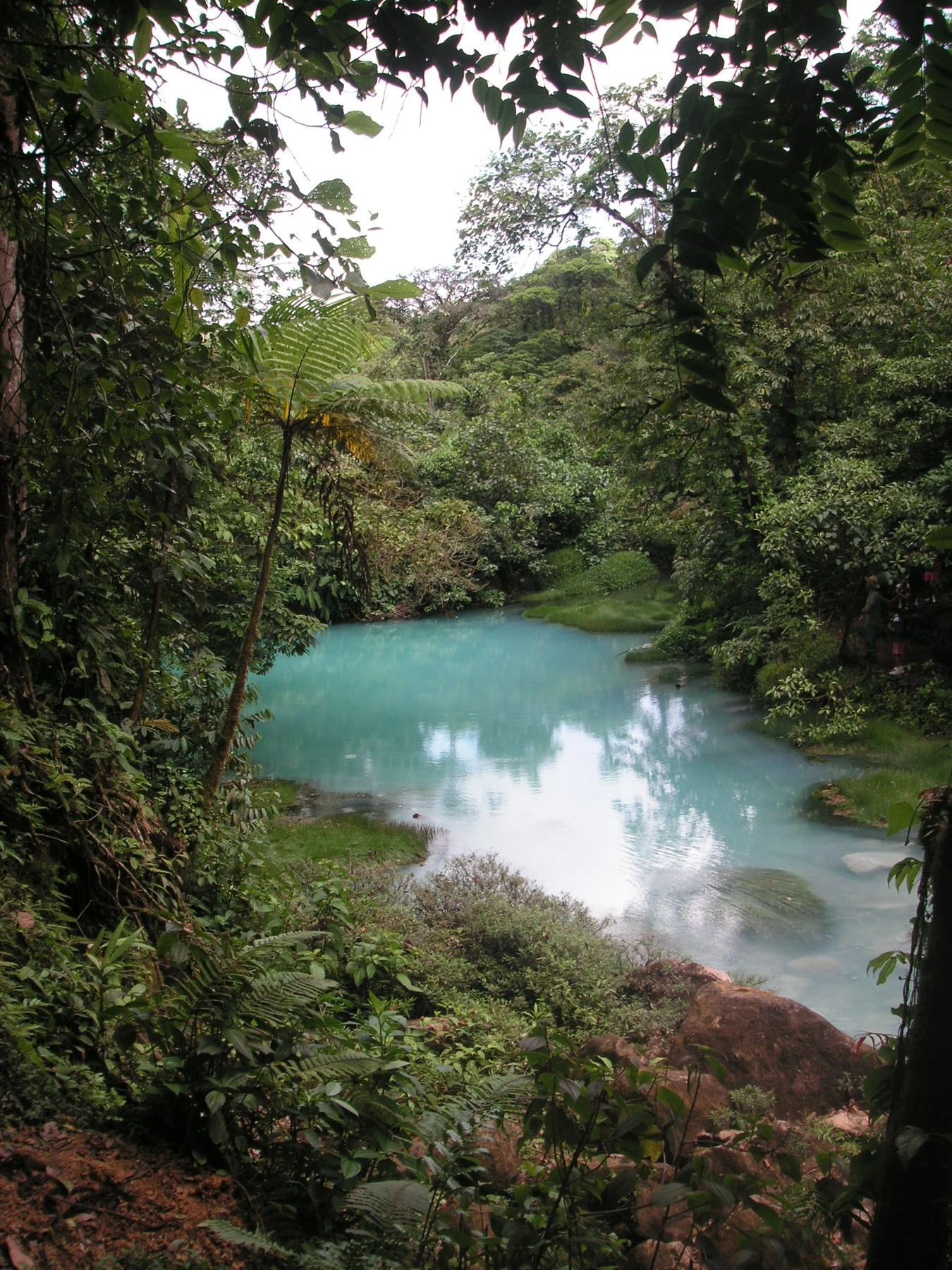

Costa Rica's best waterfalls are not interchangeable photo stops. Some wait below hundreds of forest steps, others demand a hot rural hike or guided canyon swim, and Río Celeste is famous for water so blue that it looks digitally altered. The right choice depends on where you are staying, how much effort you want and whether swimming matters. A waterfall that is perfect for viewing may be completely unsuitable for entering.
Rainfall across the watershed matters more than blue sky at the car park. Flow, water quality, submerged debris and road access can change in hours, particularly during the wetter months. Check with the park or local manager on the morning of travel, use established paths and never copy a cliff jump seen online. This guide favors waterfalls where the journey and landscape add enough value to justify the trip even when swimming is closed.
Costa Rica waterfalls at a glance
| Waterfall | Best for | Region | Typical commitment | Swimming |
|---|---|---|---|---|
| Río Celeste | Surreal color | Northern highlands | Half day | Not inside the park |
| La Fortuna | Classic first visit | Arenal | 2–3 hours | In designated river areas |
| Nauyaca | Big jungle setting | South Pacific | Half or full day | Conditions permitting |
| Catarata del Toro | Dramatic canyon | Central highlands | 2–3 hours | No |
| La Leona | Guided canyon adventure | Guanacaste | Half day | Part of the route |
| Montezuma | Beach-and-jungle combination | Nicoya Peninsula | 2–3 hours | Conditions permitting |
The 11 best waterfalls in Costa Rica
1. Río Celeste Waterfall
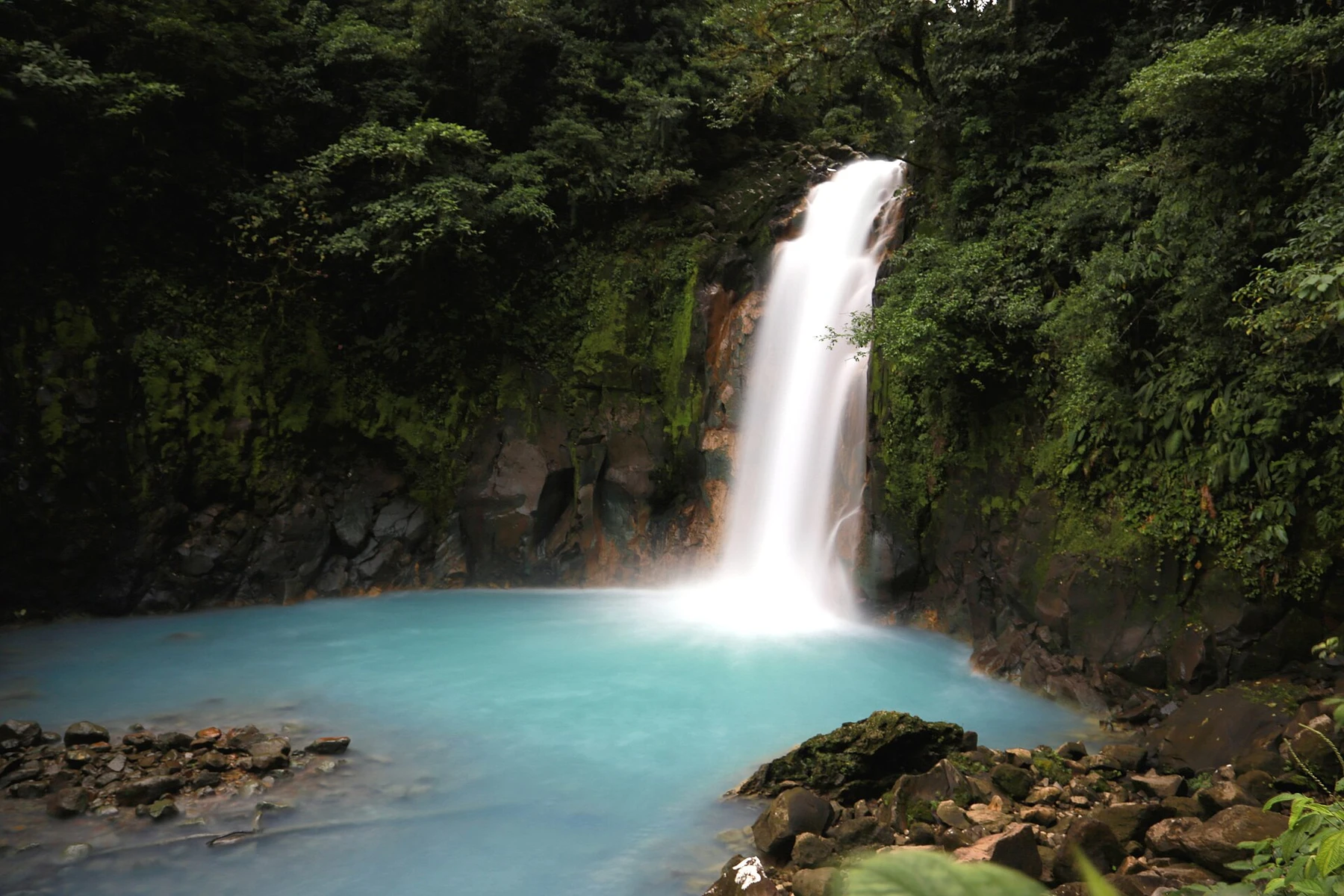
The trail through Tenorio Volcano National Park descends a long staircase to a viewpoint over a roughly 20-metre cascade of intense blue water. Continuing beyond the fall leads through humid forest toward Laguna Azul, geothermal features and the confluence where suspended mineral particles create the river's color.
Swimming is prohibited inside the national park. Reserve entry through SINAC, wear shoes for mud and allow three to five hours for the fuller trail rather than visiting only the staircase. Heavy rain may temporarily soften the blue effect. Bijagua is the easiest base and supports an early arrival before heat and afternoon showers build.
2. La Fortuna Waterfall
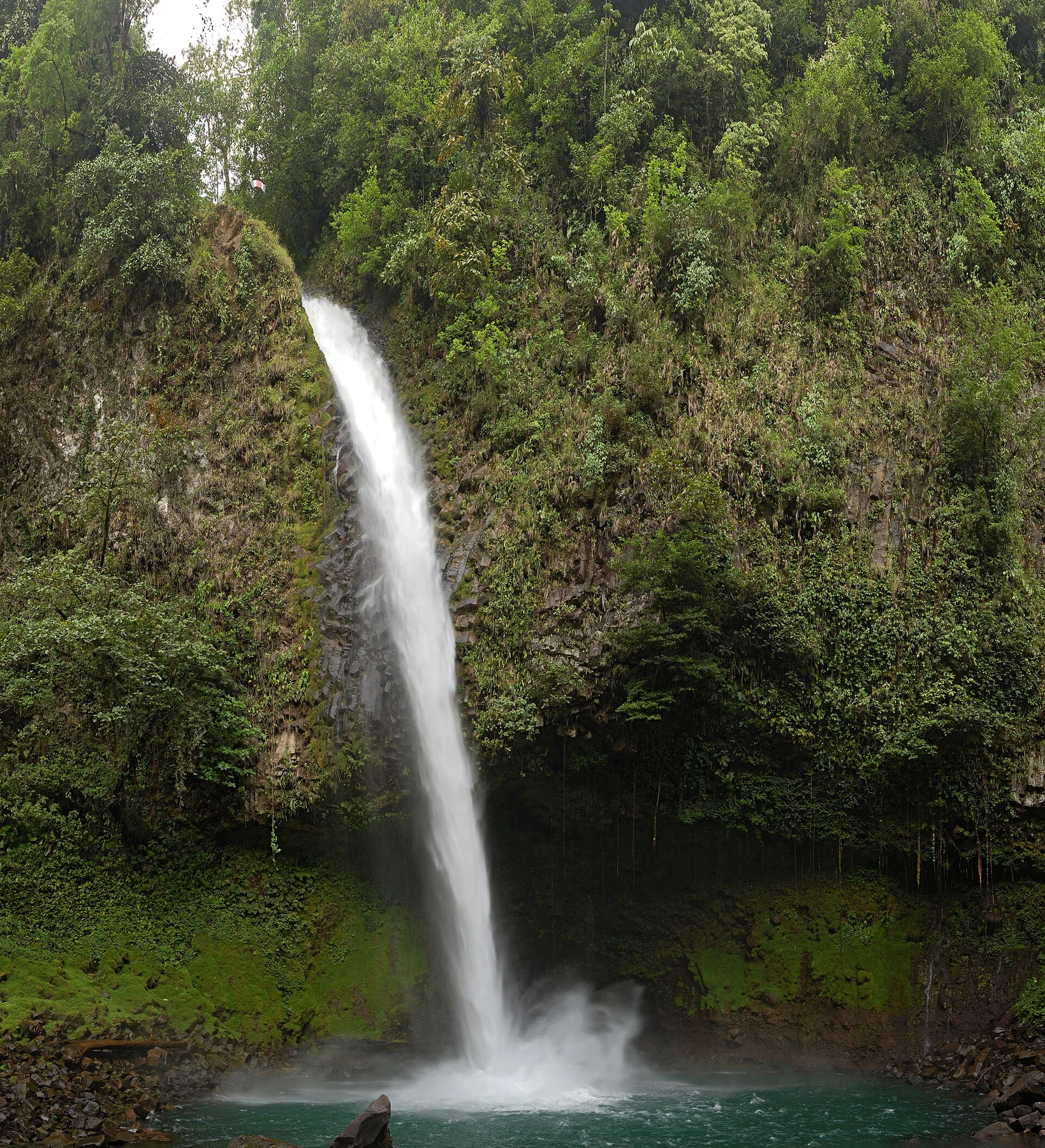
La Fortuna is the easiest major waterfall to add to an Arenal stay, but reaching its base still involves a long staircase through dense vegetation. The powerful drop falls into a boulder-filled pool, with staff directing swimming toward calmer sections of the river rather than beneath the impact zone.
Allow two to three hours and save energy for the climb back. Arrive early for fewer groups, bring water shoes if entering the river and use lockers or dry storage rather than leaving valuables unattended. Flow can change after rain, so follow the site's instructions even when other visitors ignore them.
3. Nauyaca Waterfalls
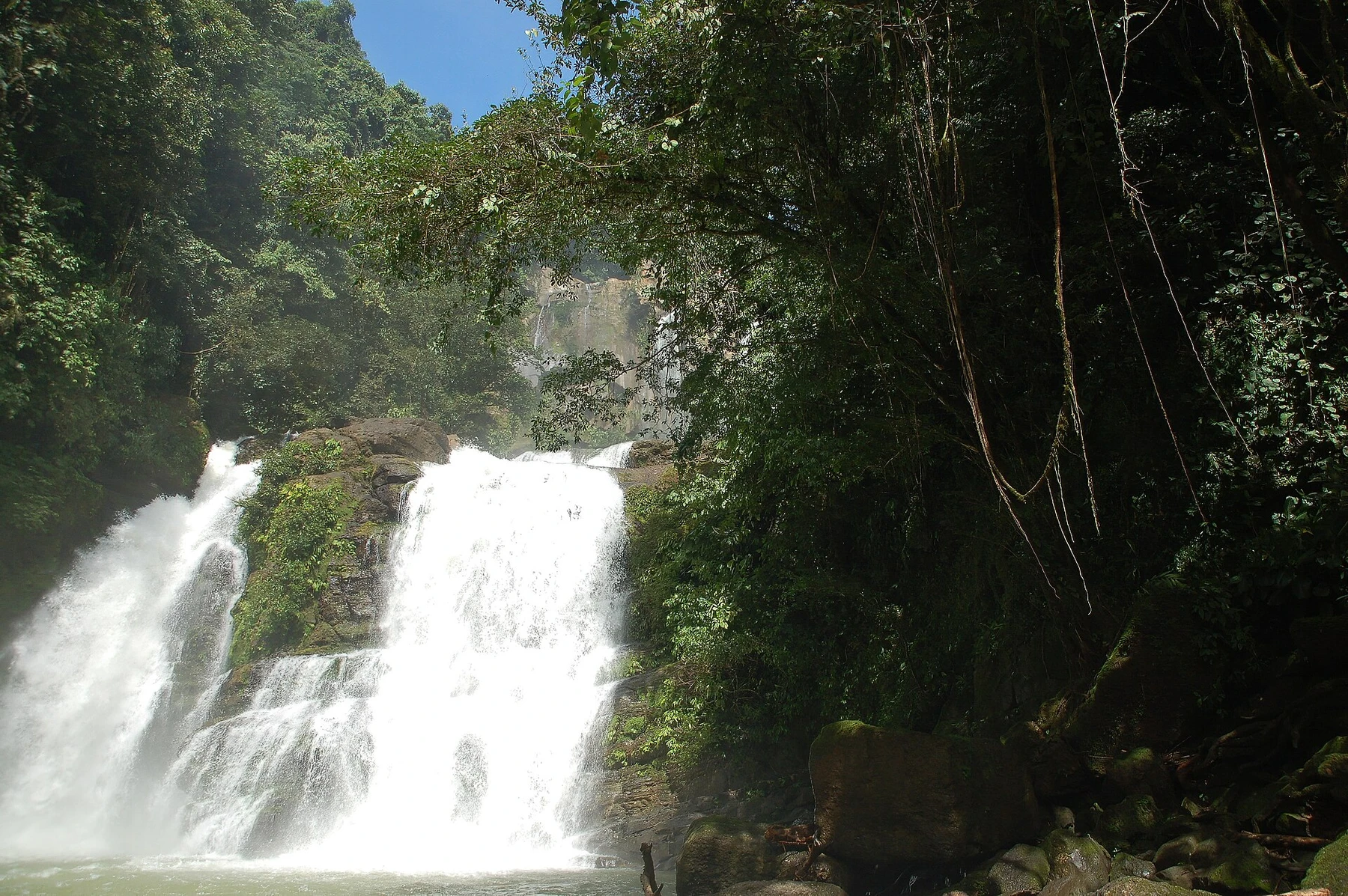
Nauyaca is a two-level waterfall system in the hills inland from Dominical. The broad lower pool and tall upper falls create one of Costa Rica's most imposing waterfall amphitheaters. Visitors can hike, use locally offered vehicle transport or arrange a horse-based outing, with different entrances and packages affecting the total distance.
Walkers should treat it as a hot-weather half or full day rather than a short roadside visit. Confirm which entrance and transport option you booked, start early and carry enough water. Swim only in approved areas when staff consider flow safe, and keep well away from the upper lip and main impact zone.
4. Catarata del Toro
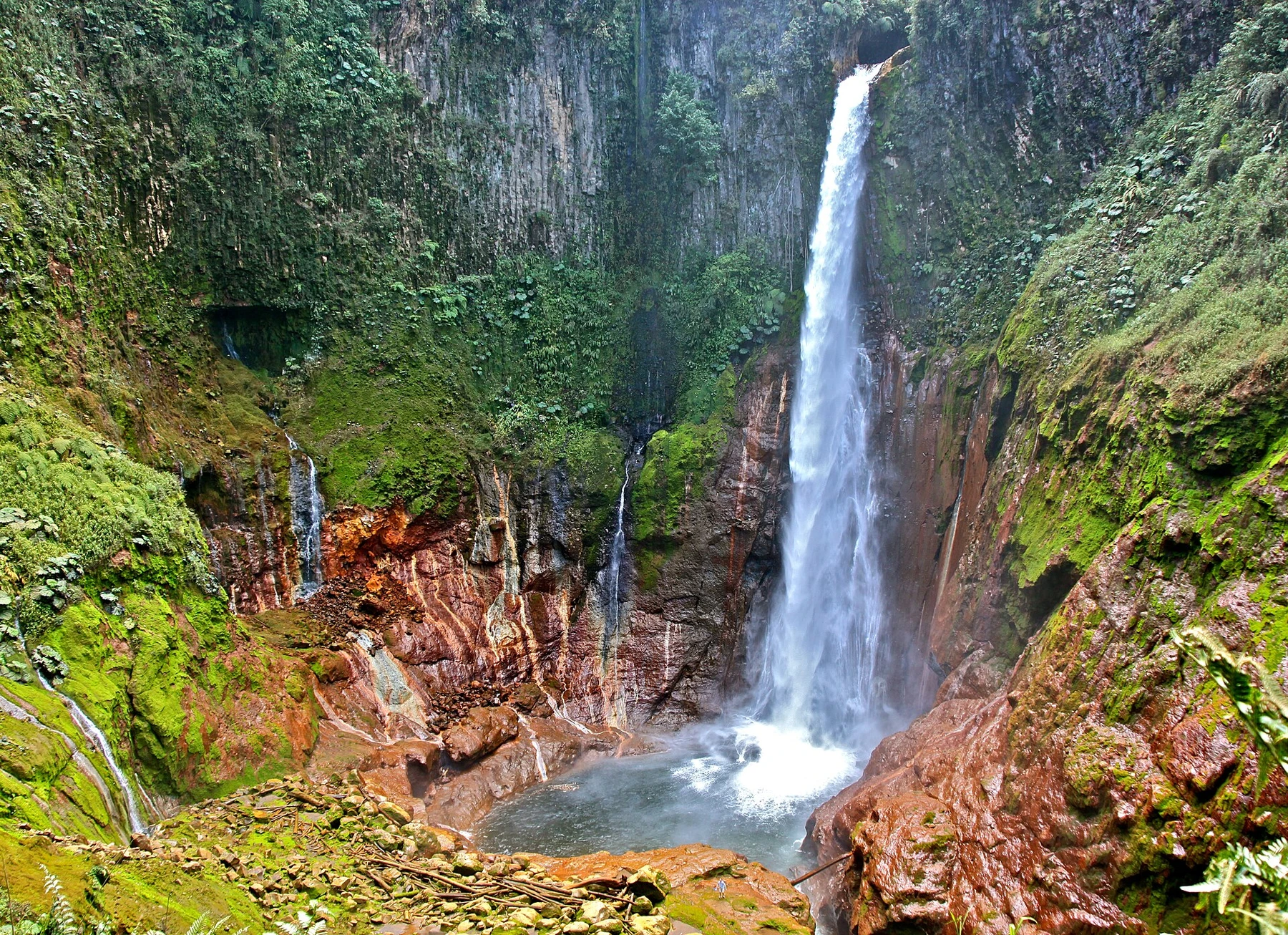
Catarata del Toro plunges into an old volcanic crater near Bajos del Toro. A forest trail and long staircase descend to views of the narrow waterfall against striped rock walls, with hummingbirds and cloud-forest vegetation adding substance to the outing. The return climb is considerably harder than the outward distance suggests.
This is a viewing and hiking experience, not a swimming stop. Allow two to three hours and wear shoes with grip on damp steps. Bajos del Toro's roads are winding, so combine it with only one nearby attraction and leave generous daylight rather than racing between privately managed falls.
5. Catarata La Leona
La Leona turns waterfall hunting into an active canyon journey near Curubandé. Guided routes combine forest walking, river crossings and an assisted swim through a narrow rock corridor toward the hidden cascade. Because access points and packages differ, trip length and the amount of swimming should be confirmed with the operator.
Use an experienced guide and the supplied flotation and helmet. Ask whether jumps or confined sections can be bypassed, protect valuables in a dry bag and disclose weak swimming ability. Upstream rain can make the slot unsafe even when local weather appears calm; accept rerouting or cancellation.
6. Montezuma Waterfall
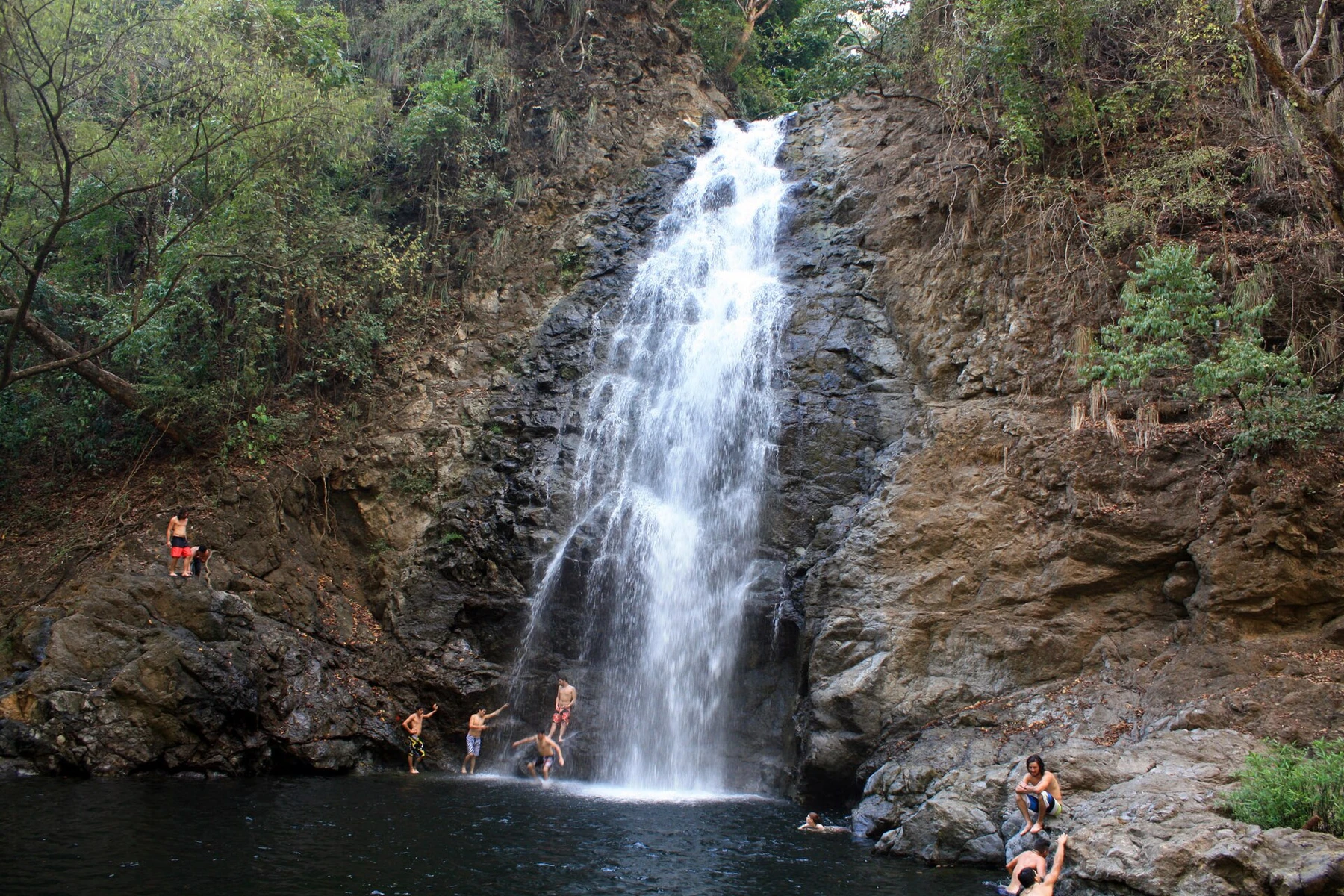
Montezuma's cascades sit just inland from the Nicoya Peninsula town. The lower fall is the usual objective, reached on an uneven route beside the river, while access to upper areas may involve separate managed paths or property. The proximity to town makes the outing popular without making the terrain controlled.
Allow two to three hours, wear closed shoes and leave valuables at accommodation. Wet rock, changing current and informal-looking branches make navigation and swimming more serious than expected. Do not cliff-jump, and turn back when rain darkens or raises the river. Local guidance is more reliable than following another visitor upstream.
7. Llanos de Cortés
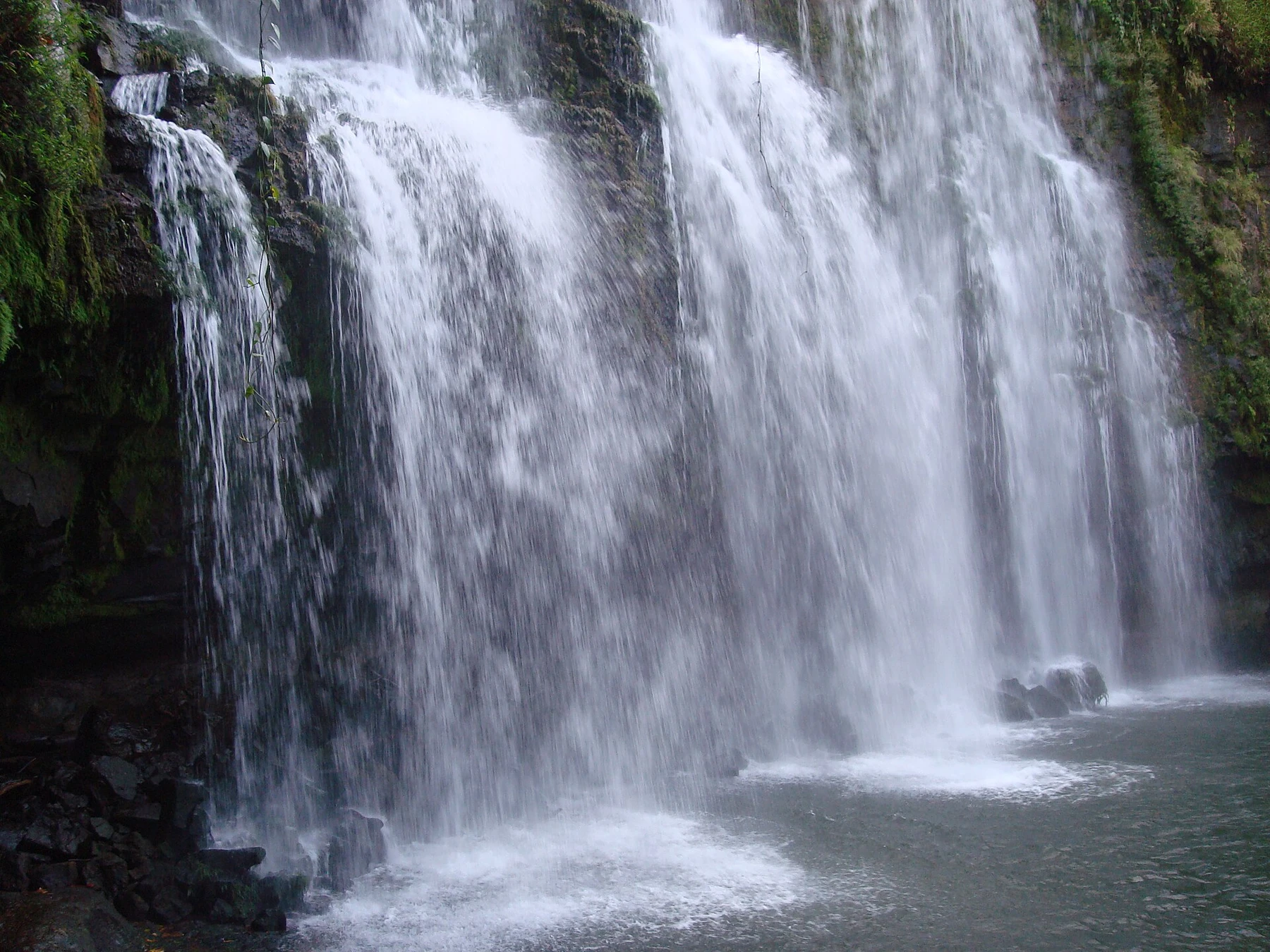
Llanos de Cortés spreads in a wide curtain over a shaded pool south of Liberia. Its short approach makes it one of the easiest waterfall experiences in Guanacaste and a practical stop between the coast and northern interior. Sand and shallow river edges provide more space than a narrow canyon pool.
Use the official local access, confirm the current entrance arrangement and visit early before tour groups arrive. Swim away from the main impact zone when permitted and watch children closely; the broad pool still contains changing depth and slippery rock. A half-day is ample unless combining the visit with a slow local meal.
8. La Cangreja Waterfall
Reached from Rincón de la Vieja National Park's Las Pailas sector, La Cangreja rewards a roughly ten-kilometre return hike across changing forest and open volcanic terrain. Its pale-blue pool is visually inviting, but SINAC currently prohibits swimming at both La Cangreja and the park's waterfall routes.
Allow four to five hours, reserve park entry and begin before the trail's access cutoff. Carry substantial water and sun protection because open sections become hot. Confirm the route is operating during the rainy season and do not add the geothermal loop unless timing and energy genuinely allow it.
9. Oropéndola Waterfall
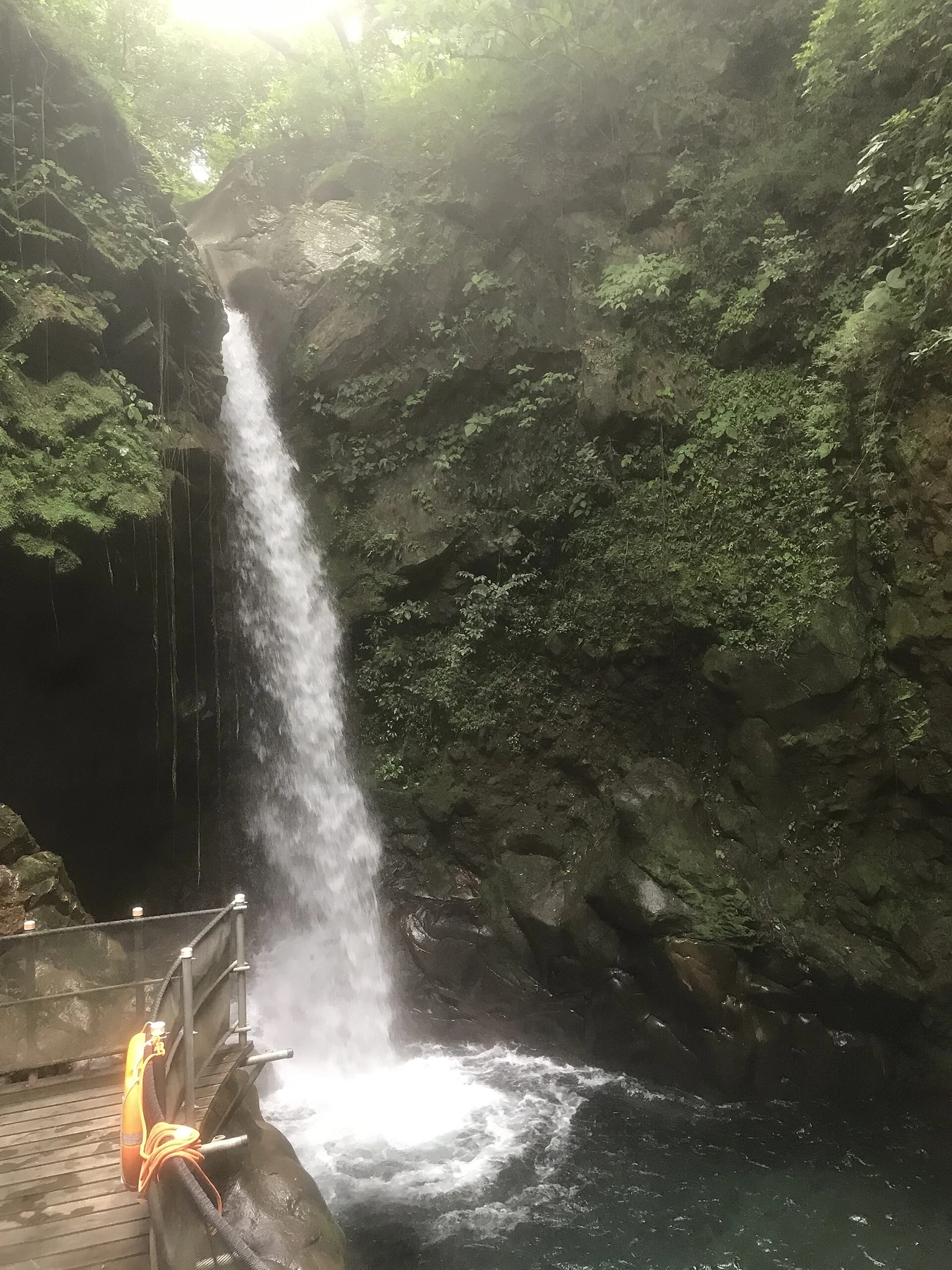
Oropéndola drops into a bright pool enclosed by canyon walls near Rincón de la Vieja. Its approach is shorter than La Cangreja and often uses locally managed access connected to accommodation or adventure properties outside the national park, making it easier to combine with a morning geothermal walk.
Check who manages the entrance, whether advance booking is required and whether swimming is permitted that day. The final walkway and wet rocks demand careful footing. Keep out of the impact zone and avoid assuming that rules for a private property match those inside the neighboring national park.
10. Blue Falls of Costa Rica
The privately managed Blue Falls area near Bajos del Toro links several vivid pools and cascades, often with local guides directing visitors among river crossings and distinct falls. It suits travelers who want a longer walking day and more variety than one fixed viewpoint.
Confirm which route and waterfalls are included, since packages and names can be confusing across the wider Bajos del Toro area. Rain upstream can turn clear crossings into strong current quickly. Follow staff instructions on where swimming is open, use a dry bag and allow most of a day rather than squeezing in Catarata del Toro at closing time.
11. Eco Chontales Waterfall
Eco Chontales lies in the green hills inland from Dominical. A rural road and forest trail lead to a tall fall and natural pools, giving the outing a quieter, community-managed character than the coast's busiest attractions. The final road surface and walk can change with wet-season damage.
Confirm conditions before driving, especially with a low-clearance rental car, and bring cash for local access. Follow guides around the pool and slippery rock shelves, never stand beneath falling debris or jump from unverified ledges. Allow half a day from Dominical so the rural approach does not become a hurried risk.
Which Costa Rica waterfall should you choose?
Choose Río Celeste for color, Nauyaca for scale, La Leona for an active guided canyon journey and Llanos de Cortés for the easiest swim. Around Arenal, La Fortuna is the natural first choice. Around Bajos del Toro, pair Catarata del Toro with only one carefully selected blue-water route instead of spending the day in a car.
For more ways to build a trip around the landscape, explore the best hikes in Costa Rica, volcano experiences and adventure activities.
Before you go
- Reserve national-park entry where required through the official SINAC system.
- Ask about rain across the watershed, not only the sky above the waterfall.
- Never assume a pool is safe; enter gradually and avoid impact zones and cliff jumps.
- Wear shoes with grip and protect electronics in a proper dry bag.
- Keep soap, food waste and freshly applied products out of natural water.
- Check current road and trail access rather than relying on an old timetable.