

Albania rewards travelers who build a journey around its terrain. The country compresses the Accursed Mountains, a long Adriatic and Ionian coast, deep limestone canyons, broad rivers and fortified cities into distances that look short on a map. Yet the best adventures are rarely rushed: crossing from Theth to Valbona needs two valleys and several transfers, rafting depends on the day's water level, and a remote Riviera cove can demand more planning than a famous summit elsewhere.
This guide ranges from serious alpine objectives to approachable paddles and archaeological walks. It emphasizes the experience that makes each place distinct, plus the access detail most likely to affect the day. Albania's outdoor infrastructure is evolving quickly, so confirm roads, permits, operator standards and protected-area rules shortly before leaving. A local guide is not merely transportation on the harder entries—it is often the difference between following an old route responsibly and wandering onto unsafe or private ground.
Albania adventures at a glance
| Adventure | Standout destination | Intensity | Guide needed? |
|---|---|---|---|
| Village-to-village trekking | Theth–Valbona | High | Recommended in uncertain conditions |
| Rafting | Vjosa or Osum | Moderate–high | Yes |
| Sea kayaking | Karaburun Peninsula | Moderate | Guide recommended |
| Paragliding | Llogara | High | Tandem pilot required |
| Canyoning | Holtë or Osum region | High | Yes |
| Archaeological exploration | Butrint | Low–moderate | Optional site guide |
The 20 best adventure activities in Albania
1. Trek from Theth to Valbona
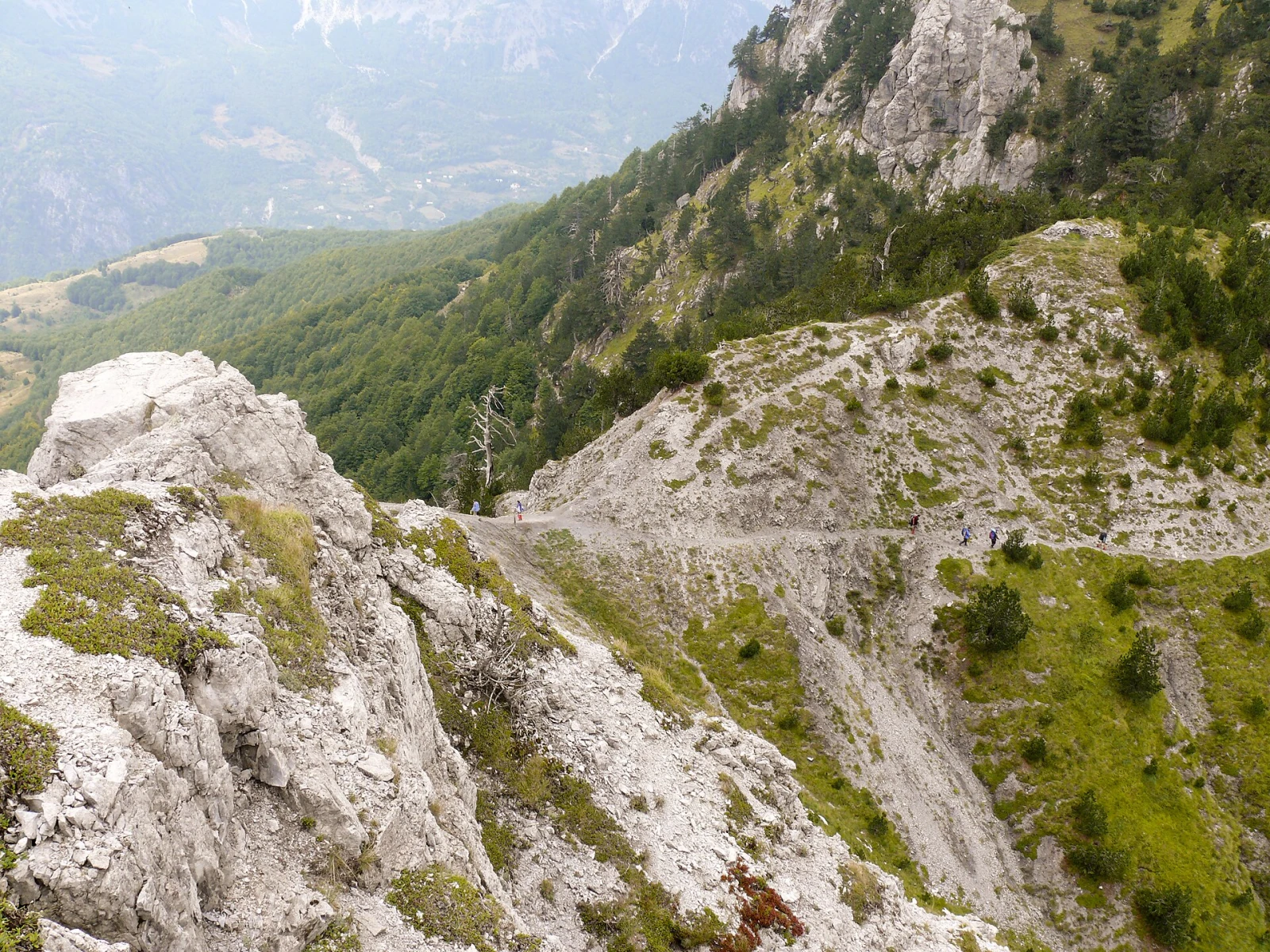
Crossing Valbona Pass links two of the Albanian Alps' great valleys in a six-to-eight-hour mountain day. Forest, limestone and a wide saddle view make this much more than a transfer on foot. Most travelers stay in guesthouses on both sides and coordinate transport through Shkodër and the Lake Koman corridor.
Expect roughly 17 kilometres and around 1,000 metres of ascent from Theth. Start early, carry enough water and ask locally about snow on the pass. Outside the main summer window, use a guide rather than following footprints or assuming a downloaded line is safe. Find route detail in the best hikes in Albania.
2. Raft the Vjosa River
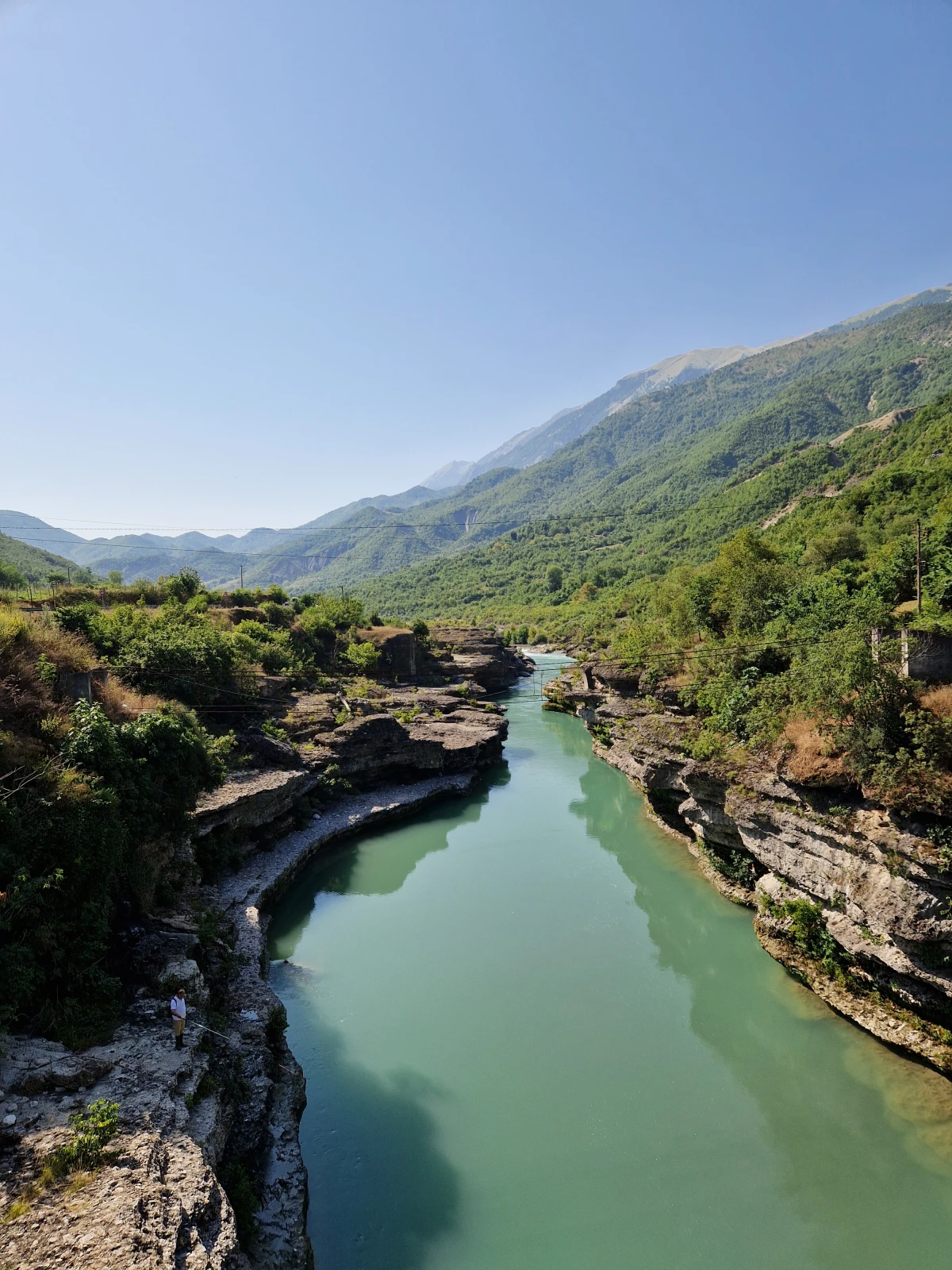
The Vjosa, protected as a wild river national park, spreads through braided channels and cuts between mountains in southern Albania. Commercial rafting commonly operates near Përmet, where rapids provide an active but often approachable introduction when levels are suitable. The river's ecological integrity is the larger story, so choose an operator that treats it as habitat rather than an amusement ride.
Wear the supplied helmet and flotation, disclose weak swimming ability and listen to the cancellation call. Water level, temperature and recent rain determine the section and difficulty. Combine the trip with Përmet and Bënjë's thermal pools, leaving enough time to appreciate the valley outside the raft.
3. Raft through Osum Canyon
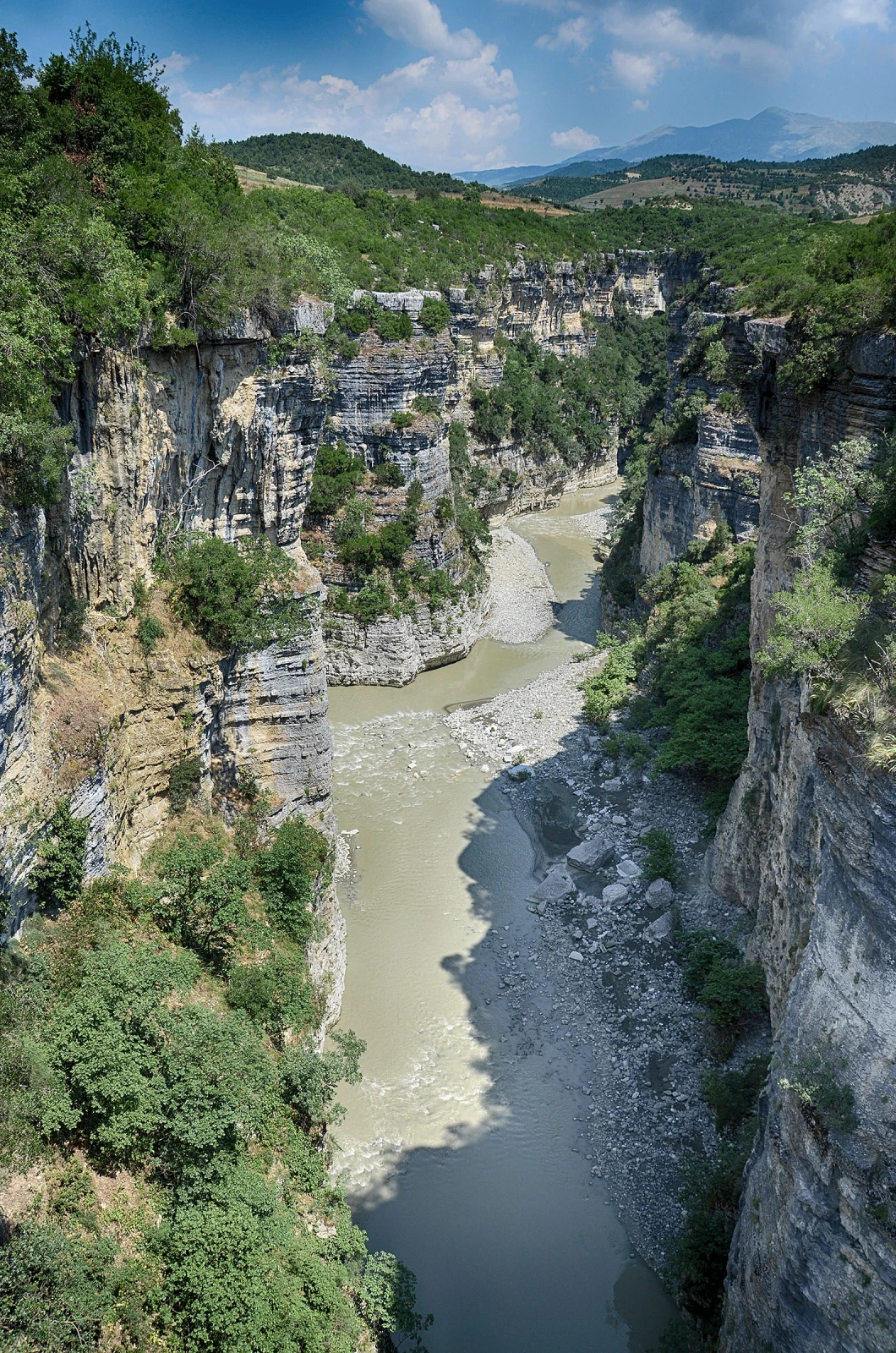
Osum offers Albania's most dramatic enclosed rafting landscape: high walls, narrow passages and seasonal cascades near Çorovodë. Spring flows are usually needed for a full rafting descent; later in the year, operators may offer canyon walking or a different section instead.
Book a properly equipped local company and ask where the trip begins, how long is spent on the river and what happens if conditions change. Never enter the gorge independently after rain. Dry-land travelers can explore official rim viewpoints, keeping away from crumbling edges and narrow-road traffic.
4. Climb Maja e Jezercës
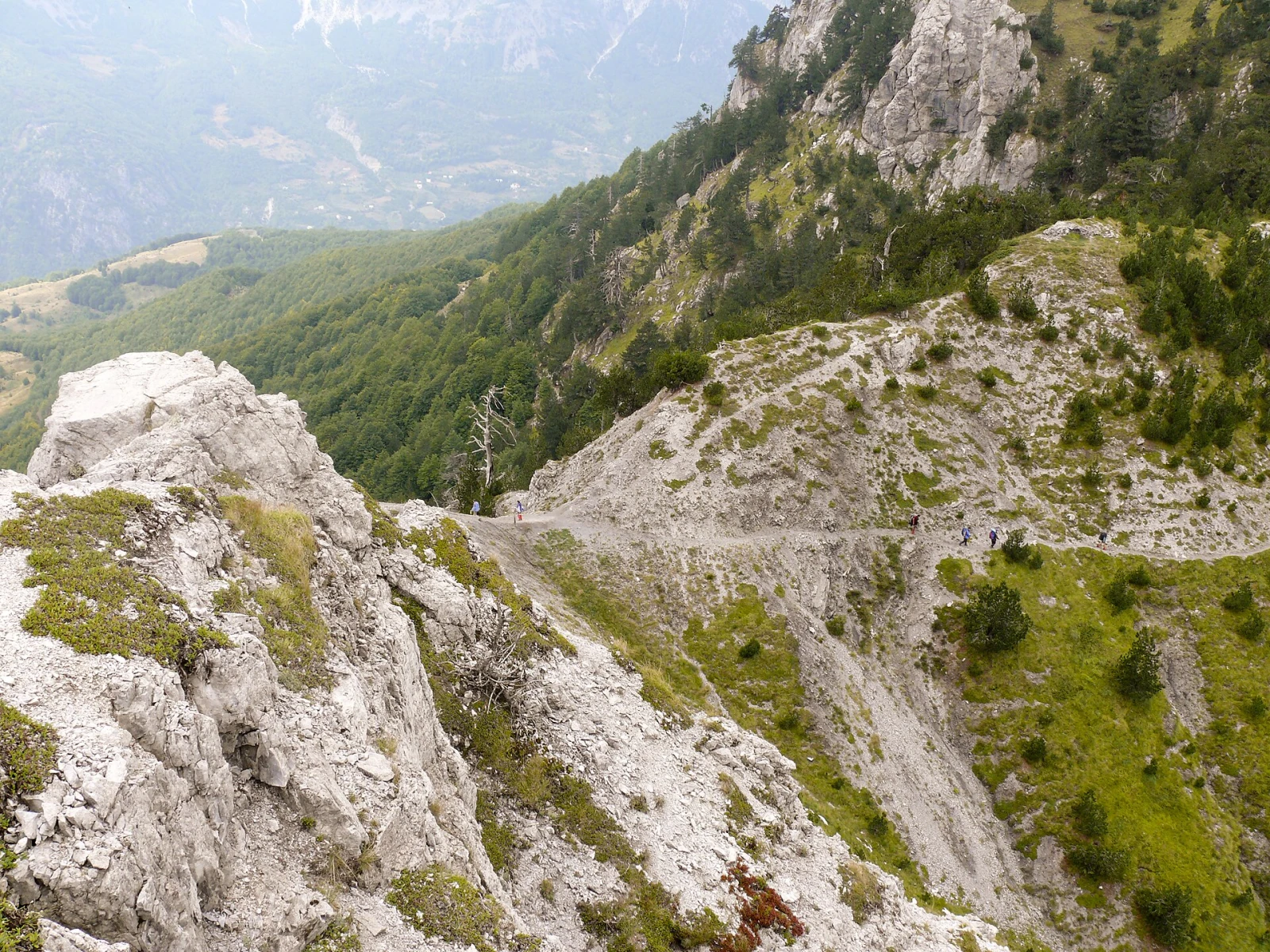
Jezercë, at 2,694 metres, is the highest peak wholly within Albania and a demanding step beyond the popular valley crossing. Routes involve a long approach, loose karst terrain, possible snow and exposed summit ground. Many hikers start from Valbona, while multi-day itineraries use camps or cross-border approaches.
Hire a local mountain guide, carry a headlamp and prepare for a ten-to-twelve-hour day if attempting it from the valley. Water is unreliable high on the route. Cloud can make navigation extremely difficult, and reaching a turnaround time matters more than standing on the summit.
5. Kayak the Karaburun Peninsula
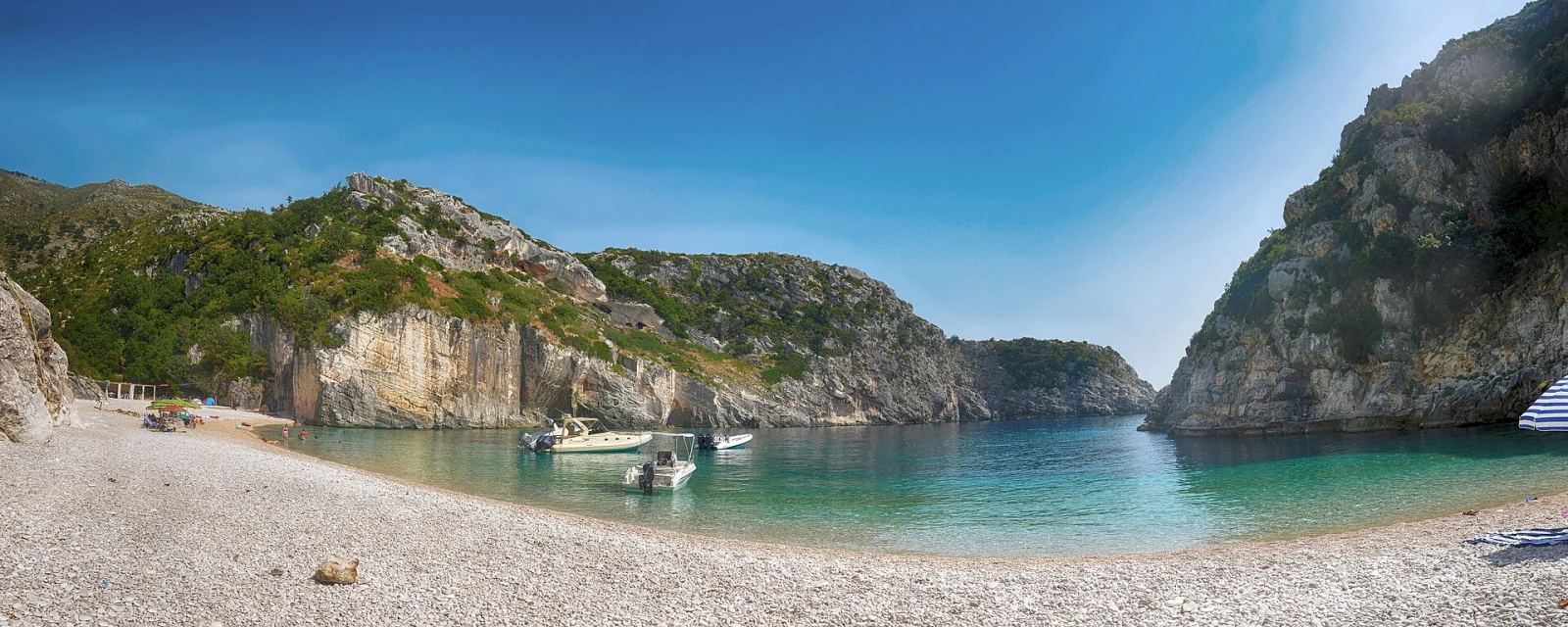
The Karaburun-Sazan marine protected area brings limestone cliffs, clear water, small beaches and sea caves together west of Vlorë. A guided kayak creates a quieter, more intimate journey than a fast excursion boat and allows paddlers to notice geology and near-shore habitat.
Morning is often calmer, but wind, swell and boat traffic control the route. Use a guide who supplies properly fitted flotation, carries communication equipment and keeps the group away from cave roofs in rough water. Do not land on restricted military or protected sections, and avoid touching or anchoring in seagrass beds.
6. Paraglide from Llogara toward the Ionian Sea
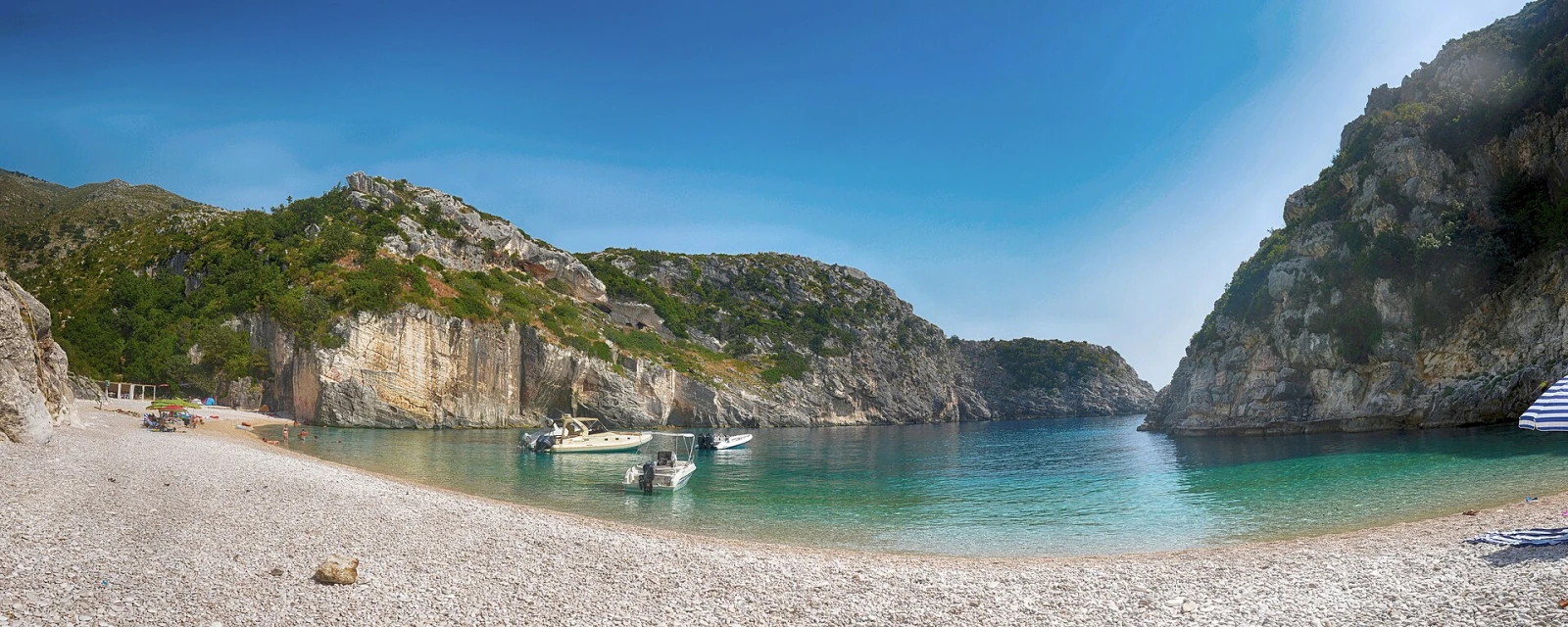
Llogara Pass rises directly above the Riviera, creating a celebrated launch area where a tandem flight can move from mountain air toward a coastal landing. The view combines forest, road switchbacks and the open Ionian Sea in one continuous descent.
Fly only with a certified tandem pilot who explains weather limits, equipment and the landing plan. A booking time is provisional: wind and cloud make the final decision. Wear secure shoes and warm layers even when the beach is hot. Do not pressure an operator to launch simply because your travel schedule is tight.
7. Hike or camp on the Peaks of the Balkans
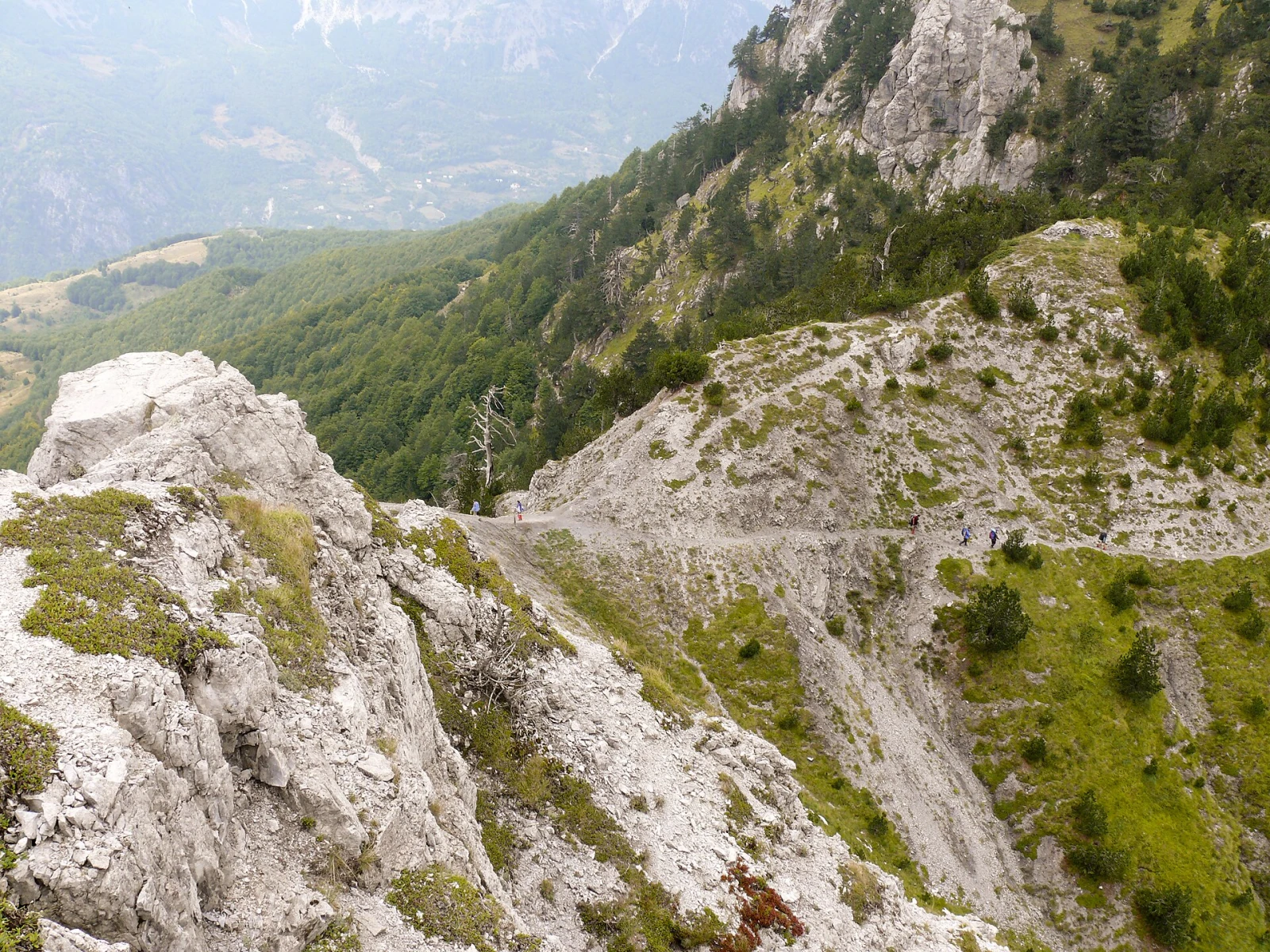
This roughly 190-kilometre circuit crosses Albania, Kosovo and Montenegro through high passes and remote pastoral settlements. Guesthouses provide meals and beds on much of the route, turning a mountain expedition into a direct encounter with living borderland communities.
Allow around ten days for the full circuit or choose several stages around Theth, Dobërdol and Çerem. Cross-border permits must be arranged in advance for remote crossings. A specialist operator simplifies permits and bag transfers; independent hikers still need offline navigation, cash and flexibility for snow or storms.
8. Walk into Gjipe Canyon and beach
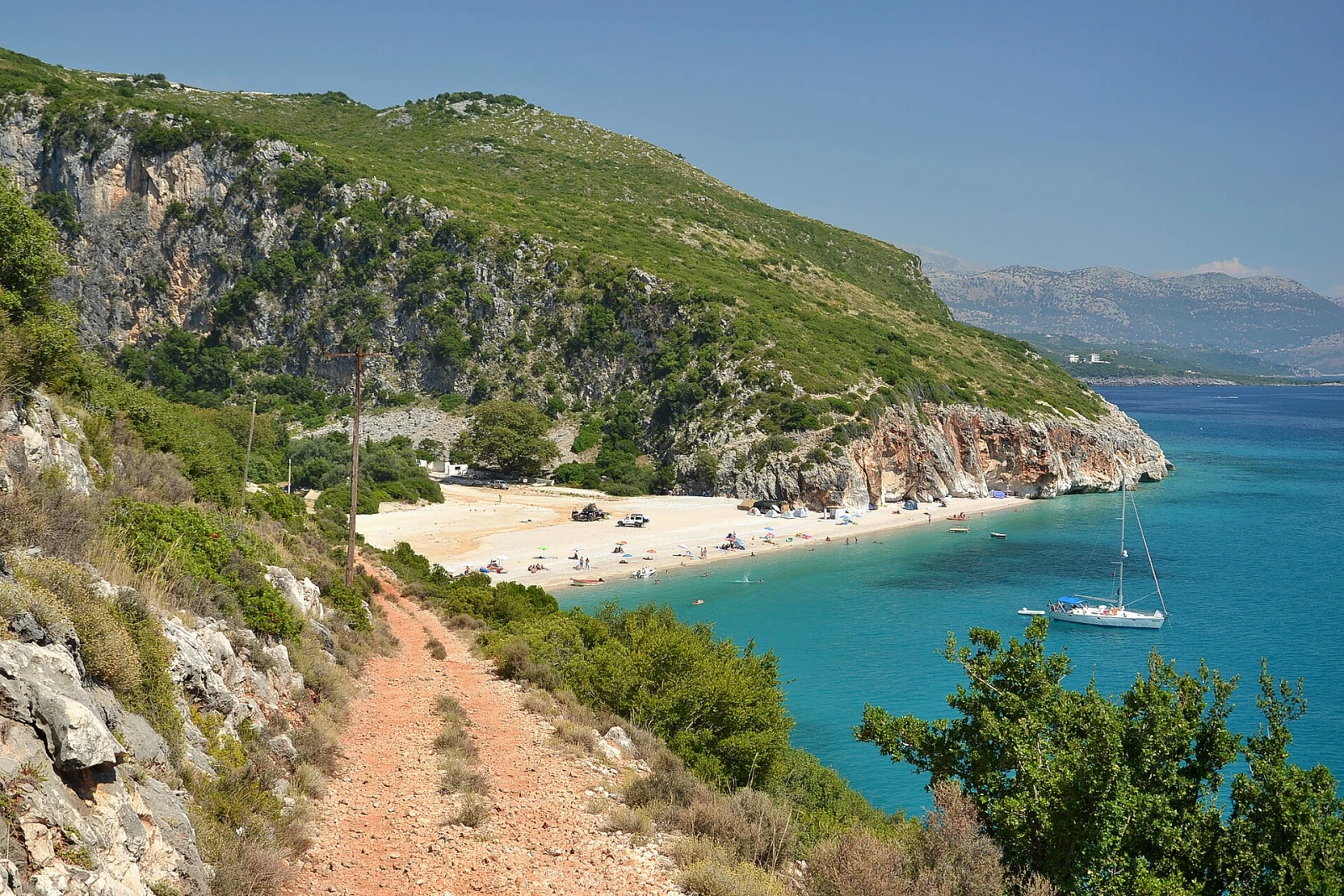
Gjipe combines a dry limestone canyon with a pebble cove inaccessible by a normal paved road. Walking the final track takes roughly 30–45 minutes from common parking and gives the swim a genuine sense of arrival. More technical canyon exploration may involve ropes and should be undertaken only with a qualified guide.
Carry water and closed shoes, and avoid the gorge during or after rain because of flash-flood and rockfall risk. In summer the beach has seasonal facilities and boat visitors; arrive early if quiet matters. Take every piece of waste back up the track.
9. Cycle around Lake Shkodër and Shirokë
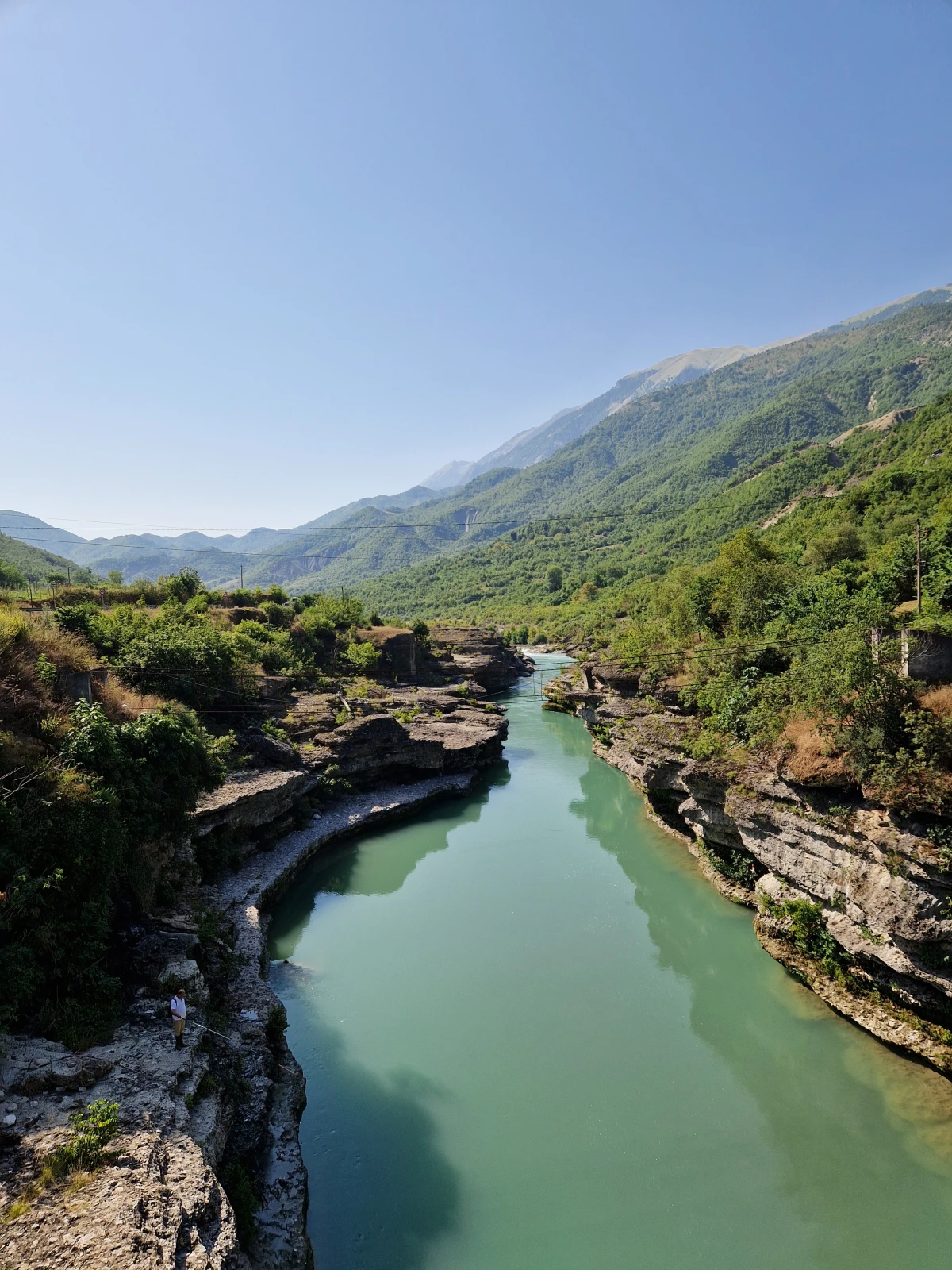
Shkodër is Albania's natural cycling city, and a ride toward Shirokë or Zogaj follows the lake beneath low mountains with frequent places to stop. It works as a relaxed half-day for ordinary riders, while longer routes can continue through rural roads or form part of a cross-border journey into Montenegro.
Rent a maintained bicycle and helmet, confirm whether the route shares fast traffic and carry repair basics. Summer heat is strongest on exposed lake sections, so leave early. At wetlands, slow down around birds and pedestrians instead of treating the waterfront as a training course.
10. Explore Butrint on foot
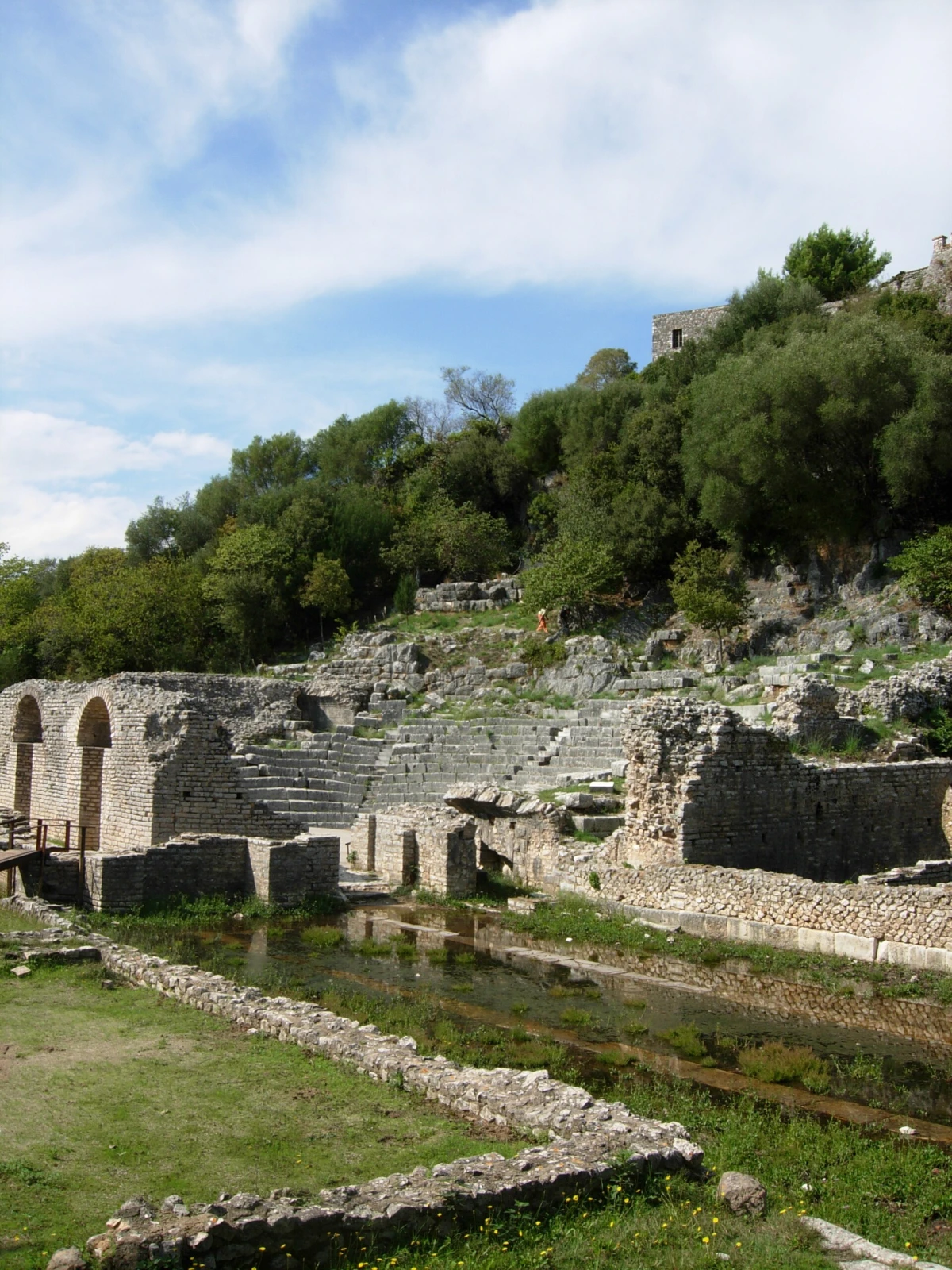
Butrint is an adventure in time rather than intensity. A wooded circuit passes a Greek theatre, Roman public buildings, a baptistery and basilica, defensive gates and Venetian works beside a lagoon. Walking the whole site and museum takes three to four hours.
Begin near opening, bring water and use a guide or detailed site material to understand why one city contains so many periods. Never climb masonry or step onto covered mosaics. Pair Butrint with a later swim around Ksamil, not a schedule that reduces a UNESCO landscape to a 30-minute stop.
11. Canyoneer near Gramsh
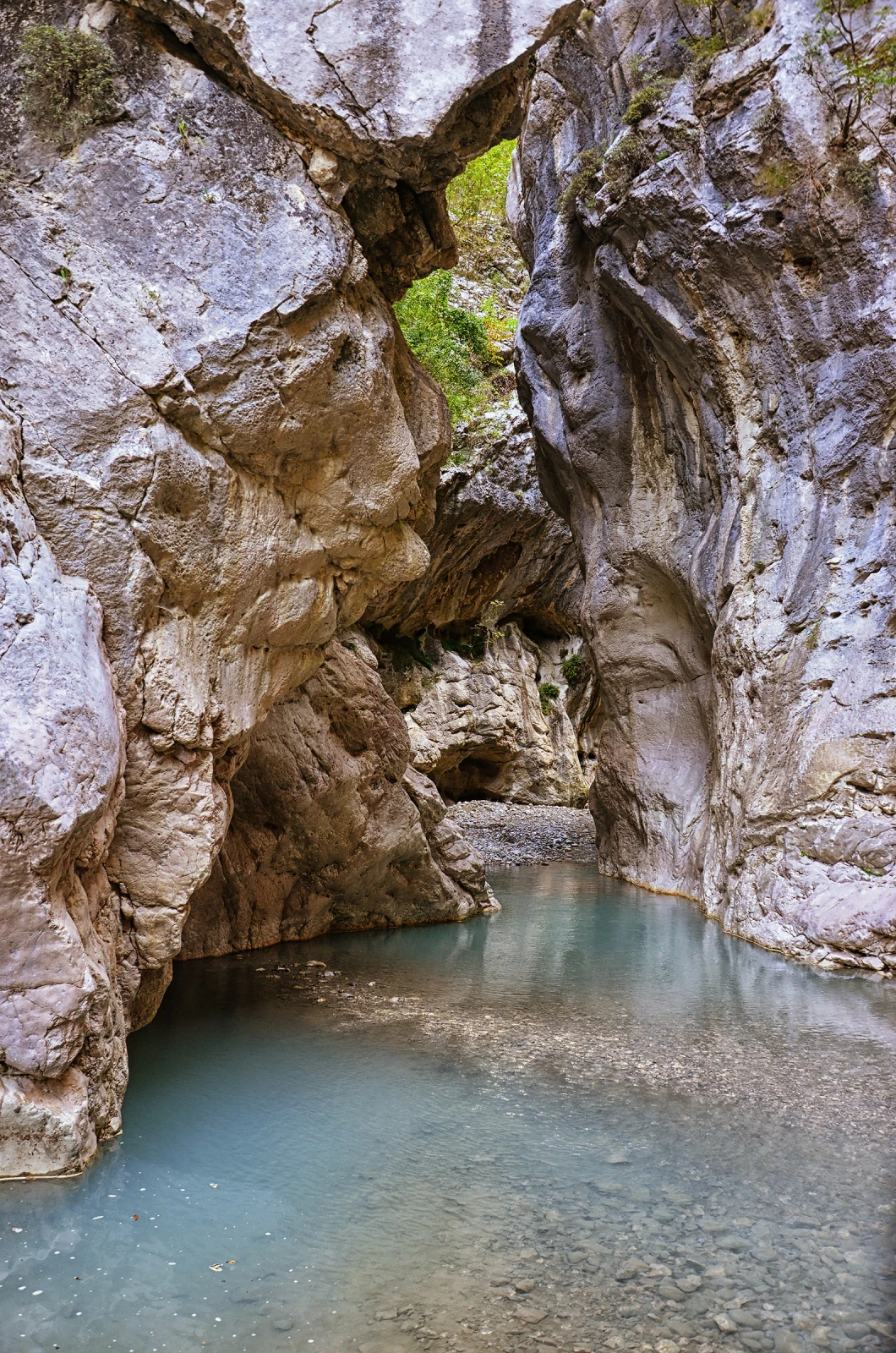
The canyons around Gramsh, including Holtë, offer wading, scrambling and in some itineraries rope-assisted descents through narrow limestone. Difficulty changes sharply with the route and water, so “canyoning” may describe anything from a guided river walk to a technical descent.
Choose an operator that provides helmets, suitable flotation or harnesses and a clear explanation of escape plans. Ask whether prior abseiling experience is required. Never enter after upstream rain, and protect the canyon by avoiding soaps, litter and unnecessary damage to vegetation.
12. Take the Lake Koman ferry
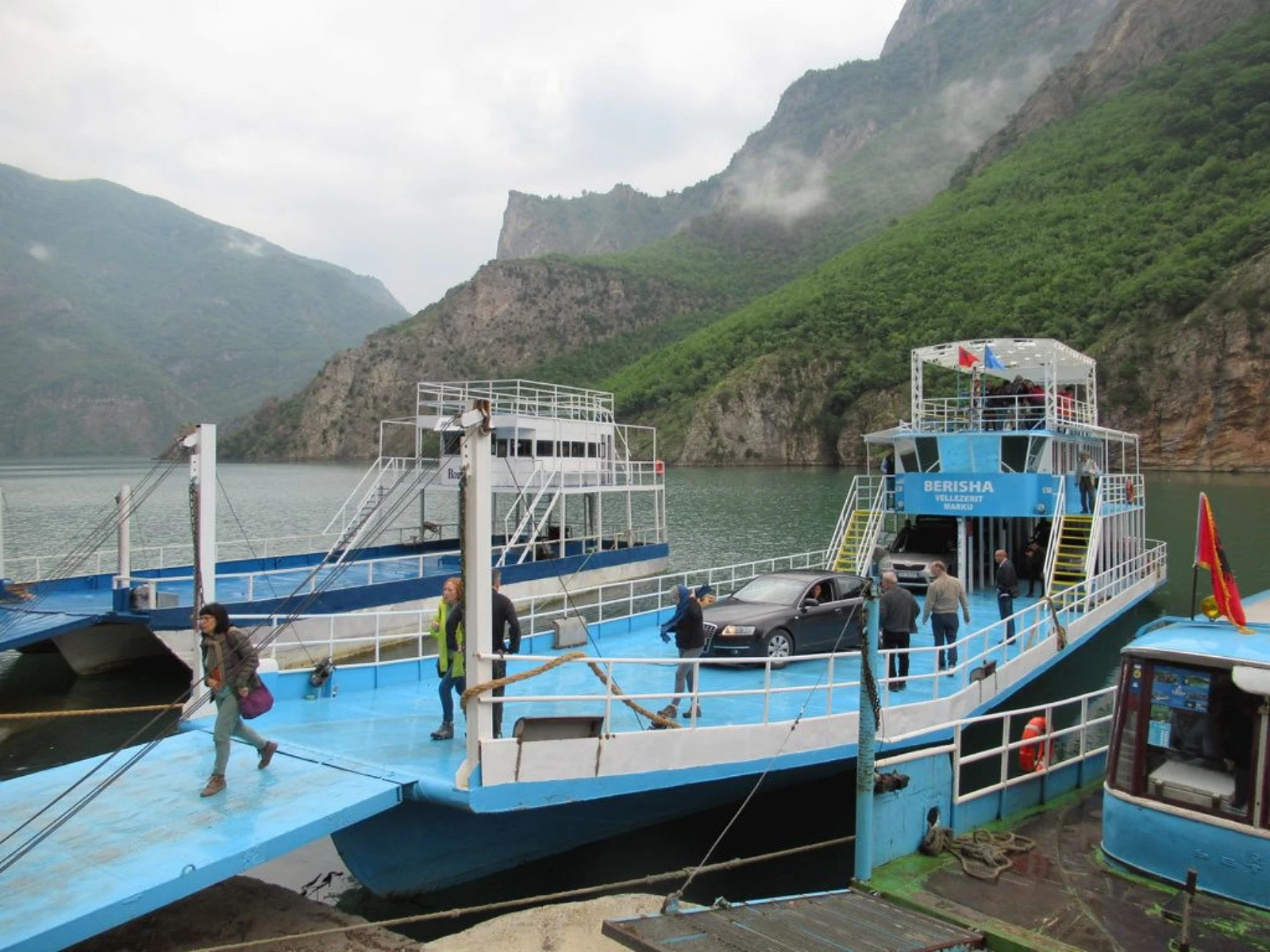
The journey across Lake Koman threads between steep mountain walls and isolated settlements, transforming transport toward Valbona into one of Albania's defining landscape experiences. Public vehicle ferries and tourist passenger boats serve different schedules and landing points.
Reserve in peak season and verify exactly where your service departs. Leave a generous connection margin, especially when combining the boat with road transfers to Valbona. Remain seated when instructed, keep luggage secure and use flotation for any small-boat side trip toward the Shala River.
13. Mountain bike in the Albanian Alps
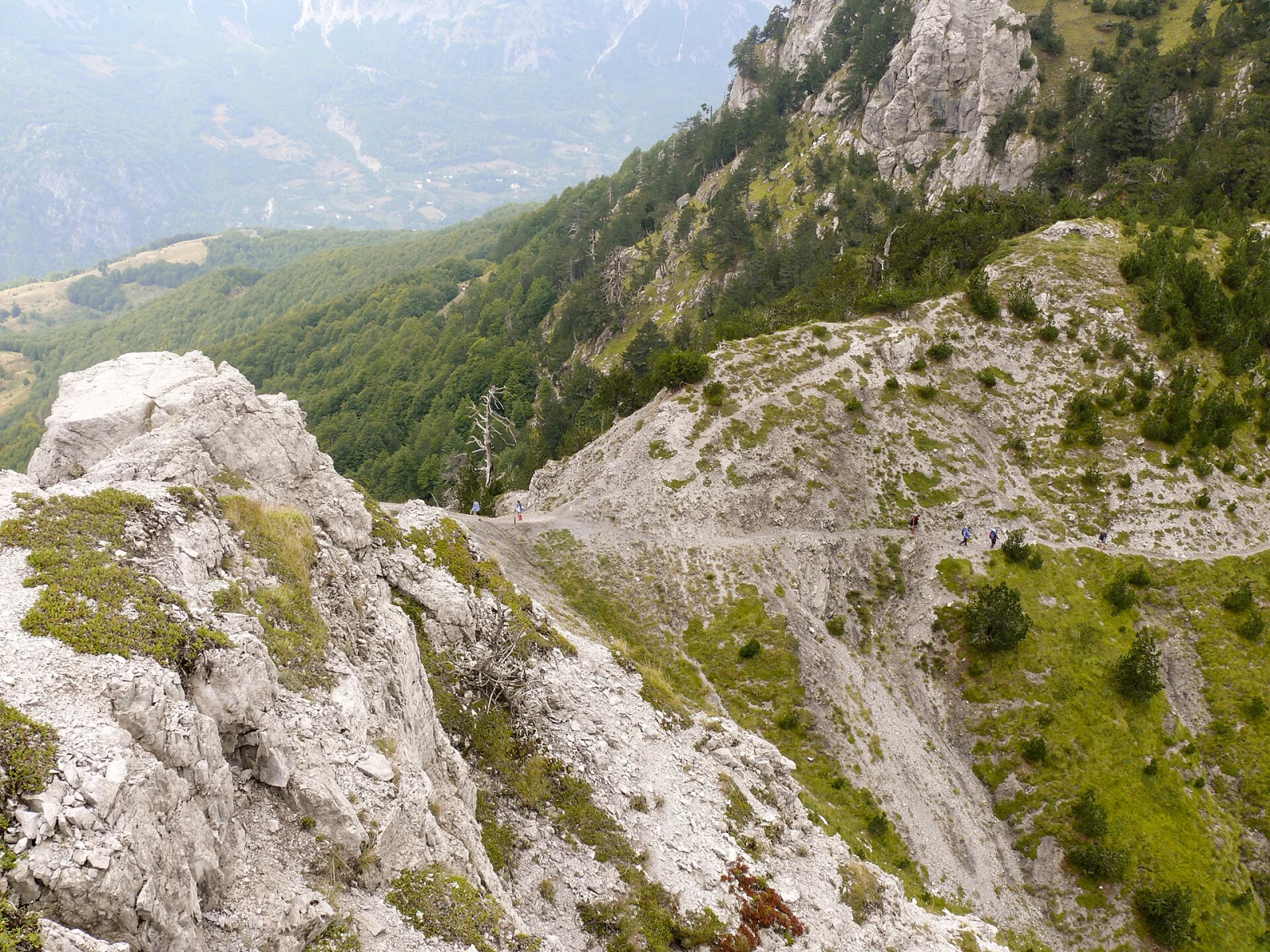
Old roads and shepherd tracks around Theth, Valbona, Kelmend and Lake Koman create excellent mountain-bike potential, but surfaces and gradients vary from rideable gravel to carrying terrain. A supported route lets riders connect villages without gambling on road closures or mechanical help.
Tell the guide your technical level, not just your fitness. Wear a helmet, carry brake pads and repair supplies appropriate to the bike, and yield to walkers and livestock. E-bikes make climbs accessible but are heavy on washed-out sections; confirm charging and rescue arrangements before a multi-day itinerary.
14. Sail or dive around Sazan and Karaburun
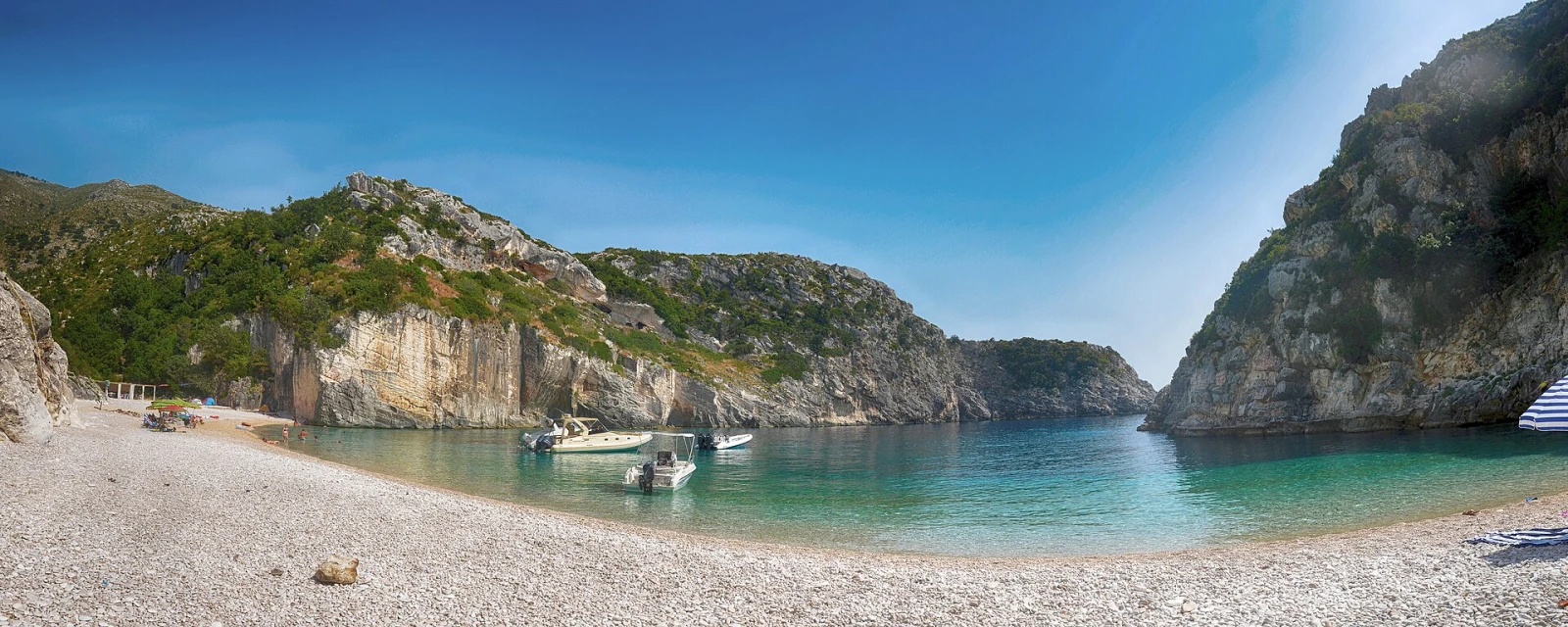
Boat trips from Vlorë explore the waters around Sazan Island and the Karaburun Peninsula, where caves, cliffs and military history meet. Qualified divers can arrange sites that may include reefs, walls or wreck-related interest, while non-divers can snorkel in sheltered water.
Use a licensed dive center, show certification honestly and do not accept an advanced or overhead site beyond your training. Ask how protected-area and island-access rules affect landings. Sea state can cancel even a sunny-day departure, and marine life should never be handled or fed.
15. Climb Mount Korab
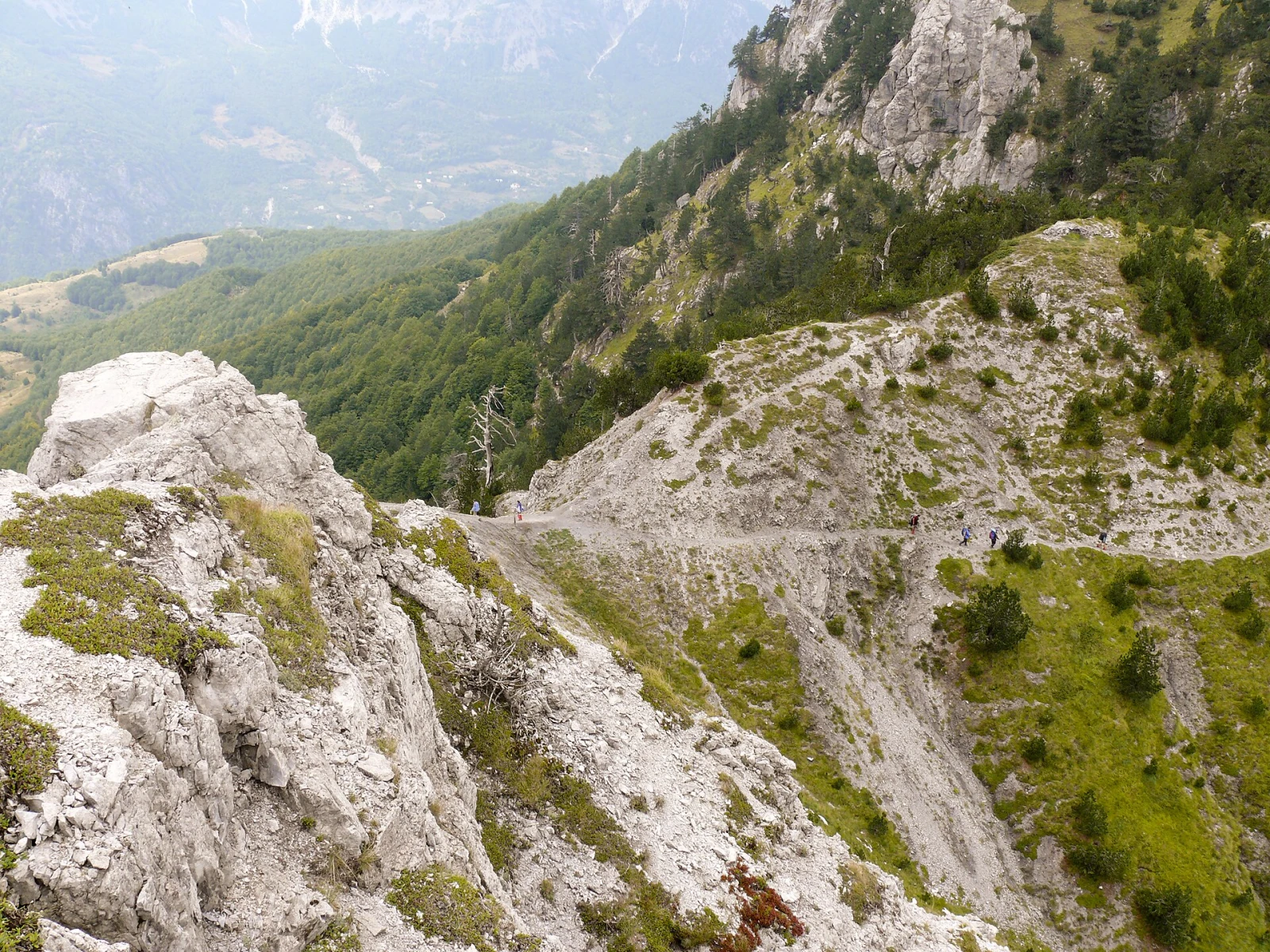
Albania's highest point, 2,764-metre Mount Korab, rises on the North Macedonia border. The main Albanian approach from Radomir is a long hiking day through pasture and exposed ridge terrain, typically requiring seven to ten hours.
Carry all-day water, insulation and navigation, and confirm the current border route locally. Thunderstorms and cloud are serious on the broad upper mountain. A guide adds safety and context in this less-developed region, and an overnight near Radomir avoids adding a tiring road journey to summit day.
16. Ride horseback through mountain country
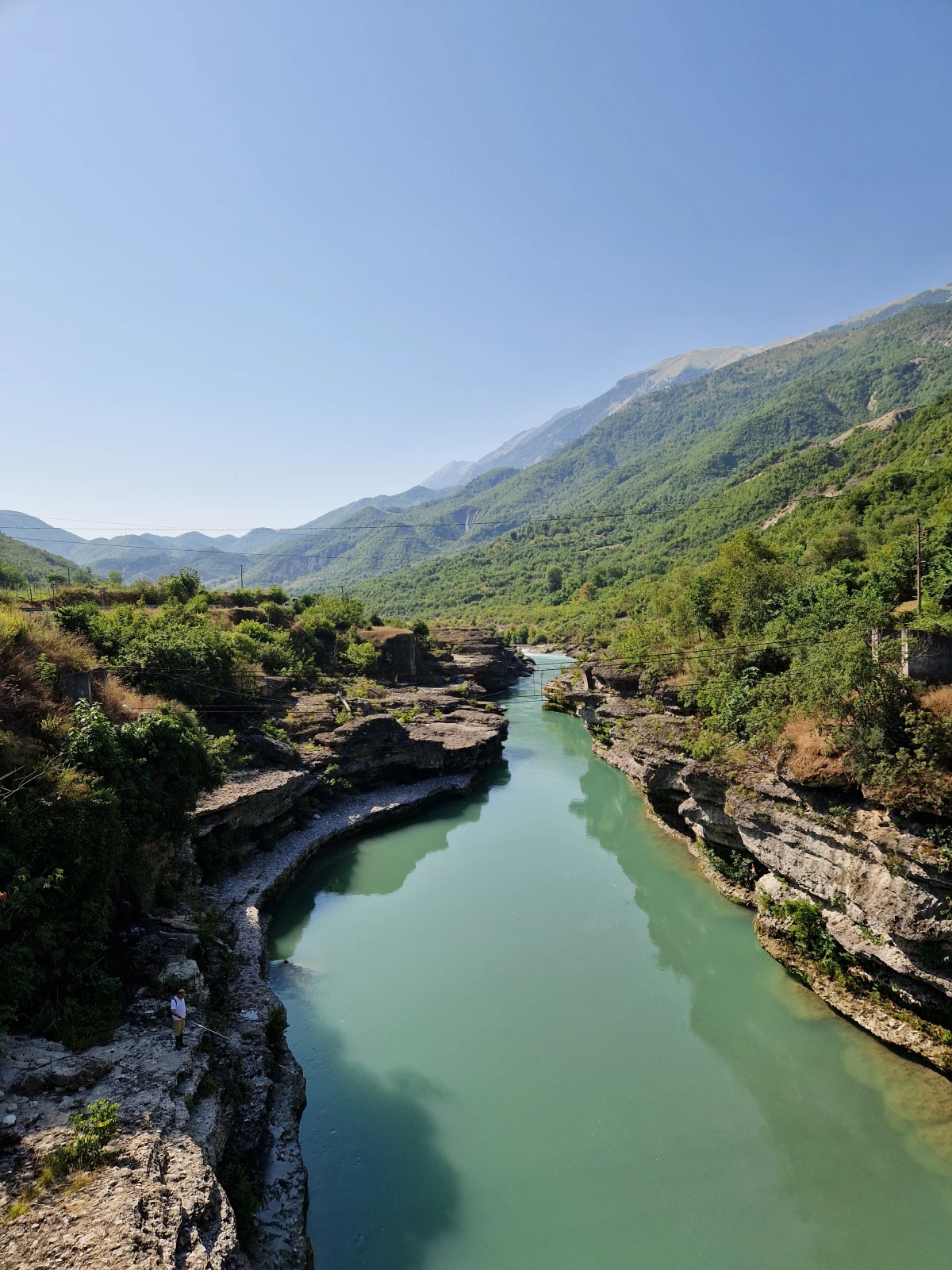
Guided horse treks operate in regions such as Përmet, the Zagori valley and the Albanian Alps, using old village routes that would take much longer to connect on foot. A multi-day ride can link guesthouses, bridges and river landscapes while supporting rural hosts.
Choose a provider that matches horses to rider experience, limits group size and demonstrates good animal care. Helmets should be available. Be honest about ability, especially on steep descents, and avoid operators that overload animals or continue in dangerous heat.
17. Explore Pëllumbas Cave
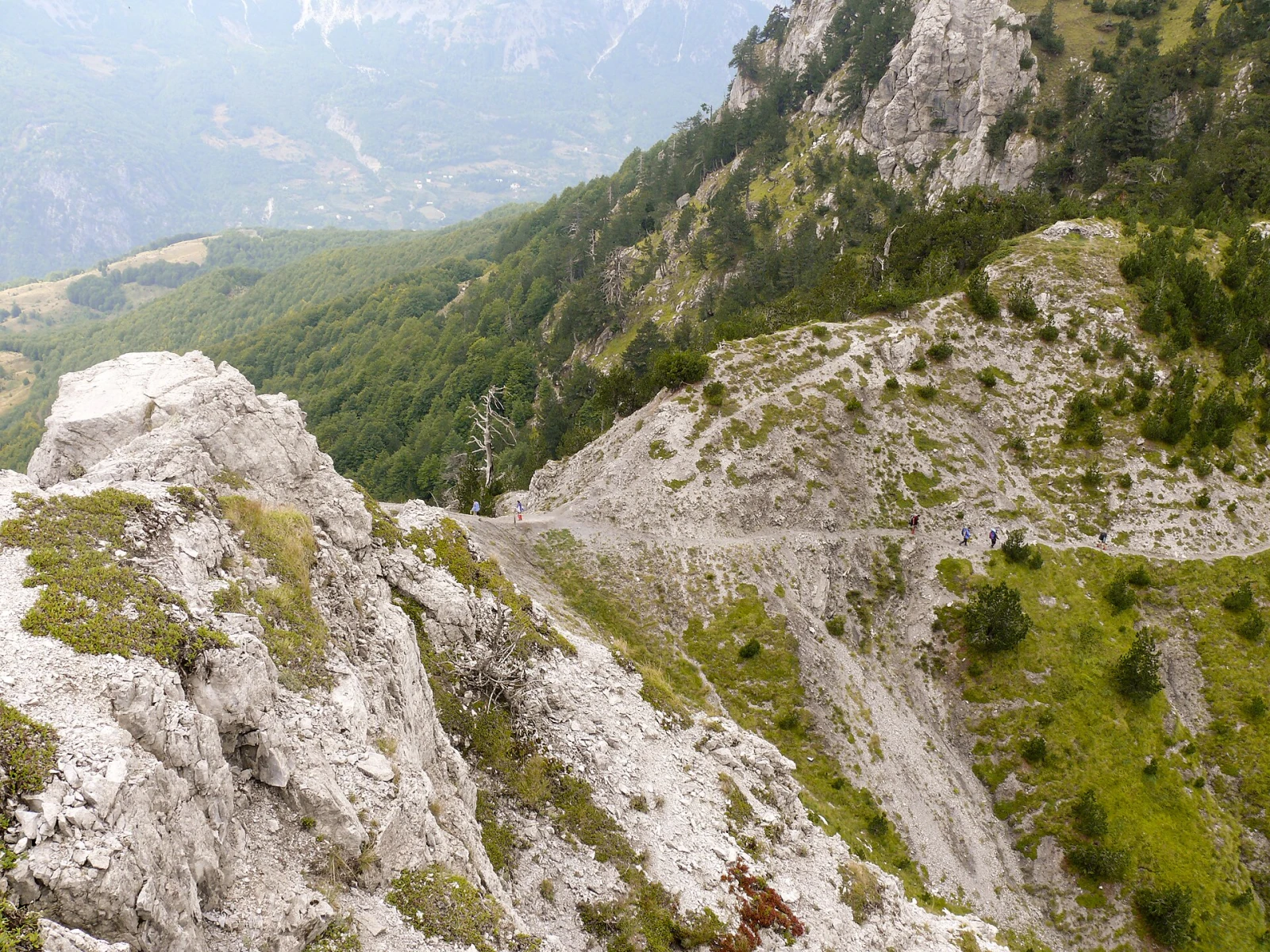
The Cave of Pëllumbas, southeast of Tirana, is reached by a hillside trail above the Erzen River. The walk, valley views and dark limestone chamber make it a convenient half-day adventure from the capital without pretending it is a fully developed show cave.
Go with local guidance, carry a proper headlamp and wear shoes that grip mud and rock. Do not rely on a phone light or enter deep passages alone. Avoid touching formations and give bats space; caves are living habitats, not blank walls for names or souvenirs.
18. Hike the Southern Coastal Trail
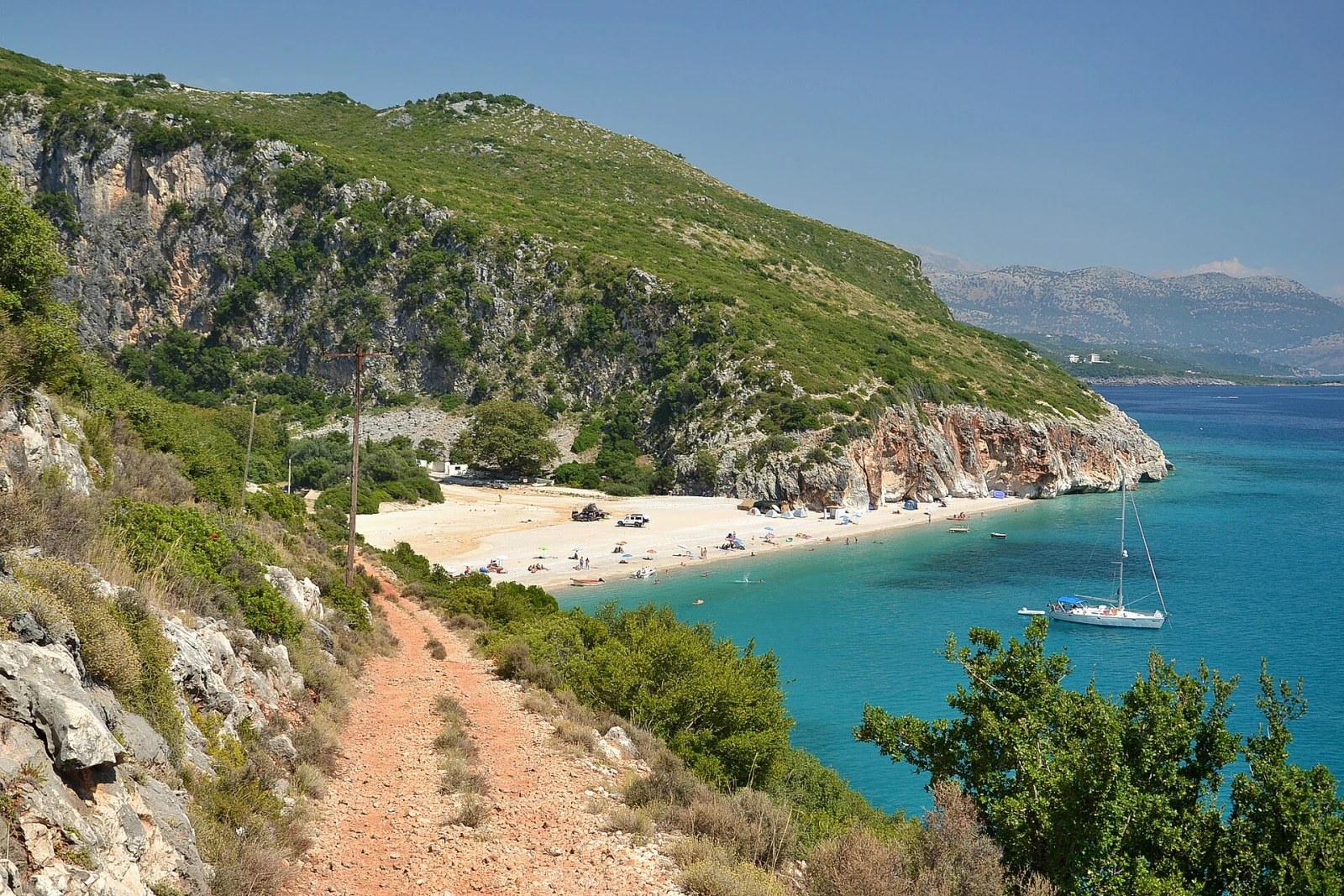
The official Southern Coastal Trail covers roughly 74 kilometres of Riviera, linking villages, olive groves, old paths and beaches over several days. It reveals the coast's human geography in a way that moving between beach clubs by car cannot.
Walk in spring or autumn, reserve accommodation in smaller villages and carry water between reliable sources. Some stages require careful navigation and road conditions can affect transfers. A single section around Vuno, Himarë, Qeparo or Lukovë also works well when a full trek will not fit.
19. Camp above the coast or in the Alps
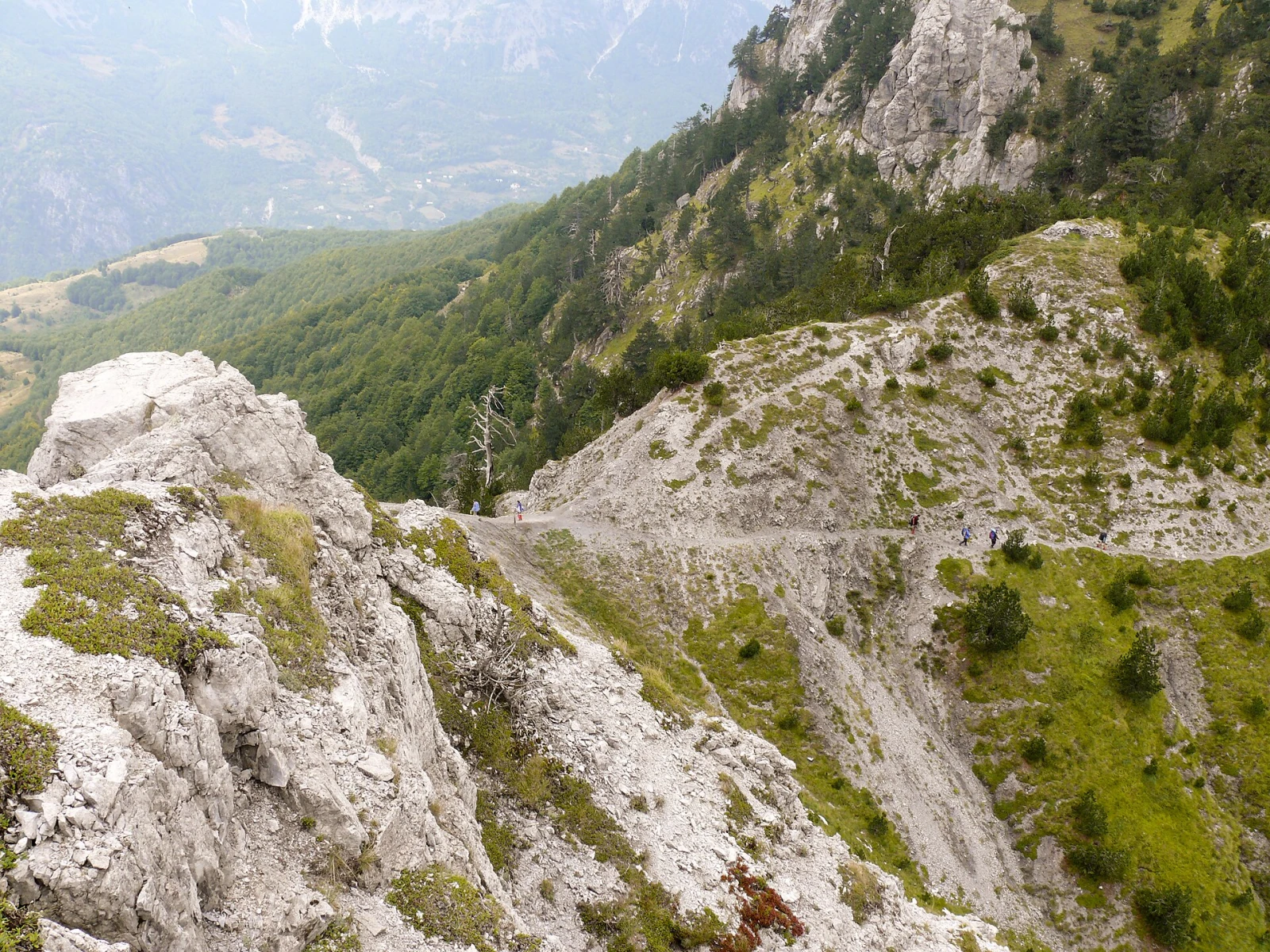
A night outdoors can add sunrise, stars and quiet to Llogara, the Albanian Alps or a remote coastal journey. The responsible version is a designated campsite, guide-arranged bivouac or guesthouse-supported camp—not pitching on a protected beach or private pasture without asking.
Fire risk becomes extreme in dry summers. Follow local bans, use a stove only where permitted and pack out all waste. In mountains, prepare for cold and storms; on beaches, secure camp against wind and never block nesting habitat or access routes.
20. Follow castle walls above Albania's cities
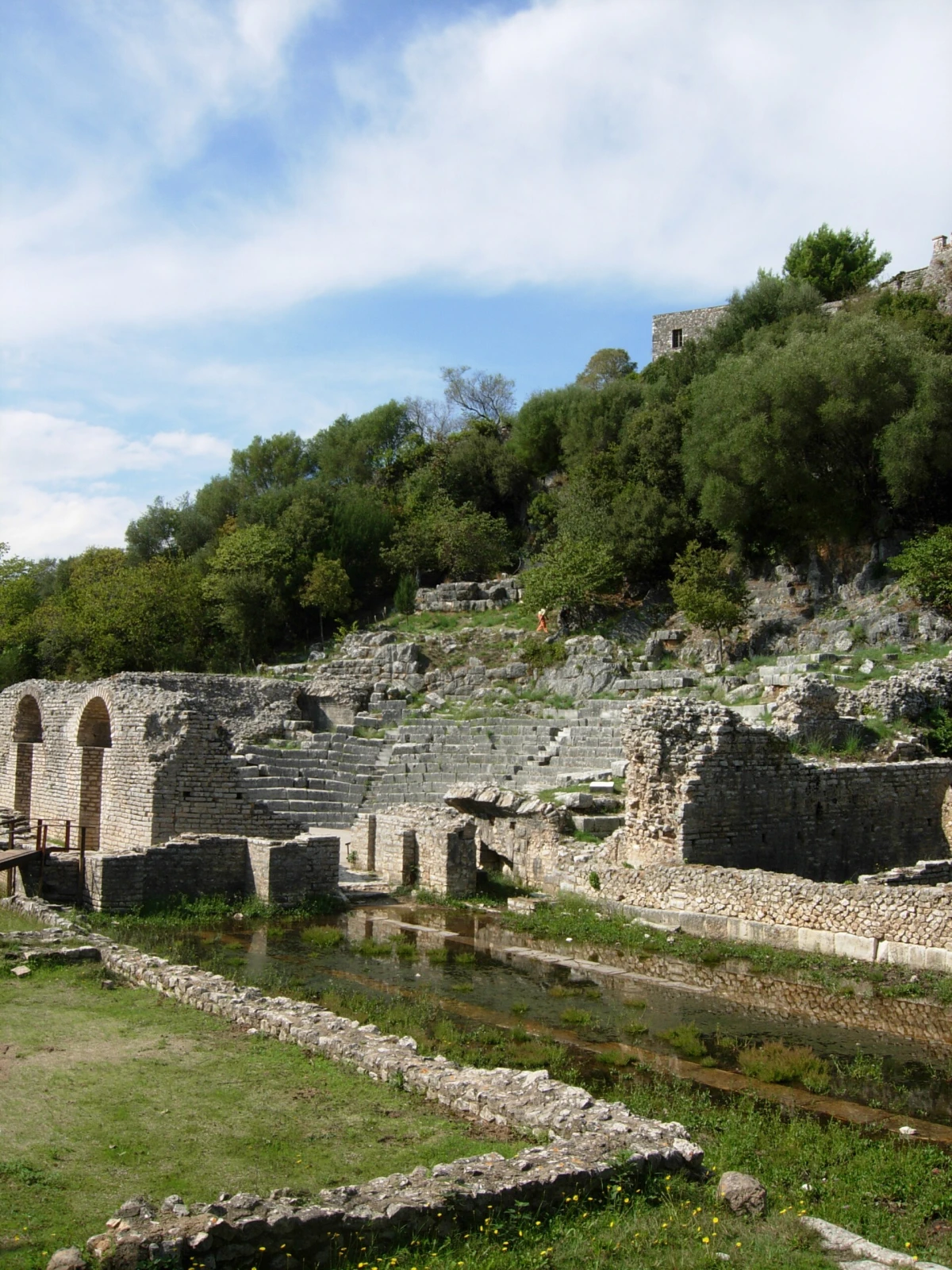
Rozafa, Berat, Gjirokastër and Krujë turn history into active exploration. Their climbs, gates, passages and panoramic positions explain how rivers, roads and valleys shaped settlement. A multi-city route gives each fortress context instead of treating them as interchangeable stone backdrops.
Wear grippy shoes, carry water and stay off unstable walls. Begin with Albania's castles and ancient ruins guide to compare the sites, then allow two or three hours for each major complex. A local guide is most valuable where layers of construction are otherwise difficult to distinguish.
How to choose your Albania adventure
Base yourself in Shkodër for Theth, Valbona, Koman and lake cycling; Vlorë or Himarë for Karaburun, kayaking, diving and coastal trails; Berat for Osum and historic exploration; or Përmet for the Vjosa, Bënjë and southern horse treks. Tirana works for Pëllumbas, Bovilla and day trips, but remote adventures are better with an overnight close to the start.
Match the commitment to the trip. Theth–Valbona, Korab and Jezercë require early starts and mountain judgment. Rafting, diving, paragliding and canyoning require competent providers. A castle walk, lake cycle or Butrint visit offers discovery with much lower physical risk.
Explore further in the guides to Albania's best hikes, best beaches and waterfalls, canyons and springs.
Before booking
- Ask operators about qualifications, insurance, equipment and cancellation criteria.
- Confirm border permits for remote international trekking routes.
- Keep one flexible day for wind, river levels, snow, storms or transport changes.
- Use offline maps and tell your accommodation the route and return time.
- Respect protected areas, private land, sacred sites and seasonal wildlife restrictions.