

Albania's castles and ruins reward travelers who like to read a landscape as they walk through it. At Butrint, Greek, Roman, Byzantine and Venetian remains occupy a wooded peninsula beside a lagoon. In Berat and Gjirokastër, fortified upper towns still shape everyday city life. Elsewhere, walls rise above river valleys, Adriatic plains and mountain passes that explain why the site mattered in the first place.
These are not interchangeable photo stops. Some require half a day and a guidebook; others are unfenced hilltops where loose masonry and heat are the main practical concerns. The list prioritizes places that offer genuine exploration—room to follow walls, enter gates, compare building periods and understand the relationship between a settlement and its terrain. Opening hours, restoration work and ticket systems change, so verify them with the responsible site or tourism authority before a dedicated journey.
Albania's historic sites at a glance
| Site | Periods | Best feature | Time needed |
|---|---|---|---|
| Butrint | Greek to Venetian | Layered city in wetland | 3–4 hours |
| Gjirokastër Castle | Medieval to 20th century | Vast ridge-top fortress | 2–3 hours |
| Berat Castle | Ancient to Ottoman | Inhabited fortified quarter | 2–4 hours |
| Rozafa Castle | Illyrian origins to Venetian/Ottoman | Lake and river panorama | 2 hours |
| Apollonia | Greek and Roman | Monuments in open countryside | 2–3 hours |
| Krujë Castle | Medieval and Ottoman | Skanderbeg history and bazaar | 2–3 hours |
The 10 best castles and ancient ruins in Albania
1. Trace the layers of Butrint
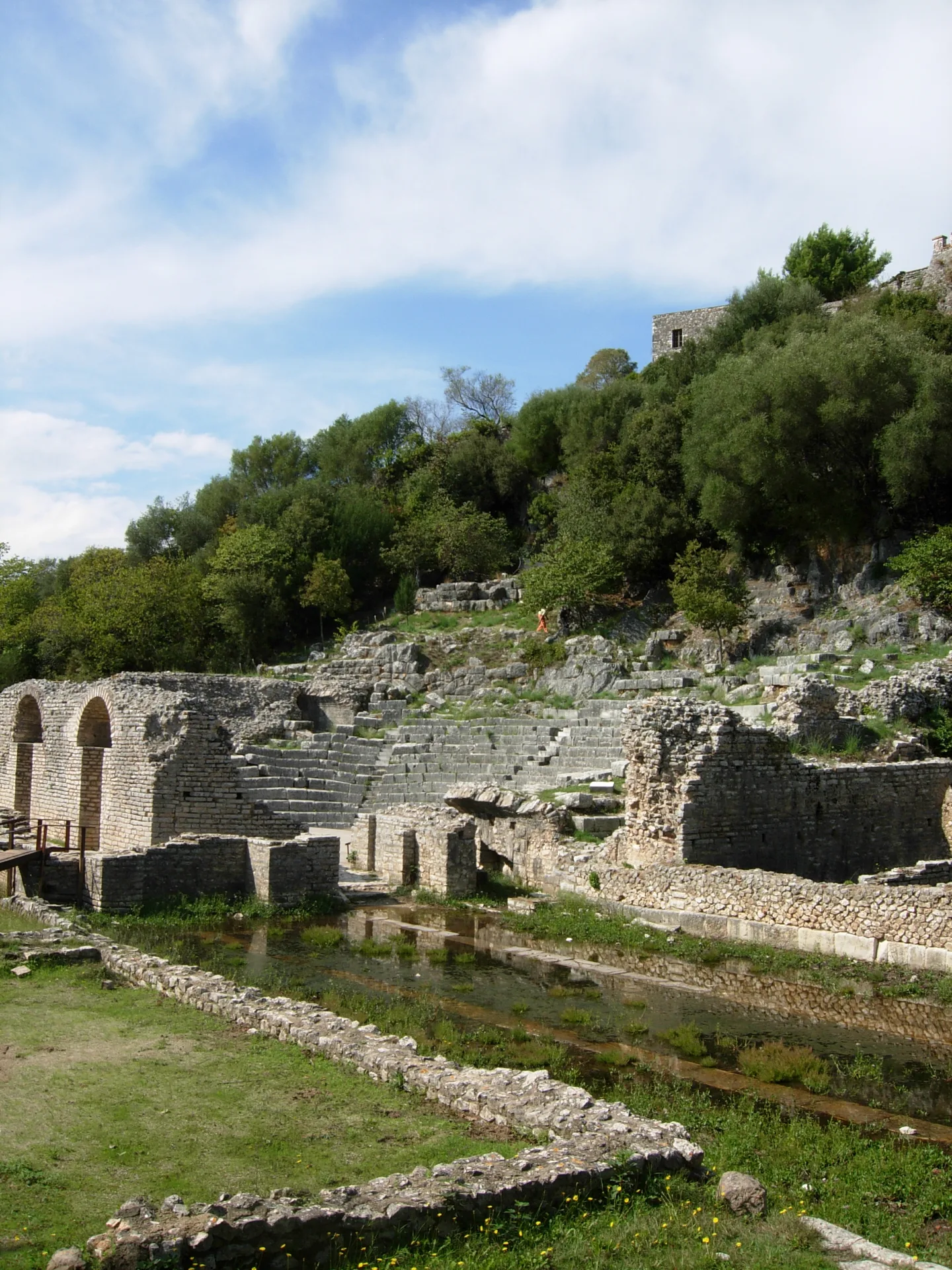
Butrint is Albania's essential archaeological walk. Paths loop through a wooded peninsula past a Greek theatre, Roman baths, an early Christian baptistery and basilica, defensive gates and later Venetian fortifications. The surrounding lagoon and channel are not background decoration: the wetland setting helped sustain, protect and eventually isolate the city.
Allow at least three hours, begin near opening in hot weather and use the museum or an accredited guide to distinguish the many periods. Mosaics may be covered for conservation, so do not build the visit around one photograph. Butrint is a UNESCO World Heritage property and a protected natural landscape; remain on paths, never climb walls and combine it with Ksamil only if you can give the ruins the unhurried attention they deserve.
2. Explore Gjirokastër Castle
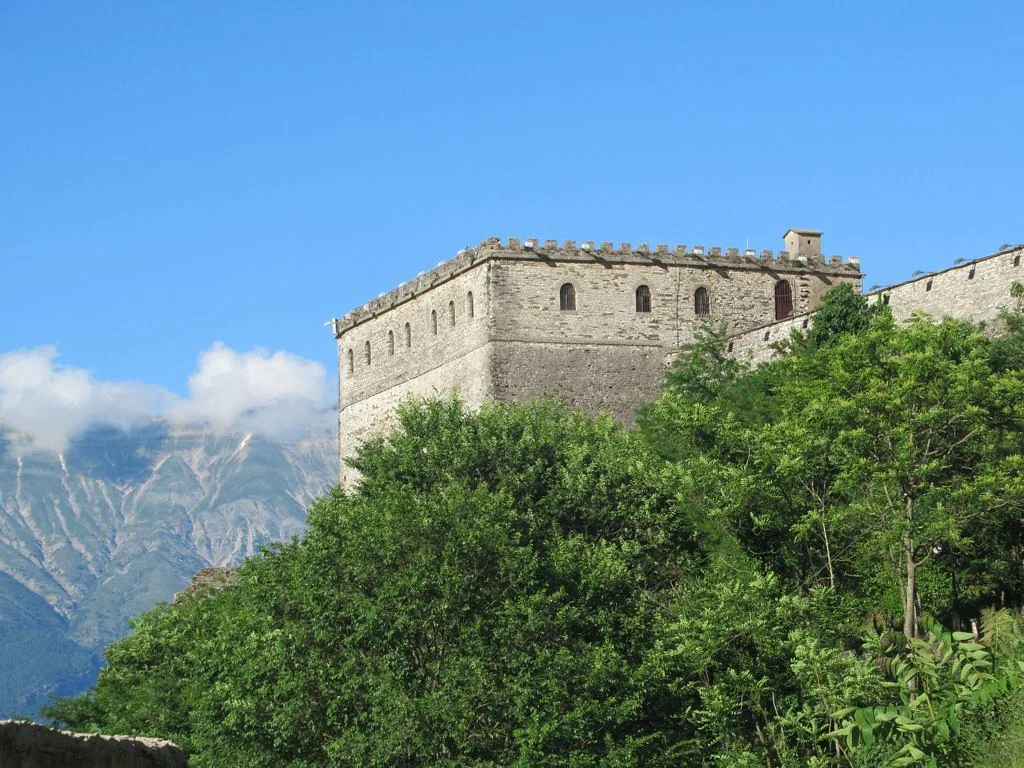
Gjirokastër's fortress occupies the ridge above a UNESCO-listed Ottoman-era town, turning the climb through steep stone lanes into part of the visit. Inside are vaulted passages, defensive works, a clock tower, exhibition spaces and broad views over the Drino valley. The structure reflects repeated expansion rather than one frozen medieval moment.
Set aside two to three hours and wear shoes that grip polished cobbles. Some displays interpret twentieth-century military history, while the city below is best understood through its fortified tower houses. Walk down slowly through the bazaar and residential lanes rather than taking a vehicle directly between landmarks; the relationship among castle, hillside and houses is the site's central story.
3. Walk through living Berat Castle
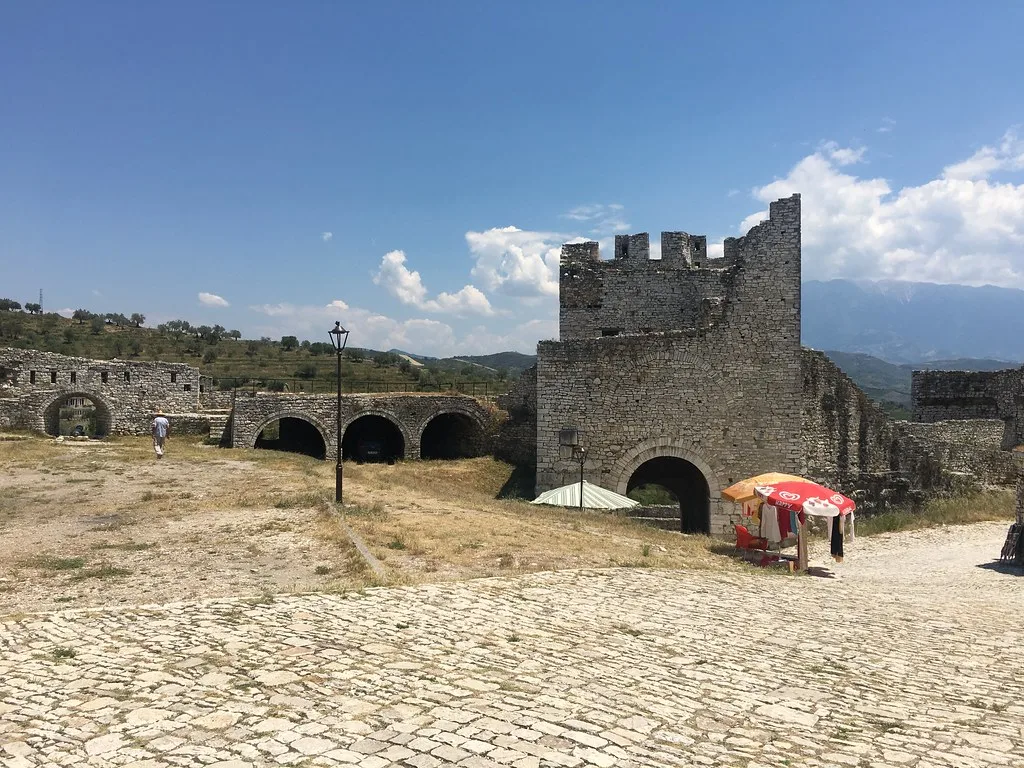
Berat Castle, or Kalaja, encloses churches, lanes, viewpoints and inhabited homes on the hill above the Osum River. Its walls have ancient origins and later Byzantine and Ottoman phases, but the unusual pleasure is that this is still a neighborhood rather than an empty enclosure. The Onufri icon museum occupies the cathedral complex, while fragments and reused stone reveal earlier layers around the hill.
The climb from the lower town is steep and exposed; start early or take transport uphill and walk down. Dress respectfully around active religious buildings and keep voices low beside homes. A half-day allows time to explore side lanes instead of rushing between the main gate and viewpoint. Pair it with Gorica Bridge and the Mangalem quarter to see how the fortress anchors the wider UNESCO city.
4. Climb Rozafa Castle in Shkodër
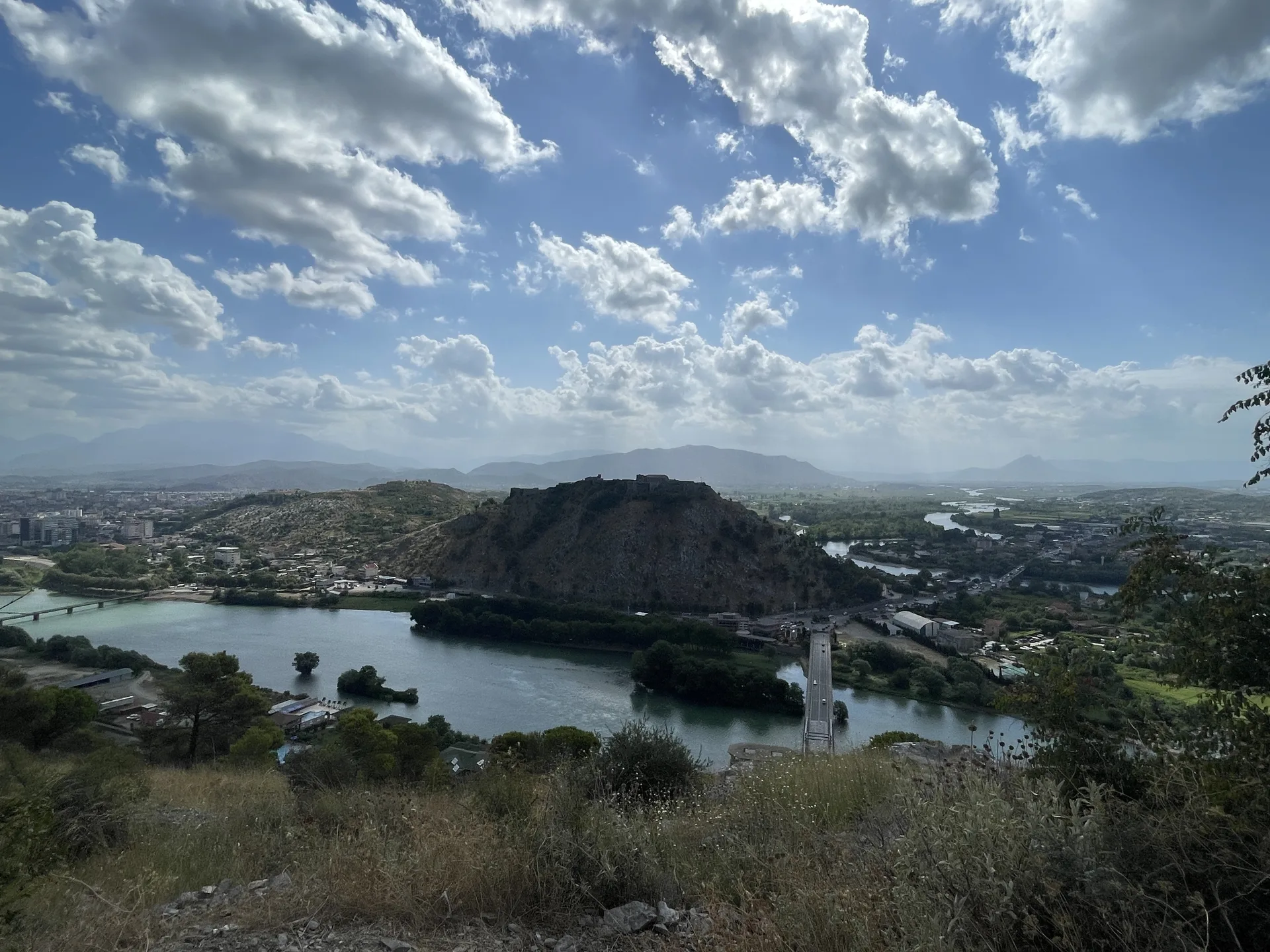
Rozafa Castle stands where the Drin and Buna river systems meet beside Lake Shkodër, a position that makes its long strategic importance immediately legible. Illyrian foundations, Venetian defenses and Ottoman alterations overlap across a large hilltop enclosure. Views extend toward the lake, plains and mountains, while the legend of Rozafa gives the site a powerful place in Albanian cultural memory.
The stone approach and interior are uneven, with little shade and unprotected drops. Allow about two hours, carry water and visit the small museum if open. Reading the legend is worthwhile, but do not let folklore replace the visible architecture: walk the successive enclosures and look outward to understand why so many powers defended this point.
5. Walk the ancient city of Apollonia
Founded by Greek colonists and later important under Rome, Apollonia spread across low hills near the Adriatic plain. Its reconstructed monument of the Agonothetes is the familiar image, but the pleasure lies in walking between the odeon, bouleuterion area, temples, walls and monastery museum across an open archaeological landscape.
Allow two to three hours and expect strong sun. A site guide or careful map helps because many foundations do not explain themselves at first glance. The ancient shoreline was closer than today's map suggests, and understanding the former river and trade connections makes the city's scale more coherent. Combine Apollonia with Fier rather than treating it as a quick roadside diversion between Tirana and the Riviera.
6. Discover Krujë Castle and old bazaar
Krujë Castle is inseparable from the story of Gjergj Kastrioti Skanderbeg and resistance to the Ottoman Empire. The enclosure contains the purpose-built Skanderbeg Museum, an ethnographic museum, a Bektashi tekke, surviving walls and inhabited structures. Below the gate, the old bazaar extends the walk into a historic commercial street.
Because the complex mixes reconstructed and historic elements, a good guide helps separate symbolism from surviving fabric. Plan two to three hours and continue to viewpoints around the enclosure rather than visiting only the main museum. Krujë is an easy trip from Tirana, but road traffic can turn a short distance into a slow return; arrive early enough to walk the bazaar before tour groups concentrate around midday.
7. Climb Kaninë Castle above Vlorë
Kaninë Castle sits high above Vlorë, with a wide view over the bay, lagoon plain and Karaburun Peninsula. Fortification phases stretch from antiquity through Byzantine and medieval rule, though the surviving walls are fragmentary. Its value is the combination of ruins and geographic perspective: from the ridge, the shape of Albania's central coast becomes clear.
Access is normally by road to Kaninë village followed by a short uphill walk. Facilities and interpretation are limited, so read beforehand or go with a local guide. Avoid leaning on unstable masonry, keep back from exposed edges and visit in morning or late afternoon when heat and glare are manageable. Pair it with Vlorë's independence history or a separate day in the Karaburun marine landscape.
8. Explore Lezhë Castle
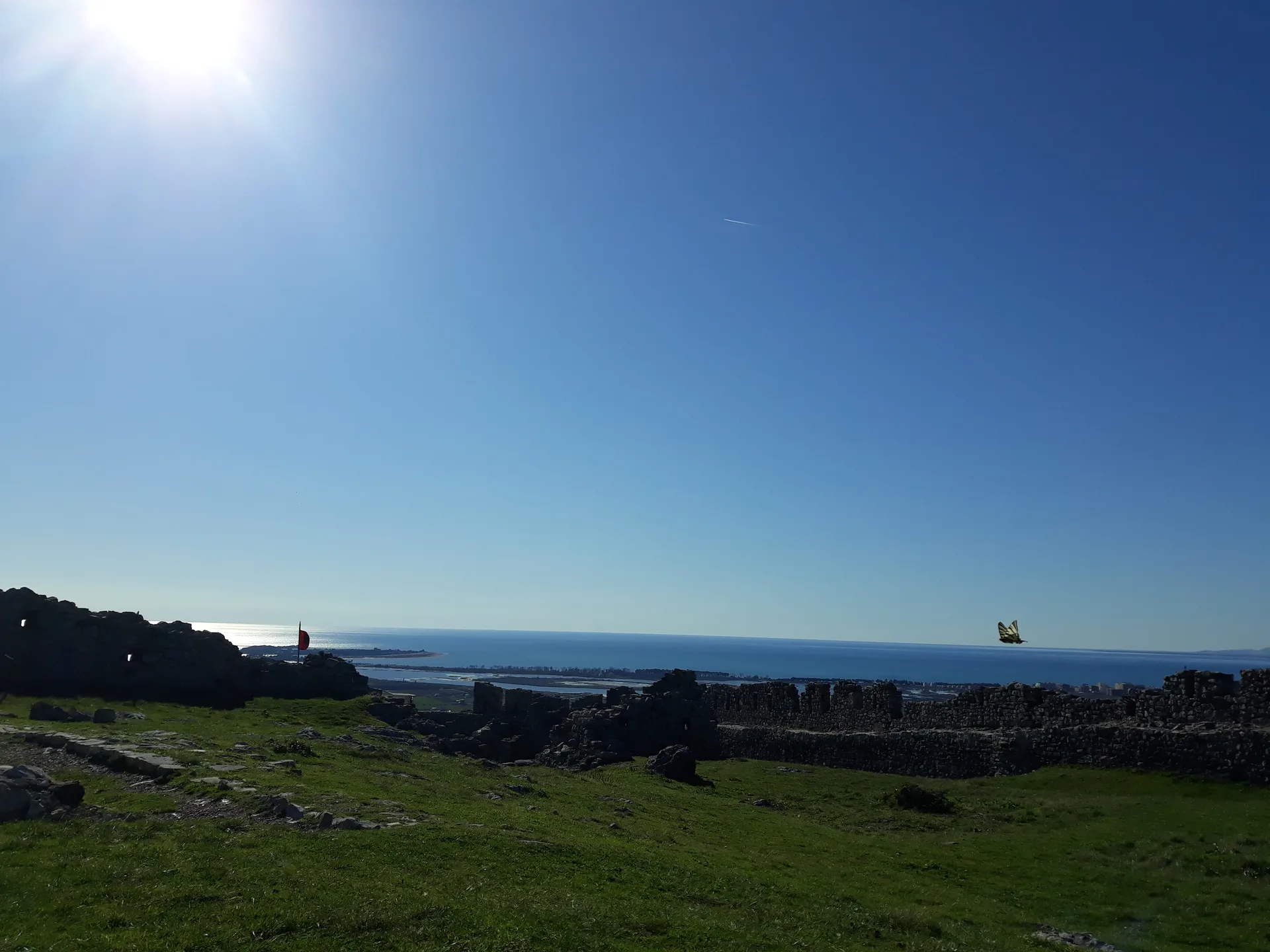
Lezhë Castle rises over the Drin plain and the routes linking northern Albania with the Adriatic. Illyrian, Roman, Byzantine, Venetian and Ottoman phases are represented in the site's long history, while the broad enclosure gives unobstructed views toward coast, river and mountains. In town below, the Skanderbeg Memorial marks the site associated with his burial.
The final road and foot approach can be rough, and shade inside the walls is scarce. Bring water and allow at least an hour on top plus time for the town. The ruins are less monumental than Gjirokastër's fortress, but they invite slower reading: follow the perimeter, identify changes in masonry and use the panorama to reconstruct the strategic network around medieval Lezhë.
9. Visit the hilltop ruins of Byllis
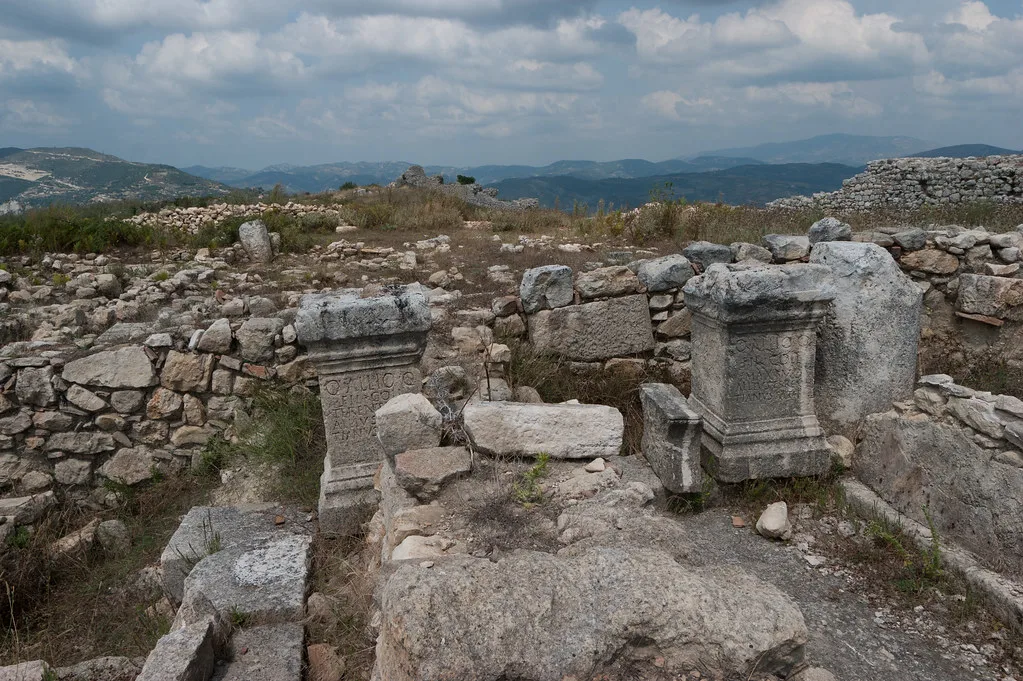
Byllis occupies an isolated plateau above the Vjosa valley, where substantial walls, a theatre, stadium, basilicas and cisterns reveal the scale of an Illyrian and later Roman city. The open setting and relative quiet make it one of Albania's most exploratory archaeological experiences; you can move across the ancient urban plan without the density of modern development.
A vehicle is the practical way to reach the site, and the last road conditions should be checked locally. There is very little shade, food or water, so treat it as a self-contained half-day. Never walk on mosaics or move loose stones. Interpretation may be limited, making a specialist guide especially valuable for understanding the theatre, late-antique churches and commanding valley position.
10. Wander Bashtovë Castle
Bashtovë is unusual: a substantial late-medieval fortress built on flat ground near the lower Shkumbin River rather than a dramatic hilltop. Its rectangular walls and corner towers relate to control of a once-important river port and the Adriatic trade landscape. The agricultural surroundings make the isolated geometry of the structure particularly striking.
This is best for travelers already exploring the coast or Divjakë-Karavasta area, not as the first historic site in Albania. Confirm access and restoration status before setting out, since services are minimal. Keep off fragile upper walls and combine the stop with a wetland visit led by a responsible local operator, allowing the day's history and ecology to explain one another.
Which historic site should you choose?
If you visit only one, choose Butrint for the most complete archaeological sequence. Combine Gjirokastër and Berat for inhabited UNESCO cityscapes, Rozafa and Krujë for castles whose viewpoints explain northern history, or Apollonia and Byllis for open ancient-city exploration. Kaninë, Lezhë and Bashtovë are strongest as deliberate additions to a regional route rather than hurried checklist stops.
For the landscapes around these sites, explore Albania's best hikes, beaches and adventure activities.
Visiting historic places responsibly
- Stay off walls, mosaics and closed excavation areas even when others ignore barriers.
- Do not remove pottery fragments, stones, plants or other material.
- Dress and behave respectfully in active churches, mosques and tekkes.
- Hire licensed local guides when interpretation is sparse; context makes ruins meaningful.
- Check official opening hours and conservation closures before a long detour.