

Guatemala's Maya archaeological sites range from monumental rainforest cities to highland capitals and remote settlements reached only after days on foot. Tikal deserves its fame, but it tells only part of the story. Quiriguá preserves extraordinary carved stelae, Iximché remains a place of contemporary Maya ceremony, and the journey to El Mirador reveals how archaeology and forest conservation depend on one another.
These are ancestral and, in many cases, living sacred places—not abandoned playgrounds. Rules about climbing, ceremonies, guides, opening hours and forest access vary. Buy official tickets, use registered community services and never touch carvings or enter closed structures. A knowledgeable guide is especially valuable because plazas that initially resemble piles of stone become intelligible as political, astronomical and ceremonial landscapes.
Guatemala's Maya sites at a glance
| Site | Region | Best feature | Time needed |
|---|---|---|---|
| Tikal | Petén | Monumental temples in rainforest | Full day |
| Yaxhá | Petén | Lake views and quieter plazas | Half to full day |
| El Mirador | Northern Petén | Multi-day jungle expedition | 5–6 days on foot |
| Quiriguá | Izabal | Carved stelae | 2–3 hours |
| Iximché | Chimaltenango | Highland capital and living ceremony | 2 hours |
| Tak'alik Ab'aj | Retalhuleu | Long cultural sequence | 2–3 hours |
The 10 best Mayan ruins in Guatemala
1. Spend a full day at Tikal
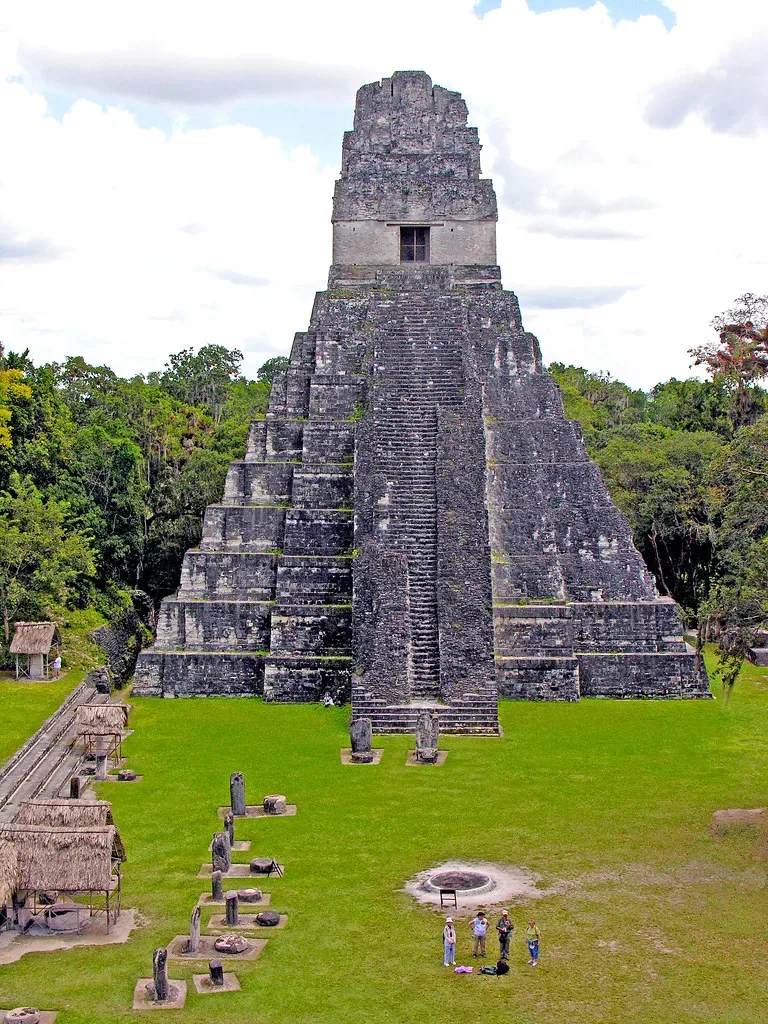
Tikal's enormous temples rise through the Maya Biosphere Reserve, connected by causeways and forest alive with toucans, monkeys and coatimundis. The Great Plaza is only the beginning: complexes, reservoirs and outlying temples spread across a site that rewards six or more hours of walking.
Stay near Flores or at the park and enter with an authorized guide for context and wildlife awareness. Sunrise and sunset access may require specific tickets and guides. Climb only structures explicitly opened to visitors, carry water and never feed animals. Tikal's status as both cultural and natural World Heritage is central to the experience.
2. Watch the light change at Yaxhá
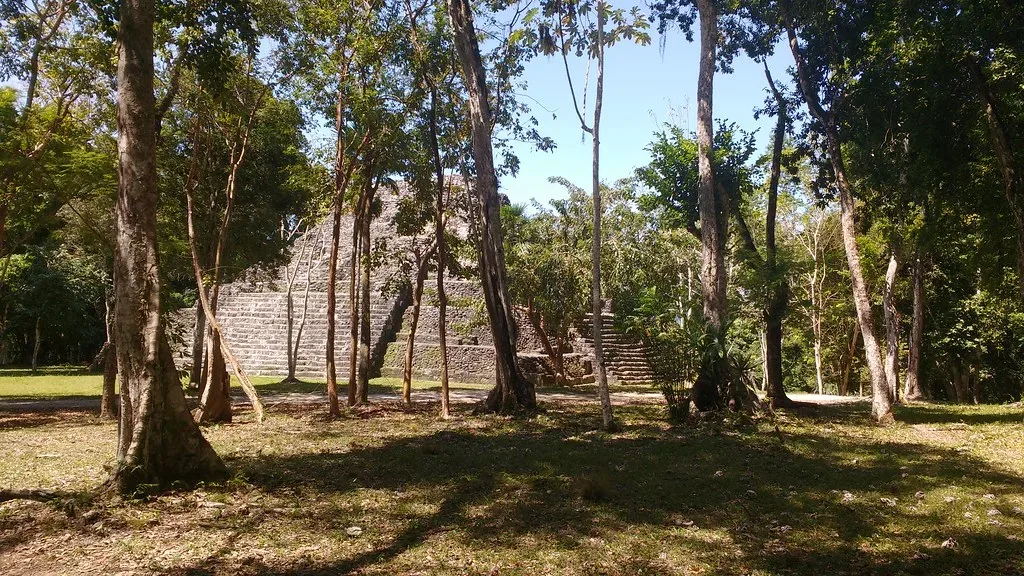
Yaxhá occupies ridges between lakes east of Tikal, with long causeways, plazas, pyramids and a famous elevated view over the forest and water. It receives fewer visitors, making the movement through space easier to appreciate. A half day is the minimum; late afternoon is particularly atmospheric when official hours and transport permit.
The access road can be rough in rain. Arrange a guide and return transport rather than assuming vehicles wait at closing. Temple access may change, so use only authorized stairs and platforms. Stay quiet around howler monkeys and birds, and avoid turning a sunset viewpoint into a noisy event.
3. Trek to El Mirador
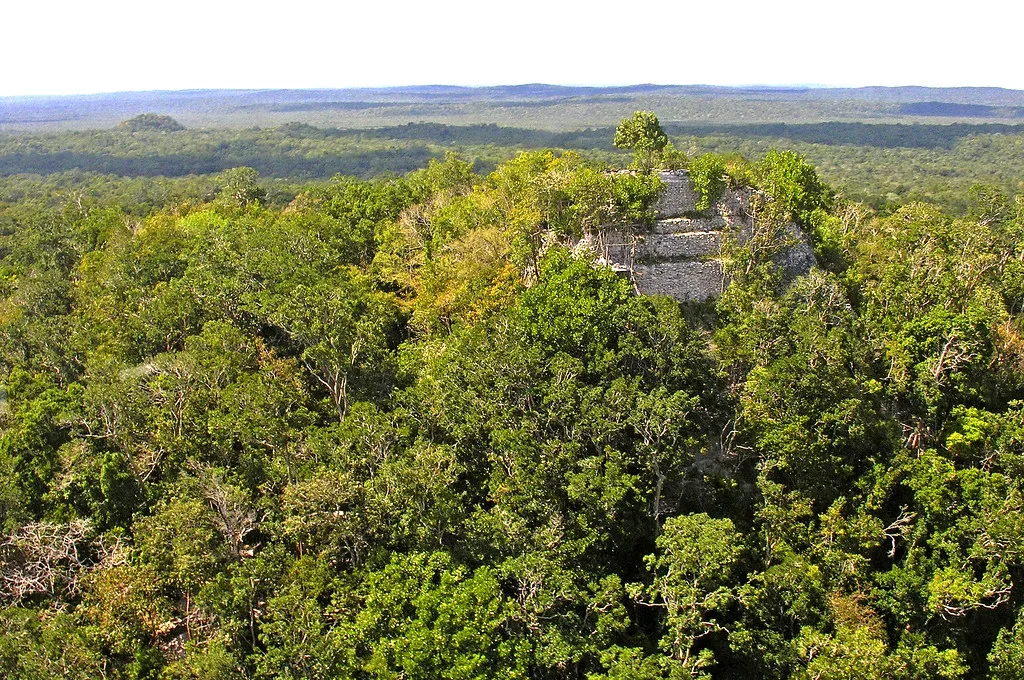
El Mirador lies deep in northern Petén and contains immense Preclassic architecture, including the La Danta complex. The classic journey is a guided five- or six-day trek from Carmelita through tropical forest, camping near archaeological sites along the way. Helicopter visits exist, but walking reveals the scale, remoteness and conservation stakes.
Use a community-authorized expedition that supplies safe water, food, tents, guides and animal-care standards. Heat, mud, insects and long daily distances make this an endurance trip. Do not remove ceramics or disturb active excavations. Fire season and rain can alter access, so build flexibility into wider travel.
4. Read the carved monuments at Quiriguá
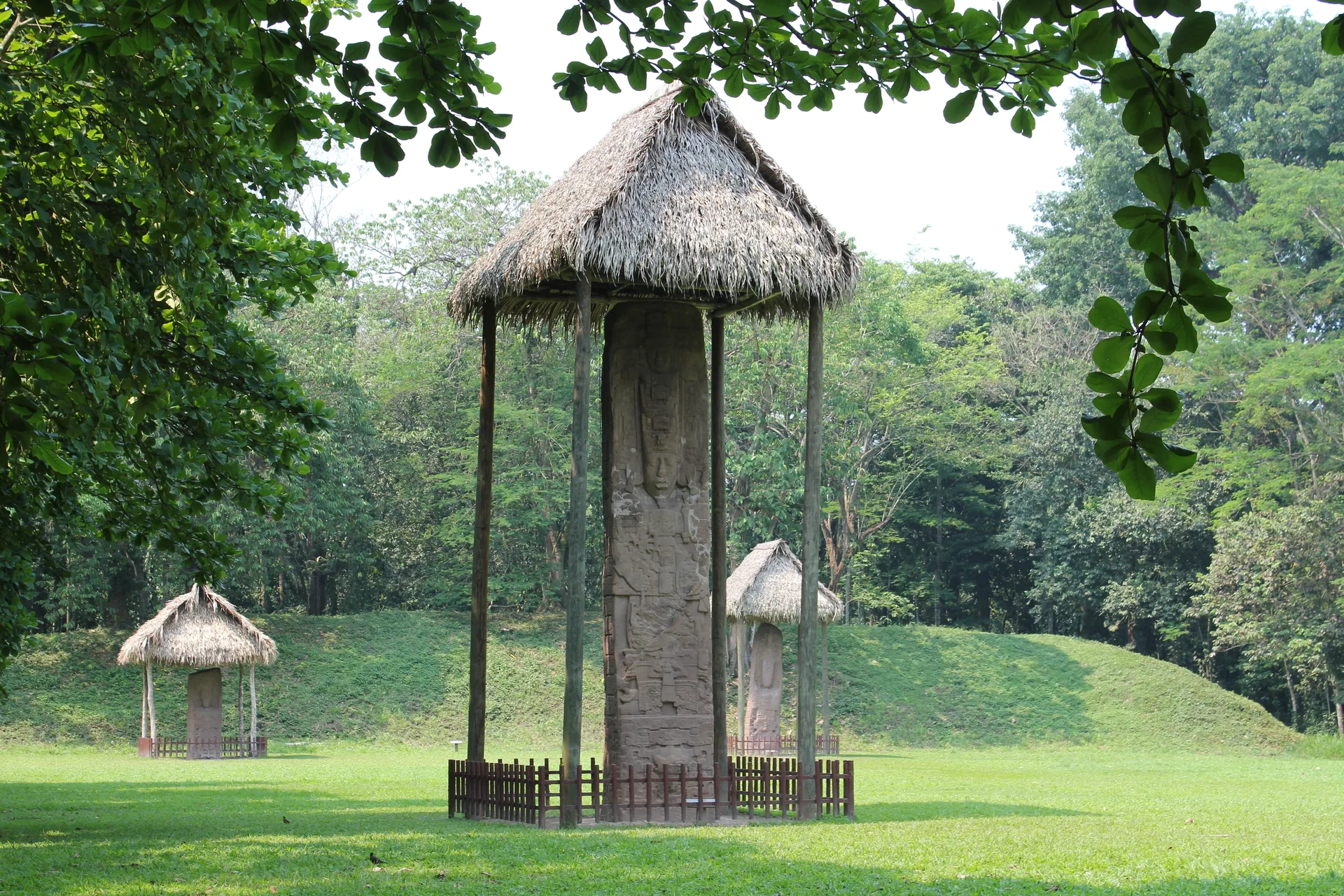
Quiriguá's broad plaza contains some of the Maya world's tallest freestanding stone stelae and intricately carved zoomorphic monuments. The site is smaller than Tikal, but the preserved inscriptions and relationship with nearby Copán make it essential for understanding dynastic power and writing.
Allow two or three hours with a guide or detailed interpretation. Protective shelters affect photographs because they safeguard irreplaceable stone; never touch carvings. The lowland heat is intense, so arrive early and combine the visit carefully with Río Dulce rather than rushing through as a roadside stop.
5. Visit Iximché respectfully
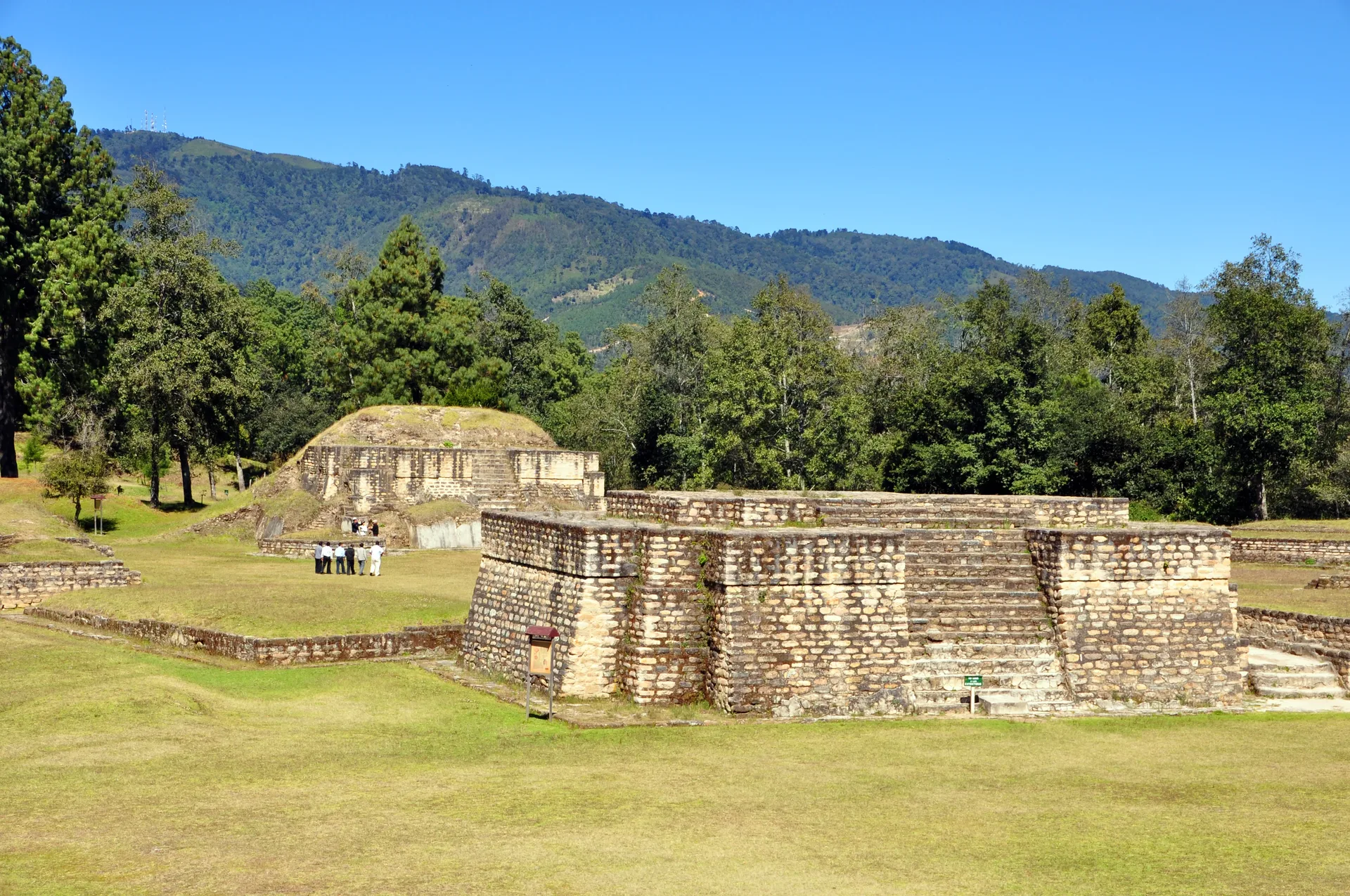
Iximché was a Kaqchikel capital in the Guatemalan highlands and the location of early Spanish colonial power before conflict reshaped the region. Pine forest surrounds plazas, ball courts and temple platforms, while Maya ceremonies continue at designated areas.
Keep distance from ceremonies, ask before photographing participants and do not interrupt offerings. A local guide can explain both the fifteenth-century capital and its contemporary significance. The site is reachable from Antigua or Lake Atitlán, but deserves its own unhurried stop rather than a quick transfer break.
6. Explore the fortified cliffs of Aguateca
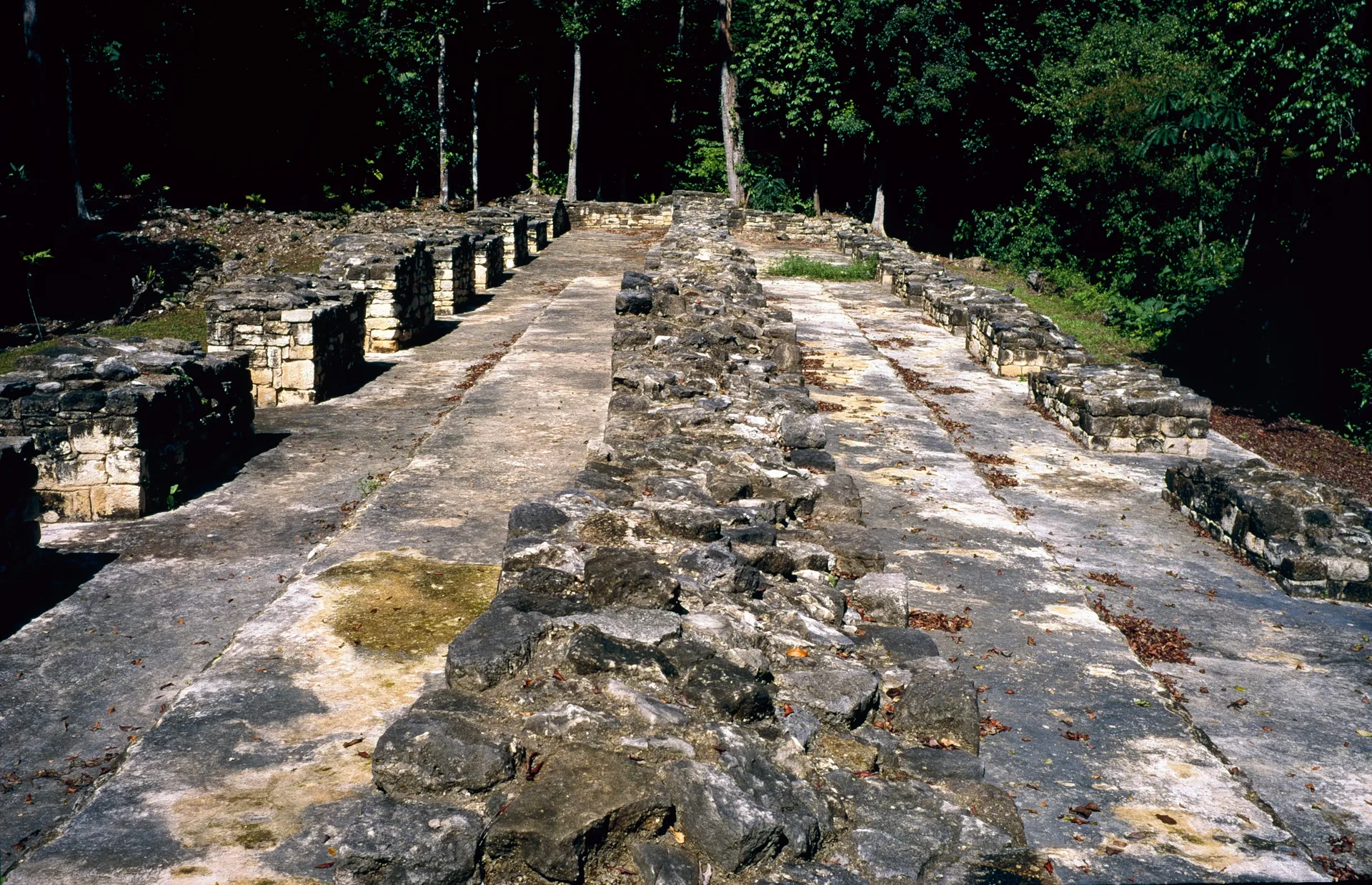
Aguateca occupies a defensible escarpment above Petexbatún Lagoon, with plazas, palaces and a dramatic chasm dividing parts of the site. Its rapid abandonment preserved aspects of elite life that archaeologists could study in unusual detail. Reaching it commonly involves a boat from the Sayaxché area followed by forest walking.
Arrange the journey with an established local operator who understands water levels, site access and return timing. Wear footwear for mud and uneven limestone, carry insect protection and do not enter fissures or structures outside marked routes. The boat-and-forest approach is integral, not an inconvenience to minimize.
7. Walk through Tak'alik Ab'aj
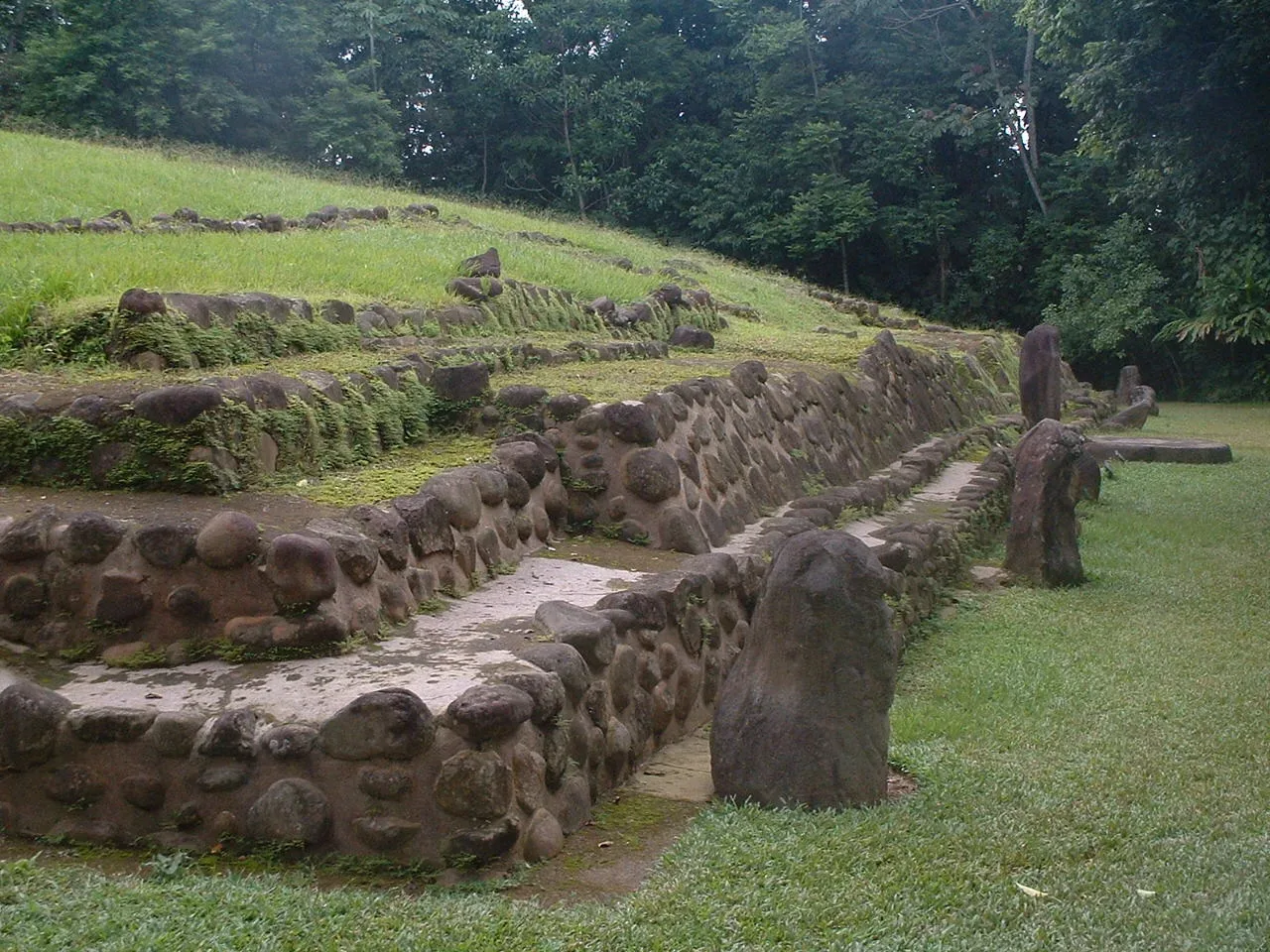
Tak'alik Ab'aj near Guatemala's Pacific piedmont preserves a long sequence of occupation and exchange, including monuments showing interaction between Olmec and early Maya traditions. Earthen mounds, stone sculpture, terraces and water systems sit in lush plantation country beneath volcanic views.
Because the site's importance is not expressed through towering temples, a guide is particularly worthwhile. Allow two to three hours, remain on paths and respect active research. Its UNESCO listing recognizes this complex cultural transition, making it an excellent complement to the later Classic cities of Petén.
8. Explore Q'umarkaj near Santa Cruz del Quiché
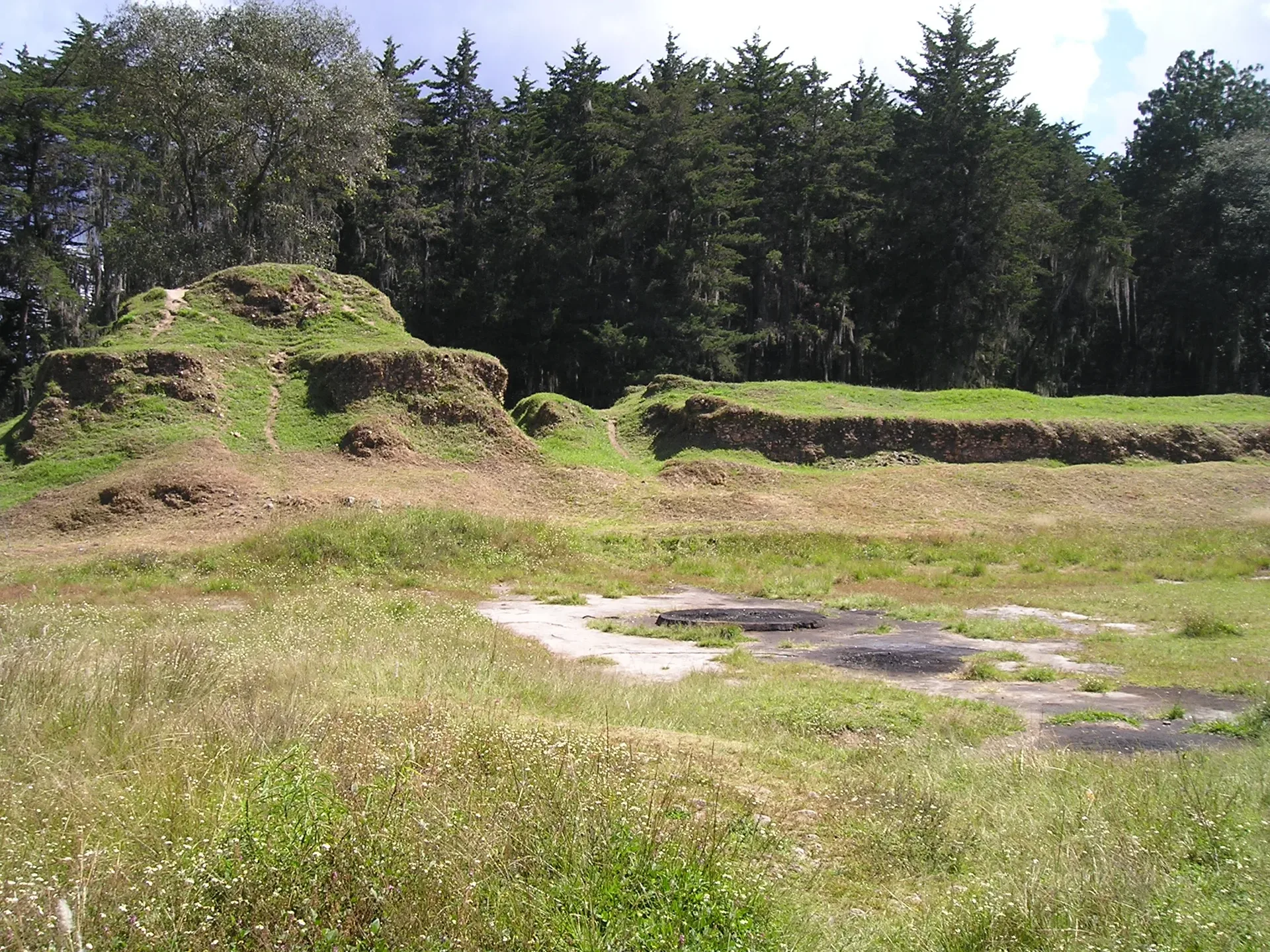
Q'umarkaj, also known as Utatlán, was the K'iche' capital encountered by the Spanish in the sixteenth century. Plazas, temple platforms and partially accessible tunnels occupy a highland plateau, while the Popol Vuh and continuing Maya spirituality give the site significance beyond the visible ruins.
Hire a local guide, use a headlamp only where tunnel entry is officially permitted and never enter alone. Ceremonial areas require privacy and respect. Combine the visit with time in the K'iche' region rather than treating it simply as a distant add-on from Antigua.
9. See the temples and museum at Zaculeu
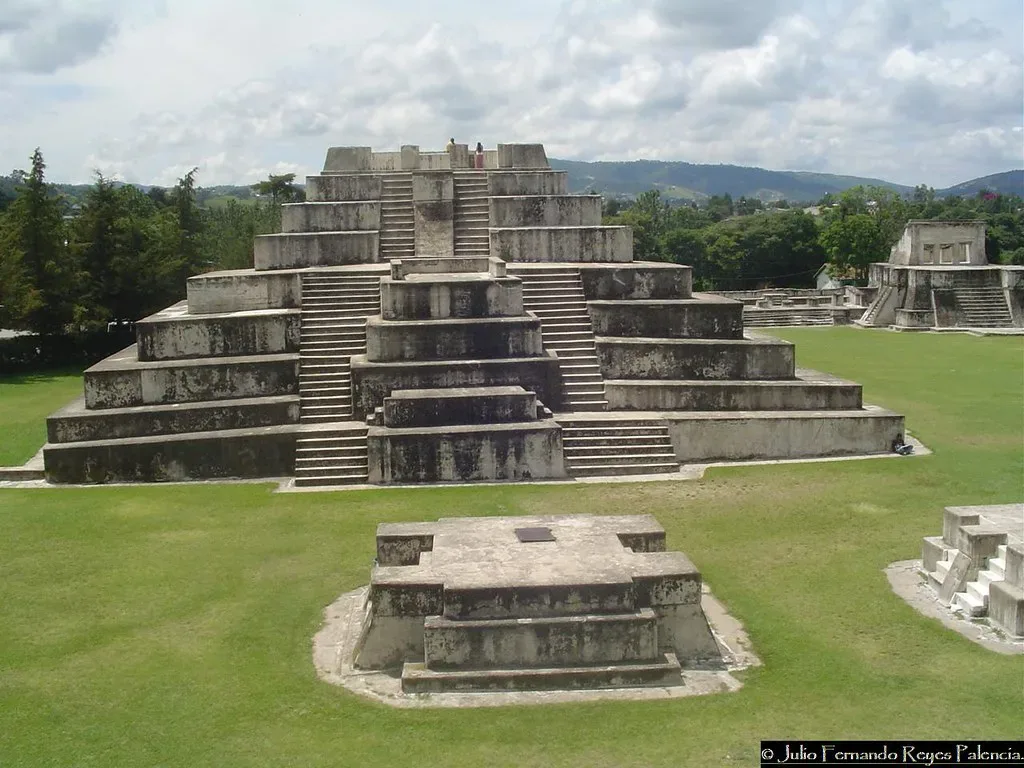
Zaculeu was a Mam Maya center near Huehuetenango, later besieged during the Spanish conquest. Restored white-faced structures surround compact plazas, creating a visually clear site that can be explored in one or two hours. The museum adds ceramics and historical context.
Some restoration reflects twentieth-century choices rather than untouched ancient fabric, a distinction worth understanding. Climb only where allowed, avoid midday heat and pair Zaculeu with a deeper highland itinerary. Respect that the site remains part of Mam cultural heritage.
10. Visit Ceibal above the Pasión River
Ceibal, or El Ceibal, contains plazas, stelae and a distinctive circular structure in forest above the Pasión River near Sayaxché. Its long occupation and late revival make it important for understanding the changing political landscape of the Maya lowlands.
Access may be by road and forest walk or incorporated into a river journey depending on current conditions. Confirm the route locally, take a guide and carry water. Stelae are vulnerable to weather and touch; view them from the established path and let interpretation—not climbing—provide the sense of discovery.
Which Guatemala ruins should you visit?
Choose Tikal for the essential monumental city, Yaxhá for lake-and-forest atmosphere, Quiriguá for sculpture and writing, or Iximché for an accessible highland site with living ceremonial meaning. El Mirador is a genuine expedition; Aguateca and Ceibal suit travelers building a longer Petén river journey. Tak'alik Ab'aj, Q'umarkaj and Zaculeu reveal histories that a Tikal-only itinerary misses.
For the active landscapes connecting these sites, see Guatemala's best hikes, volcano experiences and adventure activities.
Visiting archaeological sites responsibly
- Never touch carvings, move artifacts or enter active excavations.
- Climb only structures explicitly opened by site authorities.
- Give ceremonies privacy and ask before photographing people or offerings.
- Use official tickets and registered local guides or community operators.
- Keep wildlife wild and carry all waste out of forest sites.