
Ecuador fits an extraordinary range of landscapes into a relatively small country. Pacific surf breaks rise toward cloud forest and a chain of high volcanoes, then descend through whitewater rivers into the Amazon. Roughly 1,000 kilometres offshore, the Galápagos add active volcanic terrain and some of the world's most distinctive marine encounters.
Short distances on a map can be deceptive. Altitude, mountain weather, river levels, regulated island access and long transfers into the rainforest all determine what is realistic. Build a trip around one region at a time, acclimatize before climbing high and use qualified local operators where ropes, boats, current or glaciers are involved.
Ecuador adventures at a glance
| Adventure | Standout destination | Intensity | Key requirement |
|---|---|---|---|
| High-altitude climb | Chimborazo | Very high | Acclimatization and guide |
| Volcano hiking | Cotopaxi or Quilotoa | Moderate–very high | Current access information |
| Whitewater rafting | Río Upano | High | Specialist expedition crew |
| Amazon exploration | Cuyabeno or Yasuní | Moderate | Authorized local operator |
| Wildlife snorkeling | Galápagos | Moderate | Regulated site access |
| Cloud-forest birding | Mindo region | Low–moderate | Quiet, ethical observation |
The 20 best adventure activities in Ecuador
1. Climb Chimborazo
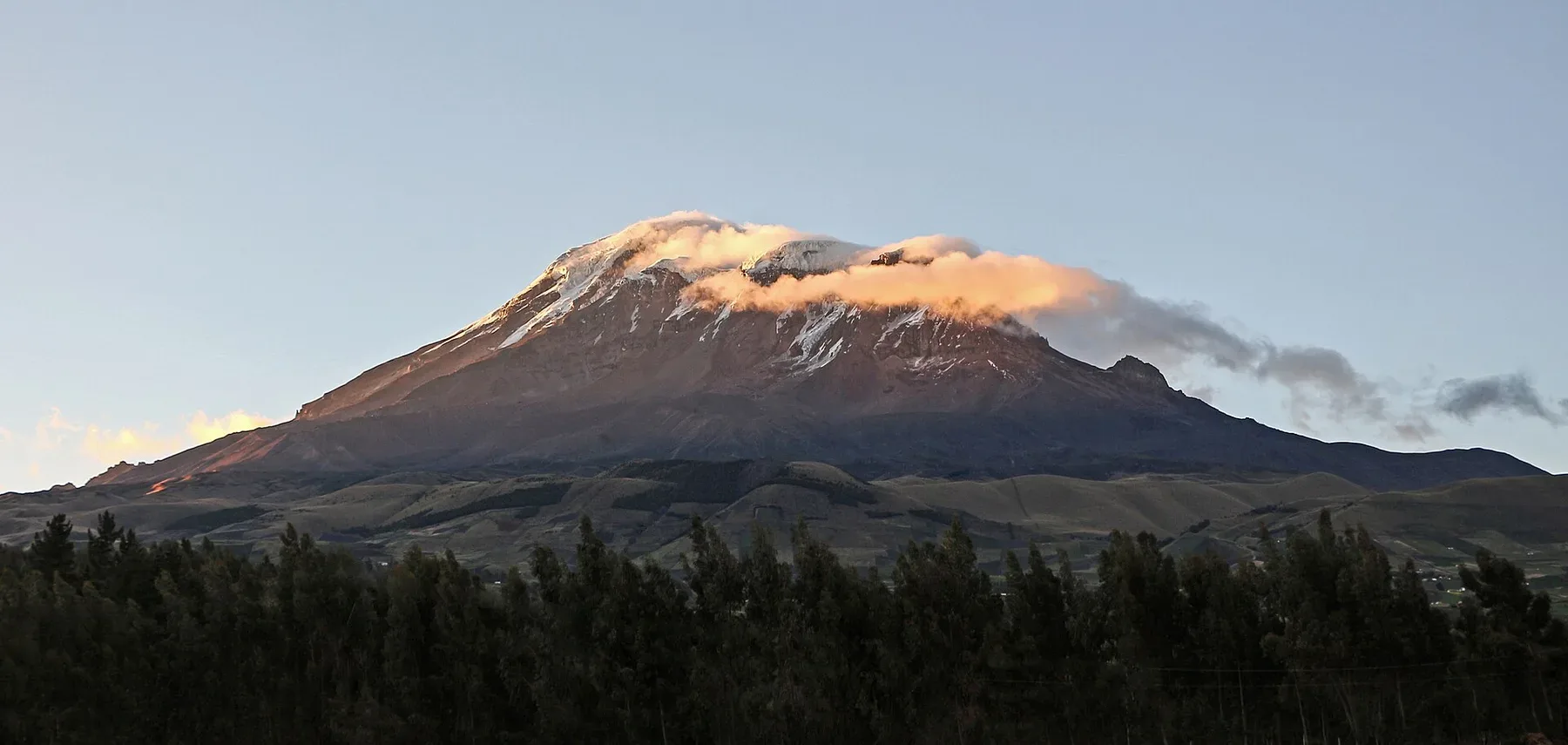
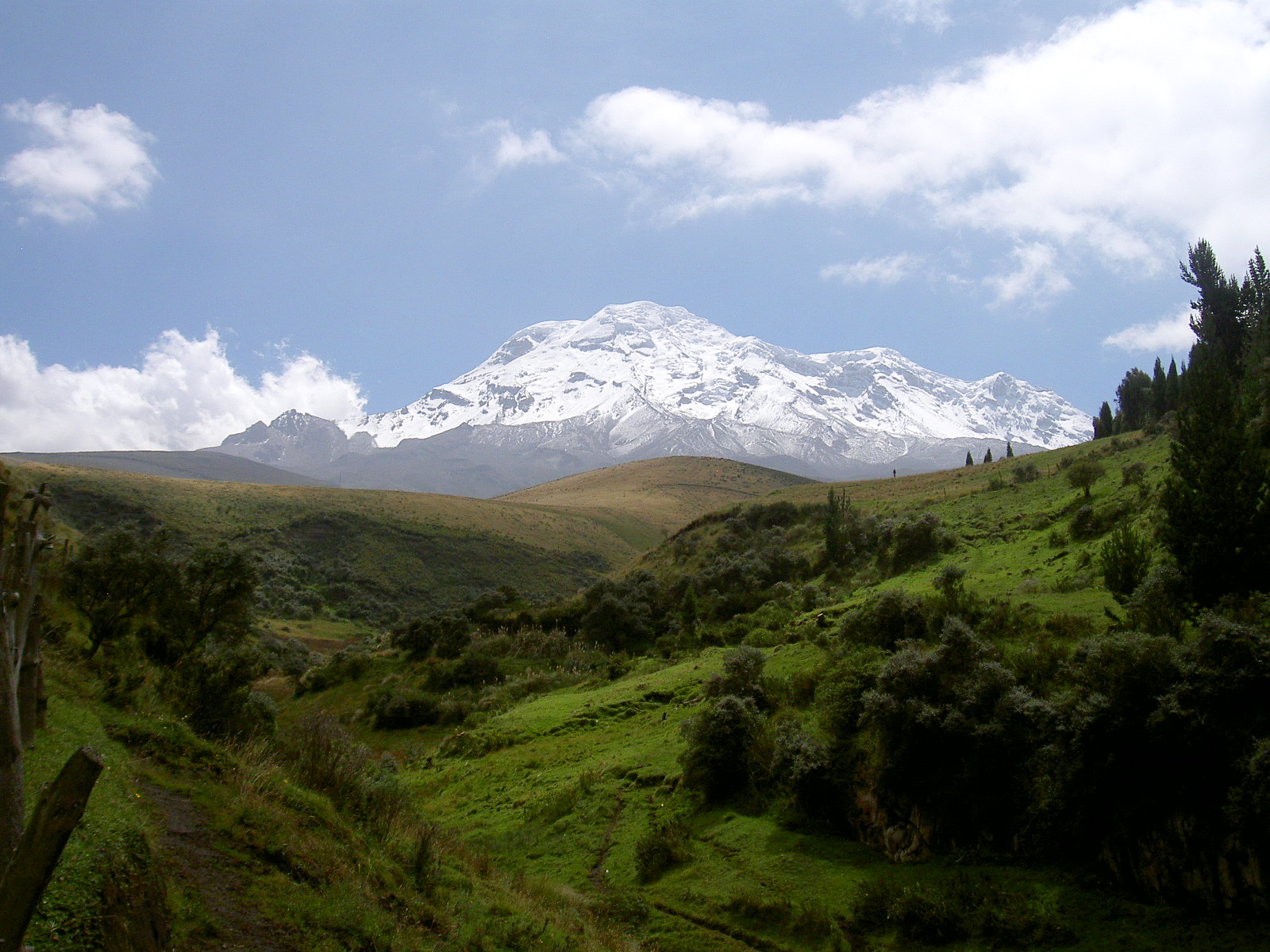
Chimborazo rises to 6,263 metres above Ecuador's central highlands. Because the planet bulges at the equator, its summit is the point on Earth's surface farthest from the planet's centre. The normal route is a serious glaciated climb rather than a high-level hike.
Attempt it only with strong acclimatization, appropriate mountaineering experience and a qualified guide supplying glacier equipment. Wind, cold, crevasses and altitude turn back capable teams. A visit to the lower Carrel or Whymper refuges offers a worthwhile high-altitude experience without making the summit the measure of the trip.
2. Climb Cotopaxi
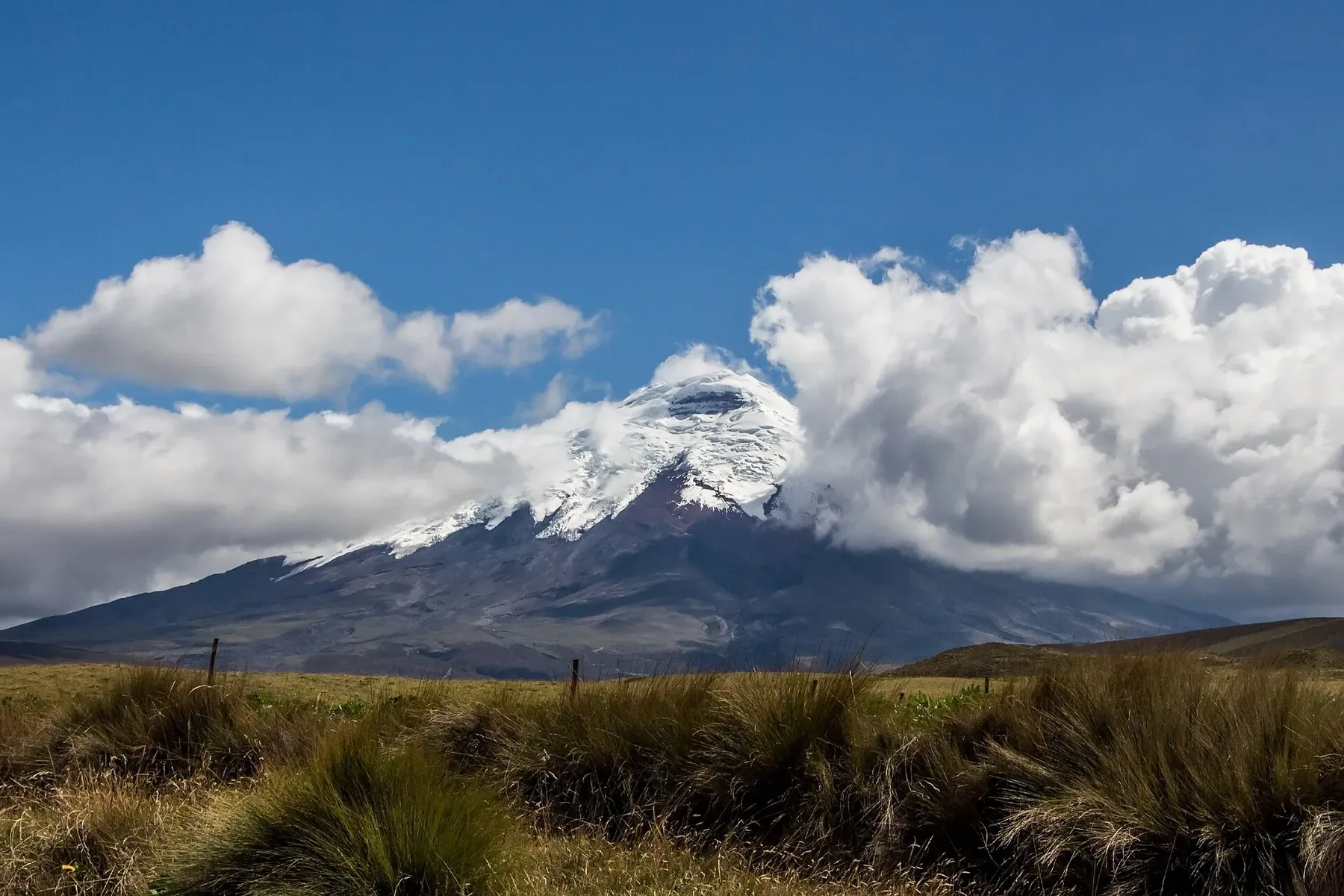
The symmetrical cone of Cotopaxi is one of Ecuador's defining mountain objectives. A normal summit itinerary begins around midnight and crosses a glacier to reach 5,897 metres near dawn. Volcanic activity and glacier conditions can change access, routes and whether summit trips operate at all.
Use a qualified high-altitude guide and treat several acclimatization hikes as part of the climb. Teams need crampons, an ice axe, a harness and warm layers, plus the judgment to turn around. If a summit is too ambitious, hike to Refugio José Rivas or circle Laguna Limpiopungo for a close view of the volcano.
3. Hike and kayak at Quilotoa
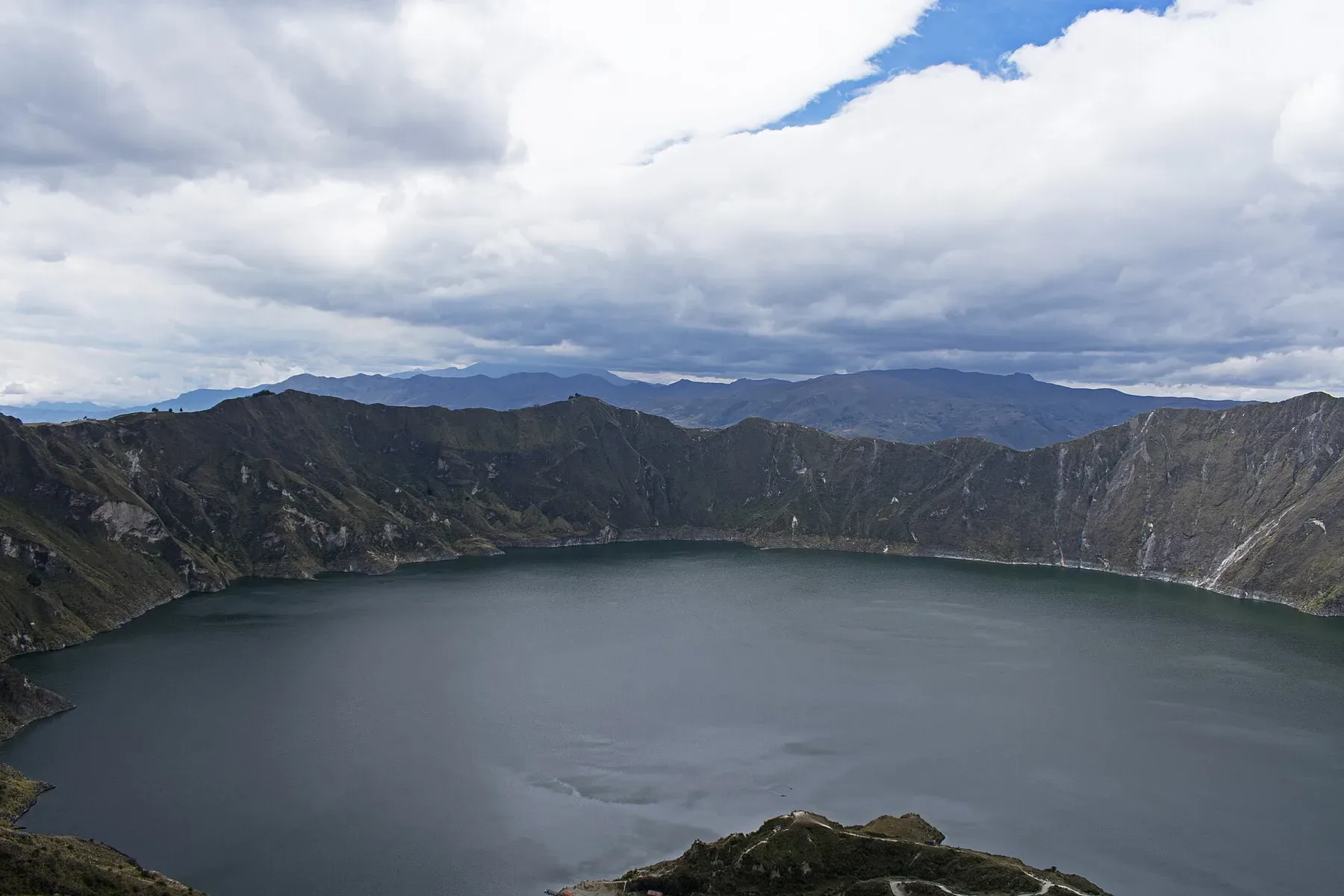
Quilotoa's steep caldera encloses a mineral-rich crater lake high in the Andes. Walk the rim for changing views, descend the switchback trail to the shore, or rent a kayak when local operations and weather allow. The climb back from the water is far harder than the descent suggests.
Arrive after at least a little time at altitude, carry sun and rain protection and avoid the exposed rim in thunderstorms. A multi-day Quilotoa Loop through highland communities provides more depth than a rushed day trip from Quito and spreads visitor spending among locally run accommodation.
4. Trek beneath El Altar
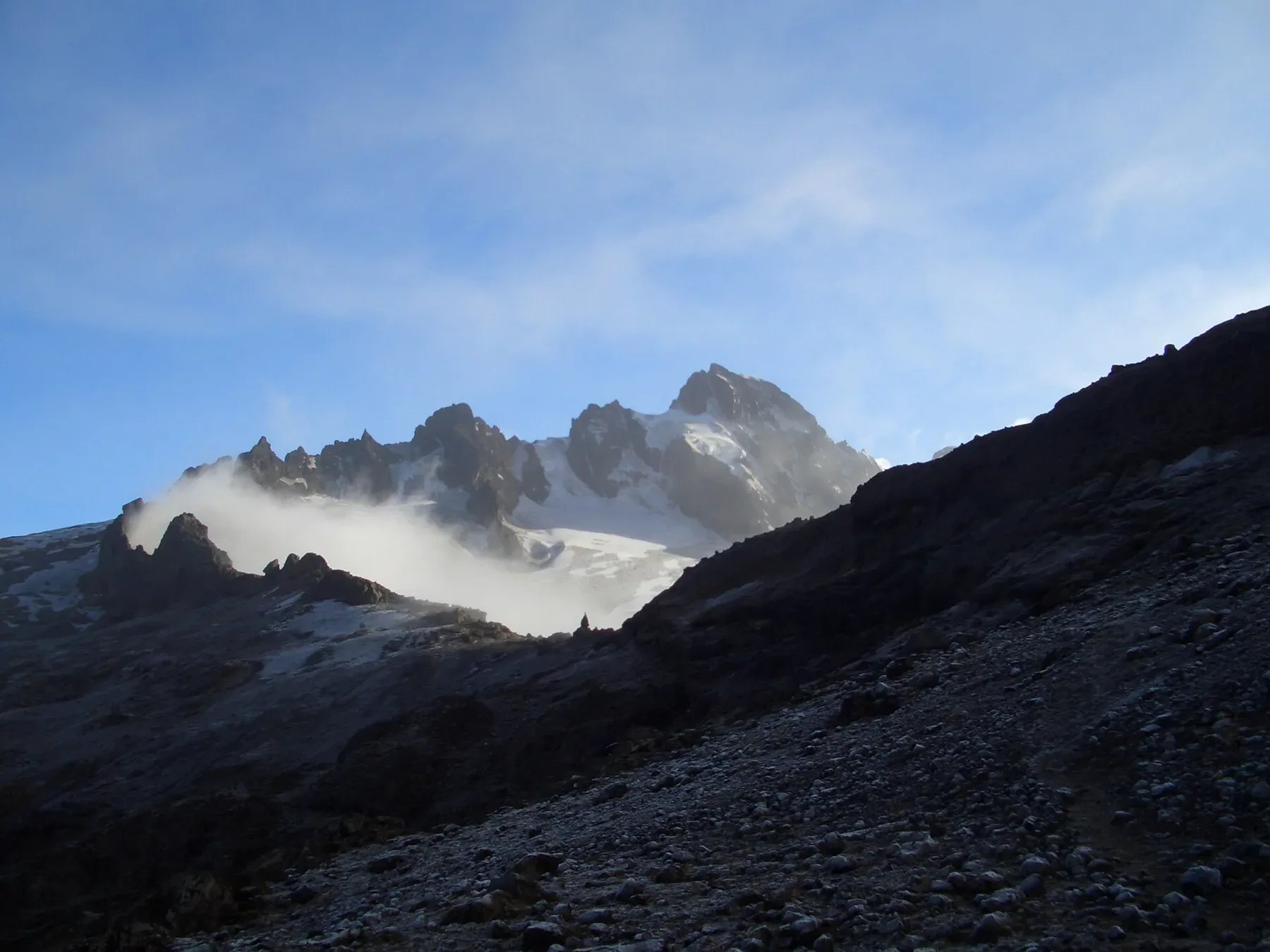
The collapsed volcanic amphitheatre of El Altar surrounds Laguna Amarilla with jagged, often cloud-wrapped summits. Reaching the lagoon generally requires a long, muddy approach and at least one night near Hacienda Releche or on the route. It is one of Ecuador's most atmospheric non-technical highland treks.
Use a local guide when visibility or trail conditions are uncertain. Waterproof boots, warm layers and realistic pacing matter more than speed. Horses may carry equipment on some itineraries, so choose an operator that demonstrates good animal care and never overloads them.
5. Hike the Cuicocha crater rim
The Cuicocha circuit follows the high edge of a caldera above a deep lake and two central islands. A complete loop is a substantial day, with repeated climbs rather than one simple ascent. Clear mornings reveal Imbabura and the surrounding northern Andes before cloud gathers.
Start early, carry enough water and register or follow current reserve procedures. The rim is exposed to sun, wind and lightning. A shorter viewpoint walk or authorized boat trip is a sensible alternative, and nearby Cotacachi makes a more relaxed base than compressing the experience into an Otavalo transfer.
6. Hike the Inca road to Laguna Culebrillas
A surviving section of the Qhapaq Ñan crosses open páramo toward Laguna Culebrillas and the archaeological landscape around Ingapirca. Walking it connects ancient engineering, highland weather and living Indigenous territory instead of presenting an Inca site as an isolated ruin.
Arrange the route with a knowledgeable local guide, ask permission where community land is involved and prepare for wet, cold ground. Combine the walk with a careful visit to Ingapirca, staying on marked paths and off the masonry. The cultural context is as important as the kilometres covered.
7. Raft the Río Upano
Multi-day expeditions on the Río Upano enter the Namangosa Gorge, where waterfalls pour from forested walls into a powerful Amazon-bound river. Camps, changing water and remote access make this a genuine expedition rather than an ordinary resort rafting session.
Book a specialist crew with appropriate rafts, communications, rescue equipment and current local knowledge. Ask how the itinerary changes at unsafe flows and how camps minimize waste. Participants should disclose swimming ability and previous rafting experience; a shorter run elsewhere is better preparation than bluffing competence.
8. Raft the Jatunyacu near Tena
The Jatunyacu offers an accessible introduction to Ecuadorian whitewater amid warm rainforest and broad wave trains. Commercial sections near Tena can suit first-time rafters when conditions are appropriate, while still demanding active paddling and attention to commands.
Choose an established operator that supplies a helmet and correctly fitted flotation device, gives a real safety briefing and adjusts the run to the day's level. Keep valuables out of the river and use clothing that protects from sun without becoming heavy in water.
9. Canyoneer near Baños
Waterfall descents around Baños combine rappelling, scrambling and cold water in steep green ravines. The Cascadas de Chamana are a common setting, but the exact canyon and obstacles should match the group's experience and the recent rainfall.
Use a trained canyoning guide who provides a helmet, harness and suitable thermal protection. Ask about anchor inspection, escape routes and the operator's cancellation threshold. Never enter a canyon independently after heavy rain upstream; a dry morning at the meeting point does not rule out a flash flood.
10. Descend into Cueva de los Tayos
Cueva de los Tayos is a remote cave system in Shuar territory, reached through a demanding community-authorized expedition. Entry may involve a long roped descent followed by underground travel, mud, water and camping. Its geology and Indigenous relationship matter more than the legends often attached to it.
Go only through an arrangement explicitly approved by the host community and led by experienced cave specialists. Confirm rope systems, communications, evacuation planning and how fees benefit local hosts. This is not an improvised add-on from a nearby town or a suitable first caving experience.
11. Paddle through Cuyabeno
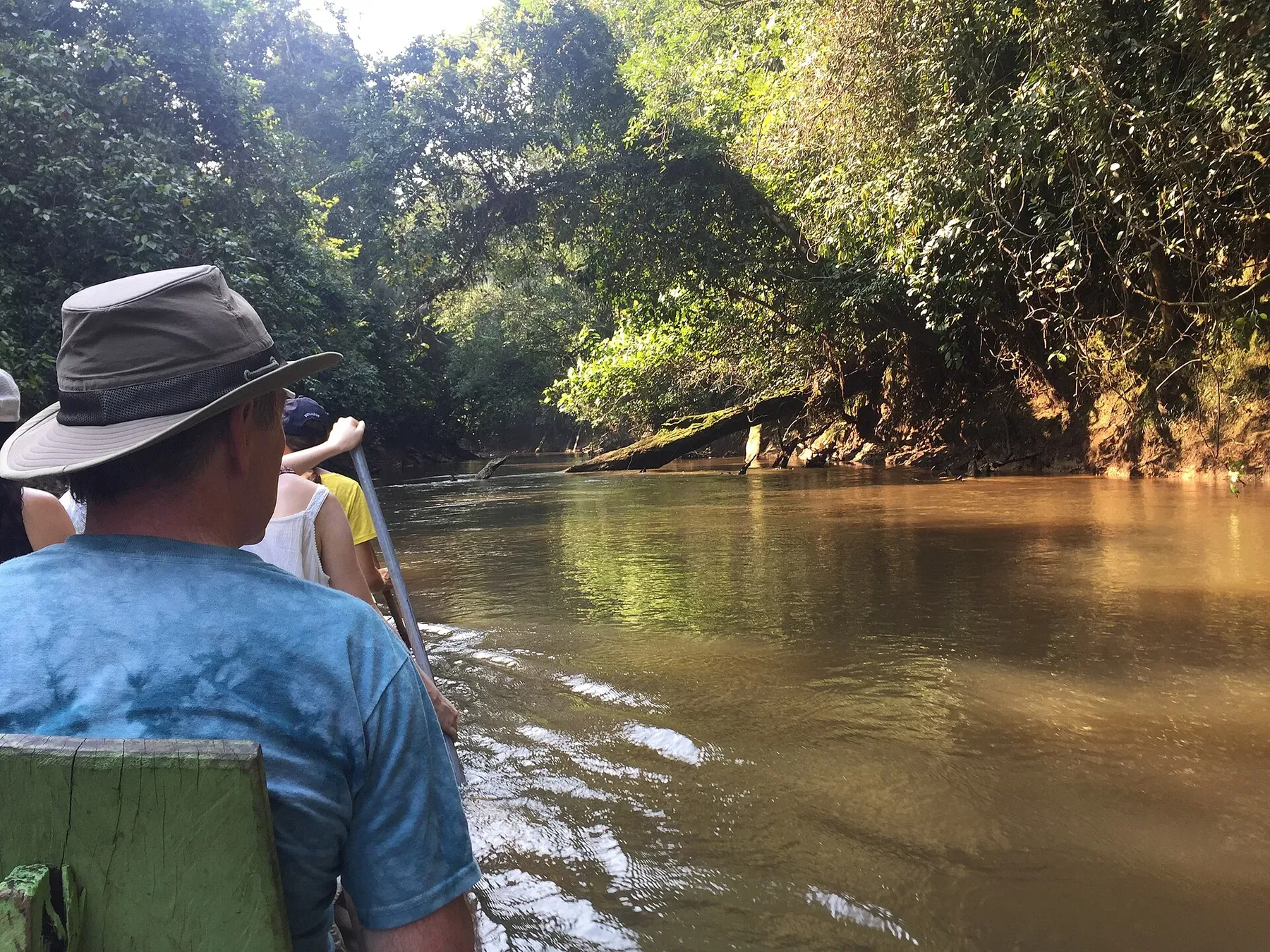
Canoes move through flooded forest, narrow creeks and Laguna Grande in the Cuyabeno Wildlife Reserve, opening quiet views of monkeys, birds, caimans and river dolphins. Water level changes the routes and the balance between boating and walking.
Choose an authorized lodge or operator with skilled local naturalist guides. Wear flotation on open crossings, keep voices low and never feed or pursue wildlife. Ask how the lodge manages waste and works with nearby communities; responsible logistics are part of the experience in a wetland this sensitive.
12. Explore Yasuní with Kichwa hosts
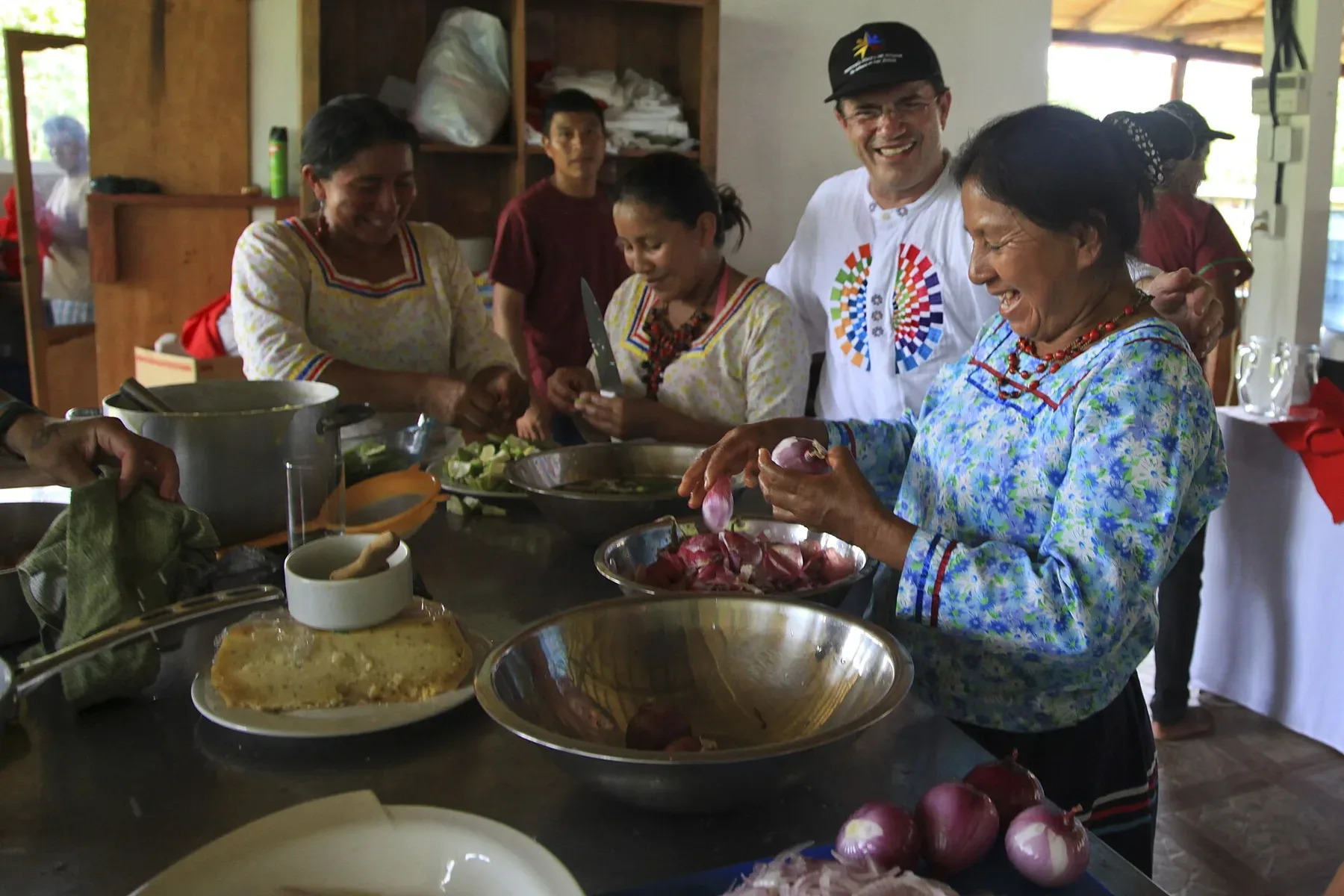
The forests and waterways around Yasuní support exceptional biodiversity and long-established Indigenous communities. A stay connected to Añangu or another authorized community venture can combine canoe travel, canopy observation, forest walks and cultural interpretation.
Treat community activities as hosted exchanges rather than performances available on demand. Follow photography and access rules, keep wildlife encounters passive and reject captive-animal handling. Several nights allow guides to work with weather and animal movement instead of promising a checklist in one rushed outing.
13. Watch cock-of-the-rock in cloud forest
In the cloud forest northwest of Quito, early-morning visits to established leks can reveal male Andean cock-of-the-rock gathering to display. Reserves around Mindo, including locally run conservation projects, also support toucans, tanagers, hummingbirds and forest walks.
Use a guide or reserve that controls group size and viewing distance. Arrive quietly, avoid flash and do not use excessive playback to force birds closer. Staying locally for several nights gives weather flexibility and supports habitat protection more directly than a rapid photo stop.
14. Surf at Montañita or Mompiche
Montañita offers surf schools, board rental and an energetic social base around a powerful point break, while Mompiche has a quieter coastal setting and a long left when swell and tide align. Beginners should use the protected conditions selected by a reputable instructor rather than paddle directly into the headline break.
Ask about rocks, rip currents, tide and local priority before entering. Use a suitable leash and sun protection, and keep several days available because even a famous break does not work on command. Experienced surfers should still seek current local advice.
15. Hike Sierra Negra on Isabela
Sierra Negra's broad caldera and dark lava terrain reveal the active geology of Isabela Island. Authorized visitor routes may continue toward volcanic formations such as Volcán Chico, with heat and exposure making the walk more demanding than its gradients suggest.
Book through current Galápagos access arrangements, carry substantial water and stay with the designated route and guide where required. There is almost no shade. Volcanic conditions can close sectors, so keep another island activity ready rather than pressuring a provider to ignore restrictions.
16. Snorkel at Los Túneles
Lava arches, shallow channels and sheltered pools off Isabela create one of the Galápagos' most unusual snorkeling landscapes. Sea turtles, rays, reef fish and resting seabirds may be present, but sightings depend on season and conditions rather than a guarantee.
Use an authorized boat and guide, wear flotation if needed and keep clear of the lava and animals. The ocean crossing can be rough even when the site itself is calm. Never stand on submerged formations or crowd wildlife into a narrow channel for a photograph.
17. Snorkel or dive at León Dormido
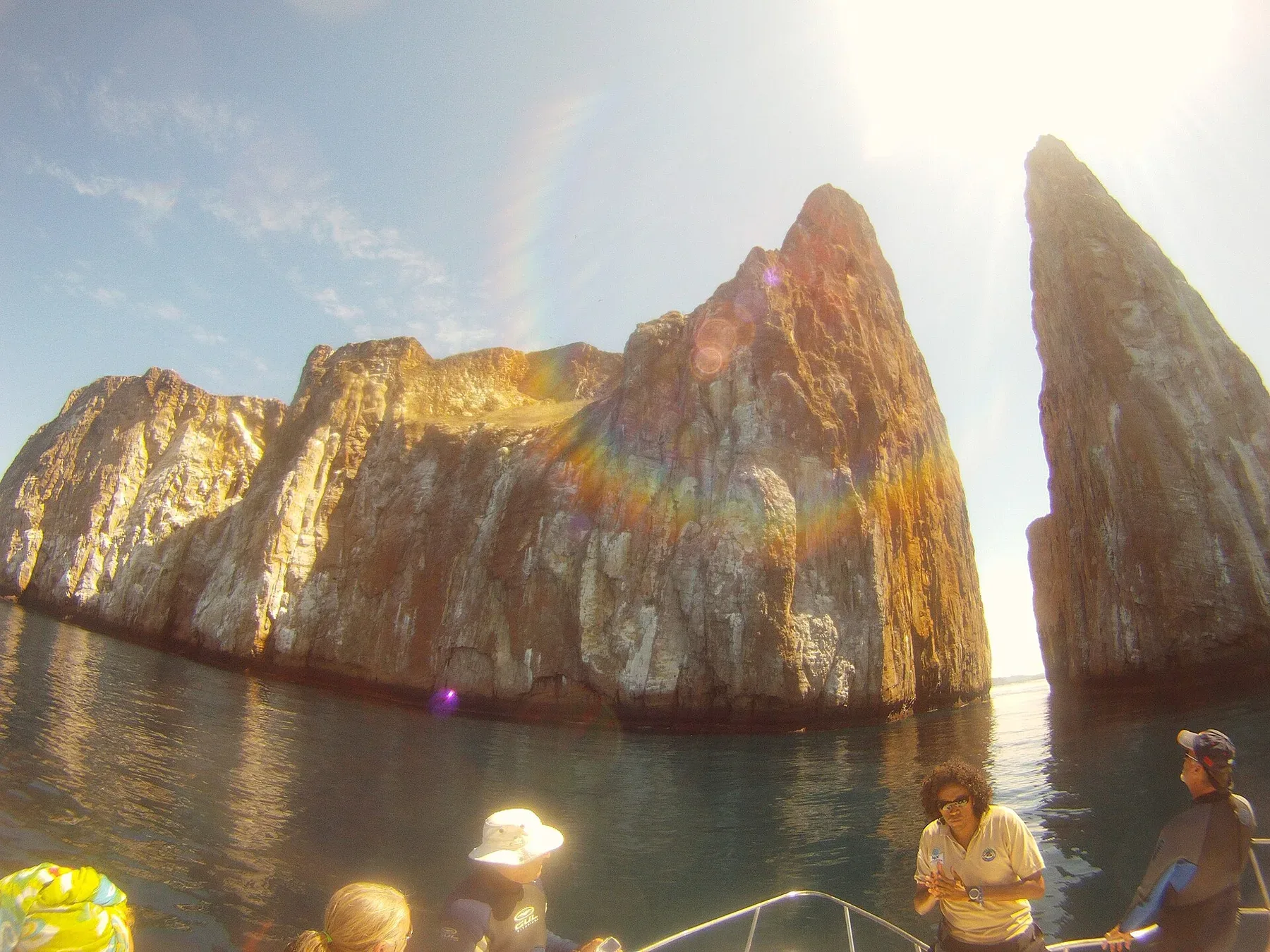
The twin rock walls of León Dormido, or Kicker Rock, rise offshore from San Cristóbal. Snorkelers and certified divers enter channels where current may bring sharks, rays, turtles and schooling fish. Exposure and water movement vary significantly by day.
Choose a regulated operator that separates activities by ability and states certification requirements clearly. Be honest about recent diving and comfort in open water. A guide may cancel or relocate because of current, visibility or swell; that judgment is more valuable than a fixed promise of a particular animal.
18. Dive Gordon Rocks
Gordon Rocks is an exposed dive site near Santa Cruz known for current and the possibility of hammerhead encounters. It is not an introductory dive. Negative entries, surge and rapid changes in visibility demand solid buoyancy, recent experience and calm responses.
Show your logbook honestly and use an authorized Galápagos dive centre that applies meaningful experience thresholds. Ask about group ratios, surface support and lost-diver procedures. Less experienced divers can build confidence at protected sites rather than treating wildlife potential as a reason to exceed their training.
19. Walk and watch wildlife on North Seymour
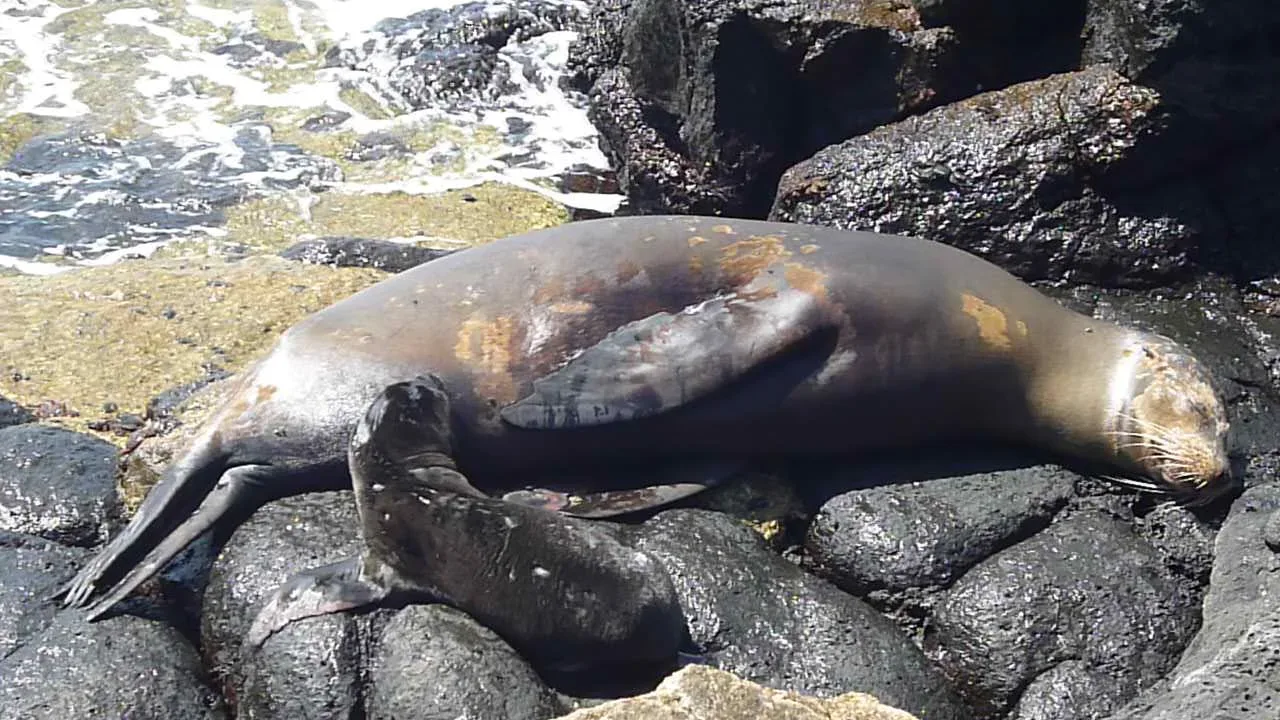
A regulated trail across North Seymour passes nesting seabirds, marine iguanas and open dry-zone vegetation. The value lies in observing natural behaviour at close range without changing it. Landings and visitor timing are controlled through Galápagos itineraries.
Stay with the naturalist guide, keep the required distance and never block an animal's route. Carry water and sun protection but avoid loose items that can blow away. Pair the landing with a broader island itinerary rather than choosing a cruise solely around one predicted species encounter.
20. Watch humpback whales from Puerto López
Seasonal humpback whales visit Ecuador's Pacific coast, with trips commonly departing Puerto López during the main observation period. A responsible boat keeps distance, limits pursuit and allows the animals to determine the encounter.
Choose an authorized operator, wear the supplied flotation and prepare for swell. A combined trip may include Isla de la Plata, where regulated trails and snorkeling add substance when sightings are brief. Do not reward captains who race other boats or repeatedly cut across a whale's path.
How to choose your Ecuador adventure
Choose the central Andes for Cotopaxi, Chimborazo, Quilotoa and Baños; the northern Andes and cloud forest for Cuicocha, Otavalo and Mindo; Tena, Cuyabeno or Yasuní for river and rainforest experiences; and the Pacific coast for surfing and seasonal whales. The Galápagos deserves its own trip segment because regulated access, inter-island transport and marine conditions resist a rushed schedule.
Do not move directly from sea level to a 5,000-metre objective. Build altitude gradually with Quito, crater walks and refuge hikes, then leave a weather day before any summit attempt. For the Amazon and Galápagos, choose fewer bases and spend longer in each rather than losing days to repeated transfers.
Explore further in the guides to Ecuador's best hikes, volcano experiences and wildlife experiences.
Before booking
- Check current volcanic alerts, park access and mountain-refuge procedures.
- Verify guide qualifications, rescue planning and equipment for climbing, rafting, canyoning and diving.
- Use authorized Galápagos services and follow transit-card, biosecurity and park-entry rules.
- Choose wildlife experiences that prohibit touching, feeding, chasing or guaranteed sightings.
- Ask how Indigenous and community-hosted visits are approved and how revenue is shared.
- Keep flexible days for altitude, rain, river level, swell and inter-island transport.