

Ecuador's Avenue of the Volcanoes offers far more than summit climbing. Travelers can circle caldera lakes, walk through páramo beneath ice-covered cones, look into inhabited volcanic basins and cross the fresh lava of the Galápagos. The highest objectives, however, require acclimatization, glacier equipment and professional judgment.
Always check the latest alert and access information. An open park does not necessarily mean a summit route is operating, and a closed crater should never be approached through an unofficial track.
Ecuador volcanoes at a glance
| Volcano | Best experience | Intensity | Technical? |
|---|---|---|---|
| Cotopaxi | Refuge hike or summit | High | Summit is glaciated |
| Chimborazo | Refuge hike or summit | Very high | Summit is glaciated |
| Quilotoa | Rim hike and crater lake | Moderate | No |
| Cuicocha | Caldera circuit | Moderate | No |
| Rucu Pichincha | High-altitude day hike | High | No in normal conditions |
| Sierra Negra | Guided lava hike | Moderate | No |
The 10 best volcano experiences in Ecuador
1. Climb or approach Cotopaxi
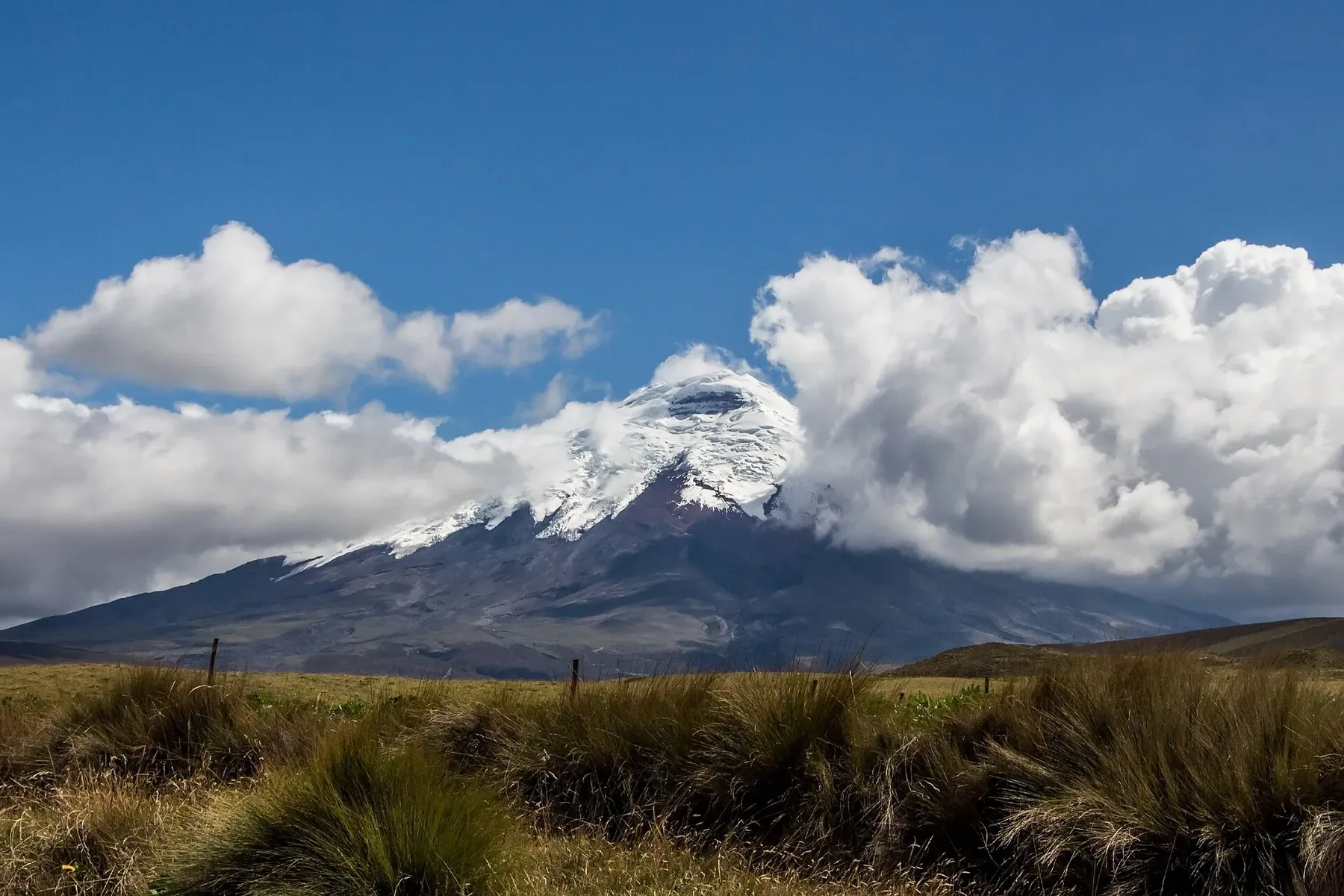
Cotopaxi's 5,897-metre cone is Ecuador's most recognizable climbing objective. Summit parties normally leave during the night and travel roped across a crevassed glacier. Volcanic activity and glacier change can suspend the climb even while lower parts of the park remain accessible.
Use a qualified mountain guide, acclimatize on progressively higher walks and accept any turnaround. For non-climbers, a hike toward Refugio José Rivas or the Laguna Limpiopungo circuit offers a powerful view without pretending to be a summit attempt.
2. Stand high on Chimborazo
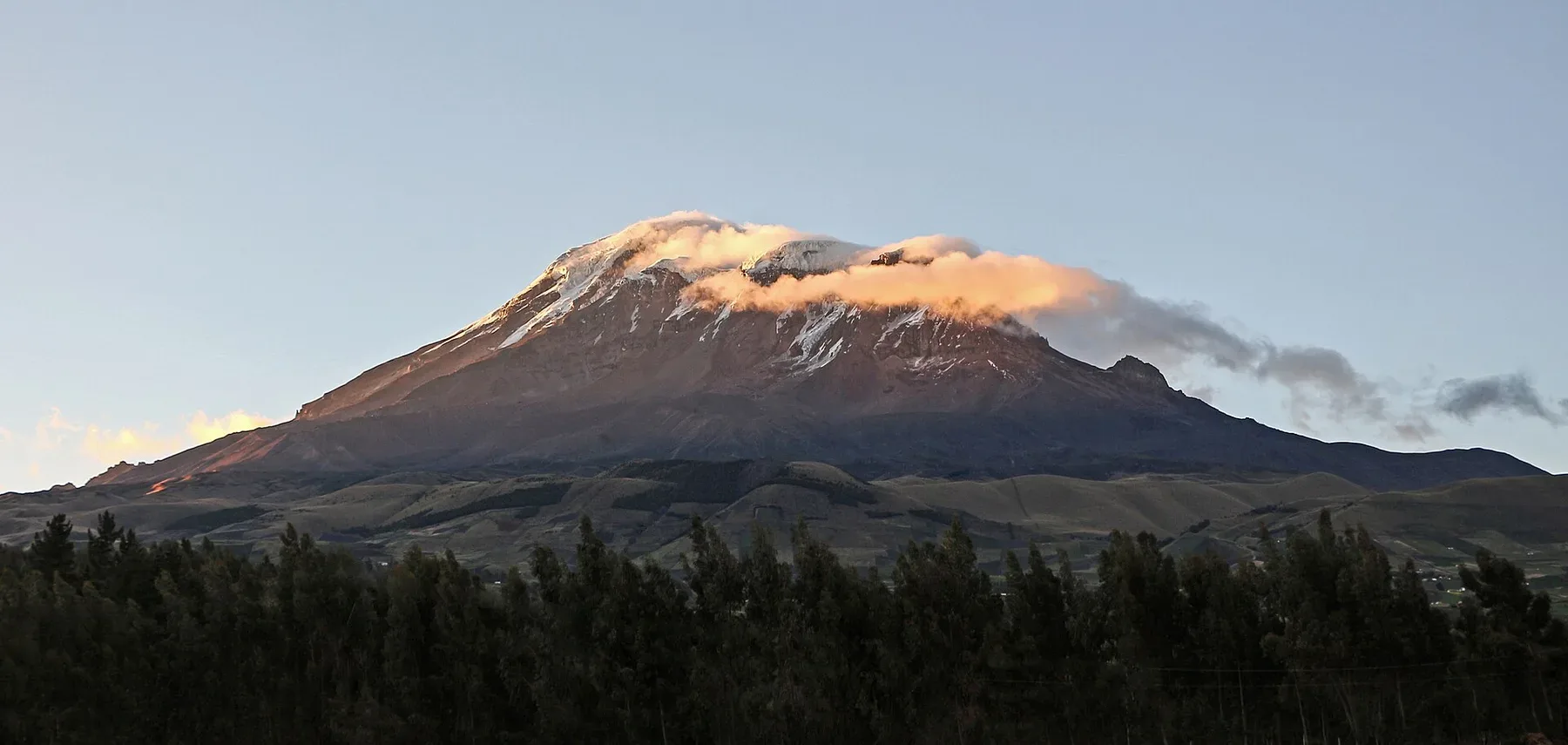
Chimborazo reaches 6,263 metres, and its equatorial position makes the summit the point on Earth's surface farthest from the planet's centre. The normal ascent is a major high-altitude glacier climb exposed to wind, crevasses and extreme cold.
Only well-acclimatized teams with a qualified guide and full glacier equipment should attempt it. The road to the Carrel refuge and trail toward Whymper provide a meaningful alternative, with vicuñas and immense highland views along the approach.
3. Circle Quilotoa
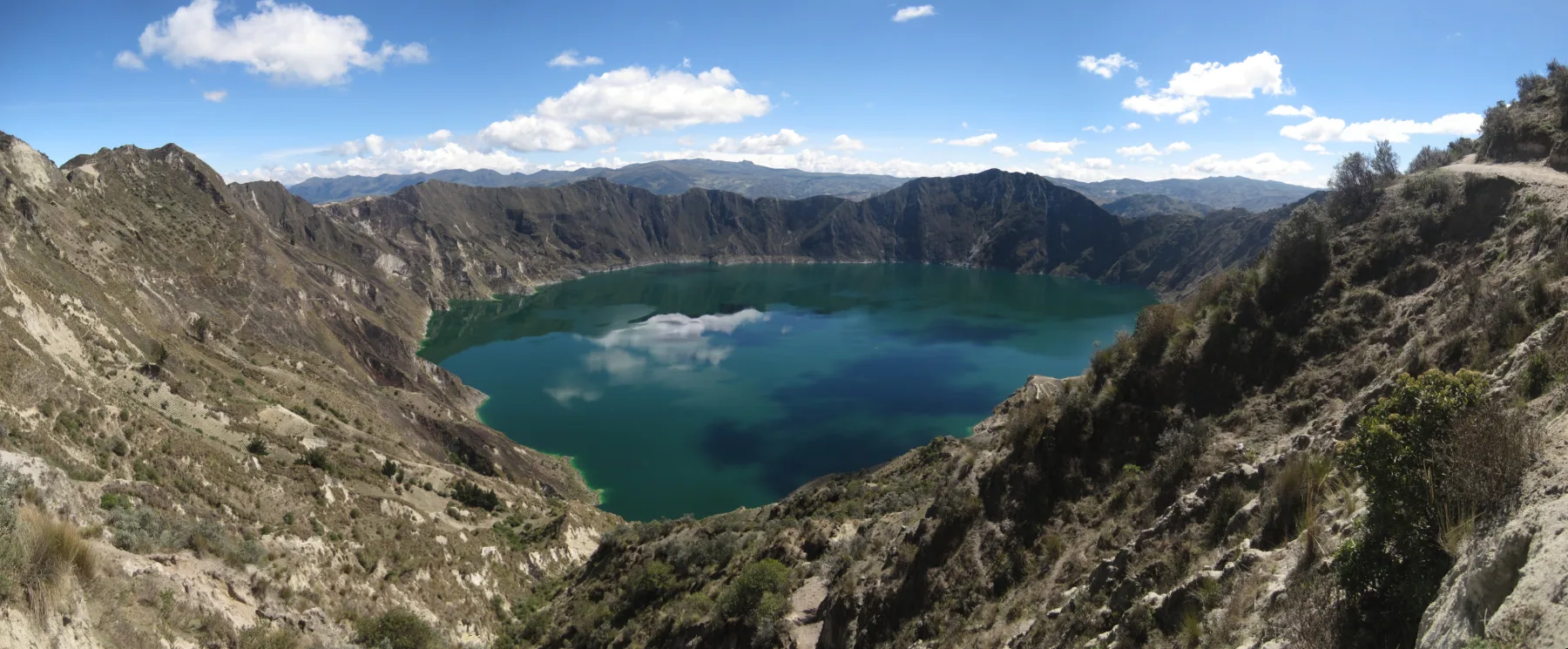
Quilotoa's water-filled caldera is the country's most accessible volcanic hiking landscape. Walk part or all of the rim, descend to the shore, or kayak locally when wind and operations permit.
The lake lies high enough for altitude to matter, and the return climb from the water is steep. Remain clear of unstable edges and build the visit into a multi-day highland journey rather than racing from Quito and back.
4. Hike the Cuicocha caldera
Cuicocha's rim trail rises and falls above a deep lake containing two wooded islands. The surrounding slopes reveal the scale of the caldera while views extend toward Imbabura and Cotacachi.
Start early and prepare for strong sun, cloud and rain. Follow reserve procedures and use a boat only through authorized services. The lake's cultural importance and the nearby communities deserve as much attention as its volcanic origin.
5. Hike Rucu Pichincha above Quito
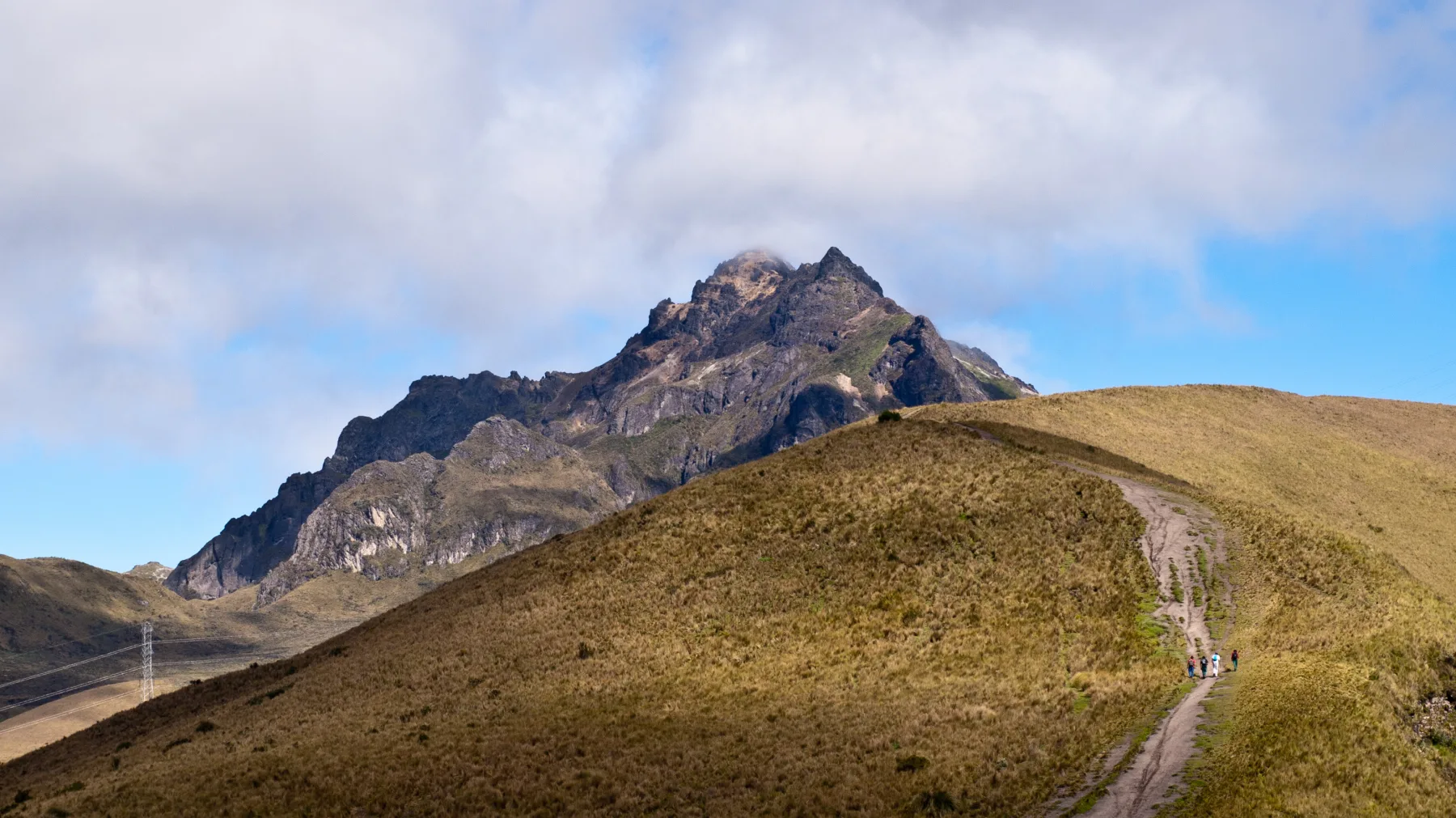
The TelefériQo gives rapid access to the high slopes west of Quito, from which a demanding trail climbs Rucu Pichincha. It is a classic acclimatization objective for people already adjusted to the capital's elevation.
Do not attempt it immediately after landing. Cloud and electrical storms build quickly, while loose upper terrain becomes confusing in poor visibility. Begin early and choose the shorter Cruz Loma walks when conditions or altitude make the summit unwise.
6. Look into Pululahua
Pululahua is an inhabited volcanic caldera northwest of Quito, viewed easily from Ventanillas or explored on longer routes toward farms and geothermal landscapes. The cultivated floor gives it a completely different character from Ecuador's barren summit cones.
Cloud often pours across the rim by late morning. Use established paths and arrange a guide for longer descents rather than improvising across agricultural land. Drivers and cyclists should be prepared for steep access roads.
7. Trek beneath El Altar
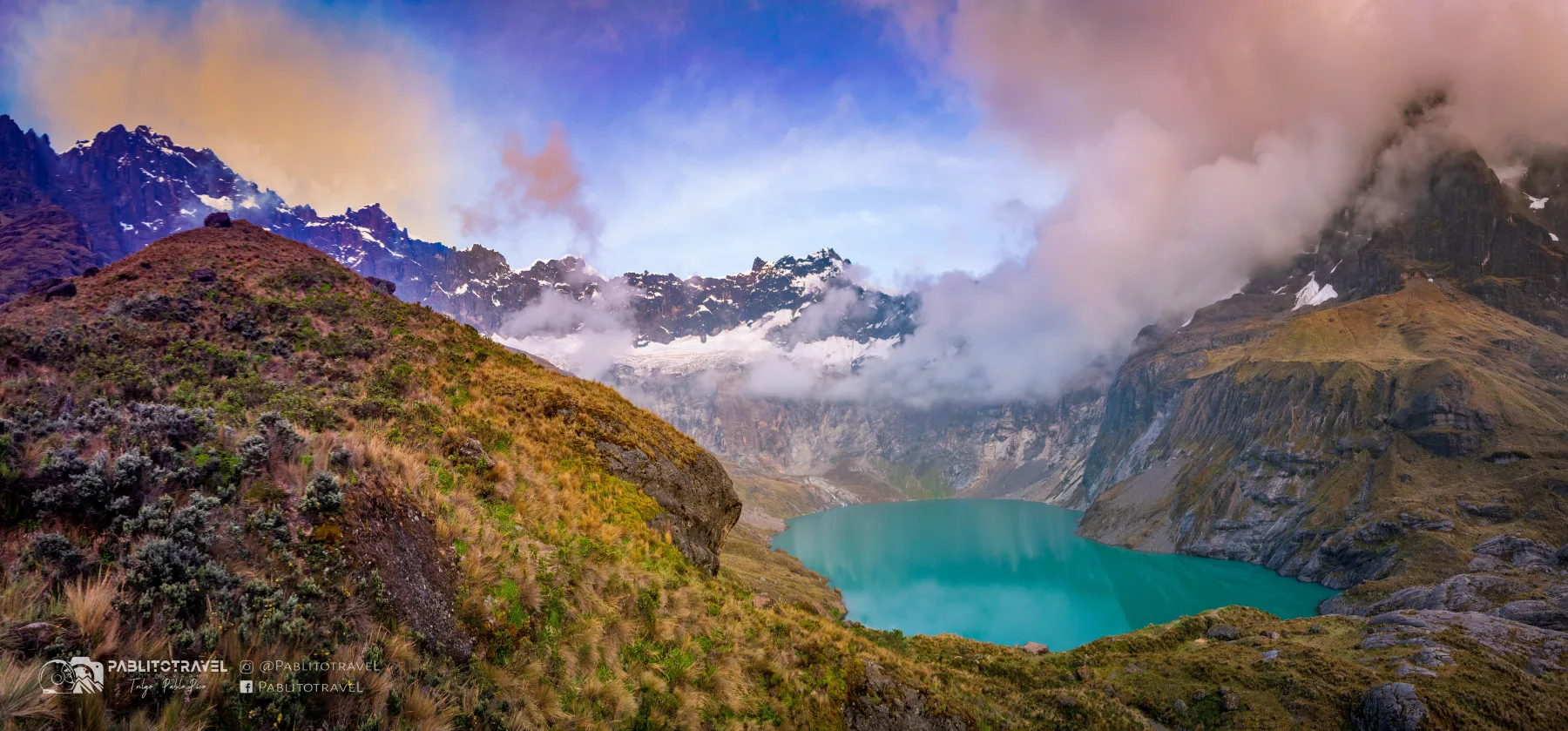
El Altar's ancient cone collapsed into a serrated crown around a glacial basin. The multi-day route to Laguna Amarilla approaches that amphitheatre through wet páramo and deep mud.
Use local guidance, waterproof equipment and a conservative weather plan. The lake trek is non-technical in suitable conditions, but the surrounding peaks are serious mountaineering terrain and should not be added casually.
8. Climb Cayambe
Cayambe rises to 5,790 metres and carries a large equatorial glacier. The standard climb involves crevasse travel, cold and a night ascent, with conditions altered by rapid ice loss.
Treat it as technical mountaineering. A qualified guide, acclimatization and current route knowledge are essential. A refuge visit or lower reserve walk is the right alternative for travelers without glacier training.
9. Hike Sierra Negra
Sierra Negra on Isabela has one of the broadest active calderas in the Galápagos. Regulated walks cross high vegetation toward viewpoints and may continue over young volcanic formations around Volcán Chico.
Use the authorized route and guide, carry water and respect closures caused by volcanic activity. Heat and sun can be intense. Do not leave the path across fragile new lava.
10. Climb Bartolomé's volcanic viewpoint
A managed boardwalk and stairway climb Bartolomé Island to a panorama of cones, lava and Pinnacle Rock. The short ascent provides perhaps the clearest visual lesson in Galápagos volcanism without requiring a full hiking day.
Access is limited to regulated itineraries. Stay on the structure, follow the naturalist guide and protect camera equipment from wind. The nearby snorkel is a separate wildlife experience governed by the day's sea conditions.
Choosing a volcano experience
Choose Quilotoa, Cuicocha or Pululahua for non-technical crater exploration; Rucu Pichincha and El Altar for strenuous hiking; and Cotopaxi, Chimborazo or Cayambe only with mountaineering preparation. The Galápagos adds young lava and controlled island access.
Continue with Ecuador's best hikes and adventure activities.
Before setting out
- Read current volcanic alerts and protected-area notices.
- Acclimatize before any objective above 4,000 metres.
- Use qualified guides and glacier equipment for snow-covered summits.
- Expect closures and keep a lower-altitude alternative.
- Stay on marked paths across fragile lava and geothermal ground.