

Colombia is built for journeys rather than isolated attractions. Three Andean ranges divide the country, two oceans shape its coasts and enormous river systems drain toward the Amazon and Orinoco. The result is an unusual range of adventures within one country—but also major differences in altitude, access and risk.
This list runs from approachable day trips to remote expeditions. Choose by experience and conditions, not by the promise of a dramatic photograph.
Colombia adventures at a glance
| Adventure | Standout destination | Intensity | Guide needed? |
|---|---|---|---|
| Multi-day trekking | Ciudad Perdida | High | Authorized operator |
| High-altitude hiking | El Cocuy | High | Authorized guide |
| Whitewater rafting | Río Suárez | High | Qualified operator |
| Paragliding | Chicamocha Canyon | Moderate–high | Tandem pilot for beginners |
| Scuba diving | Gorgona or Malpelo | High | Certified operator |
| Whale watching | Pacific coast | Low–moderate | Authorized boat |
| Caving | Cueva de la Vaca | High | Specialist guide |
| River expedition | Amazon near Leticia | Moderate | Local boat and guide |
The 20 best adventure activities in Colombia
1. Trek to Ciudad Perdida
Walk for four or five days through the humid Sierra Nevada foothills to the Teyuna archaeological terraces. Authorized operators coordinate camps and community access; expect river crossings, steep steps, heat and rain.
The rhythm matters as much as the destination. Days pass through farms, swimming places and forest camps before the final climb of roughly 1,200 stone steps. Most trips leave from Santa Marta, and choosing five days instead of four creates more time for interpretation, rest and conversation with local hosts.
2. Hike the high Andes in El Cocuy
Authorized day trails enter a world of páramo, lagoons, glaciers and huge rock faces above 4,000 metres. Acclimatize, register as required and use an authorized guide. Ordinary visitor access does not include glacier travel or unrestricted summits.
Base yourself in El Cocuy or Güicán long enough to acclimatize and meet your guide before dawn. Each authorized route has a different character: Ritacuba emphasizes scale, Laguna Grande de la Sierra opens onto a vast glacial basin, and the Pulpito sector is defined by its distinctive rock tower.
3. Raft the Río Suárez
Santander's Río Suárez delivers powerful, sustained whitewater for experienced rafters and confident newcomers using expert commercial crews. Book a reputable operator, disclose swimming ability and accept rerouting when water levels exceed safe limits.
This is normally a substantial day trip from San Gil, with long wave trains and little time to relax between major rapids. The payoff is a genuine team experience: paddlers must respond together, and the calmer final stretches feel earned. If the briefing sounds intimidating, start on the Fonce instead.
4. Raft the Río Fonce
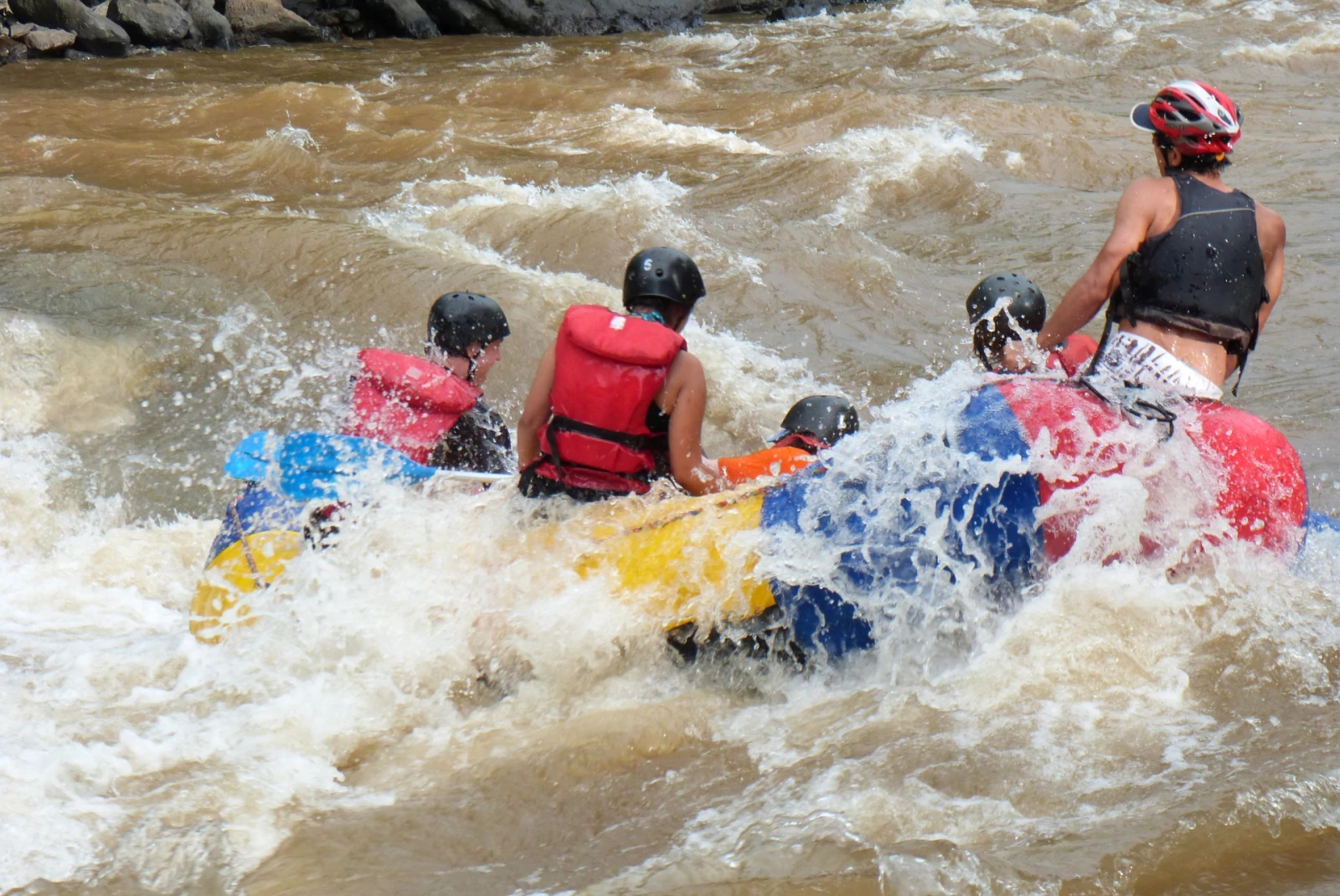
The Fonce near San Gil is the more approachable introduction to Santander rafting, with sections selected for different abilities. Wear the supplied helmet and flotation device, and listen carefully to the safety briefing even on a lower-grade run.
Because the river passes close to town, a Fonce run fits easily into a half day and leaves time for Barichara or another activity. It is the better choice for families, mixed-ability groups and anyone who wants to learn paddle commands before committing to the Río Suárez.
5. Paraglide over Chicamocha Canyon
A tandem flight reveals the scale of the Chicamocha landscape from rising thermal air. Fly with a licensed, established pilot who checks wind and passenger limits; a weather cancellation is evidence of sound judgment.
Flights usually launch from the canyon rim near San Gil and can feel surprisingly calm once airborne. Morning and afternoon conditions produce different flight lengths, so keep the day flexible. Closed shoes, secure pockets and a light layer make the wait and landing more comfortable.
6. Paraglide near Medellín
Flights from the hills around San Félix combine green Andean ridges with views across the Aburrá Valley. Conditions can shift rapidly, so use a certified tandem operator and keep enough flexibility for delays.
San Félix is close enough to Medellín for a half-day outing, which makes it one of the easiest aerial adventures to add to a city stay. Ask whether transport, insurance, photographs and flight duration are included; a low advertised price may cover only a very short flight.
7. Dive at Gorgona
Gorgona pairs Pacific diving with a remote rainforest island. Marine encounters may include turtles, sharks, schooling fish and seasonal whales. Appropriate certification, an authorized operator and advance park logistics are essential.
The attraction is the combination of environments: dive volcanic reefs in the morning, then walk through regenerating rainforest and the remains of the former prison. Currents and visibility vary, so a multi-night stay gives the operator room to choose sites instead of forcing a single fixed plan.
8. Join a liveaboard to Malpelo
Malpelo is Colombia's most demanding dive expedition, far offshore and known for strong current, exposed conditions and large shark aggregations. It is for experienced divers who meet the liveaboard's requirements—not a place to stretch a new certification.
Reaching the sanctuary requires a long ocean crossing and several days aboard, which makes preparation part of the adventure. Divers should be comfortable with negative entries, blue-water ascents and close buddy procedures. Ask the liveaboard for its exact logged-dive threshold before booking flights.
9. Dive around Providencia
Providencia's Caribbean reefs offer warm-water diving within the Seaflower Biosphere Reserve. Choose a locally based authorized shop, keep clear of coral and select sites that match your recent experience and the day's sea state.
The island is well suited to a progressive dive trip: begin on protected reefs, then move to walls or shark sites as confidence grows. Leave time above water for Santa Catalina, coastal walks and Raizal culture rather than treating Providencia solely as a platform for dives.
10. Kitesurf at Cabo de la Vela
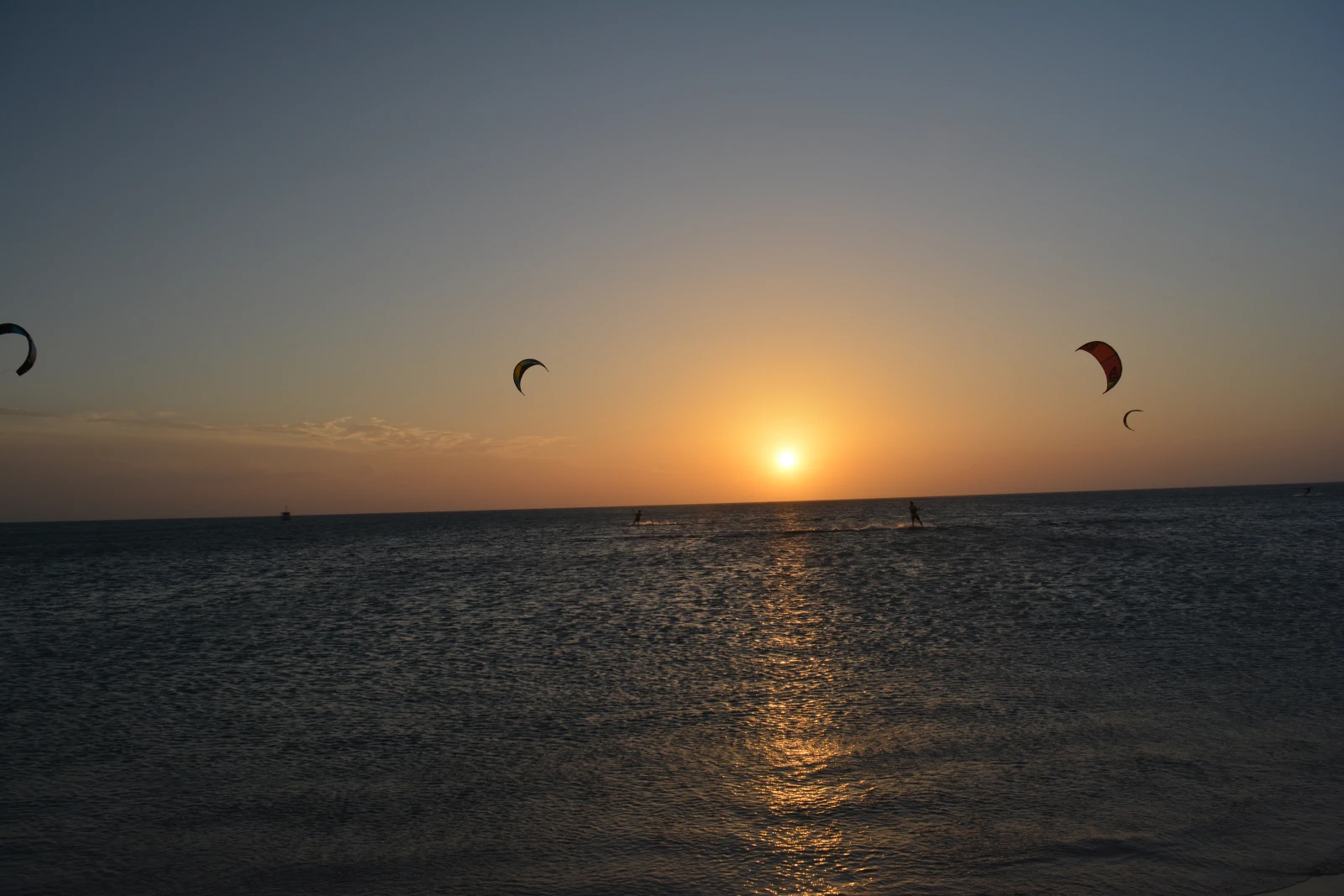
Steady trade winds and sheltered water make Cabo de la Vela a celebrated kitesurfing base in Wayuu territory. Learn through a reputable local school, respect community arrangements and carry sun protection and water in this remote desert environment.
Multi-day lesson packages are more realistic than expecting to ride independently after one session. The journey from Riohacha is part of the commitment, and accommodation is simple. A Wayuu-run stay adds local food and context to a landscape that is far more than an adventure-sports backdrop.
11. Surf the Pacific at El Valle or Nuquí
Chocó's beach breaks place surfers between dense rainforest and a powerful ocean. Use local instructors or guides, ask about currents and river mouths, and do not mistake an empty beach for an easy rescue environment.
El Valle near Bahía Solano offers the simpler arrival, while the Nuquí region opens access to breaks reached by boat. Swell, tide and rainfall control the day. Plan several nights so that surfing can move around weather rather than becoming a risky one-session objective.
12. Explore Cueva de la Vaca
Near Curití, this wet cave journey involves crawling, narrow passages and underground water. Enter only with a specialist guide, helmet and reliable light; discuss claustrophobia, mobility and flood risk before committing.
Expect the cave to be tactile: you will brace against rock, lower yourself into water and move in darkness rather than stroll through lit chambers. Wear clothes and shoes you are happy to soak. Anyone uncomfortable with confined spaces should choose a more open cave experience.
13. Rappel at Juan Curí
Descending beside the Juan Curí waterfall combines forest hiking with a vertical rope adventure. Use a trained operator that inspects equipment and anchors, and never rappel when the day's flow makes the line unsafe.
The approach through warm forest builds anticipation before the drop brings spray, noise and exposure all at once. Confirm whether the product includes the reserve entrance, footwear, photographs and return transport from San Gil. Participants should be honest about fear of heights before reaching the anchor.
14. Climb at Suesca
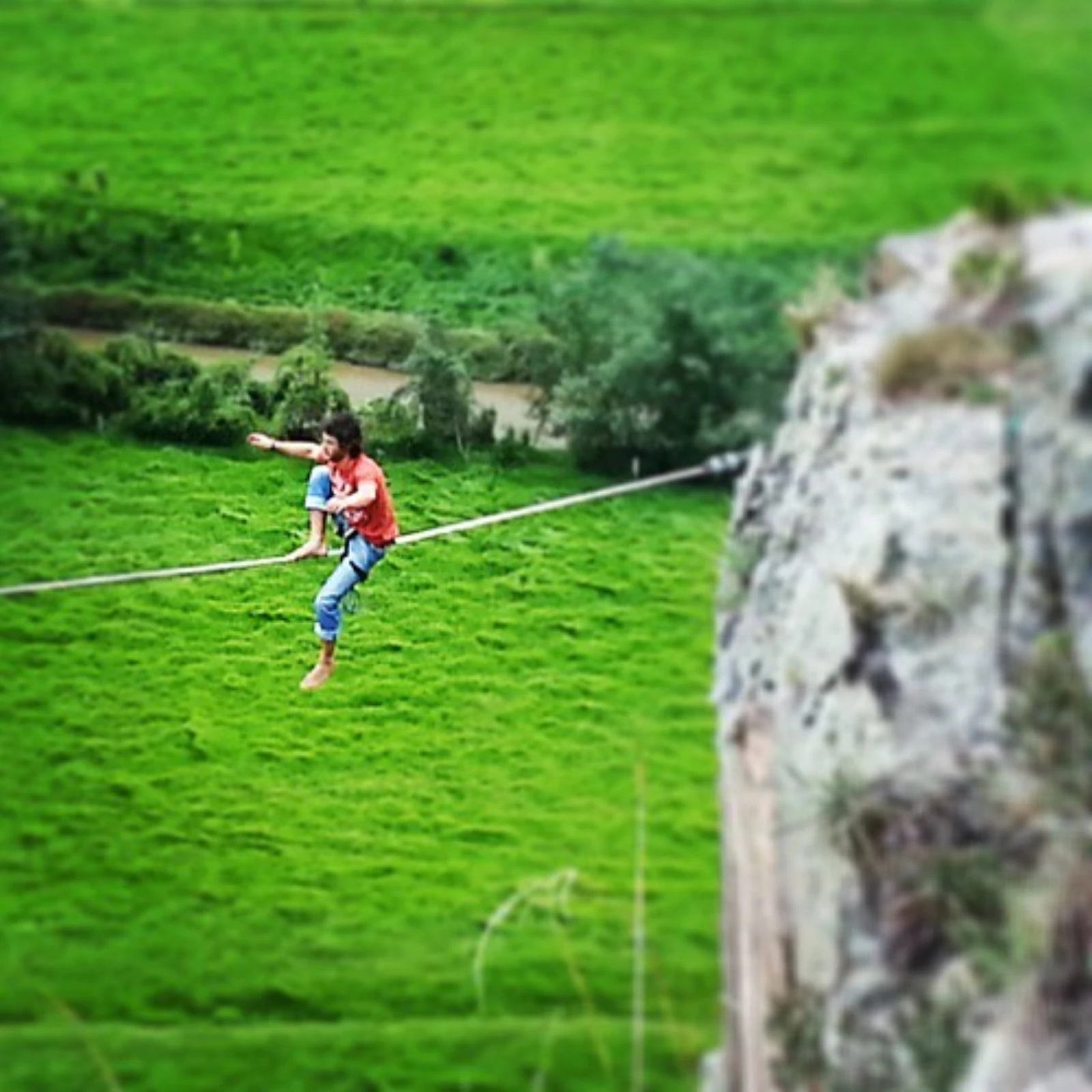
Suesca's long sandstone cliffs are Colombia's classic rock-climbing destination, with routes across a wide range of grades. Beginners should book qualified instruction; experienced climbers still need local knowledge, compatible gear and care around loose rock.
The railway-side walk makes it easy to watch other teams and understand the scale of the crag before climbing. A first session should focus on belaying, communication and movement rather than collecting routes. Bogotá is close enough for a day trip, but an overnight stay allows an earlier, quieter start.
15. Mountain bike around San Gil and Barichara
Old roads and steep rural tracks link Santander's canyons and colonial towns. Choose a route suited to your braking and descending skills, use a helmet and confirm whether the day includes traffic, technical rock or a vehicle-supported return.
Routes around Barichara can combine cobbled caminos, tobacco country and canyon views, while more technical options descend rapidly toward warmer valleys. Heat builds at lower elevations, so an early start and adequate water matter even when the highland morning feels cool.
16. Hike and swim at Fin del Mundo
The Mocoa trail crosses forest streams and natural pools before reaching a high waterfall. Use the locally managed entry and required guide arrangement; swim only in approved areas and stay away from the exposed lip.
Allow most of a day rather than rushing to the final viewpoint. Smaller cascades and clear pools along the route give the walk its progression, while the humid forest rewards slow observation. Mocoa is the natural base and also opens the door to other Putumayo river trips.
17. Explore Caño Cristales
Seasonal aquatic plants turn this protected river into bands of red, pink, yellow and green. Access from La Macarena uses authorized guides and assigned routes. Capacity, swimming and sunscreen restrictions protect the ecosystem.
Different assigned trails reveal pools, natural rock formations and quieter tributaries, so the experience is richer than one iconic photograph. Stay at least two full days in La Macarena to absorb delays and see another landscape such as Raudal de Angosturas or the surrounding savanna, where authorized.
18. Travel the Amazon by canoe and boat
From Leticia, multi-day journeys reach flooded forest, lakes and consenting Indigenous communities. Use experienced local operators, wear flotation on open water and reject any itinerary based on captive wildlife handling.
Water level changes the adventure: high water permits canoe travel into flooded forest, while lower water exposes beaches and lengthens some walks. Puerto Nariño makes a useful second base. Ask who hosts each community visit and how fees are distributed before booking.
19. Watch humpback whales on the Pacific
Between roughly July and October, authorized trips from Bahía Solano, Nuquí and nearby communities seek whales using Colombia's warm Pacific waters. Choose a boat that approaches slowly, maintains distance and never chases a mother and calf.
Build the trip around the coast rather than a single sighting. Rainforest walks, beaches, mangroves and Afro-Colombian communities give substance to days when the sea is rough. Morning departures often offer calmer water, but the operator should make the final call.
20. Ride across Los Llanos
Horseback journeys on Casanare ranches cross savanna, wetlands and wildlife-rich working landscapes. Match the ride to your experience, use a helmet where available and choose a locally run operation that observes rather than corners animals.
A stay of three or four nights reveals the plains at their best: dawn birding, an afternoon ride and sunset across open water each show different behavior. The dry season concentrates animals, while the wet season creates greener scenery and more canoe-based exploration.
How to choose your Colombia adventure
For one concentrated adrenaline base, choose San Gil for rafting, paragliding, caving and rappelling. Choose El Cocuy or Ciudad Perdida for a physical objective, Gorgona for a multi-day marine expedition and Leticia or Casanare for wildlife-led travel. New divers should build experience around Providencia rather than treating Malpelo as an aspirational shortcut.
How much time should you allow?
San Gil works well as a three- or four-night base because weather may move rafting or flying plans. Ciudad Perdida needs at least four trekking days plus recovery time, while Gorgona, Malpelo, the Amazon and Los Llanos deserve their own multi-day journeys. El Cocuy also benefits from two quiet nights at altitude before a major hike.
Avoid building an itinerary that jumps directly from a lowland flight into a high-altitude objective. Colombia's road journeys routinely take longer than their distance suggests, and boats or light aircraft in remote regions depend on weather. A spare day is useful preparation, not wasted time.
Dig deeper with the guides to Colombia's best hikes, best waterfalls, best national parks and best wildlife experiences.
Before booking
- Verify operator credentials, insurance requirements and emergency planning.
- Ask exactly what skill, fitness and certification the activity assumes.
- Treat weather, river, ocean, volcanic and park closures as safety decisions.
- Respect Indigenous and community authority; a commercial booking is not universal access.
- Avoid wildlife activities involving feeding, touching or guaranteed close encounters.
- Leave recovery and travel time between high-altitude or high-intensity days.