
Colombia's national parks protect Caribbean reefs, Pacific rainforest, Amazon floodplain and some of the highest mountains in the northern Andes. They are not conventional attractions with uniform opening hours. Access can depend on conservation closures, volcanic alerts, community agreements, weather and a park's daily capacity.
These ten parks offer exceptional experiences when their visitor sectors are open. Chiribiquete, despite its global importance, is deliberately absent: the park is closed to tourism to protect its ecosystems, rock art and Indigenous peoples in voluntary isolation.
Colombia national parks at a glance
| Park | Signature experience | Main access | Commitment |
|---|---|---|---|
| Tayrona | Forest-backed Caribbean beaches | Road from Santa Marta | Day or overnight |
| El Cocuy | High Andes and glaciers | El Cocuy or Güicán | Full-day guided hike |
| Chingaza | Páramo and lagoons | Authorized entrances near Bogotá | Full day |
| Sierra de la Macarena | Caño Cristales | Flight to La Macarena | Multi-day trip |
| Gorgona | Marine wildlife and rainforest | Boat from Pacific ports | Multi-day trip |
| Utría | Rainforest, mangroves and whales | Boat from Nuquí or Bahía Solano | Full or multi-day |
The 10 best national parks in Colombia
1. Tayrona National Natural Park
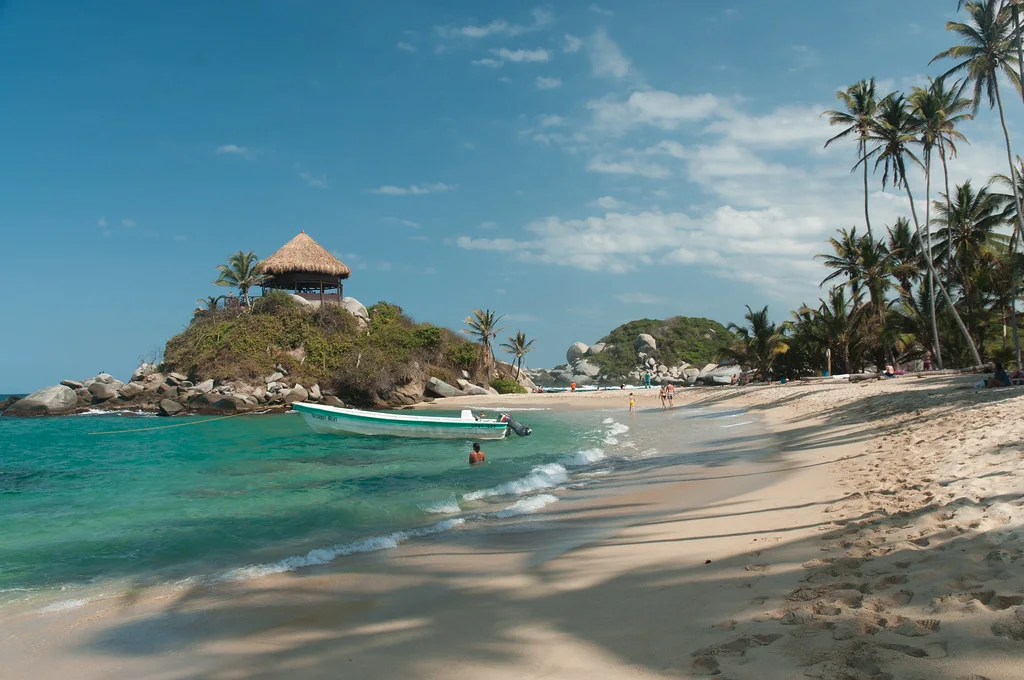
Tayrona brings tropical dry forest and enormous granite boulders directly to the Caribbean. The classic visitor corridor runs from the El Zaino side toward Arrecifes and Cabo San Juan, combining a substantial forest walk with designated swimming beaches.
The park closes during scheduled periods requested by the Indigenous peoples of the Sierra Nevada for ecological and cultural renewal. Buy entry only through official channels, check which entrances and overnight services are operating and obey no-swimming signs: currents are lethal at several beaches.
El Zaino is the main entrance for the classic walk to Arrecifes and Cabo San Juan, while other sectors offer different beach and marine experiences. One full day is the minimum; an authorized overnight stay creates quieter early and late hours. The park's dry forest, monkeys and birdlife deserve as much attention as the sand.
2. El Cocuy National Natural Park
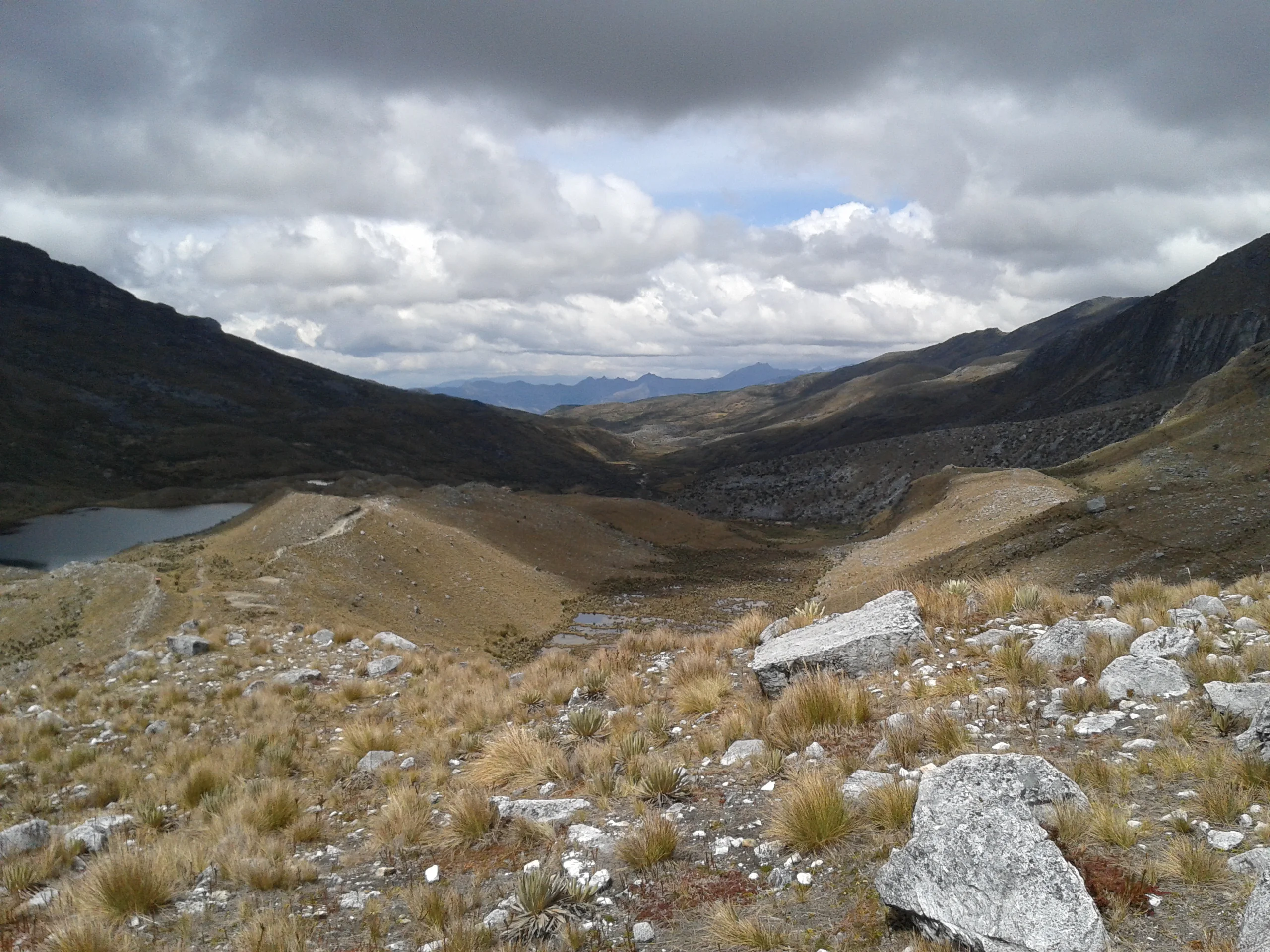
El Cocuy protects a vast high-Andean landscape of páramo, lagoons, rock faces and shrinking tropical glaciers. Authorized day routes bring prepared hikers close to peaks such as Ritacuba Blanco and the Pulpito del Diablo without turning the park into an unrestricted mountaineering area.
Registration, insurance, acclimatization and an authorized guide may form part of current access. Verify the open routes before travelling to El Cocuy or Güicán, and never step onto the glacier or exceed the park's marked limits.
The park is not a single roadside viewpoint. Reaching a legal trailhead, acclimatizing and completing one high route usually takes several nights in the region. Choose between authorized sectors with a guide based on fitness and current access rather than attempting to collect every landmark.
3. Chingaza National Natural Park
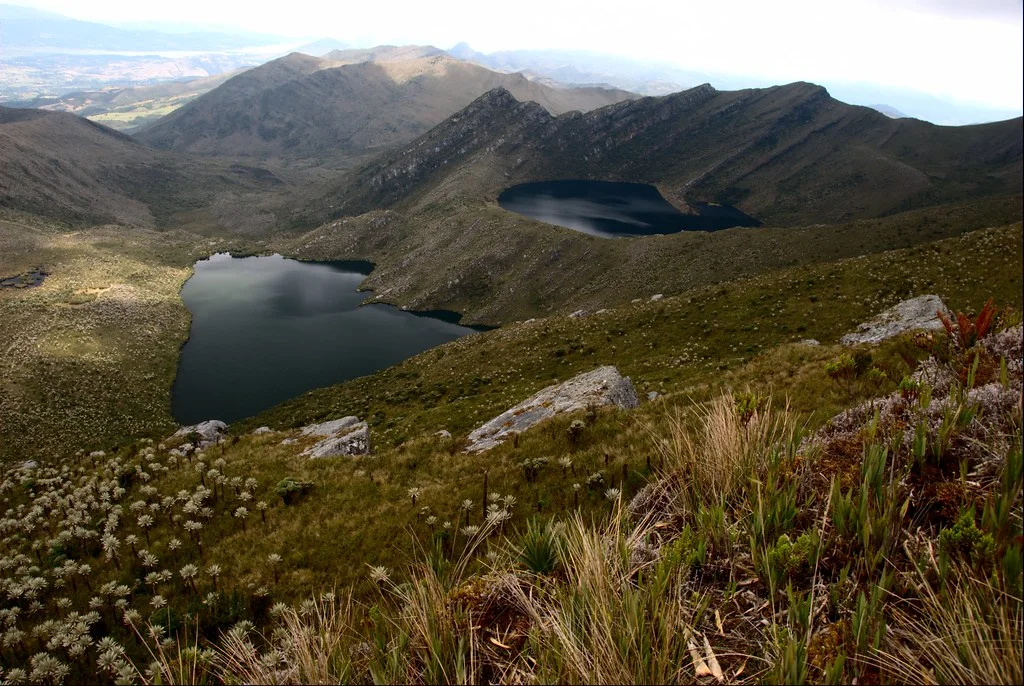
Chingaza protects the páramo and cloud-forest watersheds east of Bogotá. Frailejones, high lagoons and the possibility of white-tailed deer or spectacled bears make it one of the best introductions to Colombia's Andean ecology.
Visitor capacity is controlled and arrangements differ by entrance. Contact the park's authorized ecotourism organization before paying, bring identification and arrive prepared for cold rain and rough access roads.
Siecha offers a demanding lagoon hike, while shorter trails provide gentler introductions to frailejones and cloud forest. Because visibility changes within minutes, mist should be expected rather than treated as a spoiled visit. Bogotá makes a practical base, but transport must match the confirmed entrance.
4. Los Nevados National Natural Park
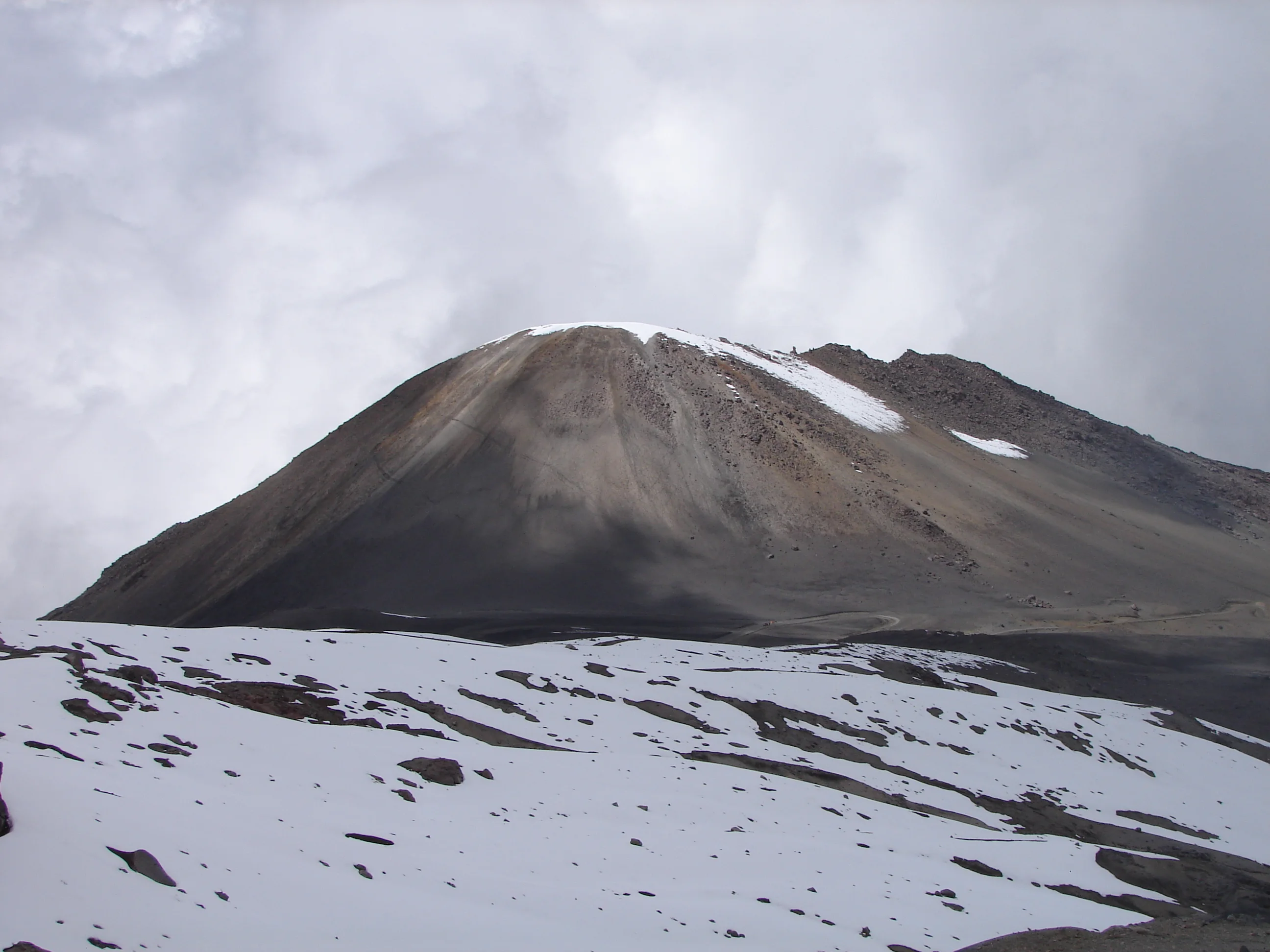
Los Nevados spans volcanic peaks, wetlands, glaciers and broad páramo across the Central Andes. Its value lies as much in multi-day walking and highland ecology as in views of Nevado del Ruiz, Tolima and Santa Isabel.
Volcanic alert levels and conservation rules regularly affect access. Do not assume a summit or road is open because it appears in an old itinerary. Use an authorized guide for high routes and build a plan around the currently permitted sectors.
Gateways include Manizales, Pereira, Salento and smaller mountain communities, each revealing a different side of the protected landscape. A short vehicle-based visit cannot substitute for a trek, but it may suit travellers new to altitude. Multi-day hikers should inspect sleeping elevations and evacuation plans carefully.
5. Sierra de la Macarena National Natural Park
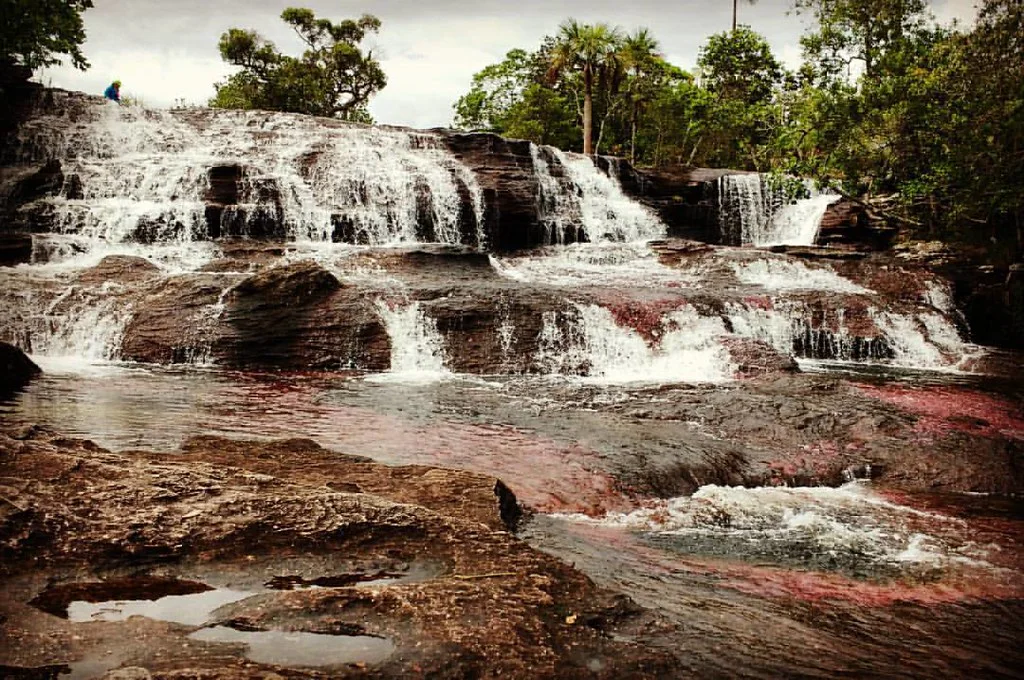
The park's best-known experience is Caño Cristales, where an aquatic plant creates bands of red, pink, green and yellow during the visitor season. The wider landscape links Andean, Amazonian and Orinoquian ecosystems.
Trips begin in La Macarena and use authorized local transport and guides. Routes, daily capacity and the season are set to protect the aquatic ecosystem; swimming and sunscreen use are restricted in sensitive channels.
Stay for at least three nights so arrival and departure flights do not consume the whole experience. Visitors receive an assigned route, so two days can reveal different pools and rock formations. The colorful plant is seasonal and sensitive to water conditions; no operator controls its intensity.
6. Gorgona National Natural Park
Gorgona is a forested Pacific island with a remarkable second life after its prison closed. Today, rainforest trails, coral environments, endemic wildlife and seasonal humpback whales make it one of Colombia's strongest multi-day nature destinations.
Arrival is by authorized boat service, commonly from Guapi or Buenaventura. Sea conditions, park capacity and accommodation require advance coordination. Diving needs a qualified operator and appropriate certification.
Gorgona deserves several nights because its identity is split between land and water. Forest walks reveal endemic lizards and traces of the prison era, while reefs support turtles, sharks and colorful fish. Whale season adds possibility, but even then sightings should never be treated as guaranteed.
7. Utría National Natural Park
Utría protects a narrow Pacific inlet where rainforest, mangroves, rocky coast and sea meet. Boardwalks and boat excursions can reveal an extraordinary wet landscape, while humpback whales visit the surrounding region seasonally.
Access is normally by boat from Nuquí or Bahía Solano with local arrangements. Expect heavy rain, limited infrastructure and schedule changes caused by the ocean. Keep whale encounters slow and distant.
The sheltered inlet, mangrove boardwalk and intensely wet forest make Utría rewarding without a long checklist. It works well within a broader Chocó itinerary rather than as a rushed boat return. Allow weather slack and spend locally in the coastal communities that make access possible.
8. Amacayacu National Natural Park
Amacayacu protects Amazon forest and waterways upriver from Leticia. The meaningful experience is not a quick checklist but a community-linked journey through river and forest landscapes with local knowledge at its center.
Visitor access and services have changed over time, so arrange the trip through current park and community channels. Never enter an Indigenous territory or forest route without permission, and choose wildlife watching that does not feed or handle animals.
Leticia and Puerto Nariño are the natural gateways, with travel continuing by river. Water levels decide whether the day emphasizes flooded forest, lakes or longer walks. A community-hosted stay creates more time for interpretation and reduces the temptation to compress the Amazon into one boat excursion.
9. Macuira National Natural Park
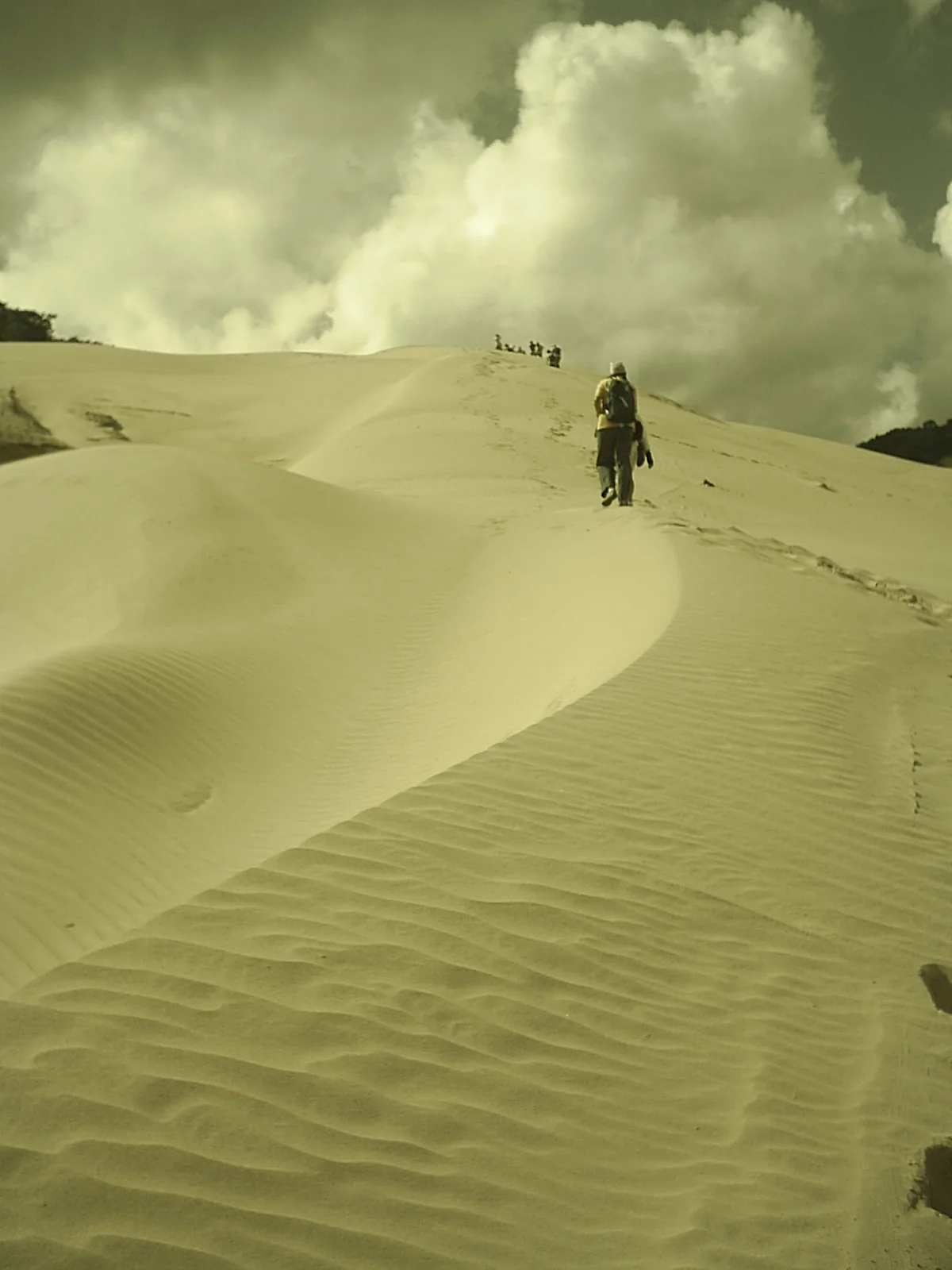
Macuira is an isolated green mountain range rising from the arid Alta Guajira. Cloud-fed forest, dunes and Wayuu territory create one of Colombia's sharpest landscape contrasts.
Reaching the park around Nazareth is a remote overland expedition, not a casual rental-car outing. Travel with a reputable Wayuu-led local arrangement, carry water and accept that roads may become impassable. Community consent governs where visitors can go.
Macuira's appeal is the improbable transition from desert to mist-fed vegetation, especially around the Palúa waterfall and forested hills when access permits. Budget several days from Riohacha because the Alta Guajira journey is slow. Simple accommodation and scarce water are part of the logistics.
10. Puracé National Natural Park
Puracé protects volcanic highlands, páramo, wetlands and important Andean condor habitat south of Popayán. When authorized, visitors may combine high-altitude landscapes with thermal and volcanic features in the surrounding Indigenous territory.
Volcanic activity has caused closures, and access must be agreed through the park and local Indigenous authorities. Check current status immediately before travel and do not substitute an unofficial route when the volcano is restricted.
When the summit route is unavailable, authorized surrounding experiences may still reveal páramo, thermal features and condor habitat. Popayán is the main base, though an early departure is normal. Local interpretation is especially valuable here because natural and cultural authority overlap throughout the landscape.
Which Colombia national park should you choose?
Choose Tayrona for an accessible coast-and-forest hike, Chingaza for páramo near Bogotá, El Cocuy for a demanding high-mountain day and Sierra de la Macarena for Caño Cristales in season. Utría and Gorgona reward travellers able to commit to Pacific boat logistics; Macuira suits those ready for a community-led remote expedition.
Pair a park visit with the guides to Colombia's best hikes and best wildlife experiences.
Understanding park access
An official park status of “open” does not mean that every entrance, trail or activity is operating. Daily capacity, road damage, fire risk, volcanic alerts and agreements with local communities can all narrow access. Check the individual park page, then confirm the exact sector with the recognized operator or park contact.
Remote parks also require a transport plan beyond the entrance ticket. Pacific islands depend on boats and sea state, Macuira requires experienced desert logistics, and Amazon visits depend on river levels and community coordination. Book these elements together rather than treating the park reservation as the entire trip.
Before you go
- Check the park's official page for its current status and then verify the specific visitor sector.
- Reserve through official or park-recognized channels; roadside offers do not override permits.
- Respect Indigenous authority and cultural closures as part of responsible access.
- Carry out waste and avoid single-use plastic where park rules restrict it.
- Use guides and boats that keep wildlife encounters observational.