
Indonesia’s reef trips can involve park entry, a boat crossing and local guiding before you ever put on a mask. Kayaking in Raja Ampat and rafting on Bali’s Ayung add very different water experiences. Use this selection to choose a region and activity, with time for the transfers each one needs.
Plan each outing separately. The table compares physical effort; technical difficulty and exposure can differ. Each mission on the map has its location and preparation details.
Compare the experiences
| Experience | Physical effort |
|---|---|
| Snorkel Bunaken’s Lekuan wall | Moderate |
| Snorkel Rubiah Island’s reef | Low |
| Snorkel Menjangan Island’s protected reef | Low |
| Snorkel Pink Beach’s reef in Komodo | Moderate |
| Kayak from Gam Island into Kabui Bay | Moderate |
| Raft the Ayung River in Bali | Moderate |
Choose your time on the water
Bunaken is the reef-wall choice; Rubiah is reached from the Iboih side of Pulau Weh. Menjangan fits a West Bali plan, while Pink Beach belongs to a Komodo boat trip. For paddling, compare a coastal kayak day from Gam with a guided river raft on the Ayung.
Snorkel Bunaken’s Lekuan wall
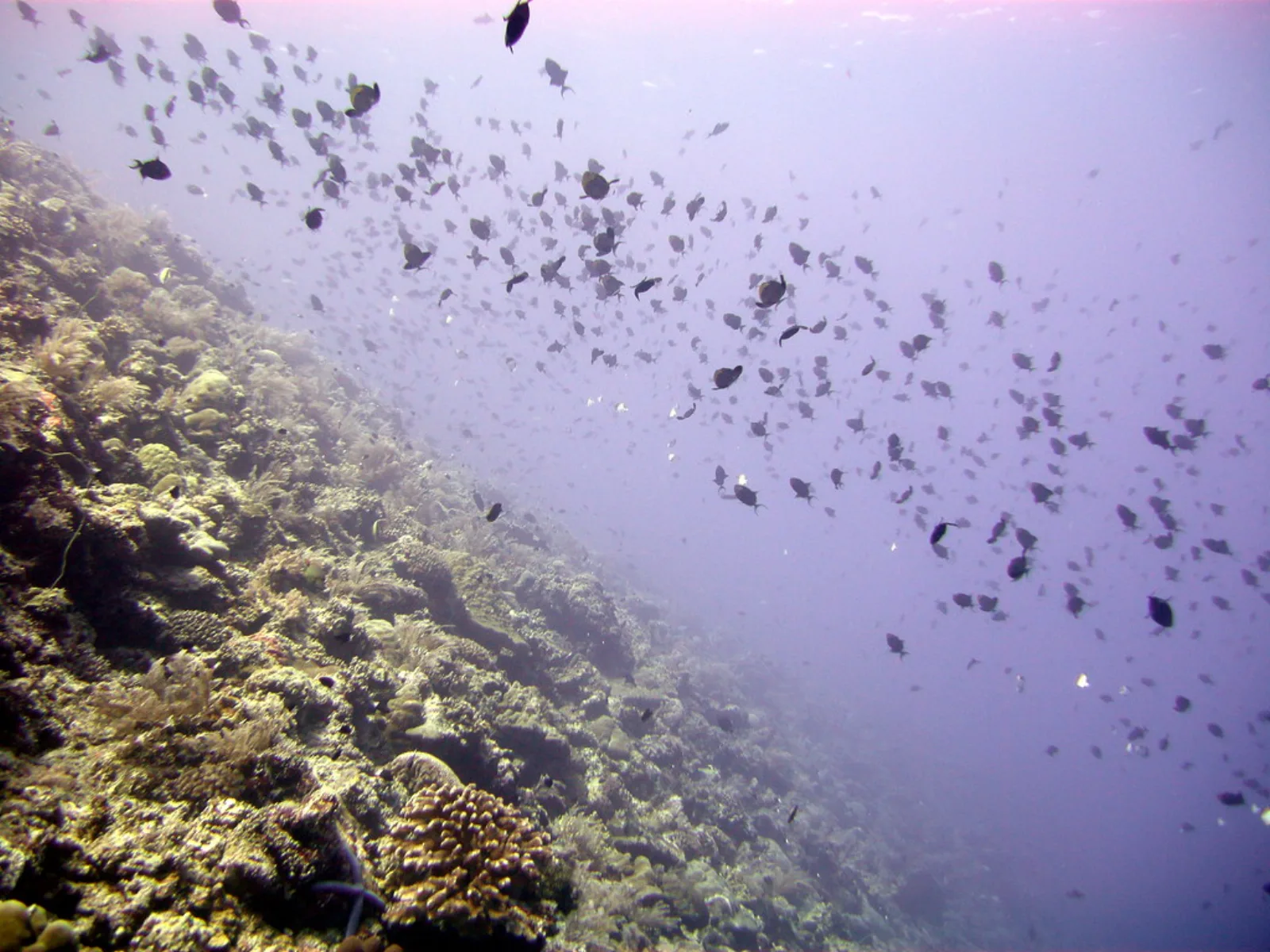
Take a boat to Lekuan in Bunaken National Park and snorkel above the reef edge. From the surface, you can look down the steep coral face while fish move along the wall. Currents can strengthen quickly, so stay within your swimming ability and keep clear of the coral.
Lekuan lets snorkelers experience Bunaken’s wall-reef topography without making a scuba descent. The sudden underwater drop is the defining feature of the site.
Boat transport, snorkeling equipment and the applicable national-park visitor charge are required. A guide is optional, but use a local boat or snorkeling operator and only enter in conditions that suit your swimming ability.
View in GoExploringSnorkel Rubiah Island’s reef
Take a short boat ride from the Iboih side to Rubiah Island and snorkel in the established marine area. The swimming is light, but you’re still in open water with boat traffic and changing conditions. Keep your hands and fins off the coral and never stand on the reef.
Rubiah gives you a compact reef outing within Pulau Weh’s wider marine setting.
Paid boat transport and snorkeling equipment are required. Arrange the crossing locally; no advance booking, permit or guide is normally required. Follow current boat and marine-safety instructions.
View in GoExploringSnorkel Menjangan Island’s protected reef
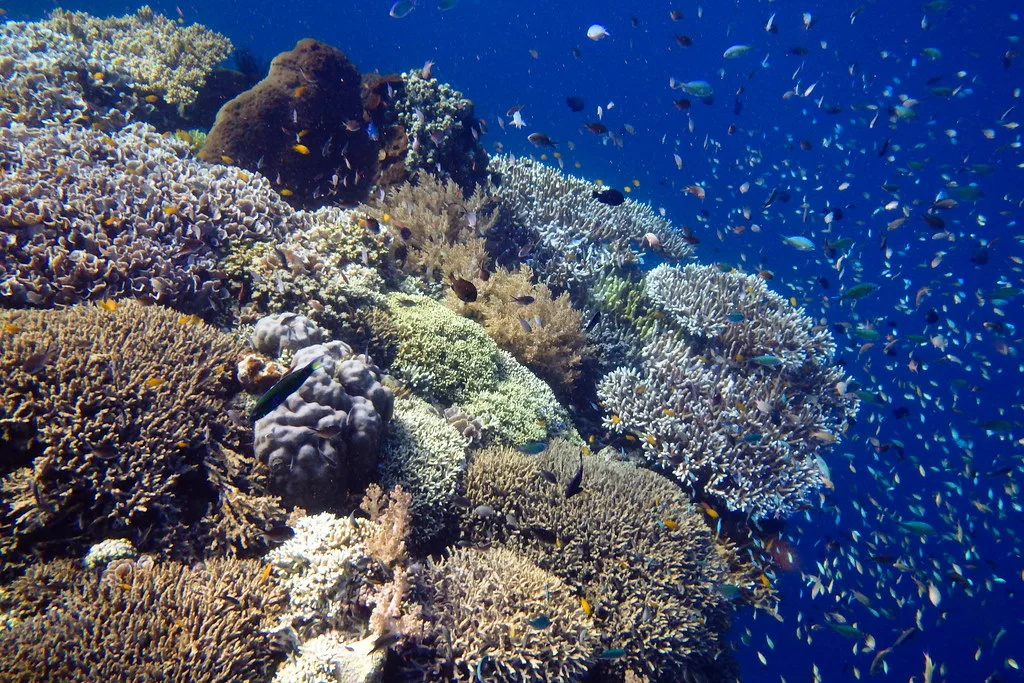
Check in through West Bali National Park, take an approved boat to Menjangan and snorkel at the assigned reef site with the required local guidance. Keep off coral and don’t feed wildlife.
Menjangan combines an island reef with active national-park management.
National-park entry, boat transport, the required local guiding arrangement and snorkeling equipment are needed for the trip. Use an official Menjangan access point such as Labuan Lalang or Banyuwedang and follow the current West Bali National Park rules.
View in GoExploringSnorkel Pink Beach’s reef in Komodo
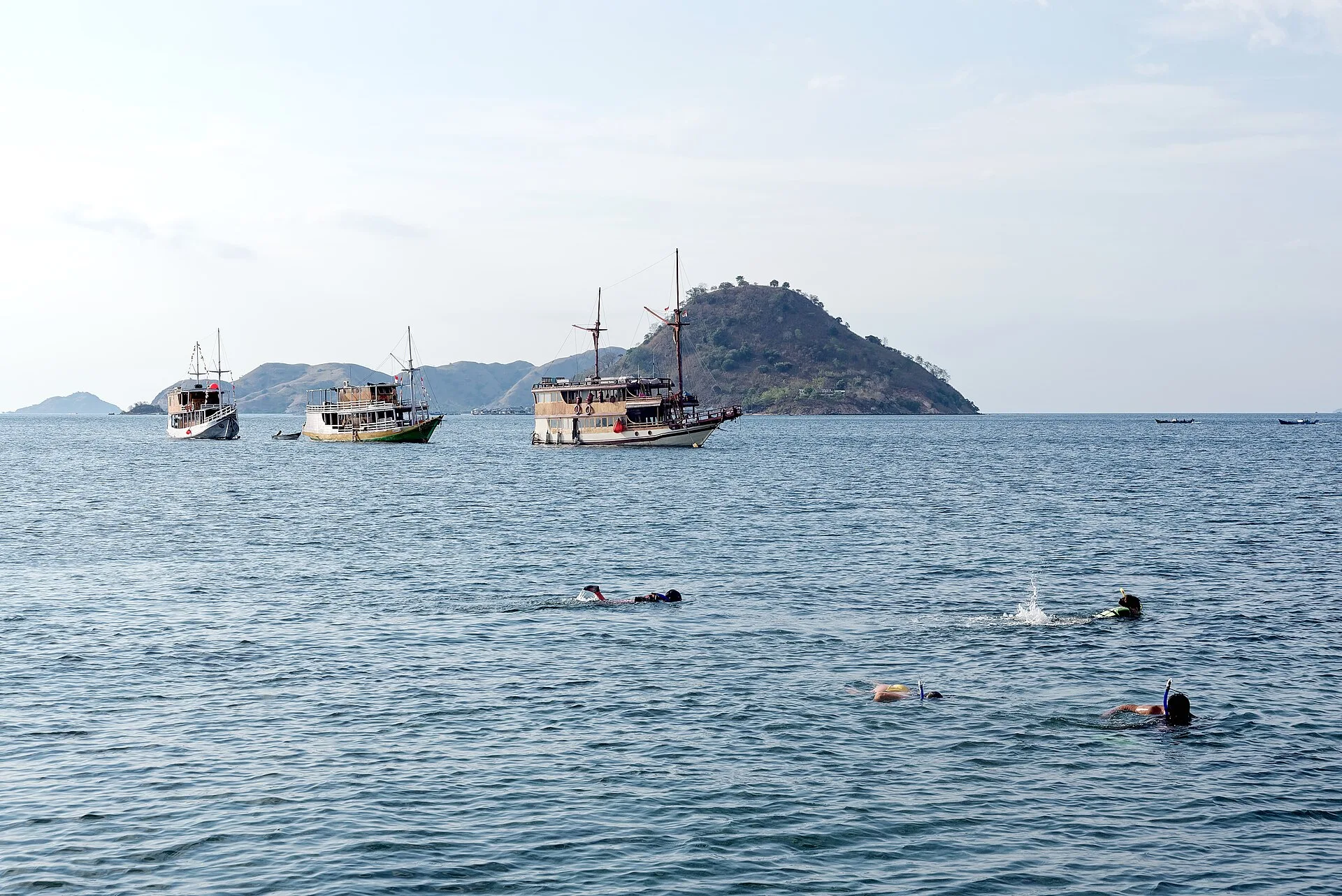
Reach Pink Beach by boat and enter the clear shallows with mask, snorkel and fins. Coral begins close to shore, so you can watch reef fish without scuba depth. Stay buoyant above the reef, keep clear of boat approaches and never stand on coral.
Pink Beach brings one of Komodo’s distinctive shorelines and a living reef into the same stop. Snorkeling links the protected island landscape above water with the marine habitat immediately offshore.
Buy the current Komodo National Park entry and activity tickets and arrange boat transport to Pink Beach; SiOra provides the park’s online reservation and e-ticketing service. Bring or rent snorkeling equipment and check sea conditions before entering. Do not remove sand, coral or wildlife from the protected area.
View in GoExploringKayak from Gam Island into Kabui Bay
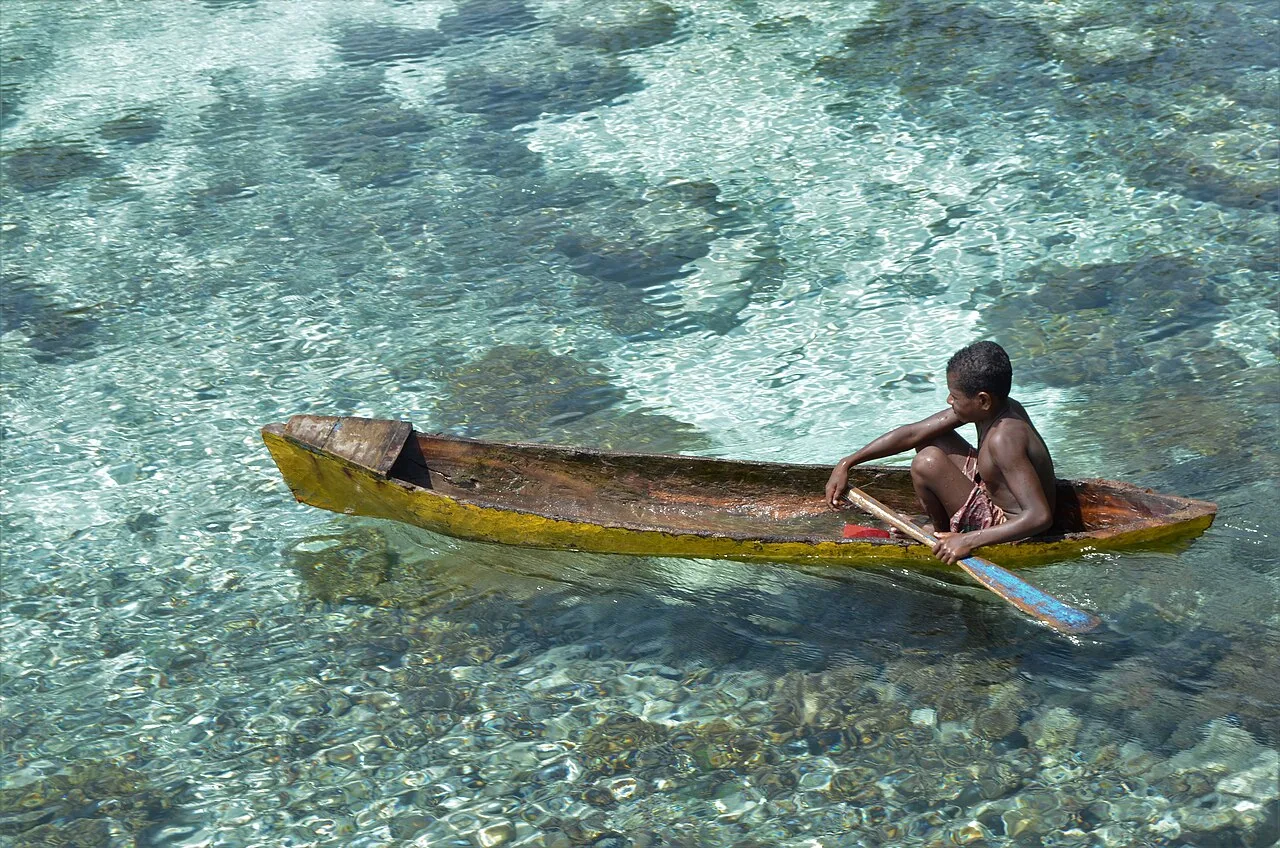
Launch from the west side of Gam and paddle toward Kabui Bay past limestone formations, small beaches and rainforest-backed coast. The route mixes sheltered shoreline with more open water. Tides, wind, sun and distance determine how demanding the day becomes.
A kayak takes you slowly along Raja Ampat’s coast, between karst formations, rainforest and small beaches.
Arrange a suitable sea kayak, paddle and buoyancy aid, and pay any current Raja Ampat marine visitor charge that applies to your route. A guide is optional on a sheltered local trip, but route knowledge is useful. Check tides, wind and return distance before launching.
View in GoExploringRaft the Ayung River in Bali
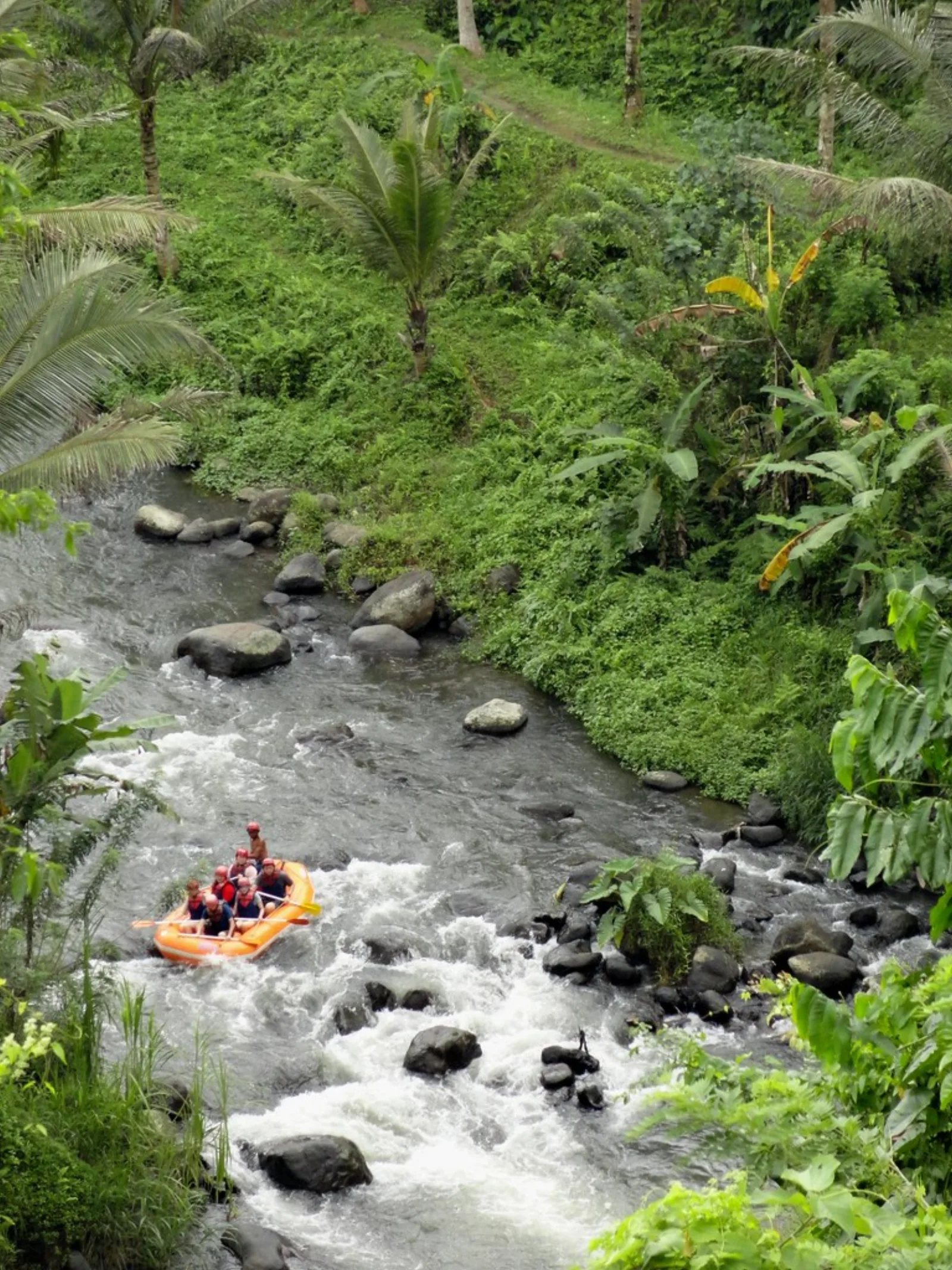
Join a guided raft on the Ayung and paddle through a river corridor of forested banks, rock walls and small rapids. The exact run depends on the operator and river level. Expect stairs to and from the water as well as steady paddling during the trip.
The Ayung cuts a green gorge through central Bali.
Arrange a paid trip with a licensed rafting operator. A guide, raft, helmet, buoyancy aid and other rafting equipment are required and are normally supplied. Check the operator’s current water, age and health conditions before going.
View in GoExploringBefore you set out
Ask what swimming ability and safety equipment each trip requires before paying. Conditions can be harder beyond the launch, especially where a coastal route reaches open water. Keep off coral and other sensitive habitat, and follow the guide or park if the route is shortened or cancelled.
Explore more adventure activities in Indonesia.
Plan a day on foot with these hikes in Indonesia.