

Indonesia rewards travelers who plan around its distances. A dawn climb on Bali's Mount Batur, a boat trip through Komodo National Park and a dive in Raja Ampat belong to separate island itineraries, with flights and sea crossings between them. The country spans active volcanoes, rainforest, fast rivers and coral reefs.
Conditions can change the plan. Volcano access depends on current safety restrictions, mountain weather can turn quickly, and currents around the islands call for local knowledge. Check park notices before you travel, use licensed guides for protected areas and technical activities, and leave room in your schedule for weather delays.
Indonesia adventures at a glance
| Adventure | Standout destination | Intensity | Key requirement |
|---|---|---|---|
| Volcano hiking | Mount Rinjani, Lombok | High | Permit and current trail status |
| Sunrise trekking | Mount Batur, Bali | Moderate | Headlamp and local conditions |
| Rainforest trekking | Bukit Lawang, Sumatra | Moderate–high | Licensed local guide |
| Scuba diving | Komodo or Raja Ampat | Moderate–high | Certification suited to the site |
| White-water rafting | Ayung River, Bali | Moderate | Reputable rafting operator |
| Surfing | Uluwatu, Bali | High | Experience matched to the break |
The 20 best adventure activities in Indonesia
Climb Mount Batur before sunrise

Mount Batur rises above the caldera and Lake Batur in Bali's Kintamani highlands. The usual pre-dawn trek climbs to the summit for sunrise; the route is short enough for many first-time hikers, though the loose volcanic ground and darkness make it a proper walk.
Go with a local guide, carry a headlamp and bring a warm layer for the summit. Check local access rules before setting out, and don't climb during an official closure or when volcanic conditions make access unsafe.
Trek Mount Rinjani

On Lombok, Mount Rinjani's trails climb to a high crater rim above Segara Anak, a lake inside the volcano's caldera. Reaching the lake or summit takes a multi-day trek, with steep, exposed sections and a demanding descent.
Check the park's official access and booking notices and which routes are open. Build in time to acclimatize, bring proper cold-weather gear and choose a licensed guide and porter. Rinjani is a serious mountain; don't treat a package itinerary as a measure of your fitness.
Walk the rim above Kelimutu's crater lakes
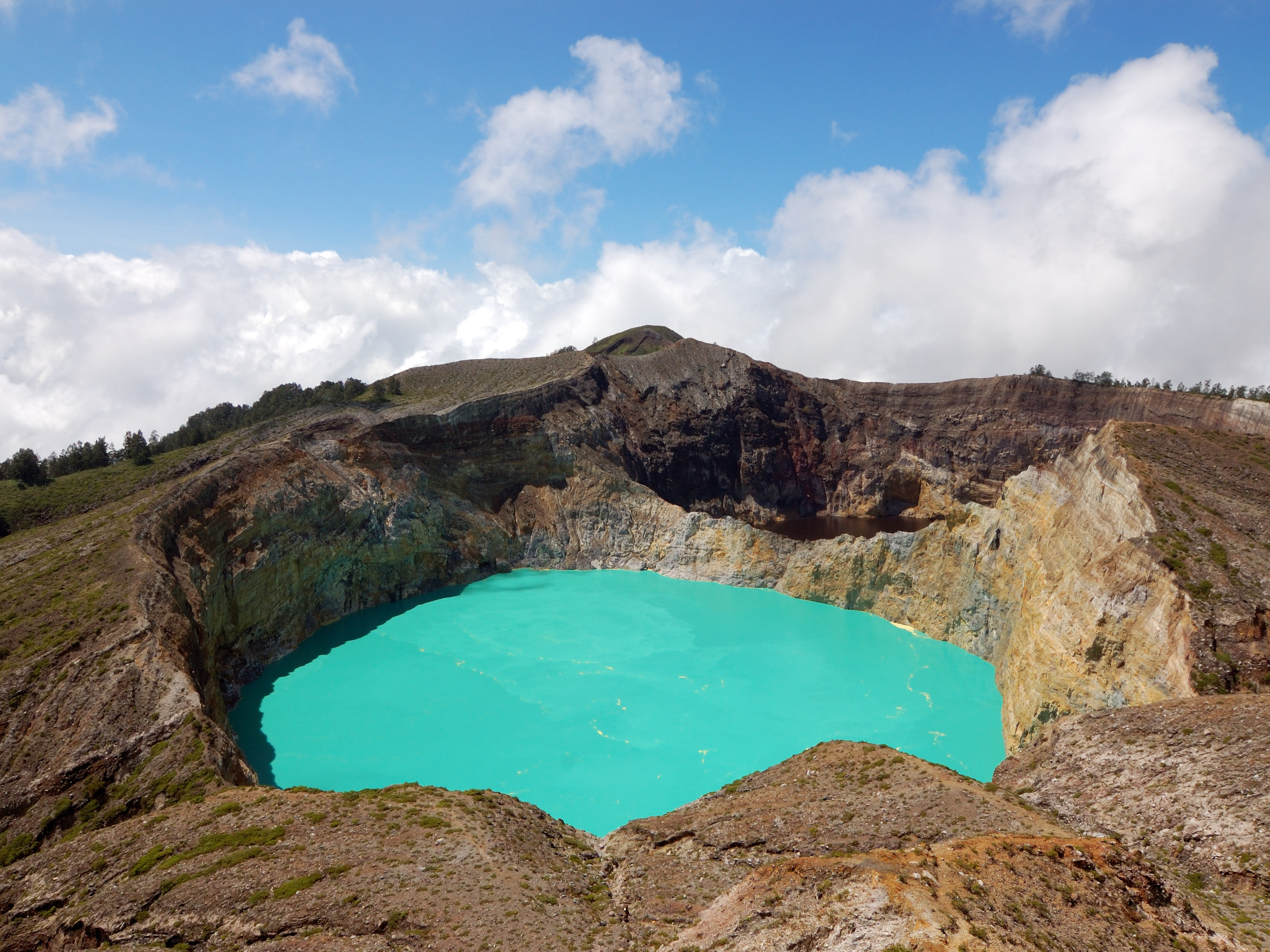
Near Moni on Flores, a short uphill path leads from the parking area to viewpoints over Kelimutu's three crater lakes. Their colours can change over time, so the view on your visit may differ from photographs.
Many visitors arrive early, when cloud can still cover the lakes. Stay on permitted paths and follow signs around unstable or restricted ground. Moni is the nearest base for the walk, and the drive to the park is part of the logistics.
Walk across Mount Bromo's Sea of Sand

In East Java's Bromo Tengger Semeru National Park, a broad volcanic plain called the Sea of Sand surrounds Mount Bromo and neighbouring cones. Walking across it gives you a closer look at the ash-covered landscape than a viewpoint stop does.
Start with the park's current visitor rules and booking information and use the designated routes. Dust and cold before dawn are common reasons to bring a face covering and warm clothes. Local transport can help cross the area, but check where visitors are allowed to go on the day.
Hike the Ijen crater rim

The trail from Paltuding climbs to the rim of Kawah Ijen in East Java. From above, you can see the turquoise crater lake and the surrounding volcanic plateau. Some visitors go at night hoping to see blue flames from sulfur combustion, but sightings depend on conditions and access rules.
This is an active volcanic area. Check current Kawah Ijen access updates before booking; gas, weather and temporary restrictions can affect access. Bring a headlamp, sturdy shoes and a suitable mask if local guidance requires one, and turn back if visibility or breathing becomes difficult.
Raft the Ayung River

The Ayung runs through a steep, green valley north of Denpasar. Commercial rafting trips follow sections of the river near Ubud, with rapids and stretches where the forested banks are the main view.
Choose an established operator that provides fitted helmets and life jackets, gives a safety briefing and checks river conditions. Wear secure footwear and leave valuables behind. Heavy rain can change water levels, so follow the guide's decision if a trip is delayed or cancelled.
Surf Uluwatu's reef breaks

Uluwatu on Bali's Bukit Peninsula is known for powerful reef waves that work differently with swell and tide. The breaks suit experienced surfers who can manage reef entry and changing conditions; beginners should look for a surf school at a beach with gentler waves.
Ask a local surf school or experienced guide about the day's tide, swell and access before paddling out. Reef breaks can be shallow, and currents can make the paddle back difficult. If you are new to surfing, take a lesson away from Uluwatu's more demanding waves.
Snorkel off Nusa Penida

Nusa Penida's snorkeling trips visit coastal sites such as Crystal Bay and Manta Point. Conditions and wildlife vary, and boat operators may change destinations when swell or current makes a site unsuitable.
Use an operator that checks sea conditions and keeps groups under control. Wear a flotation aid if you need one, don't touch coral or chase marine animals, and follow the crew's instructions when entering or leaving the water.
Dive Komodo National Park

Komodo's marine park includes well-known dive areas such as Batu Bolong, Manta Point and Castle Rock. Currents can be strong, and the sites range from manageable dives to those that require experience with drift diving.
Choose sites with your dive operator based on your certification and recent experience. Ask about current conditions, entry and exit procedures, and group size. Park entry, diving fees and boat arrangements are separate details to confirm when booking.
Hike to Padar Island's viewpoint

The climb on Padar Island in Komodo National Park reaches a ridge with views over its curved bays and dry hills. The path is steep in places and exposed to the sun, but most visitors make it a short outing from a boat trip.
Go early if your boat itinerary allows, carry water and wear shoes with grip. Stay on the established path, especially on the ridge, and follow park staff's guidance. Boat schedules can shift with weather, so avoid tight onward connections.
Trek on Rinca with a park ranger
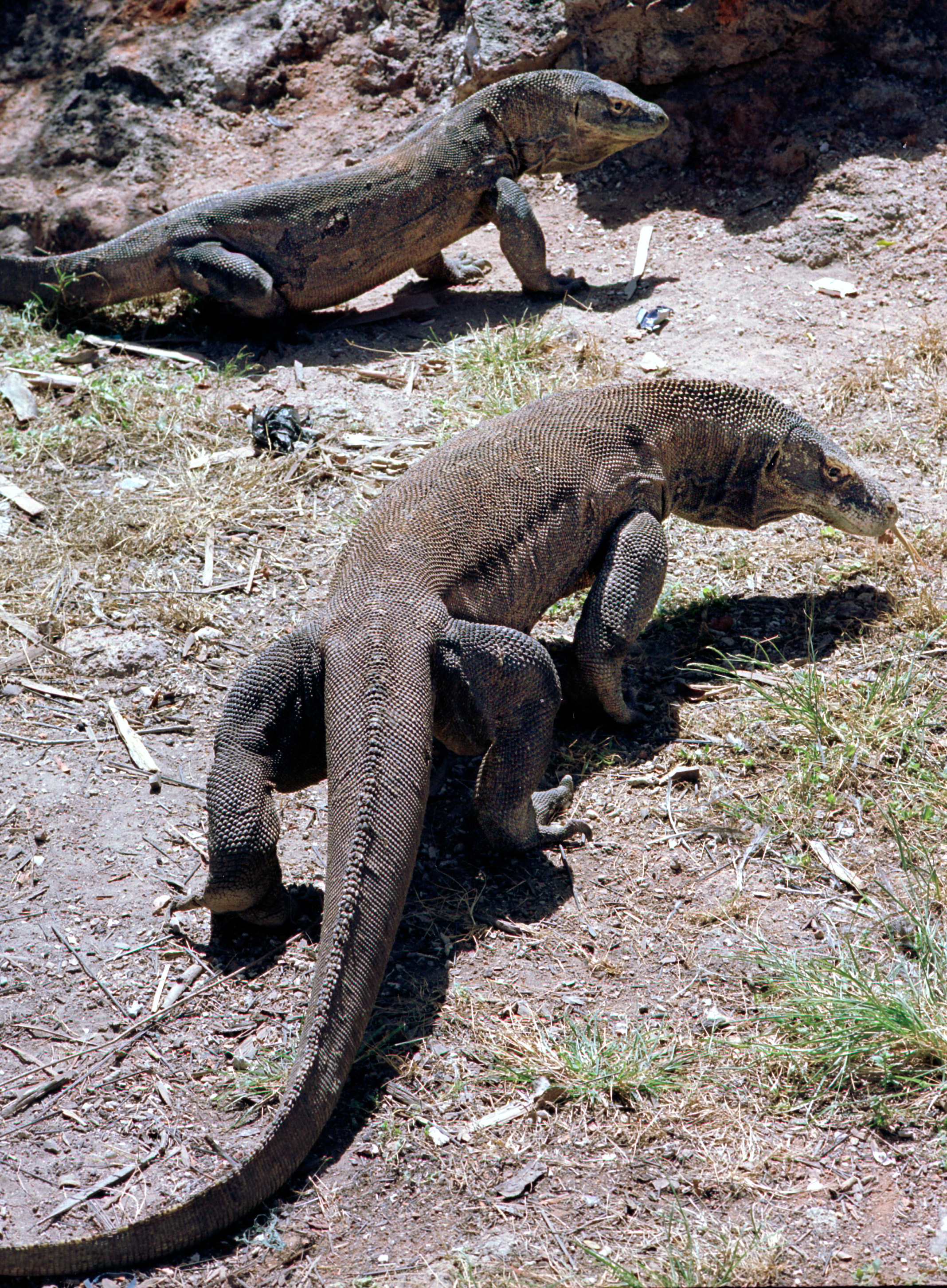
Rinca Island has marked walks through dry hills and savanna in Komodo National Park. Visitors can sometimes see Komodo dragons and other wildlife, but sightings are never guaranteed. A park ranger accompanies visitors on the designated routes.
Keep close to the ranger, follow instructions and never approach or feed wildlife. Take water and sun protection; much of the walking is exposed. Confirm current visitor arrangements with Komodo National Park and boat conditions in Labuan Bajo before you go.
Snorkel Komodo's coral reefs

Boat trips from Labuan Bajo can include snorkeling stops around Komodo National Park, including Pink Beach and nearby reef areas. The water can be clear, but currents and boat traffic vary between sites.
Ask the crew to choose a sheltered spot suited to the day's conditions. Wear a life jacket if you are not a confident swimmer, enter only where the crew directs, and keep fins and hands clear of coral. Use reef-safe sun protection and take all rubbish back on board.
Dive Cape Kri in Raja Ampat

Cape Kri lies in the Dampier Strait in Raja Ampat, Southwest Papua. Reach the reef by dive boat; currents can make it a demanding drift dive, so the entry point, depth and pickup plan need to match the day’s conditions and your certification.
Travel takes time, so leave a generous buffer for connections and boat transfers. Arrange the dive with a qualified local operator, choose conditions suited to your experience and follow local conservation rules. Avoid touching reefs or feeding wildlife.
Kayak among Raja Ampat's islands

Paddling a sea kayak through Raja Ampat's sheltered bays is a quieter way to see its limestone islands and coastal villages. Local homestays and boat operators can advise on suitable routes, since distances and exposure vary from one channel to another.
Go with a local guide unless you have experience navigating remote tropical waters. Wear a personal flotation device, carry drinking water and protect yourself from the sun. Wind, tide and boat traffic should determine where you paddle.
Dive Roma Reef off Tomia

Roma Reef is a dive site off Waha, near Tomia in Wakatobi National Park, Southeast Sulawesi. The pinnacle and sloping reef sit in open water, where depth and current call for a plan suited to your scuba certification and experience.
Use a local dive centre, share your certification and experience honestly, and confirm the day’s current and boat plan before entering the water. Maintain neutral buoyancy and keep clear of coral.
Explore Bunaken's underwater walls
.jpg)
Bunaken National Marine Park lies off Manado in North Sulawesi. Its dive sites include steep reef walls, and boat trips also give snorkelers access to the park's clear-water reefs.
Match the site to your comfort in deeper water and follow your guide's buoyancy instructions near the wall. A snorkel vest can help conserve energy at the surface. Never stand on coral or touch marine life, even when the water is calm.
Trek in Gunung Leuser from Bukit Lawang

Bukit Lawang in North Sumatra is a village on the edge of Gunung Leuser National Park and a starting point for rainforest walks. Trails can be muddy and steep. Orangutans live in the forest, but a responsible guide will not promise a sighting or encourage visitors to approach them.
Book a licensed local guide and ask how the trip avoids disturbing wildlife. Wear shoes with reliable grip, carry water and take every wrapper back with you. For longer walks, agree on the route, pace and return plan before leaving the village.
Raft the Bahorok River

The Bahorok River runs by Bukit Lawang, where local operators arrange rafting trips through the river valley. It can be a good way to cool off after a rainforest walk, with conditions depending on recent rain and river flow.
Ask about the route and safety equipment before booking. Wear a life jacket throughout the trip and follow your guide's instructions around rapids. Don't enter the river independently after heavy rain or when local operators advise against it.
Surf the Mentawai Islands

Off the west coast of Sumatra, the Mentawai Islands draw surfers to powerful Indian Ocean breaks. Many trips use boats or remote surf camps to reach the breaks, so this is an expedition-style surf trip rather than a quick beach stop.
Choose a trip that matches your ability and ask how it handles weather, medical support and board transport. Reef breaks demand careful timing and local knowledge. Build spare days into the itinerary in case sea conditions delay transfers.
Kayak on Lake Toba

Lake Toba in North Sumatra is a vast volcanic lake with Samosir Island at its centre. Kayak routes range from short outings near shore to much longer journeys between settlements, so you can keep the effort modest or plan a multi-day paddle.
Arrange a local guide for longer routes and confirm boat support, weather and landing points in advance. Wear a life jacket even on calm water, carry sun protection and drinking water, and avoid crossing open stretches when wind picks up.
How to choose your Indonesia adventure
For volcanoes and mountain trails, combine Java, Bali or Lombok with enough days to account for weather and park access. Flores and Komodo pair island hiking with boat-based wildlife and marine trips. Choose Sumatra for rainforest walks, rivers and Lake Toba; Raja Ampat, Wakatobi and Bunaken suit a dedicated diving or snorkeling itinerary.
Distances between islands are substantial. Build each trip around one region, check flight and boat connections before booking activities, and leave spare time around remote transfers. If you want several dive days, ask operators about surface intervals and travel timing before you fly.
Before booking
- Check the current access status for volcanoes, national parks and marine protected areas through the relevant official park authorities.
- Use licensed guides for wildlife walks, mountain routes and activities involving boats, ropes or moving water.
- Confirm what is included in park fees, boat transfers and equipment hire; these are often arranged separately.
- Carry cash where needed, but confirm accepted payment methods and reservation requirements with the operator before travel.