

Morocco’s history is visible in Roman streets, Marinid schools, royal palaces and fortified settlements. These sites sit across the country, from Fez and Marrakech to Rabat, Meknes, the Atlantic coast and the southern oases. Choose a region and spend time there; seeing every site on one trip means long transfers between very different places.
Opening hours and access can change, especially at active religious sites and places undergoing restoration. Check current visitor information before travelling. UNESCO lists several Moroccan sites, including Volubilis, the Medina of Fez and the Ksar of Aït-Ben-Haddou.
Morocco historic sites at a glance
| Site | Region | What to look for |
|---|---|---|
| Volubilis | Meknes region | Roman urban remains and mosaics |
| Chellah | Rabat | Roman and Marinid remains |
| Bou Inania Madrasa | Fez | Carved courtyard and tilework |
| El Badi Palace | Marrakech | Open palace ruins |
| Mazagan ramparts | El Jadida | Portuguese-era coastal fortifications |
| Aït-Ben-Haddou | Ouarzazate region | Earthen ksar above the Ounila River |
The 15 best historic sites in Morocco
Explore Volubilis on foot
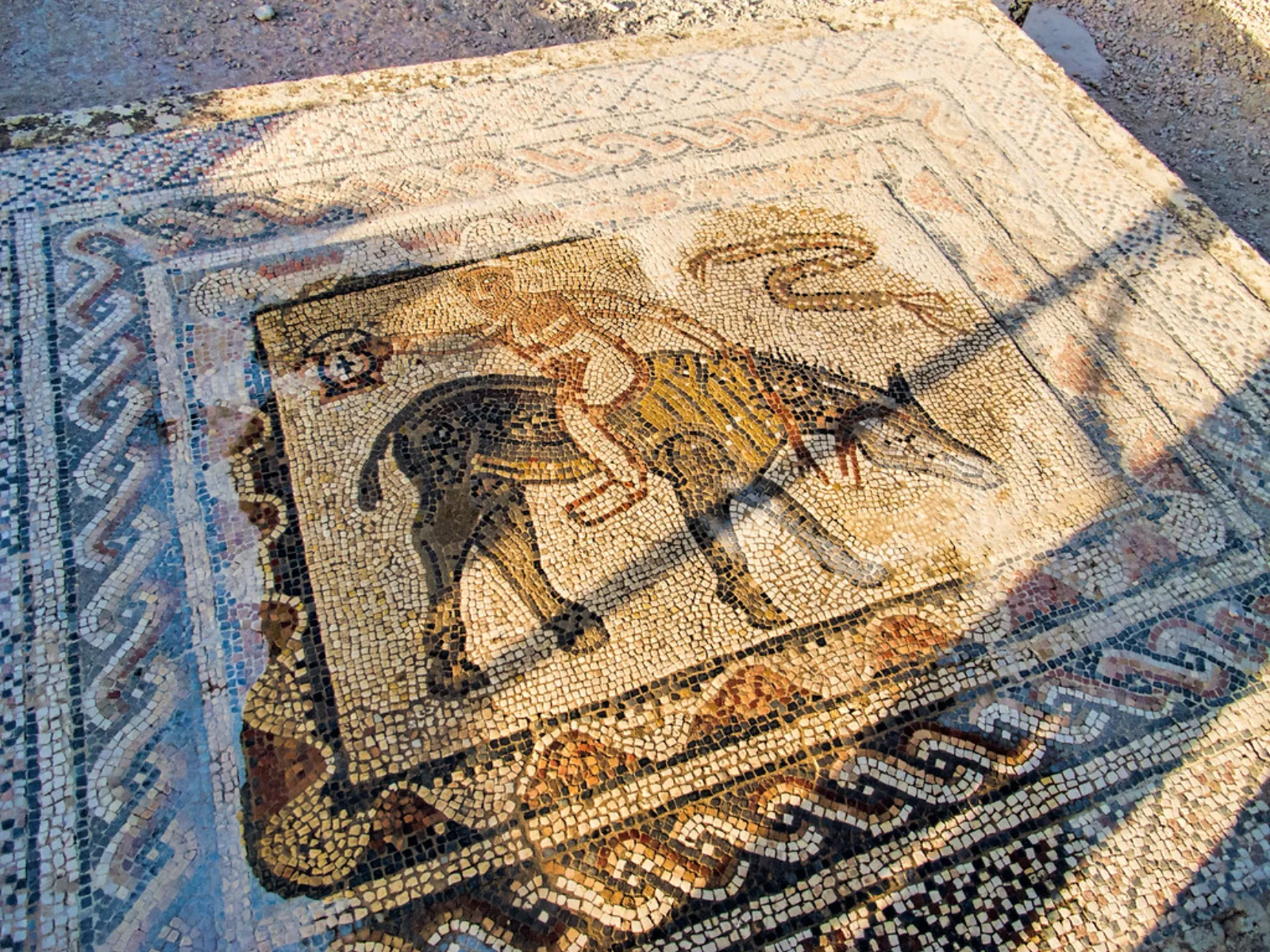
Volubilis preserves streets, public spaces and houses from several periods of the ancient city. Follow the visitor route across the open site and look at its urban plan as well as individual monuments.
The ruins are exposed to sun, and the masonry is fragile. Stay on visitor paths and away from restricted excavation areas.
View in GoExploringEnter Bou Inania Madrasa
Bou Inania Madrasa in Fez has a courtyard decorated with zellige, carved stucco and woodwork. Its setting is still part of a religious complex, so access and conduct matter as much as the architecture.
Dress respectfully, keep quiet and follow any prayer-time closures. Visit only areas open to visitors.
View in GoExploringWalk through Ben Youssef Madrasa
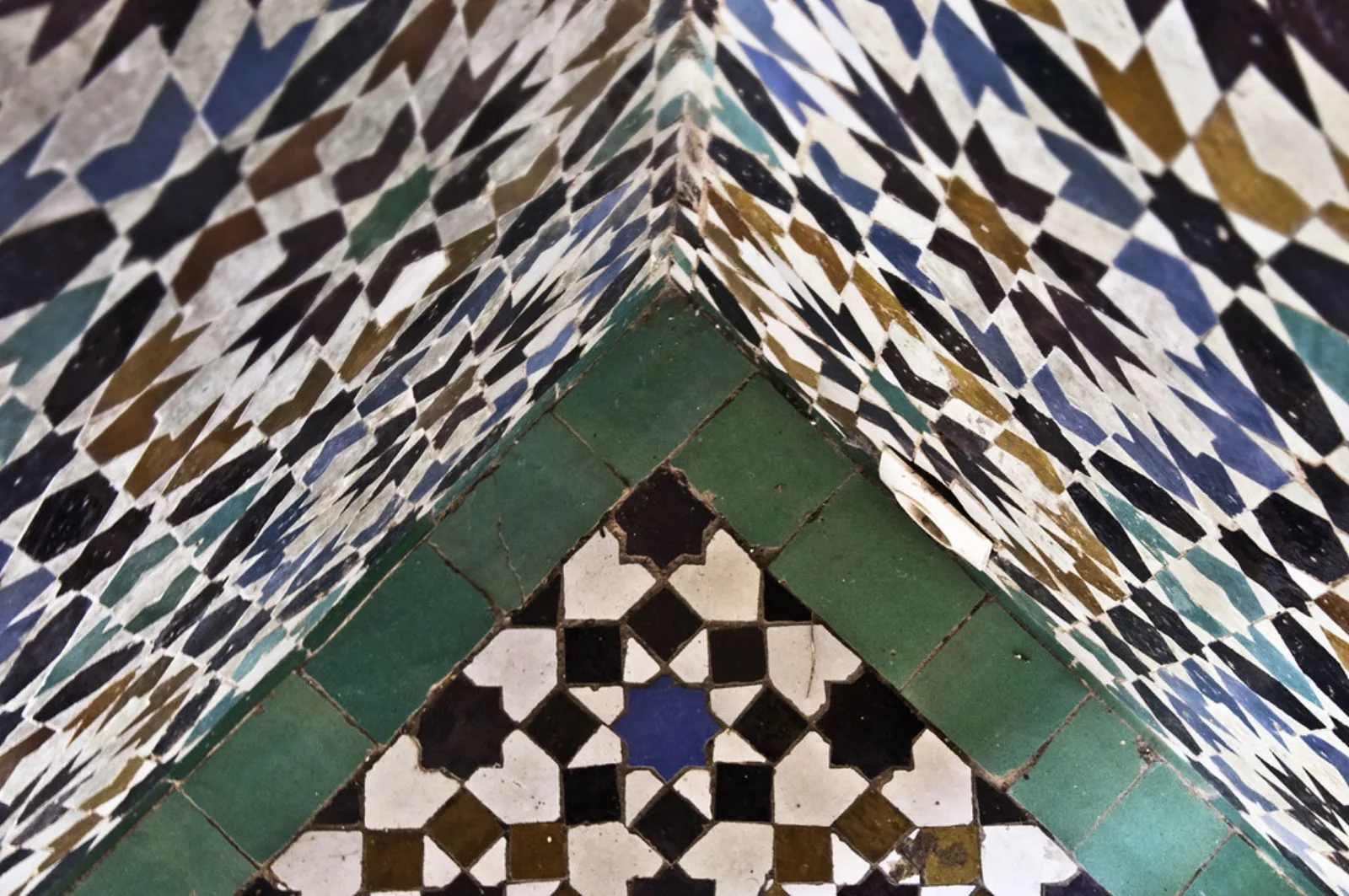
The former school’s central courtyard and compact student rooms make Ben Youssef Madrasa one of Marrakech’s most detailed historic interiors. Look closely at the tile, plaster and cedar decoration from the public circulation route.
Avoid touching carved surfaces and follow visitor directions through the building.
View in GoExploringCross the Hassan Tower esplanade
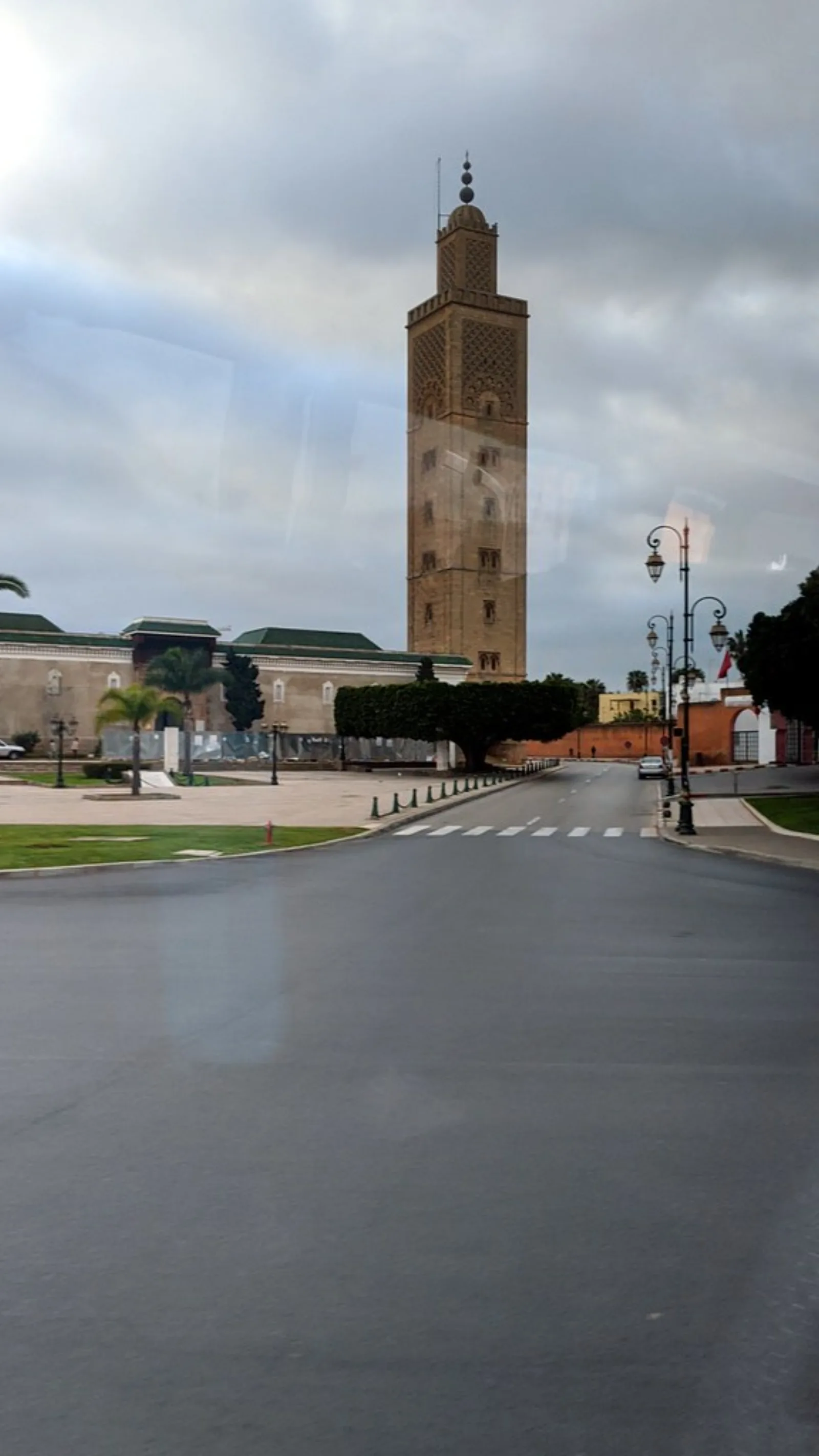
In Rabat, the unfinished Almohad mosque’s remaining columns lead toward Hassan Tower, the 44-metre minaret. The open esplanade gives a sense of the scale of the original project.
Stay in public areas and follow controls around the nearby mausoleum precinct, especially during official events.
View in GoExploringClimb through the ruins of Lixus
Lixus occupies a hill above the Loukkos River. Its archaeological circuit climbs through foundations and structures from successive periods of occupation.
There is little shade on the exposed site. Stay on marked paths and avoid stepping onto walls or excavation areas.
View in GoExploringCross the ruined courts of El Badi Palace
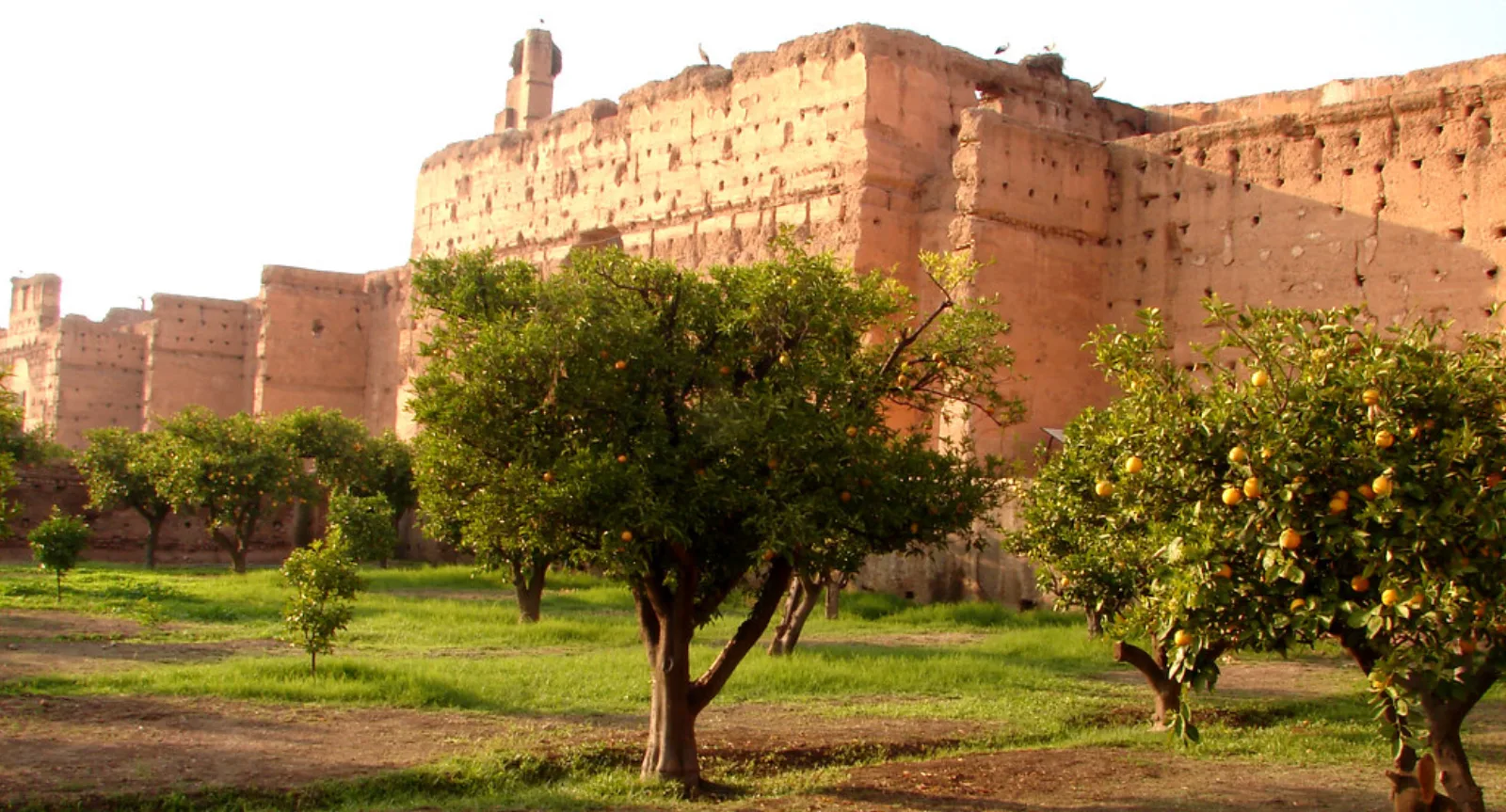
El Badi Palace is an open complex of courtyards and surviving walls in Marrakech. Walk the public route to understand the scale of the palace grounds and the spaces that remain.
Take care in the sun and respect barriers around fragile sections.
View in GoExploringWalk through Bahia Palace
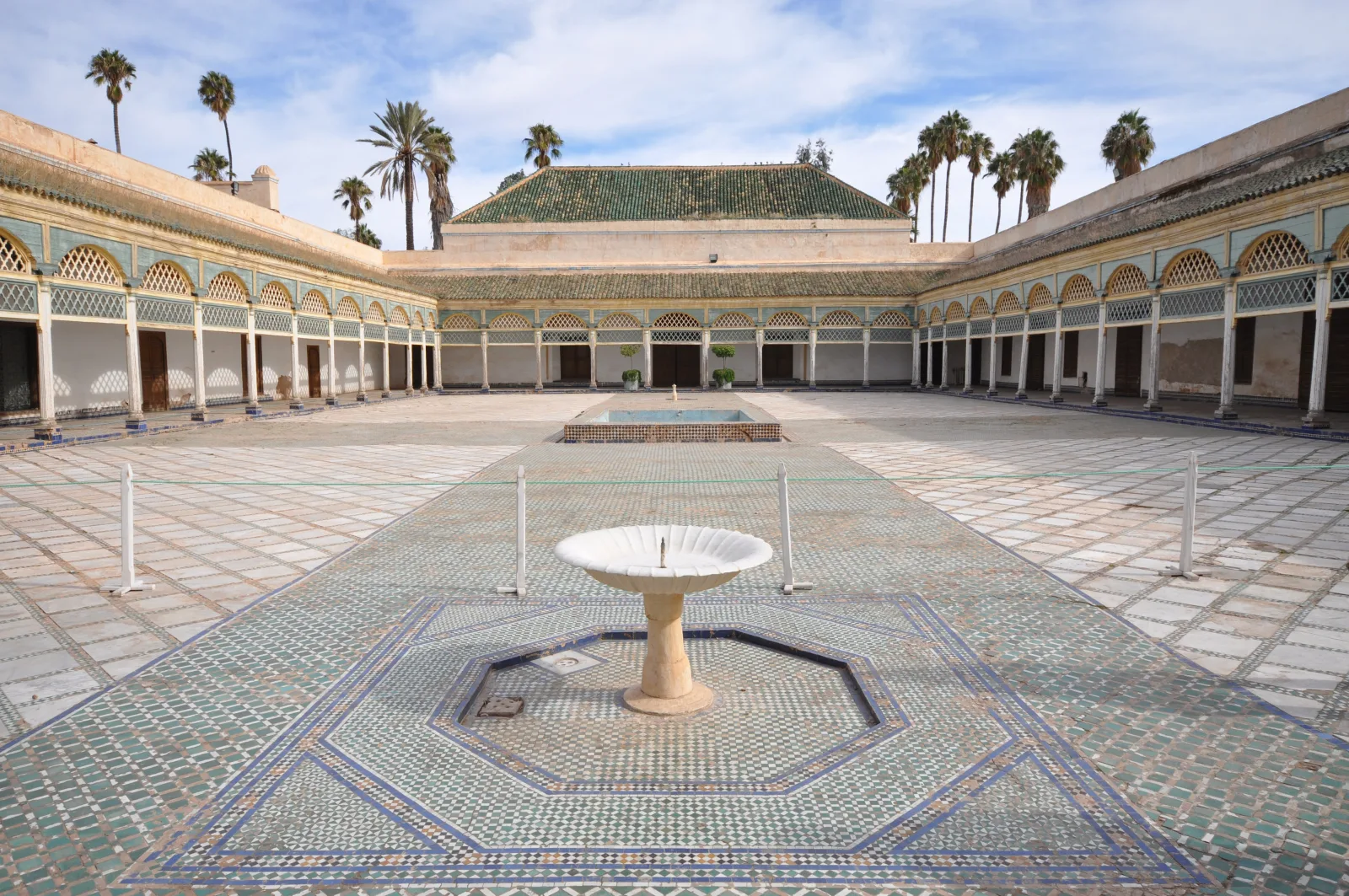
Bahia Palace brings together courtyards, rooms and garden spaces in central Marrakech. Move through the visitor route at an unhurried pace; the sequence of spaces is part of the visit.
Check current access before you go and leave historic surfaces undisturbed.
View in GoExploringEnter the Saadian Tombs
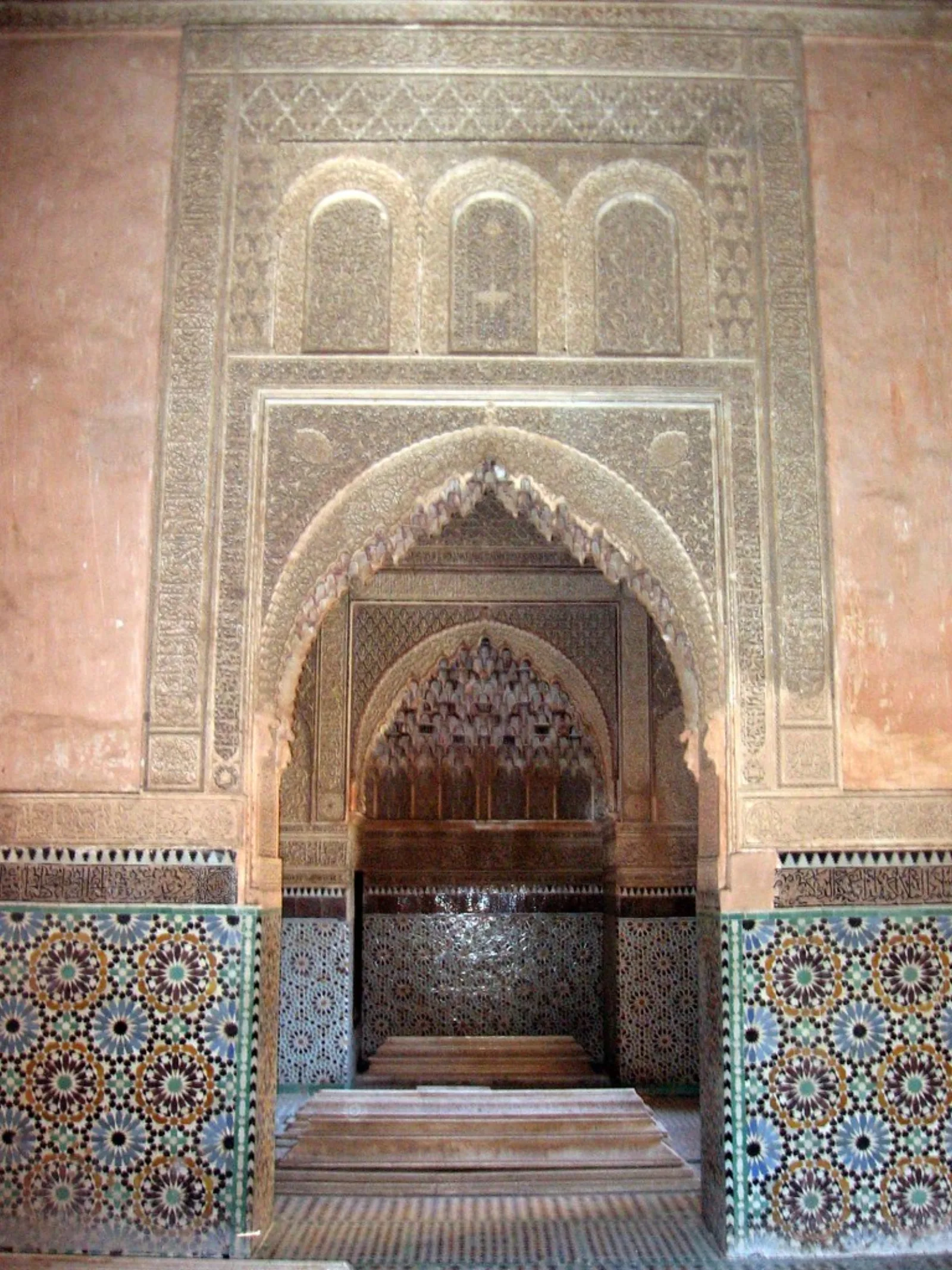
The Saadian Tombs are a compact funerary complex in Marrakech. Follow the managed route and take time to look at the decorated chambers without touching their surfaces.
The site can be busy. Check current opening information and be considerate of other visitors.
View in GoExploringStep inside the Almoravid Koubba
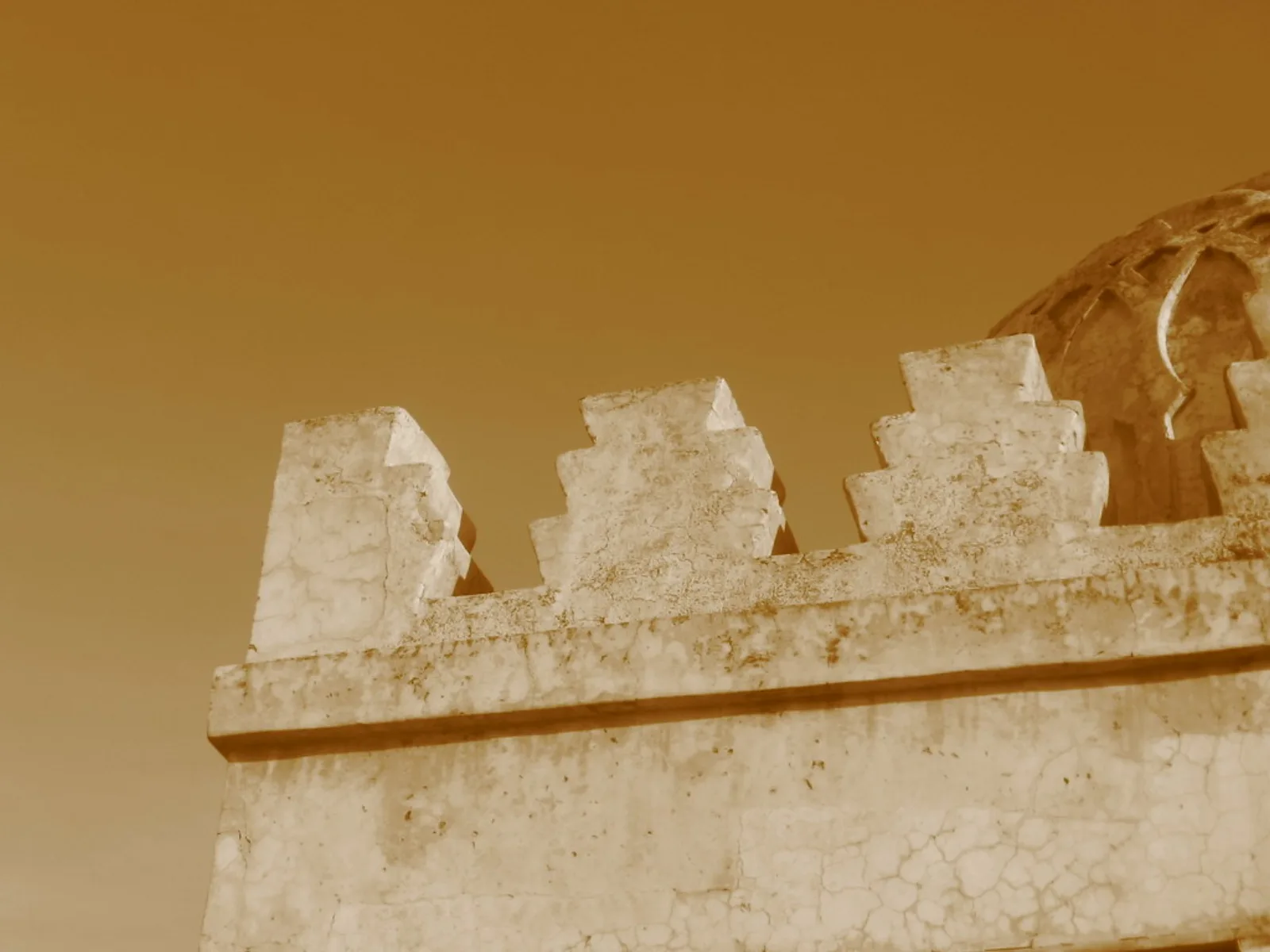
The Almoravid Koubba is a surviving historic structure in Marrakech, close to the city’s other central heritage sites. Its carved interior details make it a brief but worthwhile stop on a walking route.
Follow the visitor route and avoid touching the historic fabric.
View in GoExploringTrace Tamuda from town to Roman camp
Near Tetouan, the remains of Tamuda connect an ancient settlement with a Roman military camp. The route across the site makes the layers of occupation easier to read than a single monument would.
Use established paths and keep off exposed masonry.
View in GoExploringWalk from ancient Chellah to the Marinid necropolis
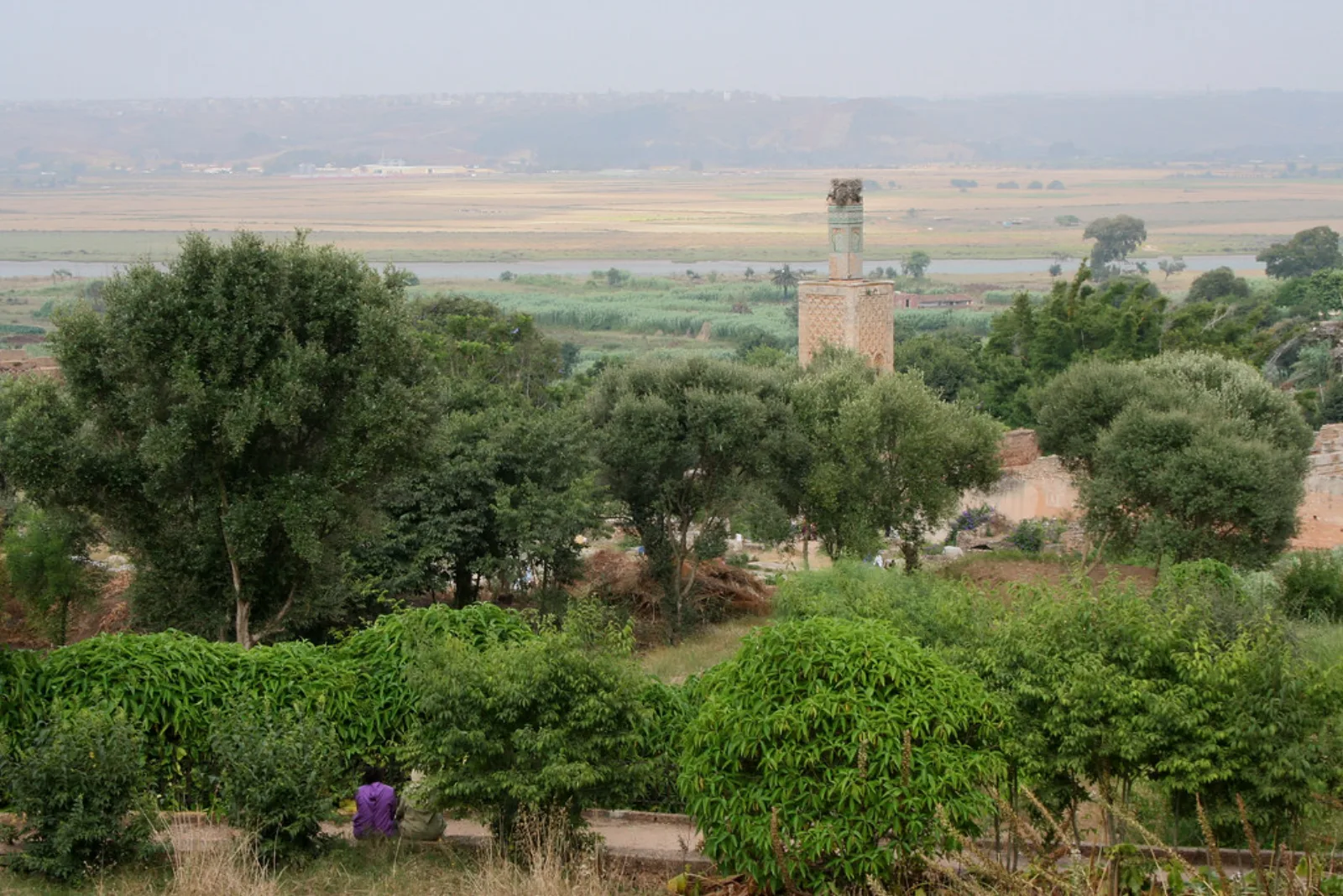
Chellah in Rabat contains remains from different periods, including Roman structures and a Marinid necropolis. A walk across the site links the archaeological layers with gardens and ruined walls.
Keep to visitor paths and respect any closed areas.
View in GoExploringWalk Mazagan’s ramparts
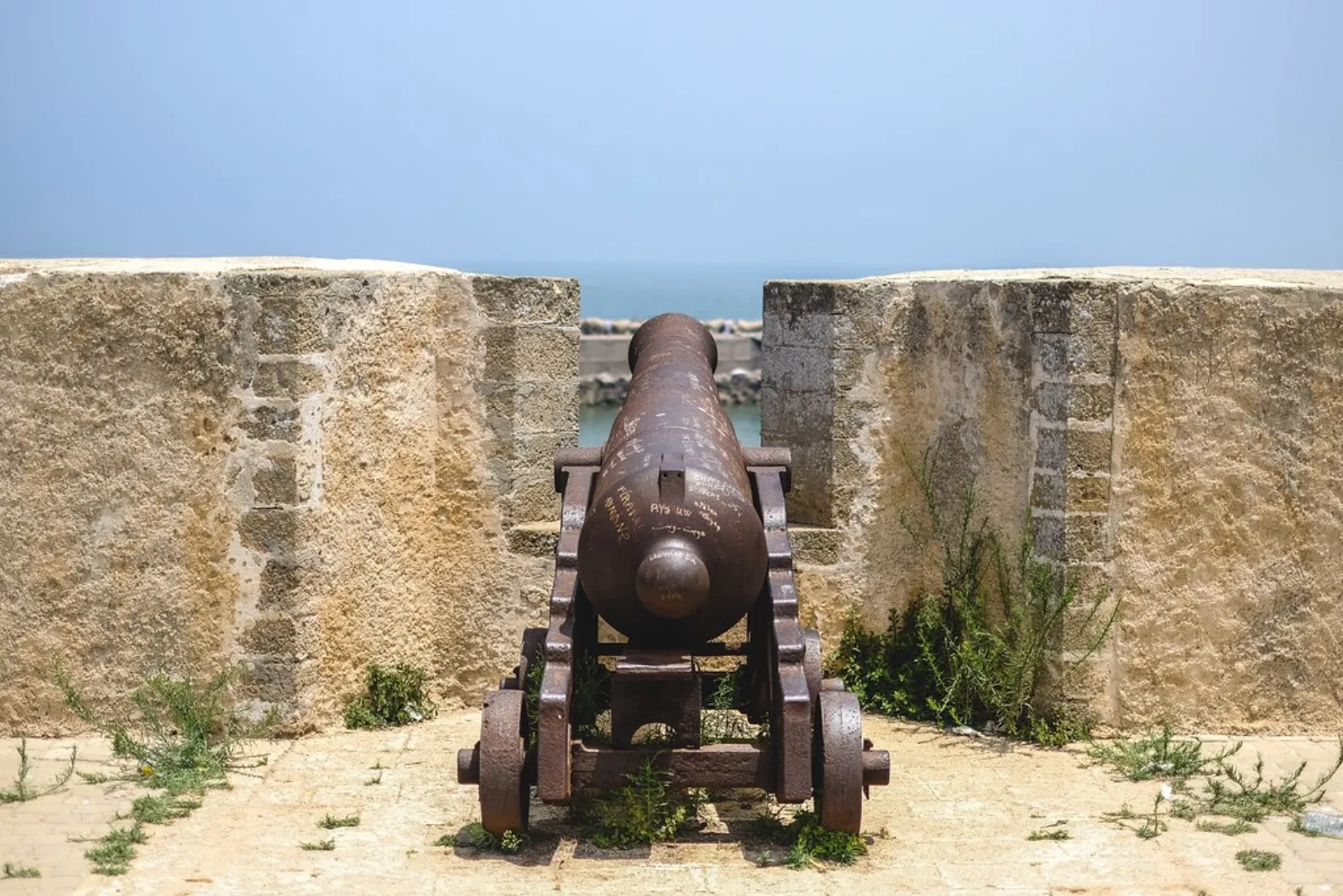
El Jadida’s historic Portuguese fortifications meet the Atlantic at Mazagan. The ramparts and Bastion de l’Ange give a clear sense of the defensive layout and the town’s coastal position.
Stay within public visitor areas, especially where the ramparts meet the working town.
View in GoExploringWalk through Kasbah Taourirt
Kasbah Taourirt in Ouarzazate is a fortified complex with interior spaces arranged around its earthen walls. Follow the open visitor route and take care on stairs and uneven surfaces.
Some sections may be closed or under repair. Respect barriers and local guidance.
View in GoExploringExplore the rooms of Kasbah Amridil
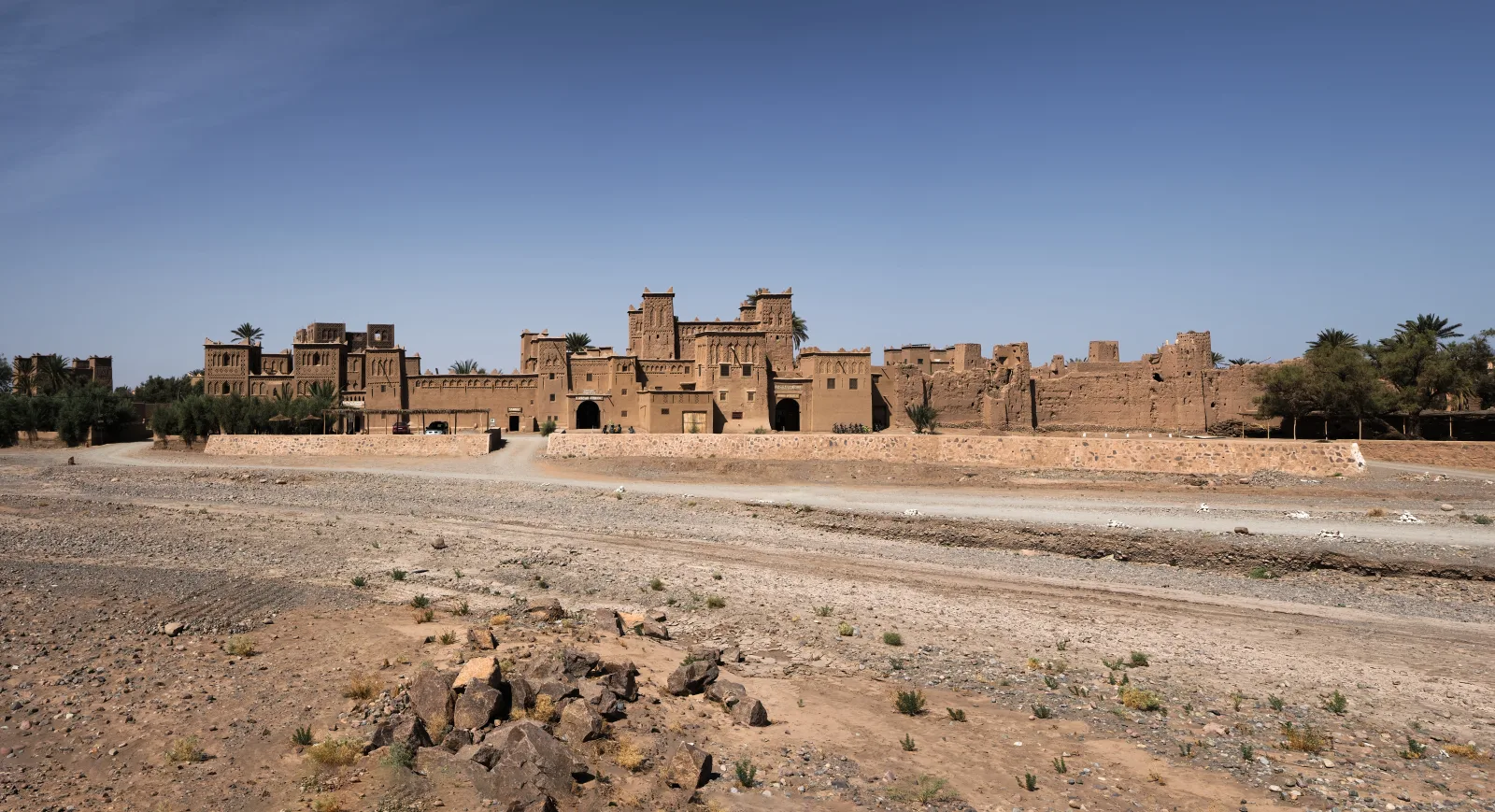
Kasbah Amridil stands in the Skoura oasis. Its rooms and defensive features offer a closer look at a kasbah than a roadside photo stop can provide.
Access may depend on the current visitor arrangements. Follow the site’s directions and avoid climbing on walls.
View in GoExploringWalk through Tamnougalt’s kasbah quarter
Tamnougalt’s earthen kasbah quarter sits in the Drâa Valley among palm groves and cultivated land. Walk the established lanes and observe how the settlement fits into the oasis.
People live and work nearby. Ask before photographing residents and keep to routes where visitors are welcome.
View in GoExploringPlanning a history trip in Morocco
Fez, Rabat and Marrakech each have several sites that can be visited on foot over a few days. Volubilis pairs naturally with a stay around Meknes, while the southern kasbahs and Aït-Ben-Haddou need more travel time. Morocco’s best adventure activities and hikes make useful additions outside the cities.
Visiting historic places respectfully
- Check current opening times and ticket rules before travelling.
- Follow closures and barriers at archaeological sites.
- Dress appropriately at religious sites and observe prayer-time restrictions.
- Ask before photographing residents or worshippers.
- Do not climb, touch or remove material from historic structures.