

Morocco's best adventures stretch from the High Atlas to the Sahara, with the Rif Mountains, Atlantic coast and old caravan routes in between. A single trip can include a high mountain trek, a walk through a desert ksar and a day on the water, though the distances between them take time.
Choose a region and season before filling the itinerary. Snow and altitude affect Atlas routes, heat shapes desert walks, and wind and swell determine the feel of a coastal day. Check local access before travelling, and use qualified guides for remote treks, technical climbs and water sports.
Morocco adventures at a glance
| Adventure | Standout destination | Intensity | Main consideration |
|---|---|---|---|
| High Atlas trekking | Jebel Toubkal | Very high | Altitude, weather and guide arrangements |
| Desert walking | Erg Chebbi or Erg Chigaga | Moderate | Heat, water and remote access |
| Gorge hiking | Todgha or Akchour | Moderate | Slippery rock and changing water |
| Atlantic water sports | Taghazout or Essaouira | Moderate–high | Wind, swell and local conditions |
| Historic routes | Aït-Ben-Haddou or Volubilis | Low–moderate | Heat and respectful site access |
| Local craft | Tamegroute pottery | Low | Arrange a visit with local makers |
The 20 best adventure activities in Morocco
Climb Jebel Toubkal
At 4,167 metres, Jebel Toubkal is the highest summit in North Africa. The usual approach starts around Imlil and climbs through the High Atlas to mountain refuges before the summit push. Even in warmer months, altitude, wind and sudden weather changes make this a serious trek.
Build in time to acclimatize and arrange a licensed local guide before setting out. Snow and ice can change the route and equipment needed; check conditions locally and follow your guide's call on whether to continue.
View in GoExploringDescend to Ouzoud Waterfalls
Footpaths from Ouzoud village descend into a gorge beneath the falls, which drop in three tiers. The route brings you down to river-level viewpoints, with steep steps and damp rock underfoot. Barbary macaques live around the site; observe them from a distance and never feed them.
Wear shoes with grip and take care on wet steps. The walking route can be done without a guide, while local guides and short boat rides are optional. Spring often brings a good balance of water and manageable temperatures.
View in GoExploringTrek from Amsouzart to Lake Ifni
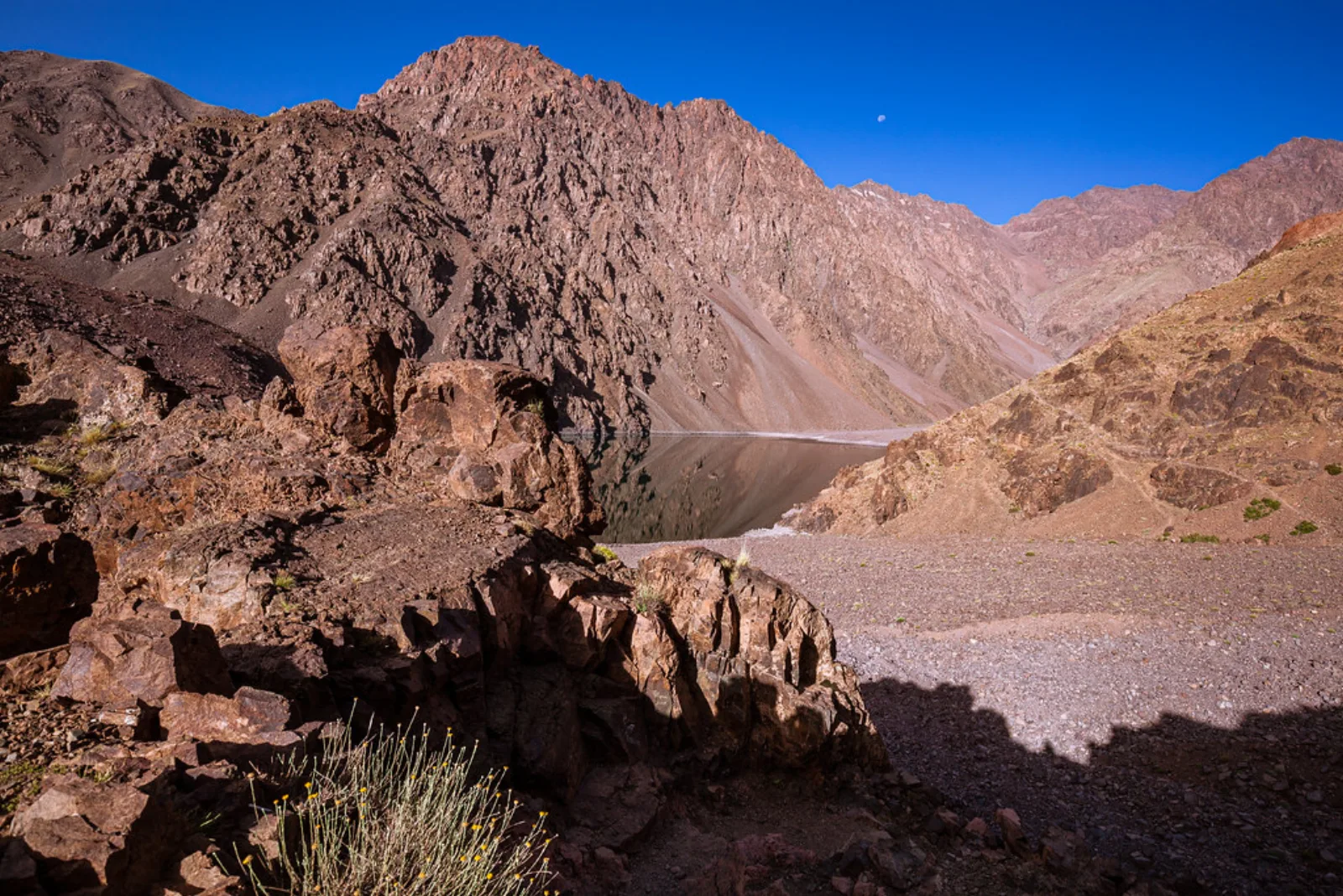
Lake Ifni sits high in the Toubkal massif, beneath steep mountain slopes. The trek from Amsouzart leaves the villages and cultivated valley behind for a long climb into a quieter part of the High Atlas. It is a demanding walk with little shade and limited services once you leave the settlement.
Go with a guide who knows the route, carry enough water and food, and plan for a full day or an overnight stay depending on your itinerary. Weather can shift quickly at altitude, so bring warm and waterproof layers even when the valley is hot.
View in GoExploringWalk through the Ksar of Aït-Ben-Haddou
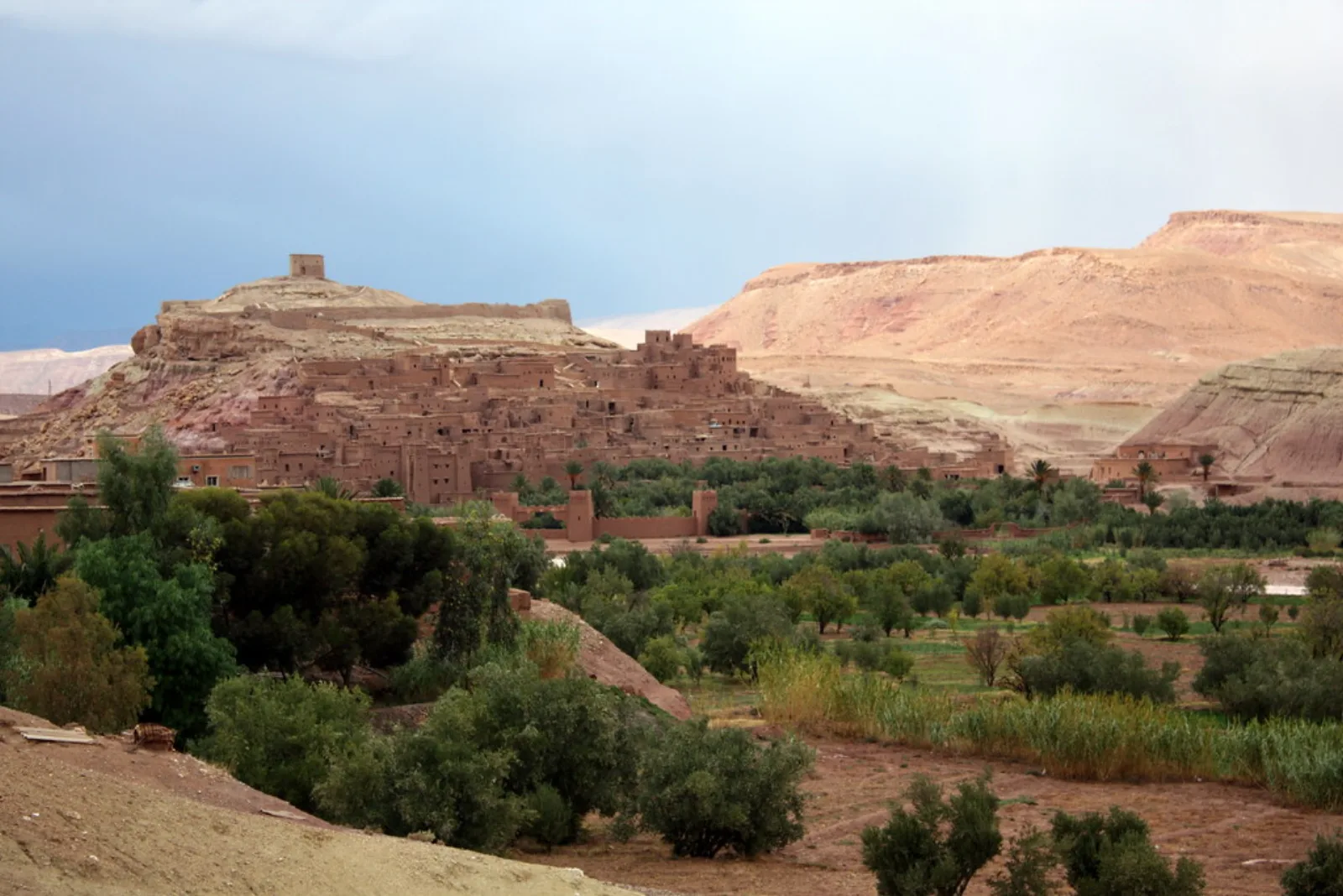
Aït-Ben-Haddou is a fortified earthen settlement on the old route between the Sahara and Marrakech. Walk its lanes and climb toward the upper granary for a view across the ksar and the Ounila valley. The mud-brick walls need care, so stay on established paths and avoid climbing fragile structures.
Visit early or late in the day to avoid the strongest heat. Local residents still live within the site; ask before photographing people or entering private spaces. UNESCO lists the ksar as a World Heritage property.
View in GoExploringWalk into the Todgha Gorge narrows
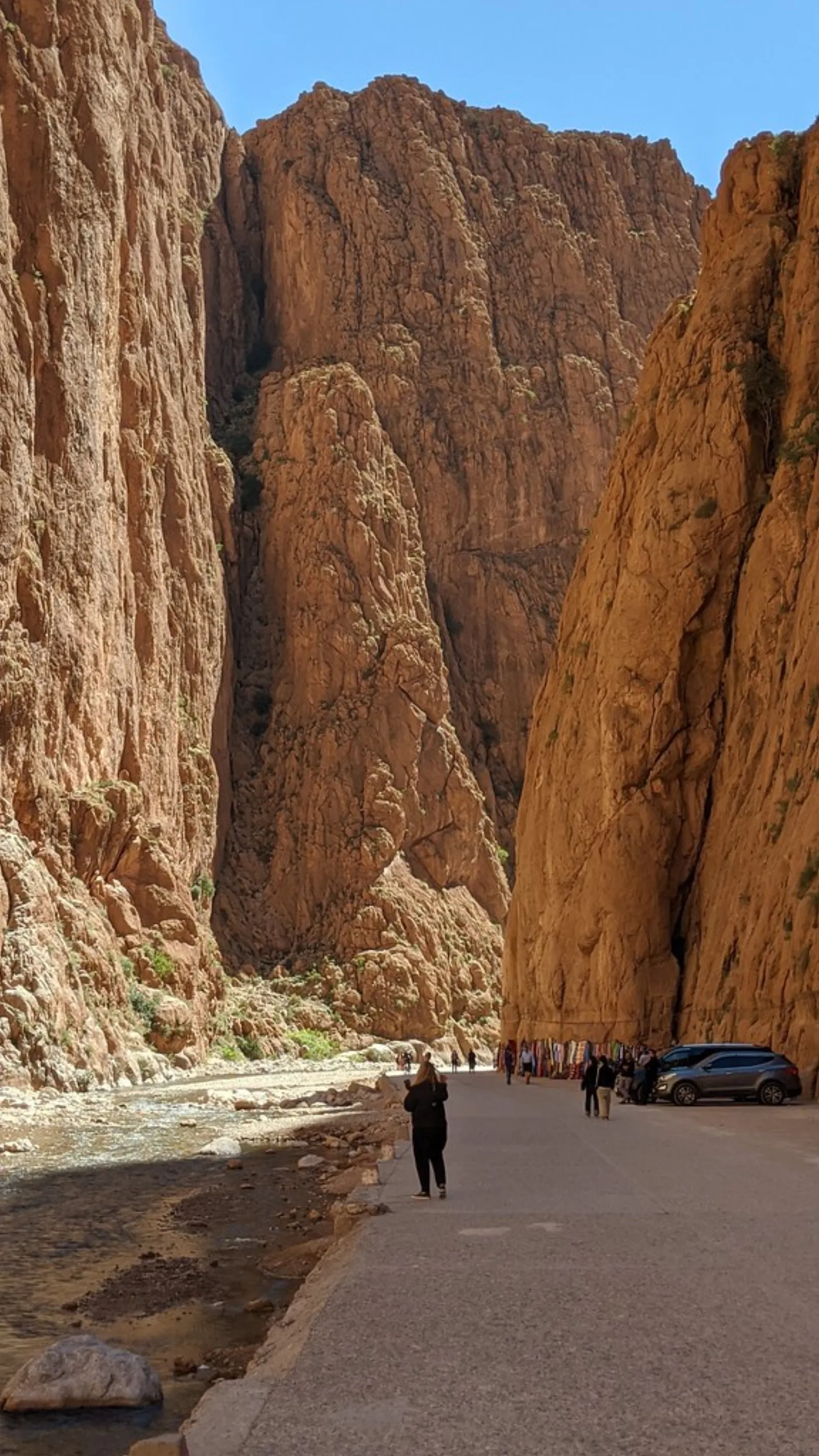
Near Tinghir, Todgha Gorge narrows between high limestone walls. A walk along the riverbed gives a close look at the cliff faces and the changing light inside the gorge. Depending on water and weather, the route may involve shallow crossings or slick boulders.
Check conditions with people on site before entering, especially after rain. Keep clear of climbing routes and give climbers room on the walls. A short walk through the narrows is enough to experience the gorge without treating it as a technical canyon route.
View in GoExploringClimb Merzouga's Grande Dune for sunrise
The dunes of Erg Chebbi rise beside Merzouga, where a pre-dawn walk up the Grande Dune can put you above the surrounding sand as the light changes. The loose slope makes a short climb feel longer than it looks, and wind can erase tracks quickly.
Go with a local guide if you are unfamiliar with the dunes, carry water and return by a route you can recognize. Avoid disturbing vegetation at the dune edge and leave no litter. Spring and autumn are generally more comfortable for desert outings than the hottest part of summer.
View in GoExploringWalk into the dunes of Erg Chigaga
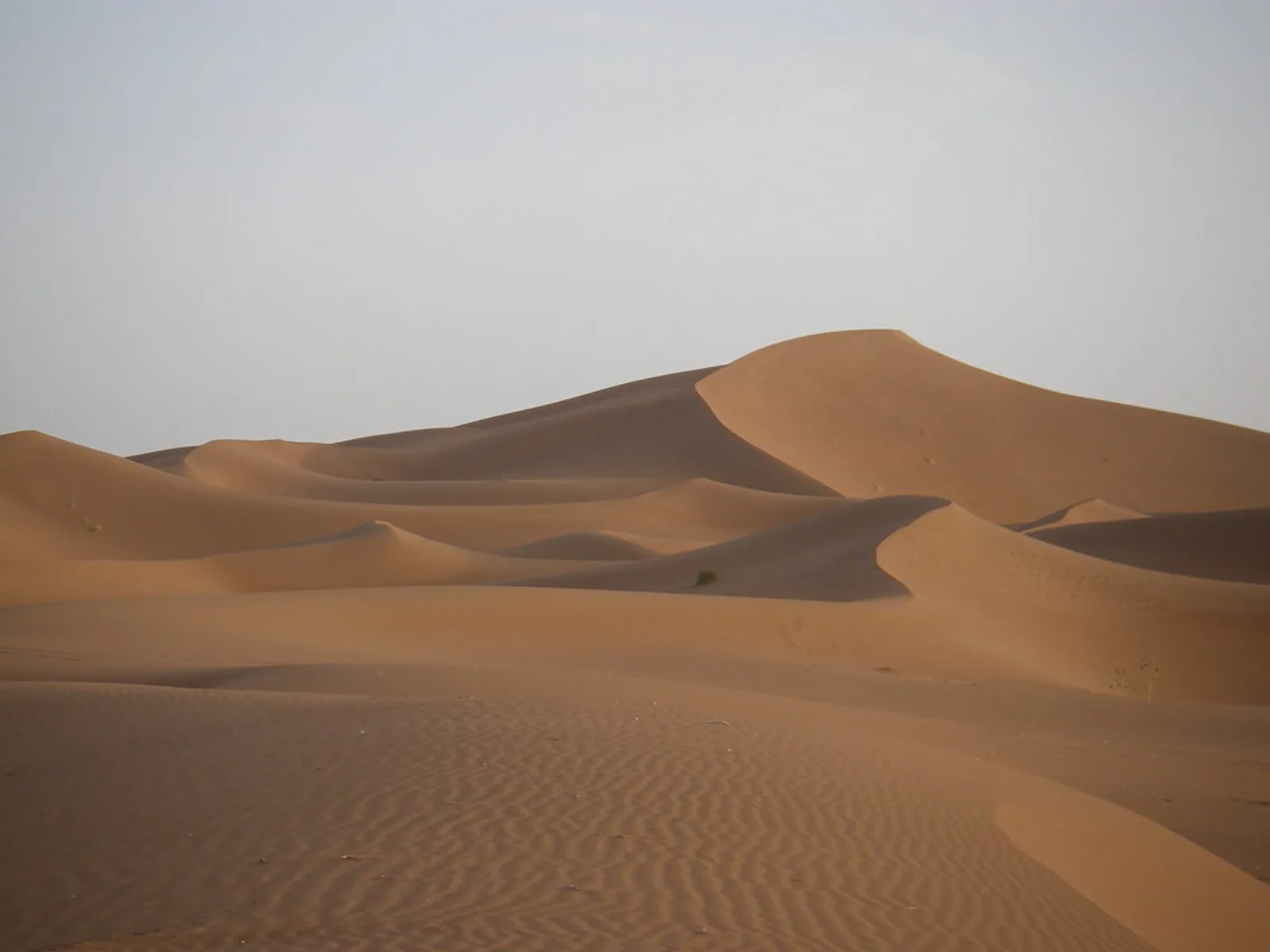
Erg Chigaga lies beyond the settled palm groves and tracks of the Drâa region. Walking into its dunes gives you a slower desert experience than a quick vehicle stop: sand shifts beneath each step, and the nearest road can be far away.
Arrange transport and a local guide before leaving M’Hamid, and carry more water than you expect to need. Travel in the cooler parts of the day, protect yourself from sun and wind, and agree on a return plan before walking away from camp.
View in GoExploringSurf the right-hand walls at Anchor Point
Anchor Point in Taghazout is known for a long right-hand wave that breaks over a rocky bottom. When swell and tide line up, experienced surfers can ride a long wall; beginners should take lessons at a beach break before attempting the point.
Ask a local surf school about tide, rocks and current conditions before paddling out. Respect the lineup and give other surfers space. The Atlantic can be powerful, and a calm-looking beach does not tell you what the currents are doing.
View in GoExploringHike down to the pools of Paradise Valley
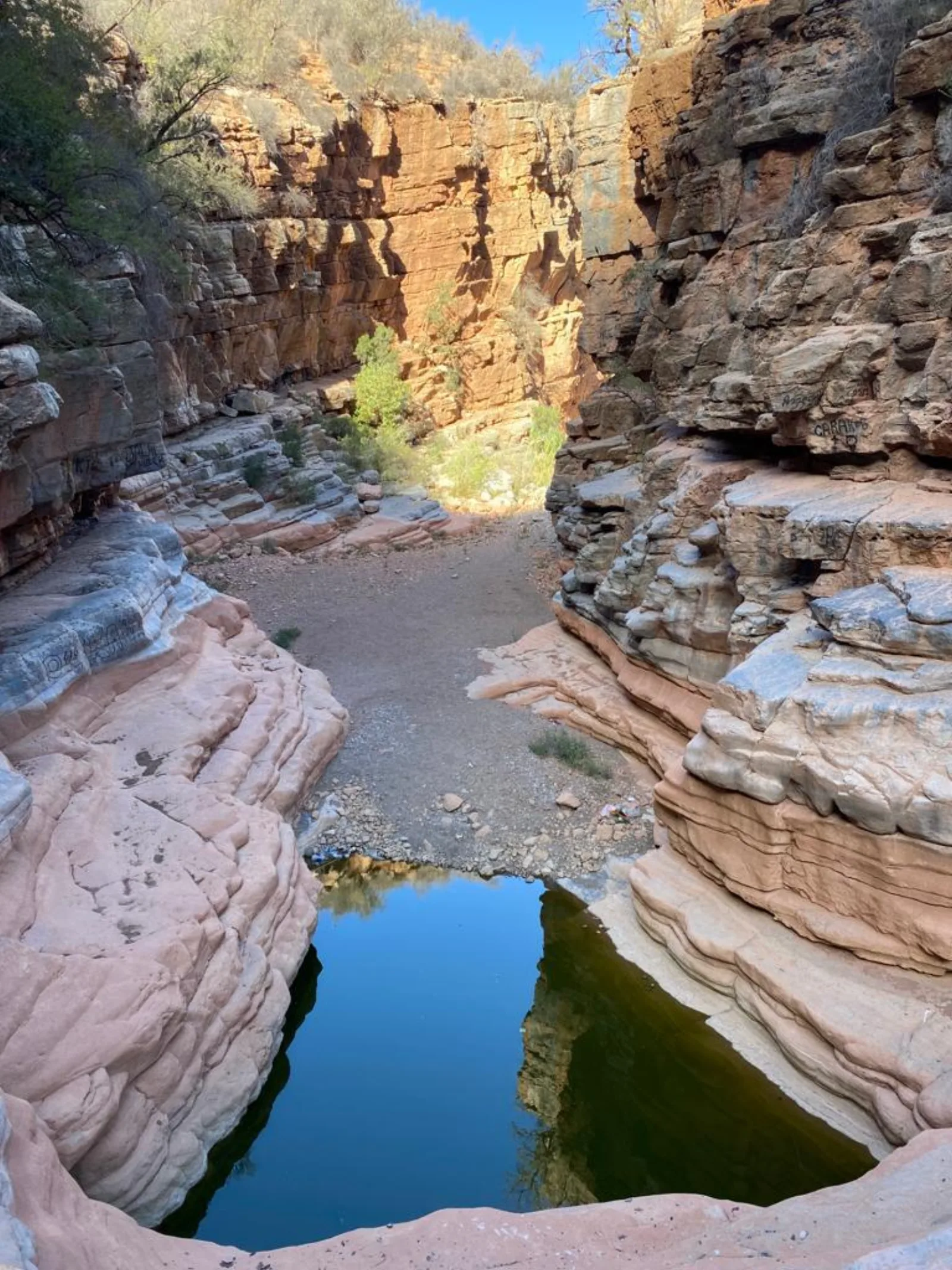
Paradise Valley follows a palm-lined gorge in the foothills north of Agadir. Paths lead from the road into the valley, where seasonal pools form among rock shelves and boulders. Water levels change through the year, and a pool shown in old photos may be dry or unsafe on the day.
Wear shoes that can handle uneven rock, check water conditions locally and avoid jumping into pools of unknown depth. After heavy rain, stay out of the gorge. Choose a quiet time and leave the riverside clean for the communities nearby.
View in GoExploringKitesurf across Essaouira Bay
Essaouira's Atlantic bay is a broad place to learn or practise kitesurfing, with steady coastal wind on many days. Conditions still vary: gusts, currents and shorebreak can make a session unsuitable for a learner, even when the beach is busy.
Book a qualified instructor if you are new to the sport and use a launch area agreed with local schools. Check wind and tide before rigging, keep clear of swimmers, and do not go out alone in offshore or unstable conditions.
View in GoExploringTrek to Akchour's Grande Cascade
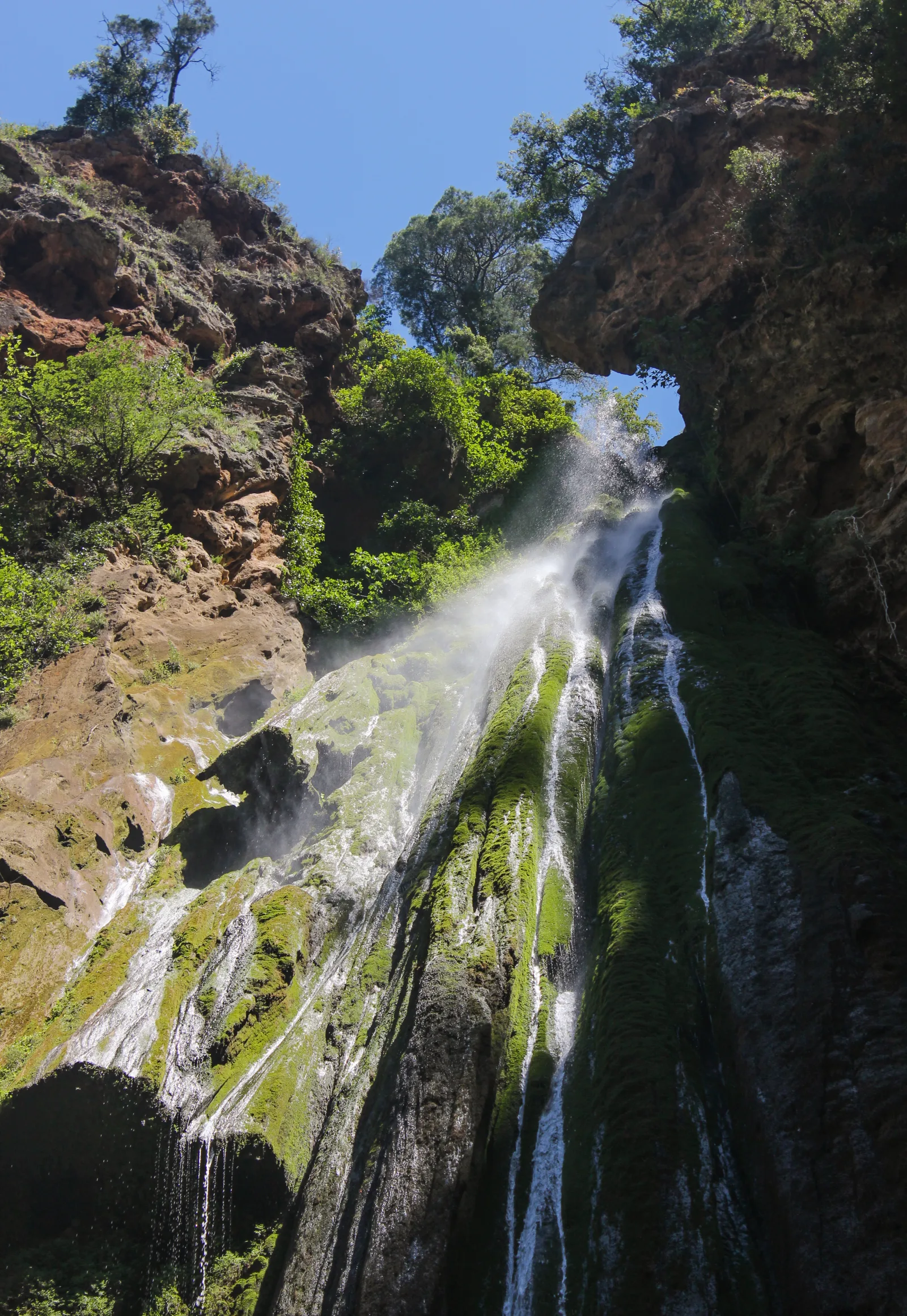
Akchour's trail follows the Rif foothills through Talassemtane National Park toward the Grande Cascade. The walk crosses forested slopes and streams before reaching the waterfall, with the route's difficulty shaped by heat, water and the condition of the footpaths.
Start early, carry water and wear shoes suited to uneven ground. Do not climb wet falls or enter fast water. Ask locally about trail conditions after rain, and give yourself enough daylight for the return walk.
View in GoExploringHike to God's Bridge at Akchour
The natural rock arch known as God's Bridge spans the Farda River gorge near Akchour. A footpath climbs above the water to the bridge, where the narrow gorge and green slopes make a striking change from the open coast. The route includes uneven ground and steep sections.
Use the marked path and avoid crossing the arch if conditions are wet or crowded. Water levels rise after rain, so check locally before walking beside the river. Carry out everything you bring in.
View in GoExploringWalk under Legzira's surviving sea arch
Legzira's red cliffs meet the Atlantic south of Agadir, and one of the beach's natural arches remains after another collapsed. Walking beneath the arch is a tide-dependent outing on a shifting shoreline, not a place to linger beneath unstable rock.
Check tide times and local access before walking along the beach. Keep away from cliff edges and the arch if the sea is rough or rock is falling. The sunset light is memorable, but plan the return before darkness.
View in GoExploringWalk among Tafraoute's Painted Rocks
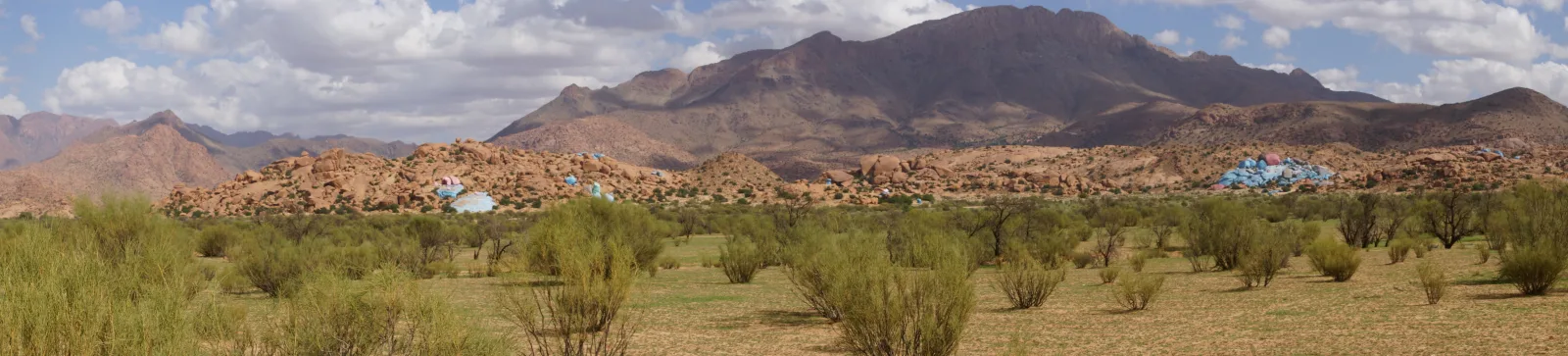
Outside Tafraoute, large granite boulders stand across open country in the Anti-Atlas. The Painted Rocks add vivid colour to the stone, while the surrounding terrain invites a slower walk between outcrops and dry hills.
Visit with enough water and sun protection, and avoid climbing or marking rocks. This is an exposed area with little shade; choose a cooler time of day and arrange transport back if you explore beyond the main access point.
View in GoExploringWalk through Volubilis
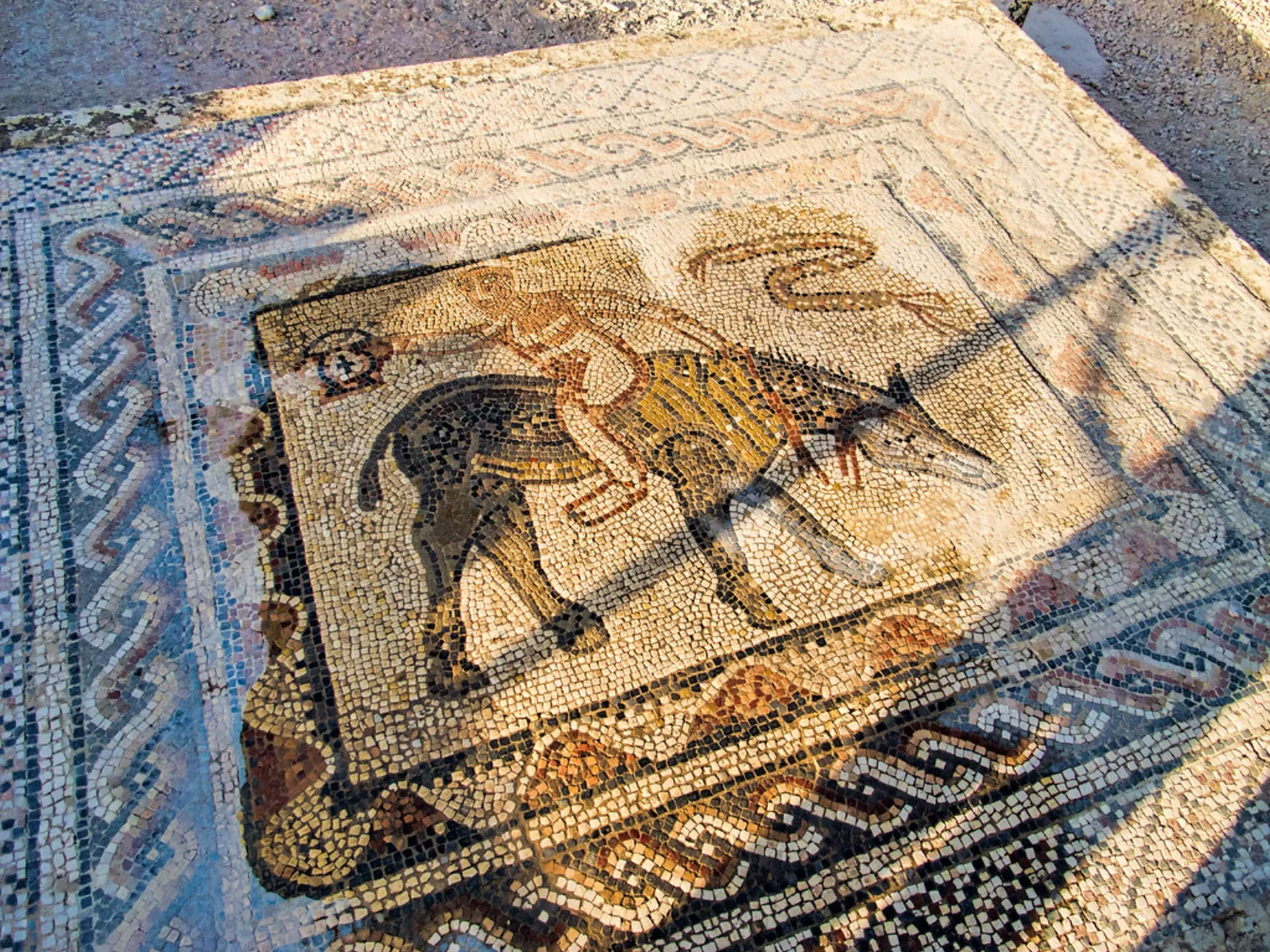
Volubilis preserves the remains of a Roman city on a plateau near Meknes. Walking between the forum, basilica and mosaic floors makes the site's scale easier to read than a quick stop at the entrance. The setting is open, with little shelter from sun.
Use the visitor paths and do not touch the mosaics or move stones. A guide can explain how the city fits into Morocco's longer history. UNESCO recognizes Volubilis as a World Heritage property.
View in GoExploringDescend into the Caves of Hercules
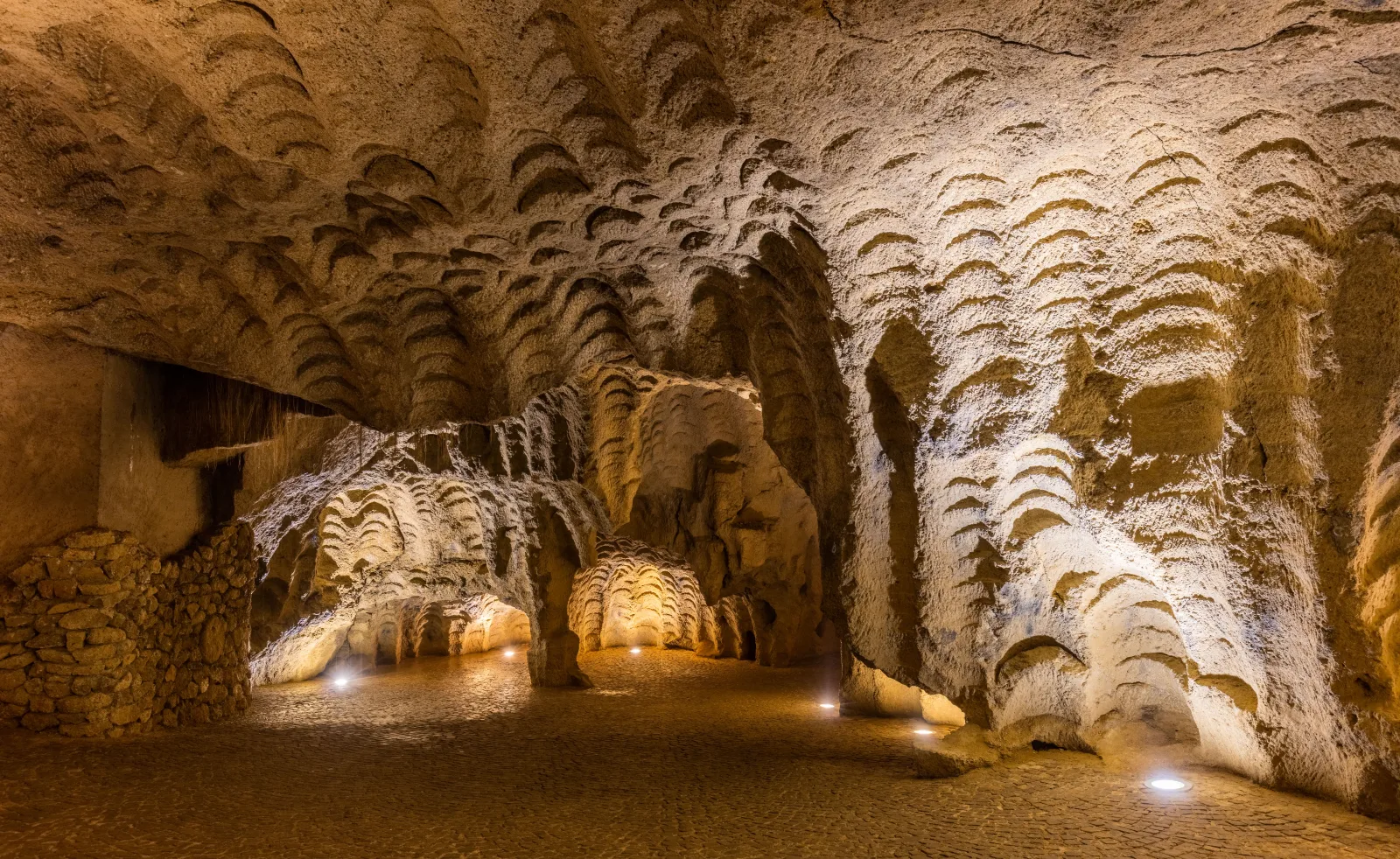
Near Cape Spartel outside Tangier, the Caves of Hercules open toward the Atlantic. The sea-facing opening frames the water and is the best-known part of the visit, while the cave itself offers a brief walk through a cool, dim space.
Follow the managed visitor route and take care on damp surfaces. Pair the short cave visit with a walk around Cape Spartel. Access arrangements can change, so check locally before travelling.
View in GoExploringMake Tamegroute pottery
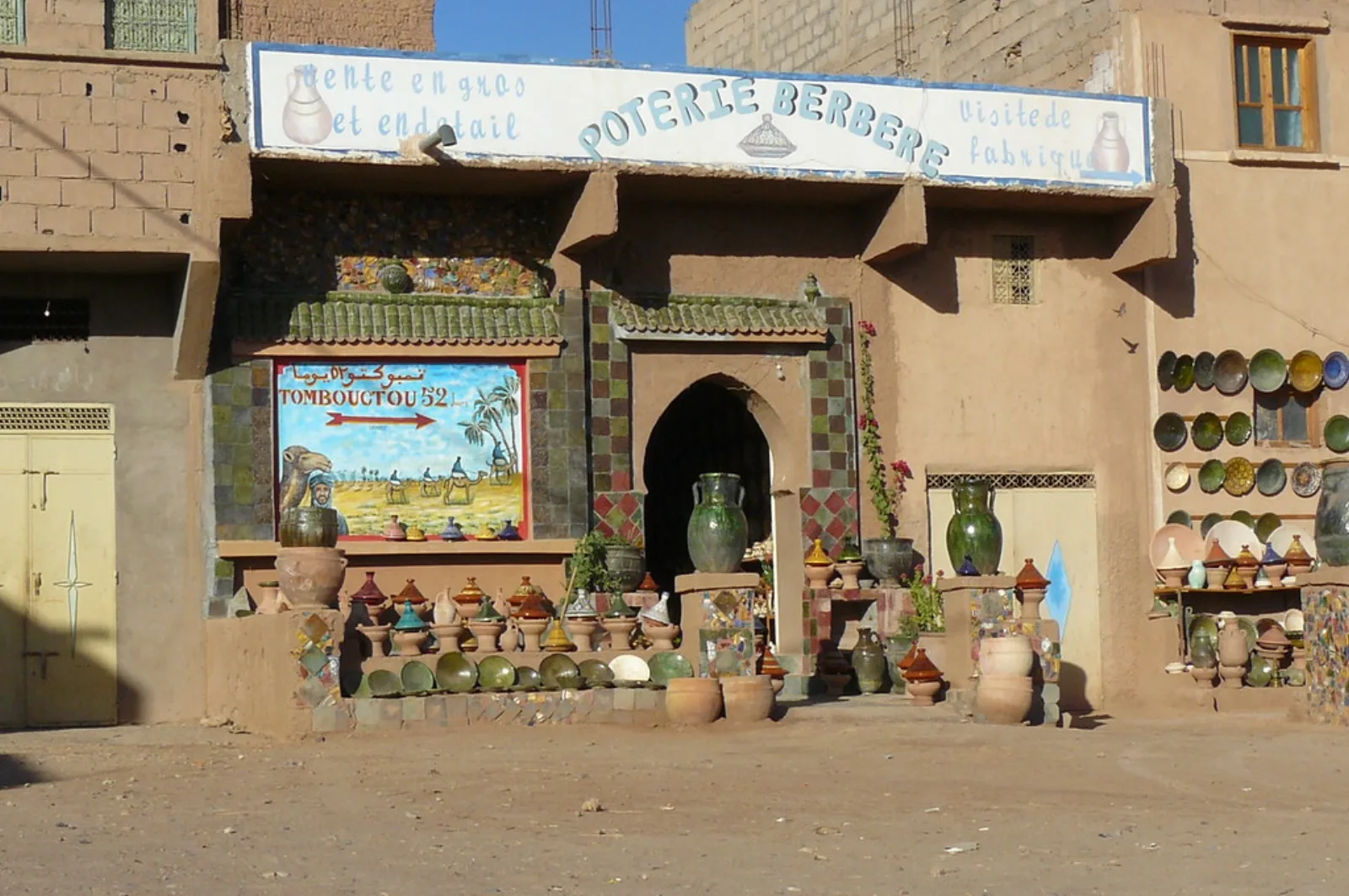
Tamegroute, in the Drâa Valley, is known for green-glazed pottery made in local workshops. Watching the work gives a closer view of the process, from shaping clay to firing and glazing. A hands-on visit is best arranged directly with a maker or cooperative.
Ask before taking photographs and pay for any workshop time or pieces you use. Buy directly from potters and give the workshop time for conversation as well as a look at the process.
View in GoExploringJoin the saffron harvest in Taliouine
Farms around Taliouine grow saffron in Morocco's Anti-Atlas. During the short harvest, local growers pick crocus flowers and separate the delicate red stigmas by hand. The work is seasonal, so plan a visit for the flowering and harvest period.
Arrange the visit with a local farm or cooperative and ask how the harvest is organized before arriving. Follow hosts' directions in the fields and buy saffron from a producer if you want to take some home.
View in GoExploringMake a zellige mosaic in Fez
Zellige is the cut-tile mosaic craft seen across Moroccan architecture. In Fez, a workshop can introduce the precise work of shaping glazed tiles and arranging them into geometric patterns. A small hands-on session gives more context than browsing finished pieces in a shop.
Choose a workshop that is run by craftspeople, ask before photographing, and leave room for the slow pace of the work. If you buy a piece, ask about its materials and how it was made.
View in GoExploringPaddle Oualidia Lagoon by kayak
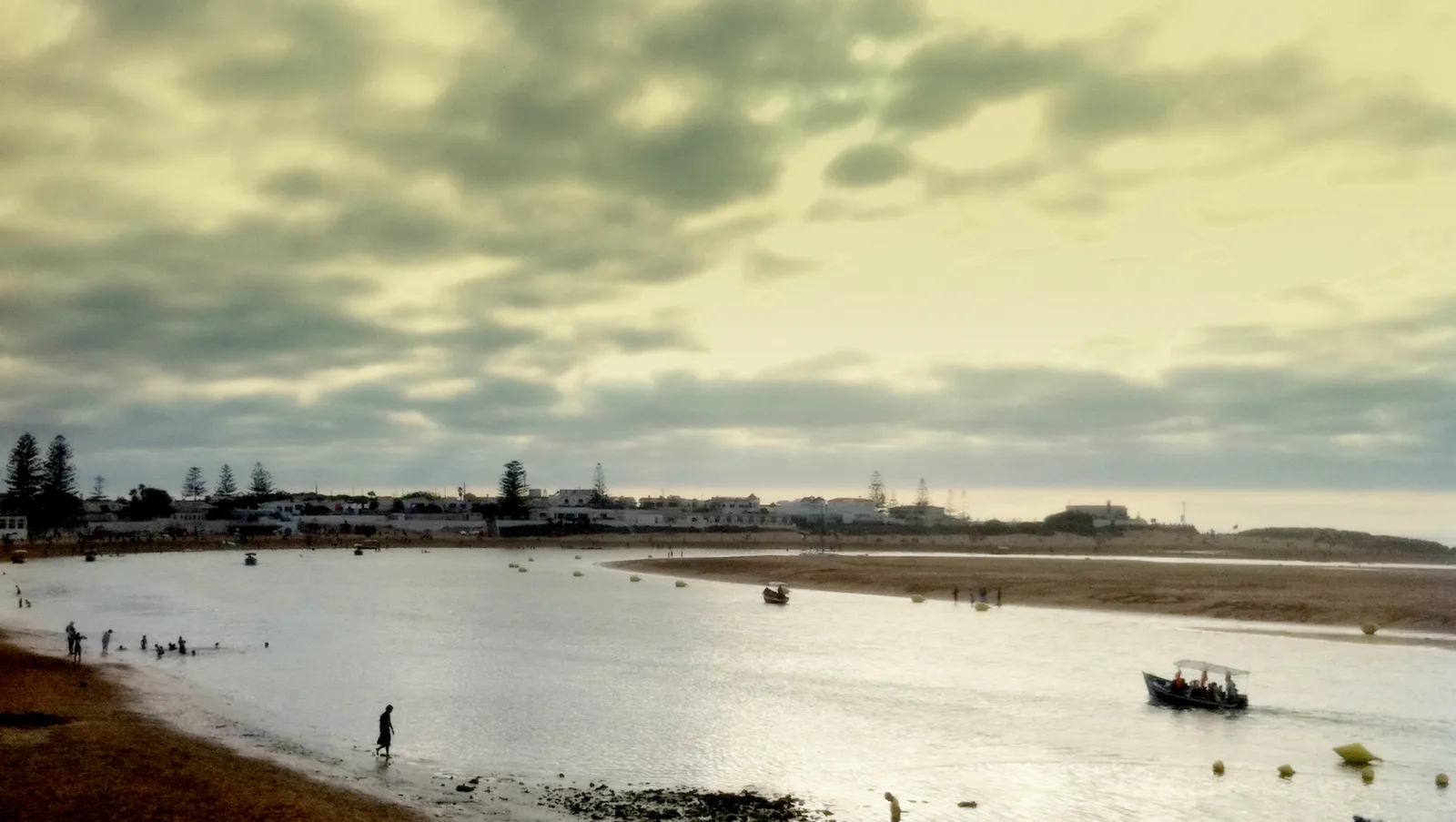
Oualidia's coastal lagoon is sheltered from the open Atlantic by a curved sandbar. A kayak lets you move quietly through its calmer channels and see the wetlands from water level. Tides and wind still matter, and sensitive bird areas need space.
Use a local operator who provides suitable safety gear and knows which areas to avoid. Keep distance from birds and oyster beds, and check weather and tide before launching. Bring sun protection even when the water feels cool.
View in GoExploringHow to choose your Morocco adventure
The High Atlas suits multi-day trekking and high summits; the Rif combines forest paths, waterfalls and Chefchaouen; and the Atlantic coast brings surf, kitesurfing and long beach walks. Head south for the Drâa and Sahara to walk among kasbahs, palms and dunes, with longer transfers and more careful water planning.
Give each area enough time. A route that looks close on a map can involve slow mountain roads or a long transfer across the interior. In the Atlas, acclimatize before a summit attempt. At the coast, plan around wind and tide; in the desert, travel during cooler hours and arrange local support.
Before booking
- Check current trail, park and heritage-site access with local authorities or visitor centres.
- Confirm guide qualifications, equipment and evacuation plans for mountain and water activities.
- Ask local hosts before photographing people, homes or workshops.
- Keep wildlife at a distance and leave archaeological remains where they are.
- Carry water, sun protection and a flexible plan for heat, wind, rain and snow.