

Iceland's best hikes move beyond roadside viewpoints into terrain shaped by lava, glaciers, geothermal heat and the North Atlantic. Even popular trails can involve unbridged rivers, snow, fog and violent wind. A route's fame says nothing about whether it is safe today.
Check SafeTravel, weather and road conditions before every departure. Highland treks require designated huts or campsites, while remote routes need communication and an emergency plan independent of mobile coverage.
Iceland hikes at a glance
| Hike | Region | Commitment | Main challenge |
|---|---|---|---|
| Laugavegur | Southern highlands | Multi-day | Rivers and weather |
| Fimmvörðuháls | South | Full day | Snow and exposure |
| Hornstrandir | Westfjords | Multi-day | Remoteness |
| Glymur | West | Half day | River crossing |
| Askja–Víti | Central highlands | Half day | Remote road access |
| Kristínartindar | Skaftafell | Full day | Elevation and weather |
The 10 best hikes in Iceland
1. Trek the Laugavegur
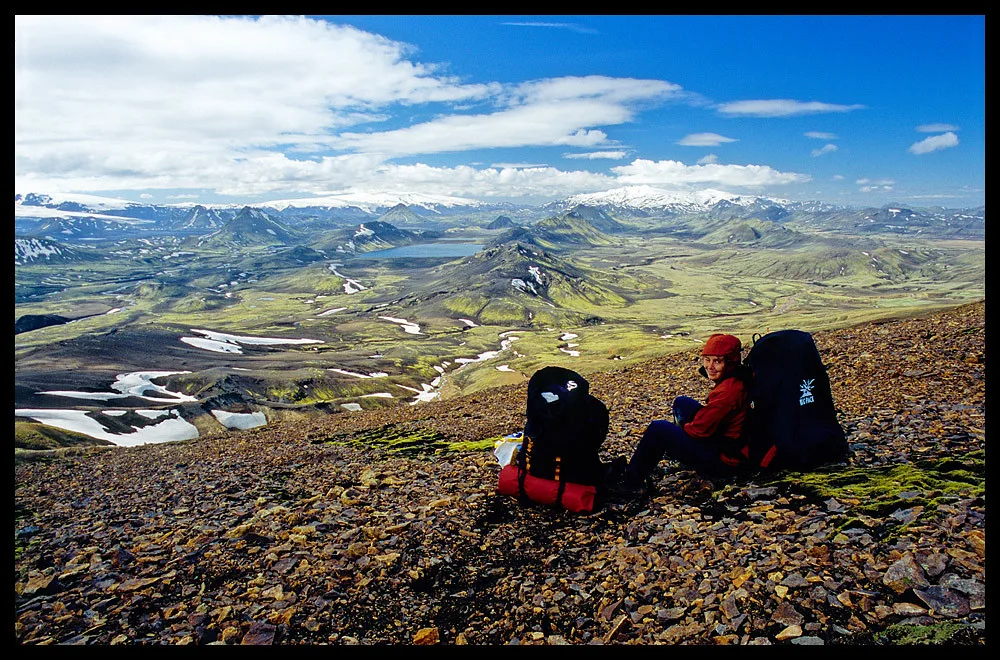
The Laugavegur links Landmannalaugar and Þórsmörk across 54 kilometres of rhyolite mountains, obsidian, geothermal ground and black sand. Most walkers take four days and sleep in reserved huts or designated campsites.
Several rivers are unbridged. Check with wardens, cross only where safe and wait when water is high. Carry full waterproof shelter and never begin without confirmed overnight arrangements.
2. Cross Fimmvörðuháls
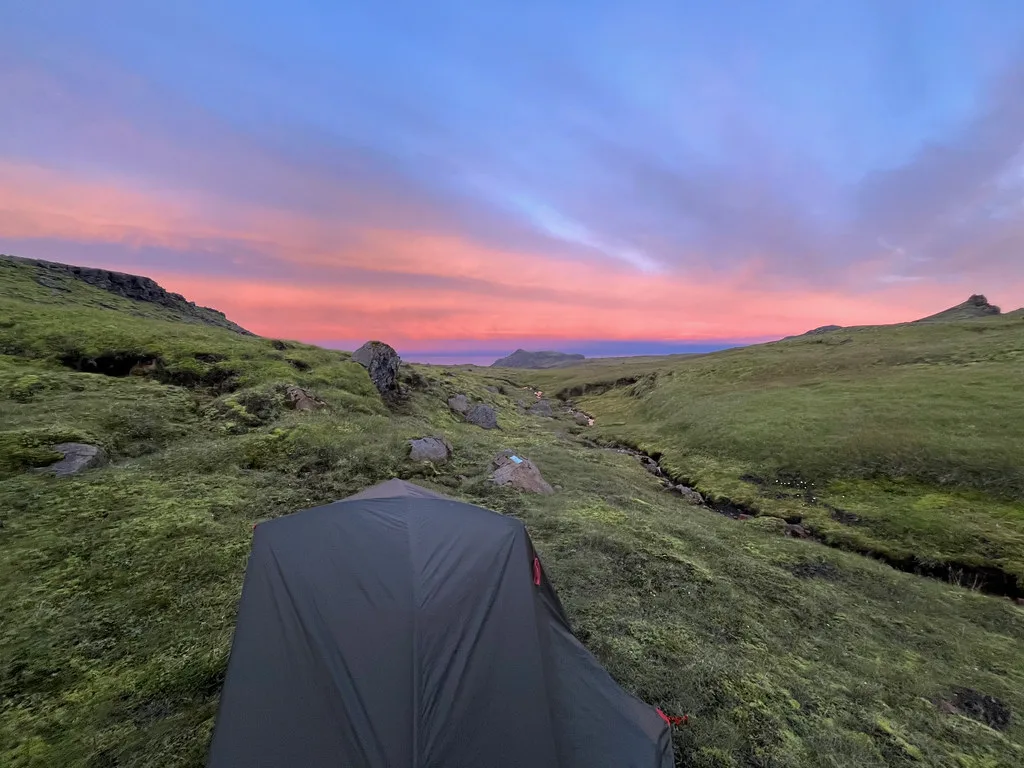
This long trail climbs from Skógar past numerous waterfalls, crosses between two ice caps and descends into Þórsmörk. Snow and fog can make the high pass hazardous even when the coast is calm.
Start only with a stable forecast, navigation and arranged transport at both ends. Allow ten to twelve hours or more. A lower waterfall walk is not evidence that the full traverse is suitable.
3. Trek Hornstrandir
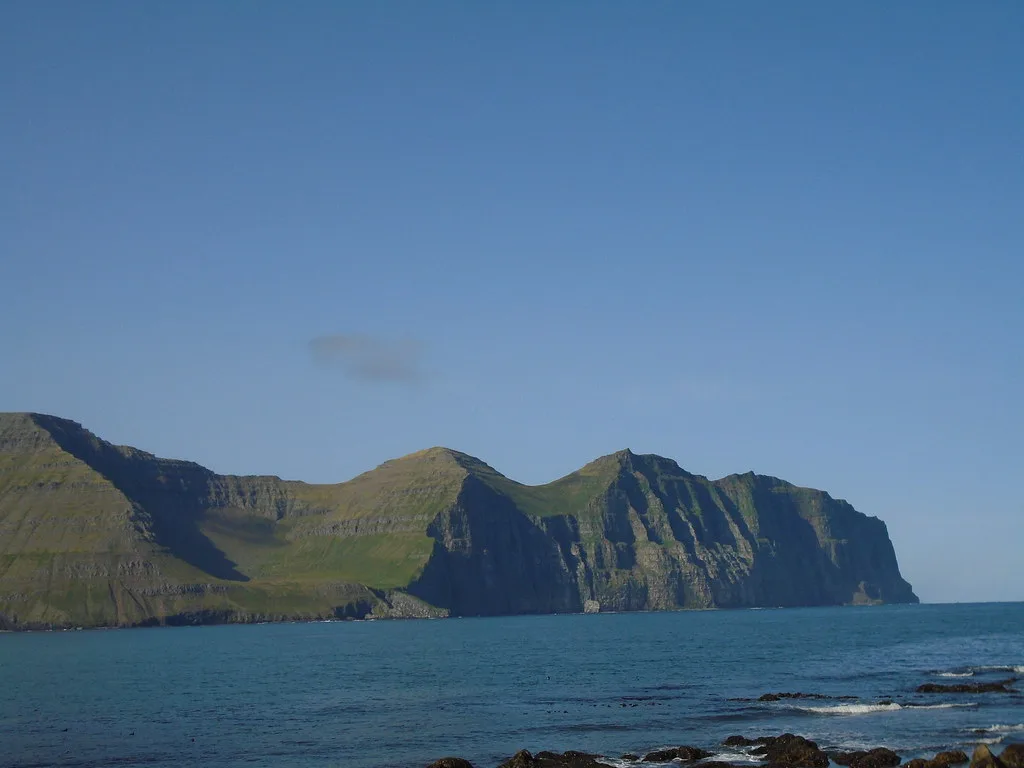
Hornstrandir's roadless reserve combines abandoned settlements, steep passes, Arctic fox habitat and sea cliffs. Boat access, exposed landings and almost nonexistent services make it true expedition country.
Carry shelter, emergency communication and a route plan accounting for tides and rivers. Use a local guide without remote-trekking experience. Follow reserve camping and wildlife rules exactly.
4. Hike to Glymur
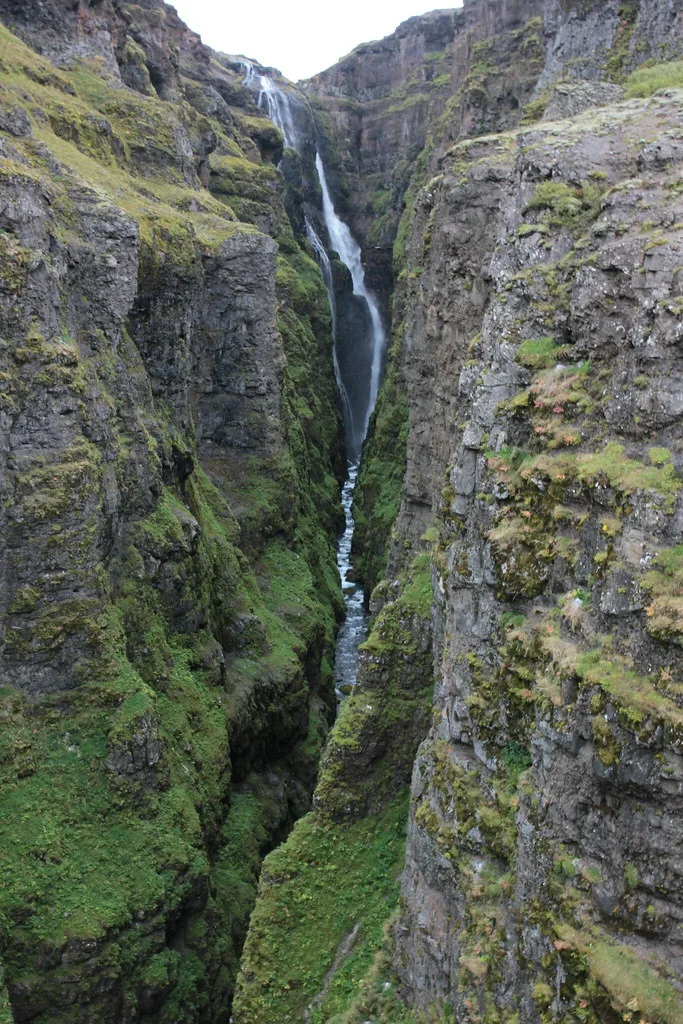
The Glymur route climbs through a dramatic canyon above the waterfall. In the normal summer configuration, a circuit may include a river crossing and steep paths on both sides.
Confirm that the seasonal crossing aid is installed and the river safe. Keep back from edges and return on the same side if the loop is unsuitable. Ice changes the route completely outside summer.
5. Walk Reykjadalur
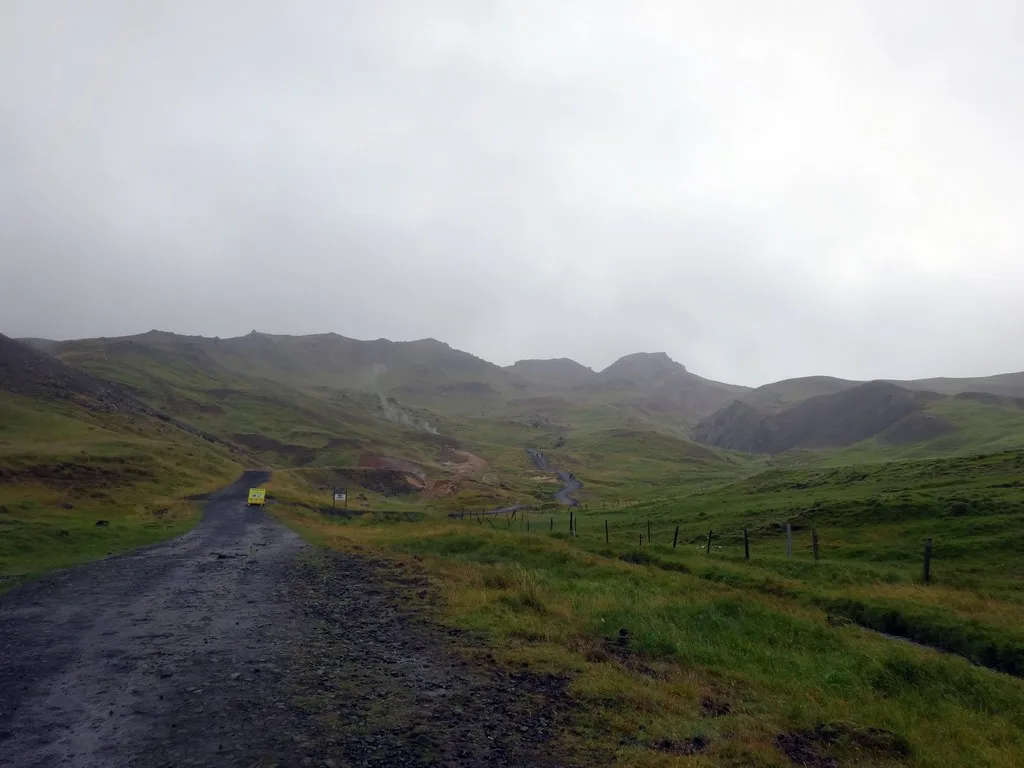
From Hveragerði, the trail climbs through steaming ground toward a managed warm-river bathing section. The walk is accessible in good conditions but exposed to rain, wind and winter ice.
Stay on the boardwalk near geothermal ground and use only the designated bathing area. Keep dry clothes protected and obey closures caused by trail damage or dangerous conditions.
6. Hike from Askja to Víti
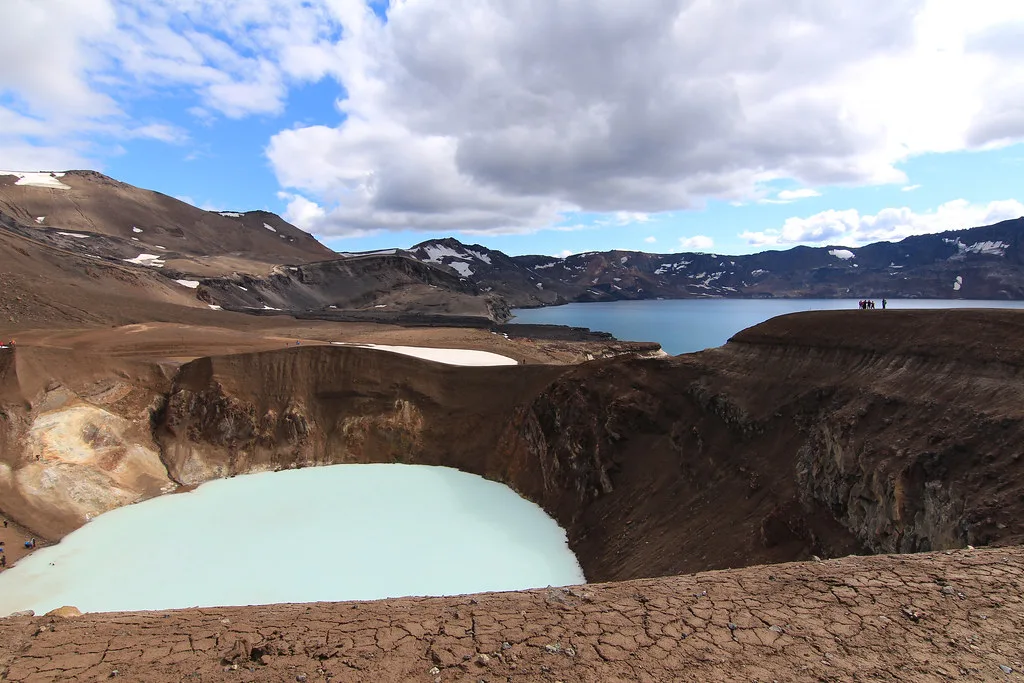
The highland route from the usual access area crosses open volcanic ground toward Öskjuvatn and Víti. Reaching it requires open F-roads, a suitable vehicle or an organized tour.
Carry layers and navigation because fog can erase landmarks. Follow current restrictions around the crater and never descend toward the water based on old travel accounts.
7. Climb Kristínartindar
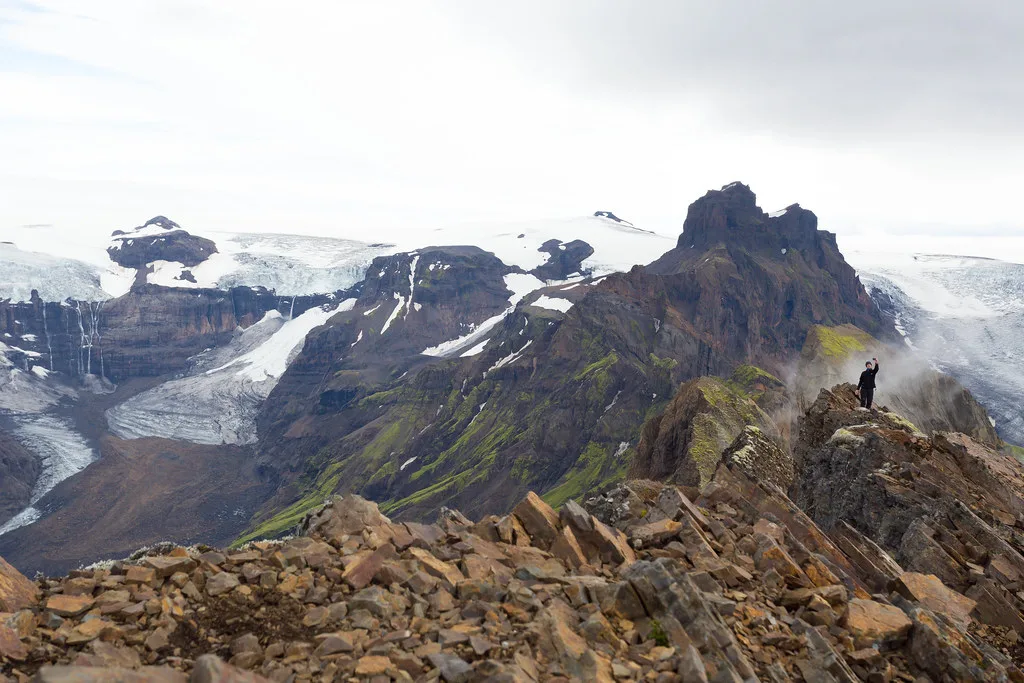
From Skaftafell, the Kristínartindar route rises above glacier valleys toward a high ridge and broad views of the Vatnajökull landscape. It is a substantial day well beyond the ordinary Svartifoss circuit.
Use current park route information, begin early and abandon the high ridge in poor visibility or wind. Snow may remain, and a lower glacier viewpoint loop provides a sensible alternative.
8. Hike to Stórurð
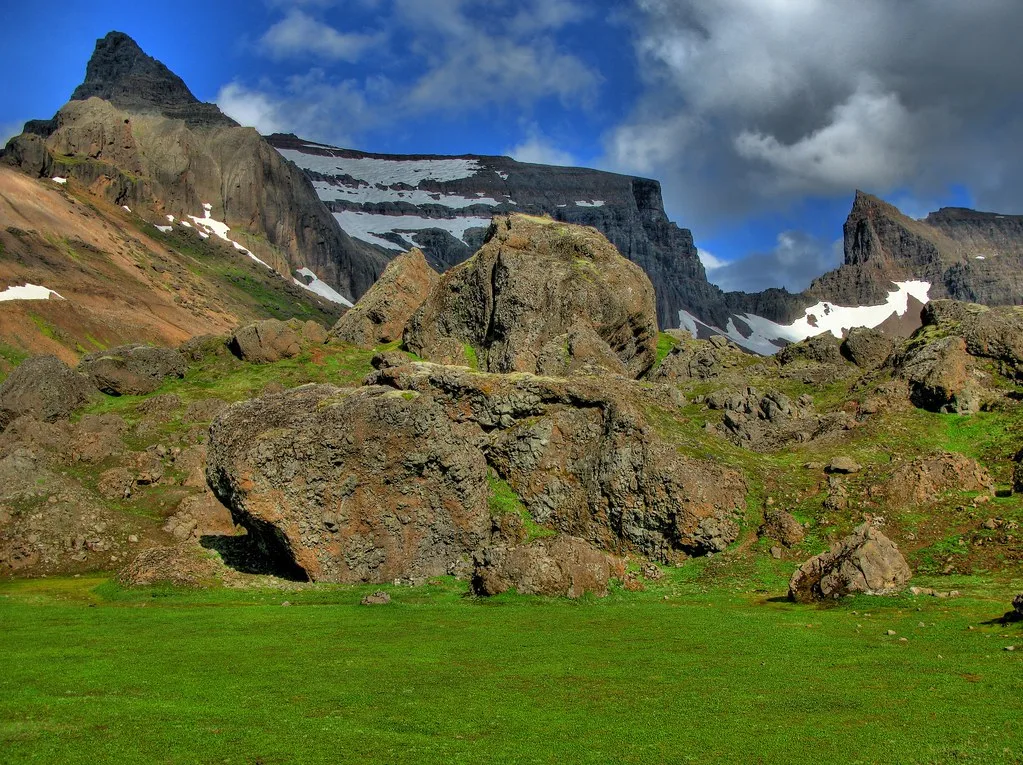
In the Eastfjords, trails reach Stórurð's giant boulders and blue-green pools beneath Dyrfjöll. Several trailheads create different lengths, all crossing exposed mountain ground.
Choose the route using current local information and allow more time than the distance suggests. Snow and bog persist into the season. Do not climb unstable boulders or enter the cold pools.
9. Walk Arnarstapi to Hellnar
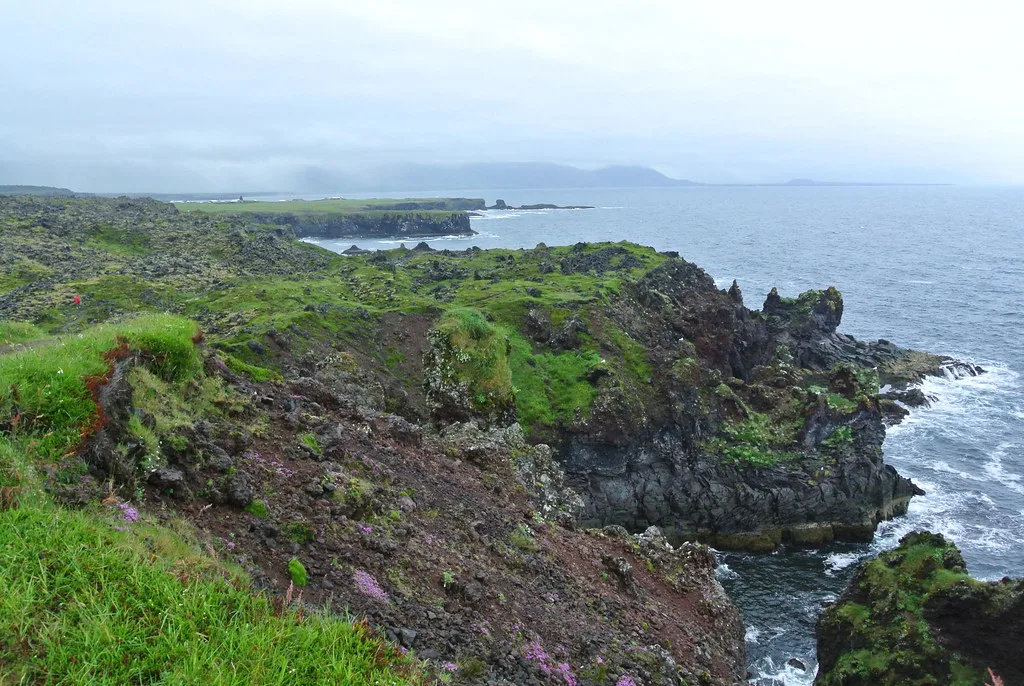
This short Snæfellsnes trail crosses lava beside arches, cliffs and nesting seabirds. It offers strong coastal geology without a full mountain commitment.
Stay on the marked path and behind seasonal nesting barriers. Cliffs are undercut, and waves can reach lower rock shelves. Arrange a return walk or transfer rather than using the road edge.
10. Circle Hverfjall
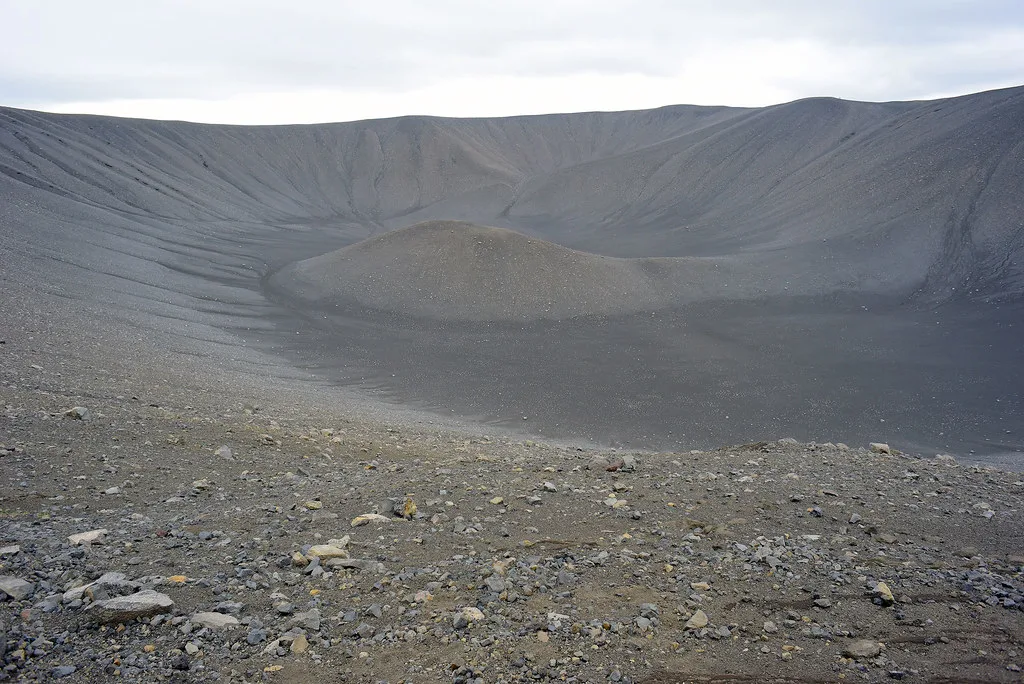
A steep marked path reaches the rim of Hverfjall above Mývatn, where a circuit reveals the crater's near-symmetrical scale. Loose black tephra makes shortcuts especially damaging.
Use only the authorized ascent and descent, remain on the rim trail and check wind. Combine it with Dimmuborgir or the Leirhnjúkur lava fields for a fuller volcanic day.
Choosing an Iceland hike
Choose the southern highlands for multi-day trekking, Skaftafell for glacier-view mountain routes, Mývatn for volcanic circuits, the Eastfjords for quieter day hikes and Hornstrandir only for prepared remote travel.
Continue with Iceland's best adventure activities, waterfalls and volcano experiences.
Before setting out
- Check SafeTravel, weather and roads on the day.
- Reserve highland huts or campsites before starting.
- Submit a travel plan and carry emergency communication remotely.
- Never cross a river because another group did.
- Stay on trails across moss, tephra and geothermal ground.