

Iceland turns geology into movement. Trails cross young lava, geothermal valleys and black-sand deserts; waterfalls interrupt long river canyons; and glaciers, fjords and exposed coasts make weather part of every plan. Road access can place extraordinary terrain close to a car park, but that convenience often hides cold, wind, river crossings and fragile ground.
The best approach is to choose one region and leave room for conditions. Check official alerts, weather and roads every day, stay on marked paths and use qualified guides for glaciers, caves, snorkeling and exposed mountains. Never treat a viral location, an erupting volcano or a closed road as permission to improvise.
Iceland adventures at a glance
| Adventure | Standout destination | Intensity | Key requirement |
|---|---|---|---|
| Highland trekking | Laugavegur | High | Hut or camping plan |
| Mountain traverse | Fimmvörðuháls | High | Stable forecast |
| Volcano caving | Þríhnúkagígur | Moderate–high | Guided seasonal access |
| Fissure snorkeling | Silfra | Moderate | Qualified operator |
| Remote wilderness | Hornstrandir | Very high | Boat and expedition skills |
| Glacier-lagoon boat | Jökulsárlón | Moderate | Authorized operator |
The 20 best adventure activities in Iceland
1. Trek the Laugavegur
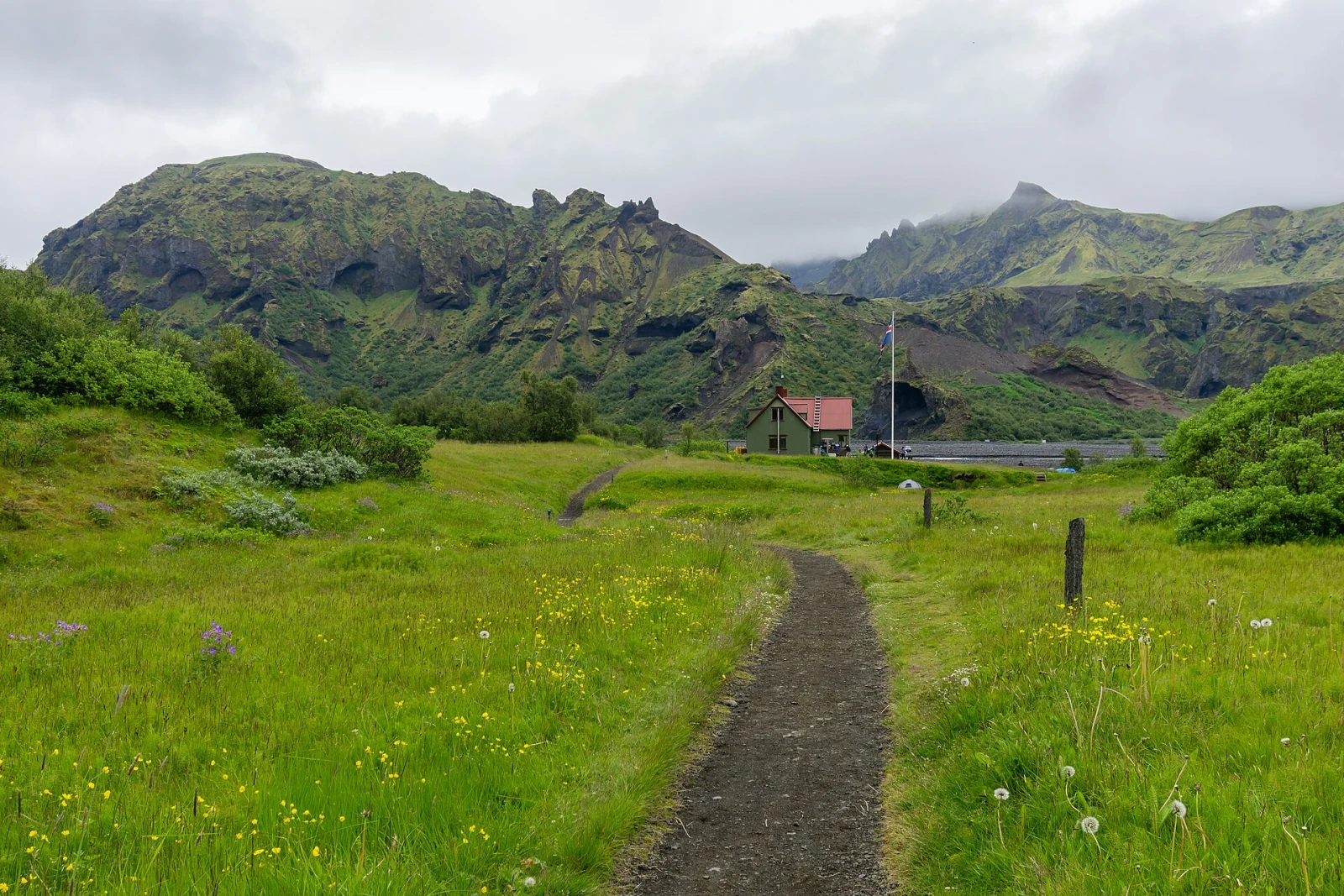
The Laugavegur crosses the southern highlands from Landmannalaugar to Þórsmörk through rhyolite mountains, geothermal ground, obsidian lava, river valleys and black sand. Most hikers take four days, using mountain huts or designated campsites.
Reserve huts early or carry a complete cold-weather camping system. Several rivers have no bridges and can become impassable. Check conditions with the Icelandic Touring Association and SafeTravel, cross only where appropriate, and wait or turn back when water, wind or visibility removes the margin for error.
2. Hike Fimmvörðuháls
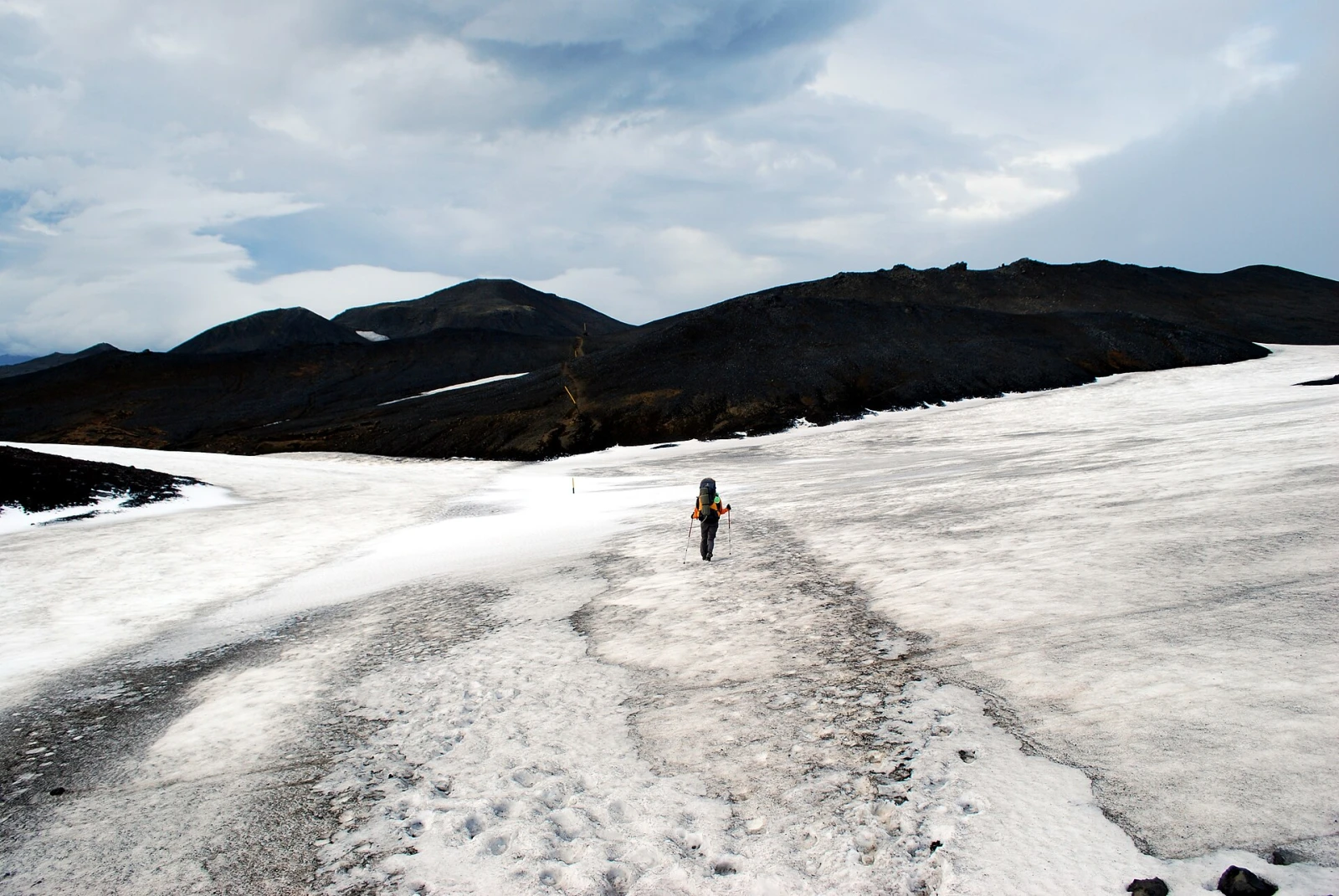
This long traverse climbs from Skógar beside a chain of waterfalls, crosses the pass between Eyjafjallajökull and Mýrdalsjökull, and descends sharply into Þórsmörk. The full route is commonly a ten-to-twelve-hour mountain day, sometimes longer in poor conditions.
Start only with a stable forecast, adequate navigation, food and full waterproof layers. Snow, fog and wind can affect the pass even when the coast is calm. Arrange transport at both ends and do not confuse the popular lower waterfall path with evidence that the entire crossing is easy.
3. Descend into Þríhnúkagígur
At Þríhnúkagígur, a guided seasonal operation lowers visitors into the enormous chamber of a dormant volcano. Reaching the site first requires a walk across exposed lava, then a cable lift descends through the crater opening.
Book the authorized experience and meet its mobility and clothing requirements. The chamber is cold and wet, while weather can make the surface approach demanding. Follow every helmet, lift and movement instruction; this is an engineered visit to a natural void, not independent cave access.
4. Snorkel Silfra
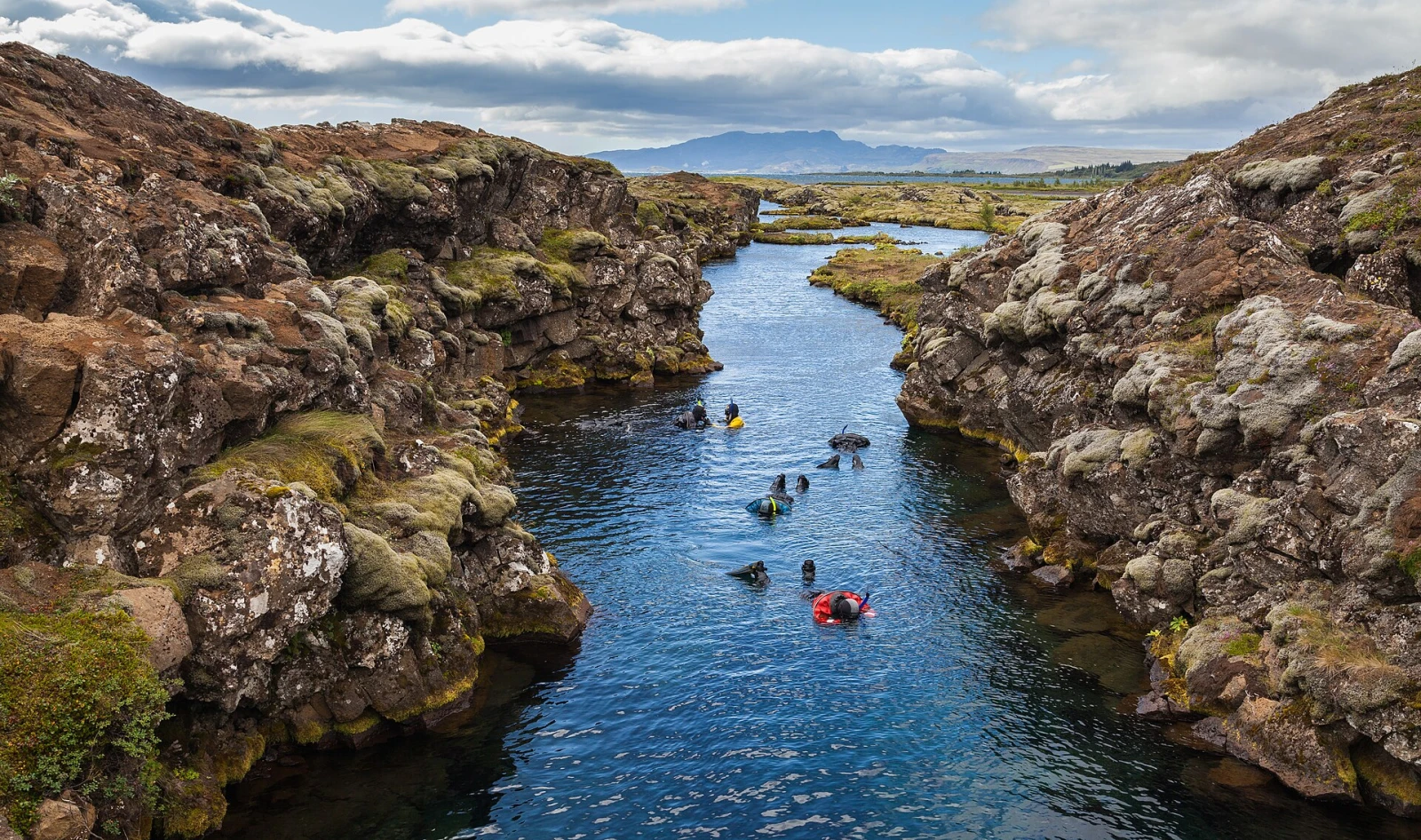
Silfra's clear groundwater fills a fissure in Þingvellir National Park, creating an otherworldly snorkeling route between dark rock walls. Water remains extremely cold, so most participants use a dry suit and move with a qualified operator.
Check health, swimming and dry-suit requirements before booking and disclose relevant medical concerns. Follow the guide's buoyancy and entry instructions, and never touch or stand on submerged formations. The experience is about clarity and geology rather than literally holding two continents apart.
5. Hike Reykjadalur to the hot river
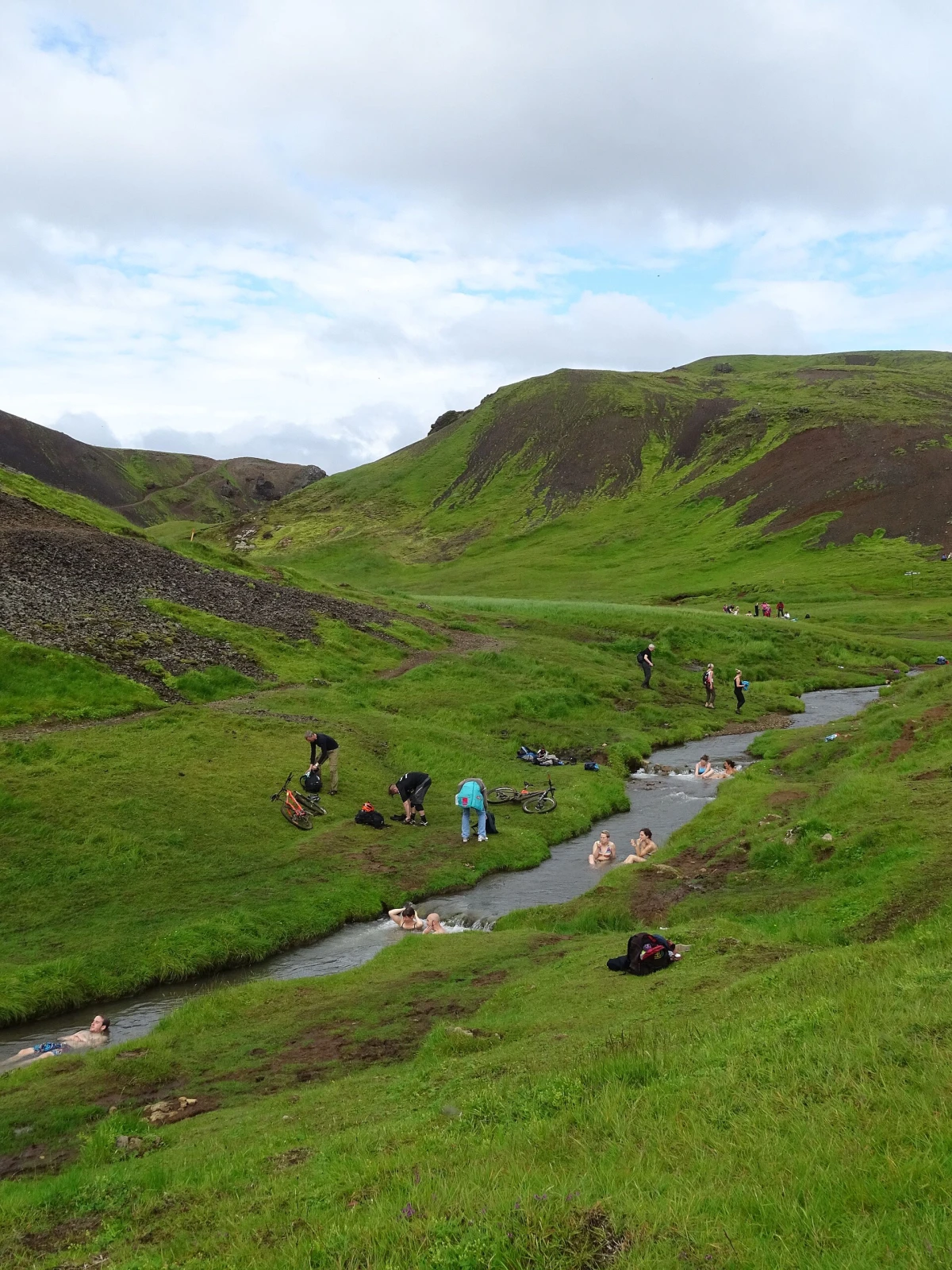
The trail from Hveragerði climbs into a geothermal valley where a managed section of warm river allows bathing. Steam, colored ground and cold surrounding air make the walk and soak feel inseparable.
Remain on the boardwalk and marked trail because thin crust and boiling water lie outside it. Conditions can close the area, and winter ice makes the route substantially harder. Change quickly, keep clothing dry and use the designated bathing section rather than testing hotter water upstream.
6. Hike to Glymur
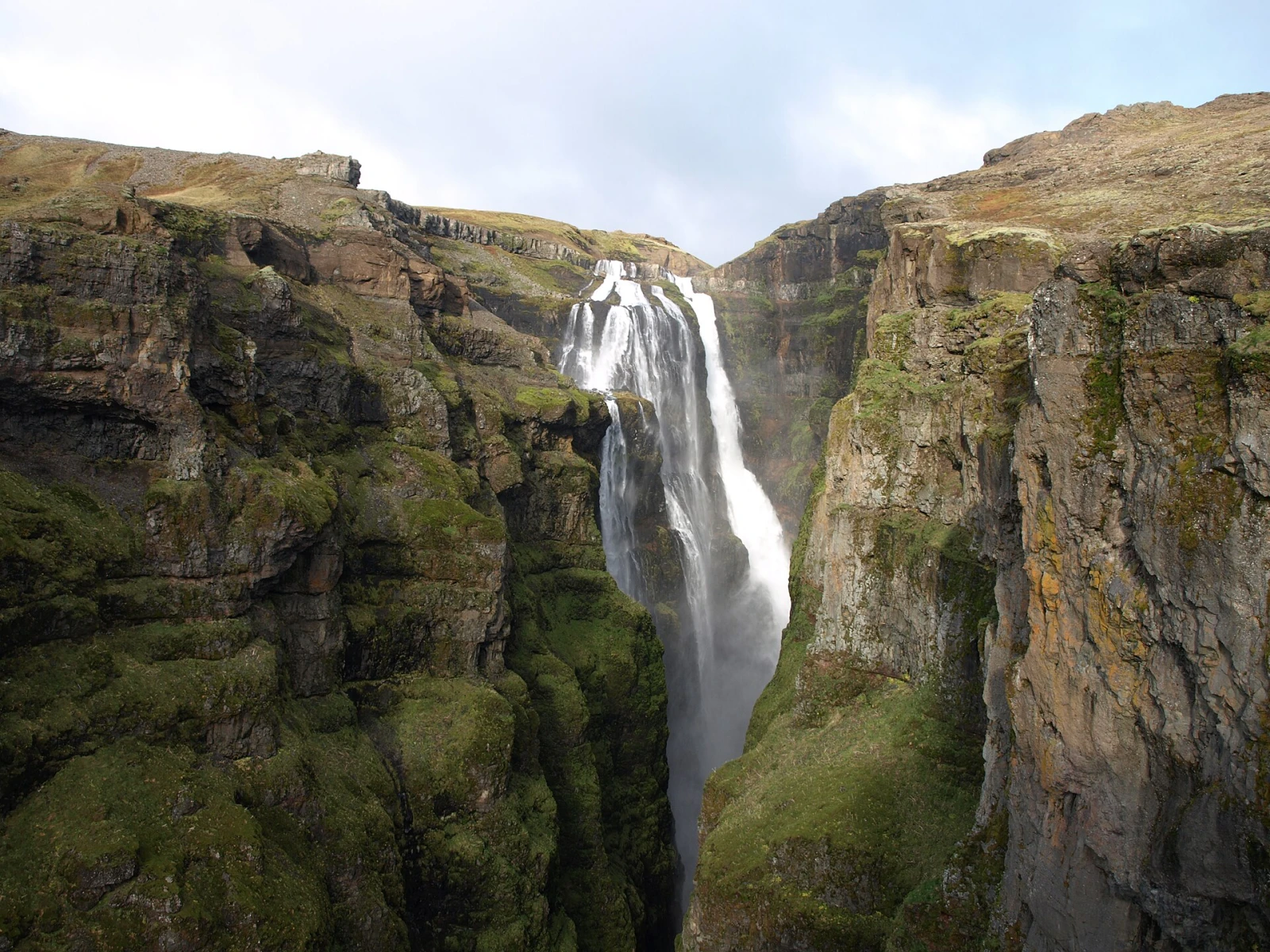
The Glymur route climbs into a deep canyon above one of Iceland's highest waterfalls. In the normal summer setup, the circuit may involve a river crossing, steep paths and exposed viewpoints before returning on the opposite side.
Check whether the seasonal crossing aid is installed and whether the river is safe. Wear footwear that can handle water and loose ground, keep back from unprotected edges and use the same side for the return if the full loop is unsuitable. Snow and ice turn this into a different undertaking.
7. Trek into Hornstrandir
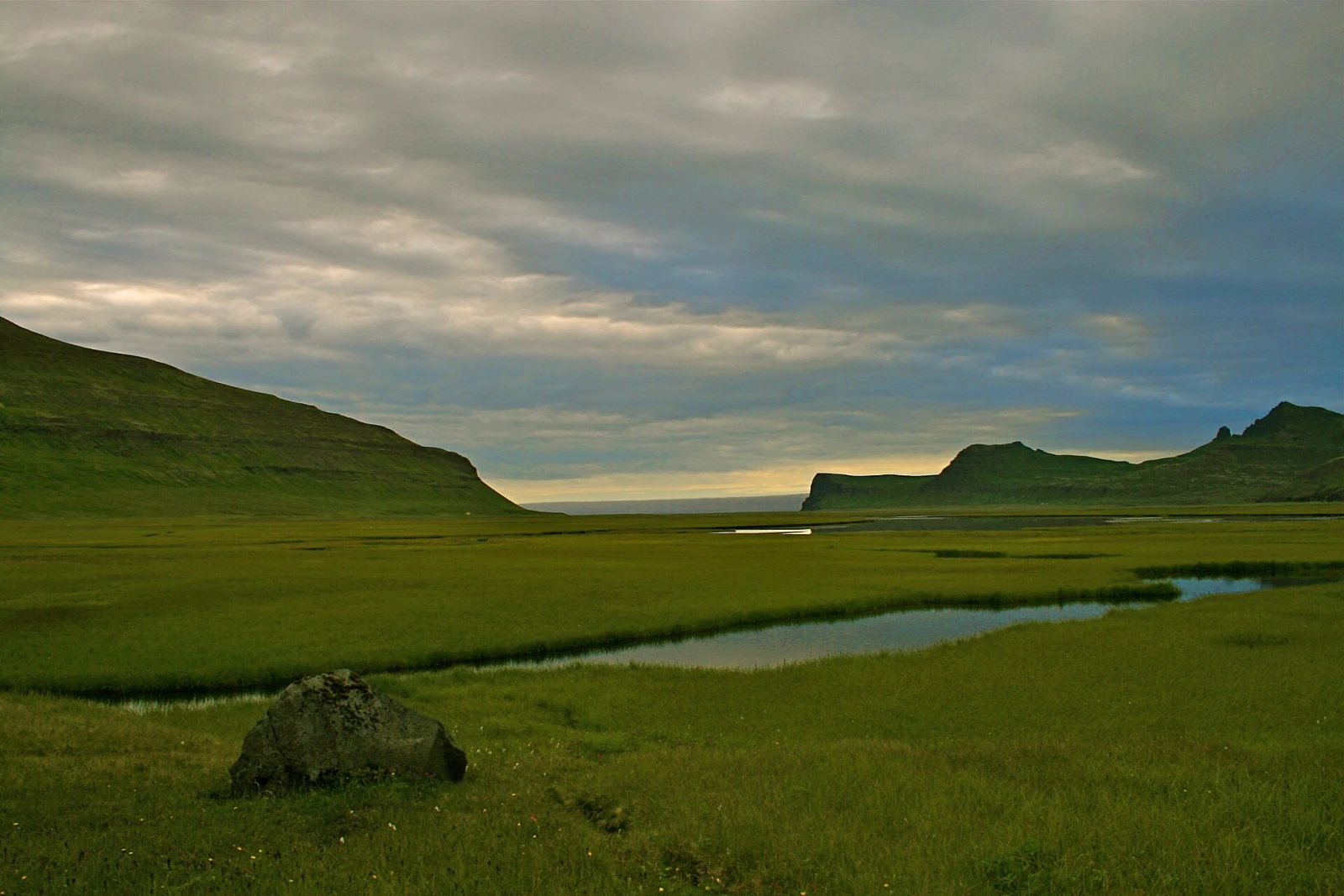
Hornstrandir is a roadless Westfjords reserve of steep passes, abandoned settlements, Arctic fox habitat and cliffs above the Denmark Strait. Boats provide access, but landings depend on sea conditions and there are few facilities once ashore.
Treat even a short visit as remote travel. Carry shelter, navigation and emergency communication, understand tide and river crossings, and file a travel plan. A local guide is the right choice for anyone without expedition experience. Keep distance from foxes and follow the reserve's camping and wildlife rules.
8. Hike Askja and Víti
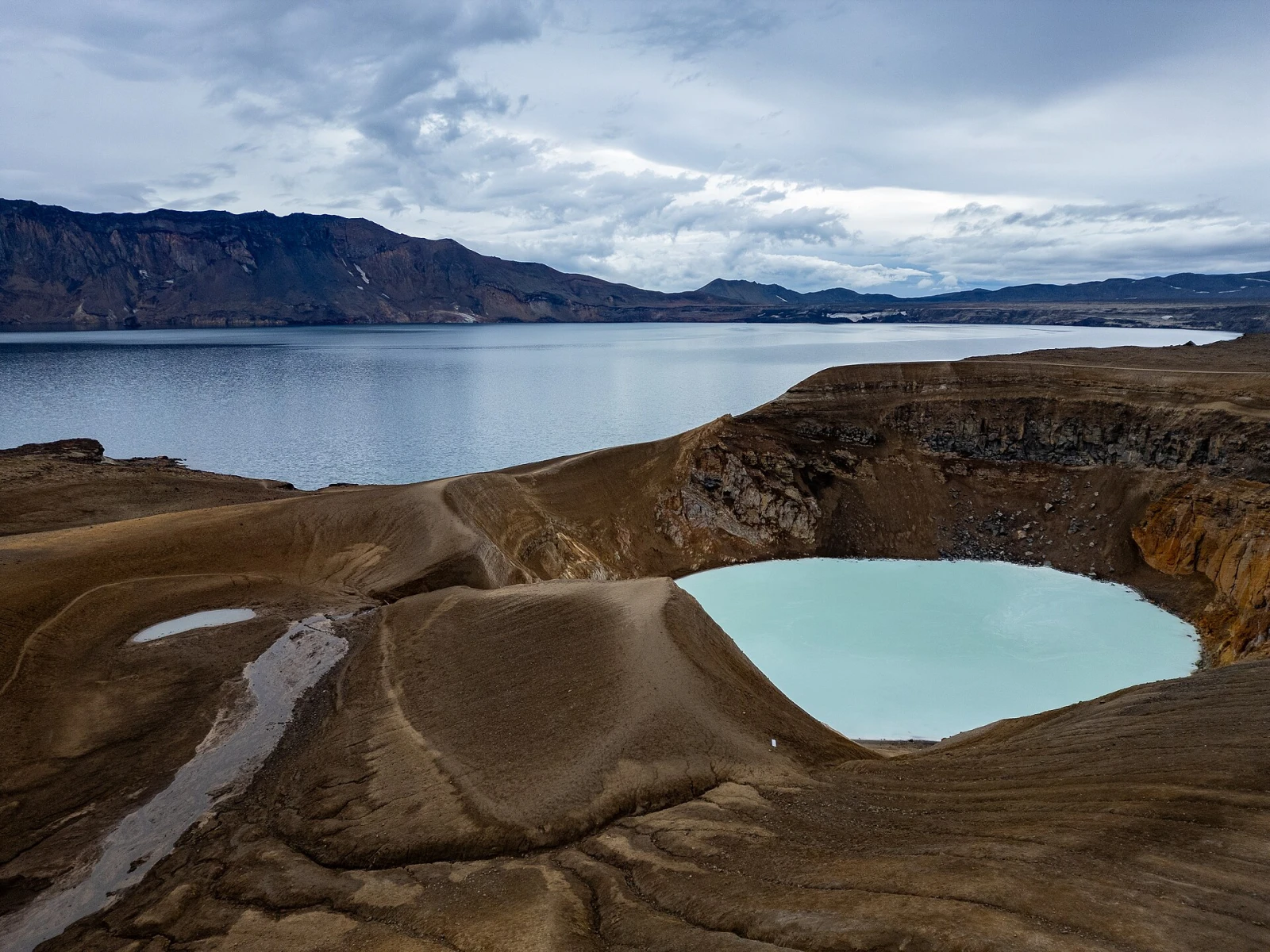
Askja lies deep in the central highlands within a vast volcanic landscape. From the usual access area, hikers cross open ground toward the Öskjuvatn caldera and Víti crater. Reaching the trailhead itself requires suitable highland transport and open mountain roads.
Check road, snow and volcanic information before leaving the Ring Road. Carry full layers and navigation even on a guided vehicle tour; fog can erase the landscape. Obey all restrictions around Víti and never descend toward water merely because old accounts describe bathing there.
9. Climb Snæfellsjökull
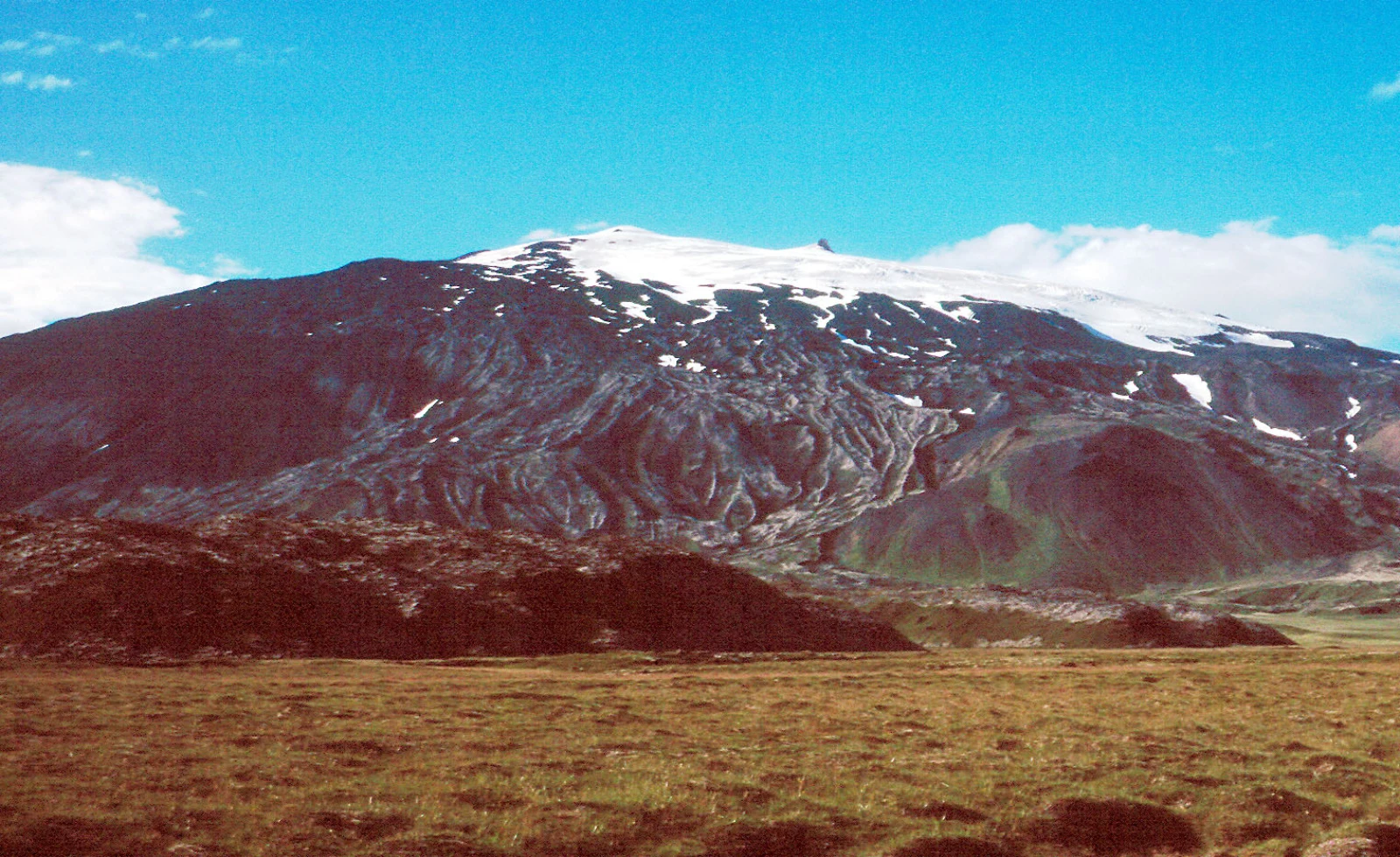
The glacier-capped Snæfellsjökull volcano dominates its peninsula and offers a serious summit ascent in suitable conditions. Crevasses, whiteout and rapidly changing coastal weather make the upper glacier mountaineering terrain rather than an extension of the park's lower walks.
Use a qualified glacier guide unless fully equipped and experienced in crevasse rescue. Wear crampons, carry an ice axe and rope as the route requires, and accept a turnaround. The Arnarstapi–Hellnar coastal trail or Saxhóll crater provides a rewarding lower-level alternative.
10. Cruise Jökulsárlón by Zodiac
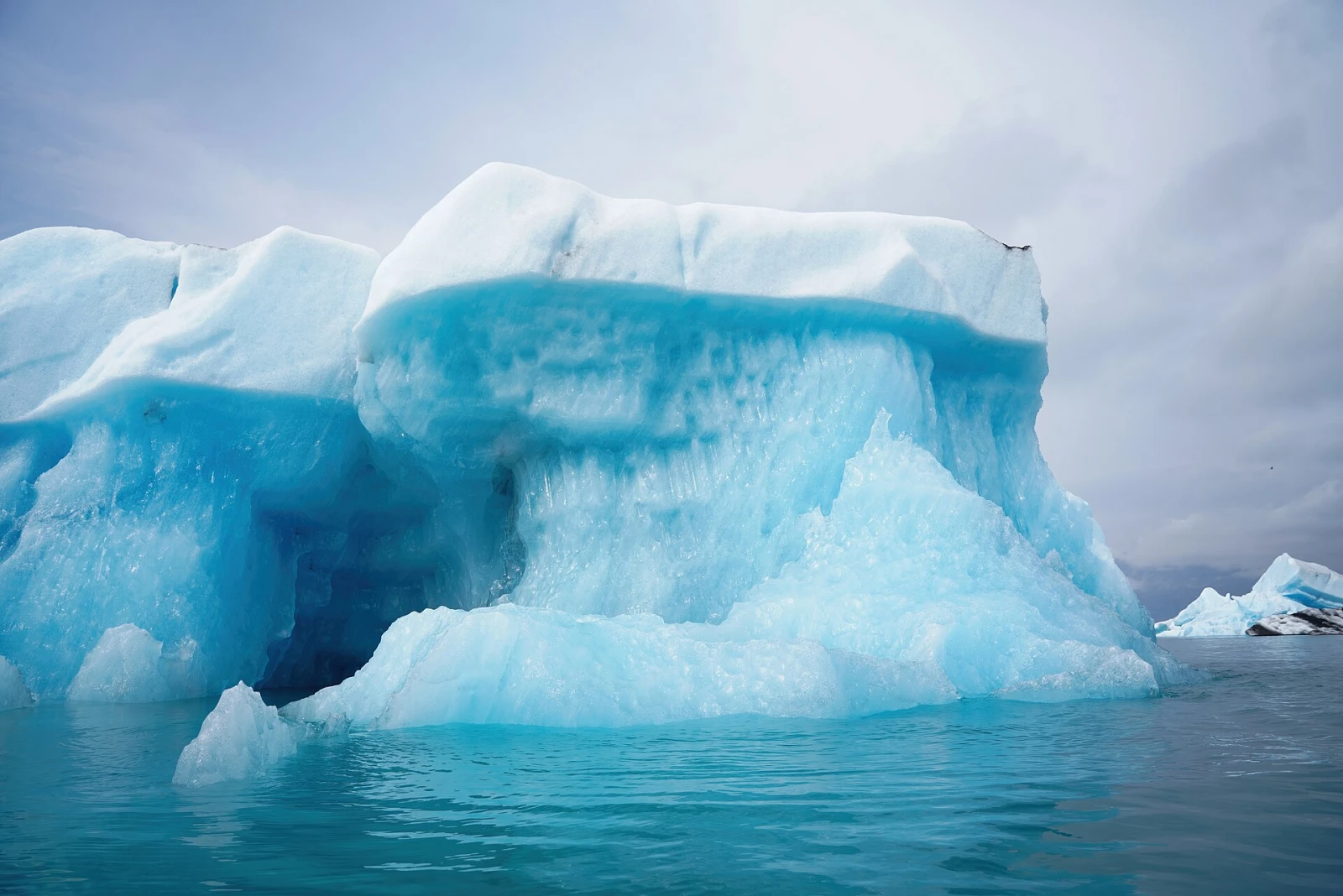
Zodiac trips enter Jökulsárlón among sculpted icebergs calved from Breiðamerkurjökull. The small boats can travel farther into the lagoon than amphibious tours, revealing the scale and movement of the ice while remaining separated from the glacier front.
Use an authorized operator, wear the supplied flotation and thermal gear and follow seating instructions. Ice can roll or break without warning, so never kayak or launch independently. Leave time afterward to walk the public shore and Diamond Beach while staying well clear of waves and moving ice.
11. Walk behind Seljalandsfoss
At Seljalandsfoss, a seasonal path loops behind the waterfall's curtain for a full view through spray toward the lowlands. It is short but unusually immersive, and the combination of wet rock and crowds creates its main risk.
Wear waterproofs and shoes with grip, follow any one-way arrangement and avoid the rear path when ice or closures apply. Continue only where signed toward nearby Gljúfrabúi, entering its wet recess cautiously and never climbing unstable rock for a clearer photograph.
12. Hike the Svartifoss loop
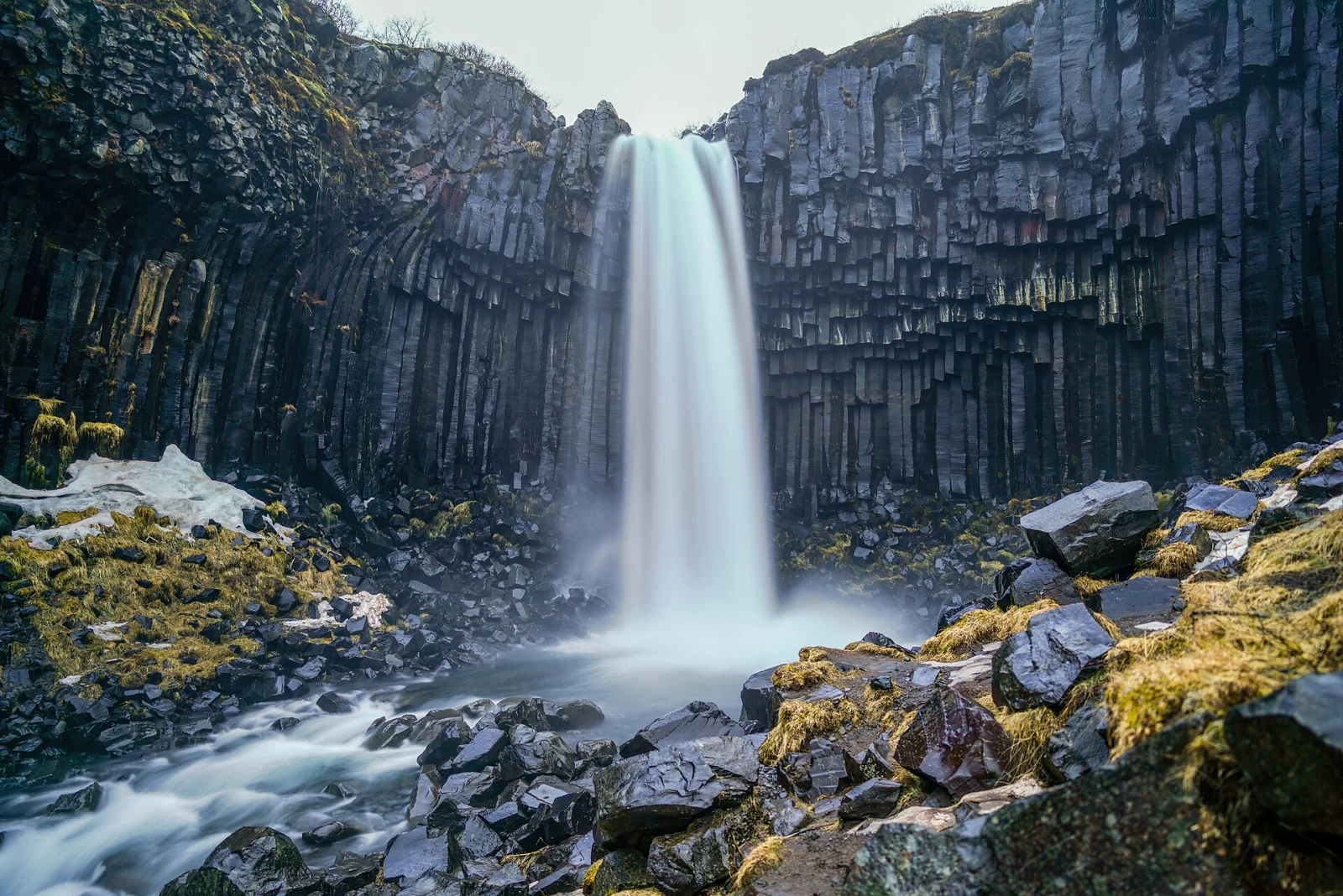
From Skaftafell, trails climb through birch and open slopes to Svartifoss, where dark basalt columns frame the narrow fall. Longer circuits can connect viewpoints over the glacier and surrounding peaks.
Choose a route using current park information and match it to daylight and weather. Stay outside barriers beneath the fractured columns. In winter, ice changes even the ordinary loop, while higher trails may require traction, navigation and more serious preparation.
13. Explore a lava tunnel
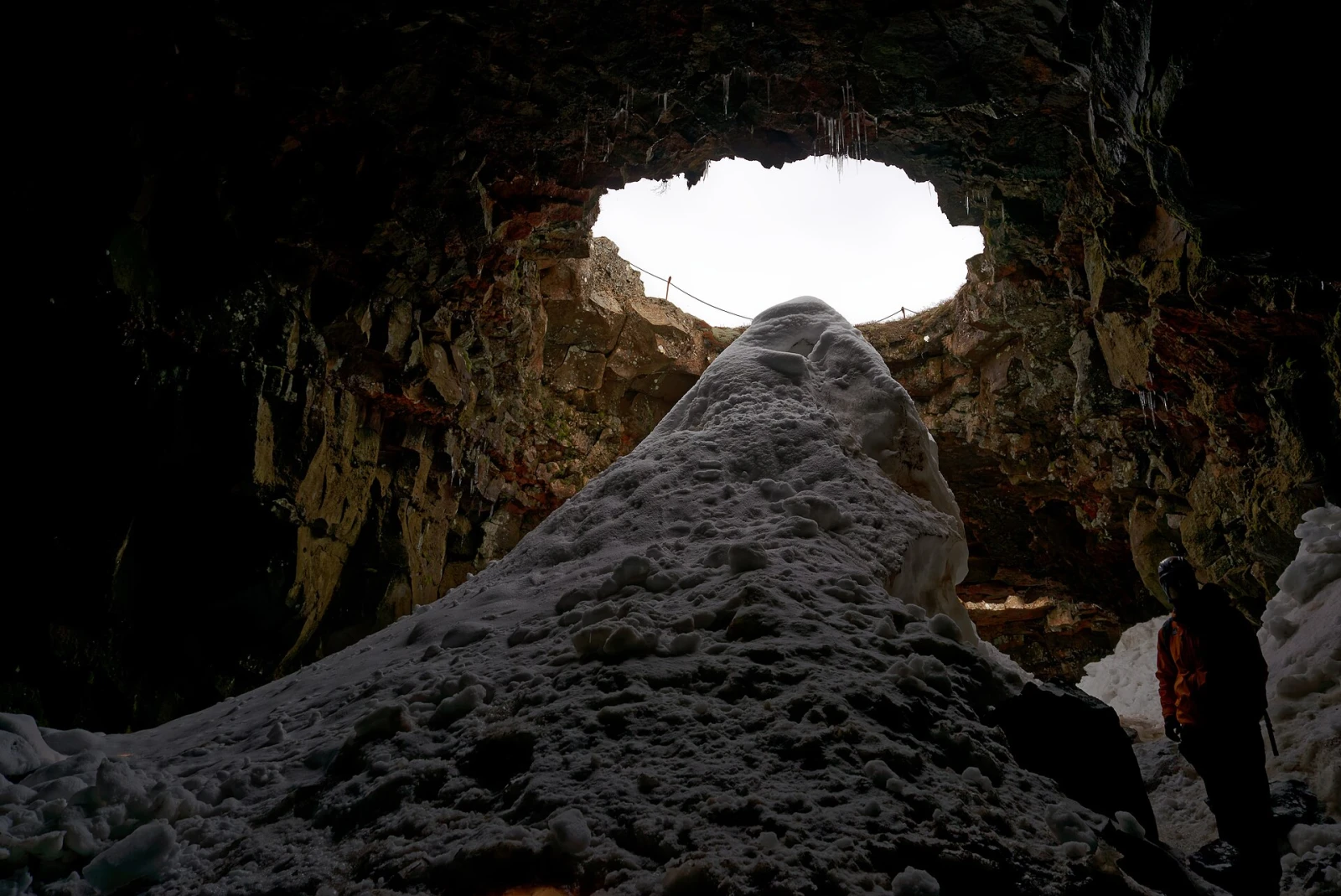
Managed caves such as Raufarhólshellir, Víðgelmir and Vatnshellir expose the interior of old lava flows through tubes, collapses and mineral-colored walls. Each offers different tour lengths and physical demands.
Enter with the authorized operator, use the supplied helmet and lights and wear warm, grippy footwear. Do not remove rock or step off the route. Winter ice formations are fragile, and an easy entrance does not make an unlit side passage safe to explore alone.
14. Hike a Landmannalaugar summit
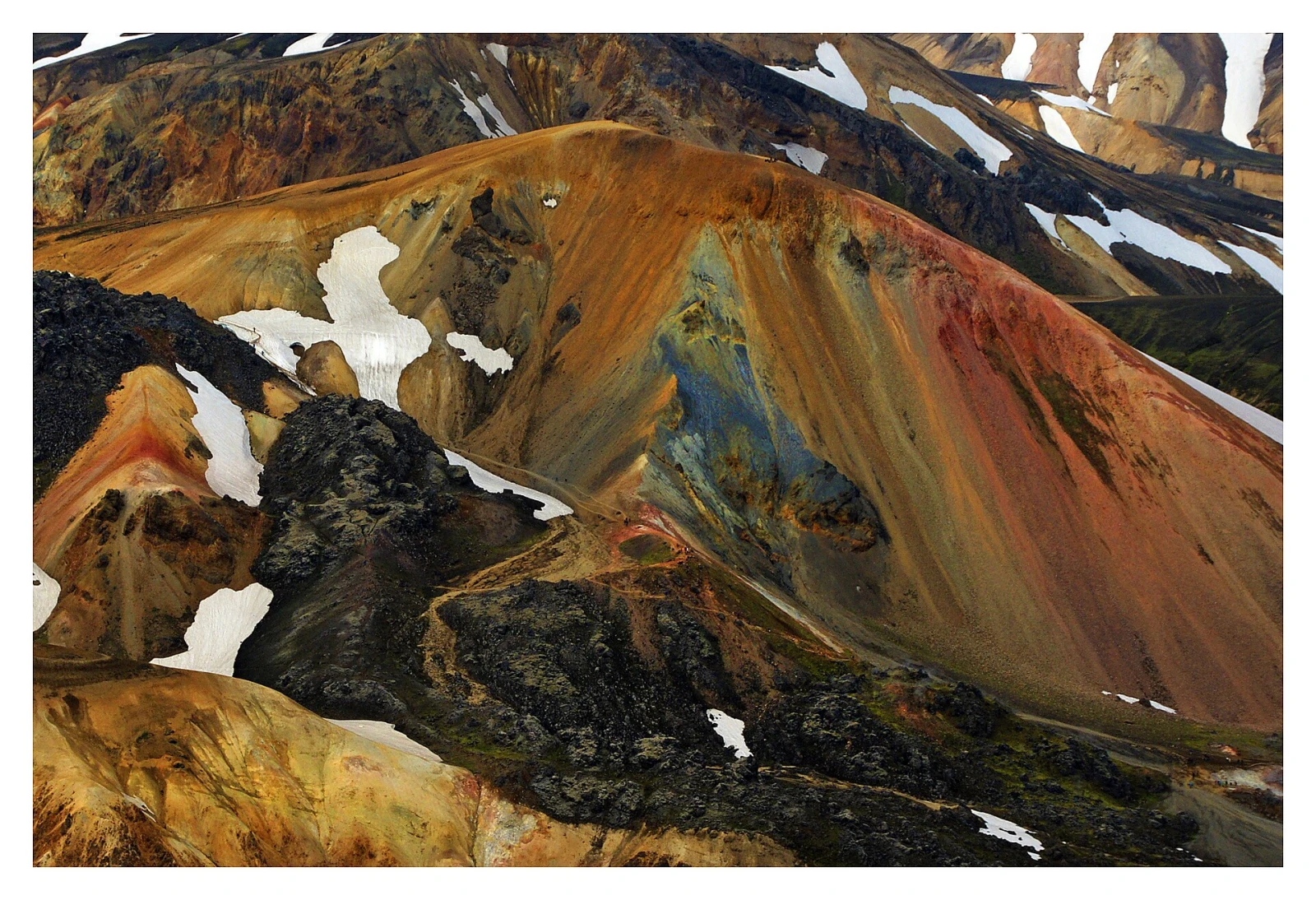
Shorter climbs around Landmannalaugar reveal the highlands without committing to the full Laugavegur. Brennisteinsalda passes colorful geothermal ground, while Bláhnúkur gives a steep view across lava and braided valleys.
Highland roads and buses operate seasonally, and rental-car rules matter on F-roads. Check trail conditions, carry layers and remain on marked paths around geothermal terrain. Finish at the designated hot pool only when open and follow washing and conservation rules.
15. Walk the Reynisfjara coast safely
Reynisfjara's black sand, basalt columns and sea stacks create one of Iceland's most powerful coastal landscapes. Its sneaker waves have caused fatalities far above the apparent wash line, so the adventure is learning to observe the ocean from a conservative distance.
Read the current warning system, remain in the designated landward zone and never turn your back on the sea. Do not approach caves or columns when wave conditions raise the risk. If warnings intensify, leave the beach instead of waiting for a gap.
16. Watch whales from Húsavík
Boats from Húsavík explore Skjálfandi Bay for humpbacks, minkes and other marine life against a mountain backdrop. Species, distance and sea state vary, and the most responsible crews let each animal determine the encounter.
Choose an established operator with clear approach standards and warm flotation suits. Prepare for cold and motion even on a bright day. Avoid any company promising a guaranteed close encounter, and keep enough schedule flexibility for a weather cancellation.
17. Watch puffins responsibly
Cliffs and islands around Iceland support seasonal puffin colonies, including accessible viewpoints at Látrabjarg, Borgarfjörður Eystri and the Westman Islands. Birds may nest surprisingly close to paths, but cliff edges can be undercut and fragile.
Stay behind ropes and on marked routes, lie back from an edge rather than standing over it and never block a burrow. Check the season before traveling specifically for puffins. Boat trips should keep respectful distance and avoid crowding birds on the water.
18. Climb Eldfell on Heimaey
Eldfell rose during the 1973 eruption that transformed Heimaey and threatened its harbour. A marked hike climbs the red volcanic cone for views over the town, new lava and the surrounding Westman Islands.
Wind can be fierce on the open summit, so carry layers and keep to the trail to limit erosion. Pair the climb with local interpretation of the evacuation and recovery. Ferry schedules depend on sea conditions; do not make a tight mainland connection the same evening.
19. Hike the waterfall country around Mývatn
North Iceland allows a focused journey through Dettifoss, the Hljóðaklettar formations, Ásbyrgi and the Mývatn–Krafla volcanic landscape. Rather than racing between car parks, choose a trail such as Hljóðaklettar or the Leirhnjúkur lava fields and spend a full day reading the terrain on foot.
Check which access road and trail are open, especially outside summer. Remain on marked geothermal paths and obey seasonal bird-protection restrictions around Mývatn. Distances are larger than they appear, so base in the north for several nights.
20. Soak in a remote hot pool responsibly
Pools such as Krossneslaug, Hellulaug and Hveravellir place warm water inside exposed coastal or highland landscapes. Their appeal depends on modest infrastructure, local trust and visitors leaving them as they found them.
Check current access and payment arrangements, wash before entering where facilities allow and never use soap in a natural pool. Do not camp, park or change on private land without permission. Geothermal water outside an established bathing place may be dangerously hot or chemically unsuitable.
How to choose your Iceland adventure
Choose the south and southern highlands for Laugavegur, Fimmvörðuháls, waterfalls and glacier landscapes; Snæfellsnes and the west for lava caves and coastal hiking; Mývatn and the northeast for geothermal terrain, whales and river canyons; and the Westfjords for genuinely remote trekking. The Ring Road is transport between regions, not a promise that every experience fits one week.
Highland routes need summer access and flexible dates. In shoulder seasons, base lower and prioritize managed caves, coastal trails, geothermal sites and shorter park walks. Winter requires a separate plan built around short daylight, road closures and guided travel where snow and ice change the terrain.
Explore further in the guides to Iceland's best hikes, waterfalls and volcano experiences.
Before booking
- Check SafeTravel alerts, the Icelandic Met Office forecast and official road conditions every day.
- Submit a travel plan for remote hikes and carry communication independent of mobile coverage.
- Use qualified operators for glaciers, snorkeling, exposed caves and technical mountains.
- Never cross a closed road, trail or eruption boundary, even if other visitors do.
- Stay on paths across fragile moss, geothermal ground and protected nesting areas.
- Keep at least one flexible day for wind, rivers, ferries and highland access.