
Thailand’s limestone bays and mangrove channels make kayaking an appealing way to explore, but tide timing can decide which passages are usable. Lake paddling, reef snorkeling and northern rafting add other options. Choose a base first, then check what the park or local operator can safely run during your visit.
Plan each outing separately. The table compares physical effort; technical difficulty and exposure can differ. Each mission on the map has its location and preparation details.
Compare the experiences
| Experience | Physical effort |
|---|---|
| Kayak into a Phang Nga Bay hong | Moderate |
| Kayak the Salak Khok mangroves | Moderate |
| Kayak Ao Thalane’s mangrove canyons | Moderate |
| Kayak Cheow Lan Lake | Moderate |
| Snorkel the reefs of the Surin Islands | Moderate |
| Raft the Mae Taeng River | Moderate |
Choose your time on the water
Phang Nga is the choice for a guided cave passage into a hong. Salak Khok and Ao Thalane bring the paddle into mangrove channels. Cheow Lan works best when kayak access is part of your lake arrangements; the Surin Islands and Mae Taeng need separate marine and river checks.
Kayak into a Phang Nga Bay hong
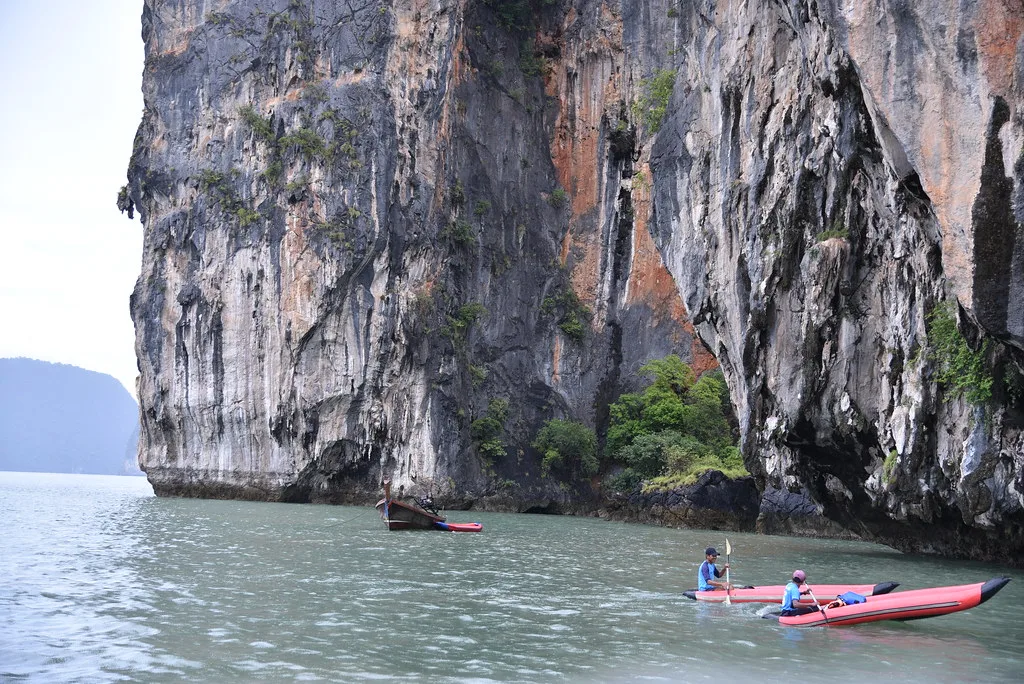
Join a sea-kayak trip in Phang Nga Bay and paddle through a low cave entrance into a hong enclosed by limestone. Access can change quickly with the tide, so wear flotation equipment and follow the guide’s timing through the cave.
Phang Nga Bay’s flooded karst hides enclosed lagoons inside its limestone islands. Reaching a hong by kayak means passing through the cave opening that connects the open bay with the interior lagoon.
Use an experienced local provider or guide for the tide-dependent cave passage. A kayak and flotation equipment are required and are normally supplied as part of the trip.
View in GoExploringKayak the Salak Khok mangroves
Launch from Ban Salak Khok and paddle through the mangrove-lined channel toward the bay using a local kayak and flotation equipment. Give fishing boats room and keep out of shallow roots and wildlife habitat.
Salak Khok links a working fishing community with one of Ko Chang’s mangrove settings. Kayaking keeps you low to the water, where the forest structure and village activity are easier to see than from the main road.
Hire a kayak and flotation equipment locally. Community operators can advise on tides and safe routes; advance booking is not generally mandatory, but contact ahead if you need equipment at a specific time.
View in GoExploringKayak Ao Thalane’s mangrove canyons
Launch at Ao Thalane and paddle a sit-on-top kayak through sheltered tidal water, narrow mangrove channels and limestone passages. Keep clear of roots and wildlife, and follow local advice because the best route changes with the tide.
Ao Thalane compresses Krabi’s karst and mangrove landscapes into waterways narrow enough to explore by paddle. A kayak reaches quiet channels and cliff passages that larger boats cannot enter.
A kayak and flotation equipment are required. Paid rentals and guided trips operate locally; experienced paddlers can use an approved route without a guide, but check tide and weather conditions before launching.
View in GoExploringKayak Cheow Lan Lake
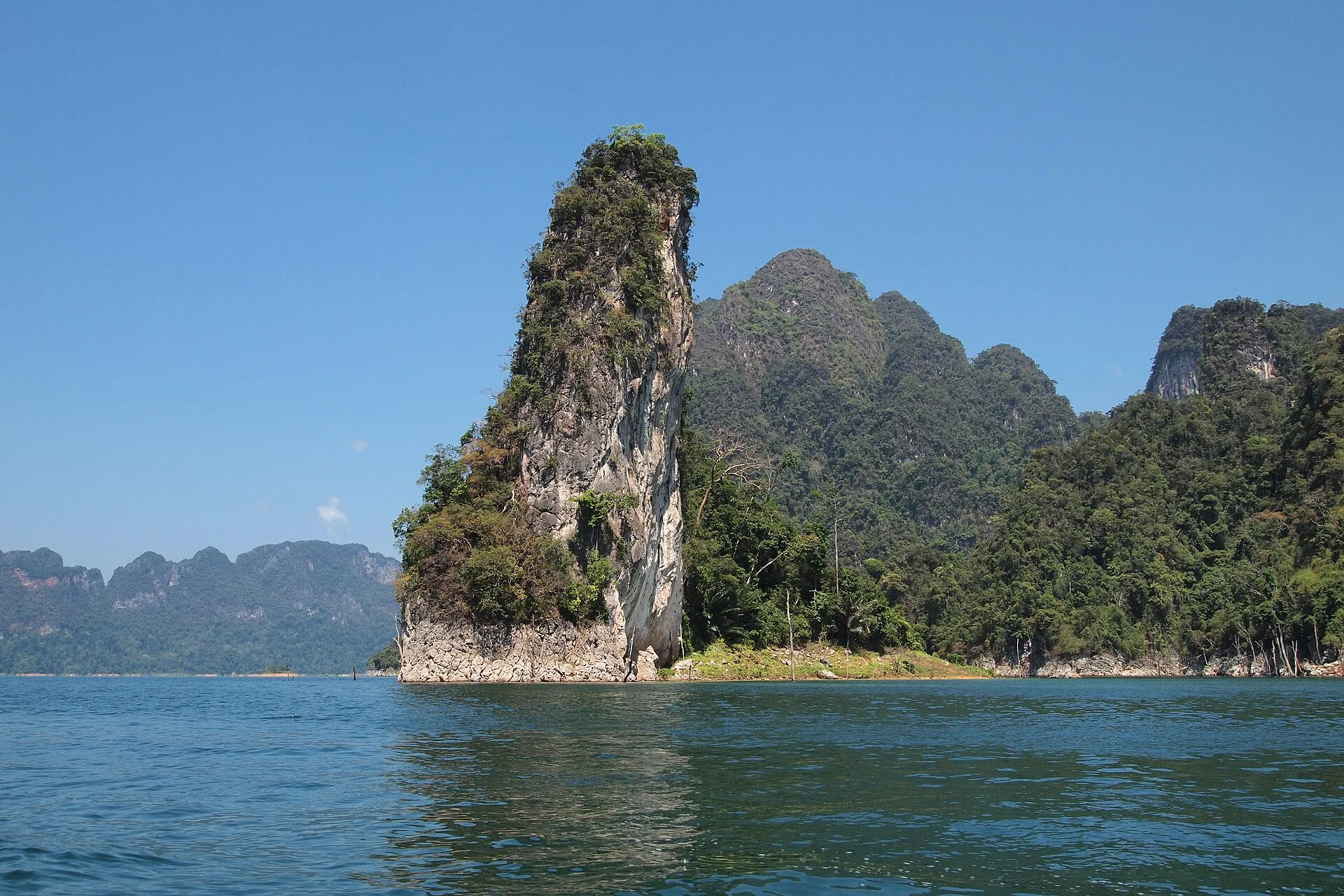
Stay at or visit a floating raft house with kayak access, then paddle the sheltered water around its part of Cheow Lan Lake. Wear the supplied life jacket, stay within the approved area and return before weather, darkness or boat traffic makes paddling unsafe.
By kayak, you can explore coves along Cheow Lan’s flooded valleys, beneath rainforest and limestone walls, at a slower pace than the sightseeing boats.
Book a lake package or floating raft-house stay that includes kayak use. Paid boat transfer into the lake, a kayak and life jacket are required; follow the raft house and national park’s current weather and paddling limits.
View in GoExploringSnorkel the reefs of the Surin Islands
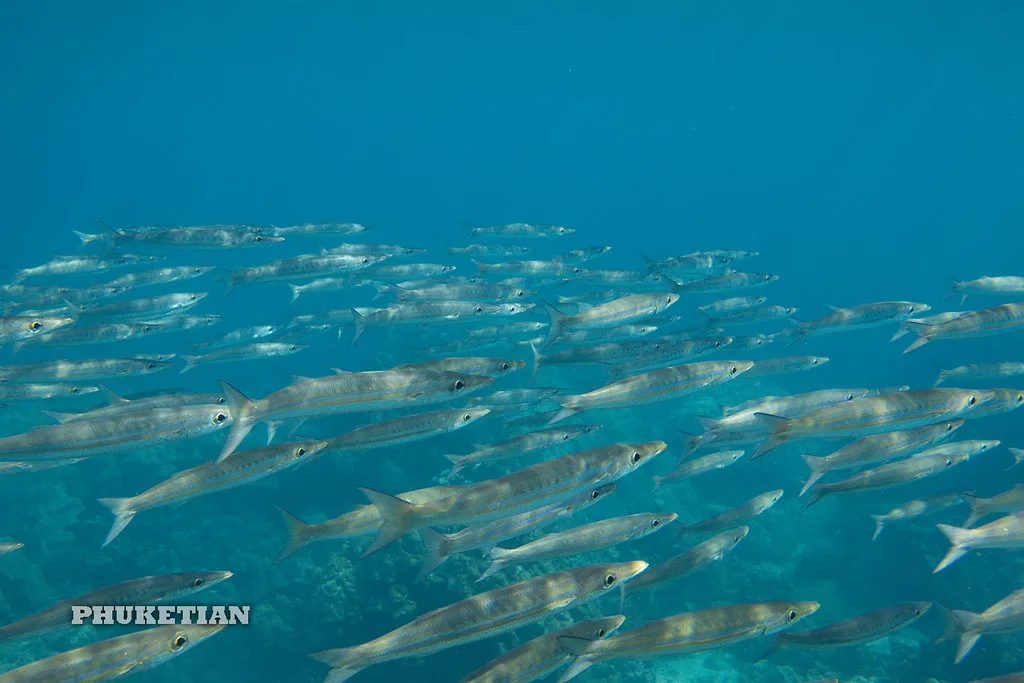
Travel by boat into Mu Ko Surin National Park and snorkel at an open reef site around the islands. Stay off the coral, keep your distance from marine life and follow the park or boat crew’s safety area.
Mu Ko Surin has several shallow reef sites spread around a remote island group.
You need national-park admission, boat transport and snorkelling equipment. The park closes seasonally, so confirm the current opening schedule before travel; a guide is not inherently required for the activity.
View in GoExploringRaft the Mae Taeng River
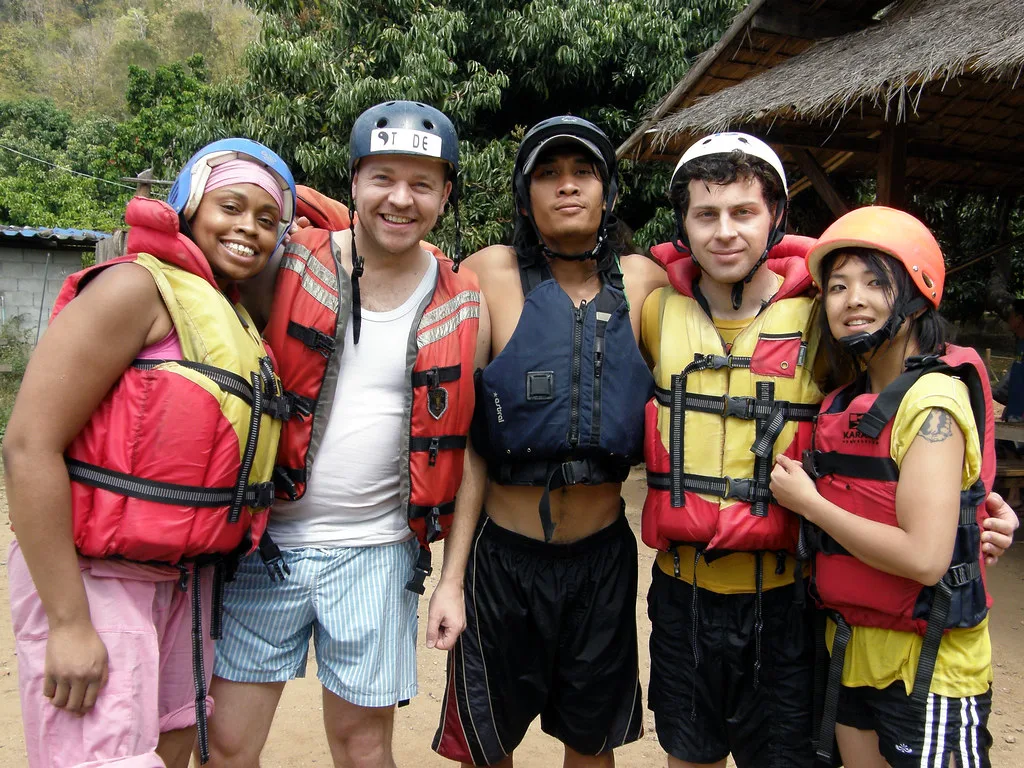
Join an established rafting operator, complete the safety briefing and paddle through the open rapid sections of the Mae Taeng. Keep your helmet and flotation equipment on and follow the guide’s commands throughout the run.
The Mae Taeng combines mountain runoff, forest and fast water in one of northern Thailand’s established white-water corridors.
Advance booking with a qualified rafting provider is required. The provider supplies the river guide, raft, helmet and flotation equipment; runs can be changed or cancelled when water levels are unsafe.
View in GoExploringBefore you set out
Ask about swimming requirements and supplied safety equipment before paying. Check conditions for the full trip, including currents or rapids beyond a sheltered start. Keep clear of coral and other sensitive habitat. Follow the guide or park if tide, weather or water level requires a shorter route or cancellation.
Explore more adventure activities in Thailand.
Plan a day on foot with these hikes in Thailand.
Route and access sources
- Tourism Authority of Thailand — Phang Nga Bay sea kayaking
- Tourism Authority of Thailand — Salak Khok community and mangroves
- Sea Kayak Krabi — Ao Thalane mangrove kayaking
- Klong Ka Raft House kayaking — Cheow Lan Lake Travel
- Tourism Authority of Thailand — Mu Ko Surin
- Mae Taeng white-water rafting guide — Chiangmai Trip