

Thailand's outdoor trips span very different terrain. In the north, forested mountains and river valleys reward hikers and paddlers. Central Thailand has protected forest and waterfalls within reach of Bangkok, while the south brings limestone karsts, caves and two long coastlines with different island seasons.
Heat, monsoon rain and park closures shape what is practical on any given day. Some routes need permits or local guides, and marine parks close seasonally. Choose activities by region, check current park notices, and leave spare time for weather and transport changes.
Thailand adventures at a glance
| Adventure | Standout destination | Intensity | Key requirement |
|---|---|---|---|
| Mountain hiking | Doi Inthanon | Moderate | Start early; check trail access |
| Jungle trekking | Khao Sok | Moderate–high | Local guide for forest routes |
| White-water rafting | Mae Taeng or Khek River | Moderate–high | Go with a licensed operator |
| Rock climbing | Railay, Krabi | Moderate–high | Guide and suitable equipment |
| Sea kayaking | Phang Nga Bay | Low–moderate | Tide and weather check |
| Scuba diving | Koh Tao or Similan Islands | Low–high | Certification for depth dives |
The 20 best adventure activities in Thailand
Walk the Ang Ka Nature Trail on Doi Inthanon

Doi Inthanon rises above Chiang Mai's farming valleys, and the short Ang Ka boardwalk crosses a cool, mossy mountain bog near the summit. It makes an easy introduction to the park's high-altitude forest, with interpretive signs along the loop.
The boardwalk can be damp and slick, so wear shoes with grip. For a longer walk, ask the visitor centre about guided trails such as Kew Mae Pan, which has seasonal access rules. Morning is usually more comfortable than the heat of midday.
Hike the Kew Mae Pan Nature Trail

Also in Doi Inthanon National Park, Kew Mae Pan climbs through forest to an open ridge with views across the mountain range. The route is a guided walk, and access is seasonal; confirm that it is open before making the drive.
Bring water and a light layer for the exposed section. Follow the guide and marked path, especially where the ridge narrows. If the route is closed, the park has other walks and waterfalls that make a good day out.
Hike the plateau trail to Pha Lom Sak on Phu Kradueng

The climb to Phu Kradueng’s plateau in Loei province is a demanding uphill walk. From the top, continue across the plateau to Pha Lom Sak, a cliff-edge viewpoint on the western side of the mountain. Many hikers stay overnight rather than descend on the same day.
Check the park's opening period and accommodation arrangements before travelling; seasonal closures protect the area and can affect the whole plan. Start early, carry enough water and food for the climb, and follow park guidance on what can be carried up.
Walk to Nong Phak Chi Tower in Khao Yai
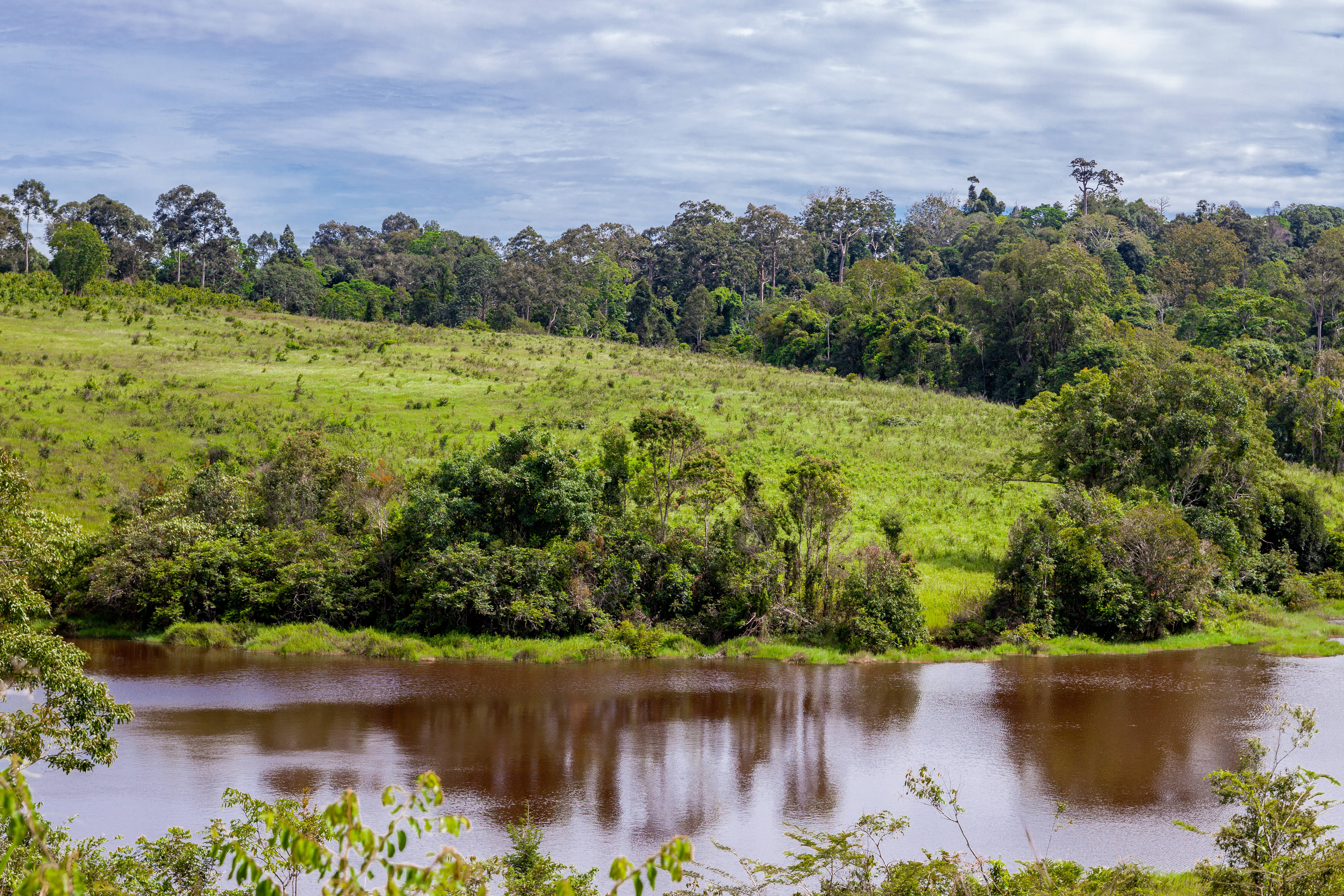
Khao Yai National Park spreads across four provinces northeast of Bangkok. The Nong Phak Chi trail leads through forest to a wildlife observation tower overlooking grassland and a water source used by animals.
Use a park guide where one is required, and never approach or feed wildlife. Leeches are common in wet conditions, so long socks and insect repellent help. Waterfalls can have strong currents during the rainy season; obey signs and stay out when swimming is prohibited.
Walk the Pa Dok Siew trail with a local guide

Near Ban Mae Klang Luang on Doi Inthanon, the Pa Dok Siew route passes through forest and by a waterfall before reaching a Karen community. Local guides lead the walk and can share how people grow coffee and rice on the mountain.
Arrange the walk with the community rather than turning up expecting to enter private land. Wear shoes that can handle wet steps and bring cash for local services. Ask before photographing residents, homes or ceremonies.
Trek in Khao Sok National Park

Khao Sok's rainforest rises around limestone ridges and waterways in Surat Thani province. Guided walks introduce the forest and its wildlife; some longer routes involve steep, muddy ground and creek crossings.
Book a guide familiar with the current trail and conditions. Wear shoes with traction, bring water and protect electronics from rain. Wildlife sightings are never guaranteed, and keeping a quiet distance gives animals room to move.
Paddle among the karsts of Cheow Lan Lake
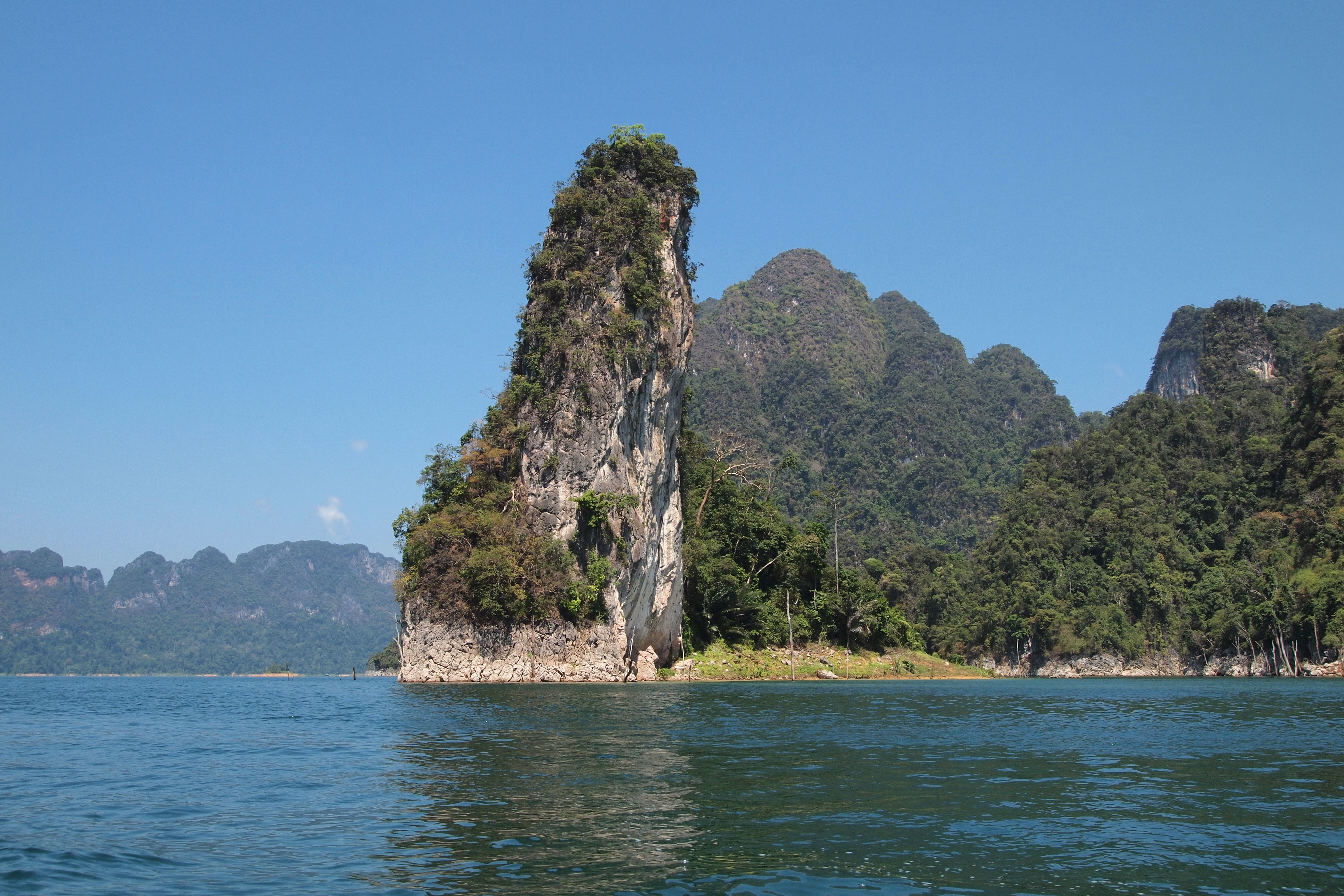
Cheow Lan Lake, inside Khao Sok National Park, is known for its limestone formations and floating raft houses. A guided kayak or canoe trip lets you explore sheltered stretches of water at a slower pace than a motorboat tour.
Wear a personal flotation device and follow the operator's instructions around boat traffic and changing weather. If you stay overnight, check what is included in the transfer and meal arrangements; accommodation is spread across the lake, away from road access.
Explore Tham Nam Lod in Pang Mapha

In Mae Hong Son province, Tham Nam Lod is a large cave system with an underground stream. Visitors explore sections by bamboo raft and on foot with a local guide, whose lamp helps reveal the cave formations.
Water levels and access depend on conditions, so check locally before setting out, especially after heavy rain. Wear clothes and footwear that can get wet, and stay with the guide in the dark passages. Do not touch formations or disturb bats.
Raft the Mae Taeng River

North of Chiang Mai, commercial rafting trips on the Mae Taeng pass through forested countryside and sections of white water. Operators run different routes depending on water levels, so the grade and pace can change over the season.
Choose an operator that provides helmets, flotation and a safety briefing. Tell the guide about your swimming ability and any relevant health concerns. High water after rain can make a trip unsuitable, even if the river looks inviting from shore.
Raft the Khek River in Phitsanulok

The Khek River near Phitsanulok is a seasonal white-water destination. Rain fills the river during the wet season, when guided trips run through rapids whose character depends on current flow.
Book with an experienced rafting company and ask whether the day's conditions match your group's ability. Wear the supplied helmet and life jacket, secure loose items, and follow the guide's commands. Operators may cancel when the river is too high or unsafe.
Take a multi-day rafting trip on the Mae Nam Wa
In Nan province, the Wa River runs through remote forest and villages. Multi-day rafting trips combine stretches of rapids with overnight stops, making this a more involved expedition than a short commercial run.
Arrange the trip with a local outfitter who can explain the route, equipment, and camp arrangements. Ask what food and dry bags are supplied, and pack for wet conditions. Water levels vary, so the operator should set the departure date around the river rather than a fixed itinerary.
Climb the 1-2-3 Wall at Railay

Railay’s 1-2-3 Wall is one of the area’s limestone climbing sectors above the Andaman Sea. Local climbing schools offer guided sessions for first-timers as well as longer routes for experienced climbers.
Use a qualified guide and inspect the condition of the ropes and harness before leaving the ground. Heat and humidity can make a route tiring; carry water and take breaks. Avoid climbing after rain, when holds and rock can be slick.
Sea kayak to Ko Hong in Phang Nga Bay

Ko Hong is one of the limestone islands in Phang Nga Bay, where guided kayak outings explore sea caves and enclosed lagoons known as hongs. Trips often launch from a larger boat, allowing access to places that are awkward to reach from shore.
Tides determine whether some cave passages are passable. Choose an operator that checks tide and swell, and listen closely when entering low ceilings. Wear a flotation vest, protect your belongings from water and keep clear of nesting or resting wildlife.
Paddle the mangrove channels of Ao Thalane

Ao Thalane, north of Krabi town, is a sea-kayaking area with mangrove channels and limestone scenery. The sheltered waterways make it a quieter alternative to the open-water trips around the islands.
Ask about tide timing, since low water can leave some channels difficult to paddle. A guide helps with navigation through the mangroves. Keep paddles and boats away from roots, and take all rubbish back with you.
Dive the Similan Islands

The Similan Islands off Phang Nga are a marine national park and a major Andaman diving destination. Day boats and liveaboards visit different sites, with options for certified divers and shallower snorkelling trips when conditions allow.
The park closes seasonally, and exact access dates can change, so check the current notice before booking. Use a properly certified dive operator, stay within your training and keep fins clear of coral. Do not touch, stand on or feed marine life.
Learn to dive around Koh Tao

Koh Tao in the Gulf of Thailand has dive schools and sites for beginners working toward certification as well as qualified divers. Courses take several days, so leave enough time between the final dive and any flight or high-altitude travel, following your instructor's advice.
Check the instructor's credentials and the school's group size before enrolling. Conditions vary by site and season. Snorkellers and divers should look without touching coral or turtles, and should not collect shells or marine life.
Snorkel the reefs around Tarutao National Park
,_Lagoon,_Thailand.jpg)
Off Satun province, the islands around Tarutao National Park have boat-accessible snorkelling sites, including reefs near Adang and Lipe. Visibility and currents vary, and some spots can have stronger flow than their sheltered appearance suggests.
Go with a boat crew that supplies a life jacket and explains the route. Float rather than standing on the reef, and keep a respectful distance from wildlife. Park islands close seasonally; confirm which sites are open before planning an overnight stay.
Kayak and hike in Mu Ko Ang Thong

From Koh Samui or Koh Phangan, boats reach Mu Ko Ang Thong National Marine Park, an archipelago in the Gulf. Visitors can kayak along limestone shores and hike to viewpoints, with the exact activities depending on sea and park conditions.
Check current park access and boat schedules; the park closes for part of the year. Viewpoint paths can be steep and hot, so wear shoes with grip and carry water. Take care getting in and out of kayaks, especially when there is swell.
Surf the Andaman coast at Kata Beach

Phuket's west coast has surf schools and board rentals, and Kata Beach is a popular place to learn when waves are suitable. The surf season overlaps with rougher monsoon seas, so conditions can change quickly.
Take a lesson if you're new to surfing and follow lifeguard flags and beach warnings. Ask about rip currents and where swimmers are separated from surfers. Skip the water when red flags are up or the break is beyond your ability.
Cycle the Mae Hong Son Loop

The Mae Hong Son Loop links mountain towns and valleys in northern Thailand, usually over several days. Cyclists can ride it by road bike or touring bike, while motorcyclists use the same winding route through Mae Hong Son province.
Plan shorter stages than the map mileage might suggest: sustained climbs and hairpin bends take time. Check brakes and tyres before leaving, wear a helmet and carry lights for tunnels and low visibility. During smoky season, air quality can make strenuous riding unpleasant; check local conditions and adjust your dates.
How to choose your Thailand adventure
For mountain walks and rivers, base yourself in Chiang Mai, Chiang Rai or Nan. Khao Yai works well for guided forest walks from the central region, while Khao Sok merits a separate stay for rainforest and lake trips. On the Andaman side, combine Krabi and Phang Nga for climbing, caves and sea kayaking. The Gulf islands have their own transport and weather patterns, so plan the southern coast around one area at a time.
Allow flexible days during the rainy season, when trails may close and rivers can rise quickly. Island access is seasonal, and transport often depends on boats or limited daily services. Check park notices shortly before travel and keep a backup plan that does not depend on clear skies.
Before booking
- Check current opening dates, trail access and permit rules with the national park or local authority.
- Choose rafting, climbing, diving and kayaking operators that provide suitable equipment and safety briefings.
- Plan around heat, monsoon rain, changing river levels and seasonal island closures.
- Follow wildlife and reef guidance: keep your distance, leave everything in place and take rubbish back.
- Build in travel time between regions; domestic connections and boat schedules can shape a day.
- Carry water, sun protection and a light rain layer, even on short outings.
Official planning sources
- Tourism Authority of Thailand: hiking trails
- Tourism Authority of Thailand: Doi Inthanon forest trails
- Tourism Authority of Thailand: Khao Yai National Park
- Tourism Authority of Thailand: Similan Islands
- Tourism Authority of Thailand: Krabi and Ko Tao
- Tourism Authority of Thailand: Phang Nga Bay and national park seasons
- Department of National Parks: current annual park closures
- Thailand Department of Marine and Coastal Resources: coral-safe diving guidance