

Nepal's best adventures range from high Himalayan trekking routes to warm-water rafting in the lowlands. You can spend a week crossing a mountain pass, paddle a river between road journeys, or walk through a protected forest with a naturalist. The scale of the country makes it tempting to fit too much into one trip. Choose a region, leave time for acclimatization and check access rules before travelling.
Many Himalayan routes require a licensed guide and a trekking agency-issued TIMS card. Restricted regions need additional permits. Protected areas also charge entry fees, while river trips and flights depend on weather and operating conditions. Confirm the current requirements with Nepal Tourism Board and your local operator.
Nepal adventures at a glance
| Adventure | Region | Commitment | Main consideration |
|---|---|---|---|
| Everest Base Camp trek | Khumbu | 12–14 days | Altitude and acclimatization |
| Annapurna Base Camp trek | Annapurna | 7–10 days | Mountain weather |
| Manaslu Circuit | Gorkha | 12–16 days | Restricted-area permits |
| Upper Mustang by mountain bike | Mustang | Multi-day | Permit and remote logistics |
| Island Peak climb | Khumbu | Several days | Technical glacier climb |
| Trishuli rafting | Central Nepal | 1 day | River level and operator safety |
| Chitwan wildlife activities | Terai | 1–3 days | Park access and local guides |
The 20 best adventure activities in Nepal
Trek to Everest Base Camp
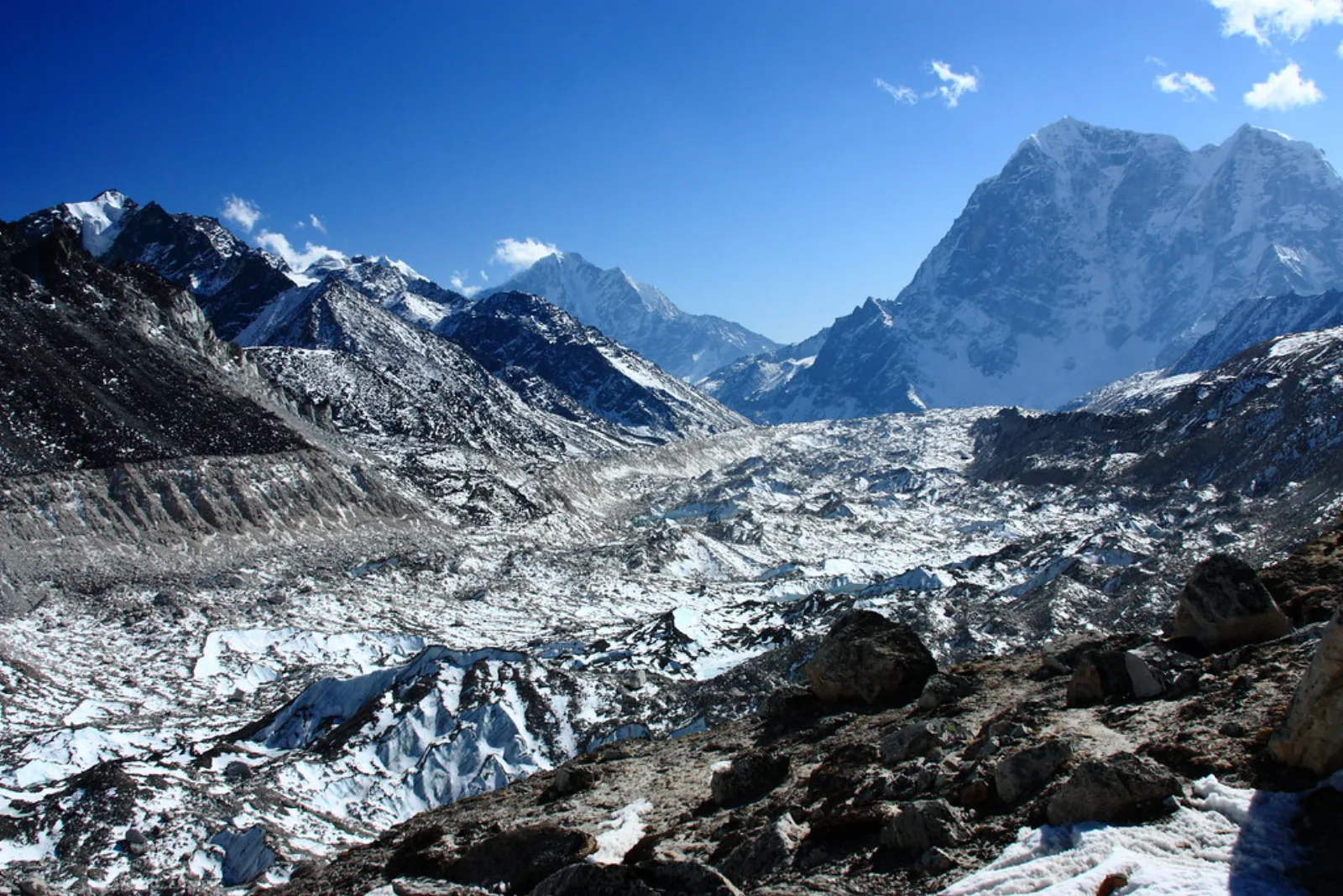
The trail follows the Dudh Koshi valley through Sherpa settlements before climbing toward the Khumbu Glacier. Plan a gradual ascent with rest days; altitude affects even fit trekkers, and the walk back down is part of the effort.
The route lies in Sagarmatha National Park. Check current park entry, trekking guide and TIMS requirements, and build a weather buffer into your flight plans to Lukla.
View in GoExploringTrek to Annapurna Base Camp
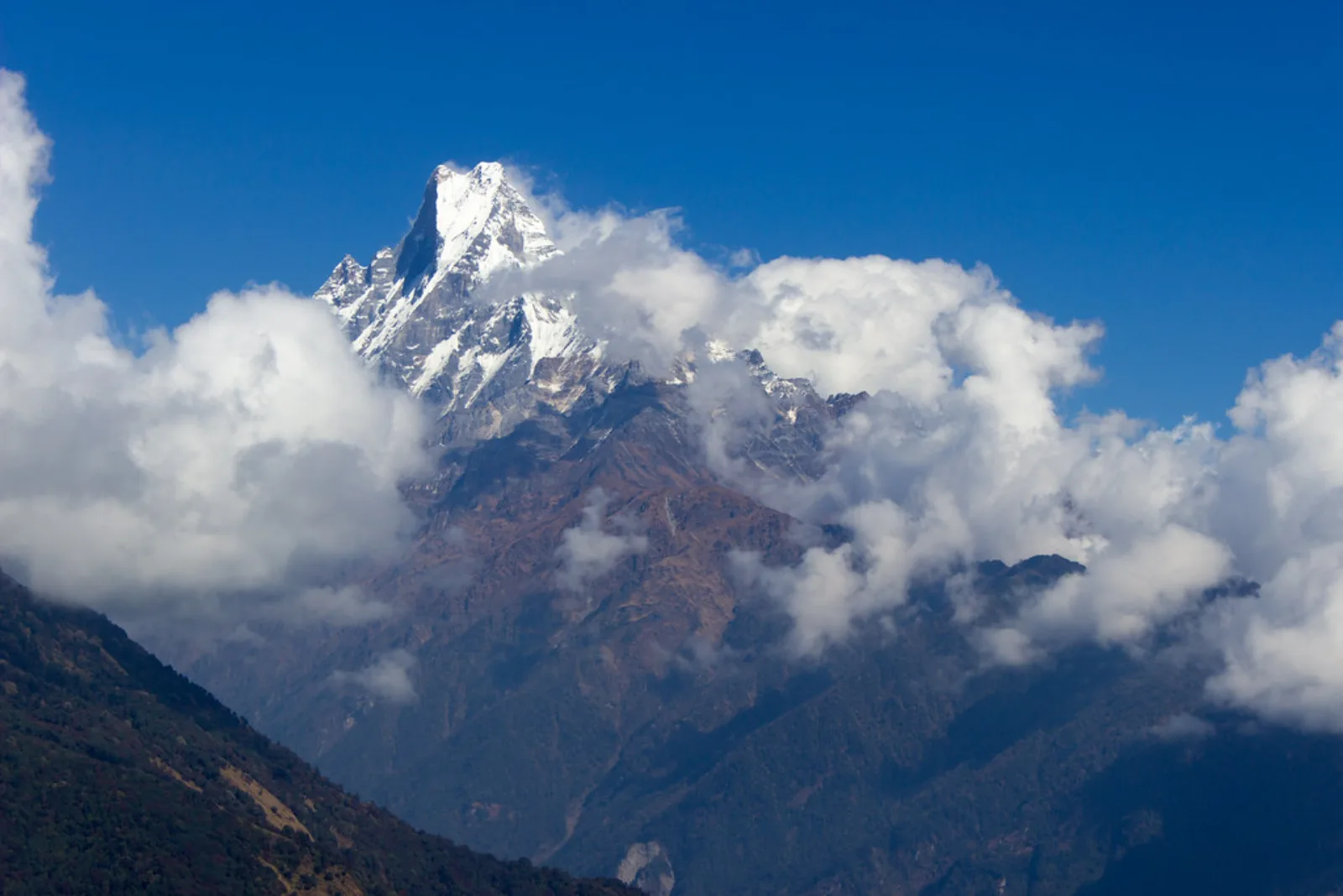
Stone steps and village trails lead into a high glacial basin ringed by the Annapurna range. The route passes through changing forest and mountain terrain, with teahouses along the way.
Allow time to ascend steadily and check trail and weather conditions locally. Routes can be affected by rain, snow or landslides, and the altitude still deserves respect.
View in GoExploringCross Thorong La on the Annapurna Circuit
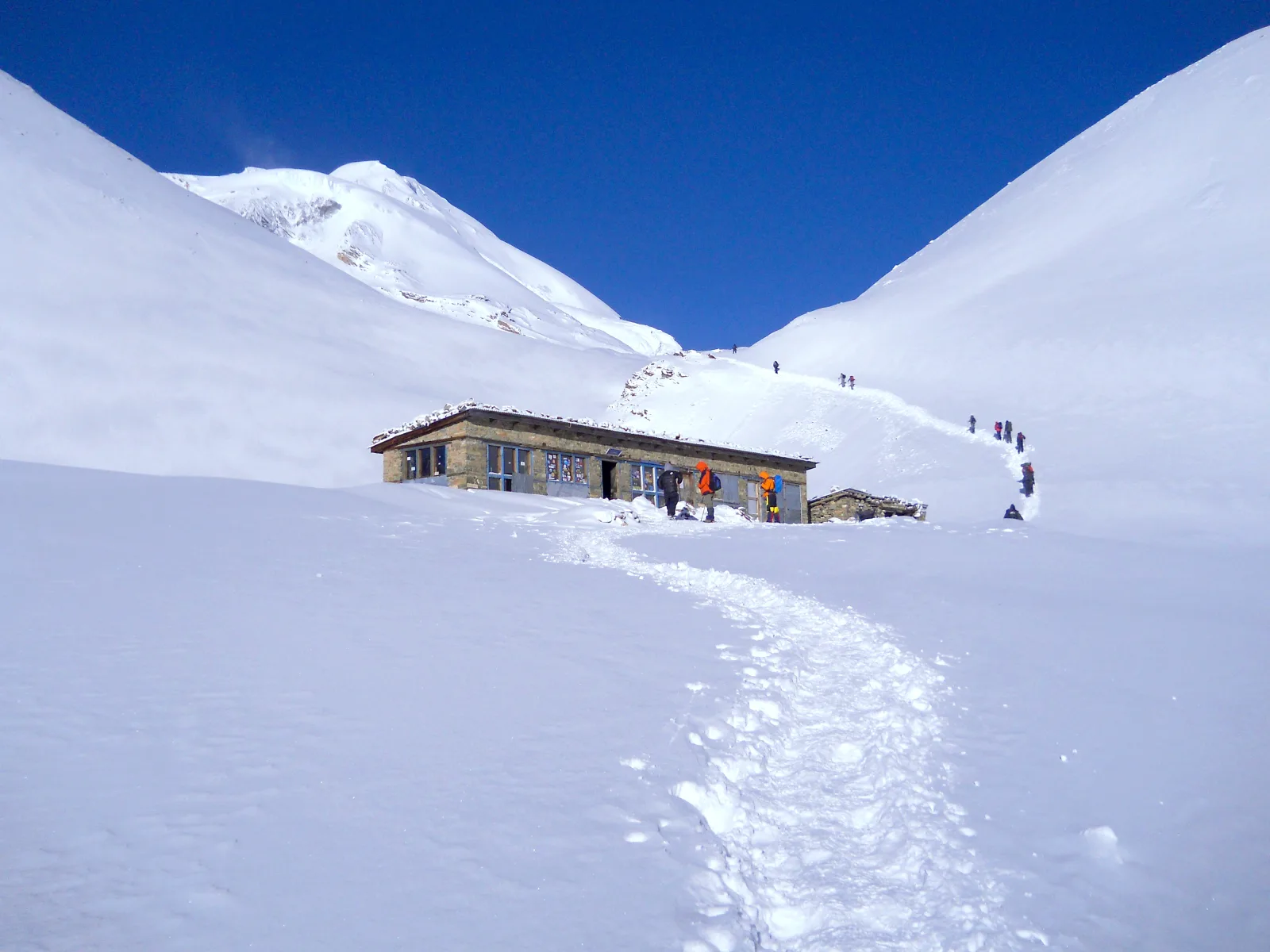
The circuit climbs from the Kali Gandaki side to Thorong La, a high pass above 5,400 metres, then descends toward Muktinath. The crossing is a long, cold day at altitude.
Acclimatize before the pass and start early with a local guide. Snow and wind can change conditions quickly; follow local advice on whether the crossing is safe.
View in GoExploringCross Larkya La on the Manaslu Circuit
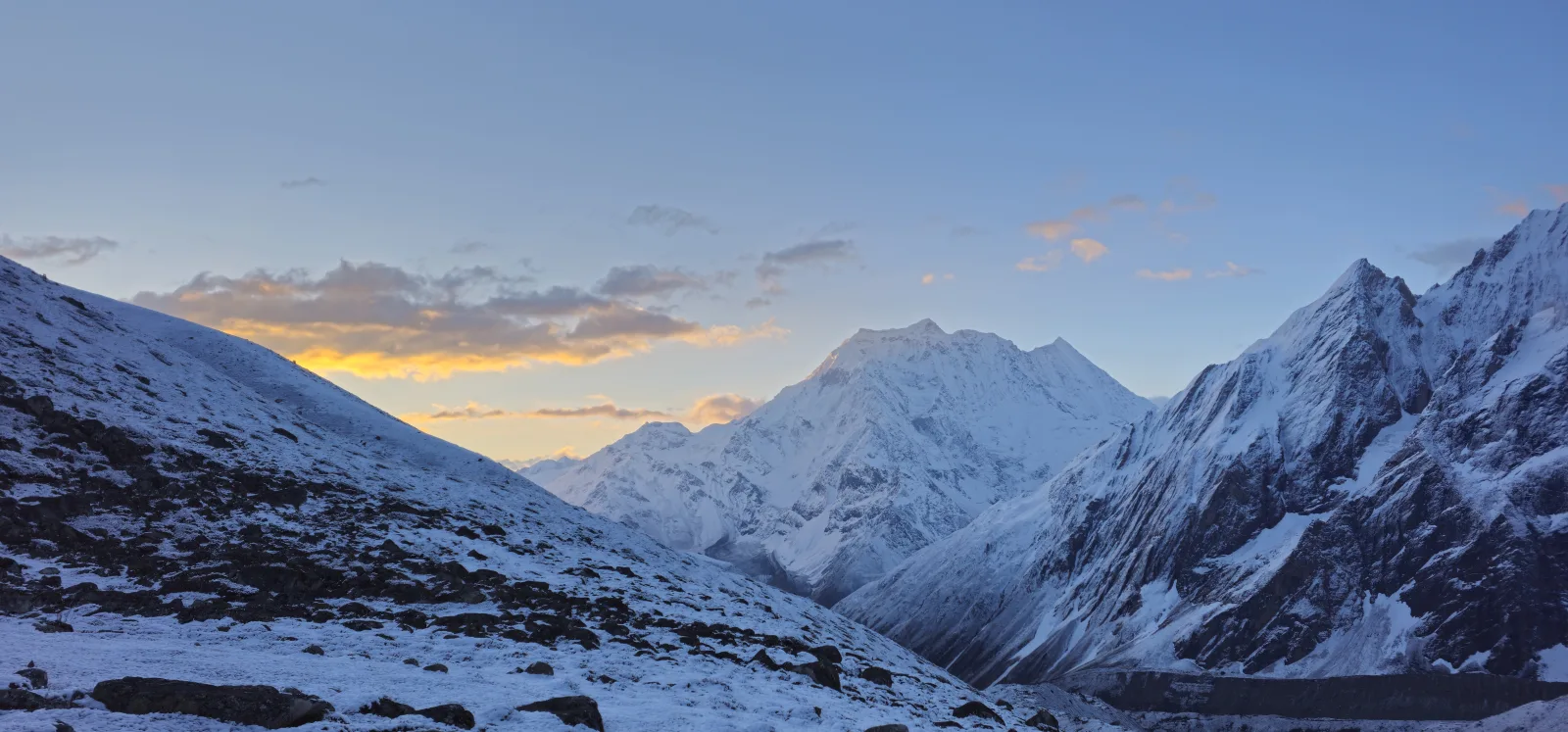
The Manaslu route climbs through villages and glacial valleys before crossing Larkya La. It takes you through a remote stretch of the Himalaya where the pace, weather and altitude shape each day.
Manaslu is a restricted trekking area. Arrange the required permits and guide through a registered agency, and plan the route with enough days for acclimatization and delays.
View in GoExploringTrek through Tsum Valley to Mu Gompa
Tsum Valley branches north from the Manaslu region, with a route through villages and Buddhist sites toward Mu Gompa. A slower itinerary leaves time to understand the valley as a living community, not just a mountain corridor.
Tsum is a restricted area, so permits and a licensed guide are required. Respect monastery customs and ask before taking photographs of people or religious spaces.
View in GoExploringClimb Island Peak
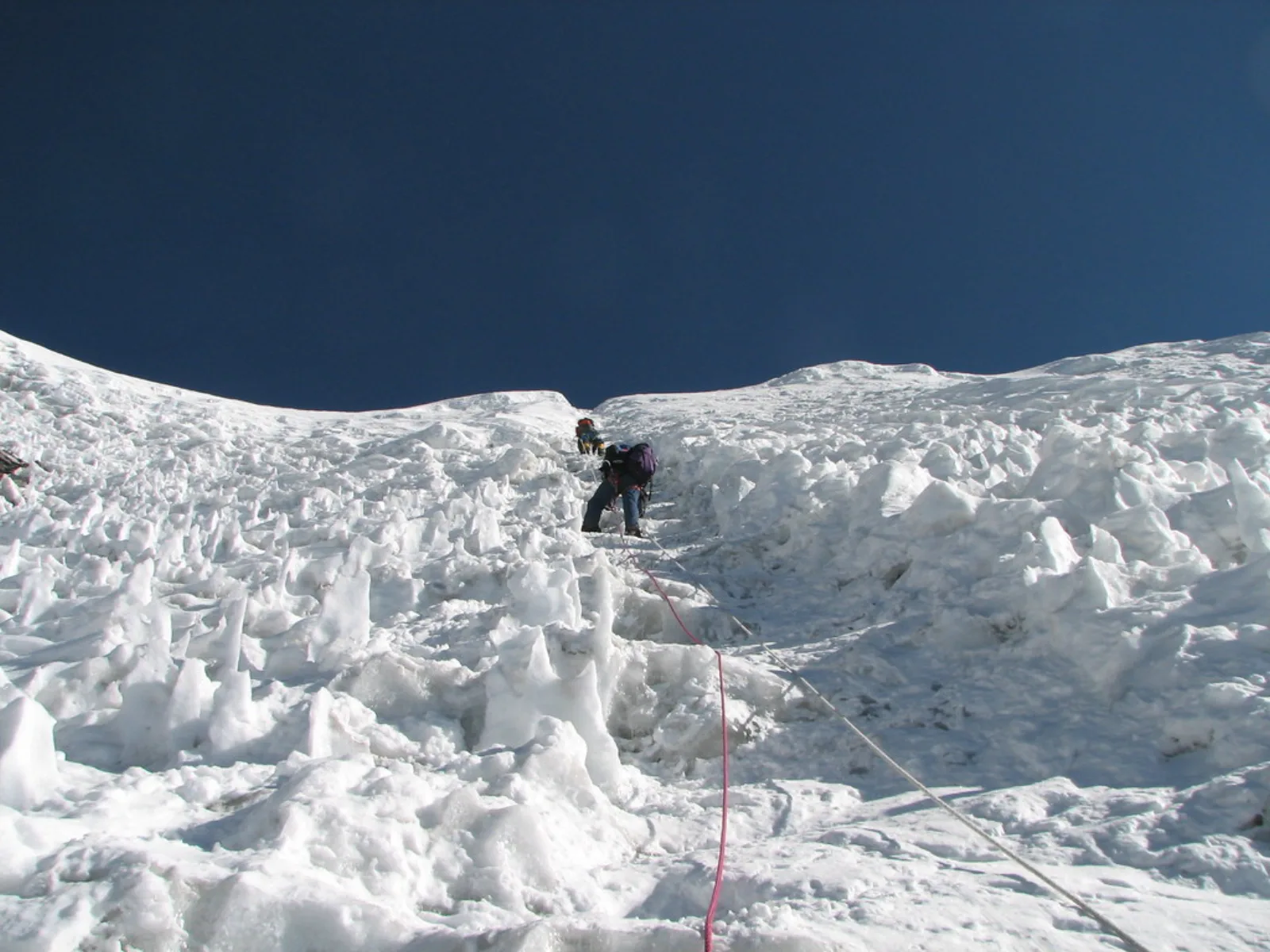
Island Peak rises above the Khumbu trekking routes and is a demanding mountaineering objective. The summit approach involves glacier travel, fixed ropes and a high-altitude climbing day.
Go with a qualified climbing guide and use the required technical equipment. Build in acclimatization and a spare day; a trekking background alone does not prepare you for glacier travel.
View in GoExploringClimb Kyanjin Ri
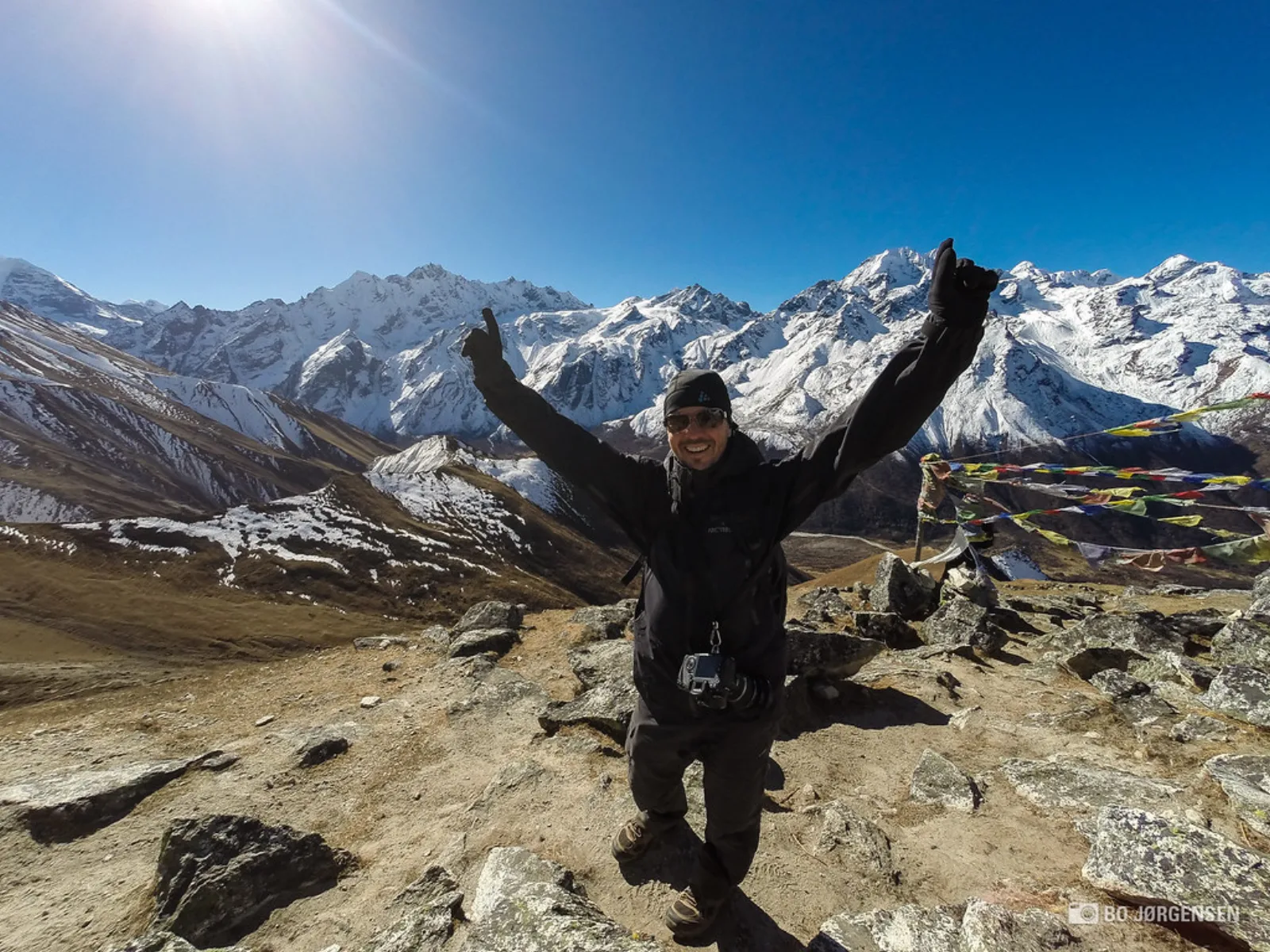
From Kyanjin Gompa in Langtang, a steep trail climbs to a viewpoint above the village. The climb is shorter than a multi-day trek, but the altitude makes a measured pace worthwhile.
Spend time acclimatizing in the valley first. Carry warm layers and turn around if weather or altitude symptoms make the descent uncertain.
View in GoExploringHike the Mardi Himal ridge
The trail climbs through forest and open high country to a ridge with close views of Machhapuchhre. Mardi Himal is a shorter trekking option from Pokhara, though its upper camps still sit at serious altitude.
Use a steady itinerary, check current trail conditions and carry clothing for fast changes in mountain weather. Confirm guide and TIMS requirements for your route before departure.
View in GoExploringHike to Murma Top above Rara Lake
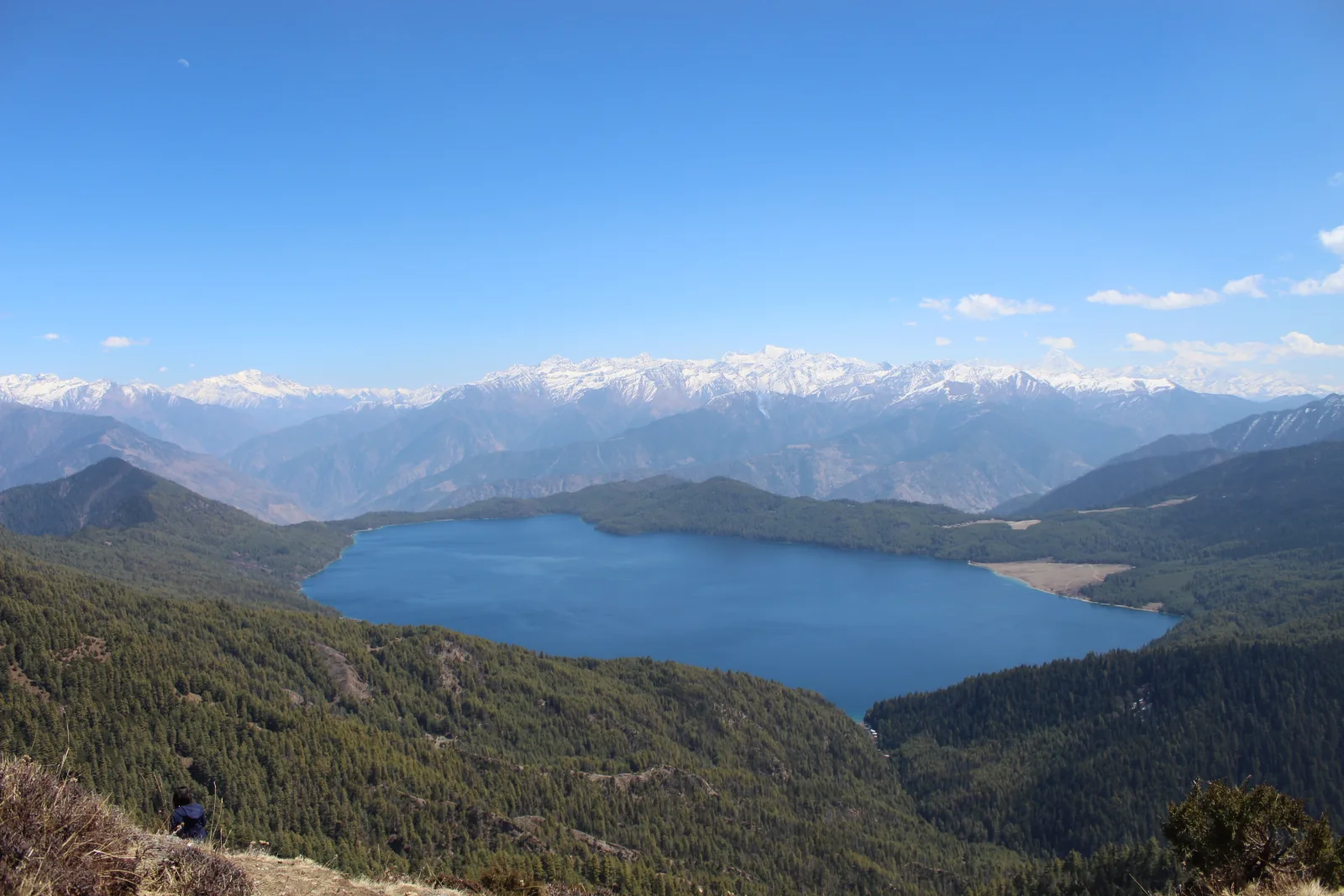
Murma Top looks down over Rara, Nepal's largest lake, in the remote Karnali region. The hike adds a high viewpoint to a trip that already takes planning to reach.
Allow extra time for transport delays and changing weather. Check Rara National Park entry procedures and arrange local guidance for the approach.
View in GoExploringClimb Poon Hill before sunrise
The staircase above Ghorepani leads to Poon Hill, where dawn reaches the Annapurna and Dhaulagiri ranges. It is a popular short trek, but the early start and uphill climb are easier after a night in Ghorepani.
Bring a headlamp and warm layers, and stay on the marked path in the dark. Check route conditions and the current conservation-area entry requirements.
View in GoExploringParaglide above Pokhara
Tandem flights launch from the hills above Pokhara and pass over the valley with views toward Phewa Lake and the Annapurna range. Flights depend on wind, visibility and the operator's assessment.
Book with a licensed operator, check what safety equipment and briefing are included, and do not pressure a pilot to fly in poor conditions. Nepal Tourism Board notes that monsoon weather affects flying.
View in GoExploringRaft the Trishuli from Charaudi
The Trishuli is one of Nepal's most accessible whitewater rivers. A day on the water from Charaudi brings rapids, quieter stretches and river scenery within reach of the Kathmandu–Pokhara road.
Choose an established operator with trained river guides, fitted helmets and flotation devices, and a clear safety briefing. Trips depend on river levels; the Nepal Tourism Board recommends checking seasonal conditions.
View in GoExploringRaft the Karnali to Chisapani Bridge
The Karnali expedition follows serious whitewater through western Nepal toward the plains. Several days on the river mean camping, remote logistics and sustained paddling rather than a quick roadside run.
Book with an experienced expedition outfitter and ask how it handles rescues, communications and unsafe water levels. This trip is for people prepared for remote camping and demanding rapids.
View in GoExploringDescend Jalbire Canyon
Jalbire Canyon, along the Trishuli corridor, offers a guided descent through waterfalls and narrow rock channels. Canyoning uses ropes and water movement to travel through terrain that is not a hiking trail.
Go with a qualified canyoning operator who supplies and checks the technical equipment. Ask about water conditions and cancellation criteria before setting out.
View in GoExploringWalk through Bardiya National Park with a naturalist
Bardiya's lowland forests and grasslands offer a different kind of Nepal wildlife trip from the mountain regions. A guided walk moves quietly through the park with a naturalist who reads signs and manages safe distance from wildlife.
Park entry and an authorized guide are required for this walk. Follow the guide's instructions, keep a safe distance from animals and confirm seasonal access with the park office.
View in GoExploringCanoe the Rapti from Sauraha
A canoe trip on the Rapti offers a low, quiet view of Chitwan's riverbanks. You may see birds or crocodiles, but wildlife sightings are never guaranteed.
Use an authorized local operator, follow the boat crew's instructions and keep hands clear of the water. Combine the trip with time in Sauraha or another park-side community rather than rushing through on a day transfer.
View in GoExploringTake a jeep safari in Chitwan National Park
A jeep safari covers more ground than a walk in Chitwan and can reach grassland and forest habitats where rhinoceroses, deer and other wildlife live. A sighting depends on luck and patience.
Arrange entry and a park-approved trip through a licensed local operator. Keep to park rules and never ask a driver to approach or disturb an animal for a photograph.
View in GoExploringStay with Tharu hosts in Barauli
Barauli gives you time with Tharu hosts in the Terai, where village life and local food can be part of the stay. A homestay makes a useful counterpoint to the region's park drives and wildlife walks.
Arrange the visit directly with a community homestay or responsible local operator. Ask about household customs before taking photographs, and choose activities led by residents so the visit supports the people sharing their home.
View in GoExploringKayak across Phewa Lake
Rent a kayak from Baidam and paddle across Phewa Lake beneath the green hills around Pokhara. The water is calmer than Nepal's whitewater rivers, though wind and boat traffic can still affect a crossing.
Use a properly fitted life jacket and check conditions before leaving shore. Keep clear of motorboats and follow local directions around Tal Barahi island.
View in GoExploringWalk through Janaki Mandir's courtyards
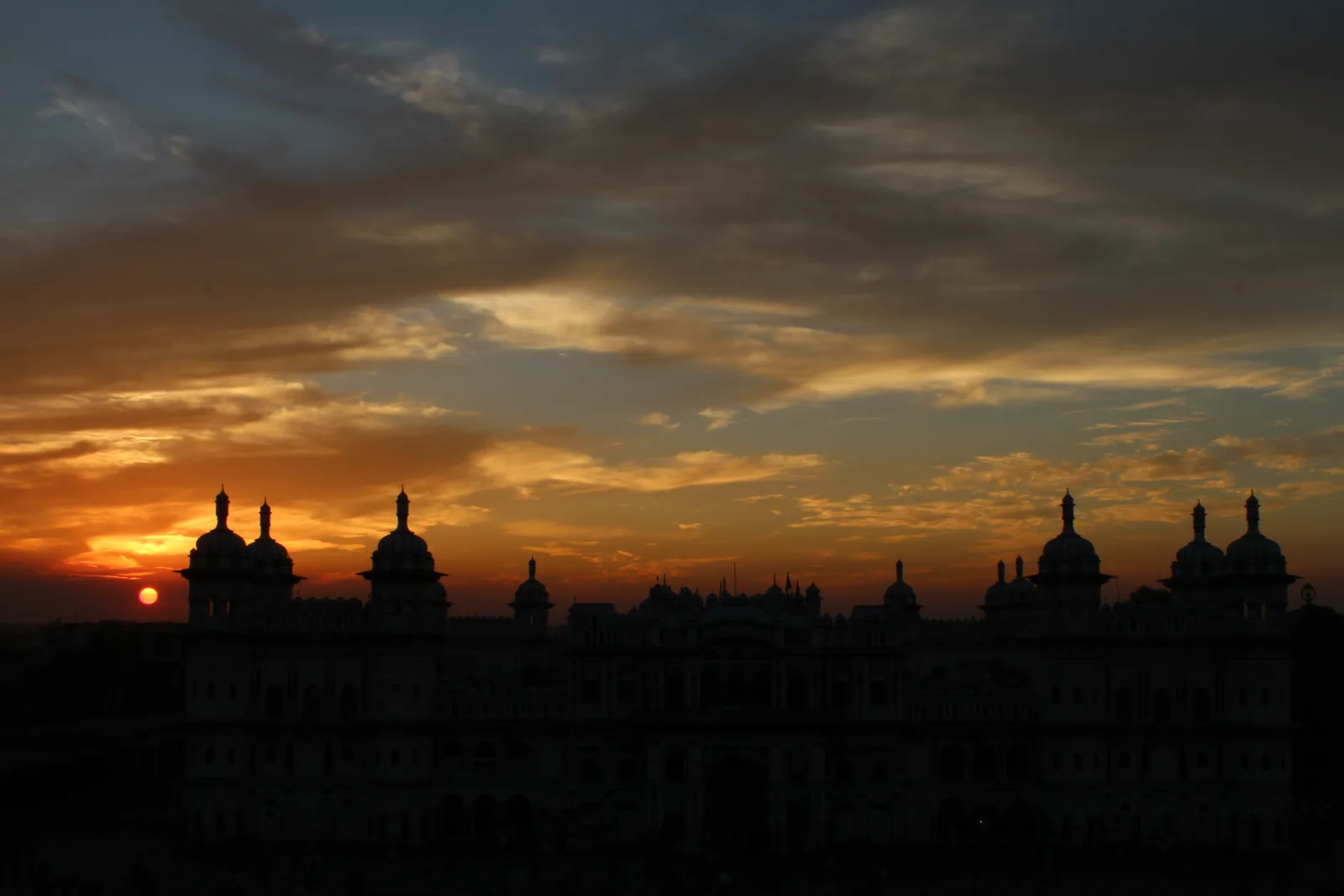
Janaki Mandir in Janakpur is a major Hindu pilgrimage site associated with Sita. Its courtyards offer a close look at a religious place still used for worship, far from the trekking routes most visitors associate with Nepal.
Dress respectfully, remove shoes where requested and avoid interrupting worship. Ask before photographing people or ceremonies.
View in GoExploringPlanning a Nepal adventure trip
Kathmandu is the usual starting point for the Everest region and central rafting routes. Pokhara works well for Annapurna treks, paragliding and lake activities. For Chitwan and Bardiya, plan a separate Terai leg; western Nepal takes time to reach.
Read more about Nepal's best hikes and wildlife experiences.
Before setting out
- Check the Nepal Tourism Board's current TIMS and guide rules for your exact trekking route.
- Obtain restricted-area and protected-area permits before entering controlled regions.
- Allow acclimatization days on high routes and descend if altitude symptoms worsen.
- Confirm river, flight and canyon conditions directly with licensed operators.
- Ask local communities before photographing people, homes or religious activity.
Official planning sources
- Nepal Tourism Board: TIMS card and trekking guide requirements
- Nepal Tourism Board: trekking permits for restricted areas
- Nepal Tourism Board: national park entry permits
- Nepal Tourism Board: rafting, kayaking and canoeing
- Nepal Tourism Board: paragliding and ultralight flights
- Nepal Tourism Board: Chitwan National Park