
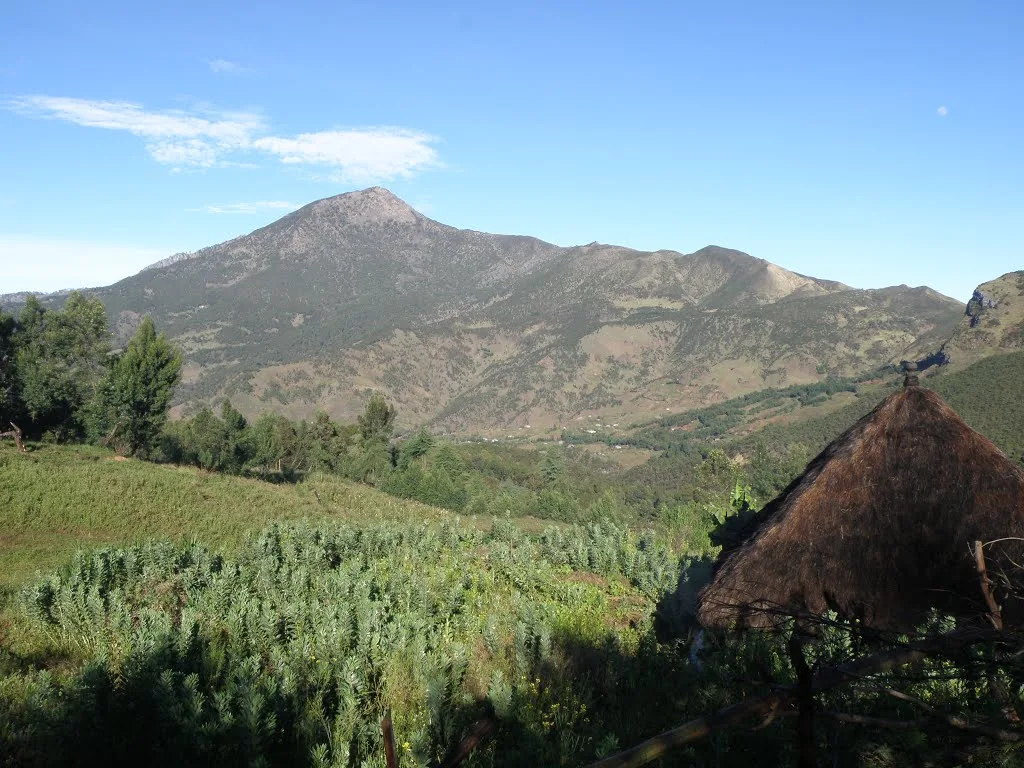
On this 10-day Timor-Leste itinerary, a few nights on Ataúro Island make room for reef trips and village visits; a separate journey into the highlands leads to Mount Ramelau. Dili connects the two. The route leaves time for uncertain boat and road connections, which are as much a part of planning here as choosing a hike.
What to know before you go
- For Ataúro: Book your island stay and confirm the boat, landing point and transfer with your host. Ask what meals, drinking water, electricity and payment options are available. Leave a night in Dili after returning in case the crossing is delayed.
- For Ramelau: Stay near Hato Builico before the climb. Bring a headlamp, warm layers, water and shoes with grip; ask a local guide about the forecast and an appropriate start time.
- For the roads: Highland travel can take longer after heavy rain. Agree the route and timing with your driver, and check entry requirements and travel advice before departure.
Day 1: Arrive in Dili
Spend your first afternoon settling into Dili. Walk along the waterfront if you have time, then try a local meal and a cup of Timorese coffee. Leave the evening free to confirm your island crossing and any pickup with your accommodation.
A visit to the Tais Market introduces the woven textiles made in different parts of the country. Ask before photographing vendors and check opening arrangements locally. If your flight arrives late, save the market for your return to Dili.
View in GoExploring
Day 2: Cross to Ataúro Island
Travel to Ataúro on a confirmed sailing or boat transfer and settle into your island accommodation. Agree the landing point and transfer with your host, and carry what you need for the crossing in a waterproof bag. Sea conditions can change the schedule, so avoid tightly timed onward plans.
Spend the rest of the day near your accommodation. Ask your host about village walks, reef access and the locally appropriate way to visit. Accommodation, meals and transport arrangements vary between communities.

Day 3: Explore Ataúro's reefs
Choose a snorkelling or diving trip with a local operator. Ask where you will enter the water, how strong the currents are and whether the trip matches your experience. Divers should discuss certification, equipment and the time needed before their next flight.
The reef is the attraction, so keep fins and hands clear of coral and follow local marine-protection rules. Wildlife sightings are never guaranteed; leave animals room and let your guide set a respectful distance.
View in GoExploringDay 4: Walk and meet island makers
Spend a day on land. Ask your accommodation to arrange a village walk or a visit with local makers, and confirm the timing and price in advance. The Boneca de Ataúro sewing cooperative is one option to investigate. Buying directly from makers gives you a chance to learn about their work and bring home something with a connection to the island.
Keep the afternoon flexible for a swim where your hosts advise it is safe, or simply rest after the previous day's water activities. Ask permission before taking photographs of people or entering private spaces.
View in GoExploringDay 5: Return to Dili
Return to Dili on a crossing confirmed with your host. This is a travel day, with spare time built in for a delayed boat. Once ashore, enjoy dinner in the capital and ask your driver or accommodation about the road to the highlands.
If the boat does not run, use the extra island time and adjust the highland portion with your hosts. Do not rely on the last possible crossing to make an international flight.
Day 6: Travel towards Hato Builico
Leave Dili for the highlands and spend the night near Hato Builico, the starting area for Mount Ramelau, also known as Tatamailau. Arrange a vehicle and driver familiar with current road conditions. Allow most of the day for the journey and stops.
Before setting out, confirm your accommodation, meals and a local guide. The mountain is sacred, so ask your hosts about local customs and treat the summit and other sites with respect. Pack warm layers and a headlamp for an early start.

Day 7: Climb Mount Ramelau
Start before dawn if the weather and your guide support a sunrise ascent. The climb is a mountain walk rather than a casual pre-breakfast stroll: the trail is dark at the start, the air can be cold, and conditions can change quickly. Bring water and shoes with grip.
At the summit, take time to appreciate the highland views if the clouds clear. Descend carefully and return to your accommodation to rest. A later departure or a different walk is a better choice if the weather is poor.
View in GoExploring
Day 8: Coffee country
Plan a visit to a coffee producer around Letefoho if your driver and host confirm that the road, timing and visit can be arranged. Ask in advance whether a farm is welcoming visitors and what the visit includes. Depending on the season and the host, you may learn about cultivation, processing or preparing a cup.
Road conditions and the time needed to travel from Hato Builico can change the plan. If the connection is impractical, spend the day around your highland base and arrange a coffee experience on another date. Overnight where your driver recommends for the next day's return.
View in GoExploring
Day 9: Return to Dili
Travel back to Dili with a generous margin. This night in the capital protects the international departure from highland road delays. If you arrive early, revisit the waterfront or browse textiles that you missed at the start of the trip.
Ask about the meaning and origin of a piece before buying it, and agree the price with the seller. A relaxed final dinner is a good chance to try another local dish and check tomorrow's airport transfer.
Day 10: Departure
Confirm your airport transfer and leave time for traffic and check-in. If you have a late flight, choose a short activity in Dili rather than another remote outing. Anyone who has been diving should follow their operator's guidance on the interval before flying.
For more detail on island stays and the mountain ascent, read our Timor-Leste adventure guide. The Ataúro Tourism Association and Timor-Leste Tourism are useful starting points for confirming local arrangements.