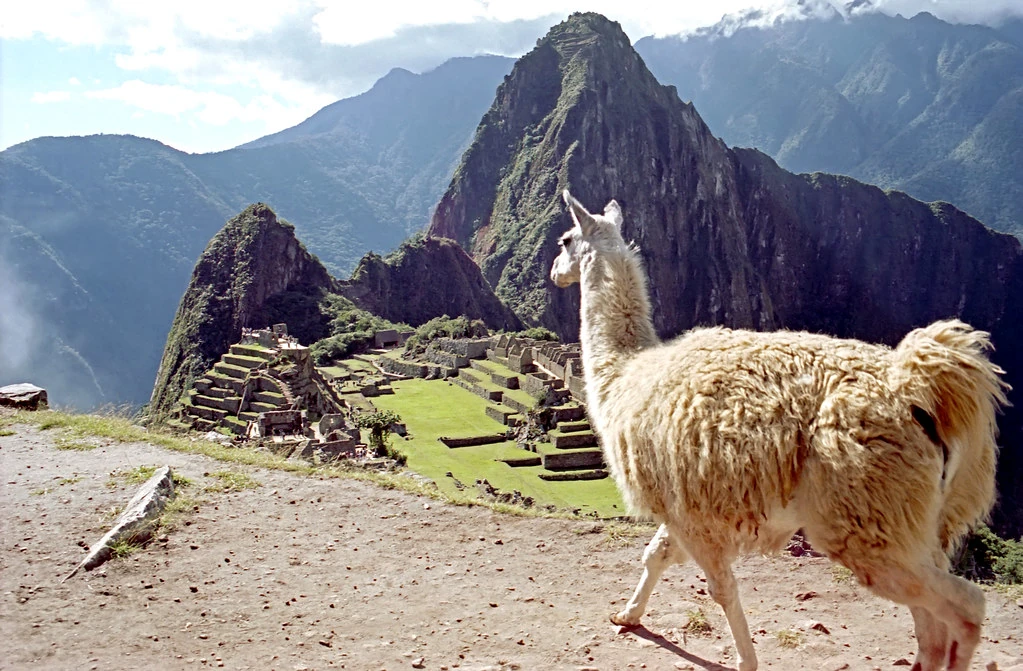

Peru's archaeology spans far more than the Inca Empire. Monumental coastal cities predate it by millennia, painted temples survive in northern desert valleys and Chachapoya settlements occupy cloud-forest ridges. The most meaningful visits connect architecture to landscape and living communities rather than ranking every site against Machu Picchu.
Use official circuits, keep off walls and never remove pottery or stone. Tickets and access systems can change for conservation, so check with Peru's Ministry of Culture before traveling.
Peru archaeology at a glance
| Site | Region | Culture or period | Best feature |
|---|---|---|---|
| Machu Picchu | Cusco | Inca | Mountain urban complex |
| Caral | Lima region | Norte Chico/Caral | Early monumental city |
| Chan Chan | La Libertad | Chimú | Earthen citadels |
| Kuélap | Amazonas | Chachapoya | Walled ridge complex |
| Chavín de Huántar | Áncash | Chavín | Galleries and ritual art |
| Huaca de la Luna | La Libertad | Moche | Painted reliefs |
The 12 best archaeological sites in Peru
1. Explore Machu Picchu
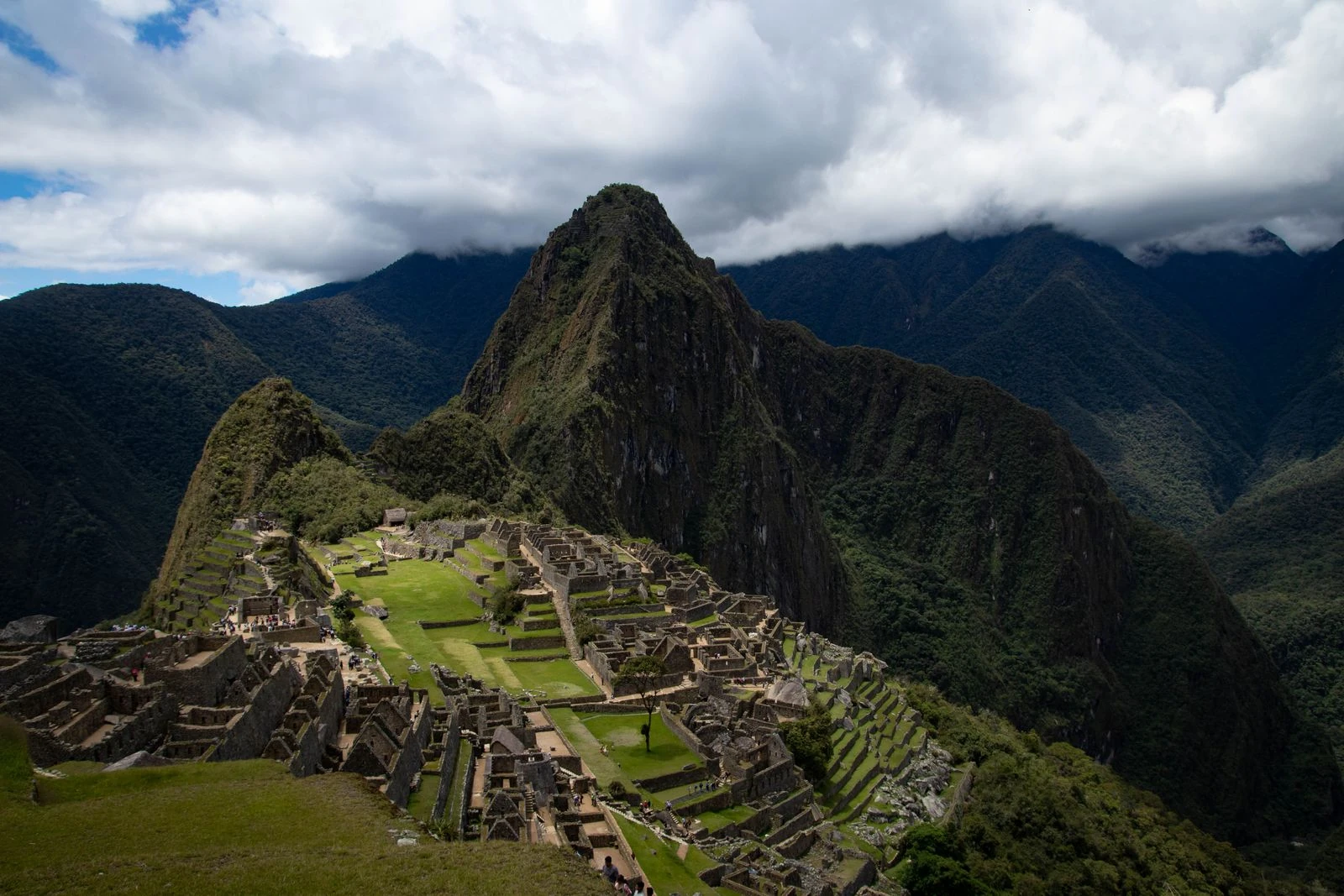
Machu Picchu's urban sectors, terraces and sacred architecture occupy a ridge between steep Andean peaks. Fixed circuits distribute visitors and determine which viewpoints and structures each ticket includes.
Buy through the official system, carry identification and follow the exact circuit and entry time. Do not climb walls or attempt to reverse one-way movement for a photograph.
2. Walk the Sacred City of Caral
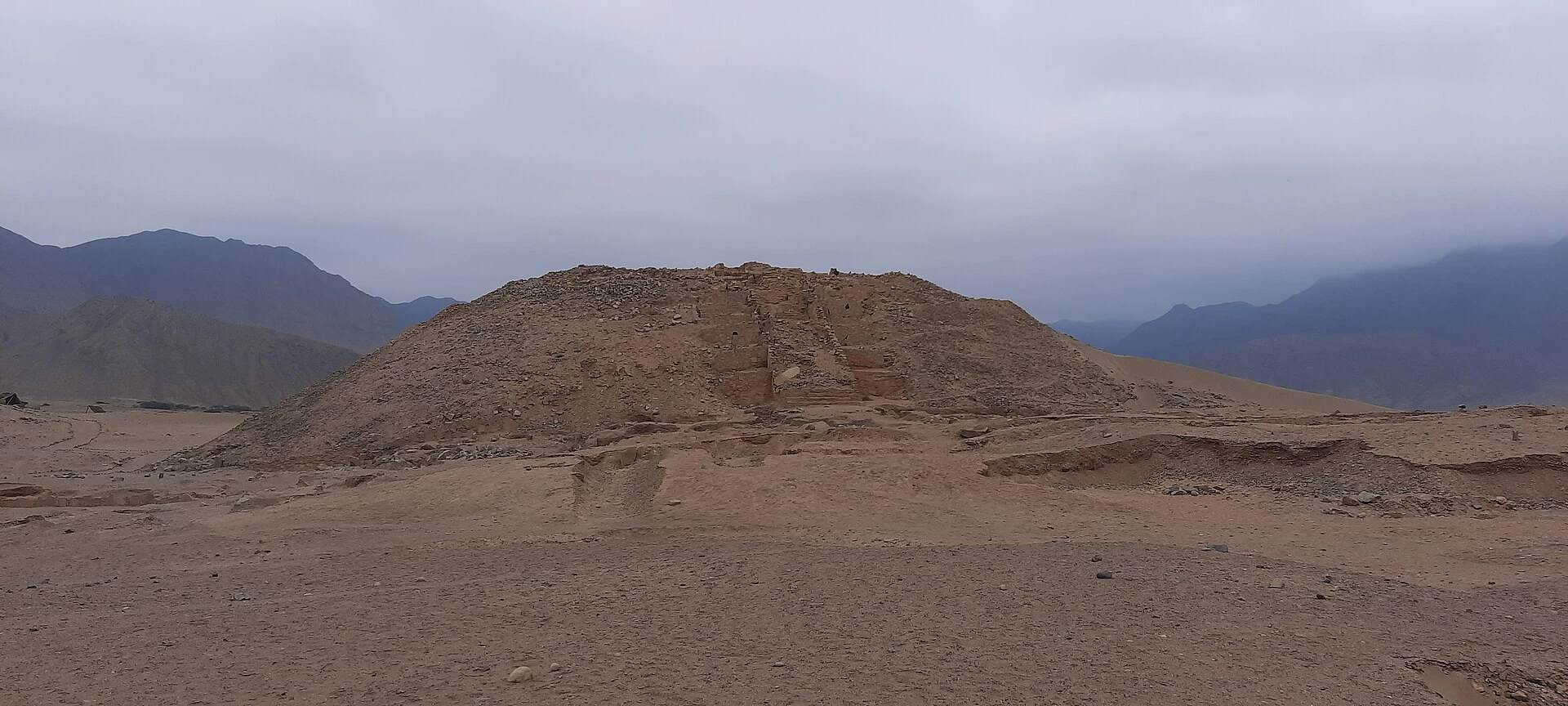
Caral developed in the Supe Valley roughly five millennia ago, making it one of the earliest monumental urban centres in the Americas. Sunken plazas and platform mounds reveal a society far removed from the later Inca world.
Use the official guided circuit and protect yourself from desert sun. Staying locally or using a responsible guide adds context that a rushed highway detour cannot.
3. Explore Chan Chan
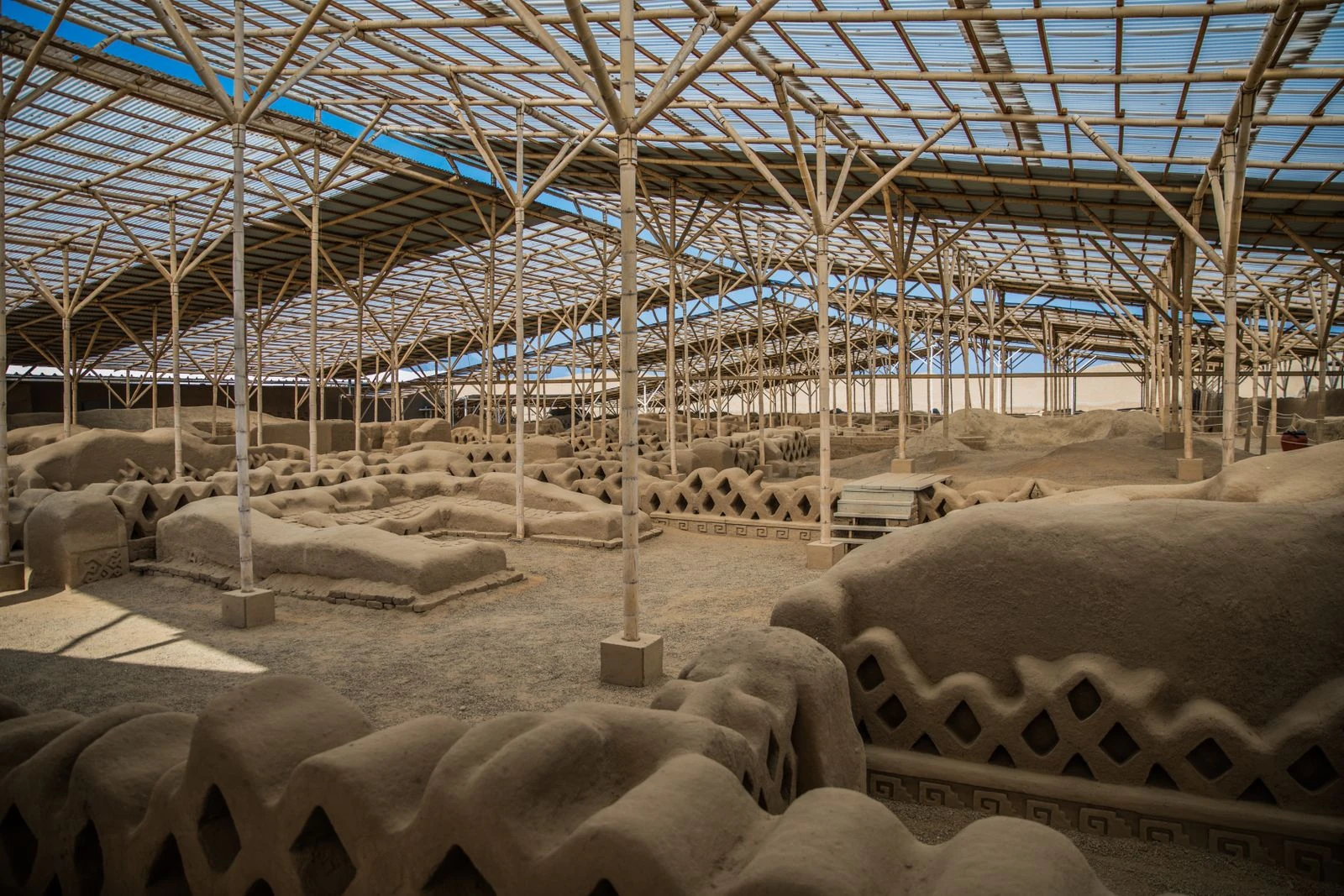
The Chimú capital covered a vast area near Trujillo with adobe compounds, plazas and reliefs. The Nik An visitor circuit provides a focused entrance into a city highly vulnerable to rain and erosion.
Stay on walkways and never touch earthen walls. Combine the site with a museum or specialist guide to understand the larger city beyond the restored circuit.
4. Visit Huaca de la Luna
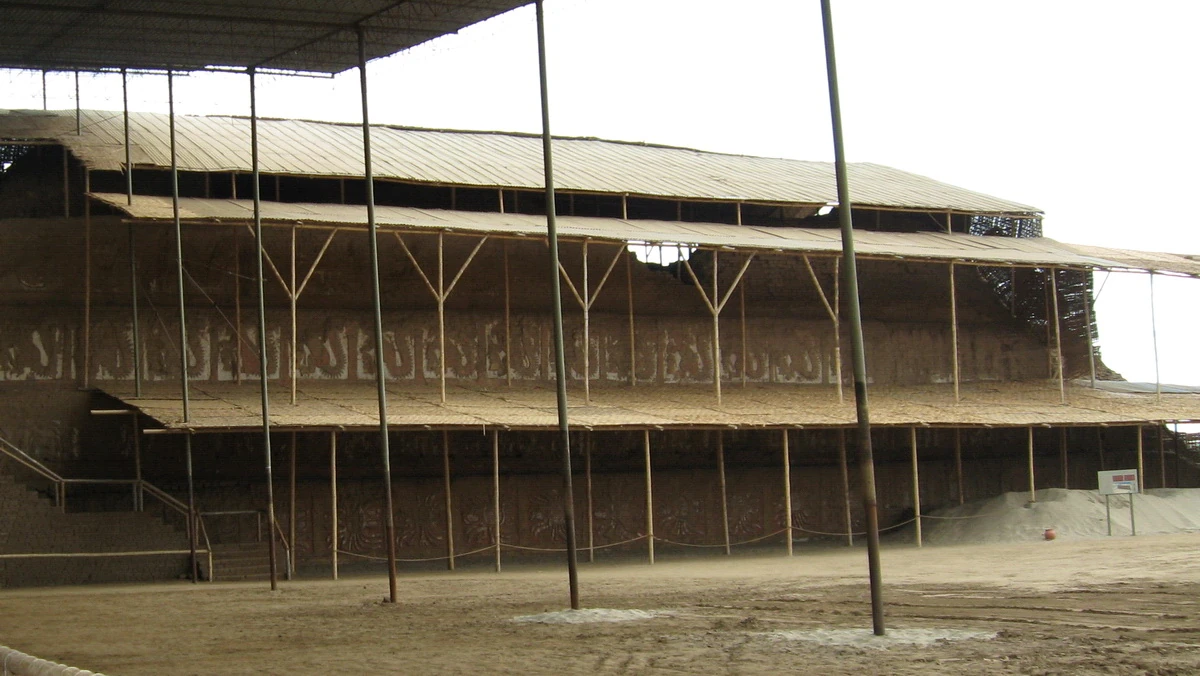
Moche builders created successive platforms at Huaca de la Luna, preserving colored reliefs and ritual spaces beneath later construction. The site faces Cerro Blanco across the former urban zone.
Use the authorized tour and obey photography rules. Pair it with Trujillo's other Moche and Chimú sites without compressing distinct cultures into one generic pre-Inca category.
5. Explore Kuélap
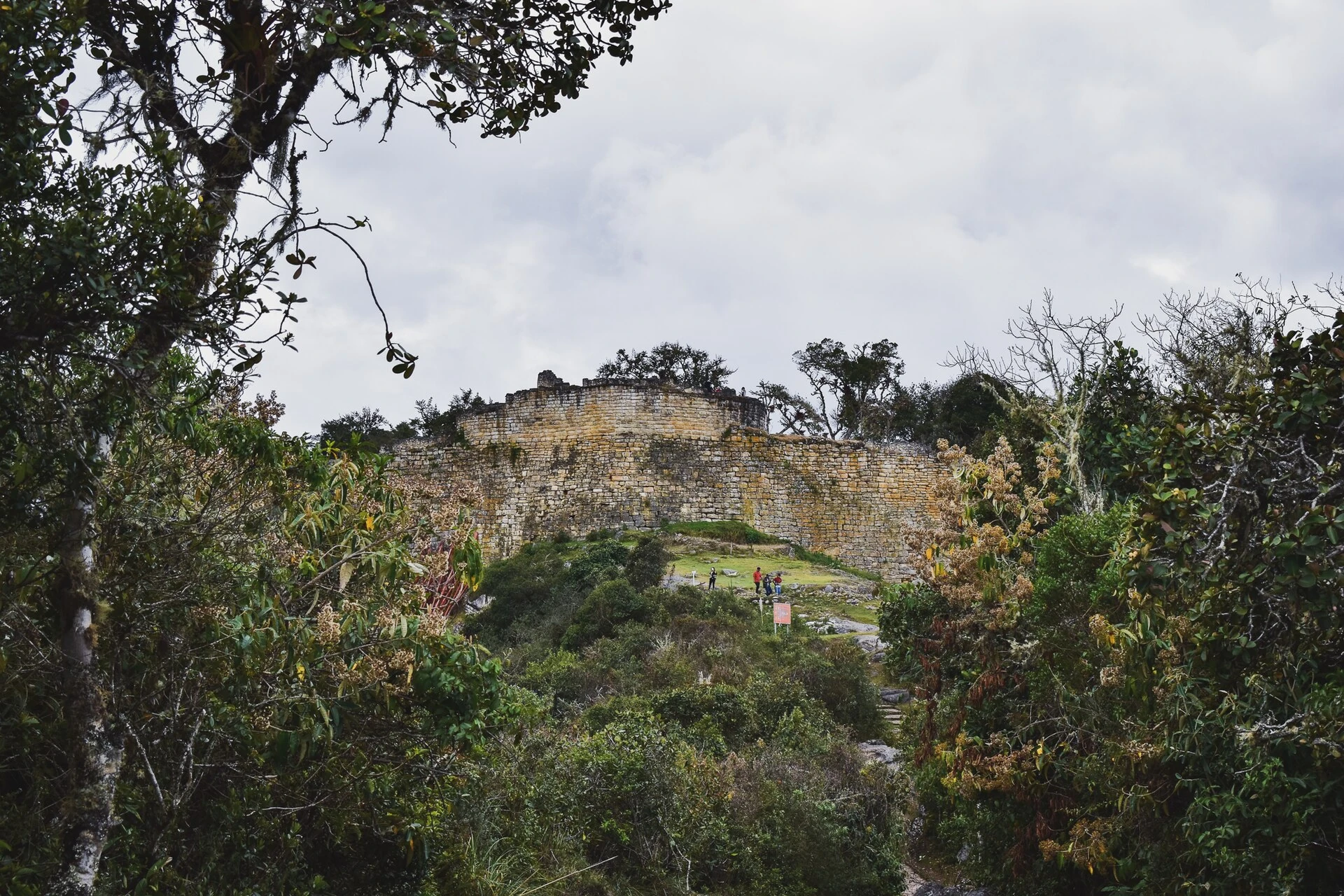
Kuélap's high walls and circular buildings occupy a cloud-forest ridge in Amazonas. Conservation concerns have changed visitor access and circulation, making current information essential.
Use only the open official circuit and keep off unstable structures. Spend several nights in the Chachapoyas region to connect the site with communities, forest and other local traditions.
6. Enter Chavín de Huántar
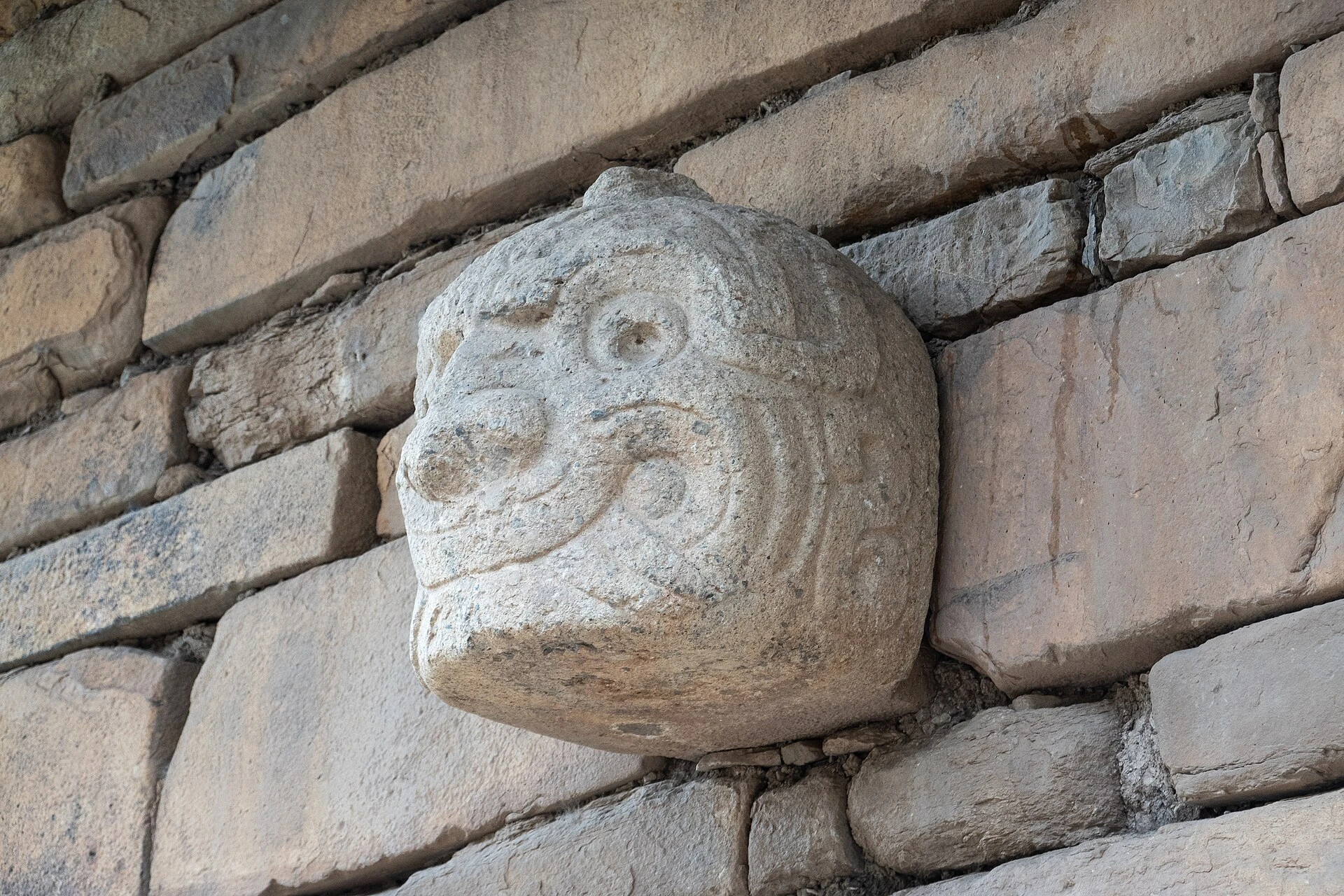
Chavín de Huántar developed around stone temples, internal galleries and sophisticated water management in the high Andes. The Lanzón and carved iconography reveal an influential religious centre rather than a conventional city.
Follow the guide and all gallery restrictions; narrow passages may close for conservation or safety. The site museum adds essential context to carvings that are difficult to interpret alone.
7. Walk Saqsaywaman
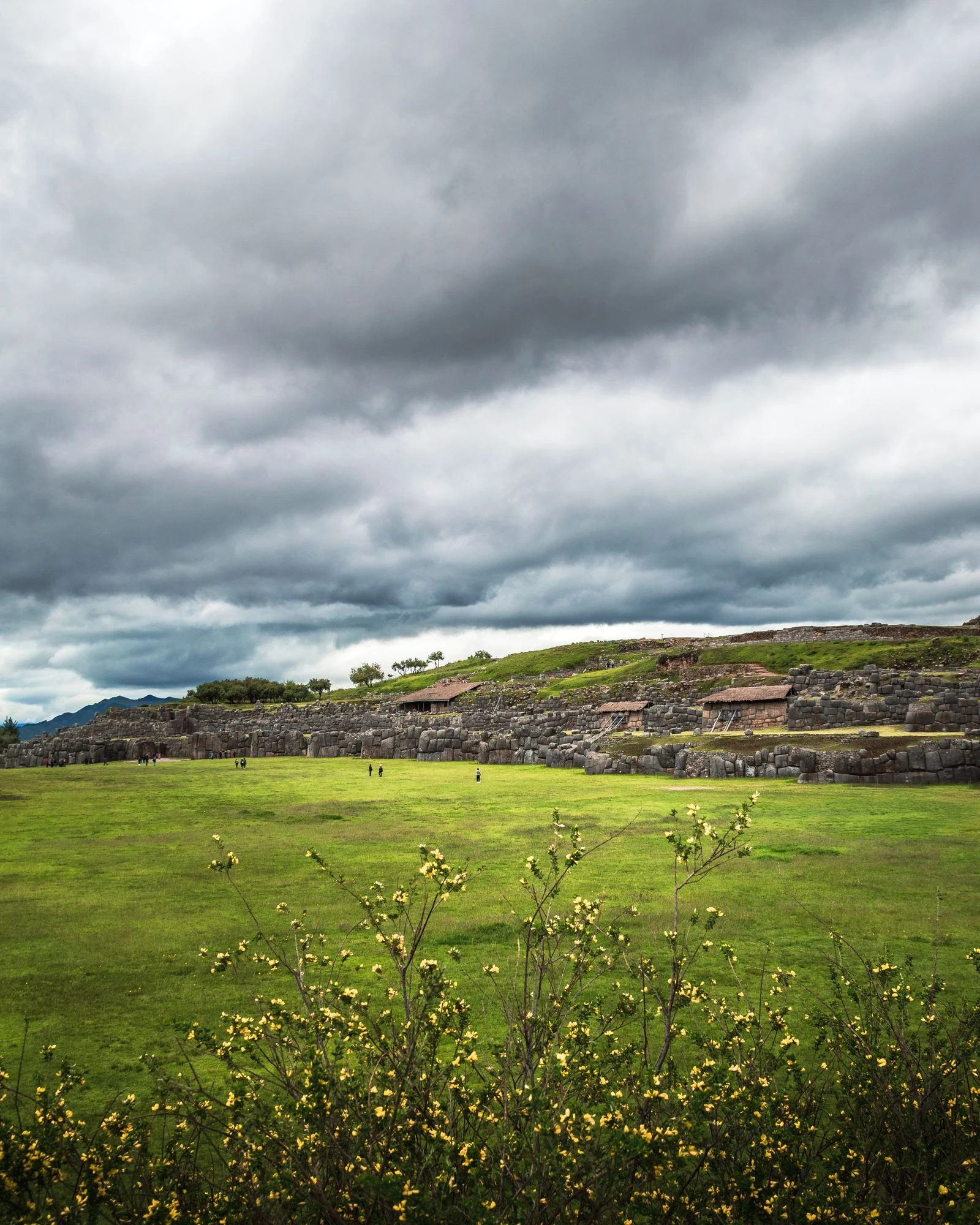
Massive fitted walls rise above Cusco at Saqsaywaman, framing ceremonial spaces and views across the city. Its scale is best understood on foot rather than as a brief vehicle stop on a multi-site ticket.
Use official paths and never climb the masonry. A knowledgeable local guide can explain construction and colonial transformation without repeating unsupported legends.
8. Explore Pisac
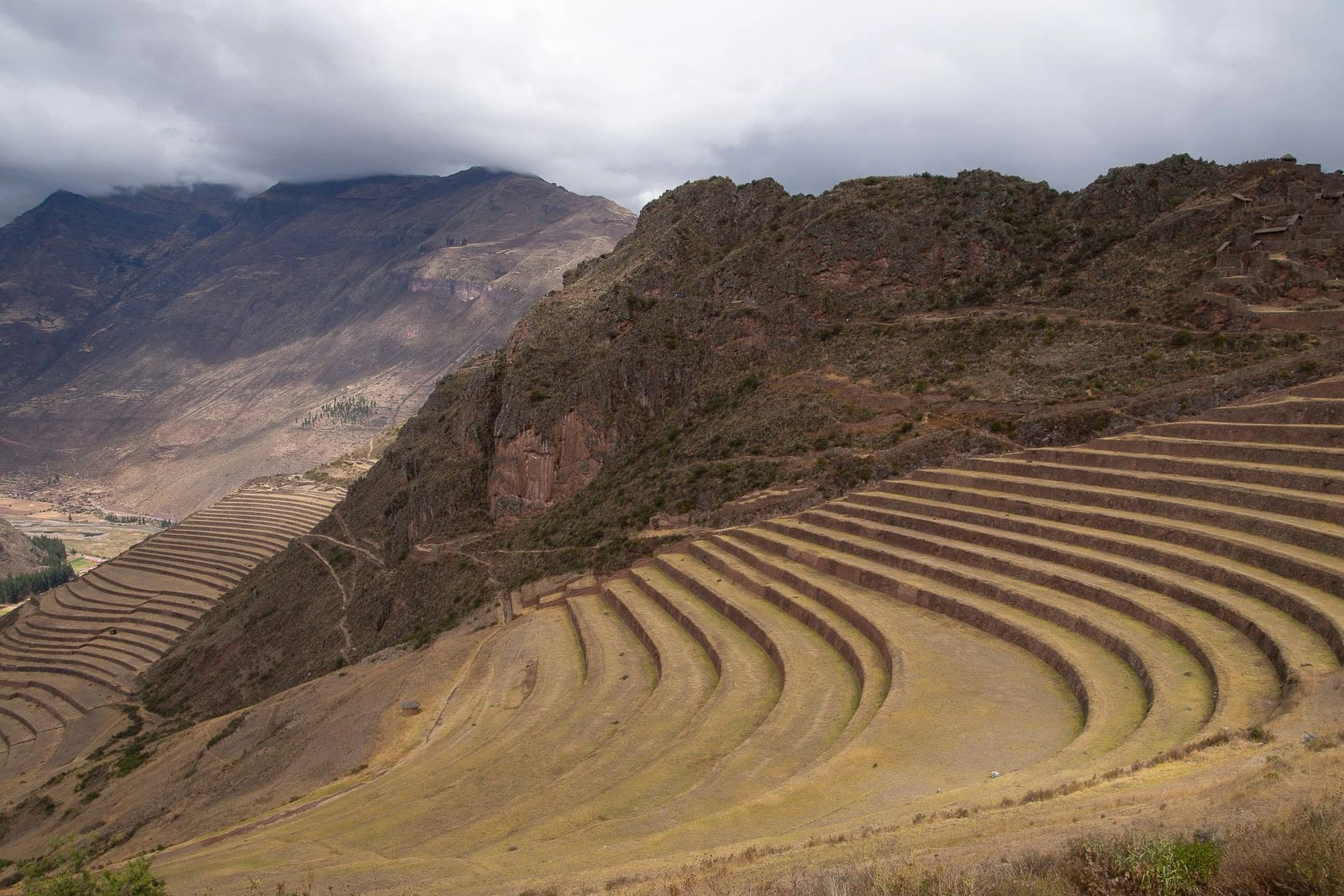
Pisac's terraces, settlement sectors and ritual architecture spread along a ridge above the Sacred Valley. Walking between sectors reveals water engineering and topography that the upper viewpoint alone misses.
Use the current route and transport arrangements, carry water and stay off agricultural walls. Combine the site with the present-day town respectfully rather than treating its market as an archaeological accessory.
9. Walk Pachacamac
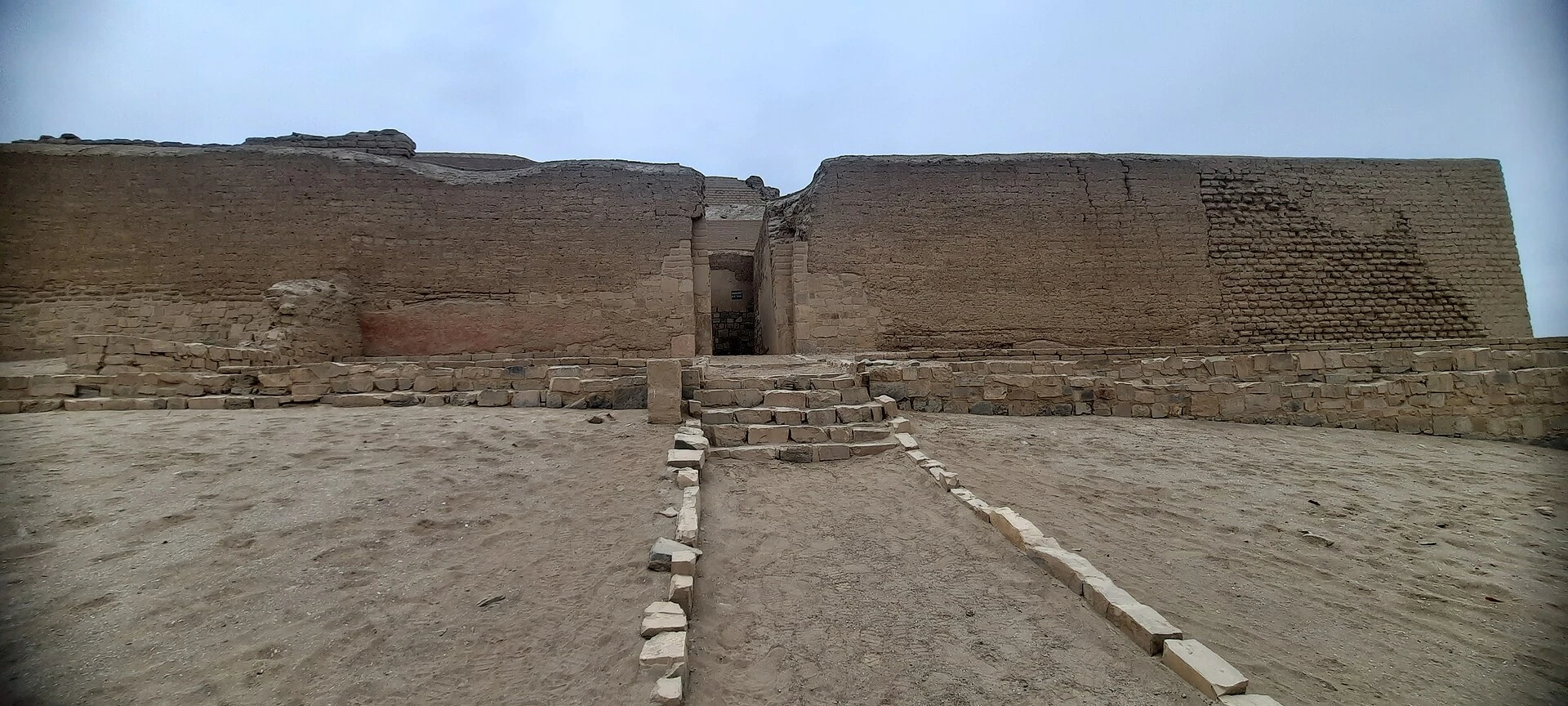
Pachacamac was a major pilgrimage centre near the Pacific for centuries before and during Inca rule. Roads, temples and adobe compounds occupy a broad desert landscape now bordered by metropolitan Lima.
Begin with the site museum and follow the official circuit. Heat and distance make water essential. Do not enter closed structures or climb mounds for an ocean view.
10. Explore the Nazca landscape from the ground
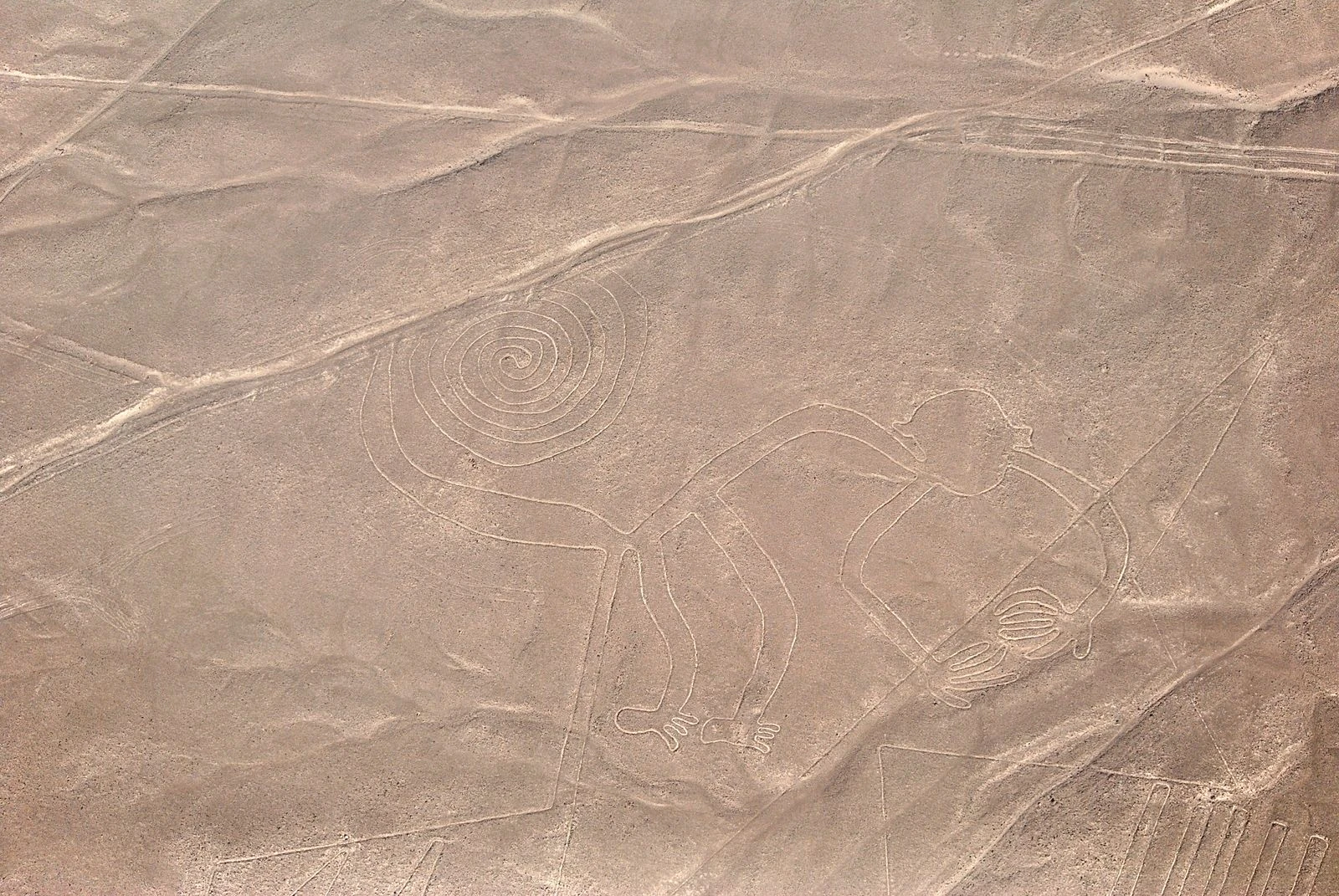
The Nazca Lines spread across desert plains at a scale most visible from the air, but official ground viewpoints reveal selected figures and the relationship between lines and terrain.
Use only legal towers and paths. Never walk onto the geoglyphs or accept an unofficial off-road approach. Pair the viewpoint with the Antonini museum or nearby ceremonial landscape for archaeological context.
11. Hike to the Karajía sarcophagi
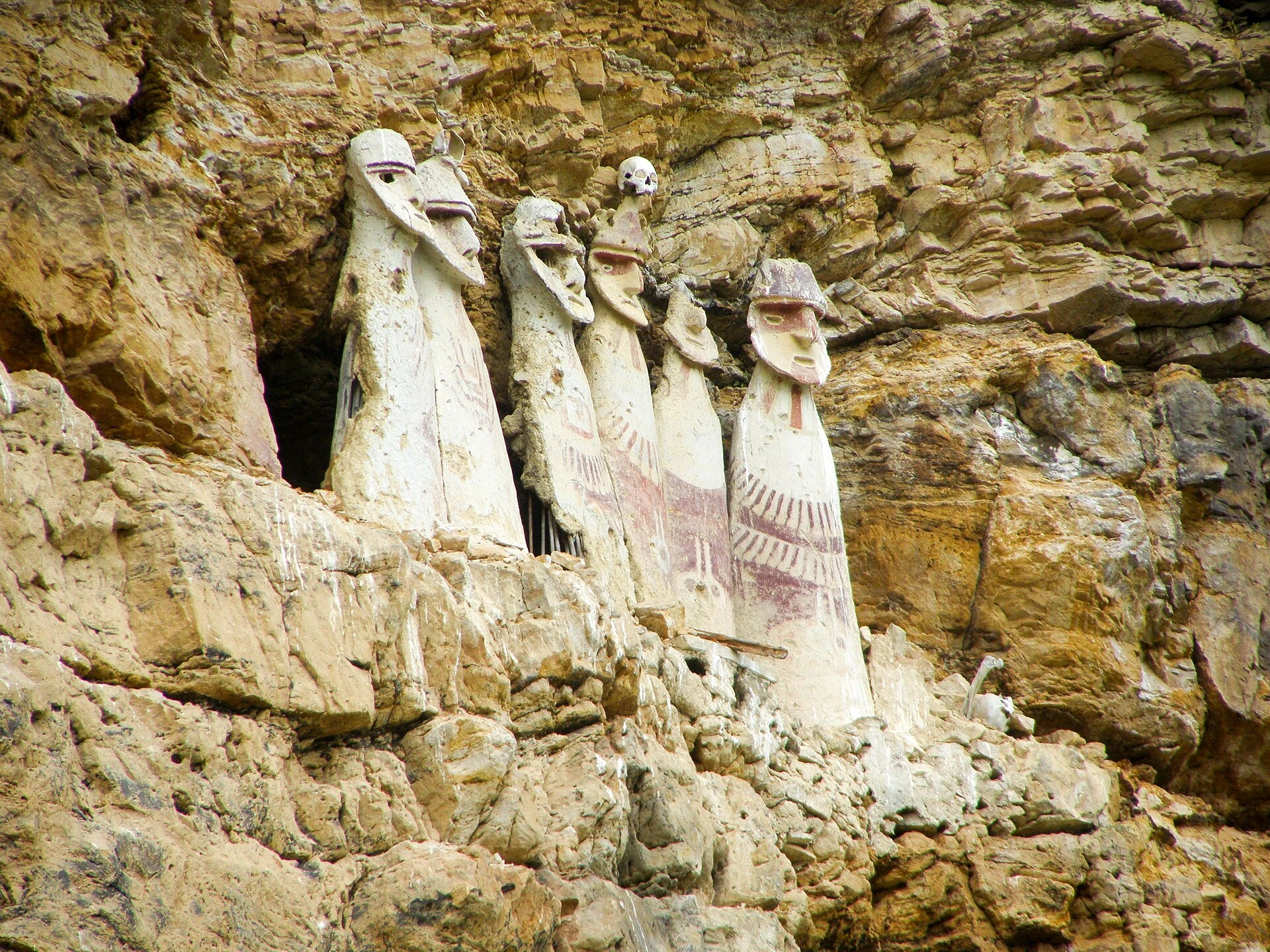
Tall Chachapoya funerary figures stand in a cliff recess above the Utcubamba region. A village-managed trail approaches a viewpoint without entering the inaccessible tomb ledge.
Use local access, carry footwear for mud and remain at the designated viewing position. Long lenses replace dangerous or disrespectful attempts to get closer.
12. Walk the walls of Waqrapukara
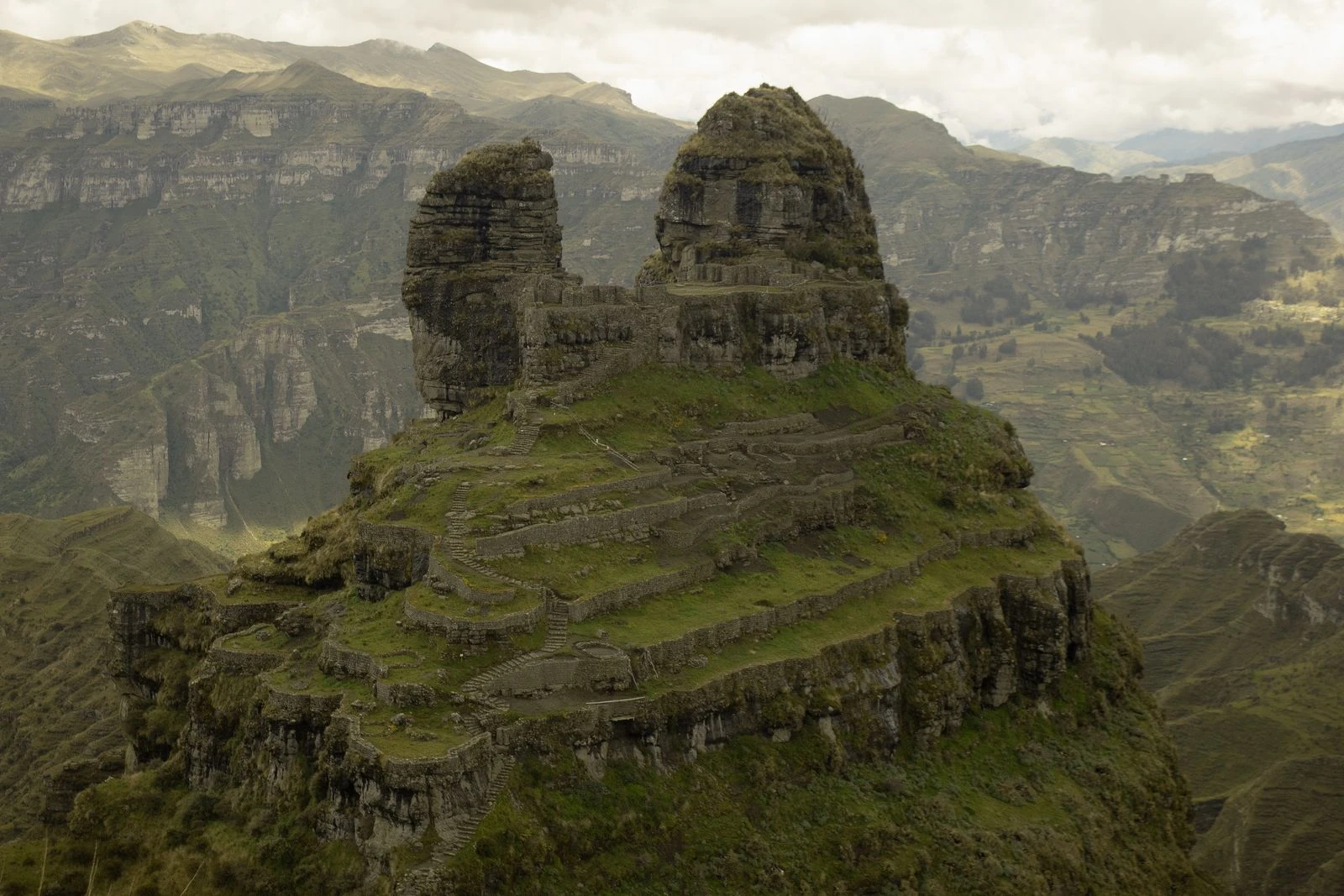
Waqrapukara integrates Inca stonework with a dramatic horn-shaped formation above the Apurímac canyon. Reaching it on foot makes the relationship between route, ritual space and landscape unmistakable.
Use an established approach with local guidance, stay off masonry and prepare for altitude and storms. Community permission and road conditions determine the appropriate trailhead.
Choosing an archaeological journey
Choose Cusco and the Sacred Valley for Inca landscapes, Trujillo for Moche and Chimú sites, Chachapoyas for Kuélap and cliff burials, and Lima's wider region for Caral and Pachacamac. Chavín requires its own high-Andean journey from Áncash.
Continue with Peru's adventure activities, best hikes and wildlife experiences.
Responsible site rules
- Buy tickets and follow circuits from official authorities.
- Never climb, sit on or touch archaeological fabric.
- Leave pottery, stone and human remains exactly where found.
- Ask before photographing local ceremonies or residents.
- Use qualified interpretation and avoid unsupported myths presented as fact.