

The Philippines is an archipelago, so many of its best adventures start with a boat ride or a flight between islands. The Cordillera has highland trails and rice terraces; Palawan has limestone coastlines, while Tubbataha is known for its reefs. Cebu, Siargao and Mindanao bring waterfalls, surf and white water.
Plan around travel time as well as the activity. Weather can disrupt ferries and domestic flights, while heavy rain can close river and canyon routes. Protected areas may require permits, local guides or advance reservations, and their rules can change. Check with the managing office before setting out.
Philippines adventures at a glance
| Adventure | Standout destination | Intensity | Key requirement |
|---|---|---|---|
| Mountain hiking | Mount Pulag | High | Park registration and local guidance |
| Long-distance trekking | Mount Apo | Very high | Current permit and trail status |
| Surfing | Siargao | Moderate–very high | Break matched to experience and conditions |
| Canyoneering | Kawasan Falls, Cebu | Moderate–high | Accredited guide and safety gear |
| Scuba diving | Tubbataha Reefs | High | Liveaboard, permit and dive certification |
| River rafting | Cagayan de Oro | Moderate–high | Reputable operator and current water conditions |
The 20 best adventure activities in the Philippines
Hike Mount Pulag

Mount Pulag's summit sits above a highland landscape of grassland, mossy forest and cloud. The Ambangeg trail is a common choice for a summit sunrise, while other approaches are longer and more demanding.
Mount Pulag is a protected landscape with visitor management and carrying-capacity rules described in DENR's Mount Pulag visitor-management plan. Register through the park's current process, follow the required briefing and guide arrangements, and confirm which trail is open. Nights near the summit are cold; bring proper insulation and rain protection, even in the dry season.
Trek Mount Apo

Mount Apo, at 2,954 metres, is the country's highest peak. Treks cross forest and volcanic terrain, and routes differ by entry point. The climb usually takes more than one day and requires stamina, sure footing and time to acclimatize. Digos City lists permit, orientation and guide requirements for its Kapatagan Trail; check the rules with the local government for your chosen route.
Secure the current trekking permit through the local government for your chosen trail and check for closures before travelling. A route may be closed after a landslide, fire or other hazard while another remains open. Go with the required local guide, carry out all rubbish and respect community and protected-area rules.
Walk to Mount Pinatubo's crater lake
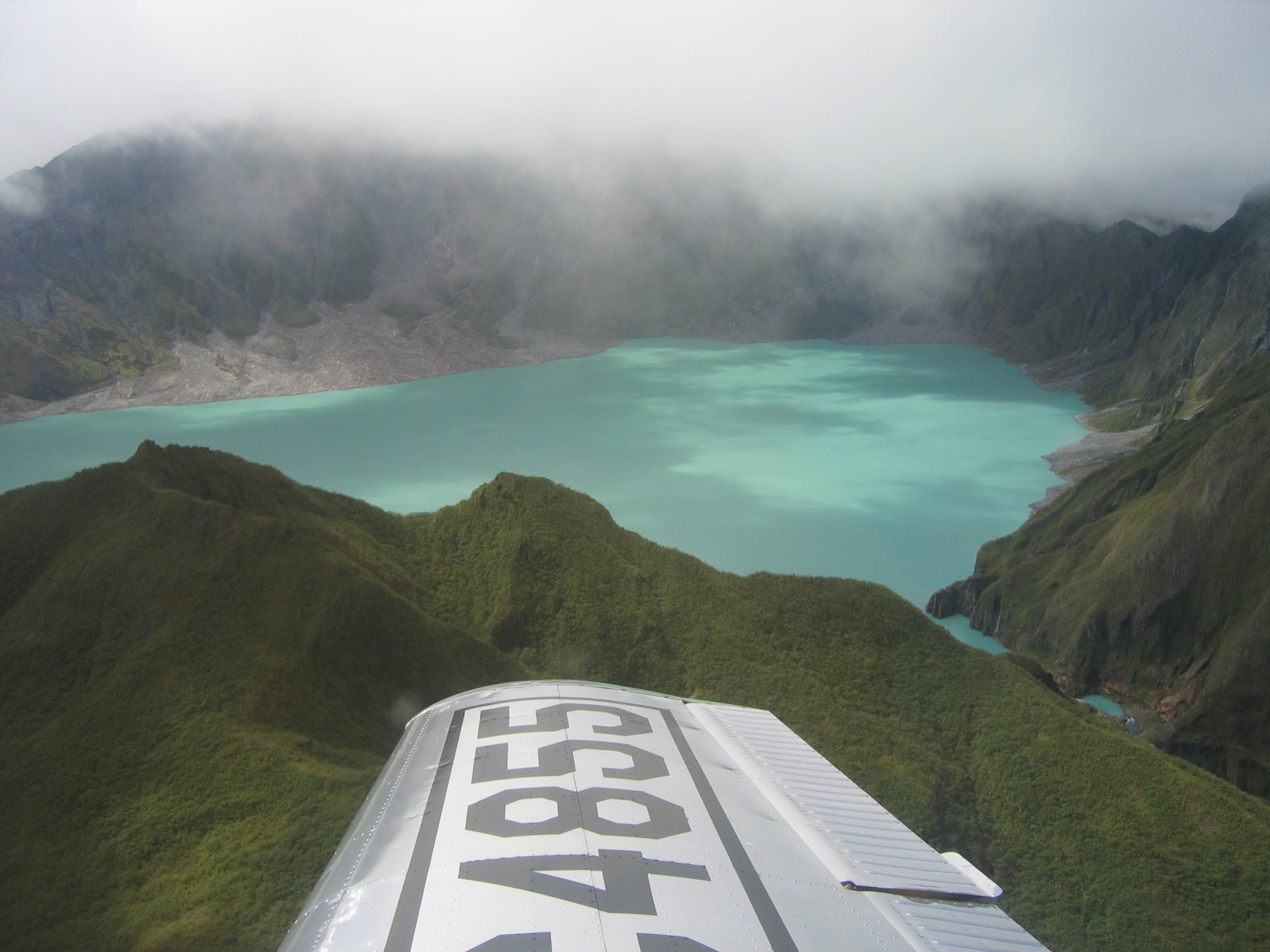
The Mount Pinatubo trek in Tarlac starts with an off-road ride through lahar country, followed by a walk across an exposed volcanic valley. The terrain is pale and bare, with little shade; the crater lake is the destination when access is open.
Arrange the trip through the local tourism office or an approved operator, which can confirm current permits, transport and guide requirements. The Capas municipal charter describes the town's Mount Pinatubo trek process. Rain can cause flash floods in the ravines, and the route may close at short notice. Bring sun protection and enough water, and follow local instructions around the lake.
Climb Mount Hibok-Hibok on Camiguin

The ascent of Mount Hibok-Hibok climbs through forest on Camiguin to a volcanic summit with views across the island. It is a steep, strenuous hike that suits people comfortable with a full day on uneven ground.
Ask the Camiguin tourism office or protected-area staff about current permits, guide arrangements and trail conditions before choosing a date. The Department of Tourism's Camiguin guide describes trekking on the island and the Timpoong-Hibok-Hibok Natural Monument. Rain makes the route slippery, and cloud can obscure the way. Carry water, food and a waterproof layer, and leave enough daylight for the descent.
Hike from Batad to Tappiya Falls

Stone terraces curve around Batad's steep amphitheatre in Ifugao. A walk from the village follows narrow paths and stairs toward Tappiya Falls, then climbs back up; the return is harder than the descent suggests.
Check in with the local tourism office and hire a community guide if required for your chosen route. Stay on paths and stone steps rather than walking across rice paddies or terrace walls. Bring water and shoes with grip, and ask before photographing residents or entering private land.
Explore Sagada's Sumaguing Cave

Sumaguing Cave descends through chambers of limestone formations and underground pools. The route involves scrambling over wet rock and, on some itineraries, wading or swimming, so it is a proper caving trip rather than a casual cave visit.
Check in with the Sagada tourist registration system and arrange the required local guide before entering. Use the guide's route and equipment instructions; the rocks are slick, and conditions inside can change after rain. Leave the formations untouched and avoid bringing anything you cannot keep secure.
Ride the bike zipline above the Chocolate Hills

At the Chocolate Hills Adventure Park on Bohol, the bike zipline sends riders along a cable above the hills. The ride adds a short aerial activity to a visit to the area's viewpoints and cycling routes.
Use the designated viewing platforms and activity areas; the hills themselves are a protected geological landscape. Check which rides are operating, their height or health requirements and the weather before paying. Keep to marked roads when cycling in the wider countryside, where traffic and road surfaces vary.
Surf Siargao

Siargao has reef and beach breaks, including Cloud 9 and gentler options around the island. Conditions change with swell and tide, so a spot that suits an experienced surfer may be wrong for a beginner on the same day.
Take a lesson at a break with a sandy bottom if you are new to surfing, and ask local instructors about currents, reef and line-up etiquette. Reef booties can help protect feet at rocky entries, but they do not make a shallow reef break safe. Check conditions before paddling out.
Learn to surf in La Union

San Juan in La Union is a popular place to learn, with surf schools and a beach-break area alongside more demanding point breaks. It is a convenient coastal trip from Manila, though weekends and holidays bring larger crowds.
Book a lesson with an instructor who will choose a beach for the day's tide and swell. Wear a leash and rash guard, listen to the beach safety briefing and give other surfers room. Check local advisories during rough weather, when lessons may be cancelled.
Canyoneer through Kawasan Falls

The guided canyoneering route from Alegria toward Kawasan Falls follows the Kanlaob River through limestone channels, pools and cascades. Some groups choose to jump into pools, but jumps are optional and the guide can direct you to walking alternatives.
Cebu publishes provincial canyoneering guidelines and a dedicated ordinance for the activity. Book through an accredited operator, use the required helmet and flotation gear, and follow the guide's safety briefing. Flash floods are a serious risk after heavy rain; trips can be suspended, so do not pressure a guide to continue in unsafe conditions.
Raft the Cagayan de Oro River

White-water rafting on the Cagayan de Oro River has sections with different grades, making it possible to choose a trip that fits your group's experience. Operators provide the raft, guide and safety equipment.
Ask what section is running and what the water level means for your trip. Wear the fitted helmet and life jacket, follow commands from the guide and be honest about your swimming ability. Heavy rain can change the river quickly, so accept a change of route or cancellation.
Dive Tubbataha Reefs Natural Park

Tubbataha lies in the Sulu Sea and is reached by liveaboard, with trips generally running during the seasonal window set by park managers. The reefs attract experienced divers for open-water walls and abundant marine life.
Book with a currently permitted liveaboard well ahead. Each entrant needs a Visitor Entry Permit and must pay any applicable conservation fee before entering the park; the Tubbataha Management Office's permit page lists requirements and fees. Check the operator's certification requirements, follow the dive plan and never touch or collect marine life.
Explore Coron’s wrecks by scuba

Coron's dive sites include Japanese shipwrecks sunk during the Second World War, alongside reefs and shallower sites. Some wrecks are accessible to newer divers, while penetration and deeper sections demand specialist training.
Choose a dive site that matches your certification and recent experience. Dive with a licensed local centre, follow the guide's depth and no-entry limits, and do not enter a wreck without the required training and equipment. Carry a surface marker buoy when your operator recommends one.
Snorkel with turtles at Apo Island

Apo Island, off Negros Oriental, is known for snorkeling and diving around its coral reefs. Guided trips from the mainland allow visitors to explore selected areas and, with luck, see sea turtles feeding near the reef.
Go with a registered boat or local guide and follow the marine sanctuary's current rules. Keep a respectful distance from turtles, do not touch coral and avoid standing on the reef. Conditions can be rough; wear flotation if needed and stay within the area your guide identifies.
Snorkel the sardine run in Moalboal

Large schools of sardines gather close to shore near Panagsama in Moalboal, where snorkelers can see the moving shoal from the surface. Boat trips also reach nearby reefs and Pescador Island.
Use a guide or stay in the designated swim area, and keep clear of boats and divers. Do not chase or touch wildlife, and avoid kicking coral with fins. If the water is rough or visibility is poor, wait for better conditions rather than swimming farther offshore.
Kayak through El Nido's lagoons

Sea kayaks let you explore the limestone coast and sheltered lagoons around El Nido at a slower pace than a motorboat. Popular routes include the Bacuit Archipelago, where narrow entrances and shallow water can make access dependent on tide.
Join a permitted island-hopping trip or rent from a reputable local operator who can explain current access rules. Wear a life jacket, check tide and wind, and do not paddle into a cave or passage beyond your ability. Protect the limestone and marine life by keeping landings to permitted areas.
Paddleboard at Sugba Lagoon

Sugba Lagoon on Siargao is a boat-access destination where visitors can paddleboard across clear water below forested limestone. A paddleboard session is an easy way to spend more time on the water after the boat journey.
Check current visitor arrangements and any conservation or capacity rules with local authorities before travelling. Use a life jacket, keep to the permitted area and do not jump from structures where signs prohibit it. Boat service and lagoon access depend on weather and sea conditions.
Visit the Puerto Princesa Underground River
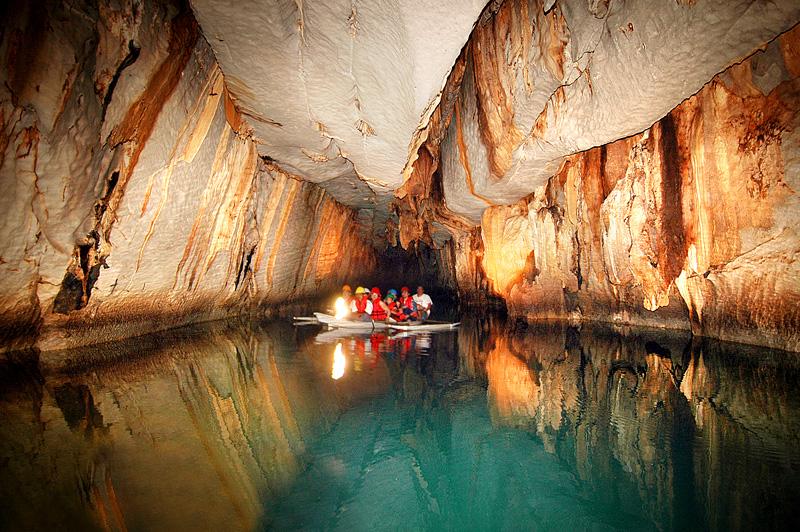
At the Puerto Princesa Subterranean River National Park, a boat takes visitors into a navigable section of the underground river and cave. The park limits daily visitor numbers to reduce disturbance to its bats, swiftlets and other wildlife.
Get a visitor entry permit before going to the park. The official park travel advisory says permits are required and gives booking details; arriving in Sabang does not guarantee entry. Follow instructions inside the cave, keep quiet and do not use flash photography where prohibited.
Swim beneath Cambugahay Falls

On Siquijor, Cambugahay Falls has a series of freshwater pools and cascades surrounded by vegetation. Visitors can swim, wade and use rope swings where they are operating.
Check local conditions after heavy rain, when water levels and currents can make swimming unsafe. Use only maintained platforms and swings, check the landing area before entering a pool and avoid diving into water you cannot see through. Pack out rubbish and respect local access rules.
Kitesurf at Bulabog Beach

Bulabog Beach on Boracay is known for wind sports, with kite schools and equipment hire along the shore. Lessons take place in shallow water, while stronger wind and open-water skills are better suited to experienced riders.
Book with a qualified school and check wind conditions, beach zones and local operating rules. Wear the safety equipment provided and stay clear of swimmers and boats. If the wind is too strong or gusty for your level, choose a lesson on another day.
How to choose your Philippines adventure
For mountain trekking and cooler weather, focus on the Cordillera or the volcanoes of Mindanao. Cebu combines canyoneering with coastal diving, while Palawan and Tubbataha are choices for sea kayaking and reef trips. Siargao, La Union and Boracay each have surf or wind-sport options, though their seasons and skill requirements differ.
Allow extra days for island connections and weather delays. A multi-stop itinerary that depends on a same-day ferry, flight and tour leaves little room for a cancellation. Pick one island group for each short trip and confirm local transport before locking in a remote activity.
Before booking
- Confirm permits, guide requirements and trail status with the park or local tourism office for Mount Pulag, Mount Apo and other protected areas.
- Book Tubbataha only through a currently permitted liveaboard and secure the required visitor entry permit.
- Get a Puerto Princesa Underground River permit through the park's official booking process before travelling to Sabang.
- Use accredited Cebu canyoneering operators and check for rain-related closures before departure.
- Check the PHIVOLCS volcano bulletins and advisories and local government notices before planning an activity near an active volcano.